

Bayer Co.Lab China Launches to Empower Local Innovators with Global Reach
SPH
Pharmaceutical R&D and Manufacturing
The Spark of Innovation Ignites Once Again in Shanghai.
September 26,Following the establishment of Bayer’s first innovation hub in Beijing—the Bayer Yizhuang Open Innovation Center—in 2023, Bayer Co.Lab China, a global life sciences co-creation platform jointly built by Bayer Group and Shanghai Pharmaceuticals (SPH), has been officially unveiled. This marks the first launch of the Bayer Co.Lab co-creation platform in China.With this, Bayer has officially established its “dual innovation engines” in the field of advanced life sciences in China, marking a new milestone in the company’s innovation strategy layout in the country.
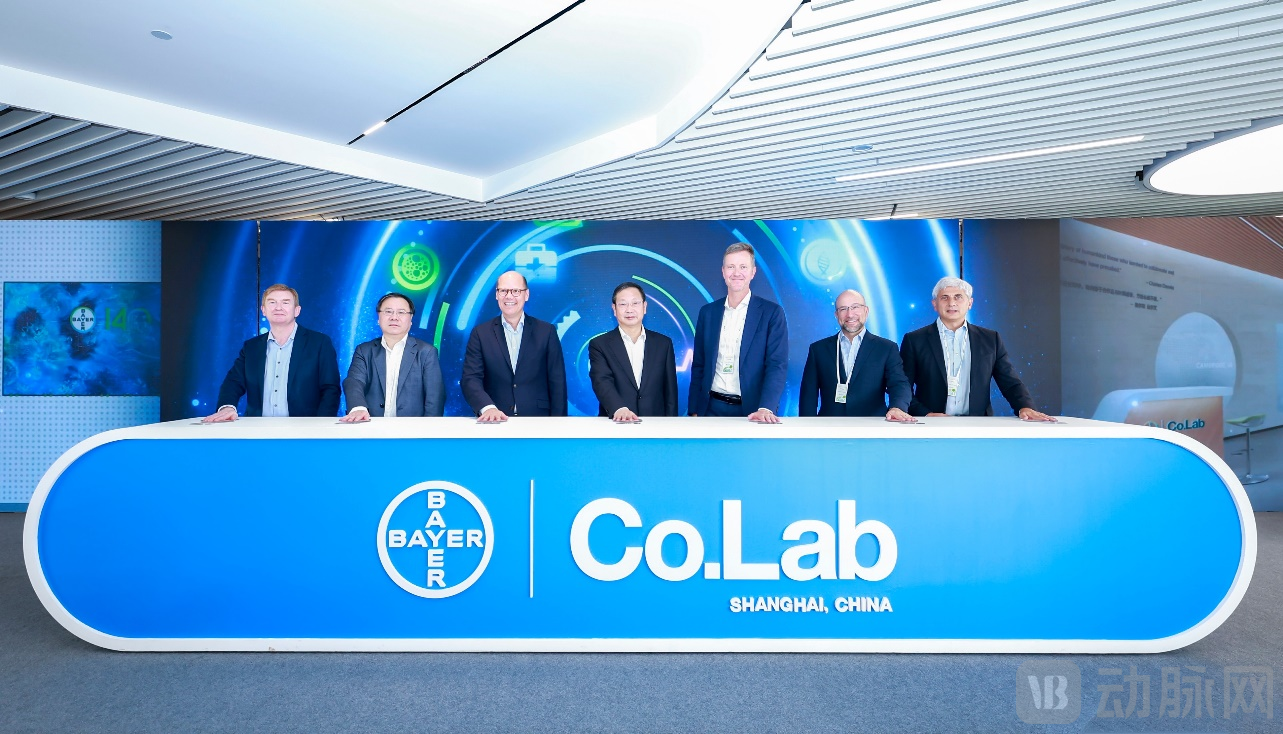 Guests Unveil Bayer Co.Lab China (from left to right)Friedemann Janus, Senior Vice President of Bayer’s Pharmaceuticals Division and Global Head of Regional Business Development, Open Innovation, and Co.Lab; Wu Qiang, Member of the Standing Committee of the Pudong New Area Committee of the Communist Party of China, Deputy District Mayor of Pudong New Area, and Deputy Director of the Administrative Committee of the China (Shanghai) Pilot Free Trade Zone; Sebastian Guth, Global Chief Operating Officer of Bayer’s Pharmaceuticals Division; Zhu Zhisong, Member of the Standing Committee of the Shanghai Municipal Committee of the Communist Party of China, Secretary of the Pudong New Area Committee of the Communist Party of China, and Director of the Administrative Committee of the China (Shanghai) Pilot Free Trade Zone; Juergen Eckhardt, Global Head of Business Development, Licensing, and Open Innovation at Bayer’s Pharmaceuticals Division; Seth Ettenberg, President and Chief Executive Officer of BlueRock; and Gustavo Pesquin, Chief Executive Officer of AskBio.
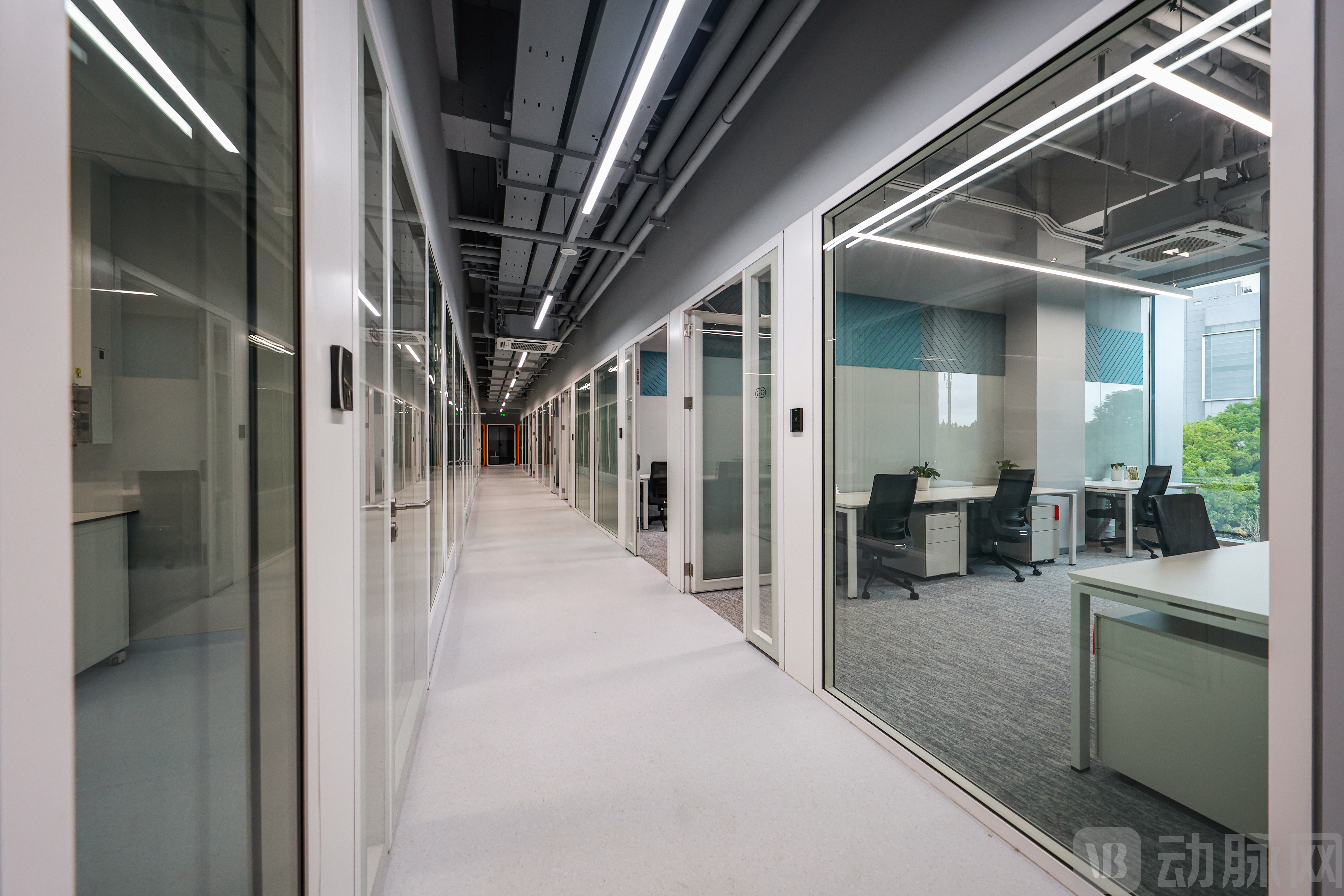
Leveraging Shanghai’s cutting-edge innovation incubation platforms and integrated solution services, the Bayer Co.Lab co-creation platform, as part of Bayer’s global innovation ecosystem, provides dedicated space and personalized support services to Chinese startups. It fosters open innovation and collaboration within the biotechnology ecosystem, establishing itself as a key component in Bayer’s efforts to drive end-to-end local R&D innovation. Bayer Co.Lab China will empower 8 to 10 startups, with a strategic focus on frontier innovations such as cell and gene therapies (CGT), oncology, and new technology platforms.
Prior to its launch in Shanghai, Bayer Co. Lab had already established a strategic presence in multiple global innovation hubs, including the United States, Japan, and Germany. At the unveiling ceremony, Bayer also announced that several companies have entered the final stages of signing occupancy agreements. These partnerships will provide diverse forms of support for the translation of innovative achievements, continuously enhancing Bayer’s external innovation network through early-stage incubation.
One day prior to the unveiling ceremony, Asklepios BioPharmaceutical, Inc. (“AskBio”), a wholly owned and independently operated gene therapy subsidiary of Bayer, entered into a strategic partnership with Belief BioMed Inc., a Chinese gene therapy company. The two parties will leverage their respective expertise and strengths in gene therapy technologies to conduct in-depth research and exploration of disease areas amenable to innovative gene therapies delivered via liver-targeted approaches.
With the official unveiling of the Bayer Co.Lab China Co-Creation Platform, we have specially invited Friedemann Janus, Senior Vice President of Bayer Pharmaceuticals, Head of Regional Business Development, Open Innovation, and Global Lead of Co.Lab, and Gustavo Pesquin, CEO of AskBio, to provide an in-depth interpretation of the platform’s development roadmap and the implementation of Bayer’s global innovation strategy.
Friedemann Janus stated, “Bayer is focused on breakthrough innovation, with the primary goal of addressing unmet medical needs of patients, particularly in areas such as cell and gene therapy (CGT) and oncology, which align with Bayer’s shared vision and expertise.”
In response to the continuously growing and evolving patient needs, Bayer is actively pursuing a strategic transformation by making bold investments in and incubating globally leading technology platform companies, building a more comprehensive global innovation network, continuously enhancing its R&D capabilities, and strengthening its early-stage research pipeline. Recent financial reports indicate that the Bayer Group has been increasing its investment in early-stage innovation incubation worldwide, with a particular focus on two key areas: cell and gene therapy (CGT) and oncology.
Currently, five of Bayer’s Phase I clinical projects are cell and gene therapy products, covering multiple therapeutic areas including neurological disorders and rare diseases. In addition, AB-1002, a candidate gene therapy for congestive heart failure developed by AskBio, a wholly owned and independently operated subsidiary of Bayer, has entered Phase II clinical trials and received Fast Track designation from the U.S. FDA.
Friedemann also pointed out, “The Phase I clinical trial results for bemdaneprocel (BRT-DA01), BlueRock Therapeutics’ Parkinson’s disease pipeline asset, are highly exciting, miraculously turning what many deemed impossible into reality. Therefore, we are full of confidence in the prospects and future of the CGT field. It is important to emphasize that our ultimate focus is on patient benefit; delivering value to patients is what creates value for the company.”
Not long ago, BlueRock Therapeutics announced positive 18-month results from the Phase I clinical trial of bemdaneprocel. The results showed that bemdaneprocel not only alleviated motor symptoms of Parkinson’s disease (PD) but also demonstrated a trend toward addressing dopaminergic neuron loss and non-motor symptoms of PD.
Statistically speaking, since 2020, Bayer has invested more than €3.5 billion in building CGT-related technology platforms, underscoring its determination and confidence in the field of cell and gene therapy (CGT).
Meanwhile, oncology remains a key focus area for Bayer and continues to drive sustained growth. According to Bayer’s second-quarter 2024 financial report, sales of the oncology drug Nubeqa (darolutamide) reached €663 million, representing a year-on-year increase of 78.4%, making it a significant contributor to Bayer’s overall revenue growth.
As one of Bayer’s four core therapeutic areas for innovation, oncology has also received significant investment. In 2021, Bayer strengthened its research and product pipeline in small-molecule drugs and precision medicine by acquiring Vividion and its leading chemoproteomics platform. Over the past few months, Vividion has advanced two highly anticipated oncology projects—a KEAP1 activator and a STAT3 inhibitor—into Phase I clinical trials. Meanwhile, Bayer has partnered with Thermo Fisher Scientific to co-develop next-generation sequencing-based companion diagnostic assays for Bayer’s growing precision oncology portfolio.
Within Bayer’s global innovation strategy, cell and gene therapy (CGT) and oncology undoubtedly play pivotal roles. This strategic positioning directly shapes the specific focus of Bayer’s Co.Lab China co-creation platform when selecting partners and projects. “When selecting companies to join the program, the primary consideration is synergy with Bayer’s overall innovation strategy at the business level, particularly a high degree of alignment in strategic direction and key priorities,” said Friedemann. “Secondly, we evaluate through an expert committee whether the scientific hypotheses proposed by applicant companies represent breakthrough innovations—intuitively speaking, whether our expert committee members are visibly excited and their eyes light up after discussion sessions. Thirdly, we assess whether the innovative ideas of the applicant teams are sufficiently feasible and demonstrate the courage to tackle challenges. At the same time, we place greater emphasis on early-stage companies to provide them with more substantial support.”
As Juergen Eckhardt, Head of Global Business Development, Licensing & Open Innovation at Bayer’s Prescription Drugs Division, stated at the opening ceremony, China has become a major source of global innovation in life sciences. Data from Insight show that the value of license-out deals in China’s pharmaceutical sector grew from USD 7.891 billion in 2020 to USD 47.267 billion in 2023. According to VCBeat, more than ten innovative drug companies secured out-licensing partnerships in the first half of 2024, with total transaction values exceeding USD 10 billion. China’s pharmaceutical R&D and industrial development are entering a new cycle of innovation commercialization, particularly in cell and gene therapy (CGT) and oncology, where China is demonstrating robust innovative vitality and potential and has become an integral part of the global pharmaceutical industry chain.
Against this backdrop, the strategic partnership between AskBio and Belief BioMed is particularly noteworthy, reflecting confidence in the innovative technologies of Chinese pharmaceutical companies. “In addition to the fact that Dr. Xiao Xiao, founder of Belief BioMed, previously served as co-founder of AskBio, the most critical factor driving this strategic collaboration is that its breakthrough innovative technologies complement our research directions, helping to identify the optimal development path for AskBio’s pipeline assets. Through such joint and open innovation collaborations, we aim to develop novel therapies addressing significant unmet medical needs on a global scale,” said Gustavo Pesquin, CEO of AskBio.
Meanwhile, Gustavo also pointed out the importance of maintaining an open and flexible attitude toward collaboration with more companies featuring breakthrough innovative technologies, expressing hope for opportunities to jointly address the challenges facing the CGT industry.
For Bayer, which is equally committed to open innovation, it has been deeply rooted in China for over 140 years since its initial entry into the Chinese market in 1882. Throughout this long history, Bayer has participated in and witnessed the rapid development of China’s healthcare sector, while China’s cell and gene therapy (CGT) and oncology treatment industries have also achieved significant leaps forward.
In the field of cell and gene therapy (CGT), China has emerged as one of the most significant markets globally, with an explosive growth in the number of clinical trials, second only to the United States. According to the Qianzhan Industry Research Institute, the market size of CGT in China has been growing rapidly since 2016, and it is projected to reach $2.59 billion by 2025, demonstrating substantial market potential.
In the realm of oncology treatment, China is confronting challenges posed by an aging society, with a yearly increase in the number of cancer patients and an urgent demand for effective therapeutic options. Continuous growth in R&D investment in China’s oncology sector has driven the development of various treatment modalities, including targeted therapy and immunotherapy. Furthermore, China is actively expanding national medical insurance coverage for oncology drugs to alleviate the financial burden on patients.
Amid the booming development of China’s cell and gene therapy (CGT) and oncology treatment industries, Bayer, as a long-term participant and witness in China’s healthcare sector, is actively adjusting and deepening its innovation strategy in China, striving to achieve breakthroughs in this vibrant market.
Friedemann Janus further elaborated, “In our pursuit of breakthrough innovation, we are fully aware that this is a mission both challenging and full of opportunities. Therefore,”Our philosophy is to go wherever innovation leads. We aim to combine local innovation with global expertise, striving for significant breakthroughs in fields such as cell and gene therapy (CGT) and oncology, accelerating the commercialization of scientific achievements, and ultimately bringing new hope to patients who have limited treatment options under conventional therapies through cutting-edge technologies.”
To realize the philosophy of “Wherever innovation emerges, we follow,” Bayer continues to deploy its external innovation network globally, with the Co.Lab co-creation platform serving as an indispensable component of this strategic blueprint.
According to reports, Co.Lab China not only provides resident companies with an ideal co-creation space but also leverages Bayer’s global R&D network and expertise to help biotechnology startups connect with the global innovation collaboration network, offering international perspectives and resources. With abundant internal and external expert resources, Bayer Co.Lab China will accelerate the translation of innovations through professional guidance and consulting.As a key component of Bayer’s open innovation strategy, Co.Lab China injects new momentum into Bayer’s global R&D and innovation, while also opening doors for Chinese innovators to expand onto the global stage.“It is worth emphasizing that our collaboration model is more personalized and open; for instance, we offer virtual residency options for enterprises that are not suited for physical on-site presence,” Friedemann added.
For example, AskBio, a wholly owned but independently operated subsidiary of Bayer, not only receives R&D funding support but also has the autonomy to collaborate with external partners to jointly develop innovative solutions and therapies, while leveraging Bayer’s support in commercialization and business development, according to Gustavo.
Bayer has long regarded the Chinese market as one of its most resilient growth engines globally. While continuously increasing its investment in innovative transformation, Bayer is also accelerating the translation of basic research findings into new drug development by deepening strategic partnerships with prestigious local academic institutions such as Tsinghua University and Peking University, thereby bolstering China’s capacity for pharmaceutical R&D innovation. To date, Bayer has jointly conducted more than 100 research projects with Tsinghua and Peking Universities, resulting in a total of 20 co-authored papers published in international academic journals.
“In addition, Bayer is further increasing its investment in technologies with breakthrough potential through impact investing initiatives such as the Leap Program. ‘The investment philosophy of the Leap Program is to back ‘Moonshot’ projects—ambitious, higher-risk endeavors that, if successful, will significantly advance human progress. Following the completion of the global Co.Lab network, the Leap Program and Co.Lab will generate strong synergies to jointly accelerate the development of innovative projects,’ said Friedemann.”
“Innovation is an expensive and time-consuming journey, with every step fraught with challenges and uncertainties. ‘This is a remarkable era that affords us the opportunity to pursue more breakthrough innovations. However, for innovative enterprises, I recommend defining a clear differentiated focus from the outset, managing financing effectively, prioritizing talent development, and seeking long-term partnerships for mutual growth. Only in this way can they rapidly stand out,’ said Friedemann.”
Gustavo also believes that entrepreneurs should share these common traits: a strong leadership team, a clear and differentiated scientific platform and development pathway, and a focused approach.
The establishment of Bayer’s Co.Lab co-creation platform provides a “shortcut” for breakthrough innovations in the biotechnology sector, offering greater possibilities for curing human diseases by identifying and nurturing sparks of innovation worldwide. From Cambridge, USA, to Kobe, Japan,Berlin, GermanyandShanghai, ChinaFrom the Bayer Yizhuang Open Innovation Center to Bayer Co.Lab China, Bayer is gradually fulfilling its commitment to innovation.