

SoundHealth Launches SONU: The First FDA-Authorized AI-Powered Wearable for Drug-Free Nasal Congestion Relief

SoundHealth
Wearable Treatment Device Developer
July 2024,Wearable device innovator SoundHealth announces the launch of its first product, SONU. Reportedly, this product is the world’s first AI-powered wearable medical device to receive FDA De Novo classification authorization, designed for home use by patients aged 22 and older to treat moderate-to-severe nasal congestion caused by allergic and non-allergic rhinitis.
The advent of SONU also marks the entry of nasal congestion treatment into a new era of intelligence and non-pharmacological intervention. With its unique technological advantages, it provides patients and clinicians with an unprecedented non-invasive, side-effect-free therapeutic option, significantly enriching the arsenal for rhinitis management.
Concurrently with the official launch of SONU, SoundHealth secured $7 million in seed funding. The company will leverage these funds to strengthen the commercialization and marketing of SONU, while seeking regulatory approval for its use in treating pediatric rhinitis and insomnia.
Leveraging Wearable Devices to Offer a Novel Therapeutic Approach for Rhinitis
Smart wearable devices refer to intelligent devices that can be directly worn on the human body and, supported by biosensing technology, wireless communication technology, and intelligent analysis software, enable functions such as user interaction, human health monitoring, and lifestyle entertainment.
Especially in the medical field, the use of wearable devices for disease treatment and rehabilitation is still largely in the research and evaluation stage. For example, wearable automated external defibrillators (AEDs) can be used by high-risk cardiac patients to deliver automatic defibrillation during emergencies. Clinically, there is also a growing emergence of wearable exoskeleton rehabilitation aids, such as hand exoskeletons, upper-limb exoskeletons, and lower-limb exoskeleton robots, which can effectively assist patients in undergoing rehabilitation training and improve its outcomes.
Coincidentally, Dr. Bryant Lin, one of the founders of SoundHealth, is also a co-founder of Arrinex, a company that has developed ClariFix®, a novel cryoablation technology. This technology uses a cryoballoon to efficiently distribute cryogenic agents to predefined targets for tissue ablation, offering favorable tissue healing outcomes for patients with refractory chronic rhinitis.
2019,Dr. Bryant Lin has begun treating rhinitis using smart wearable devices. It is understood that SONU, a product under SoundHealth, is designed with full consideration for user experience. Patients need only undergo a simple facial scan, after which they can easily wear the SONU device on their head to receive customized sound wave therapy.。
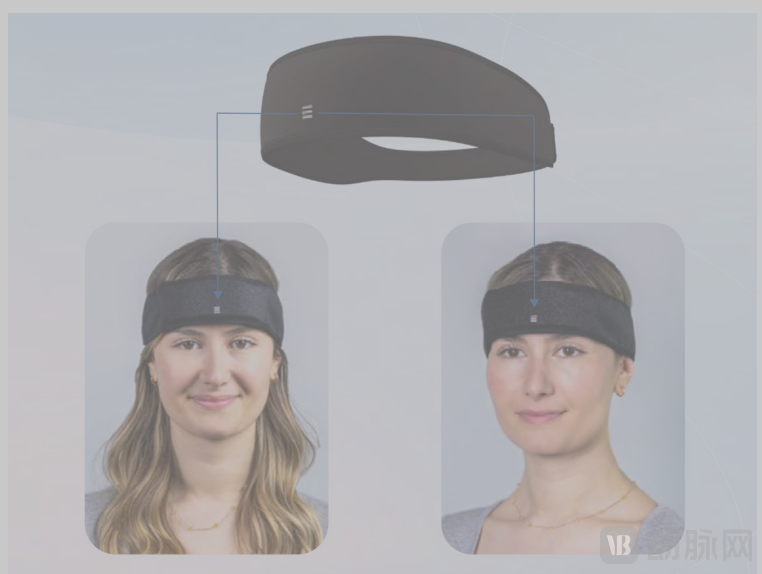
These devices utilize minimally invasive techniques to deliver more precise treatment to inflamed areas, thereby reducing patient discomfort and recovery time. Additionally, the equipment integrates AI technology to monitor treatment progress in real time and automatically adjust therapeutic parameters, ensuring optimal outcomes. Furthermore, patients can freely engage in daily activities—whether work, study, or leisure—without interruption during the treatment process.
Regulating Acoustic Vibration Energy: 80% of Users Achieve Clinical Improvement
In the field of medical technology, a study on the use of acoustic vibrations to alleviate nasal congestion has attracted widespread attention. This finding reveals that acoustic vibrations generated during humming may exert their effects by modulating autonomic nervous input to the nasal mucosa or enhancing nitric oxide activity, with the latter further promoting decongestant and anti-inflammatory effects in the nasal cavity.Based on this scientific principle, SONU—a non-pharmacological medical device that integrates artificial intelligence with acoustic vibrational energy—has been developed, offering a novel therapeutic option for patients with nasal congestion.
SONU works by generating subtle resonant sound waves that vibrate the nasal cavity almost imperceptibly, yet exert a significant effect invisibly.. They stimulate the nasal nerves, promote vasoconstriction, and effectively reduce nasal swelling, thereby widening the nasal passages; meanwhile, the action of ultrasound also dilutes and helps expel accumulated thick mucus, enhances mucociliary clearance function, and ensures nasal health. This novel therapeutic approach is not only rapid and effective but also avoids the potential side effects associated with traditional pharmacological treatments, providing patients with a safer and more reliable treatment option.
In terms of product design, SONU also prioritizes user experience, striving to make the treatment process simple, convenient, and comfortable. Its companion SoundHealth app leverages advanced artificial intelligence technology to rapidly scan the patient’s face via smartphone, accurately construct a digital model of the sinuses, and calculate the personalized optimal resonance frequency. Once the initial facial scan is complete, patients need only comfortably wear the SONU headband and power it on to enjoy tailored sonic therapy. Nasal congestion symptoms can be effectively relieved within minutes, and patients can continue their daily activities without interruption during treatment, seamlessly integrating SONU therapy into work, study, or leisure time.
According to official disclosures from SoundHealth, SONU significantly reduced nasal congestion symptom scores compared with the placebo group, with no serious adverse events reported.
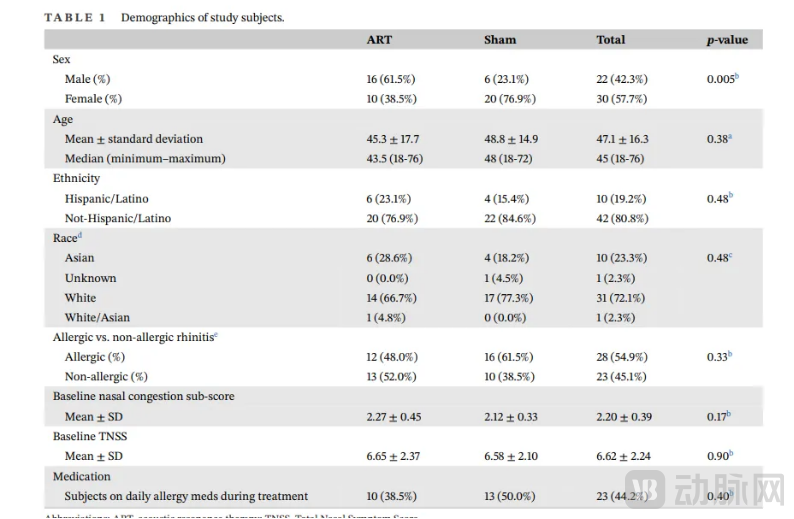
It is reported that the trial included 52 patients with moderate-to-severe nasal congestion caused by rhinitis. Study participants were randomly assigned to receive either Sonu or a sham device, twice daily for 15 minutes over a period of 2 weeks. The primary endpoint was the change from baseline in the nasal congestion subscore of the Total Nasal Symptom Score (TNSS). Compared with the sham treatment, Sonu therapy significantly reduced nasal congestion scores (−0.87 [95% CI, −1.11 to −0.62] vs. −0.44 [95% CI, −0.64 to −0.23]; P = .008). Regarding safety, no device-related adverse events were observed during the study.
A SoundHealth representative stated, ““A randomized controlled trial of its Sonuband device showed that 80% of users experienced significant clinical improvement within two weeks.”
Relevant products have already been approved in China
As early as 2016, the Jianerma R&D team, in collaboration with multiple leading medical research institutions, successfully launched the intelligent wearable Jianerma Rhinitis Treatment Device after years of relentless technological innovation, and obtained the Class II Medical Device Certification.
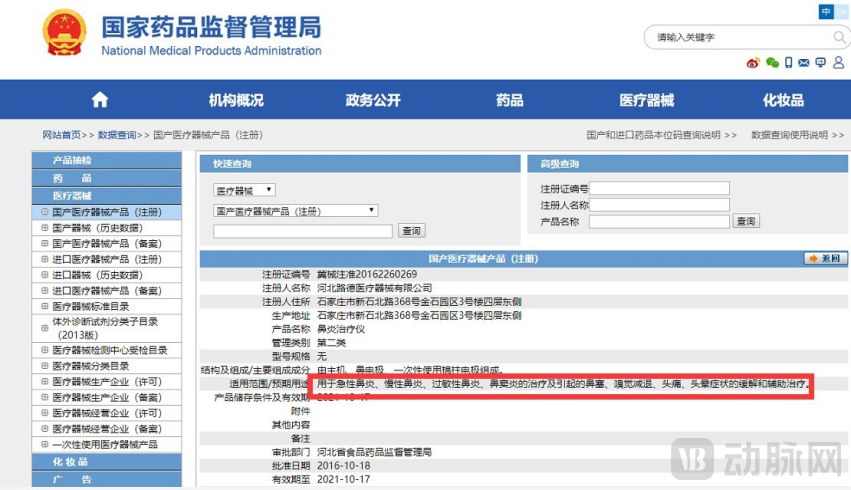
The unique feature of the Jianerma Rhinitis Treatment Device lies in its proprietary integrated drug-device therapy, which ingeniously combines bionic pulse technology with pharmaceutical ingredients. This approach precisely delivers active components to the nasal mucosa and relevant acupoints on the external nose, directly targeting the lesion. This treatment method effectively alleviates mucosal edema caused by rhinitis, reduces mucus secretion, and promotes blood circulation and metabolism, thereby enhancing the patient’s innate immunity. It achieves a triple effect of anti-inflammation, detoxification, and mucosal repair, demonstrating significant therapeutic efficacy for various types of rhinitis, including acute, chronic, allergic rhinitis, and sinusitis.
Compared to traditional rhinitis treatment products, the Jianerma Rhinitis Treatment Device eliminates the need for oral medications or injections. Its precise, targeted drug delivery method not only enhances drug permeability but also ensures the safety and comfort of the treatment process. Patients simply wear the device on their nose to receive personalized, targeted therapy, significantly improving treatment convenience and compliance.
Overall, the application of wearable devices in the treatment of rhinitis marks another significant advancement in medical technology. With their lightweight and user-friendly design, these devices enable patients to easily incorporate treatment into their daily lives. Furthermore, by leveraging cutting-edge technologies such as artificial intelligence, wearable medical devices can provide customized treatment plans tailored to individual patient differences, thereby further enhancing therapeutic efficacy. Driven by both policy support and societal demand, the market prospects for wearable medical devices in the field of rhinitis treatment are broad, indicating a continued trend of rapid growth that will bring benefits to more patients.