

Non-Small Cell Lung Cancer with Brain Metastasis Emerges as the Next Competitive Frontier: AstraZeneca, Johnson & Johnson, and Daiichi Sankyo Intensify R&D Efforts
Brain metastasis (BM) isBrain metastasis is the most common type of metastasis in non-small cell lung cancer (NSCLC) and is typically associated with a poor prognosis. Once brain metastasis occurs, patients may develop central nervous system (CNS) complications, such as seizures, language disturbances, focal neurological deficits, drowsiness, memory impairment, and altered mental status. Without timely treatment, the condition may progress rapidly, posing a life-threatening risk to the patient.
Notably, patients with non-small cell lung cancer (NSCLC) harboring epidermal growth factor receptor (EGFR) mutations are at a higher risk of developing brain metastases.According to Chinese Journal of Clinical Oncology and Rehabilitation, the 3-year cumulative incidence of brain metastases in patients with EGFR mutations ranges from 29.4% to 60.3%. According to Frost & Sullivan data, the number of newly diagnosed patients with EGFR-mutated NSCLC with brain metastases in China increased from 93,300 per year in 2017 to 112,900 per year in 2023, and is projected to reach 148,600 per year by 2033.
Despite the large market, patients with EGFR-mutated NSCLC and brain metastases still face severe treatment dilemmas.
The primary treatment modalities include surgery, chemotherapy, radiotherapy, molecular targeted therapy, and immunotherapy. For patients with non-small cell lung cancer (NSCLC) who are found to have brain metastases at initial diagnosis, surgical resection combined with chemotherapy or radiotherapy may be considered if the number of metastatic lesions is limited. However, in China, only approximately 25% of NSCLC patients with brain metastases meet the criteria for surgical intervention. Among these eligible patients, even fewer opt for brain tumor surgery as first-line treatment due to the critical importance of the nervous system.
On the other hand, since most patients are diagnosed at middle to late stages, missing the optimal window for surgical intervention, pharmacological therapy has become the primary treatment modality. However, the Blood-Brain Barrier (BBB) and the Blood-Tumor Barrier (BTB) restrict the entry of antineoplastic agents into the central nervous system. The vast majority of drugs are substrates for BBB efflux transporters, resulting in extremely limited intracranial drug concentrations that fail to effectively control tumor growth. Consequently, the proportion of patients dying from intracranial tumor progression is increasing year by year.
Therefore, the development of therapeutic agents for EGFR-mutant NSCLC with brain metastases primarily focuses on enabling drugs to cross the blood-brain barrier and increasing drug concentrations in the brain.
EGFR-TKIs: "Three Generations Under One Roof"
Osimertinib’s Annual Sales Approach $6 Billion
In recent years, molecular targeted therapy has become the preferred treatment for NSCLC due to its high specificity and favorable safety profile.Currently, EGFR-TKIs (Epidermal Growth Factor Receptor Tyrosine Kinase Inhibitors))More than 10 products have been launched on the market, with third-generation EGFR-TKIs dominating in China. Third-generation EGFR-TKIs were specifically developed to overcome T790M resistance mutations that emerge after treatment with first- and second-generation EGFR-TKIs, which currently represent the most common mechanism of resistance, accounting for more than 50% of patients. Among third-generation EGFR-TKIs, osimertinib, developed by AstraZeneca, stands out as the leading agent, with its sales reaching record highs in recent years.
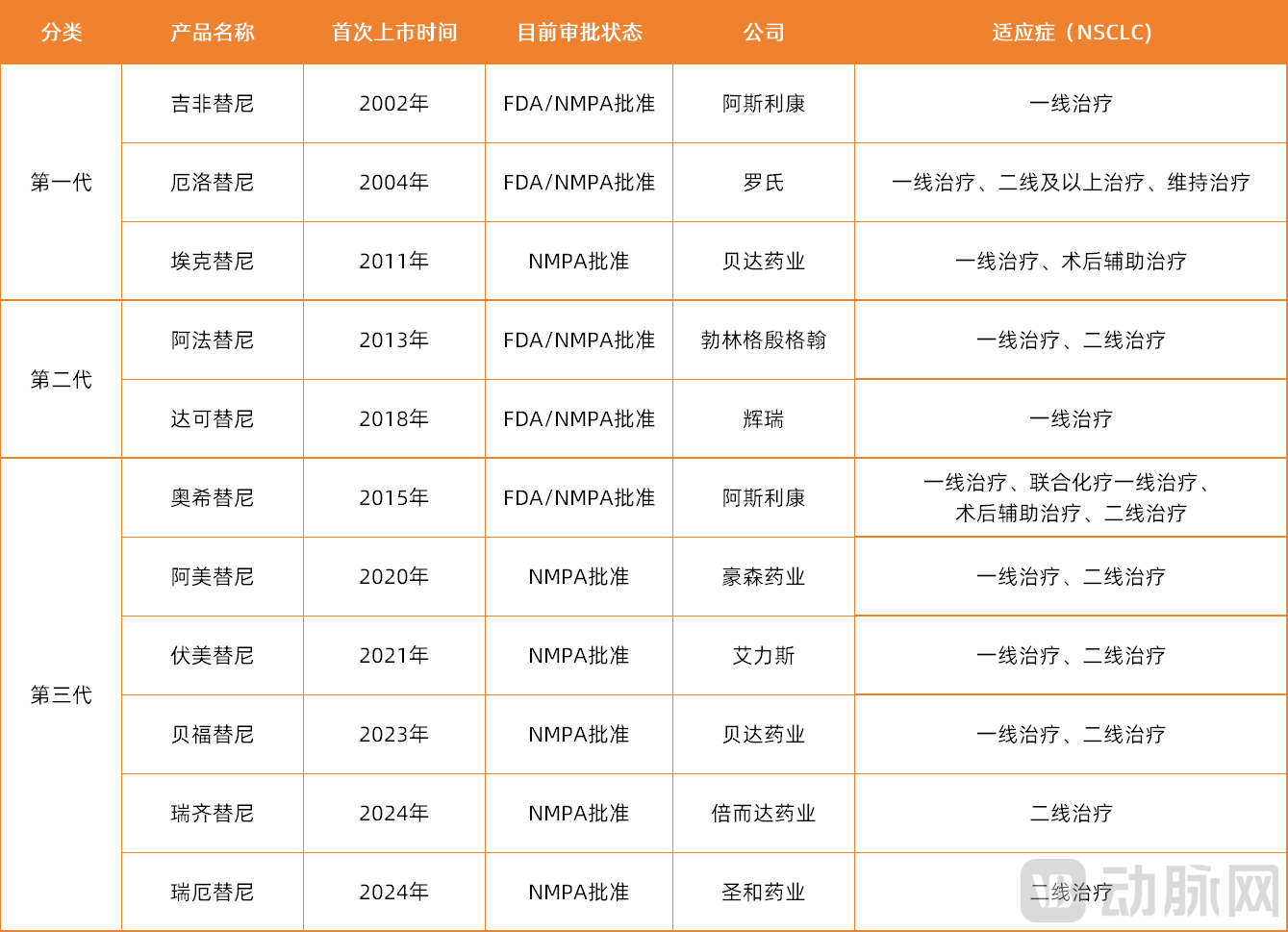
Summary of Representative Marketed EGFR-TKI Products (Based on Incomplete Statistics)
(Data sourced from public materials, arranged by product launch date)
According to AstraZeneca's financial report, osimertinib achieved global sales of $5.799 billion in 2023, ranking as the sixth largest anticancer drug worldwide. In China, osimertinib’s full-year sales reached RMB 7 billion in 2023. Ranking second and third were Hansoh Pharmaceutical’s almonertinib (with 2023 sales of RMB 3.5 billion) and Allist’s furmonertinib (with 2023 sales of RMB 2 billion).
First-generation and second-generation EGFR-TKIs are substrates for blood-brain barrier efflux proteins, making it difficult for them to cross the blood-brain barrier; consequently, patients with brain metastases derive limited benefit. Third-generation EGFR-TKIs have undergone exploratory analyses of clinical efficacy in a subset of patients with brain metastases enrolled in registration clinical trials, as summarized in the table below.
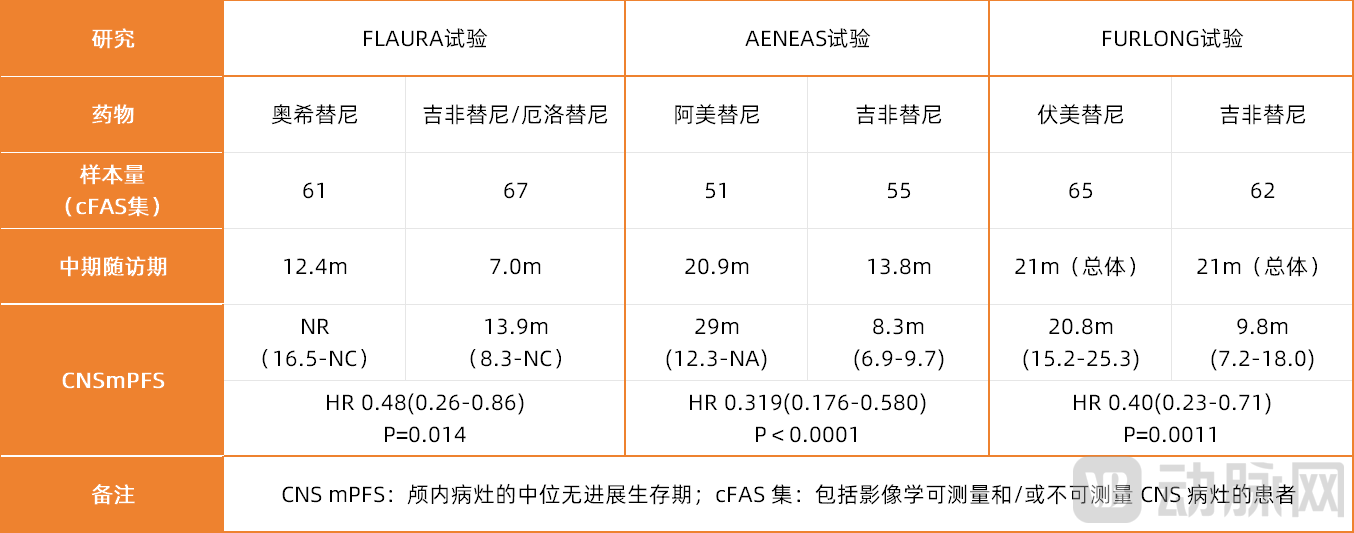
According to incomplete statistics, a comparison of CNS mPFS data for third-generation EGFR-TKI products in the cFAS population
(Data source: DXY Oncology Time)
The aforementioned clinical study results demonstrate the efficacy of third-generation EGFR-TKIs in treating patients with brain metastases, providing evidence to support the application of EGFR-TKIs in EGFR-mutated NSCLC patients with brain metastases.
It is important to note that, with the widespread use of third-generation EGFR-TKIs as first-line therapy for NSCLC, some patients still experience intracranial tumor progression during treatment, leading to drug resistance and rendering third-generation EGFR-TKIs ineffective. For these patients, there remains an urgent clinical need for effective therapeutic agents.
A flourishing landscape of next-generation EGFR-TKIs, ADCs, and bispecific antibodies,
The Next “Dark Horse” Is About to Emerge
In fact, although numerous studies have been conducted previously, and third-generation drugs have demonstrated promising efficacy in treating brain metastases, these studies were all based on subgroup analyses or very limited clinical sample sizes, resulting in insufficient strength of evidence. Globally, no drug has yet been approved specifically for the indication of lung cancer brain metastases.Is there a therapy capable of addressing the critical industry challenge of brain metastases, alleviating patient suffering, and extending survival?
Recognizing this blue-ocean opportunity, pharmaceutical companies worldwide are pulling out all the stops. Emerging therapies—including next-generation EGFR-TKIs, antibody-drug conjugates (ADCs), bispecific antibodies (BsAbs), and osimertinib-derived agents—are proliferating, all aiming to conquer the unmet need of brain metastases in lung cancer.
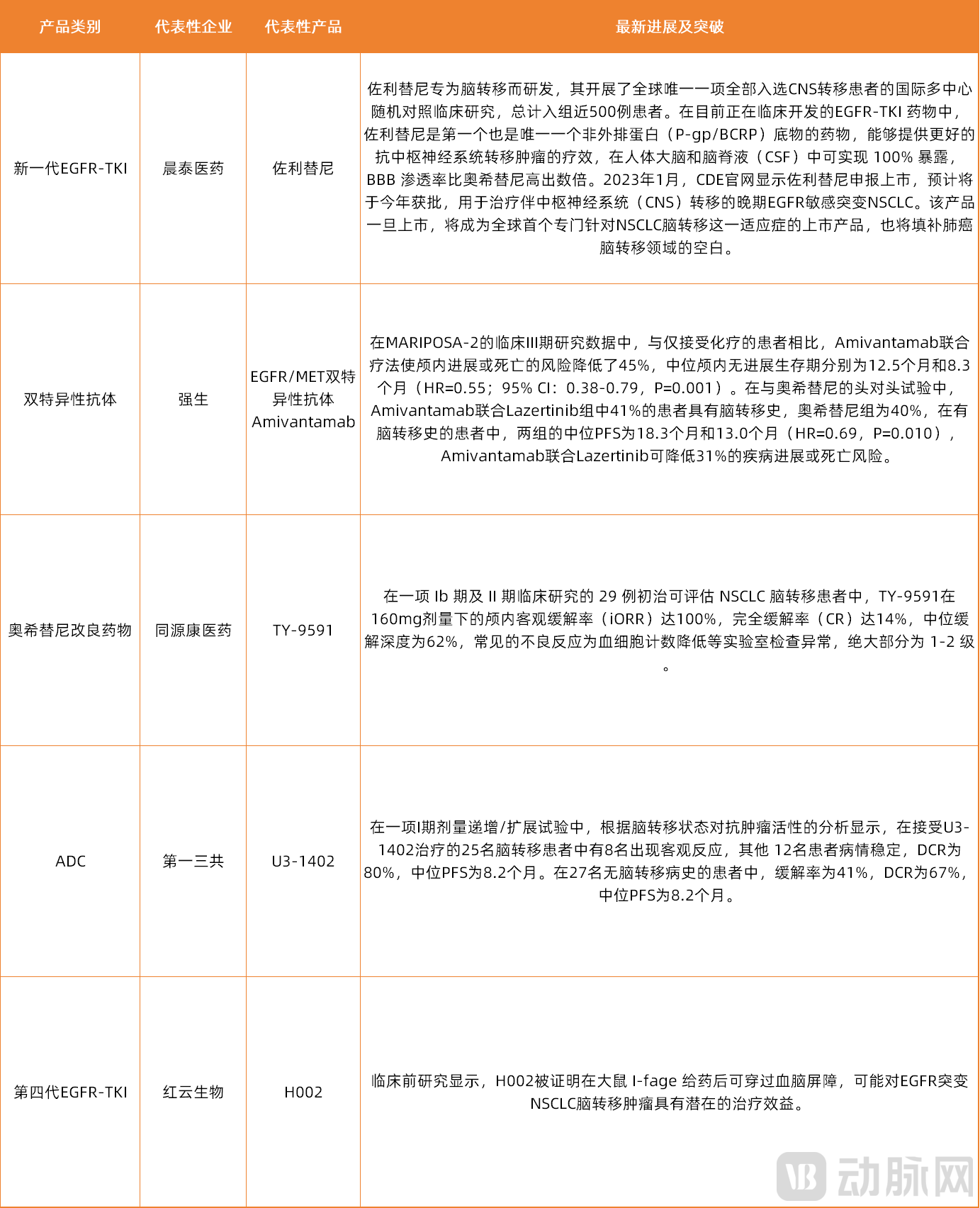
Emerging Therapies for EGFR-Mutant NSCLC with Brain Metastases: An Incomplete Overview of Current Reports
(Compiled from public sources; listed in no particular order)
Below are representative cases from emerging sub-sectors (due to space constraints, only selected examples from certain sectors are listed, with one representative company chosen per sector):
① Next-generation EGFR-TKI: Zolifitinib is set to launch, with 100% blood-brain barrier penetration
Zorifertinib (AZD3759) is a next-generation EGFR-TKI developed by AstraZeneca specifically for brain metastases, designed to cross the blood-brain barrier (BBB) and enhance BBB penetration. According to information on the Center for Drug Evaluation (CDE) website, the marketing authorization application for this product in China was submitted by Chentai Pharmaceutical.Among the EGFR-TKI drugs currently in clinical development, this is the first and only agent that is not a substrate of efflux transporters (P-gp/BCRP), thereby providing superior efficacy against central nervous system metastases. It achieves 100% exposure in the human brain and cerebrospinal fluid (CSF), with blood-brain barrier (BBB) penetration several times higher than that of osimertinib.
To comprehensively evaluate the efficacy of zolifotinib in the indication of EGFR mutation-positive NSCLC with brain metastases, Chentai Pharmaceutical conductedThe first randomized controlled, international, multicenter study specifically targeting patients with EGFR-mutant positive NSCLC and untreated CNS metastases (the EVEREST study). This is the first large-scale Phase III randomized controlled clinical trial worldwide dedicated to patients with brain metastases, enrolling nearly 500 patients in total.The EVEREST study results demonstrated that, in treatment-naïve patients with advanced EGFR mutation-positive non-small cell lung cancer (NSCLC) and untreated central nervous system (CNS) metastases, lazertinib exhibited superior systemic and intracranial antitumor efficacy compared with the control group. The safety profile was generally manageable, with no CNS toxicity observed and no new safety signals identified. Further analyses indicated that lazertinib showed more pronounced efficacy in patients with high intracranial tumor burden and/or L858R mutations. Upon disease progression in the lazertinib group, the predominant resistance mechanism was the emergence of the EGFR T790M mutation; these patients could subsequently receive third-generation EGFR-TKI therapy, achieving a median overall survival of 37.3 months.
Notably, compared with data from existing EGFR-TKIs for patients with brain metastases currently available on the market, the EVEREST study enrolled patients with more severe disease and greater clinical representativeness, such as a higher proportion of patients with L858R mutations and those with more than three intracranial lesions.
According to the official website of the Center for Drug Evaluation (CDE), zolifloxacin was submitted for marketing approval in January 2023 and is expected to be approved this year. Once launched, it will become the first product globally specifically indicated for brain metastases in non-small cell lung cancer (NSCLC), thereby filling a gap in the treatment of lung cancer brain metastases. According to the company’s projections, the peak annual sales of this product in China will reach RMB 3.5 billion.
② Bispecific Antibodies: Amivantamab Combination Therapy Demonstrates Significant Intracranial Activity
Johnson & Johnson’s EGFR/c-MET bispecific antibody Rybrevant (amivantamab-vmjw) has also recently garnered significant attention.In the Phase III clinical trial data from MARIPOSA-2, amivantamab demonstrated intracranial activity with its combination regimen for the first time:
Specifically, compared with patients receiving chemotherapy alone, amivantamab-based combination therapy reduced the risk of intracranial progression or death by 45%, with median intracranial progression-free survival (PFS) of 12.5 months and 8.3 months, respectively (HR=0.55; 95% CI: 0.38–0.79; P=0.001). In the head-to-head trial against osimertinib, 41% of patients in the amivantamab plus lazertinib group had a history of brain metastases, compared with 40% in the osimertinib group. Among patients with a history of brain metastases, the median PFS was 18.3 months and 13.0 months, respectively (HR=0.69; P=0.010), indicating that amivantamab plus lazertinib reduced the risk of disease progression or death by 31%.
③ Osimertinib-modified drug: The deuterated candidate TY-9591 has clinical intracranial data
TY-9591 is a modified version of osimertinib, developed by Tonghua Kang Pharmaceutical. It achieves improved safety of osimertinib by altering its metabolic pathway in the human body through deuteration of the osimertinib molecule.
In a Phase Ib/II clinical study involving 29 treatment-naïve, evaluable NSCLC patients with brain metastases, TY-9591 at a dose of 160 mg achieved an intracranial objective response rate (iORR) of 100%, a complete response (CR) rate of 14%, and a median depth of response of 62%. Common adverse events included laboratory abnormalities such as decreased blood cell counts, the vast majority of which were Grade 1–2.
In addition to the aforementioned products, antibody-drug conjugates (ADCs), which have gained significant prominence in recent years, have also demonstrated relevant data in the field of EGFR-mutated non-small cell lung cancer (NSCLC) with brain metastases.For example, in a Phase I dose-escalation/expansion trial of Daiichi Sankyo’s ADC product U3-1402 involving patients with locally advanced/metastatic EGFR-mutated NSCLC who had experienced disease progression after prior EGFR-TKI therapy, an analysis of antitumor activity by brain metastasis status showed that among 25 patients with brain metastases treated with U3-1402, 8 achieved an objective response and 12 others had stable disease, resulting in a disease control rate (DCR) of 80% and a median progression-free survival (PFS) of 8.2 months. Among 27 patients without a history of brain metastases, the response rate was 41%, the DCR was 67%, and the median PFS was 8.2 months.
In the field of fourth-generation EGFR-TKIs, companies have also disclosed data related to their pipelines in the area of brain metastases.For example, Hongyun Biotech’s fourth-generation EGFR-TKI candidate H002 has been demonstrated to cross the blood-brain barrier following intrathecal administration in rats, suggesting potential therapeutic benefits for brain metastases in EGFR-mutant non-small cell lung cancer (NSCLC).
In addition to the aforementioned individual examples, there are numerous emerging therapies for brain metastases in EGFR-mutated NSCLC. As more innovative drugs and combination regimens continue to emerge, further targeted, prospective, large-scale controlled clinical trials are required to explore and validate their efficacy in treating brain metastases. Nevertheless, it is undeniable that small-molecule EGFR-TKIs will maintain their position as the preferred first-line treatment for brain metastases in EGFR-mutated NSCLC for the foreseeable future.
References:
1. "Chinese Journal of Clinical Oncology and Rehabilitation," April 2023, Vol. 30, No. 1, "Research Progress on Brain Metastases in Non-Small Cell Lung Cancer"
2. Journal of North Sichuan Medical College, "Blood-Brain Barrier and Brain Metastasis of Malignant Tumors"
3. Oncology News, “[2023 ASCO] Professor Wu Yilong Provides In-Depth Interpretation of Phase III Clinical Data on the Novel EGFR Inhibitor AZD3759 (zolertinib) in Lung Cancer Patients with Brain Metastases”
4. DXY Oncology Time, “A Multidimensional Interpretation of the Efficacy of Third-Generation EGFR-TKIs in Brain Metastases from Advanced NSCLC”
5. DXY Oncology Time, “Professor Xu Chuan: Osimertinib Combined with Chemotherapy Shows Significant Intracranial Efficacy, Providing a New Treatment Option for Patients with EGFR-Mutated NSCLC and Brain Metastases”
6. Tongyuankang Prospectus