Home Second Session of the Highly Popular 2024 Bio-Manufacturing Pilot-Scale Platform Training Officially Launched – Limited Seats Available!

Second Session of the Highly Popular 2024 Bio-Manufacturing Pilot-Scale Platform Training Officially Launched – Limited Seats Available!

Oct 10, 2024 10:02 CST Updated 10:02
At the venue for the inaugural training session on “Strategies and Plans for Building Pilot-Scale Platforms in Bio-Manufacturing (2024),” an attendee asked, “Amyris failed to cross the ‘valley of death’ in synthetic biology. Given that the United States is a country with advanced scientific and technological capabilities, boasting robust theoretical frameworks, technologies, and equipment, what are the core reasons for its inability to overcome this challenge?”

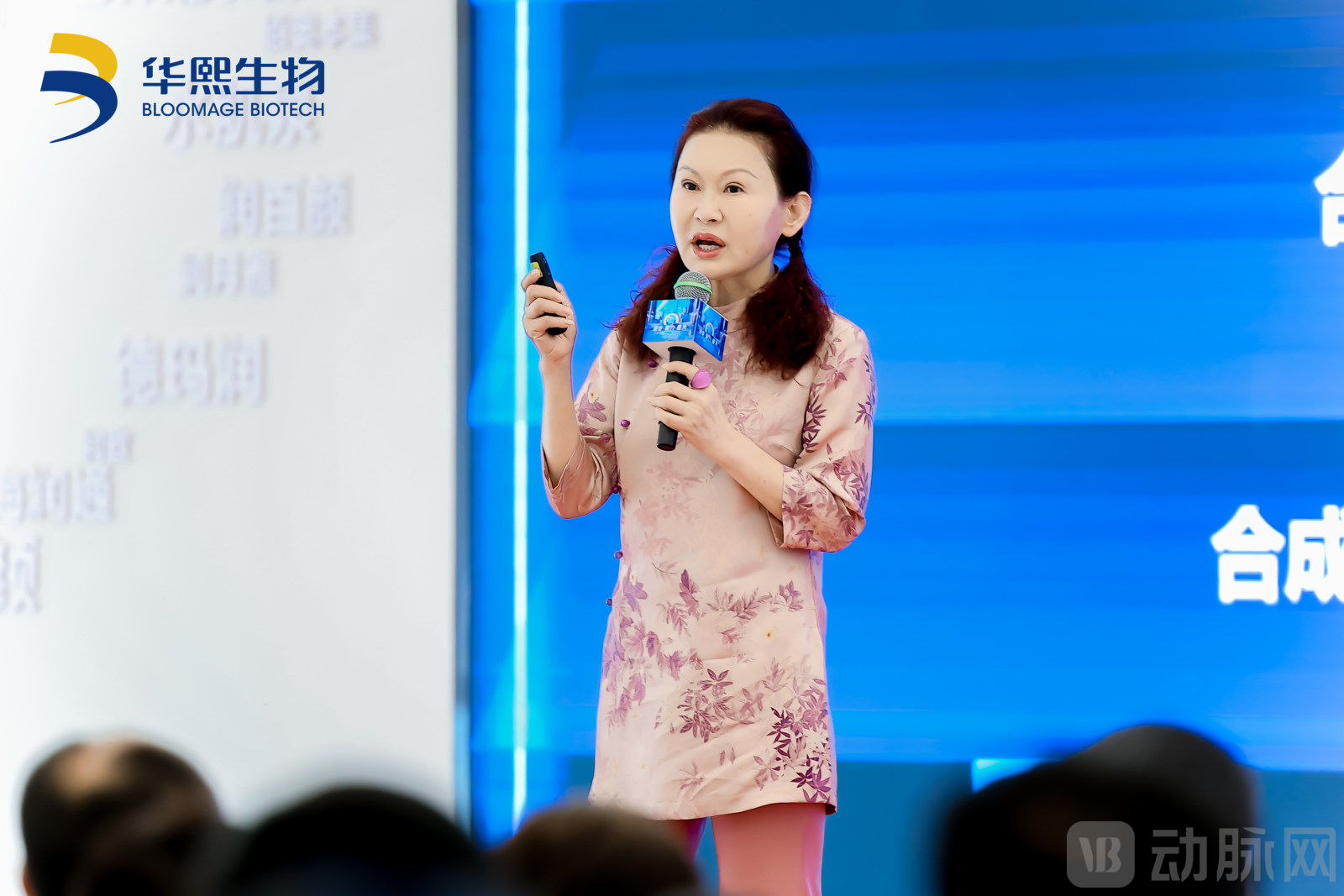
Ms. Zhao Yan, Chairwoman of Bloomage BiotechIn a brief presentation at the conference, she analyzed: “Competition between China and the United States in the field of biomanufacturing has become extremely intense. While the U.S. may indeed excel in strain isolation and strain design, the failure of companies like Amyris—and many others—stems from their weaknesses in the pilot-scale testing phase.” She stated bluntly:“How can China achieve a leading position in the biomanufacturing industry? I believe that the pilot-scale translation of scientific and technological achievements is the most critical and core hub.”

Although synthetic biology has adopted the new concept of biomanufacturing, Amyris enjoyed an absolutely glorious moment in the spotlight as the first publicly traded company in the synthetic biology sector.

The first synthetic biology stock listed on Nasdaq, with its share price soaring to a peak of $33, and an undisputed technological leader... The more brilliant Amyris’s track record was, the more lamentable its bankruptcy in 2023 became. As a quintessential case study, some argue that Amyris overreached and expanded too rapidly; others contend that while the idealism of “making disruptive attempts for the industry” shone brightly, it “could not put food on the table”; still others maintain that choice matters more than effort, and that selecting biofuels as its core product was a mistake from the outset...

Amyris’s decade-long journey may have been fraught with controversy, but one point is indisputable: during its 2010 IPO roadshow, Amyris promised that its farnesene production capacity would reach 40–50 million liters by 2012. To fulfill this commitment, Amyris entered into more than 20 collaborations with chemical companies worldwide. However, the persistent and unresolved issue of unexplained yeast cell death in large-scale fermentation tanks ultimately led to Amyris’s downfall in the industry-recognized “valley of death” at the pilot-scale stage.

Biomanufacturing is no easy feat; if the essence of synthetic biology is trial and error,High-Throughput ScreeningThe maturity of a technology often determines its efficiency, and efficiency is frequently the key to success in business. For biomanufacturing, which relies on synthetic biology as its foundational technology, the decisive factor may well be “scale-up”: expanding from 50 liters in the laboratory to 50 million liters in industrial facilities, improving viable cell rates across entire fermentation tanks rather than merely optimizing culture designs for single strains, and transitioning from controlled experimental variables to true manufacturing. This is precisely the significance of “pilot-scale platforms.”

The importance of pilot-scale platforms to the development of the biomanufacturing industry and to the rapid translation of scientific research achievements is self-evident; therefore,VCBeatJointly launched with the Tianjin Institute of Industrial Biotechnology, Chinese Academy of Sciences; Bloomage Biotech; and Dr. Fang, the “Training on Ideas and Plans for Building Pilot-Scale Platforms in Bio-Manufacturing 2024” targets three major goals:

  • Assist entities that are preparing to build or are currently constructing pilot-scale platforms for biomanufacturing in clarifying their strategic approach and avoiding common pitfalls;
  • Help entities with established pilot-scale platforms improve operational efficiency and precisely connect with partners;
  • Construction and Operational Strategies for Pilot-Scale Platforms Across Various Industries (Pharmaceuticals, Food, Skincare, Bio-based Materials, etc.): Concepts and Case Studies
Designed to leverage the mature expertise of China’s top-tier research institutes and leading enterprises, this initiative helps biomanufacturing companies address challenges in pilot-scale platform development and production scale-up. By directly confronting the industry’s “valley of death,” it ensures a seamless breakthrough through critical bottlenecks.


19.jpg

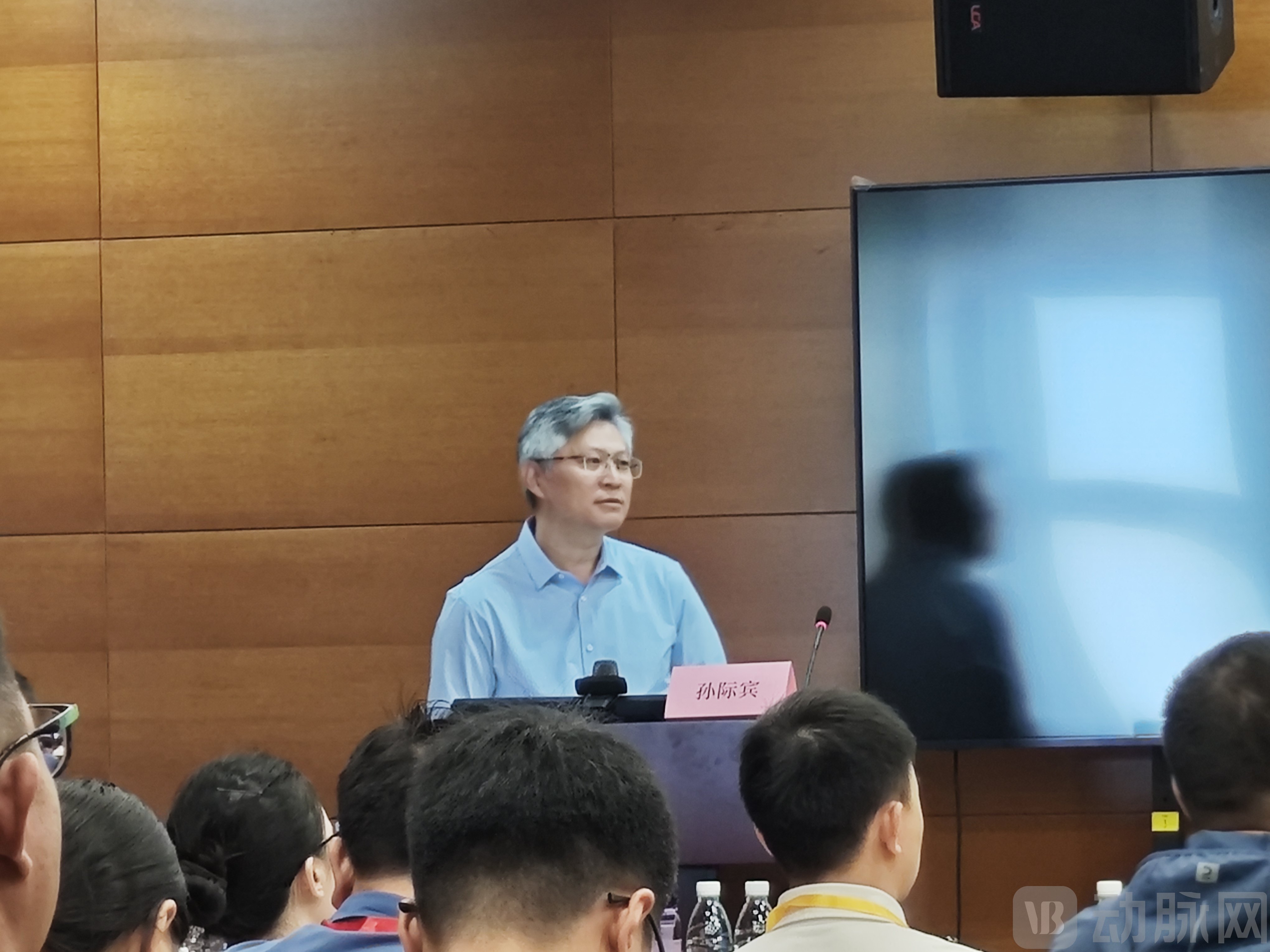
Figure: Researcher Sun Jibin from the Tianjin Institute of Industrial Biotechnology
3.jpg


Figure: Researcher Xia Jianye from the Tianjin Institute of Industrial Biotechnology

微信图片_20240927181129.jpg

Figure: Ms. Zhao Yan, Chairman and President of Bloomage Biotech

5.jpg

Figure: Fu Shaoping, Senior Engineer at the Tianjin Institute of Industrial Biotechnology

18(1).jpg

Figure: Professor Xia Xiaole, Academic Dean of the College of Food Science and Engineering at Tianjin University of Science and Technology, and Doctoral Supervisor at the School of Biotechnology, Jiangnan University
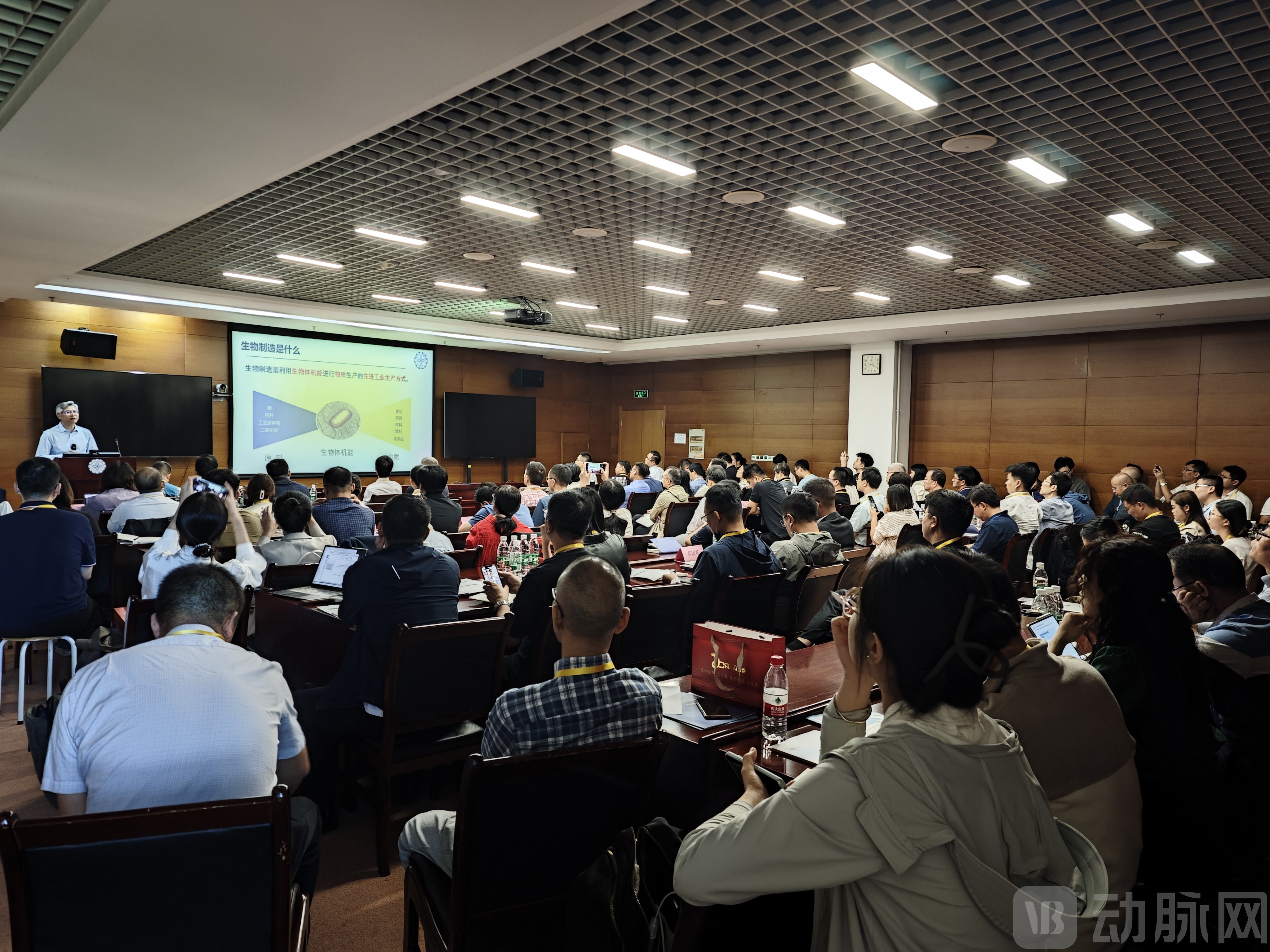

From September 23 to 24, the first training session was successfully held in Tianjin. An esteemed panel of expert instructors delivered insightful lectures, including Researcher Sun Jibin, Researcher Xia Jianye, and Senior Engineer Fu Shaoping from the Tianjin Institute of Industrial Biotechnology; the Academic Dean of the College of Food Science and Engineering at Tianjin University of Science and Technology; Professor Xia Xiaole, Doctoral Supervisor at the School of Biotechnology, Jiangnan University; Wang Enxu, Assistant General Manager of the Pilot Scale Achievement Transformation Center at Bloomage Biotech; and Xue Guoxi and Rong Jinlei, two Senior Process Directors. As previously mentioned, Ms. Zhao Yan, Chairwoman and President of Bloomage Biotech, made a special appearance at the event, sharing concise and impactful insights with the attendees.

1.jpg

Figure: The inaugural session venue was packed with attendees.

The inaugural training session took only ten days from the opening of public registration to the deadline, with the number of applicants exceeding the designed capacity by more than double. Ultimately, the venue accommodated over 100 attendees beyond its intended capacity. Although the hall was crowded, the atmosphere for exchange was vibrant, and all participants left with substantial gains.

In fact, due to venue capacity constraints, we had to respectfully decline the participation of some colleagues who wished to attend; we take this opportunity to extend our apologies. During the National Day holiday, many colleagues reviewed the recap of the inaugural session and contacted the organizing committee to inquire about arrangements for the second session.

We have keenly felt that our industry peers have long been constrained by pilot-scale platforms, with an urgent desire for change and breakthrough. After urgent consultations among all parties of the Organizing Committee, we have received the latest news:The second session of the training on “Ideas and Plans for Building Pilot-Scale Platforms in Biomanufacturing (2024)” has been scheduled for November 4–5, to be held again in Tianjin, with 80 seats available for this session.

2.jpg


To all colleagues in the field of synthetic biology manufacturing, and to all partners involved in the planning, construction, or operation of pilot-scale platforms: this training session on the development and operational management of pilot platforms is well worth your journey to Tianjin.Pull toWenYou can view the course syllabus and instructor profiles to learn more about the details.

Scan the QR code for the mini-program to register now. Our staff will contact you promptly to help secure your spot.

报名码.png


During the “In-Class Q&A” session of the inaugural 2024 training program on strategies and plans for building pilot-scale platforms in biomanufacturing, the organizing committee collected a total of 38 sets comprising over 60 questions. The questions highlighted the many challenges currently faced by practitioners from diverse backgrounds, including government industrial parks and startups. For material suppliers and partners across the upstream and downstream segments of the industry chain present at the event, these insights also revealed numerous business opportunities.


Six Categories of Issues: Confronting the Industry’s Common Pain Points


2.png


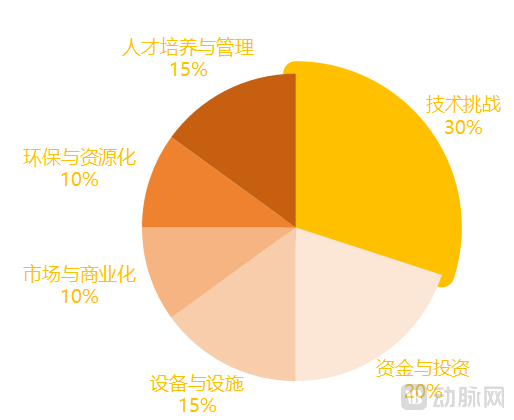
Through the organization and analysis of the initially collected “classroom questions,” we found that:


Approximately 30% of the questions focused on technical challenges. Based on inquiries from various stakeholders, key areas of concern remain process scale-up, purification difficulties, and technology confidentiality.
Approximately 20% of the issues are related to fundraising and investment. Issues in this category primarily include a decline in investment capital and difficulties in securing financing.
Approximately 15% of the questions focus on the equipment and facilities of pilot-scale platforms. Questions related to equipment and facilities are relatively focused on specific construction aspects, such as equipment selection for pilot-scale platforms and facility requirements.
Approximately 10% of the questions address market trends and commercialization pathways. Questions related to markets and commercialization focus more on issues such as market prospects and product initiation.
Approximately 10% of the questions focus on environmental protection and resource utilization. Issues in this category primarily address immediate practical challenges, such as the treatment of fermentation tailings and the renewability of raw materials.
Approximately 15% of the issues pertain to talent development and platform management. Issues related to talent development and management focus on the management of pilot-scale platforms and talent demands.

Technical Challenges, Funding and Investment, Equipment and Facilities, Market and Commercialization, Environmental Protection and Resource Utilization, and Talent Development and Management—these six categories of issues essentially cover the common pain points currently facing the industry.

Taking the global synthetic biology giant Amyris as a typical case, the widespread attention its growth performance during bankruptcy reorganization has received from industry practitioners is largely due to its role as a cautionary tale, serving as a “mirror” for biomanufacturing companies to reflect on and correct their course during development.


Three Key Factors to Identify Urgent Industry Needs

1.png


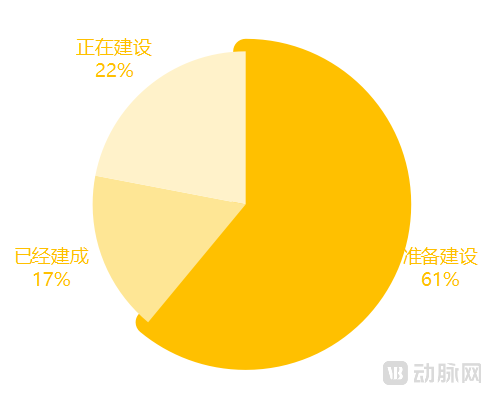
Among the nearly 100 companies that participated in the initial training program, progress on the construction of pilot-scale testing platforms varied. Registration data indicated that approximately 17% had already completed construction, 22% were currently under construction, and 61% were preparing to commence construction. Notably, within the cohort preparing for construction, significant business opportunities abound for equipment suppliers.

For example, the head of a pharmaceutical group in Shanghai revealed to the organizing committee that factory construction was completed at the end of September, and October would mark the beginning of equipment procurement. It is precisely for this reason that training on the conceptualization and planning of pilot-scale production platforms was considered an “essential need” for the enterprise, allowing them not only to acquire theoretical knowledge but also to leverage this opportunity for exchange to connect with numerous industry peers offering upstream and downstream solutions.


Key Issue 1: Fundraising


Multiple questions have highlighted the difficulty of raising funds, which has become one of the key concerns for industry practitioners.

Among them, representatives from multiple industrial parks were more concerned with how to secure government funding support. For instance, attendees from a pharmaceutical and health industrial park asked detailed questions about the specific procedures for applying for such government financial assistance.

Many owners of small and medium-sized enterprises (SMEs) have also highlighted the need for support from government funding and social capital. For instance, a representative from an innovative company stated, “In 2023, synthetic biology startups attracted $6.9 billion in investment capital, a 31% decline compared to 2022, indicating a clear downward trend in investment. Among these, mid-stage financing for synthetic biology companies involved in industrial construction has been particularly challenging. Many investors have noted that venture capital firms prefer to focus on upstream sectors and biological processes, making it consistently difficult to secure funding when transitioning into the critical phase of industrial manufacturing. Without capital infusion, the development of the synthetic biology industry is bound to stagnate. Professor, how do you view the relationship between biomanufacturing and capital? How can we persuade and boost investor confidence at this stage?”

Representatives from startups flush with capital even asked directly, “It is said that companies incur losses when building their own pilot-scale facilities because it is difficult to gain customer trust. We would like to know whether Bloomage Biotechnology has incurred losses after investing billions in constructing its pilot platform, how much the current losses are, and how to achieve profitability.” Notably, Mr. Wang Enxu, Assistant General Manager of the Pilot-Scale Achievement Transformation Center at Bloomage Biotechnology, provided an on-site response to such straightforward inquiries.

Key Issue 2: Technical Confidentiality

As the demand for shared pilot-scale platforms increases, how to protect technical secrets has become a key issue.

“A perennial question remains: how can we prevent the loss of foundational cells and avoid homogenized competition?”
“How can core technologies such as bacterial strains be protected, and how significant are the differences in the microbial strains used by different manufacturers for the same product?”
“Currently, there is significant demand among synthetic biology startups to share pilot-scale production platforms. However, as corporate entities, they are genuinely concerned about the leakage of proprietary technical secrets. If project assessments are required, what measures can be taken to safeguard corporate confidentiality? Furthermore, if a company’s products overlap with those under development by its partners, are there isolation mechanisms in place to ensure mutual protection?”

Whether it is pioneering startups, well-established publicly listed conglomerates, or investors with a broad strategic outlook, there is a consensus: biomanufacturing remains a technology-driven industry, and technological protection is critical to success. During their lectures, the instructors particularly emphasized the importance of “technology confidentiality.” It is reported that the Tianjin Institute of Industrial Biotechnology (TIB), Chinese Academy of Sciences, invests millions annually in technology protection. For the industry, how to safeguard core technologies and maintain a company’s “moat” is also a significant challenge.

Key Issue 3: Construction and Operation of Pilot-Scale Platforms

The construction, operation, and management of pilot-scale platforms are also a focal point of industry attention.

Corporate representatives expressed their concerns: “The shared kitchen and shared chef models introduced by Teacher Xia are very appealing to us. However, the pilot-scale process involves many uncertainties, from fermentation to purification, which can lead to significant variations in platform usage cycles. We would like to learn more about the collaboration mechanism of TI’s pilot-scale platform.” They also raised detailed and specific operational questions, such as whether the management of the pilot-scale platform should be separate from that of the small-scale research or engineering teams, or if there should be some overlap.

Representatives from the government and industrial parks sought guidance: “What is the optimal model for local governments to establish pilot-scale platforms? What key issues should be taken into account?” “For biomanufacturing, pilot-scale platforms primarily focus on microbial fermentation; from the broader perspective of synthetic biology, what other types of pilot-scale platforms are recommended for exploration by governments and industrial parks? Are there any existing successful experiences that can serve as references?” The questions are clearly defined, calling for models and best practices to better inform future planning.

Investors are more concerned with: “What is the service pricing model? Is it linked to the service delivery cycle and outcomes?” “How long can synthetic biology companies maintain a market monopoly based on their technological leadership? Can they dominate the entire market with a single strain?” Understanding the rules and limits allows for better project comparison.

It is worth noting that multiple questions, such as “Have relevant government departments issued official documents clearly defining the nature of pilot-scale testing platforms? Are pilot-scale testing platforms classified as production workshops or production equipment? Is it necessary to complete safety assessment and environmental impact assessment procedures?” highlight the need for governmental clarification on the status of pilot-scale testing platforms and related regulatory requirements. This also underscores the significant influence of policies and regulations on industry development.

From Specific Points to Broader Perspectives: Gaining Insight into Industry-Wide Trends

Amidst the lively discussions, participants not only addressed pressing concerns but also sought expert validation for their trend assessments. Among the numerous questions raised by dozens of peers, many intriguing industry exploration trends have drawn particular attention.

The head of R&D at a certain platform company asked, “The digitalization and intelligence mentioned by Professor Xia are mostly established during the small-scale process research phase, with hardware systems largely based on parallel bioreactors of less than 50 L. He also stated that, at this stage, such scale can only be described as high-throughput in volume, not true high-throughput screening. Therefore, the data volume itself is not substantial, especially when the platform has just begun operations. What aspects should be prioritized regarding digitalization and intelligence under these circumstances? What strategies should be adopted for operation in the absence of mature models?”

It can be observed that with the advancement of technology, the application of intelligence and automation in biomanufacturing is receiving increasing attention.

A strategic investor from a certain industrial park asked, “As a second-generation carbon source, when will straw be able to replace first-generation carbon sources, and what are the current challenges?” A representative from a company also asked, “Fermentation tail liquid typically contains large amounts of nutrients; direct discharge can cause environmental pollution. How can we achieve green treatment or resource recovery and reuse of fermentation tail liquid?”

It is evident that the strengthening of environmental regulations is driving the industry toward more eco-friendly production methods, while the industry is also actively seeking greener alternatives.

An investor shared their thoughts: “Currently, many companies are facing overcapacity in fermentation. As synthetic biology gains momentum and products from emerging enterprises enter pilot-scale and industrial production, is it still necessary for companies to continue building new production lines? Could this further exacerbate overcapacity and lead to redundant construction of fermentation facilities?”

This is a forward-looking industry observation. With the surge in synthetic biology, overcapacity may emerge across various segments of the industrial chain, serving as a reminder for companies to pay closer attention to market dynamics and capacity planning.

A representative from a certain industrial park asked, “As a pharmaceutical and health industry park, is it possible to co-establish pilot-scale testing platforms with enterprises, and are we eligible to apply for government funding support?”

In the current era of rapid development in biomanufacturing, the exploration of collaboration models among various industry players will become increasingly imaginative. At present, models such as co-building and sharing pilot-scale platforms may emerge as a new trend in industry development.

The establishment of pilot-scale platforms in the biomanufacturing industry is a complex process involving multiple dimensions, including technology, capital, market access, environmental protection, and talent development. While the industry currently faces significant challenges, the conclusion is clear: it is better to collaborate than to go it alone; rather than groping in the dark independently, it is wiser to learn from experienced experts and industry leaders as you navigate uncharted waters.


Event Registration


The second session of the training on “Strategies and Plans for Building Pilot-Scale Platforms in Biomanufacturing (2024)” has been scheduled for November 4–5, 2024, in Tianjin, with 80 seats available. Scan the mini-program QR code now to register and secure your spot.


报名码.png


Training Outline


Training Topic: Overall Approach to the Construction and Operation of Pilot-Scale Production Platforms

Training Guest:Researcher Sun Jibin, Tianjin Institute of Industrial Biotechnology, Chinese Academy of Sciences

Training Outline:

1. Domestic and International Landscape and Development Trends of the Biomanufacturing Industry

2. The Importance of Pilot-Scale Platforms to National, Local, and Enterprise Development

3. Positioning and Functions of the Biomanufacturing Pilot-Scale Platform: Process Optimization, Scale-up Trials, Process Package Development, Application Development, Technology Transfer and Incubation

4. Construction Content and Overall Framework of the Pilot-Scale Platform for Biomanufacturing, Including Pilot Fermentation, Downstream Processing, Industry R&D Laboratories, Analytical Testing Laboratories, and Utilities

5. Construction, Operational Models, and Sustainable Development of Pilot-Scale Platforms for Biomanufacturing, Including Funding, Talent, Projects, Management, Services, and Government-Enterprise Relations


Training Topic: Background, Challenges, and Solutions for the Construction of High-Throughput Fermentation Modules in Pilot-Scale Platforms

Guest Speakers:Xia Jianye, Researcher Tianjin Institute of Industrial Biotechnology, Chinese Academy of Sciences

Training Outline:

Background, Challenges, and Solutions for the Construction of the High-Throughput Fermentation Module in the Pilot-Scale Platform (Part I)

1. Revolutionary Advances Driven by Synthetic Biology Biofoundries and the Bottlenecks in Industrializing Their Outcomes

  • The Paradigm Shift in Research Brought by Automated Equipment for High-Throughput Strain Construction

  • The Significant Discrepancy Between High-Throughput Strain Screening Standards and Industrial Environments

  • Problems and Challenges Caused by Insufficient Fermentation Optimization Throughput

2. High-throughput fermentation optimization is the key hardware system for resolving bottlenecks

  • Research Progress and Development Trends at Home and Abroad

  • Application Status of Mature, Commercialized Products

  • Development and Existing Deficiencies of Domestic Equipment Technology

3. High-Throughput Fermentation Optimization Is a Key Software Technology for Addressing Bottlenecks

  • High-Throughput Experimental Design Methods

  • High-Throughput Process Data Analysis Methods

  • Applications of Data Science and Artificial Intelligence


Background, Challenges, and Solutions for the Construction of the High-Throughput Fermentation Module of the Pilot-Scale Platform (Part II)

4. Digitalization and Intelligence in the Construction of Pilot-Scale Platforms for Biomanufacturing

  • Intelligent Sensing Infrastructure for Biomanufacturing Processes

  • Digital Twins and Intelligent Decision-Making in Biomanufacturing Processes

  • Possible Pathways to Achieve Intelligent Biomanufacturing Processes

5. Talent Requirements for the Construction of Pilot-Scale Platforms in Biomanufacturing

  • The Demand for Interdisciplinary Talent in Biomanufacturing Processes

  • Cultivation of Interdisciplinary Talents in Biomanufacturing Processes

  • The Important Role of Technical Managers in Biomanufacturing Processes

6. Reflections on the Operational Mechanism of Pilot-Scale Platforms in Biomanufacturing

  • Construction of Credible Public Technical Service Platforms

  • The Mission and Responsibility of Public Technical Service Platforms

  • Potential Operational Mechanisms for the Privatization of Pilot-Scale Platforms


Training Topic: Background, Challenges, and Solutions for the Construction of the Separation Module in the Fermentation Pilot-Scale Platform

Training Speaker: Fu Shaoping, Senior Engineer (Professorial Level), Tianjin Institute of Industrial Biotechnology, Chinese Academy of Sciences

Training Outline:

I. Background for the Construction of the Separation Module in the Fermentation Pilot-Scale Platform

II. Equipment Selection for the Separation Module of the Fermentation Pilot-Scale Platform

2.1 Principles for Selecting Centrifugation Equipment

2.2 Principles for Selection of Membrane Separation Equipment

2.3 Principles for Selecting Drying Equipment

III. Services for the Separation Module Project of the Fermentation Pilot-Scale Platform

3.1 Separation Module for Domestic Project Services

3.2 External Project Services of the Separation Module

IV. Product Cases of the Separation Module for Fermentation Pilot-Scale Platforms

4.1 Case Studies on the Isolation and Purification of Fermented Natural Products

4.2 Case Studies on the Separation and Purification of Fermentation Chemical Products

4.3 Case Study on the Separation and Purification of Fermented Plastic Monomers

4.4 Case Study on the Purification of Large Fermented Protein Molecules

V. Technical System of the Separation Module for the Fermentation Pilot-Scale Platform

VI. Next-Generation Digital, Flexible, and Intelligent Platform


Training Topic: Construction, Operation, and Application of Bloomage Biotech's Pilot-Scale Production Platform

Training Guest: Wang Enxu, Assistant General Manager of the Pilot Scale Achievement Transformation Center at Bloomage Biotech

Training Outline:

●1. Significance and Positioning of Bloomage Biotech’s Pilot-Scale Platform Development

1.1 Background & Significance of Pilot-Scale Platform Construction

1.2 Positioning of the Pilot-Scale Platform Development


●2. Characteristics and Capabilities of Bloomage Biotech’s Pilot-Scale Platform Construction

2.1 Characteristics of Pilot-Scale Platform Development

2.2 Hardware Capabilities of the Pilot-Scale Platform

2.3 Software Infrastructure Capabilities of the Pilot-Scale Platform

●3. Service Model and Advantages of Bloomage Biotech’s Pilot-Scale Platform

3.1 Service Model of the Pilot-Scale Platform

3.2 Service Advantages of the Pilot-Scale Platform

3.3 Service Cases of the Pilot-Scale Platform


● 4. Future Outlook


Training Topic: Development Concepts and Solutions for a Bio-Manufacturing Application Platform in the Food Sector

Training Speakers:Professor Xia Xiaole, Academic Dean of the College of Food Science and Engineering at Tianjin University of Science and Technology, and Professor at the School of Biotechnology, Jiangnan University

Training Outline:

●1. Background and Challenges in Building a Development Platform for Biomanufacturing Applications in the Food Sector

1.1 Background of Biomanufacturing in the Food Sector

1.2 Significance of Platform Development: Driving the Transformation and Upgrading of the Food Industry

1.3 Challenges Facing the Development of Food Bio-Manufacturing Platforms


●2. Research and Innovation in Platform Technologies for the Development of Biomanufacturing Applications in the Food Sector

2.1 Process Innovation in Food Biomanufacturing Platforms

2.2 Nutritional Evaluation of Food Bio-manufacturing Platforms

2.3 Toxicological Studies on Food Bio-manufacturing Platforms

2.4 Applications of Food Bio-manufacturing Platforms


●3. Intelligent Construction of Bio-manufacturing Platforms in the Food Sector

3.1 Hardware Specifications and Configuration for Food Biomanufacturing

3.2 Talent Requirements for the Food Bio-Manufacturing Platform

3.3 Management and Strategic Planning of the Food Bio-Manufacturing Platform


●4. Summary and Outlook

4.1 The Role of Platforms in Driving Technological Innovation in the Food Industry

4.2 Prospects for the Long-Term Impact of Platforms on Sustainable Development in the Food Industry


Training Topic: Development Strategy and Solutions for Building a Biomanufacturing Application Platform Targeting Cosmetic-Grade and Pharmaceutical-Grade Products

Training Guest: Xue Guoxi, Process Director of the Pilot Scale Achievement Transformation Center at Bloomage Biotech

Training Outline:

●1. Background and Challenges in Building a Biomanufacturing Application Development Platform for the Cosmetics and Pharmaceutical Industries

1.1 Background of Biomanufacturing in the Cosmetics and Pharmaceutical Industries

1.2 Significance of Platform Development: Driving the Transformation and Upgrading of the Pharmaceutical Industry

1.3 Challenges in Building Platforms for Cosmetics and Biopharmaceutical Manufacturing


●2. Intelligent Construction Strategies for Biomanufacturing Platforms in the Cosmetics and Pharmaceutical Sectors

2.1 Hardware Specifications and Configuration of the Pilot-Scale Platform

2.2 Pilot-Scale Platform: Architectural Configuration and Talent Requirements

2.3 Matching of Supporting Facilities


●3. Key Points in the Operation of Biomanufacturing Platforms in the Cosmetics and Pharmaceutical Fields

3.1 Quality System Level

3.2 Registration Level

3.3 Confidentiality Aspects


●4. Summary and Outlook


Training Topic: Application Development Cases of Biomanufacturing-Related Products

Speaker: Jinlei Rong, Process Director, Pilot-Scale Achievement Transformation Center, Bloomage Biotech

Training Outline:

●1. Conditions Required for Pilot-Scale Up

1.1 Process Stability and Product Stability

1.2 Operating Conditions, Raw and Auxiliary Materials, and Three Wastes Issues

1.3 Process Safety


●2. Common Issues in Pilot-Scale Up

2.1 Device Compatibility and Tolerance

2.2 Performance Differences of the Device

2.3 Differences in Raw Materials and Excipients During Scale-Up


●3. Bloomage Biotech Pilot-Scale Case Study

3.1 Risks in the Pilot-Scale Amplification Process of BL-21 Series Strains

3.2 Process Control During E. coli Scale-Up

3.3 Process Optimization During Pilot-Scale Scale-Up


*More training outlines are being continuously updated


Instructor Introduction


● Researcher Sun Jibin, Tianjin Institute of Industrial Biotechnology, Chinese Academy of Sciences

孙.jpg


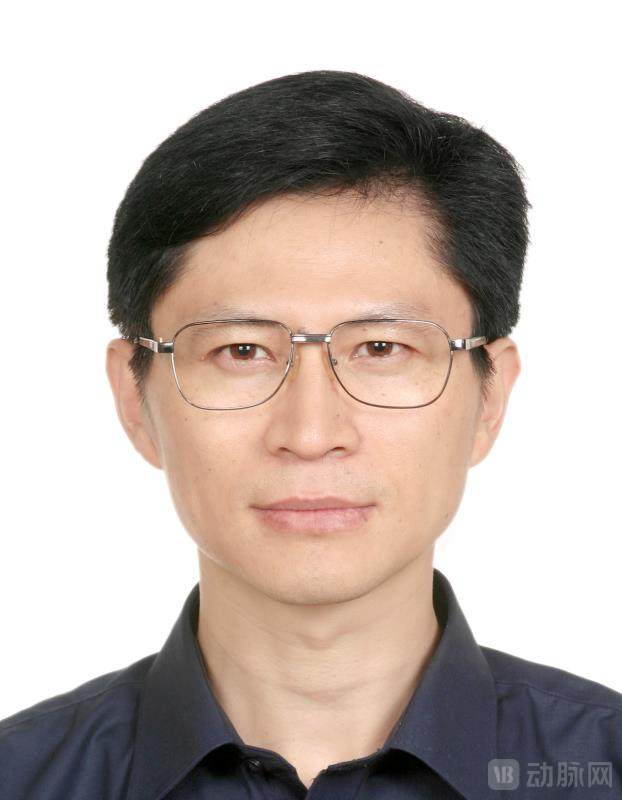
Distinguished Professor at the Chinese Academy of Sciences (CAS), recipient of the CAS “Hundred Talents Program,” awardee of the Government Special Allowance, and Model Worker of Tianjin Municipality. He concurrently serves as Director of the COMSATS Joint Centre on Industrial Biotechnology, Executive Director of the China Bio-fermentation Industry Association and the Chinese Society for Microbiology, Vice Chairman of the Tianjin Society for Microbiology, and Vice Chairman of the Synthetic Biology Professional Committee of the Chinese Society for Biotechnology. With a long-standing focus on systems and synthetic biology research, he has published 150 SCI-indexed papers and holds 70 authorized invention patents in China and abroad. Multiple proprietary microbial strains developed by him, including those for lysine and glutamic acid production, have achieved industrial-scale application. He has spearheaded the establishment of the China Synthetic Biology Industry Intellectual Property Operation Center, the National Center of Technology Innovation for Synthetic Biology, and the Industrial Strain Foundry Facility, actively promoting the translation of scientific achievements into industrial applications.Recipient of the China Industry-University-Research Collaboration Promotion Award, the China Industry-University-Research Collaboration Innovation Achievement Award, the Grand Prize of the Chinese Cereals and Oils Association Science and Technology Award, the Chinese Academy of Sciences Award for Science and Technology Promoting Development, and the First Prize of the Inner Mongolia Autonomous Region Science and Technology Award.


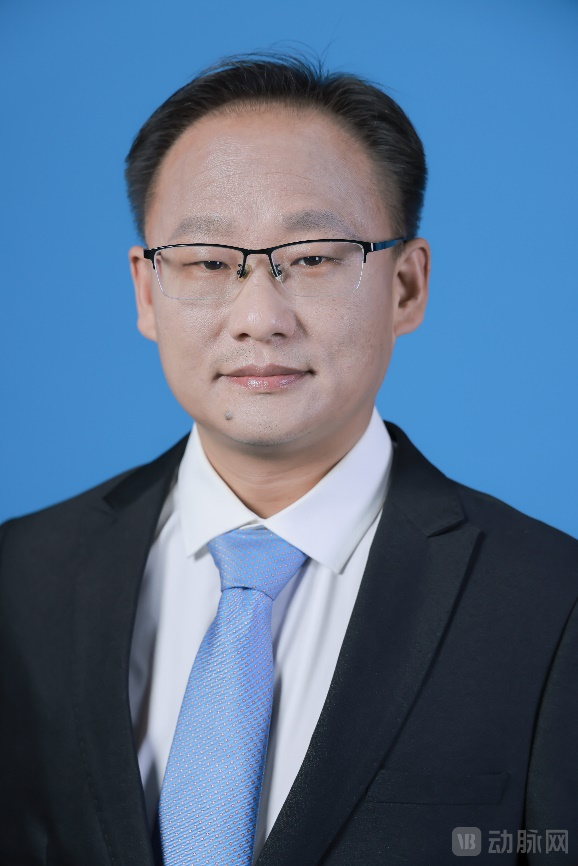
● Researcher Xia Jianye, ChinaTianjin Institute of Industrial Biotechnology, Chinese Academy of SciencesInstitute of Technology

图片 1.png


Xia Jianye, Research Fellow and Doctoral Supervisor, is a recipient of the Chinese Academy of Sciences (CAS) “Hundred Talents Program” and a Leading Talent in Tianjin. He serves as Vice Chairman of the Professional Committee on Biochemical Process Modeling and Control under the Chinese Society for Microbiology, and currently holds the position of Director of the Intelligent Biomanufacturing Pilot Scale Platform at the Tianjin Institute of Industrial Biotechnology, CAS.Dr. Xia received his Ph.D. from East China University of Science and Technology in 2008, studying under Professor Zhang Siliang. He proposed a fermentation process optimization and scale-up method based on the integration of reactor flow fields and cellular physiology, which has been successfully applied in numerous biomanufacturing enterprises across China. His accolades include one Second Prize of the National Science and Technology Progress Award, one First Prize of the Shanghai Science and Technology Progress Award, and one Second Prize of the Science and Technology Progress Award from the China National Light Industry Council. He has published more than 30 research papers in prestigious journals such as *Cell*, *Nature Communications*, *Biotechnology and Bioengineering*, and *Trends in Biotechnology*, and holds five authorized patents.In July 2021, Dr. Xia joined the Tianjin Institute of Industrial Biotechnology, CAS, as a full-time researcher, where he was tasked with establishing the laboratory platform for the Center for Intelligent Biomanufacturing. He oversaw the construction of a 6,000-square-meter digital and intelligent biomanufacturing pilot scale platform, innovated the technical service mechanisms for pilot-scale platforms, and facilitated the industrial translation of three synthetic biology products from the laboratory to commercial production.


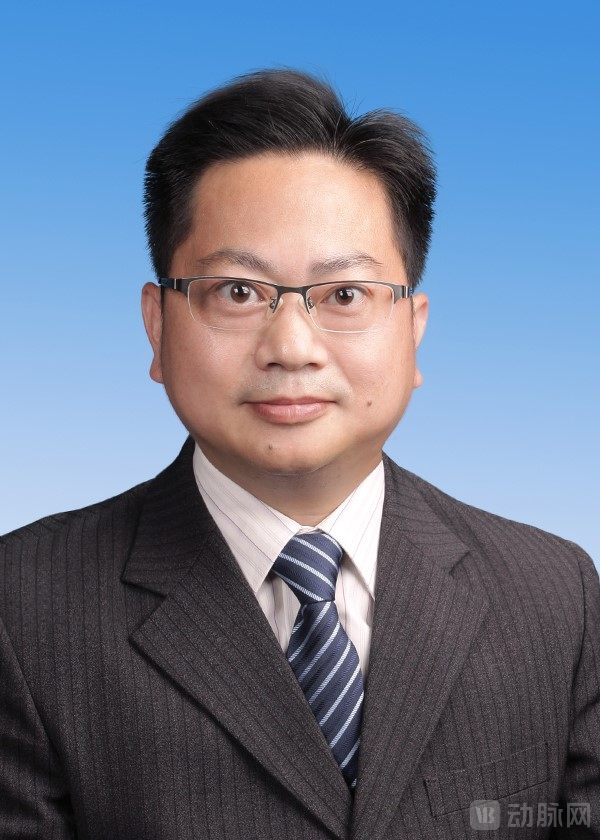
● Shao-Ping Fu, Senior Engineer (Professor-level), Tianjin Institute of Industrial Biotechnology, Chinese Academy of Sciences

付.jpg


Shao-Ping Fu, male, born in 1978, holds a Ph.D. He is a Senior Member of the Chinese Chemical Society and serves as a Professor-Level Senior Engineer at the Center for Intelligent Biomanufacturing, Tianjin Institute of Industrial Biotechnology, Chinese Academy of Sciences. He obtained his Ph.D. in Analytical Chemistry from the Dalian Institute of Chemical Physics, Chinese Academy of Sciences, in March 2006. In the same year, he joined the School of Biology and Food Engineering at Dalian Polytechnic University. From 2008 to 2009, he conducted research on the separation and structural identification of complex components of plant natural products at the Universidad de Granada in Spain. In October 2012, he joined the Tianjin Institute of Industrial Biotechnology, Chinese Academy of Sciences, where his main research focus has been on the separation and purification processes of bio-fermentation products. He has successively presided over key projects under the Tianjin Science and Technology Support Plan and the National Key R&D Program. He was responsible for completing the development of separation and purification processes for more than thirty industrialization projects involving lycopene, inositol, protocatechuic acid, and other compounds, generating significant economic value. His accolades include the Second Prize of the Dalian Municipal Science and Technology Progress Award (2010), the Second Prize of the Liaoning Provincial Science and Technology Progress Award (2011), selection as one of the “High-Level Talents Introduced to Tianjin (Over 1,000 Individuals in Three Years)” (2012), selection as a Tier II candidate in the Tianjin Binhai New Area “131” Talent Training Project (2013), recognition as a “Key Technical Talent of the Chinese Academy of Sciences” (2019), and appointment to the “Distinguished Research Backbone Position” of the Chinese Academy of Sciences (2022).


● Professor Xia Xiaole, Academic Dean of the College of Food Science and Engineering at Tianjin University of Science and Technology, and Doctoral Supervisor at the School of Biotechnology, Jiangnan University

夏.jpg


He has long been engaged in research on processes and equipment for functional foods and brewing, based on biological and intelligent manufacturing, with a strong focus on developing full-chain green intelligent manufacturing system integration. He has been honored as a “Shennong Young Talent” by the Ministry of Agriculture and Rural Affairs (a national-level young talent program) and served as Chief Scientist for projects under the National Key R&D Program. He currently holds several key positions, including Dean of the Zunyi Research Institute of Jiangnan University, Chief Expert of the Fermented Food Consultation Expert Team of the China Association for Science and Technology, and Vice Chairman of the Brewing Branch of the Chinese Society for Microbiology. In the past five years, he has presided over eight national-level projects, published more than 50 papers in Q1 journals as first or corresponding author, obtained or applied for more than 50 invention patents, authored three monographs, and received four provincial or ministerial-level awards.

● Wang Enxu, Assistant General Manager of the Pilot Scale Achievement Transformation Center at Bloomage Biotechnology


王恩旭.png


Wang Enxu, Ph.D. candidate, Senior Engineer (Associate Professor level), Part-time Master’s Supervisor at Tianjin University of Science and Technology, currently serves as Assistant General Manager of the Pilot Scale-up and Technology Transfer Center at Bloomage Biotech (Tianjin) Co., Ltd. He is well-versed in the full spectrum of technologies in synthetic biology, from upstream to downstream processes, and possesses a comprehensive understanding of process development, scale-up, optimization, and commercial manufacturing of microbial fermentation products. With extensive experience in process development and industrial translation, he is dedicated to tailoring bioprocess solutions for clients. He has built an elite team of 150 members and established in-depth collaborations with multiple renowned universities and research institutions, successfully completing pilot scale-up and industrial translation for more than 20 bioactive substances.

Furthermore, I have participated in or led multiple large-scale projects, including the construction of a Pilot-Scale Achievement Transformation Center with a total investment exceeding RMB 1 billion and covering an area of 30,000 square meters. This project integrates advanced flexible production line designs, simultaneously supporting pilot-scale experiments and small-scale commercial production for six major categories of substances: functional sugars, proteins, peptides, amino acids, nucleotides, and natural active compounds, thereby laying the foundation for the company’s future industrialization strategy.


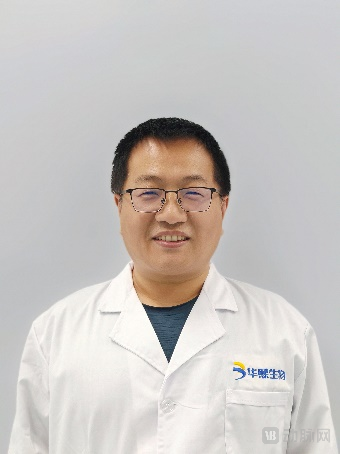
● Xue Guoxi, Process Director, Pilot-Scale Achievement Transformation Center, Bloomage Biotech

薛国希.png


Xue Guoxi, Master’s Degree HolderWith 16 years of experience in drug research and development at large pharmaceutical companies, Mr. Xue currently serves as the Process Director at the Pilot Scale Achievement Transformation Center of Bloomage Biotechnology (Tianjin) Co., Ltd. He has led the completion of one National Science and Technology Support Program project (with funding of RMB 100 million), one major science and technology special project of Shandong Province (RMB 15 million), and one fiscal science and technology plan project of Hu Yanghe City (RMB 1.5 million). He holds four authorized patents. He spearheaded the research, development, and scale-up of 16 raw materials for pharmaceutical, food, and cosmetic grades, among which three products generate approximately RMB 500 million in annual profit for the company. He completed regulatory filing for six microbial fermentation-based drug projects, undergoing two FDA inspections and six GMP compliance inspections. He was responsible for the design and construction of fermentation and purification workshops with a fermentation capacity of 500 tons, and successively established and operated six R&D and pilot-scale platforms.


● Rong Jinlei, Process Director at the Pilot Scale-up and Technology Transfer Center, Bloomage Biotech
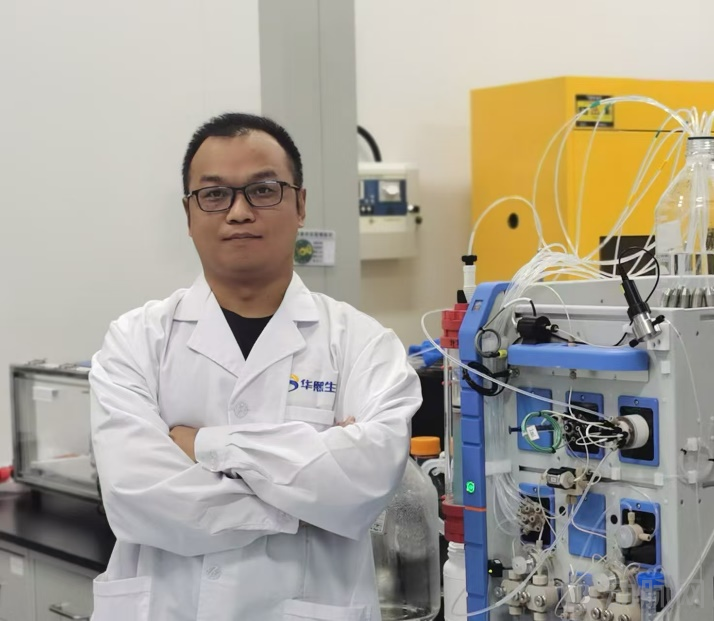

宋金雷.png


Rong Jinlei, Master of Science, currently serves as the Process Director at the Pilot Scale Achievement Transformation Center of Bloomage Biotechnology (Tianjin) Co., Ltd. With nearly two decades of specialized expertise in the development and optimization of microbial fermentation, extraction, and purification processes, he has accumulated extensive experience in project development and scale-up for active pharmaceutical ingredients (APIs) of small-molecule bioactives, antibiotics, peptides, proteins, and macromolecular polysaccharides. He has achieved outstanding results in industrial fermentation media optimization, fermentation process improvement, and separation and purification optimization. The multiple products he has led in development feature costs and quality levels that are industry-leading. As a key member, he participated in the project on Key Technologies and Industrialization of Glutathione (GSH) API and Preparations, which was awarded the First Prize for Provincial Scientific and Technological Progress.


*More instructor profiles are being continuously updated


*To learn about the training information for Phase I, please refer to the report:Successful Holding of the First 2024 Training on Concepts and Plans for the Construction of Pilot-Scale Platforms in Biomanufacturing: Q&A with Tianjin Institute of Industrial Biotechnology - VCBeat (vbdata.cn)