

2024 Zhongguancun Forum Series | Peking University Medical Autism Symposium – New Technologies and Approaches: First Announcement

Autism Spectrum Disorder (ASD), also known as autism, is a developmental neurological disorder characterized primarily by impairments in social interaction, restricted interests and repetitive stereotyped behaviors, and sensory perception abnormalities. The symptoms of autism typically persist throughout life, making it one of the significant public health concerns. With a high prevalence rate and a complex, not yet fully understood pathogenesis, autism remains a focal point of research both domestically and internationally.
“2024 ZGC Forum Series—Peking University Health Science Center Autism Spectrum Disorder Symposium” will be held in Beijing on October 19–20, 2024. The symposium has invited numerous renowned domestic and international experts and scholars from the fields of neuroscience, psychology, clinical medicine, computer science, and artificial intelligence to focus on new technologies and methodologies in autism-related research and to discuss the latest advancements in these areas. This conference aims to foster intellectual exchange through presentations and discussions by experts from diverse disciplines, thereby providing new theoretical insights and directions for elucidating the etiology of autism spectrum disorder and improving intervention strategies.
This forum is open to researchers, clinicians, and families concerned about autism, as well as undergraduate and graduate students in related fields such as biology, psychology, and medicine. All interested colleagues are cordially invited to actively participate in this event!
(Note: An open-air concert will also be held at noon on October 19, featuring a special performance by an autism inclusion band.)
(1) Keynote Speaker:
Guoping Feng | Department of Brain and Cognitive Sciences, Massachusetts Institute of Technology |
Feng Jianfeng | Fudan University Institute of Brain-Like Intelligence Science and Technology |
Grainne McAlonan | Institute of Psychiatry, Psychology and Neuroscience, King's College London |
Keynote Speeches (in alphabetical order by surname)
April Boin Choi | Korea University Institute of Mental Health |
Duan Xujun | School of Life Science and Technology, University of Electronic Science and Technology of China |
Emily Jones | Centre for Brain and Cognitive Development, Birkbeck, University of London |
Keith Kendrick | School of Life Science and Technology, University of Electronic Science and Technology of China |
Liu Honghai | School of Mechanical Engineering and Automation, Harbin Institute of Technology (Shenzhen) |
Liu Jing | Peking University Sixth Hospital |
Kaustubh Supekar | Stanford Neuroscience Institute |
Wang Quan | Xi'an Institute of Optics and Precision Mechanics, Chinese Academy of Sciences |
Wu Qin | Chengdu University of Information Technology, School of Computer Science |
Xu Xiu | Children's Hospital of Fudan University |
Yi Li | School of Psychological and Cognitive Sciences, Peking University |
Zhang Lie | Academy of Arts & Design, Tsinghua University |
Conference Reports (Alphabetical by Last Name)
Note: Some international attendees will deliver their presentations online, without simultaneous interpretation.
(II) Guiding Unit: Beijing Association for Science and Technology
Hosted by:
Peking University Health Science Center Autism Research Center
Beijing Society for Neuroscience
Organizer:
Peking University Institute of Neuroscience
School of Life Sciences, Peking University
School of Psychological and Cognitive Sciences, Peking University
IDG/McGovern Institute for Brain Research at Peking University
Supporting Organization: Zhongguancun International Convention and Exhibition Operation Management Co., Ltd.
(III) Conference Organizing Committee:
Chairman:
Zhang Rong, Institute of Neuroscience, Peking University
Liu Honghai, Harbin Institute of Technology (Shenzhen)
Deputy DirectorXi:
Yu Xiang, School of Life Sciences, Peking University
Yi Li, School of Psychological and Cognitive Sciences, Peking University
Secretary-General:
Wang Tianyun, School of Basic Medical Sciences, Peking University
(4) Meeting Time:
October 19-20, 2024
(5) Venue:
Lecture Hall, 4th Floor, Yuejin Hall, Peking University Health Science Center
(6) Contact Phone Number:
Office Phone: 010-82805188
Registration Contact: Mr./Ms. Zhao 13466535370
Financial Contact: Mr./Ms. Li 17611590418
Corporate Partnership Contact: Mr./Ms. Liu 185152782
(7) Fee Standards and Payment Methods:
1. Fee Schedule:
Registration Period | Student | Other Personnel |
Before October 16 | 200 yuan | 600 yuan |
On-site Registration | 400 yuan | ¥1,000 |
Note: | ||
2. Payment Terms:
A. Bank Transfer
Account Name: Beijing Society for Neuroscience
Bank Account Number: 11001028500056012411
Bank: China Construction Bank, Beijing Huayuan Road Sub-branch(Please note "Attendee Name + Mobile Number" when transferring funds)
B. Alipay
Account: bjsninfo@bjsn.org(Please include “Attendee Name + Mobile Number” in the payment remarks)

Alipay Payment Code
(8) Meeting Format:
Offline Conference (Note: Some overseas speakers will present online, without simultaneous interpretation).
Scan to register and fill in the information for campus entry notification and invoicing.

Registration QR Code

Please follow the WeChat official account “Autism Research Center, Peking University Health Science Center”.
(9) Cancellation of Attendance and Invoicing:
1. Cancellation of Attendance: No refunds will be issued after October 15.
2. Regarding Invoices for Conference Service Fees: Invoices for conference service fees will be issued in the month of the conference and the following month, in the order of payment. If a paper invoice is required, please contact the Society’s Finance Department at 010-82805188.
Keynote Address
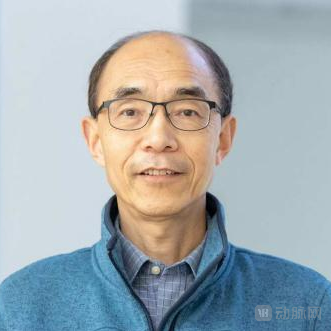
Report Title:
Developing Therapies for Autism Spectrum Disorder: From Genes to Neural Circuits
Prof. Guoping Feng
Department of Brain and Cognitive Sciences, Massachusetts Institute of Technology
Introduction:
Dr. Guoping Feng is the Poitras Professor of Neuroscience in the Department of Brain and Cognitive Sciences at the Massachusetts Institute of Technology (MIT). He currently serves as Associate Director of the McGovern Institute for Brain Research at MIT and Director of the Hock E. Tan and K. Lisa Yang Center for Autism Research. Dr. Feng is also an Investigator and the Director of the Model Systems and Neurobiology Division at the Stanley Center for Psychiatric Research, part of the Broad Institute of MIT and Harvard. His research primarily focuses on the molecular and cellular mechanisms that regulate the development and function of synapses and neural circuits. His laboratory develops and applies cutting-edge technologies to elucidate how synaptic and circuit dysfunctions lead to abnormalities in brain function and behavior associated with neurodevelopmental and psychiatric disorders, with the aim of exploring novel approaches for developing effective therapeutic strategies.
Dr. Guoping Feng received his medical training at the Zhejiang University School of Medicine in Hangzhou, China, earned his Ph.D. from the University at Buffalo, State University of New York, and completed his postdoctoral fellowship at Washington University in St. Louis. He served on the faculty of the Department of Neurobiology at Duke University School of Medicine from 2000 to 2010. Dr. Feng has received numerous honors for his scientific research, including the Beckman Young Investigators Award, the Gill Young Investigator Award, the McKnight Neuroscience of Brain Disorders Award, the McKnight Technological Innovations in Neuroscience Award, the Hartwell Individual Biomedical Research Award, and the Scientific Innovation Award from the Brain Research Foundation. He is a member of the National Academy of Sciences, the National Academy of Medicine, and the American Academy of Arts and Sciences, as well as a fellow of the American Association for the Advancement of Science.
Abstract:
Recent genetic studies have identified a large number of autism spectrum disorder (ASD) risk genes, many of which encode synaptic proteins, suggesting that synaptic dysfunction may be a key pathological feature of ASD. By applying various animal models, we have identified specific synaptic and neural circuit mechanisms associated with repetitive behaviors, deficits in social interaction, sensory abnormalities, attention deficits, and sleep disturbances. Combining single-cell transcriptomic analysis with cell-type-specific functional assays, we have begun to reveal specific neural circuit targets for developing potential therapies for certain debilitating symptoms. Furthermore, emerging gene-editing technologies enable us to construct non-human primate models and validate the potential of gene therapy as an effective treatment for monogenic forms of ASD.
Keynote Address
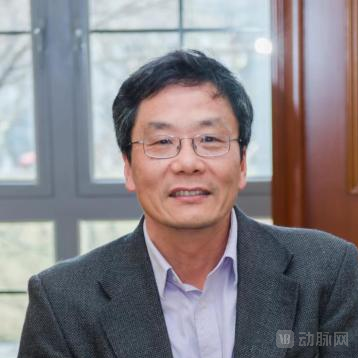
Report Title:
Applications of Computational Methods in Mental Health: Prevention, Prediction, Subtyping, and Treatment
Prof. Jianfeng Feng
Institute of Science and Technology for Brain-inspired Intelligence, Fudan University
Introduction:
Professor Feng Jianfeng is a Chair Professor at the Shanghai National Center for Mathematical Sciences, Dean of the Institute of Science and Technology for Brain-inspired Intelligence at Fudan University, and Dean of the School of Data Science. He has made significant contributions to the development of brain-inspired artificial intelligence algorithms and their application in addressing challenges in neuroscience and mental health, publishing numerous articles in journals such as Nature Medicine, Nature Human Behaviour, Nature Aging, and Nature Mental Health. He led his team in achieving the world’s first digital twin brain, which comprises 86 billion neurons and 100 trillion parameters. He was awarded the 2023 Humboldt Research Award and the Royal Society Wolfson Research Merit Award, and was invited to deliver the 2019 Packer Lecture at the University of Cambridge.
Abstract:
In this report, I will first introduce various artificial intelligence methods developed by our team to process multi-scale data (including genetic, imaging, and other types of data) in the field of mental health, such as autism and schizophrenia. Our approaches typically enable us to quantitatively assess strategies for disease prevention. Big data also helps us uncover the root causes of diseases and further subtype them, which in turn can improve treatment interventions. Ultimately, we aim to establish a theoretical framework that links dysfunction across micro-, meso-, and macro-scales in specific brain disorders.
Keynote Address

Report Title:
Autism Across All Ages: What Are the Possibilities? Can We Alter Biology?
Prof. Grainne McAlonan
Institute of Psychiatry, Psychology and Neuroscience, King's College London
Introduction:
Professor Gráinne McAlonan is a Clinical Academic and Professor of Translational Neuroscience at King’s College London. As Director of the National Institute for Health and Care Research (NIHR) Maudsley Biomedical Research Centre and Theme Lead for Children and Neurodevelopmental Disorders, she also serves as Group Leader at the King’s College London Medical Research Council (MRC) Centre for Neurodevelopmental Disorders and as Principal Investigator for the pan-European Autism Innovative Medicines Research-2-Trials (AIMS-2-Trials), the world’s largest funded autism research programme. Her goal is to ensure seamless translation “from bench to bedside.” She oversees human studies across the lifespan, ranging from fetal, neonatal, and infant brain imaging to pharmacological studies in neurodivergent adults. These studies are conducted in close collaboration with stakeholders and are grounded in neuroscience.
Abstract:
In this report, I will describe how research on early life (in neonates) has confirmed fundamental differences in GABA-dependent sensory systems and broader brain networks, which create the conditions for the emergence of autistic traits. I will demonstrate how studying sensory processing in adults can reveal mechanisms contributing to autism, and how these mechanisms can be modulated pharmacologically.
Conference Report

Report Title:
Executive Function as a Predictor of Preschool Academic and Social Skills in Children with Autism
Researcher April Boin Choi
Korea University Institute of Mental Health
Introduction:
Researcher at the Institute of Mental Health, Korea University; Ph.D. in Education from Harvard University. Specializing in Autism Spectrum Disorder (ASD) with decades of research experience. Research primarily focuses on identifying early behavioral markers of ASD, such as communicative gestures, and improving cognitive, social, and educational outcomes for individuals with autism across the lifespan. Employs various behavioral approaches, including real-world observations and multi-source assessments, to explore the developmental trajectories and mechanisms of language and cognitive development in ASD. Leads multiple research projects examining how early parent-child interactions influence language development in high-risk children and exploring how AI-driven methods can enhance early detection of ASD. Currently expanding research to examine the role of executive function in the academic and social development of children with autism. Also developing and evaluating intervention programs aimed at improving executive function in young children with autism and enhancing sexual knowledge and health among younger individuals with autism. By integrating expertise in education, psychology, and behavioral sciences, is committed to bridging research and practical interventions to improve the quality of life for individuals with autism and their families.
Abstract:
This study investigated the relationship between executive function (EF) and academic and social skills in verbally able preschoolers with autism spectrum disorder (ASD). The participants comprised 67 children with ASD aged 4 to 6 years. EF skills were assessed at the beginning of the kindergarten year using three distinct methods: computerized EF tests, behavioral observations, and parent reports. Academic achievement and social skills were evaluated through behavioral observations and parent reports at both the beginning and end of the kindergarten year. Results indicated a strong association between EF measured by computerized tests and observed reading and mathematics performance, in both concurrent and longitudinal analyses. Furthermore, parent-reported EF difficulties were closely linked to challenges in peer interactions. These findings suggest that EF lays a critical foundation for academic and social success during the school transition period for young children with ASD. Additionally, the results underscore the value of a multidimensional approach to EF assessment to more comprehensively understand its broad impact on key developmental outcomes in children with autism.
Conference Report
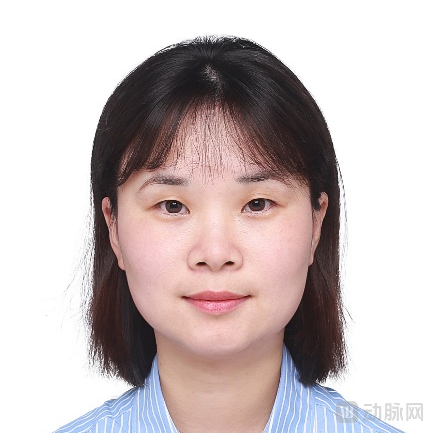
Report Title:
Autism Spectrum Disorder: Social Brain Circuits and Neuromodulation
Prof. Xu Jun Duan
School of Life Science and Technology, University of Electronic Science and Technology of China
Introduction:
Professor and Doctoral Supervisor, School of Life Science and Technology, University of Electronic Science and Technology of China (UESTC). Recipient of the National Natural Science Foundation of China’s Excellent Young Scientists Fund; Selected for UESTC’s “Hundred Talents Program”; Keynote Speaker at the 2023 Organization for Human Brain Mapping (OHBM) Annual Meeting. His primary research focuses on neuroimaging in autism spectrum disorder (ASD), with a series of studies conducted on dynamic brain network imaging, multimodal fusion imaging, and neuroimaging-guided neuromodulation in ASD. He has established an intelligent diagnosis and treatment platform for ASD integrating “assessment–intervention–imaging” and implemented it in clinical practice. His relevant research findings have been published as first or corresponding author in journals such as PNAS and Biological Psychiatry. He has presided over five projects funded by the National Natural Science Foundation of China, all within the field of ASD neuroimaging.
Abstract:
Multimodal neuroimaging studies have revealed structural, functional, and connectivity abnormalities in the social brain circuits of individuals with autism spectrum disorder (ASD). In response to these abnormalities, the presenter proposed a technique termed “Precision Neuromodulation of ASD Mediated by Social Brain Circuits,” which enables personalized, precise intervention and intelligent efficacy assessment for individuals with ASD. By constructing individualized brain imaging models for children with ASD, this technique accurately targets transcranial magnetic stimulation (TMS) pulses to the amygdala-mediated “social brain” circuit nodes, resulting in significant improvements in social interaction, language, and sleep among children with ASD.
Conference Report
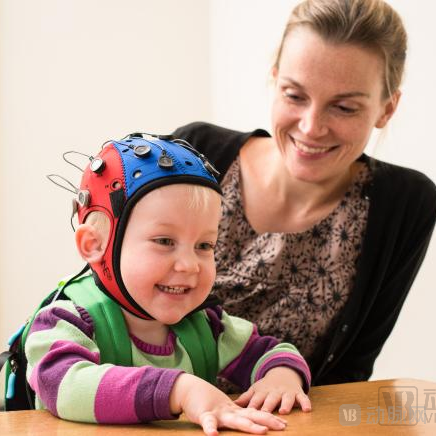
Report Title:
Unveiling Developmental Pathways to Neurodevelopmental Conditions Using Novel Tools and Methods
Prof. Emily Jones
Centre for Brain and Cognitive Development, Birkbeck, University of London
Introduction:
Emily is a Professor at the Centre for Brain and Cognitive Development, Birkbeck, University of London. Her research interests focus on understanding the cognitive and neural mechanisms that drive variations in developmental trajectories. In this context, she has conducted multiple prospective longitudinal studies on typical and atypical neural development in infants, and oversees the acquisition of electrophysiological and eye-tracking data in several large-scale European and global studies on neurodevelopmental conditions in healthy children and adults.
Abstract:
Autism is a neurodevelopmental condition that affects approximately 2% of the population and is characterized by differences in social interaction, communication, and interests. Autism is associated with genetic variations present from conception, but it is typically not identified until children enter school. Prospective longitudinal studies that track infants from shortly after birth through childhood, using brain imaging and scalable technologies, can reveal the earliest developmental changes that precede the emergence of autistic traits. Here, I will present a series of studies examining the earliest changes observed in infants later diagnosed with autism and their interrelationships across short- and long-term timescales. In these prospective studies, we observed differences in sensory responsiveness in the tactile, auditory, and visual domains, as well as changes in sleep prior to an autism diagnosis. Sensory differences are correlated with sleep differences, and both may be linked to developmental trajectories of fearfulness and later anxiety, suggesting that they could be important targets for supportive interventions. Furthermore, sleep changes may be associated with alterations in daytime brain states that relate to long-term cognitive development. Collectively, examining changes in early sensory development and sleep may provide crucial insights into the early development of neurodevelopmental conditions in children. I will discuss how these approaches help us conceptualize neurodevelopment from the perspective of neurodiversity.
Meeting Report

Report Title:
Using Computational Methods to Identify Neural, Behavioral, and Physiological Features for Diagnosing Autism, Autism Subtypes, and Treatment Efficacy
Prof. Keith Kendrick
School of Life Science and Technology, University of Electronic Science and Technology of China
Introduction:
Keith Kendrick earned his Ph.D. in Psychology from Durham University in 1979 and subsequently served as a postdoctoral researcher at the Institute of Zoology in London and the University of Cambridge. In 1983, he joined the Babraham Institute in Cambridge (now part of the University of Cambridge), where he became the Head of Neurobiology. In 2011, he was appointed as a Distinguished Professor at the School of Life Science and Technology, University of Electronic Science and Technology of China. He is a Fellow of the Society for Biology and an Honorary Professor at Gresham College. He has published more than 300 peer-reviewed papers, many of which have appeared in top-tier journals such as Nature, Science, and PNAS, as well as leading psychiatric journals. His publications have been cited over 26,000 times, and he has an H-index of 89. For the past seven years, he has been recognized as one of “Elsevier’s Highly Cited Chinese Researchers.” In 2019, he received the Chinese Government Friendship Award. His research has extensively demonstrated the potent neuromodulatory effects of the neuropeptide oxytocin on various neurotransmitters and other peptides. Since moving to China, he has primarily focused on autism research, employing neurological, behavioral, physiological, and eye-tracking methods to aid in diagnosis and treatment. He is dedicated to determining optimal strategies for the long-term therapeutic application of oxytocin to modulate brain function and social behavior, and has recently conducted successful clinical trials in children with autism.
Abstract:
Although it is widely recognized that the prevalence of autism spectrum disorder (ASD) is rising according to DSM-5 and other clinical diagnostic criteria, it is also acknowledged that ASD is a highly heterogeneous condition, which may hinder accurate diagnosis and the development of effective interventions. The increased use of robust computational tools, combined with large-scale datasets, holds promise for aiding diagnosis and intervention development. There are two data-driven approaches: one identifies features prevalent across the majority of the heterogeneous population, while the other first identifies distinct subtypes of individuals with ASD and then determines features unique to specific subtypes as well as those shared among them. We employed both approaches, utilizing specific structural and functional MRI, eye-tracking, and language-based assessments, along with a combination of various clinical, behavioral, and physiological measures. Importantly, given the variable efficacy of most current therapeutic interventions, subtype-based analyses may be particularly helpful in identifying which individuals with ASD are most likely to respond optimally to specific interventions.
Conference Report
Report Title:
Early Screening and Intervention for Children with Autism Spectrum Disorder: An Artificial Intelligence Perspective
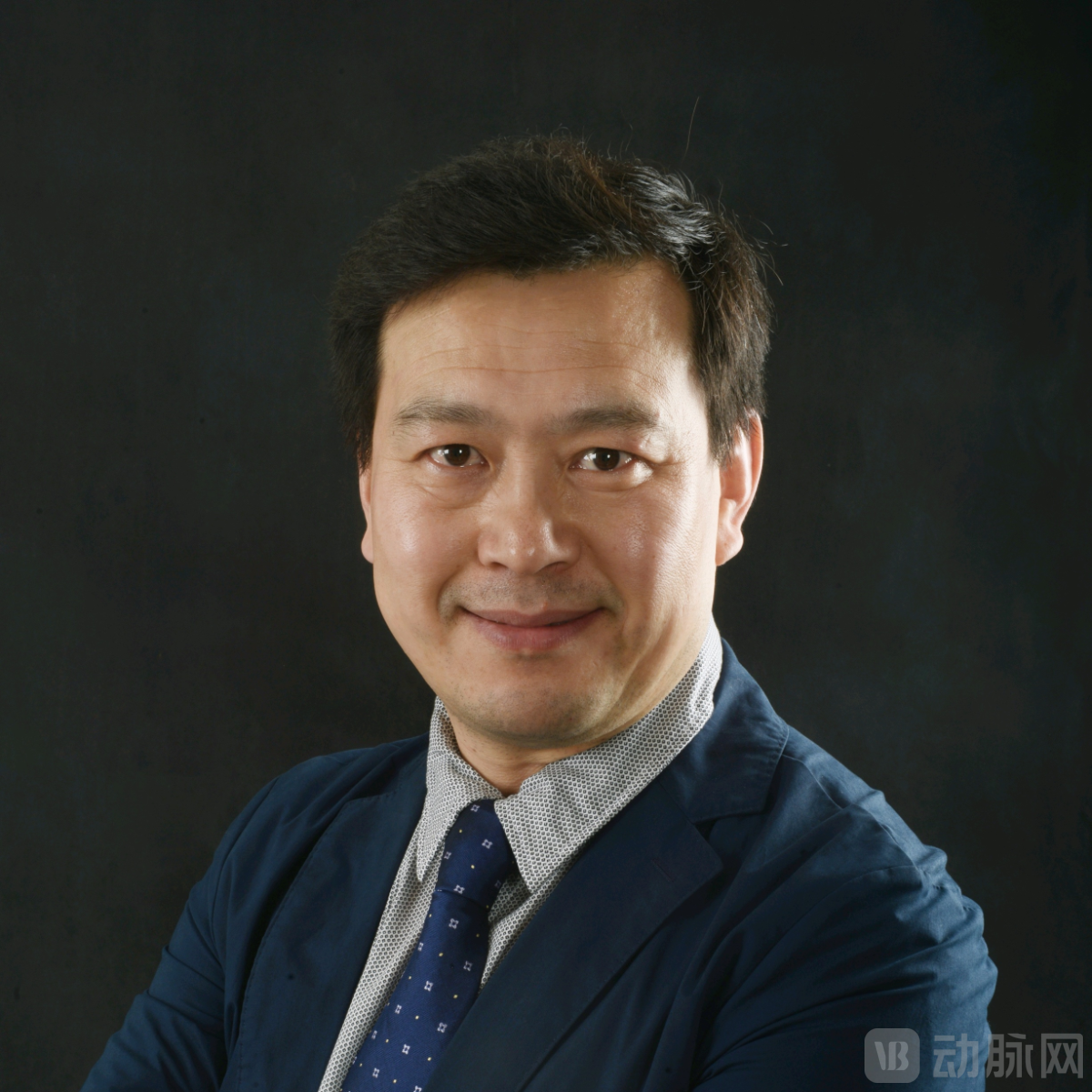
Prof. Liu Honghai
School of Mechanical Engineering and Automation, Harbin Institute of Technology (Shenzhen)
Introduction:
Honghai Liu (Member of Academia Europaea, Fellow of IEEE/IET) received his Ph.D. in Intelligent Robotics from King’s College London, UK. He is currently a Professor at the State Key Laboratory of Intelligent Technologies and Systems, Harbin Institute of Technology, Shenzhen. His research interests lie in the theory and applications of multimodal perception, neurorobotics, and embodied intelligence, with a particular focus on methods that leverage context-specific information to intelligently bridge perception and action. He has authored or co-authored more than 400 peer-reviewed journal and conference papers and has received multiple Best Paper Awards.
Abstract:
The report will first outline recent developments in clinical protocols and policies for the early screening and intervention of autism spectrum disorder (ASD) in children. It will then present the research team’s findings from an artificial intelligence (AI) perspective, aiming to demonstrate how AI can assist in this field. The report will conclude with a discussion and directions for future research.
Conference Report

Report Title:
Research Progress on Pharmacological Treatment of Autism Spectrum Disorder
Professor Liu Jing, Chief Physician
Peking University Sixth Hospital
Introduction:
Chief Physician, Professor, and Doctoral Supervisor. Deputy Secretary of the Party Committee of Peking University Sixth Hospital, and Director of the Center for Child Mental Health. He concurrently serves as Vice President of the International Association for Child and Adolescent Psychiatry and Allied Professions (IACAPAP), Vice President of the Asian Society of Child and Adolescent Psychiatry and Allied Professions (ASCAPAP), Vice Chairman of the Chinese Mental Health Association, and Chairman of the Professional Committee on Prevention and Treatment of Neurodevelopmental Disorders in Children under the China Maternal and Child Health Care Association. With over 30 years of experience in clinical practice, teaching, and scientific research in child and adolescent psychiatry, he has accumulated extensive professional expertise. He has presided over more than 10 major projects, including national key initiatives on chronic diseases related to autism spectrum disorder (ASD), and has published approximately 150 academic papers. As one of the leading editors, he participated in the compilation of the Guidelines for Diagnosis, Treatment, and Rehabilitation of Childhood Autism issued by the National Health Commission of China. The “Digital Auxiliary Diagnostic System for Autism Spectrum Disorder,” developed under his leadership, won the First Prize in the Medical Artificial Intelligence Theme Competition of the inaugural National Digital Health Innovation Application Contest hosted by the National Health Commission of China.
Abstract:
Autism spectrum disorder (ASD) is a neurodevelopmental disorder characterized by early onset, complex etiology and pathogenesis, high disability rates, and very limited therapeutic interventions. To date, apart from educational and behavioral training, there are no approved effective treatments targeting the core symptoms of ASD. Nevertheless, researchers worldwide have never ceased their exploration of effective therapies for ASD, with pharmacological treatment representing a particularly important area. This report focuses on previous studies in the field of pharmacotherapy for ASD, providing a systematic review of research on drug treatments for the disorder. The aim is to give attendees an understanding of current advances in pharmacological research for ASD and to encourage professionals to reflect more deeply on future directions in this field.
Meeting Report
Report Title:
AI-Driven Research on the Brain Mechanisms of Autism
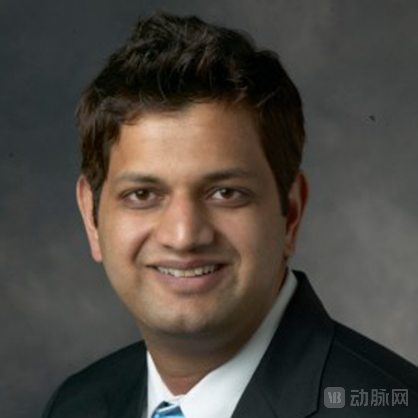
Prof. Kaustubh Supekar
Stanford University Neuroscience Institute
Introduction:
Kaustubh Supekar is a Clinical Assistant Professor of Psychiatry and Behavioral Sciences at Stanford University. He earned his Ph.D. from Stanford University and completed his postdoctoral training there. Dr. Supekar directs a neuroscience-based clinical research program that aims to identify abnormalities in the structural and functional organization of the human brain that underlie atypical behavior and cognition in psychiatric disorders, by integrating advanced computational methods—including artificial intelligence—with large-scale multimodal neuroimaging, transcriptomic, and phenotypic data. His research focuses on developing novel, robust brain-based biomarkers designed to improve diagnostic accuracy and treatment efficacy for psychiatric disorders. Dr. Supekar’s other honors include the Taube Family Foundation Interdisciplinary Scholar Award in Maternal and Child Health, the Stanford Psychiatry Innovator Award and Advancing Science Award, recognition as one of the Top 100 Scientific Discoveries of the Year, the Katherine Gruber Excellence in Research Award, and the NARSAD Young Investigator Award.
Abstract:
Autism Spectrum Disorder (ASD) is a complex and prevalent neurodevelopmental condition characterized by high heterogeneity in symptoms and severity. Recent exciting advances in the field of artificial intelligence (AI) have provided unprecedented opportunities to elucidate the neural mechanisms underlying ASD. In this presentation, I will share our research findings that leverage AI approaches, including novel machine learning algorithms and neural network models, to decipher the neural complexity of ASD. By utilizing large-scale neuroimaging and behavioral datasets, our studies aim to identify neural fingerprints unique to individuals with ASD. These efforts have not only enhanced our understanding of the disorder but also facilitated the development of robust and reproducible predictive models. These models can accurately classify individuals with ASD and predict the severity of their symptoms based on neuroimaging data. Furthermore, I will discuss our research employing new AI methods to explore the neural basis of the observed male predominance in ASD prevalence. The presentation will conclude with a discussion on the ethical implications of AI in psychiatric research, emphasizing the necessity of transparency and the importance of mitigating bias when applying AI in neuroscience.
Conference Report

Report Title:
Multicenter Clinical Study on Eye-Tracking Biomarkers in Autism Spectrum Disorder and Research on the Interaction Between the Hippocampus and Eye-Movement Regions
Prof. Quan Wang
Xi'an Institute of Optics and Precision Mechanics, Chinese Academy of Sciences
Introduction:
Wang Quan is a Researcher and Doctoral Supervisor at the Xi’an Institute of Optics and Precision Mechanics, Chinese Academy of Sciences, and serves as Deputy Director of the Xi’an Key Laboratory of Biomedical Spectroscopy. By establishing multimodal emotional cognition paradigms and brain-computer interaction experimental platforms, and using diseases such as autism and epilepsy as research models, he conducts in-depth exploration of brain cognition, neurodevelopmental disorders, and neuromodulation mechanisms. Meanwhile, he has independently developed a series of technical methods, including visual tracking, near-infrared detection, and neural hypothermic modulation, and constructed corresponding hardware and software platforms. He has published more than 40 SCI-indexed papers as first or corresponding author (including in Journal of the American Academy of Child & Adolescent Psychiatry, Materials Today Bio, and JAMA Network Open) and holds 31 national patents.
Abstract:
The precision, ease of use, and cost-effectiveness of eye-tracking make it one of the most promising approaches for developing biomarkers in clinical trials for autism spectrum disorder (ASD). This report presents findings from the Autism Biomarkers Consortium for Clinical Trials, a multicenter study involving children with ASD and typically developing children aged 6 to 11 years. The eye-tracking task paradigms included activity monitoring, social interaction, static social scenes, biological motion preference, and pupillary light reflex tasks. In the activity monitoring, social interaction, and static social scene tasks, predefined gaze toward human faces was measured using the Oculomotor Index of Gaze to Human Faces as the primary outcome measure. This report covers fundamental biomarker properties derived from these tests, including data acquisition rate, construct validity, six-week stability, group discrimination, and clinical relevance. Additionally, the report introduces the integration of high-temporal-resolution eye-tracking technology with electroencephalography (EEG) to investigate the interaction between the hippocampus and the Frontal Eye Field, and how this interaction guides visual behavior in episodic memory.
Meeting Report

Report Title:
Research on Early Screening and Intervention Strategies for Children with Autism Based on Interactive Technology
Wu Qin, Lecturer
School of Computer Science, Chengdu University of Information Technology
Introduction:
Ph.D. from the University of Auckland; Master’s degree from Tsinghua University. Her research primarily focuses on leveraging intelligent technologies and interactive systems to support early screening and intervention for children with autism spectrum disorder (ASD). She is dedicated to utilizing eye-tracking, motion sensing, VGG convolutional neural networks, graphics and image processing, and artificial intelligence techniques to explore postural manifestations and developmental mechanisms in children with ASD, as well as to design and develop a series of multimodal interactive teaching aids and intelligent intervention programs. She has served as Principal Investigator for the National Natural Science Foundation of China Young Scientists Fund and the Sichuan Provincial Natural Science Foundation Youth Project. She has published more than 10 academic monographs related to autism and has filed for and been granted over 10 national patents pertaining to autism.
Abstract:
As the prevalence of autism spectrum disorder (ASD) continues to rise, early screening and intervention are crucial for improving long-term developmental outcomes in affected children. Traditional screening methods have certain limitations due to their time-consuming nature and reliance on expert judgment, whereas the introduction of intelligent interactive technologies has brought new breakthroughs to this field. This study aims to explore early screening and intervention strategies for children with ASD based on intelligent interaction technologies. By integrating advanced eye-tracking, gesture recognition, and computer vision technologies, we developed a screening tool capable of accurately capturing behavioral characteristics of children with ASD. Furthermore, this study emphasizes the potential of interactive technologies in intelligent interventions for children with ASD. Leveraging interactive tabletops, wearable devices, tangible interaction technologies, and motion-sensing technologies, combined with Applied Behavior Analysis (ABA), we designed and developed a series of intelligent intervention tools. Empirical studies involving children with ASD demonstrate the significant potential and promising application prospects of this research in both early screening and intelligent intervention.
Conference Report

Report Title:
Multimodal-Based Early Clinical Identification of Autism
Professor Xu Xiu, Chief Physician
Children's Hospital of Fudan University
Introduction:
Director of the Department of Child Health Care, Children’s Hospital of Fudan University (National Center for Children’s Medical Care); Professor; Chief Physician; Doctoral Supervisor. With over 30 years of experience in medical practice, teaching, and research in child health care and developmental-behavioral pediatrics, he/she has led the Department of Child Health Care to become a Shanghai Municipal Key Clinical Specialty Construction Base. He/She has conducted extensive innovative work in promoting the early identification, screening, and early intervention of autism spectrum disorder (ASD) in China, as well as in elucidating its underlying mechanisms. This series of research endeavors has garnered significant attention from peers both domestically and internationally. He/She is currently the only expert in China to have been awarded the title of “INSAR Fellow” by the International Society for Autism Research.
Abstract:
In the field of diagnosis and treatment of autism spectrum disorder (ASD), it has reached a consensus that early identification, diagnosis, and intervention directly impact the onset, progression, and outcomes of the condition. Early identification is a prerequisite for implementing early diagnosis and intervention in clinical practice. The International Multidisciplinary Expert Committee on Autism pointed out in its 2015 expert consensus on clinical practice and research for early identification that there are currently no reliable behavioral markers for ASD in infants under 12 months of age. Over the past decade, with the rapid advancement of medical technology and artificial intelligence, breakthrough progress has been made in the early identification of ASD. This report will explore, from the perspective of a clinician, how to scientifically evaluate the prospects for translating scientific research in the field of early ASD identification into clinical practice.
Conference Report

Report Title:
Neuropsychological Approaches for the Auxiliary Diagnosis and Assessment of Autism
Professor Yi Li
School of Psychological and Cognitive Sciences, Peking University
Introduction:
Dr. Li Yi is currently a Research Fellow at the School of Psychological and Cognitive Sciences, Peking University, and a Research Fellow at the McGovern Institute for Brain Research, Peking University, where she also serves as a doctoral supervisor. Dr. Yi earned her bachelor’s degree from the Department of Psychology, Peking University, in 2003. She obtained her master’s degree in Developmental Psychology from the Department of Psychology and Neuroscience at Duke University in 2007, followed by her Ph.D. from the same department in 2009. In June 2009, she joined the Department of Psychology at Sun Yat-sen University, serving successively as a lecturer and an associate professor. In February 2015, she joined the School of Psychological and Cognitive Sciences at Peking University.Over the years, Dr. Yi has dedicated herself to research on autism spectrum disorder (ASD), employing a clinical-cognitive approach to investigate the core deficits and underlying cognitive mechanisms in children with ASD. She has presided over multiple projects funded by the National Natural Science Foundation of China and has achieved significant original contributions. She has published more than 40 papers in prominent international journals as the first or corresponding author. Dr. Yi was selected for the National Program for Young Top-notch Talent and named a Young Scientist by the World Economic Forum (2020). She also received the Excellent Achievement Award for Scientific Research in Higher Education Institutions (Young Scholar Award) from the Ministry of Education of China. Since 2023, she has served as an Associate Editor for the journal *Autism Research*.
Abstract:
The prevalence of autism spectrum disorder (ASD) has been rising year by year, becoming a global public health challenge that cannot be ignored. Current diagnosis and assessment primarily rely on clinicians’ observational evaluations, leading to significant subjectivity in diagnosis and difficulties in early detection. Consequently, the development of diagnostic and screening tools for ASD based on objective biomarkers has emerged as a major focus and challenge in international autism research.
The two core impairments of autism spectrum disorder (ASD) are social communication deficits and restricted, repetitive behaviors. By systematically investigating the early visual and brain development characteristics in children with ASD related to these two core symptoms, we can identify the patterns of early development in ASD and thereby develop screening tools based on eye-tracking metrics and near-infrared spectroscopy (NIRS). Research utilizing neuropsychological approaches can elucidate the developmental characteristics of infants and toddlers with ASD, enhancing our understanding of the early developmental features and trajectories of the disorder. This evidence supports the feasibility of using eye-tracking and NIRS as objective methods for the early screening and differential diagnosis of ASD.
Meeting Report

Report Title:
Exploring Human-Computer Interaction and Service Design for Autism Intervention Support
Prof. Zhang Lie
Academy of Arts & Design, Tsinghua University
Introduction:
Professor at the Academy of Arts & Design, Tsinghua University; Doctoral Supervisor; Director of the Institute of Interactive Media; Deputy Director of the Tsinghua University Institute for Inclusive Development; Expert in Information and Interaction Design Research; Member of the National Expert Committee on Culture and Tourism Public Services; Head of the Collaborative Laboratory for Multimedia Sensory Rehabilitation Training for Children with Autism. He has undertaken numerous research projects funded by the Ministry of Science and Technology, the Ministry of Culture and Tourism, and the National Social Science Fund of China, focusing on interaction design, digital culture, and digital healthcare. His works have received many domestic and international design awards, including the Gold Medal at the National Art Exhibition of China.
Abstract:
With technological advancements, an increasing number of human-computer interaction (HCI) products designed for children’s education are being developed and deployed. In the realm of autism support, HCI products have the potential to offer children better educational opportunities, more accessible services, enhanced social inclusion, and improved overall well-being by addressing their developmental levels in physical, sensory, cognitive, emotional, and behavioral domains. Grounded in the principles of service design, this study examines the feasibility and future trends of HCI technologies in supporting children with autism across screening, rehabilitation, and education. It aims to construct a systematic service support framework based on emerging technologies and explores technical solutions for key issues and critical links within the service delivery process.
Organizer

Zhang Rong
Associate Professor, Institute of Neuroscience, Peking University
Co-Founder, Autism Research Center, Peking University Health Science Center
Executive Vice Chairman, Beijing Society for Neuroscience
Conference Chair
Zhang Rong, Ph.D. in Neurobiology, graduated from Shanghai Medical College of Fudan University. He is currently an Associate Professor at the Institute for Neuroscience of Peking University and Executive Vice Chairman of the Beijing Society for Neuroscience.
With 16 years of experience in basic and clinical research on autism spectrum disorder (ASD), my research focuses on the pathogenesis, diagnosis, and treatment of ASD. I have presided over 18 projects, including those funded by the National Natural Science Foundation of China, the Special Industry Fund from the National Health Commission, the National Key R&D Program, and the Beijing Municipal Key R&D Program. I have published 71 SCI-indexed papers, 35 of which are themed on autism, with 31 as first or corresponding author. My H-index is 20. Additionally, I have authored six English commentaries and review articles related to autism. I served as the lead editor for the first domestic monograph interpreting autism from a neuroscience perspective, titled *Autism Spectrum Disorder: Medical Frontiers and Research Progress*. At Peking University Health Science Center, I offer an elective course on autism and am responsible for developing problem-based learning (PBL) teaching cases for pre-clinical education. My research achievements have resulted in eight authorized patents (one U.S. invention patent and seven Chinese utility model patents), one copyright, five technology transfers, two marketed medical devices, and one social typing system. I have received four provincial and ministerial awards, including the First Prize of the Ministry of Education’s Natural Science Award. As a co-founder of the Autism Professional Committee of the Beijing Neuroscience Society and the Autism Research Center at Peking University Health Science Center, I have organized numerous autism seminars and public welfare activities.
Organizer
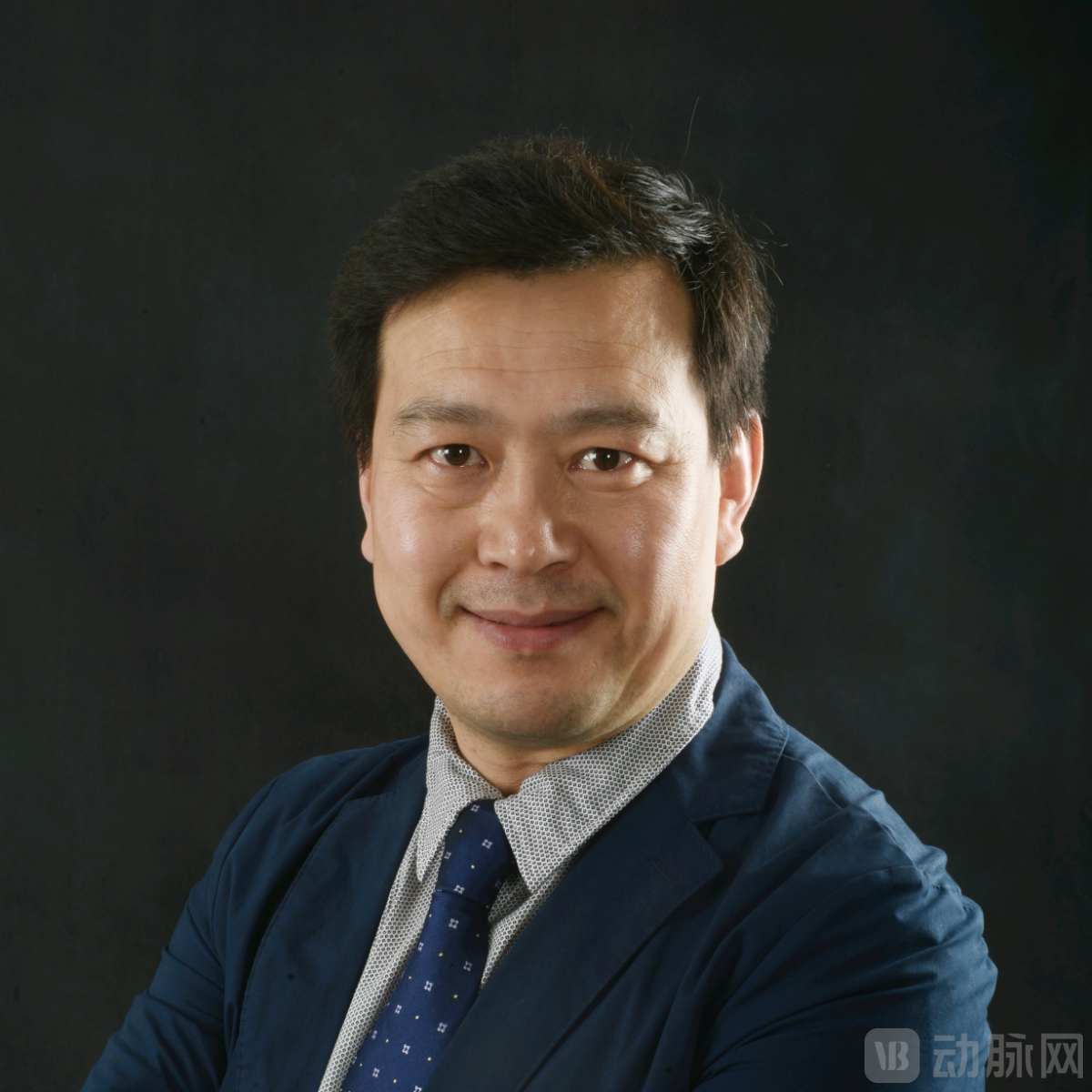
Professor Liu Honghai
School of Mechanical Engineering and Automation, Harbin Institute of Technology (Shenzhen)
Conference Chair
Liu Honghai (Member of Academia Europaea, IEEE/IET Fellow) received his Ph.D. in Intelligent Robotics from King’s College London, UK. He is currently a Professor at the State Key Laboratory of Intelligent Technology and Systems, Harbin Institute of Technology, Shenzhen. His research interests lie in the theory and applications of multimodal perception, neurorobotics, and embodied intelligence, with a particular focus on methods that leverage task-specific information to intelligently bridge perception and action. He has authored or co-authored more than 400 peer-reviewed journal and conference papers and has received multiple Best Paper Awards.
Organizer
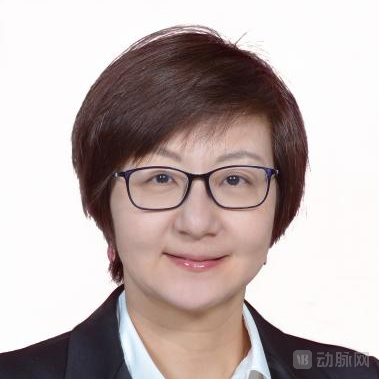
Yu Xiang
Professor, School of Life Sciences, Peking University
Director, Autism Research Center, Peking University Health Science Center
Vice Chair of the Conference
Xiang Yu, Professor at the School of Life Sciences, Peking University; Investigator at the IDG/McGovern Institute for Brain Research; Investigator at the Peking-Tsinghua Center for Life Sciences; and Director of the Autism Research Center, Peking University Health Science Center. She received her undergraduate degree from Trinity College, University of Cambridge, and earned her Ph.D. from the MRC Laboratory of Molecular Biology, University of Cambridge. She conducted postdoctoral research at Stanford University School of Medicine and served as an Investigator at the Institute of Neuroscience, Chinese Academy of Sciences, from 2005 to 2019. Her primary research focuses on the molecular mechanisms regulating the formation and plasticity of neocortical neural circuits, as well as the pathogenesis of autism spectrum disorder (ASD). Her long-term goal is to elucidate the key molecular and circuit nodes through which genetic and environmental factors regulate brain development and plasticity, and to apply these insights to the diagnosis and treatment of developmental neurological disorders such as ASD. Her corresponding-author publications have appeared in international academic journals including Cell, Nature Neuroscience, and Neuron. She has received numerous honors, including the National Science Fund for Distinguished Young Scholars, designation as a Leading Talent in Technological Innovation under the “Ten Thousand Talents Program,” and the China Youth Female Scientist Award. She currently serves on the editorial boards of Neuron, Journal of Cell Biology, eLife, and Autism Research.
Organizer

Yi Li
Researcher, School of Psychological and Cognitive Sciences, Peking University
Researcher, McGovern Institute for Brain Research at Peking University
Deputy Director, Autism Research Center, Peking University Health Science Center
Vice Chair of the Conference
Yi Li, Ph.D., is a Research Fellow at the School of Psychological and Cognitive Sciences, Peking University, and a Research Fellow at the PKU-IDG/McGovern Institute for Brain Research, where she also serves as a Doctoral Supervisor. Dr. Yi earned her bachelor’s degree in Psychology from Peking University in 2003 and her Ph.D. in Developmental Psychology from the Department of Psychology and Neuroscience at Duke University in 2009. She joined the Department of Psychology at Sun Yat-sen University in 2009, serving first as a Lecturer and then as an Associate Professor. In 2015, she joined the faculty of the School of Psychological and Cognitive Sciences at Peking University.Dr. Yi has long been dedicated to research on autism spectrum disorder (ASD), employing a clinical-cognitive approach to investigate the core deficits and underlying cognitive mechanisms in children with ASD. She has published more than 40 papers in international journals, including Child Development, Developmental Science, and Journal of Abnormal Psychology. She was selected for the National “Ten Thousand Talents Program” for Young Top-notch Talent (2019) and named a Young Scientist by the World Economic Forum (2020). She also received the Excellent Achievement Award for Scientific Research in Higher Education Institutions (Young Scholar Award) from the Ministry of Education of China. Dr. Yi currently serves as Associate Editor of Autism Research.
Organizer
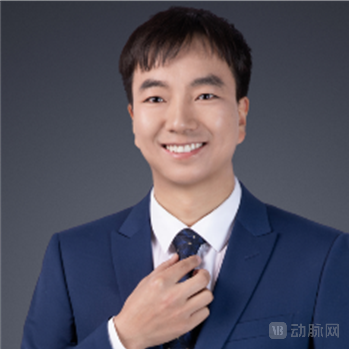
Wang Tianyun
Assistant Professor, School of Basic Medical Sciences, Peking University
Researcher, Institute of Neuroscience, Peking University
Secretary-General of the Autism Research Center, Peking University Health Science Center
Secretary-General of the Conference
Tianyun Wang, Ph.D.Assistant Professor (Tenure-Track), Department of Medical Genetics, School of Basic Medical Sciences, Peking University; Investigator, Peking University Institute for Brain Science; Independent Principal Investigator; Doctoral Supervisor; Secretary-General, Autism Research Center, Peking University Health Science Center; Boya Young Scholar, Peking University; Recipient of the National Program for Support of Top-notch Young Professionals.Dr. Wang has served as Principal Investigator for grants from the National Natural Science Foundation of China, including the Young Scientists Fund, General Program, and Excellent Young Scientists Fund. Over the past five years, he has published multiple papers as first or corresponding author (including co-first/co-corresponding) in prestigious journals such as Nature Genetics, Nature Communications, PNAS, and Annals of Neurology.He currently serves as Vice Chair of the Professional Committee on Child Neurodevelopment and Related Disorders under the Beijing Neuroscience Society; Youth Committee Member and Organizing Committee Member of the System Biomedicine Professional Committee under the Chinese Association for Pathophysiology; and Committee Member of the Behavioral Genetics Branch under the Chinese Society of Genetics. His honors include the Young Faculty Award from the School of Basic Medical Sciences, Peking University (2022), and recognition as one of the Simons Foundation Global “40 under 40” young researchers (2022).