

Innovating the Future of MedTech: 2024 Medical-Engineering Integration Elite Entrepreneurship Competition Successfully Concludes
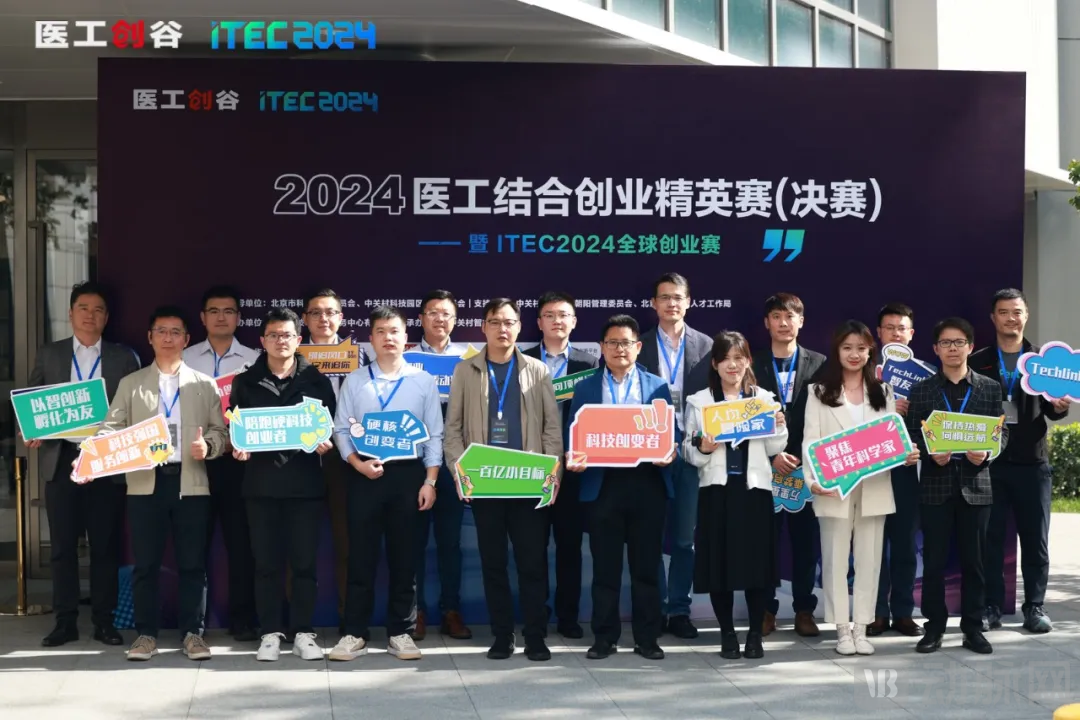
Group Photo of Participating Projects
On October 11, 2024, the finals of the “Med-Eng Innovation Valley Cup” 2024 Med-Engineer Entrepreneurship Elite Competition were successfully held in Beijing. The event was guided by the Beijing Municipal Science & Technology Commission and the Administrative Committee of Zhongguancun Science Park, supported by the Administrative Committee of Chaoyang Park of Zhongguancun Science Park and the Talent Work Bureau of Chaoyang District, Beijing Municipality, hosted by Beijing High-Tech Entrepreneurship Service Center Co., Ltd., and organized by Zhongguancun Zhiyou Research Institute.
“Med-Eng Innovation Valley Cup” 2024 Medical-Engineering Integration Entrepreneurship Elite Competition has received hundreds of project submissions since its launch. The competition has completed preliminary screening, selection of the top 50 finalists, and evaluation for the top 20. After rigorous multi-stage screening, 20 medical-engineering integration projects were showcased in the final pitch presentations. Leveraging their teams’ technical advantages, innovative thinking, and entrepreneurial passion, these participants comprehensively demonstrated their outstanding capabilities in addressing industry pain points and overcoming technical challenges.
Ultimately, eight on-site judges selected one First Prize winner, three Second Prize winners, three Third Prize winners, and fourteen Excellence Award winners. The detailed list of awardees is as follows:
First Prize
Qing Chao Zhuoying (Beijing) Medical Technology Co., Ltd.
Second Prize
Wutong Infection Control (Beijing) Technology Co., Ltd.
Beijing Zhongke Hongtai Medical Technology Co., Ltd. Beijing Qingpai Technology Co., Ltd.
Third Prize
Beijing Huashinuowei Medical Technology Co., Ltd.
SuperEye Technology (Beijing) Co., Ltd.
MicroNano Dynamics (Beijing) Technology Co., Ltd.
Excellence Award
(The following list is in no particular order.)
Beijing Wuhe Technology Co., Ltd.
Shengshengyi (Beijing) Technology Co., Ltd.
Yangqi Medical Chip
Beijing Yiling Biotechnology Co., Ltd.
Jingzhi Future (Guangzhou) Intelligent Technology Co., Ltd.
Qinglanzhi Technology (Jiangsu) Co., Ltd.
MedSource Innovations
Shukun Technology Co., Ltd.
Guangdong Hisical Medical Technology Co., Ltd.
Lexi Robotics Co., Ltd.
Beijing Guanming Hangxin Technology Co., Ltd.
Shanghai Kangruyi Intelligent Technology Co., Ltd.
Beijing Aoda Zhisheng Technology Co., Ltd.
The Medical-Engineering Entrepreneurship Elite Competition aims to bring together innovation leaders with a global perspective, stimulate innovative potential through abundant resources, and promote deep integration by leveraging platform advantages. It seeks to accelerate the industrialization of innovations at the intersection of medicine and engineering, thereby accumulating sustained innovative strength for China’s future strategic vision in this field.
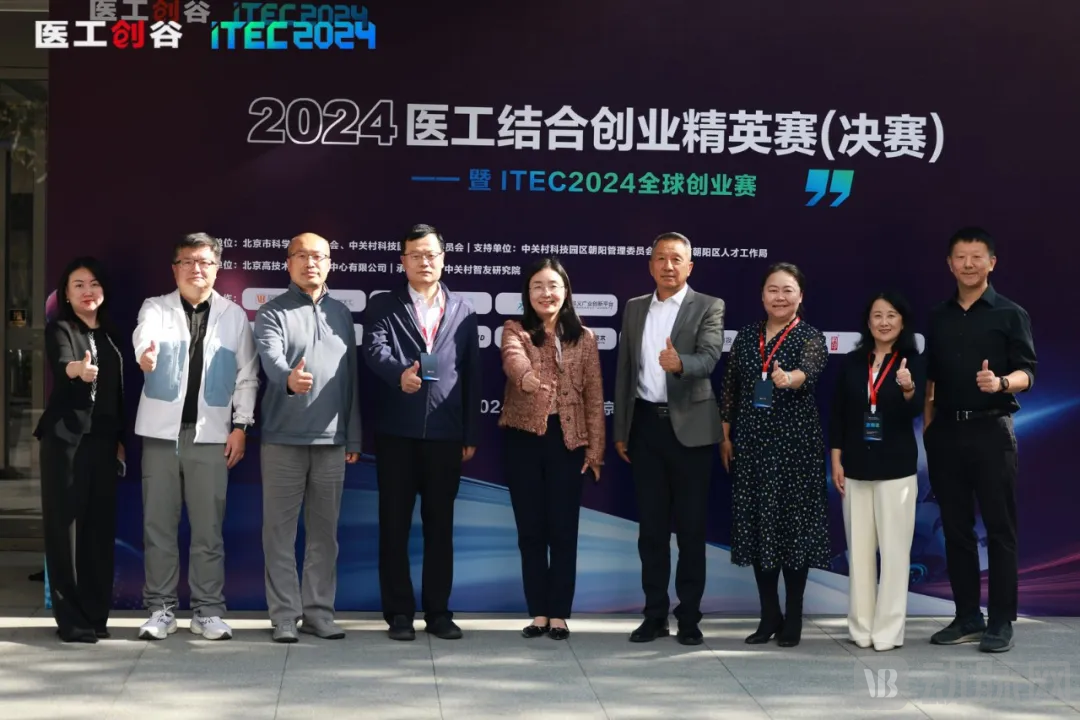
Group Photo of Participating Experts and Reviewers
Liu Hui, Director of the Beijing Medical and Health Technology Development Center; Wang Tianmiao, Honorary Director of the Robotics Institute at Beihang University and Dean of the Zhongguancun Zhiyou Research Institute; Su Ziyi, from the Second Industrial Division of the Management Committee of Zhongguancun Science Park Chaoyang Park; Zhang Fengzhu, Deputy Section Chief of the Talent Work Bureau of Chaoyang District, Beijing; Tao Chunjing, Vice Dean of the School of Medical Science and Engineering at Beihang University; Wang Binbin, Director and General Manager of the Beijing Medical Robot Industry Innovation Center; Ren Jun, Partner at Jinke Junchuang; Jiang Mingyue, General Manager of Shoufazhan Venture Capital; Xi Yanbin, Partner at Beijing Medical Fund of Trinity Capital; Mu Rui, Investment Director at Shoucheng Capital; Ma Rui, Partner at FreeS Fund; and Ma Meng, Managing Director at Yuanming Capital, along with other guests, participating enterprises, and investment institutions, jointly attended the event.
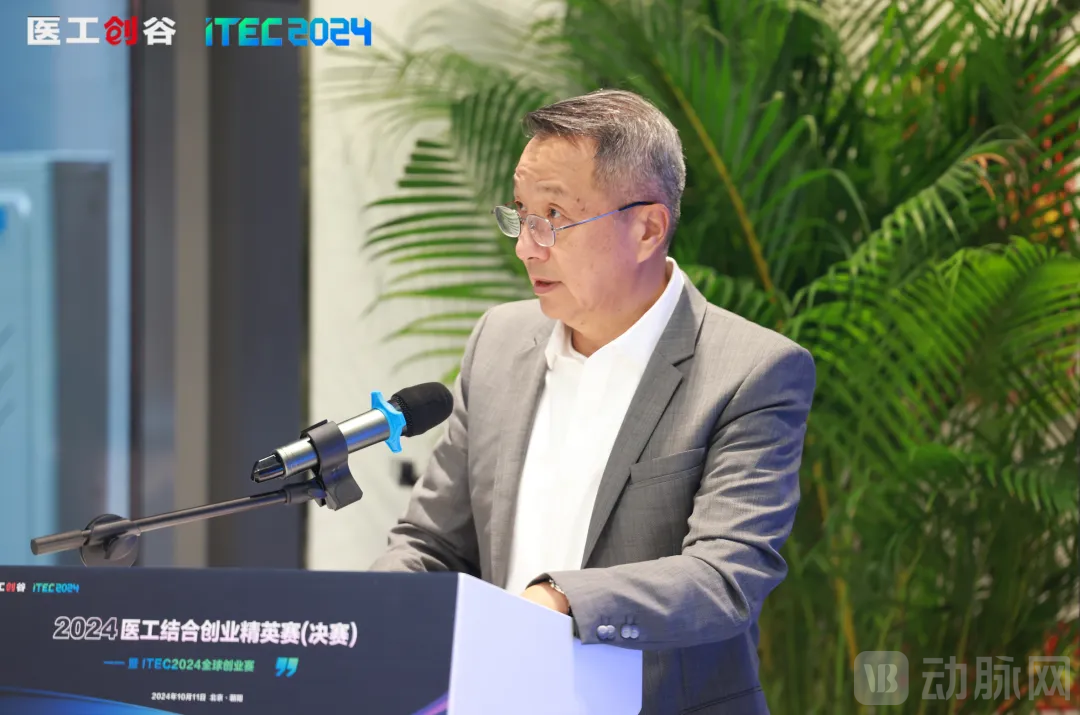
Honorary Director of the Robotics Institute, Beihang UniversityDean, Zhongguancun Zhiyou Research InstituteWang Tianmiao
At the opening of the conference, Wang Tianmiao, Honorary Director of the Robotics Institute at Beihang University and Dean of the Zhongguancun Zhiyou Research Institute, delivered an address. Wang stated that strengthening breakthroughs in key core technologies and promoting the innovative development of medical-engineering integration have become an important mission entrusted to us by the times. He emphasized that the interdisciplinary convergence of medicine and modern technology is a major engine driving the development of China’s healthcare sector, and the “‘Med-Eng Innovation Valley Cup’ 2024 Medical-Engineering Integration Entrepreneurship Elite Competition” represents a significant practice under this trend.
Wang Tianmiao expressed high appreciation for the hosting of the competition, pointing out that it not only gathers elites from the global innovation community but also stimulates innovation potential and promotes deep integration through its abundant resources and platform advantages. He specifically noted that with the emergence of so many innovative projects covering cutting-edge fields such as surgical robots and intelligent repair and regenerative materials, we have reason to believe that the tipping point for the integration of medicine and engineering in 2025 is imminent. In the face of historical opportunities, entrepreneurs need to demonstrate keen insight, long-term vision, and strong execution capabilities to overcome practical challenges and drive the development of new quality productive forces in the medical field.
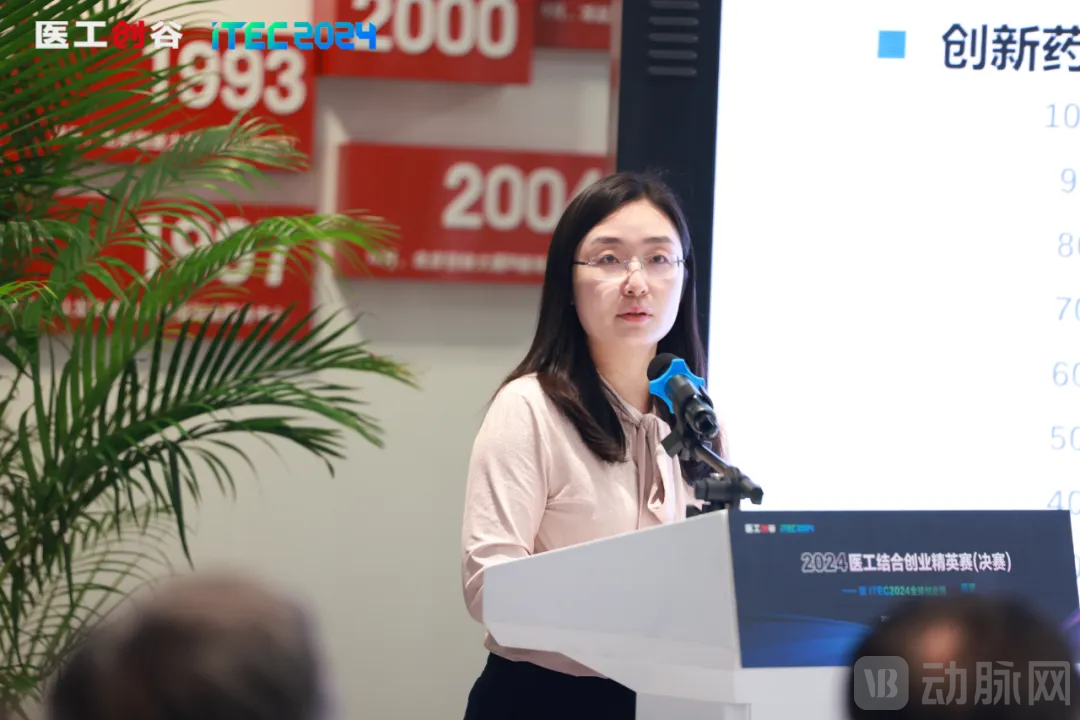
Liu Hui, Director of the Beijing Medical and Health Technology Development Center
Subsequently, Liu Hui, Director of the Beijing Medical and Health Science and Technology Development Center, delivered a policy interpretation of the Action Plan for Accelerating Collaborative Innovation in Medicine and Health in Beijing (2024–2026). Liu stated that the plan aims to promote innovative development within the medical and health industry. The medical and health industry serves as one of the “dual engines” driving Beijing’s innovative development. Building on the successful implementation of two consecutive three-year action plans, Beijing will fully leverage its significant advantages in developing this sector. By focusing on the clearly defined development goals and key tasks outlined in the new round of the three-year action plan, the city will strengthen innovation-driven growth and continue to exert greater efforts to achieve new and more substantial progress in the development of the medical and health industry, thereby providing robust support for promoting high-quality development in the capital.
Furthermore, the plan emphasizes the utilization of clinical resources by optimizing clinical trial processes and shortening approval timelines to encourage the translation of doctors’ innovative achievements. It also promotes the deep integration of scientific research with industry. To support industrial development, a series of supporting policies have been proposed, such as establishing special funds and providing assistance with translation strategies, aiming to unlock the value of digital elements and drive the high-quality development of the pharmaceutical and health industries.
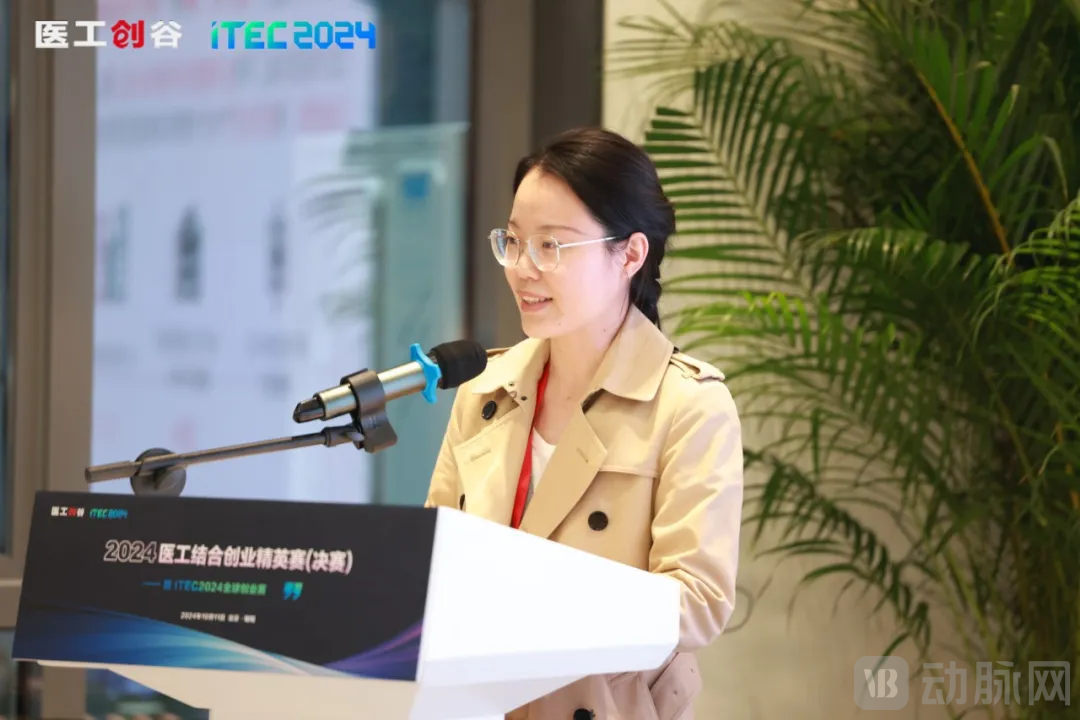
Su Ziyi, Division II of Industry, Administrative Committee of Zhongguancun Science Park Chaoyang Park
Subsequently, the Administrative Committee of Zhongguancun Science Park Chaoyang Park introduced the development status and policies of the digital healthcare industry in Chaoyang District. Leveraging its abundant medical and health institution resources and high-quality digital healthcare enterprises, Chaoyang District has initially formed a digital healthcare industrial ecosystem and is committed to building an innovation ecosystem with comprehensive factors. Over the next three years, Chaoyang District will focus on the niche sector of data-driven healthcare, implement six major initiatives, and attract, cultivate, and cluster enterprises with industry influence as well as upstream and downstream players across the industrial chain. In terms of spatial layout, the district will establish demonstration applications in the north, such as concept validation for digital healthcare projects and application scenarios, while in the south, it will upgrade and repurpose existing spaces to promote the construction of R&D platforms and the formation of industrial clusters. To this end, Chaoyang District has issued several measures to support the development of the digital healthcare industry, prioritizing six key niche areas including AI-based drug discovery and the development of AI-assisted diagnostic and therapeutic products, thereby accelerating the growth of the digital healthcare sector.
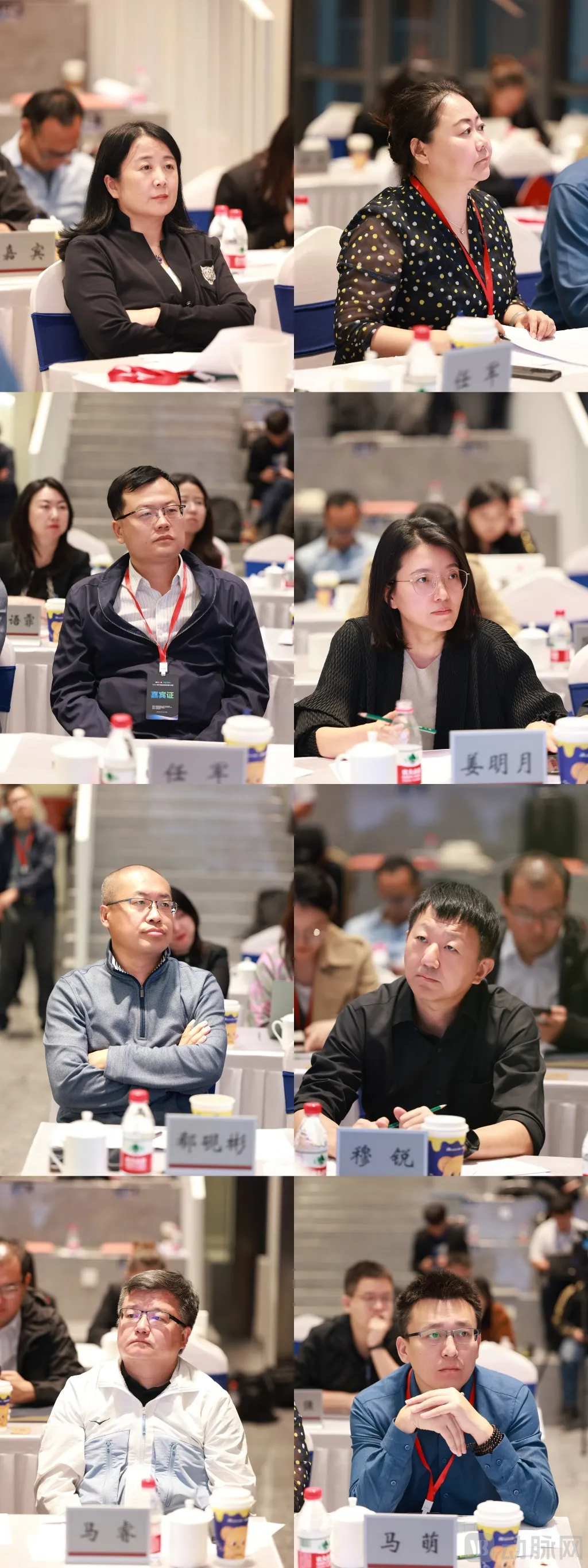
Review Panel:
First row (from left to right):Tao Chunjing, Deputy Dean of the School of Medical Science and Engineering at Beihang University; Wang Binbin, Director and General Manager of the Beijing Medical Robot Industry Innovation Center;
Second row (from left to right):Ren Jun, Partner at Jinke Junchuang; Jiang Mingyue, General Manager of Shoufa Zhan Venture Capital;
Third row (from left to right):Xi Yanbin, Partner of Beijing Medical Fund at Cowin Capital; Mu Rui, Investment Director at Shoucheng Capital;
Fourth row (from left to right):Ma Rui, Partner at FreeS Fund; Ma Meng, Managing Director at Yuanming Capital.
Roadshow Highlights
(Listed in no particular order)
1. Wutong Infection Control
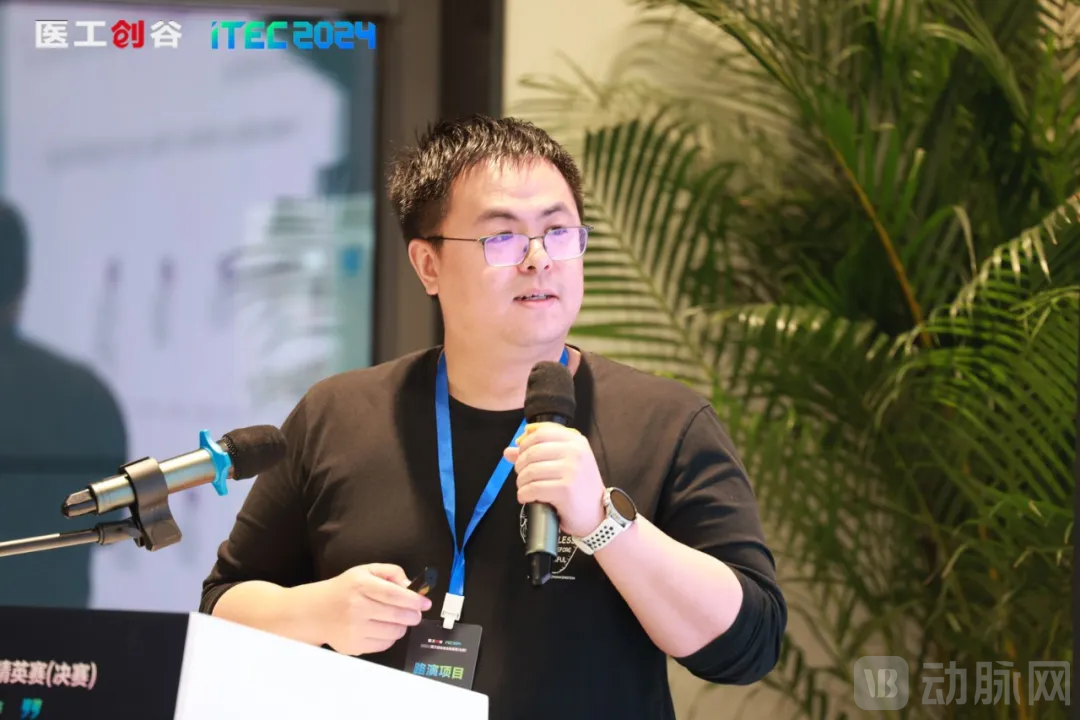
Tactus Dynamics presents the project “Research, Development, and Application of Haptic Sensing and Embodied AI Technologies.” The company specializes in the R&D and application of haptic sensing and embodied intelligence technologies. Its main products include various force-feedback medical devices, robotic haptic dexterous hands, and multi-scenario mechanical or flatness inspection systems. It supplies mechanical testing products or serves as a Marketing Authorization Holder (MAH) for medical devices to numerous publicly listed companies, military-aerospace enterprises, and other public and private institutions. Its medical force-feedback technology covers a wide range of intraoperative and postoperative clinical scenarios, including orthopedics, sports rehabilitation, gastroenterology, and obstetrics and gynecology.
Internationally leading off-grid thin-film pressure sensing materials, with technology transferred in 2023 from the Department of Mechanics at Peking University. The founding team, led by Dr. Chen Liyang, comprises alumni from prestigious domestic and international universities such as Peking University, Tsinghua University, and Harbin Institute of Technology. Team members bring industry experience from renowned companies including Yidu Tech, UBTECH, Airdoc, Xiaomi, and Baidu, along with extensive practical expertise in business and industrial operations. Its first commercial venture, Xinhexin Technology, completed a merger with Yidu Tech (2158.HK) and was consolidated into its financial statements for listing. Currently, the company is led by Shuimu Ventures, a prominent investor in the hard-tech sector, with participation from the Global Health Industry Innovation Center (GHIC), the Beijing Medical Robot Industry Innovation Center (IMC), and other investors.
2. Wuhe Technology
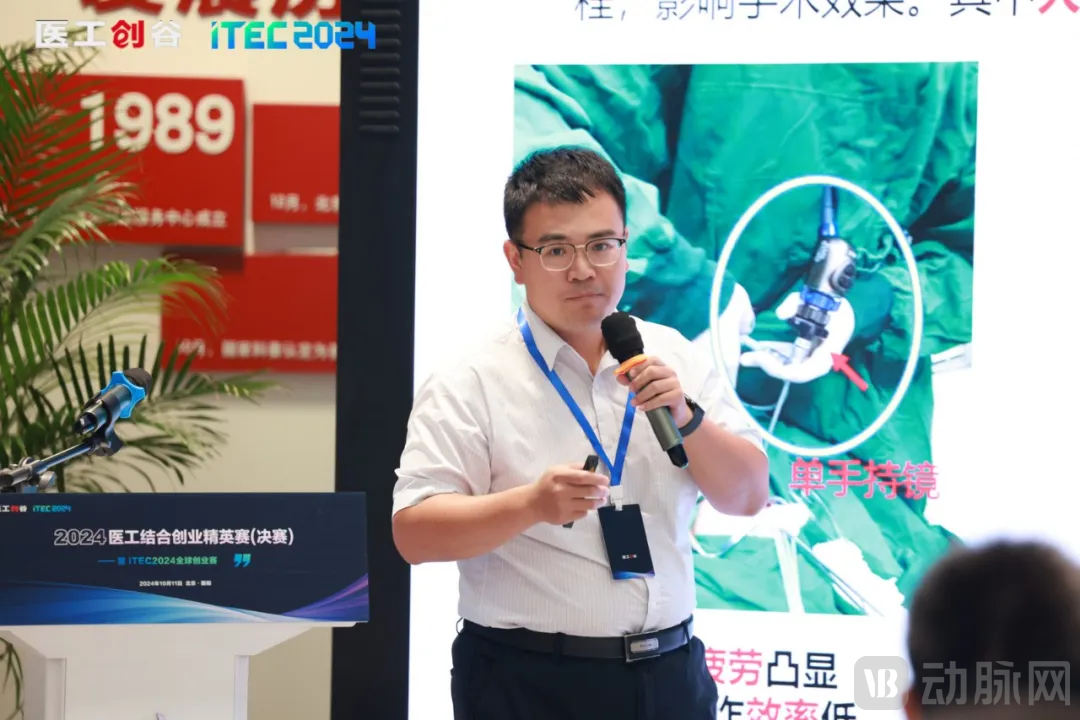
WuHe Technology presents the project “Endoscope-Holding Collaborative Surgical Robot Based on LiDAR Localization and Machine Learning.” The endoscope-holding robot is specifically designed for minimally invasive endoscopic surgery, aiming to free the surgeon’s hands by fixing and adjusting the endoscope’s position and posture according to the surgeon’s needs. The robot innovatively combines pneumatic locking clamping with an electrically controlled gimbal, simultaneously achieving high-strength endoscope holding and precise adjustment of the end-effector. In terms of control, it pioneers the use of LiDAR-based spatial localization technology to real-time recognize the surgeon’s head pose for precise control of the robotic arm’s end-effector, significantly simplifying the surgeon’s workflow and reducing endoscope adjustment time.
3. Yiyuan Chuang Technology
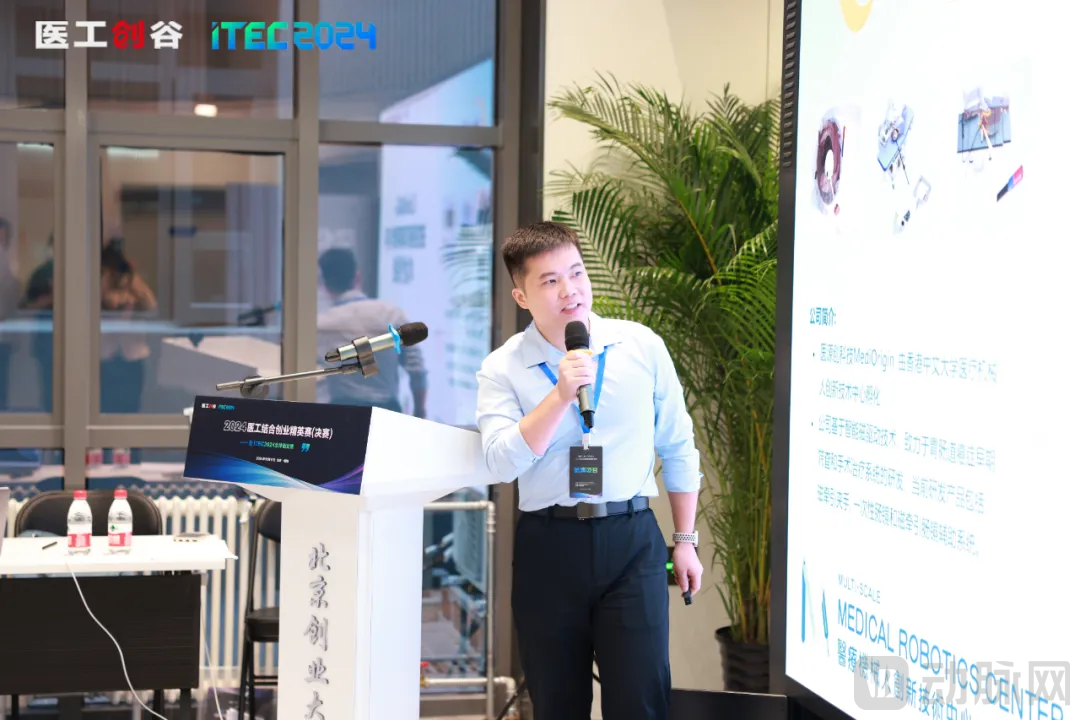
Yiyuan Chuang Technology presents the “ColoMAG – Magnetically Controlled Early Screening and Surgical Treatment System for Colorectal Cancer.” Incubated by the Medical Robotics Innovation Technology Center at The Chinese University of Hong Kong, the company is dedicated to the research and development of early screening and surgical treatment systems for gastrointestinal cancers, leveraging intelligent magnetic drive technology.
The company was founded by Professor Li Zheng from the Department of Surgery at The Chinese University of Hong Kong. Our team also includes numerous PhD and Master’s degree holders from both domestic and international institutions, all possessing extensive experience in the research and development of medical robotic systems. Additionally, we have invited several senior endoscopists from Hong Kong and mainland China to serve as our clinical advisors, alongside professional consultants specializing in medical regulations, business development, and investment.
To address the needs for colorectal cancer screening, endoscopic diagnosis, and surgical intervention, the team has launched three full-process products: a disposable flexible colonoscope, a magnetically assisted colonoscope drive system, and an endoscopic magnetic traction system.
4. Haisiker
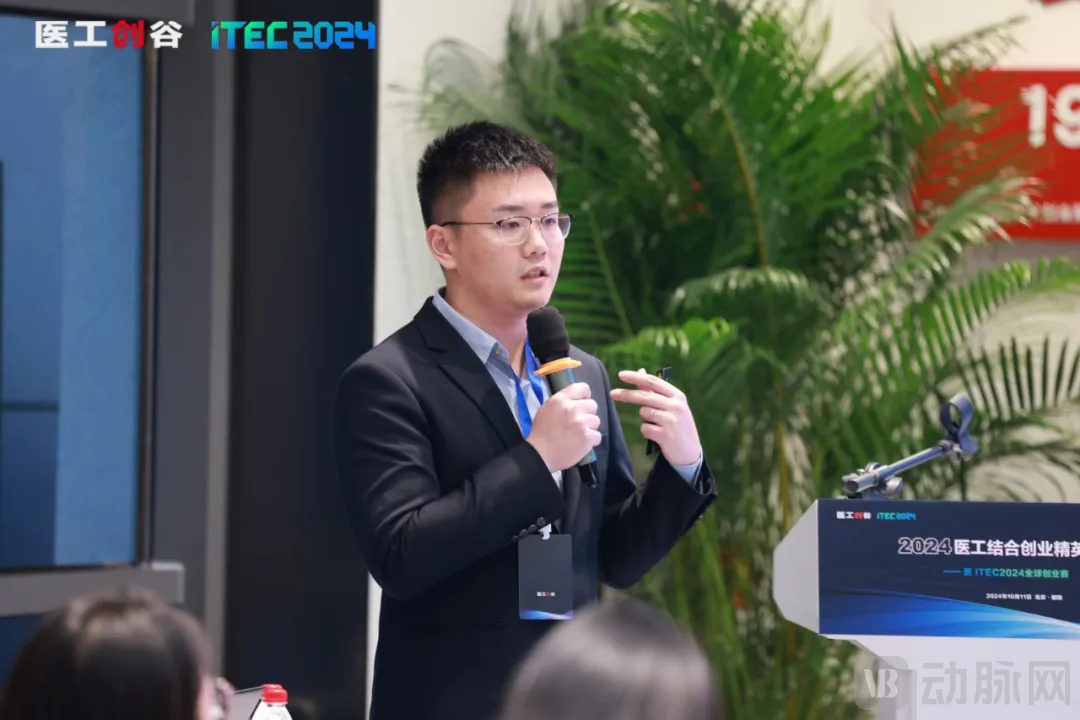
Haiskal Presents “Medical Device Solutions for Interventional Diagnosis and Treatment of Complex Lesions.” Haiskal Medical has mastered three fundamental core technologies and processes: advanced materials and processing techniques, optical sensing and ultrafast laser technology, and precise energy control technology. Its technological proficiency reaches an internationally advanced level, with certain technologies leading globally. These three technologies address the core challenges faced by clinical medical devices, particularly interventional devices, a sector heavily dominated by imports. In terms of process engineering and production quality management, Haiskal boasts an engineering and management team with extensive experience in the medical device industry, optimizing production, quality, and system processes to achieve efficient, synergistic development alongside basic R&D and clinical applications.
Haiskar possesses superior expert resources (clinical experts, industry experts, and scientific advisors) and sales channel resources (distributors, hospital departments, and listed companies), ensuring a firm grasp of market and clinical needs as well as effective post-launch product promotion. The company has obtained four Class III medical device registration certificates, with applications covering endovascular intervention specialties such as coronary vascular intervention, neurovascular intervention, and peripheral vascular intervention. Clinical trial feedback has been excellent, demonstrating performance comparable to that of imported products.
5. Shukun Technology
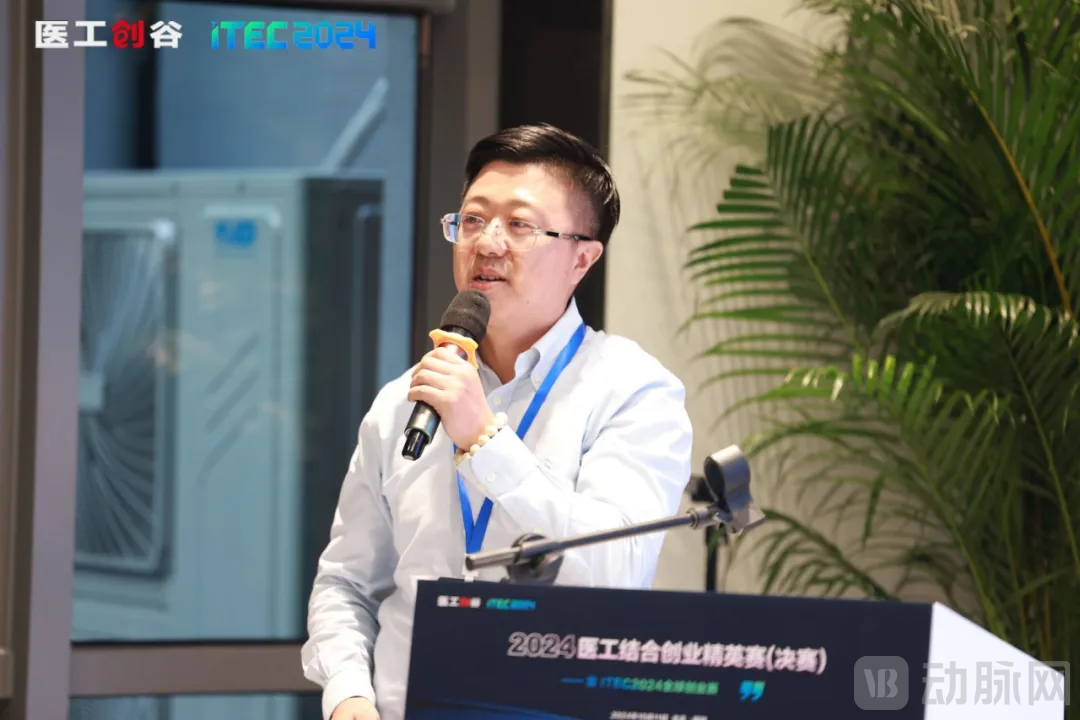 Shukun Technology Introduces the “AI-Powered Regional Smart Healthcare” Initiative, Launching a Primary Care Solution for Grassroots Levels. Leveraging its ShukunGPT medical large language model as the core technological engine, this solution aims to achieve a key objective of deepening healthcare reform: enabling residents to access quality medical care close to home.
In primary healthcare settings, ShukunGPT’s general practice digital physician extends the expertise and technical skills of senior specialists to grassroots levels, addressing practical challenges such as talent shortages and insufficient patient volumes. It assists lead institutions of medical consortia in identifying patients with chronic diseases within their regions, providing them with end-to-end medical services encompassing “screening, diagnosis, treatment, rehabilitation, and management.” Simultaneously, it helps young physicians reduce rates of missed and misdiagnoses and improve early diagnosis rates with AI assistance. In home care scenarios, ShukunGPT offers personalized family doctor service packages to the public and serves as an online health consultant, providing pre-consultation triage, medical record quality control, and medication guidance. By managing data from both primary care and home settings, regional health digital supervisors conduct risk stratification and issue early warnings for the population, thereby achieving informatization and intelligent management of chronic diseases and supporting the construction of an integrated medical and preventive care system.
6. Zhongke Hongtai
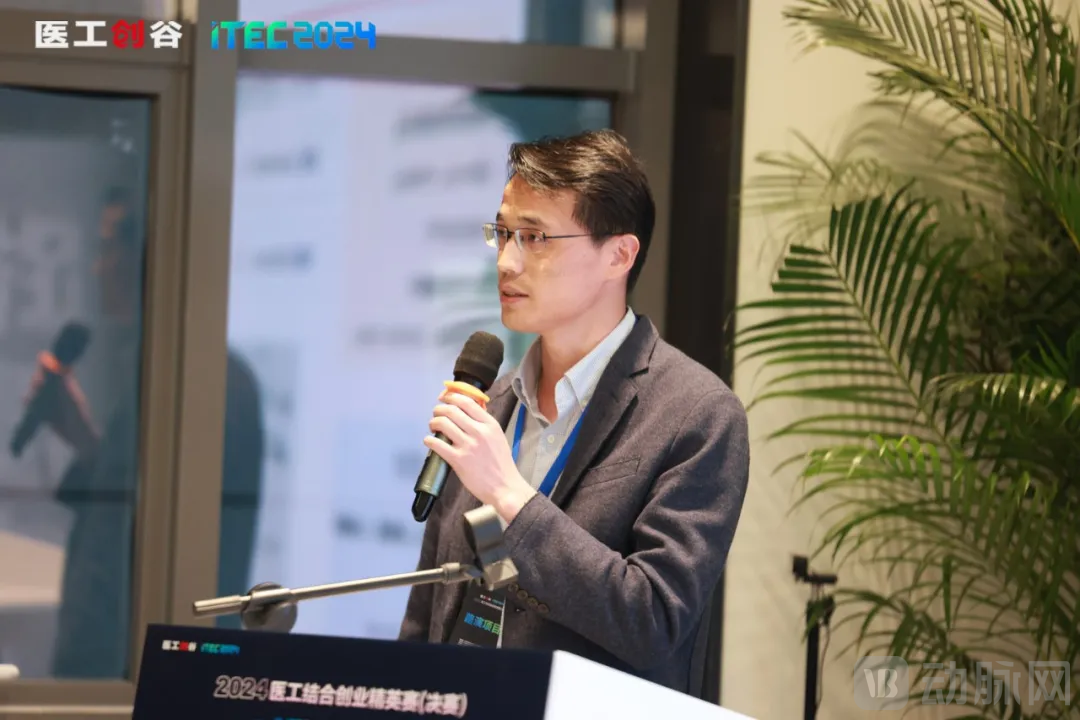 Zhongke Hongtai presents the "World’s First Multi-Channel Pan-Vascular Interventional Surgical Robot" project. Leveraging nearly two decades of technological accumulation by the founding team from the Institute of Automation, Chinese Academy of Sciences, and building upon achievements from the National 863 Program and the National Key R&D Program, the company has developed the world’s first multi-channel pan-vascular interventional surgical robot. Designed to meet clinical needs in pan-vascular interventions, this product enables robot-assisted vascular interventional procedures across multiple departments (including coronary, neuro, and peripheral interventions), for various procedural types (covering both simple and complex lesions), and throughout the entire workflow (from angiographic diagnosis to interventional treatment). This is achieved through independently developed technologies such as multi-channel multi-instrument coordinated control, multi-finger bionic continuous delivery, force sensing and feedback, image navigation, and 5G remote control. The product helps reduce radiation exposure for interventional physicians, improve surgical precision and stability, shorten the learning curve, and decrease complications. Furthermore, it facilitates the standardization and homogenization of interventional procedures and promotes the decentralization of high-quality medical resources. The technology has successfully completed seven human pilot clinical trials and dozens of animal experiments. Notably, in 2021, it performed the world’s first 5G remote Culotte procedure animal experiment between Beijing and Shanghai. In 2023, at the opening ceremony of the Oriental Congress of Cardiology (OCC 2023), it achieved China’s first live broadcast of a remote robot-assisted interventional surgery at a major cardiovascular academic conference. The latest generation of the product has finalized its prototype design and completed animal testing, with regulatory approval for medical devices expected in 2026.
7. Oda Zhisheng
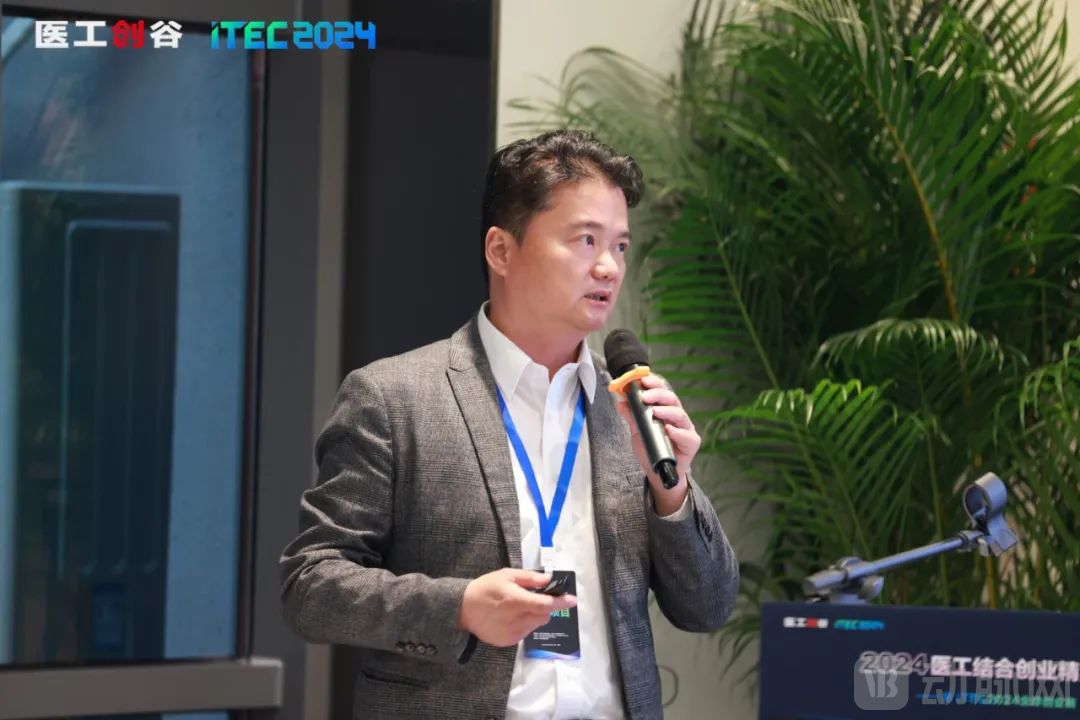 AudaSound presents the “Intelligent Interventional Puncture Surgical Navigation Robot System.” This project is the world’s first robotic system for ultrasound-guided percutaneous interventional procedures and the only one that does not require an external optical or electromagnetic positioning system.
8. Qinglan Zhi Technology
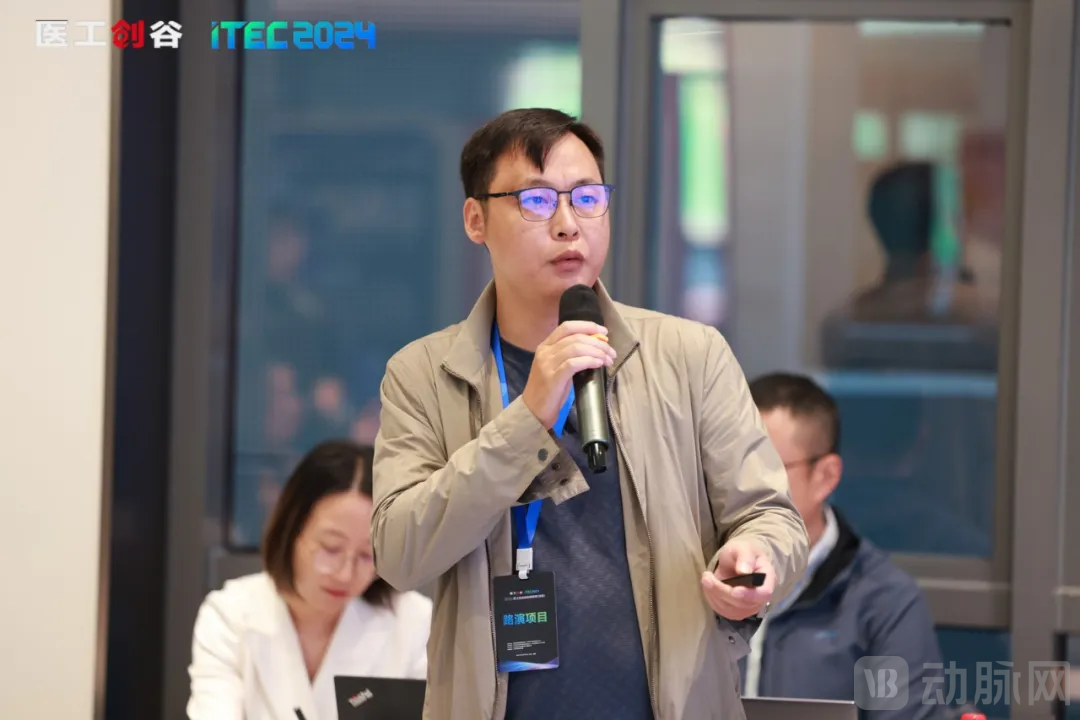
Qinglanzhi Technology presents the "Electromagnetically Driven Intramedullary Lengthening System" project. The Electromagnetically Driven Intramedullary Lengthening System is a fully implantable intramedullary lengthening nail controlled externally. Guided by the clinical needs of frontline physicians, it was designed and developed by an engineering team from Tsinghua University. It is primarily used in limb lengthening and reconstruction surgeries, with indications including limb length discrepancy, pathological short stature, and nonunion of fractures. Currently, preliminary animal studies are being conducted at Jishuitan Hospital and the Chinese PLA General Hospital. The system mainly consists of an electromagnetic driver and an intramedullary lengthening nail. During use, the patient simply places the external electromagnetic driver around the intramedullary lengthening nail; the rotating magnetic field generated by the driver causes the permanent magnet within the nail to rotate, providing torque input. After torque amplification and motion conversion, precise and controllable axial lengthening is achieved. Compared with existing domestic devices, this system offers significant advantages in ease of operation, wearing comfort, and precision controllability. It can substantially reduce the risk of infection, soft tissue injury, and postoperative pain, thereby significantly improving patients' quality of life throughout the entire treatment cycle.
9. Guanming Hangxin
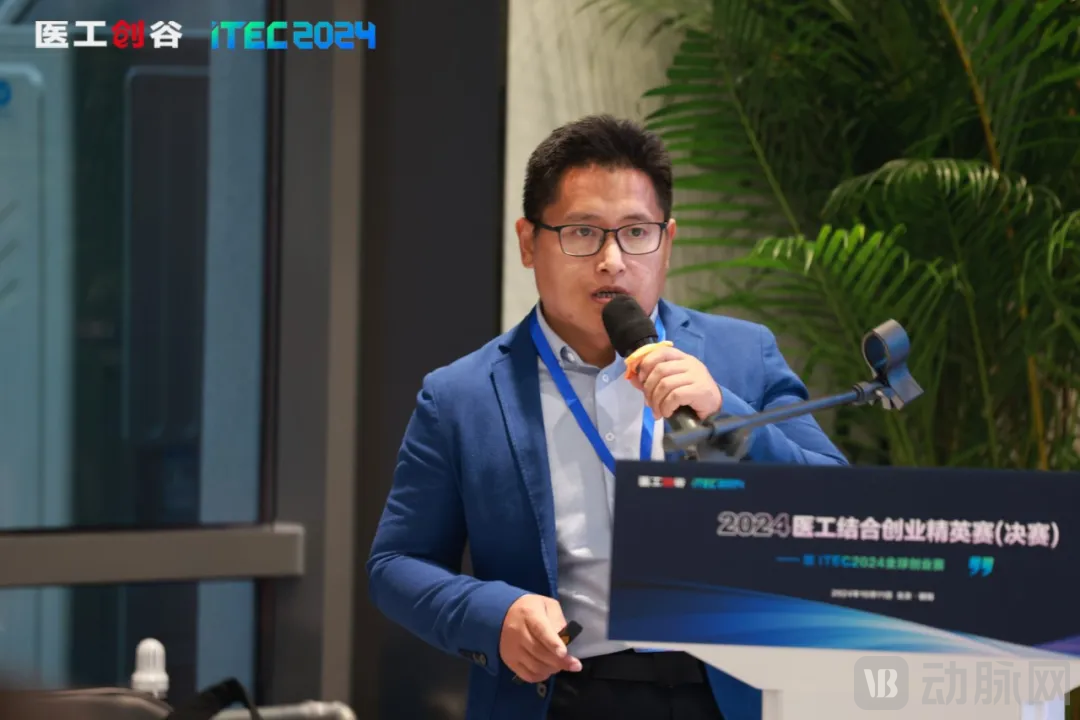
Beijing Guanming Hangxin Technology Co., Ltd. presents the project titled “Industrialization of Innervated Human Biomimetic Organoids and Organs-on-Chips with Integrated Equipment.” The company is committed to becoming a global leader in the industrialization of human biomimetic organoids and organs-on-chips for terrestrial, space, and commercial aerospace applications. It has established fused organoids or organs-on-chips that exhibit robust functional and physiological coupling between nerves and target tissues (such as skeletal muscle, cardiomyocytes, and blood vessels) or target organs. These include brain organoids, cardiac organoids, fused organoids, as well as key in vitro models of innervation such as neuromuscular junctions, neurocardiac junctions, and neurovascular units. Furthermore, the company conducts optimized design and integration research on nerve-coupled multi-organ chips to construct drug evaluation platforms and disease models related to neurovascular disorders and diseases involving innervated target tissue injury. Ultimately, it aims to build an integrated high-throughput screening platform featuring optoelectronic stimulation, structural color sensing, linked agitation, and online culture and monitoring. This effort facilitates the development of an integrated platform and instrumentation for innervated human organoid-on-chip systems that reflect real-time dynamic interactions among multiple organs, with further applications in studying tissue regeneration, pathogenesis, therapeutic targets, and drug screening for neurogenic and myogenic diseases.
10. Micro-Nano Dynamics
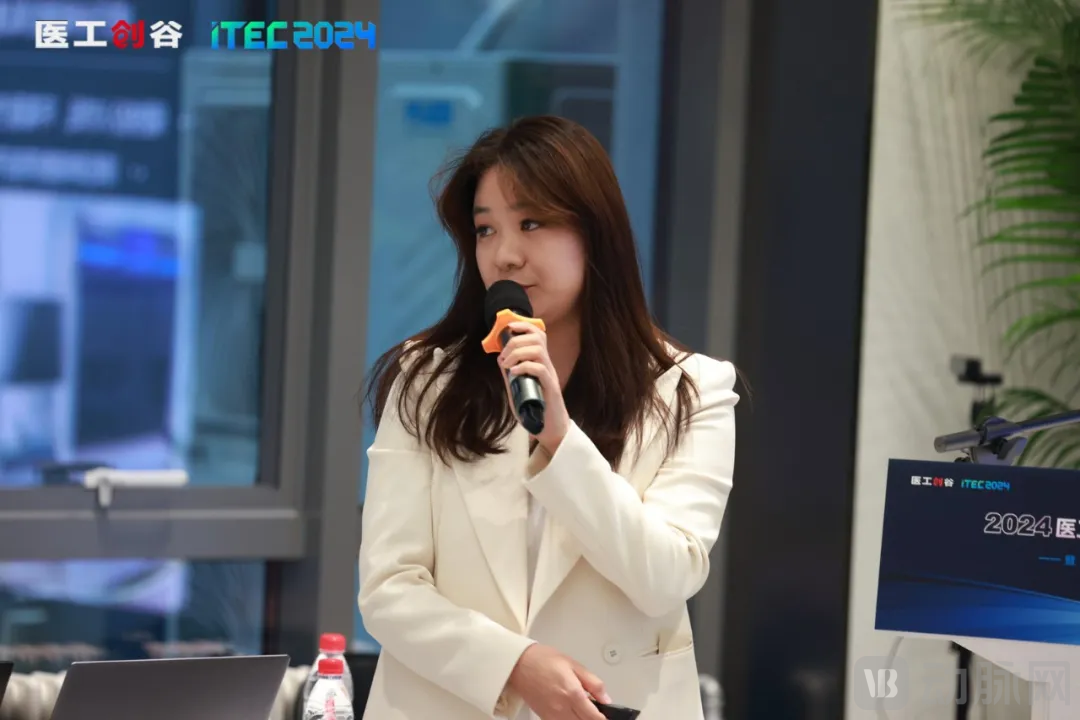
MicroNano Dynamics has mastered the fabrication process for core optoelectronic thin films used in optoelectronic tweezer manipulation systems, holding independent intellectual property rights and breaking Berkeley Lights’ monopoly on this technology. In the realm of magnetic field control, the company has mastered the development technology for high-performance field-control coils and cross-scale, multi-modal, high-precision micro/nanorobot control technology. Compared with domestic and international research institutions and enterprises, it possesses technological leadership and scarcity. The company is dedicated to providing customers with high-performance, automated, and intelligent life science instruments as well as novel cancer treatment equipment. It is committed to overcoming core technical challenges in optoelectronic tweezer particle manipulation devices and micro/nanorobot-targeted drug delivery systems. Meanwhile, after two years of effort, the team has already resolved the critical bottleneck issue concerning the core chips for optoelectronic tweezer technology, advanced the micro/nanorobot-targeted drug delivery system through preclinical animal experiments, and established a product portfolio comprising optoelectronic tweezers-based micro/nano manipulation systems, high-throughput single-cell screening platforms based on optoelectronic tweezers, micro/nano fabrication services, and micro/nanorobot-targeted drug delivery systems.
11. Qingpai Technology
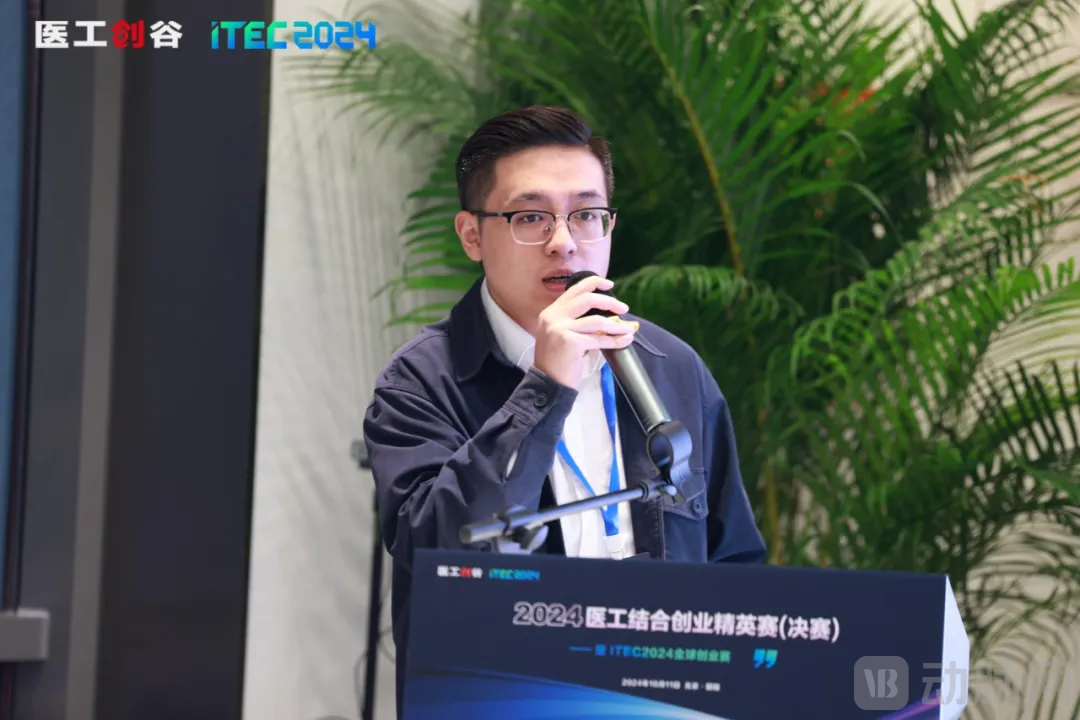
Qingpai Technology presents the "Integrated Photoacoustic Imaging Platform for Diabetic Foot." Leveraging its independently developed photoacoustic imaging technology, the platform enables adaptive photoacoustic tomography and quantitative blood oxygenation imaging of the diabetic foot and peripheral microvasculature. This facilitates more precise early diagnosis and treatment assessment for diabetic foot, optimizes clinical workflows, and improves patient prognosis.
12. Kang Ruyi
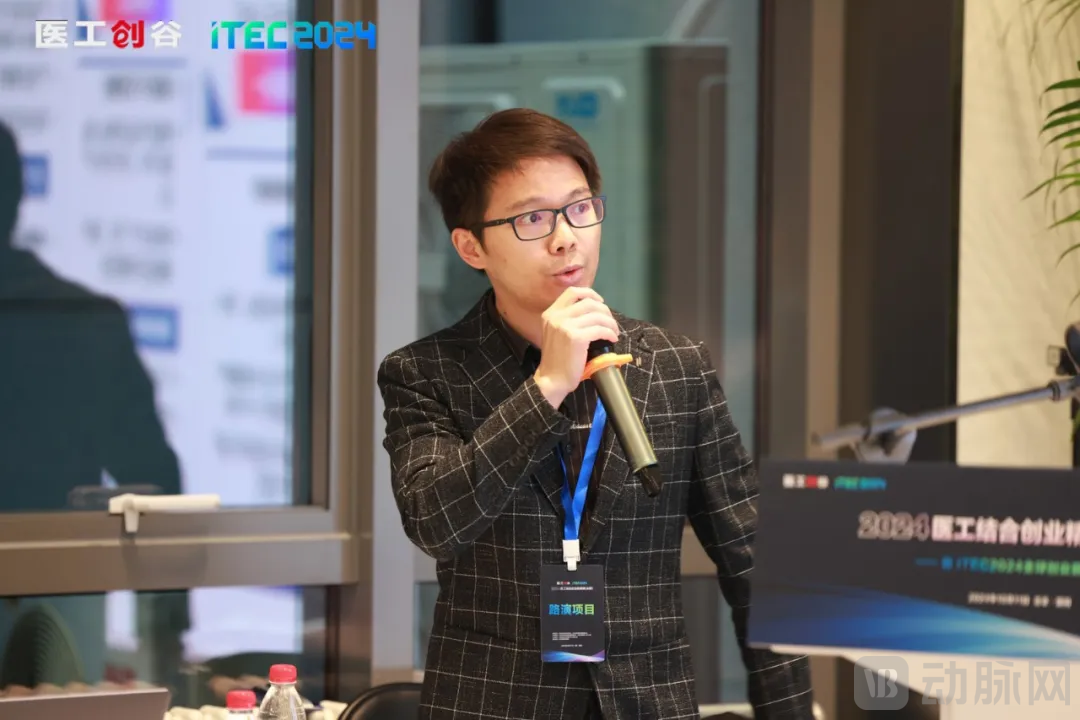
Shanghai Kangruyi Intelligent Technology Co., Ltd. is positioned as an embodied AI-powered robotic physician for health and elderly care, committed to becoming a global leader in the healthcare robotics industry. Specifically, the company leverages embodied intelligence technology to develop the most advanced “brain” and “body” for healthcare robots, enabling them to replace off-site physicians in performing primary chronic disease diagnostics and comprehensive health and wellness therapeutic procedures.
The company’s product strategy begins with moxibustion robots, leveraging self-developed core technologies such as scenario-specific four- and six-axis robotic arms, intelligent tongue diagnosis modules, and AI vision-based acupoint localization. Targeting two distinct market segments—unmanned rehabilitation and physiotherapy for naval vessels (high-end) and community beauty and wellness stores (mid-to-low-end)—the company deploys six-axis moxibustion robots for the former and cost-optimized four-axis moxibustion robots for the latter. The high-end segment offers fully unmanned physiotherapy services, while the mid-to-low-end segment provides semi-automated services. To rapidly capture both ends of the market and establish a closed-loop business model, the company adopts direct sales of complete solutions for the high-end segment and a Robotics-as-a-Service (RaaS) financial leasing model for the mid-to-low-end segment. Future product development will expand into an all-in-one comprehensive physiotherapy robot featuring four modalities: moxibustion, shockwave therapy, thermal massage, and negative pressure therapy. This multi-functional design enhances scenario adaptability. As embodied AI technology matures, the company will further evolve into mobile, multi-functional health and wellness robots, ultimately entering the vast home care market to provide intelligent physiotherapy solutions for the elderly and patients with chronic diseases.
13. Yiling Biotech
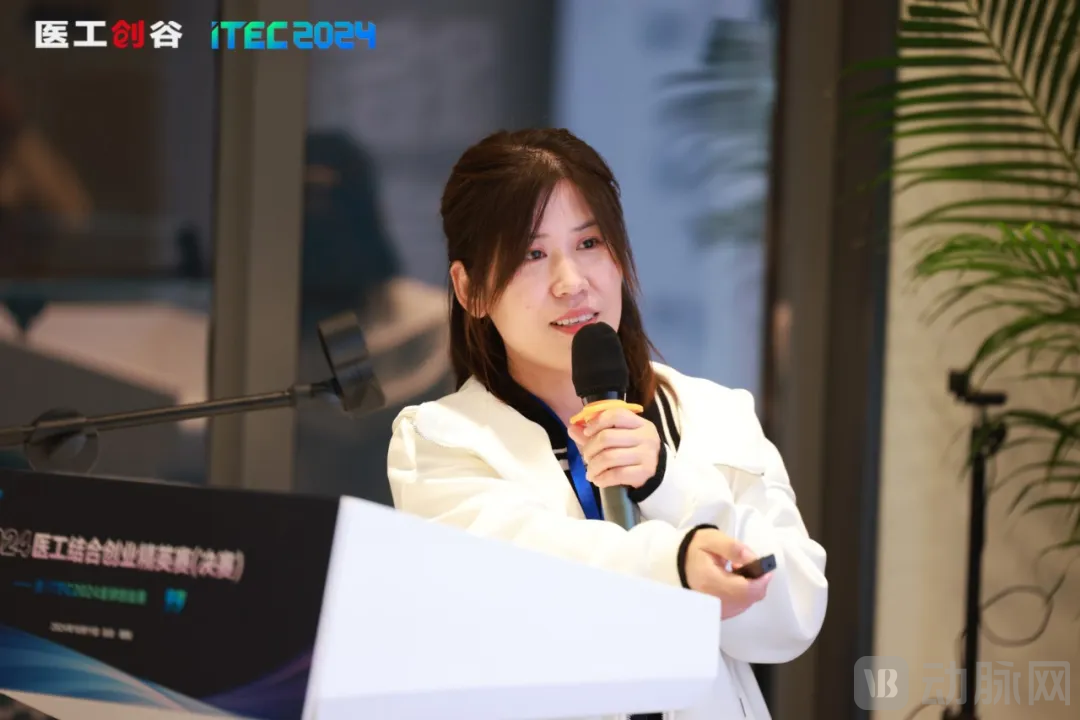
Yiling Biotechnology presents the project “Novel Intelligent Regenerative Materials for Oral Soft and Hard Tissue Repair.” There is a clear clinical need for superior solutions to address the significant pain points associated with existing oral tissue regenerative materials. Yiling Biotechnology’s oral tissue regeneration and repair materials, which possess fully independent intellectual property rights, offer a solution to these industry challenges. Whether soft and hard tissue damage in the oral and maxillofacial region results directly from trauma, or occurs as a consequence of surgical treatments for periodontal disease, tooth loss, or malignant jaw tumors, such procedures invariably cause concurrent injury to both soft and hard tissues.
Due to the unique anatomical characteristics of the oral and maxillofacial region, clinicians must prioritize not only the restoration of oral function but also facial aesthetics. Soft and hard tissue defects in this region, resulting from the aforementioned conditions, impose a significant burden on the healthcare system and severely compromise patients’ quality of life. Current materials for soft and hard tissue reconstruction are associated with numerous drawbacks, including surgical risks (such as scarring), insufficient implant strength, prolonged operative times, a limited number of clinicians proficient in bone grafting techniques, and low rates of osteogenic conversion.
14. Qingchao Zhuoying
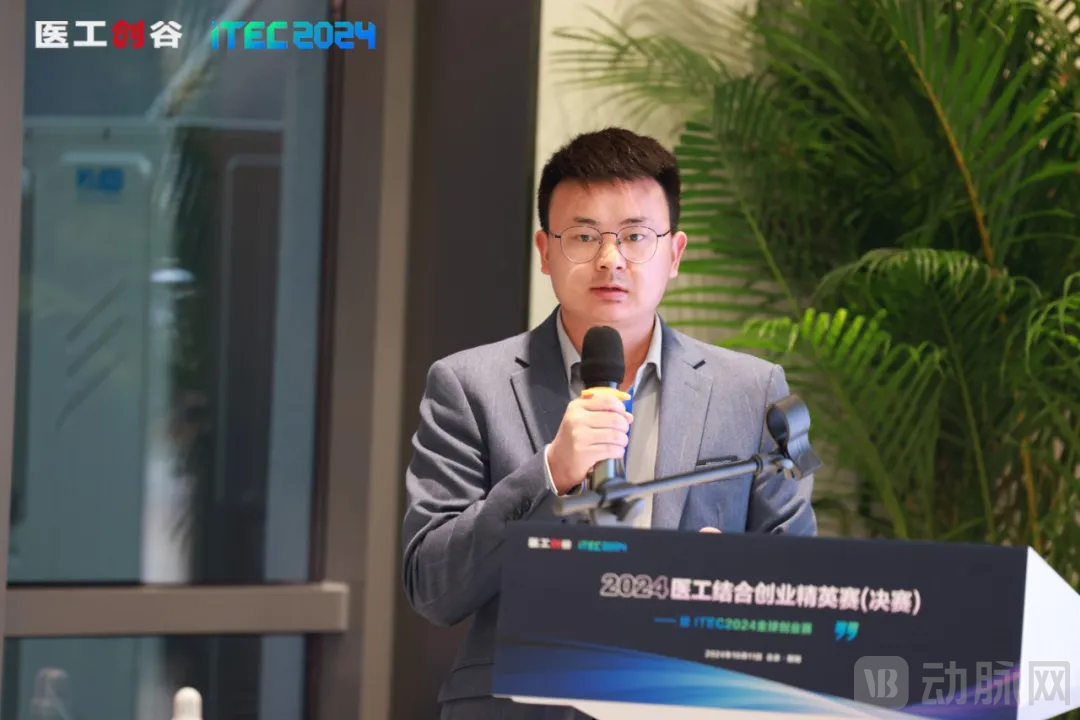 Qingchao Zhuoying presents the "Innovative Metamaterial Platform for MRI Enhancement Technology" project. The project focuses on the application of metamaterials in medical imaging, primarily engaging in the research and development, manufacturing, and sales of electromagnetic metamaterials designed for magnetic resonance image enhancement. The company is the first entity in China, and indeed globally, to achieve industrialization of this technology. In the future, the company’s business will encompass image enhancement services for all field strengths and all models of MRI scanners. Currently, several metamaterial products have entered the market and received positive feedback from customers.
The team is led by Academician Zhou Ji of Tsinghua University, with Professor Zhao Qian of Tsinghua University serving as Chief Technical Scientist and the Director of the Department of Radiology at Beijing Tsinghua Changgung Hospital serving as Chief Application Scientist.
15. ShengShengYi
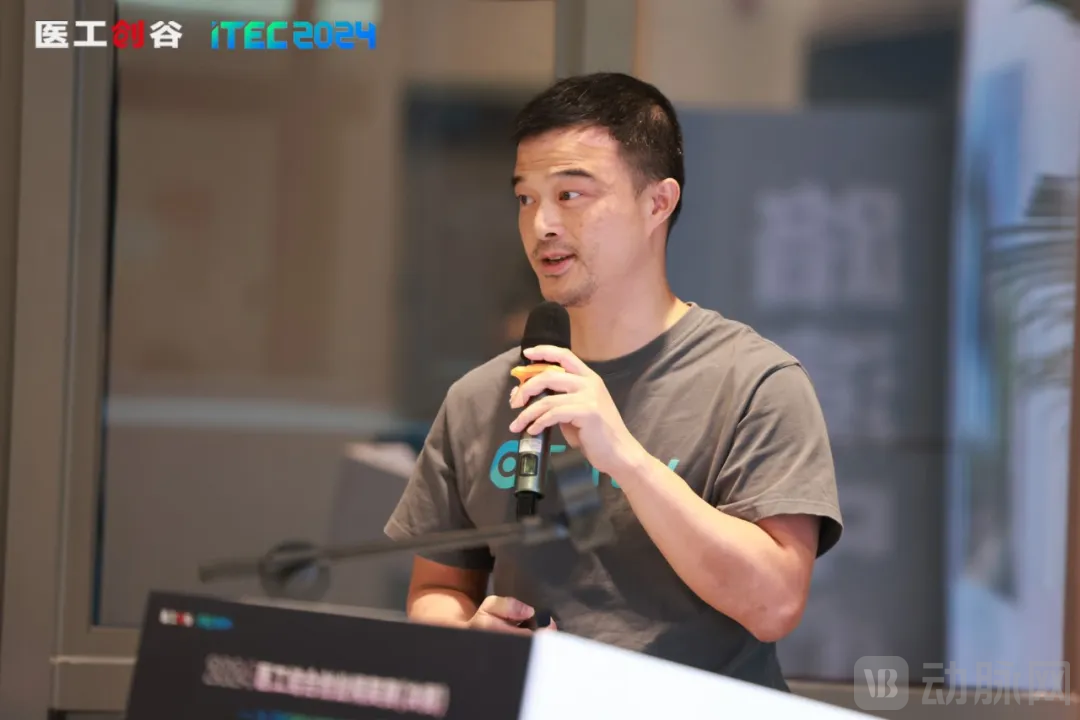
Shengshengyi Introduces the “AI-Assisted Reproduction” Project. This initiative represents a collaborative research effort between AI experts—graduates of Purdue University with extensive experience at Microsoft, Baidu, and Huawei—from the Department of Electronic Engineering at Tsinghua University, and leading domestic reproductive medicine specialists, including the President-Elect of the Reproductive Medicine Branch of the Chinese Medical Association. Together, they have developed the first version of an algorithm-integrated software system.
In the world’s first prospective clinical trial on interpretable AI-driven embryo selection, in which this project played a major role, the AI algorithm developed by Shengshengyi increased the live birth rate of in vitro fertilization (IVF) from 62% to 70%, representing a significant improvement. The findings were published in Reproductive BioMedicine Online (an SCI-indexed journal) and presented at key forums such as the National Congress of Reproductive Medicine. The research results were also presented twice at the Annual Meeting of the European Society of Human Reproduction and Embryology (ESHRE), a premier global conference (in 2020 and 2024), and published in IEEE Xplore, among other venues.
16. SuperVision Tech
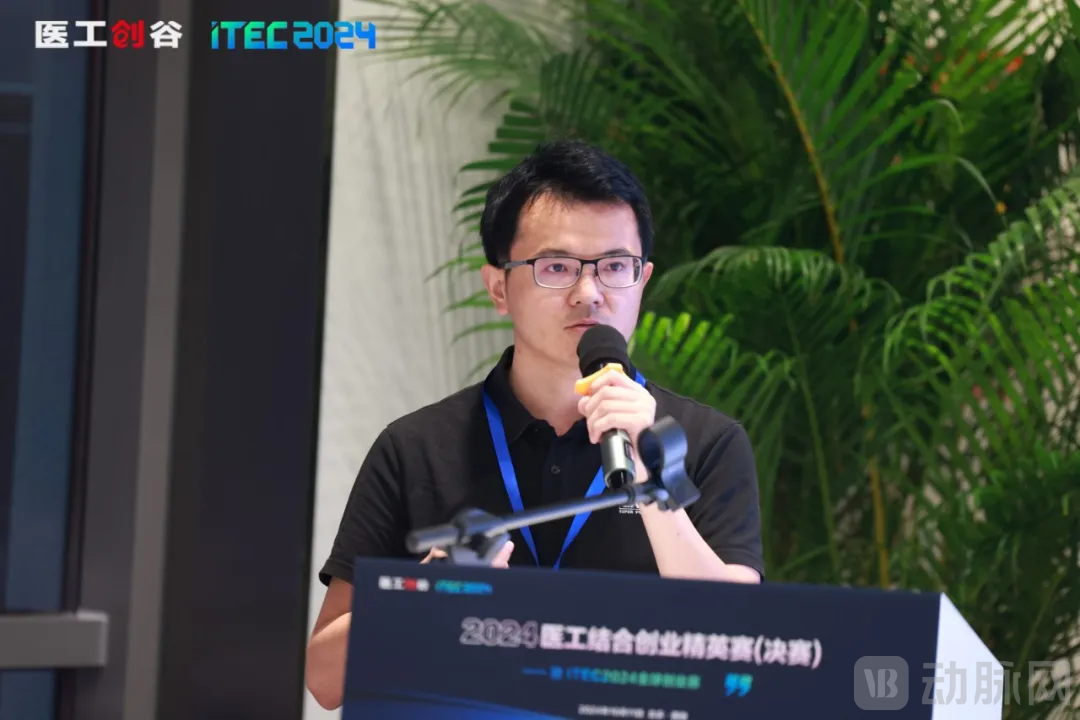
ChaoMu Technology (Beijing) Co., Ltd. presents the "Implantable Ocular Muscle and Nerve Stimulator" project. The company is a high-tech R&D enterprise integrating medicine and engineering, founded by teams from Peking University, Tsinghua University, and Beijing University of Technology. It is dedicated to leveraging integrated circuit technology to facilitate the translation of clinical medical achievements into practical applications.
The company’s core product is an implantable ocular muscle nerve stimulator, which leverages neuromodulation technology to address a major global ophthalmic challenge: congenital nystagmus. Congenital nystagmus is caused by genetic mutations, and there are currently no effective clinical treatments available. The condition severely impairs visual development in affected children, typically leading to profound amblyopia and significantly impacting their daily life and education. With approximately 7 million patients worldwide, the market size exceeds RMB 100 billion. Since its establishment in June 2018, the company has secured around RMB 130 million in equity investments from institutions such as Fukan Capital, Shuimu Ventures, and Founder Hesheng. The product has obtained global invention patents and achieved clinical translation.
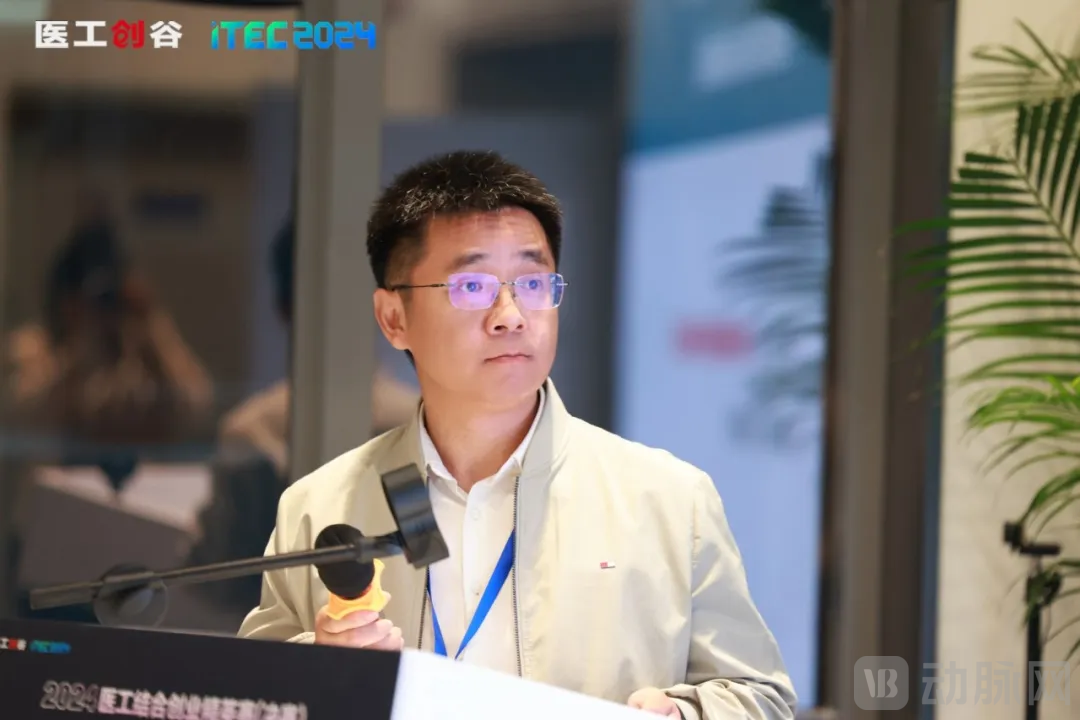
17. Huashinovi
Huashinuowei presents the project "Research and Development of Key Technologies and Core Equipment for a Precision Minimally Invasive Interventional Treatment System for Functional Intraocular Tissues," specifically the "Suprachoroidal Space Injection System." Based on differences in the density of various ocular tissues, an original suprachoroidal space (SCS) automatic injection system with pressure-sensing capabilities has been designed and developed. The product has completed finalization, preclinical animal studies, and small-batch production, and is currently in the stage of preparing samples for registration testing. This device enables micrometer-level displacement control of the injection needle to penetrate the sclera and precisely reach the SCS for targeted drug delivery. Its quantitative automatic dosing design allows for preloading of 0.05 mL or 0.1 mL of medication according to patient needs. When the injection needle reaches the SCS, safe, effective, and precise automatic injection is achieved through a specialized pre-pressure mechanism. Currently, the only similar product available internationally is the combination product from Clearside Biomedical, while no comparable products have yet been launched in China.
18. Lexi Robot
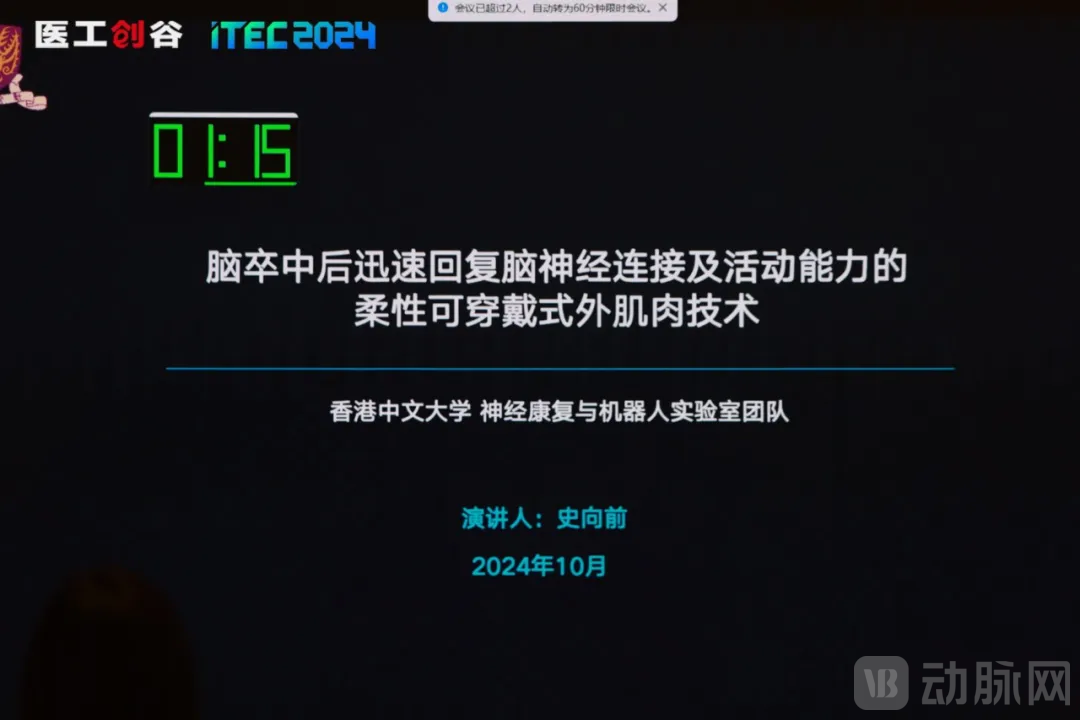
Hopebotics presents the project “Flexible Wearable Exo-Muscle Technology for Rapid Restoration of Neural Connectivity and Motor Function Post-Stroke.” Leveraging Professor Tang Qiyu’s over two decades of research in neurological rehabilitation at The Chinese University of Hong Kong, the company has successfully commercialized a revolutionary neuro-sensing flexible wearable exo-muscle technology. Stroke patients can significantly repair brain damage, rebuild neural connections, and improve limb motor function after 2–3 months of training with the exo-muscle device. We provide comprehensive rehabilitation solutions for both upper and lower extremities, supported by robust evidence from over 1,000 clinical cases and MRI-based brain functional reconstruction data.
The company’s flagship product, HandTasker, leverages AI technology to rapidly capture hand anatomy and generates personalized wearable solutions using low-cost flexible materials. It supports various active intent training modes, including electromyography (EMG) and brain-computer interface (BCI). In 2024, clinical results for HandTasker were published in a leading international journal of neurological rehabilitation, demonstrating world-leading rehabilitative efficacy. The company’s XoMuscle Hope Muscle is the most powerful and comprehensive artificial muscle technology available globally, capable of assisting any muscle group in the human body and providing comprehensive rehabilitation support. The company’s products have been procured by multiple hospitals and rehabilitation centers in Hong Kong and have passed numerous international safety certifications.
Hopebotics has garnered widespread recognition from industry experts both domestically and internationally. In 2023, it received the Gold Medal at the Geneva International Exhibition of Inventions and the Commendation Award from the Saudi Arabian Delegation. In 2024, it was awarded the Gold Medal at the Silicon Valley International Invention Festival and two Special Awards from the China-US Inventors Association. Its latest AI-based hand structure detection technology received the Best Paper Award at the 2024 International Conference on Rehabilitation Robotics and Assistive Technology (ICORRAT) and the World Congress on Rehabilitation Robotics.
19. Yangqi Medical Chip
Yangqi Yixin presents the "Precision Nuclear Medicine" project. Deeply rooted in the field of nuclear medicine, the company addresses clinical pain points in intraoperative radiotherapy by integrating hardware and software to equip medical devices with intelligent vision and processing capabilities. This approach enables precise control over device operation and treatment delivery, thereby enhancing therapeutic efficacy and optimizing patient experience, with the aim of becoming a pioneer in precision nuclear medicine. The core founding team comprises experts in nuclear medicine, nuclear physics, and artificial intelligence from prestigious institutions such as Stanford University and Alibaba Group. The company is headquartered in Shenzhen, with R&D centers established in Hangzhou and Shanghai.
20. Smart Future
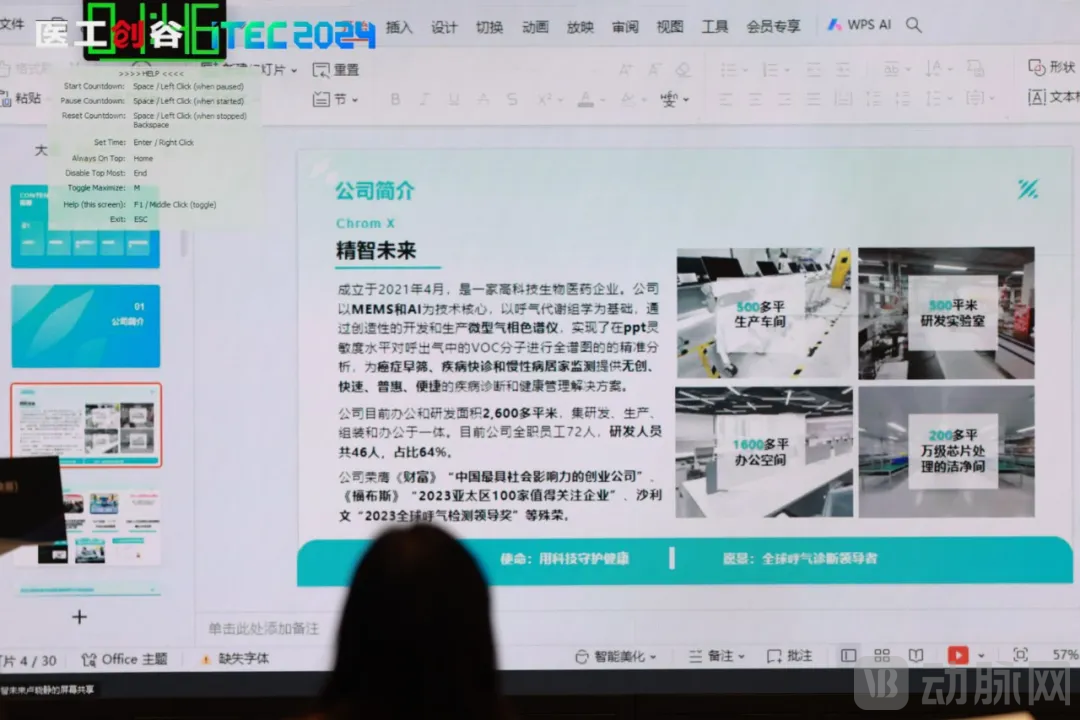
Jingzhi Future presents the project "Ultra-Sensitive, High-Resolution Intelligent Exhaled Breath Molecular Analyzer Based on Artificial Intelligence (AI) and Micro-Electro-Mechanical Systems (MEMS) Technologies." The project focuses on leveraging MEMS-based micro gas chromatography technology to develop the world’s first ultra-sensitive, high-resolution, intelligent point-of-care testing (POCT) breath molecular analyzer, thereby comprehensively decoding metabolic molecular information in human exhaled breath. Furthermore, it establishes the first intelligent cloud platform based on breathomics analysis using AI technology, enabling precise qualitative and quantitative analysis of volatile organic compounds (VOCs) in exhaled breath. This breakthrough addresses the challenge of detecting certain disease biomarkers at ultra-low concentrations in breath analysis, facilitating more accurate and rapid disease diagnosis. The project’s product was selected for China’s “13th Five-Year Plan” Scientific and Technological Innovation Achievements Exhibition in 2021 and secured nearly RMB 100 million in venture capital from leading investors, including prominent Chinese venture capital funds such as Fosun Venture Capital, ZhenFund, and Country Garden Ventures. The product aligns with the requirements of the “Healthy China 2030” Planning Outline for implementing tiered diagnosis and treatment and strengthening chronic disease management. It effectively alleviates challenges associated with traditional diagnostic equipment, such as high costs, low diagnostic efficiency, heavy reliance on specialized technical personnel, and expensive diagnostic fees. By promoting the decentralization of medical resources, the project supports the establishment of a national disease screening and early warning system, contributing to the realization of the national strategic goals for Healthy China 2030.
Following the conclusion of the 20 roadshow presentations, Liu Hui, Director of the Beijing Medical and Health Technology Development Center, awarded certificates to the Top 20 projects shortlisted for the “Med-Eng Innovation Valley Cup” 2024 Medical-Engineering Integration Entrepreneurship Elite Competition (and) ITEC2024 Global Entrepreneurship Competition.
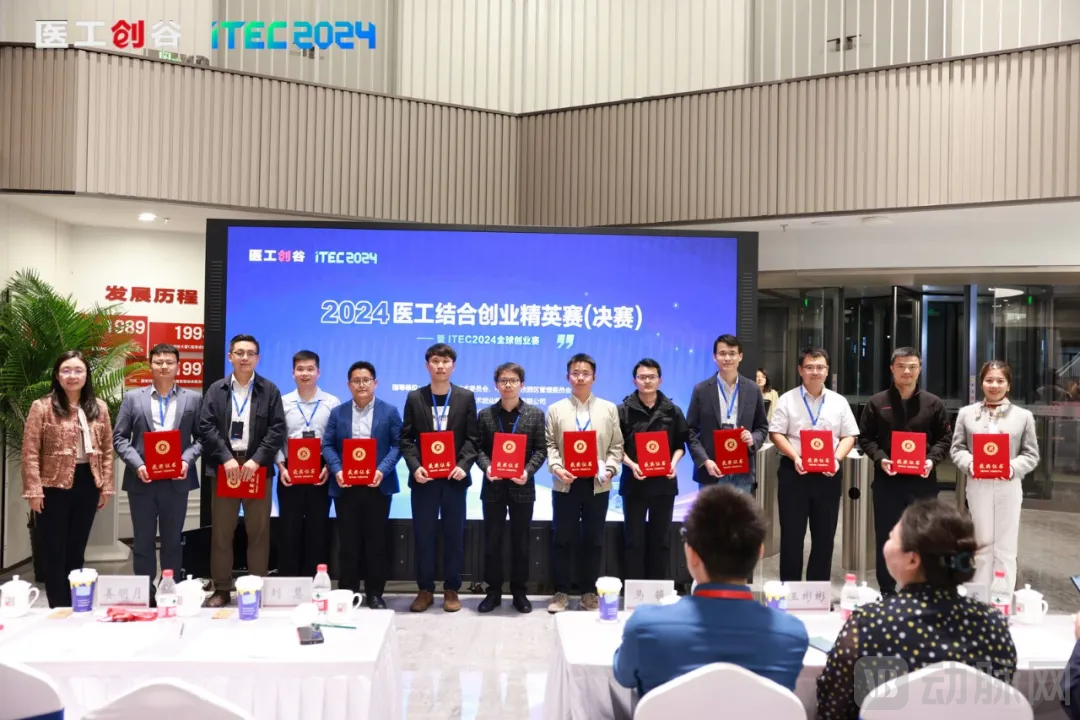
Top 20 Projects Take the Stage for Awards and Group Photo
The successful hosting of the “Med-Eng Innovation Valley Cup” 2024 Med-Eng Integration Entrepreneurship Elite Competition has not only injected vibrant vitality into the field of medical-engineering integration but also ignited innovation enthusiasm both within and beyond the industry through its unique appeal. In the future, these participants will delve deeply into their respective niche sectors, continuously fueling medical technology innovation with sustained energy while contributing powerful momentum to overall societal progress. Let us jointly anticipate that these innovative forces will continue to surge, leading the field of medical-engineering integration toward an even more brilliant tomorrow!
Appendix: Relevant Preferential Policies in Beijing:
https://www.beijing.gov.cn/ywdt/hyxx/szf/202403/t20240327_3601846.html