

100 Renowned Clinical Experts from Top-Tier Hospitals Launch 'Navigation Innovation Program' Phase III Recruitment

To promote the interdisciplinary and industrial integration of medicine, advance innovation in sci-tech finance, and encourage enterprises, investors, and cross-disciplinary professionals to deeply explore and understand medicine—thereby jointly driving innovation in the medical industry—the Global Health Industry Innovation Center, China Construction Bank Beijing Branch, and CCB Training Center (Beijing), under the guidance of the Tsinghua Industrial Development Institute in Beijing, have jointly established the Medical and Health Industry“Pilot Innovation Development Plan”, now launchedRecruitmentPhase III members. This program is designed forProfessional medical courses offered by the pioneer of the medical innovation industry, designed to help non-medical professionals learn comprehensively and rapidly.Understanding Medicine, Reshaping the Medical Knowledge System.
To further enhance the learning experience, the project introduces globally leadingVirtaMed Simulator, providing participants with simulated operational training to deepen their understanding of the latest medical devices and technologies. Building on professional medical knowledge courses and simulator-based operational training, the program incorporates animal experimentation sessions, as well as on-site visits and exchange opportunities within the innovation ecosystem, aiming to comprehensively enhance participants’ understanding of the medical innovation industry.

Comprehensive, systematic, professional, and rapid coverage of medical disciplines including cardiology and vascular medicine, neurology and brain sciences, respiratory medicine, musculoskeletal system, hematology, otorhinolaryngology, ophthalmology, dermatology, urology, obstetrics and gynecology, stomatology, pediatrics, and psychiatry and psychology.
Interdisciplinary Integration of Medicine and Engineering, Characteristics of Global Innovation, China’s Innovation Advantages, Technological Iteration of Medical Devices, Registration, and Regulatory Submission.
Introduce globally leading simulation training exercises, including VirtaMed arthroscopy and laparoscopy simulators, Boston Scientific Simbionix vascular intervention simulators, CPR+AED emergency response procedures, and liver fibrosis monitoring.
Performed cholecystectomy and bone screw implantation in New Zealand rabbits, personally handling the entire procedural workflow including surgical preparation, anesthesia, gallbladder dissection, bone drilling, fixation and implantation, and suturing.
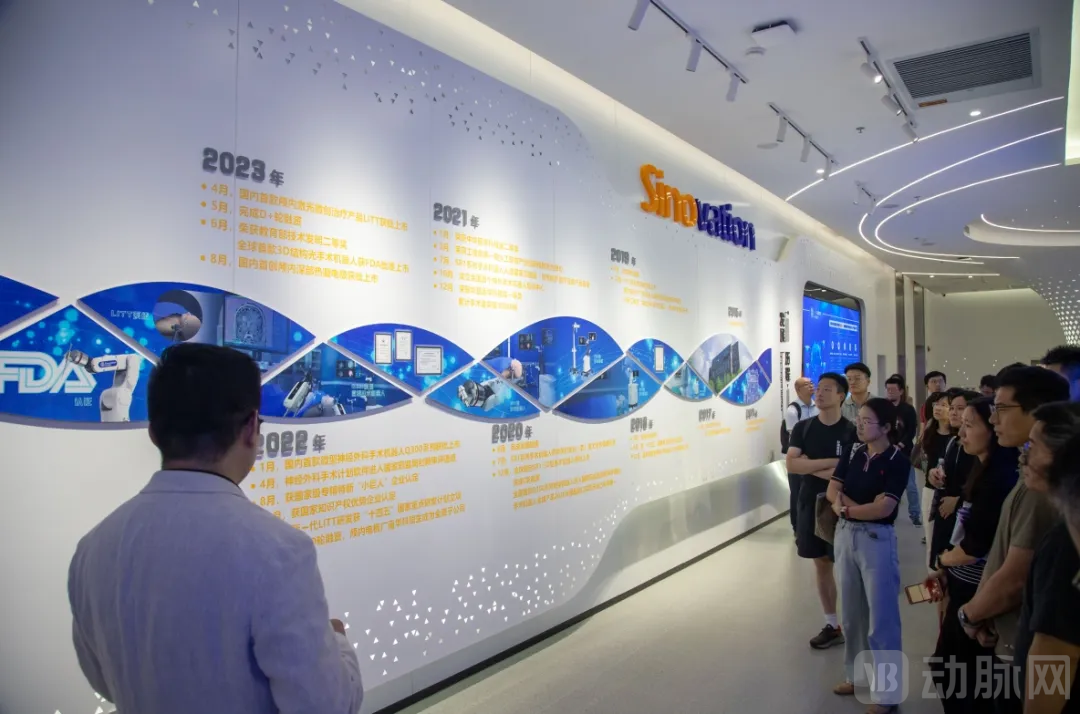
In addition to theoretical and practical courses, corporate exchanges and visits to innovation ecosystems are also important components.
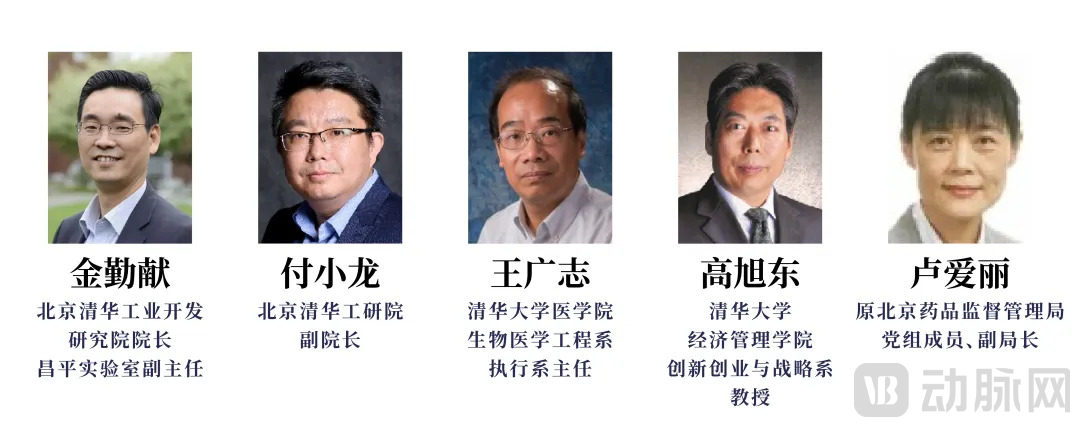
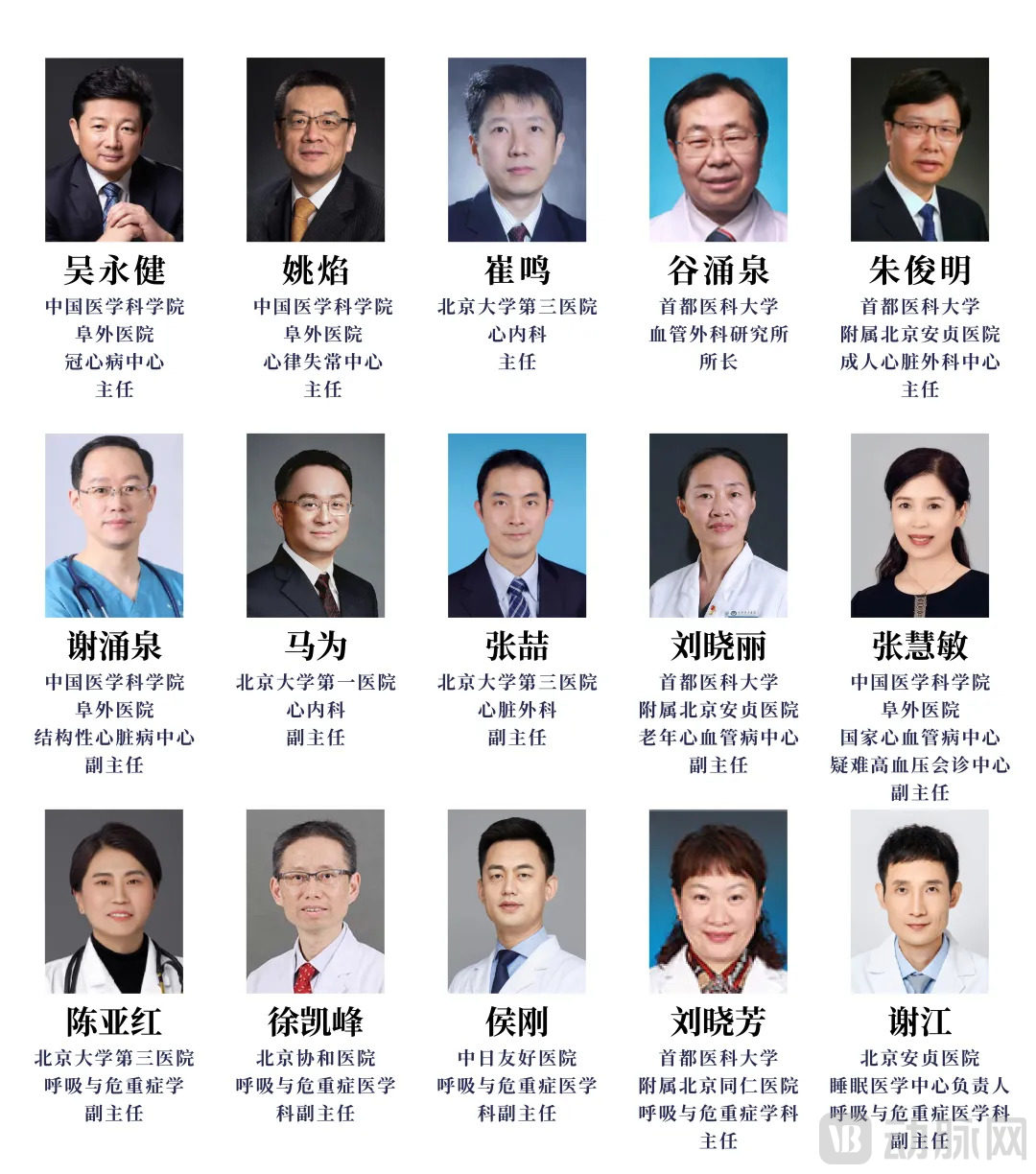
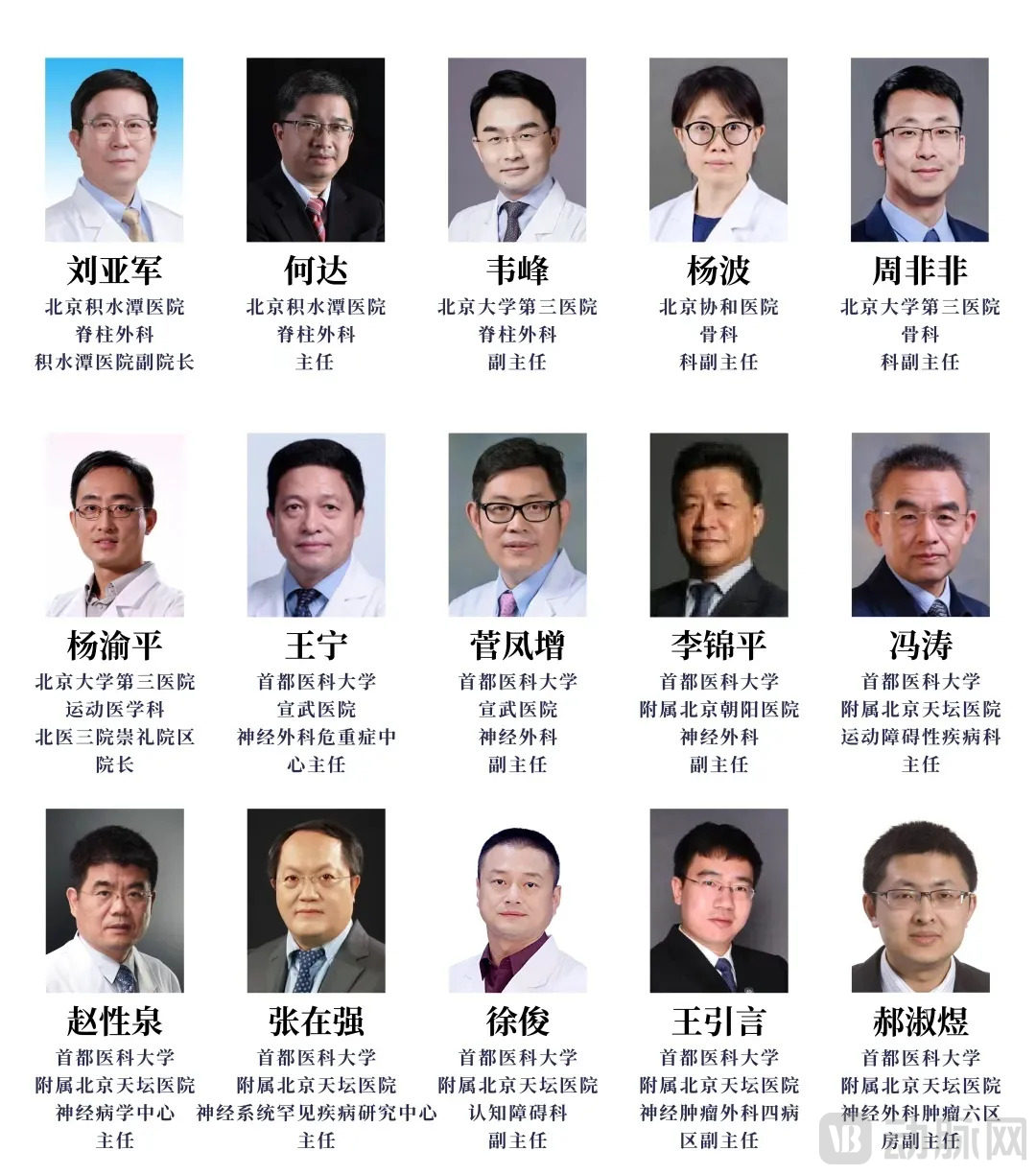
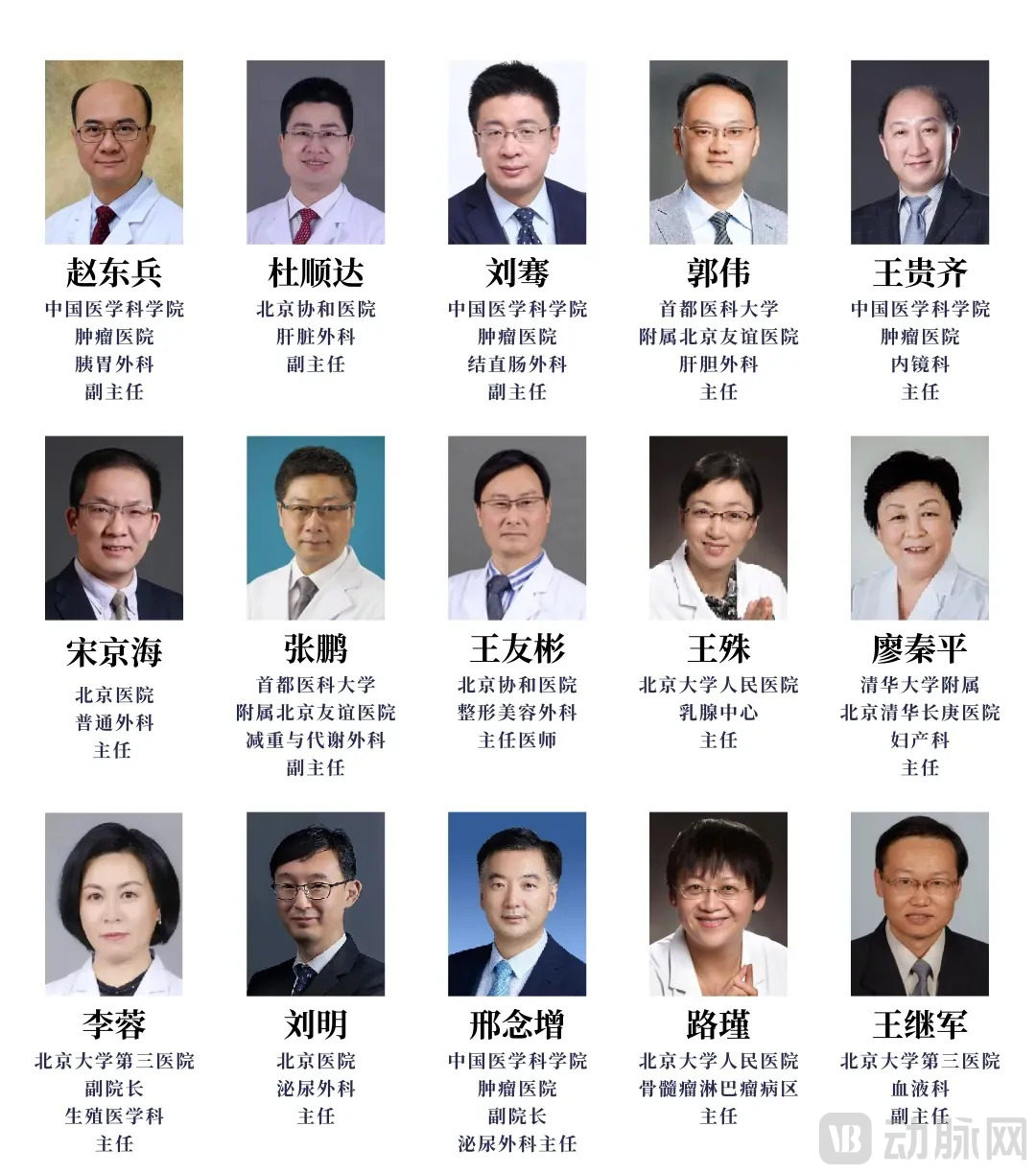
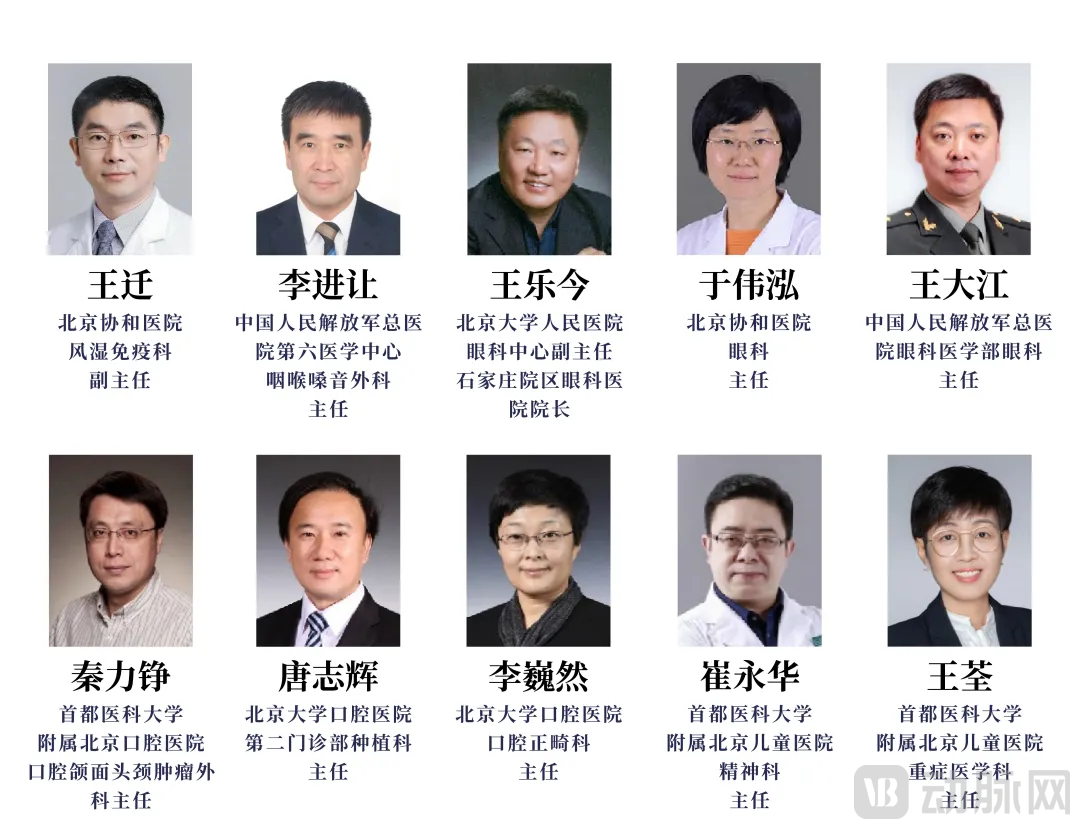
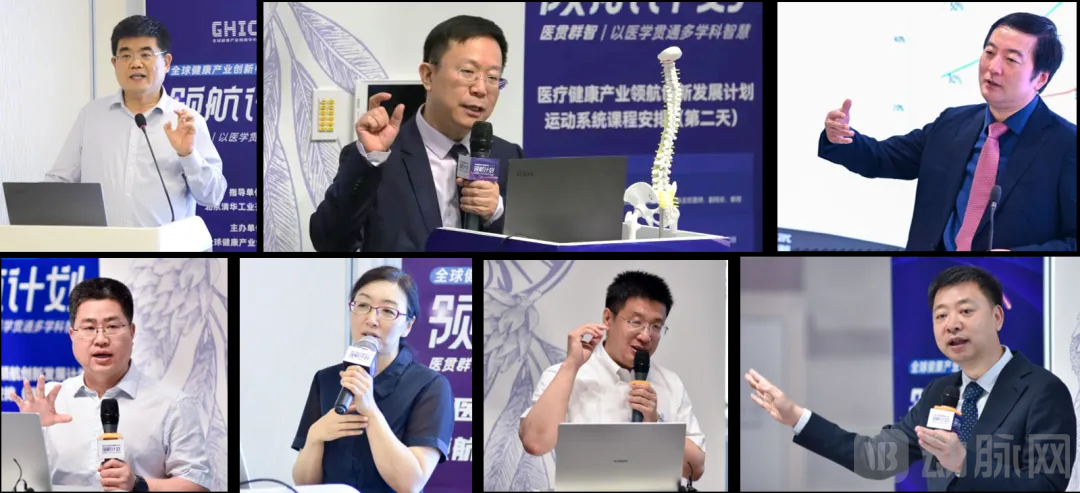
The Pilot Program has invited nearly 100 mentors to deliver lectures, including chief physicians from various departments of Grade A tertiary hospitals, experts in the field of medical-engineering translation, and specialists in medical practice courses.
This project welcomes professionals in the following fields who are committed to systematically learning medical expertise and focusing on cutting-edge medical technologies and their translation to apply:
Banks, Insurance, Funds, VC, PE, etc.
Head of R&D, corporate executives, CEOs of startups, etc.
such as incubated innovative enterprises, industrial ecosystem parks, and practitioners in the digital media industry, etc.
such as scientists in science and engineering, health and social policy makers and implementers, and project managers, etc.
From traditional or emerging industries, seeking to enter the healthcare sector
Project Duration:Program duration: one year, with 190+ hours of instruction; held once a month, each session lasting two days over the weekend.
Teaching Format:Intensive lectures focusing on clinical diagnosis and treatment, with frontier technologies, translational courses and practices, and visits to innovative enterprises, to deepen the understanding of medicine.
Online Application
Registration Period: September 20 to December 10, 2024. The first project briefing session for the Navigation Plan will be held from 8:00 PM to 9:00 PM on October 25, 2024. Online participation by reservation is welcome.
Candidate Interview
Interview Time:
First Round: Late October 2024
Round 2: Late November 2024
Round 3: Late December 2024
The specific time is subject to notice.
Release Admission Information
Publication Date:
Round 1: Early November 2024
Round 2: Early December 2024
Round 3: Late December 2024
Notification via email and telephone.
Upon successful completion of the program, recipients will be awarded a graduation certificate and the title of “Talent for Innovative Development in Medicine within the Global Health Industry.”
Through hands-on practice, gain an understanding of the challenges and pain points in surgical procedures, thereby enhancing awareness of medical device innovation;
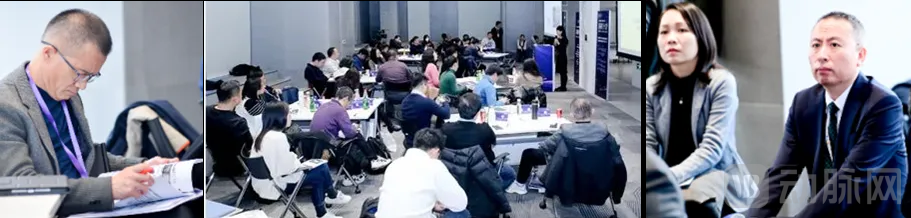
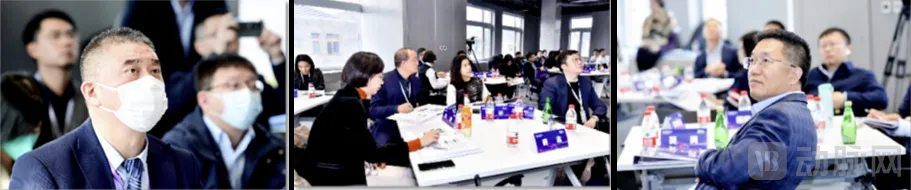
Opportunities for face-to-face exchanges with experts from various disciplines, and collaborative innovation and translation;
Opportunities for face-to-face engagement with multidisciplinary experts to foster collaborative innovation and translational outcomes.
Registered members are eligible to apply for scholarships. For inquiries regarding registration, interviews, and scholarship policies, please contact us.
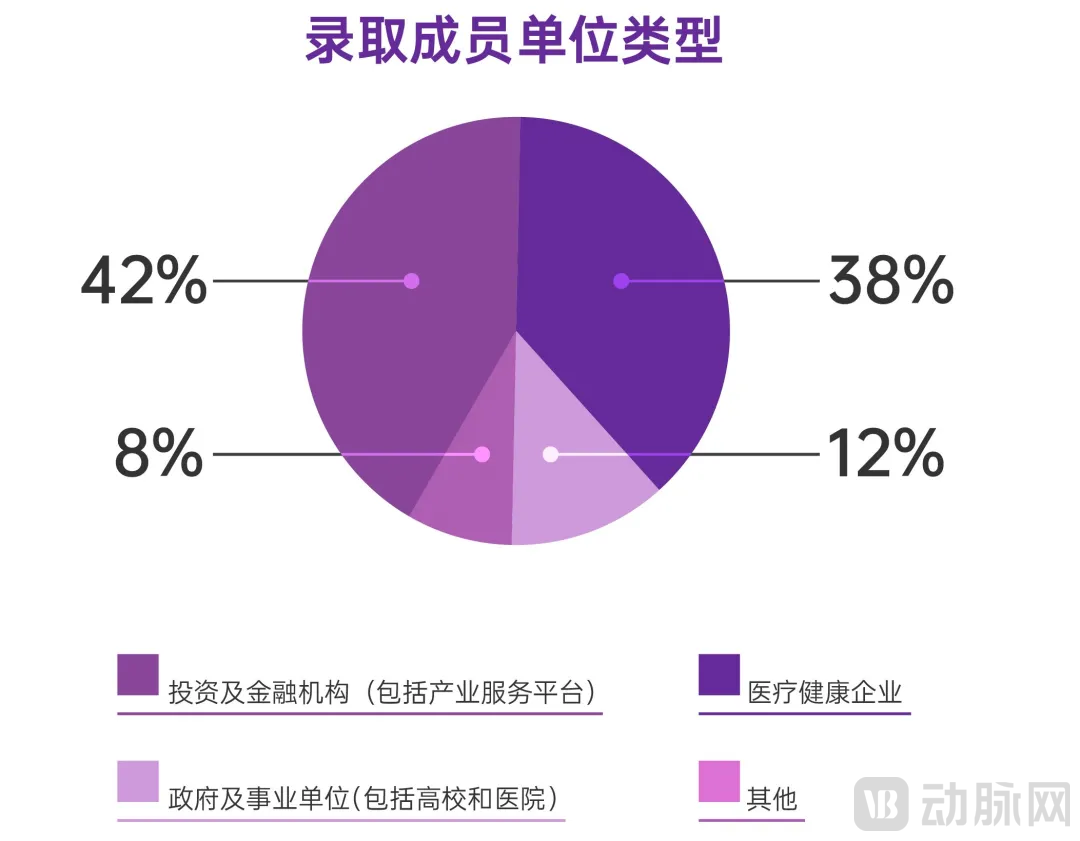
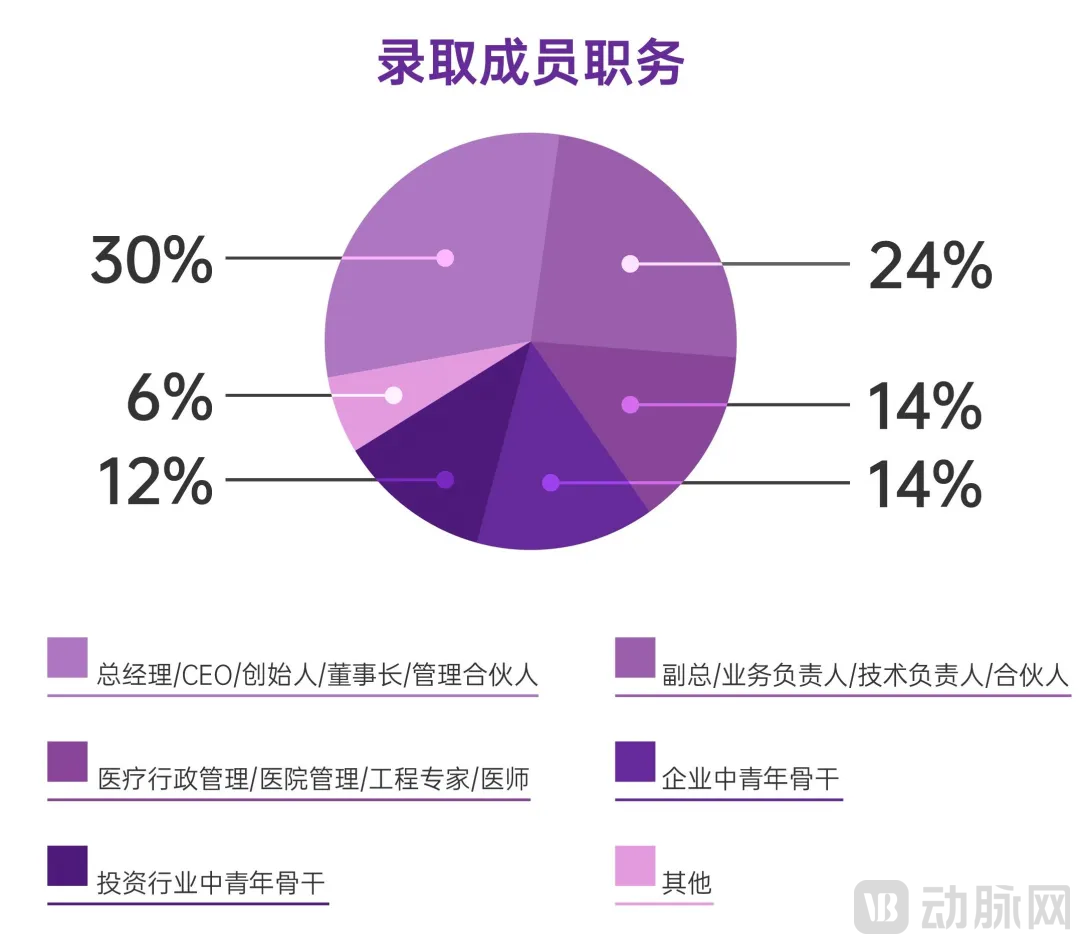
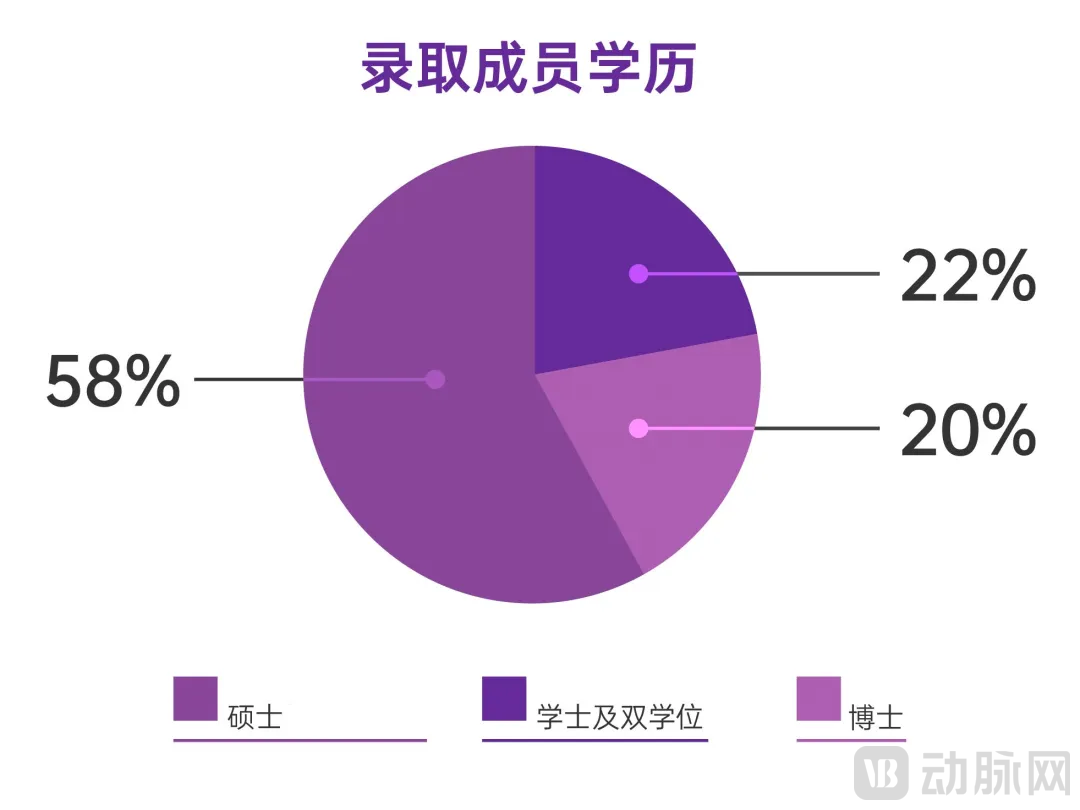
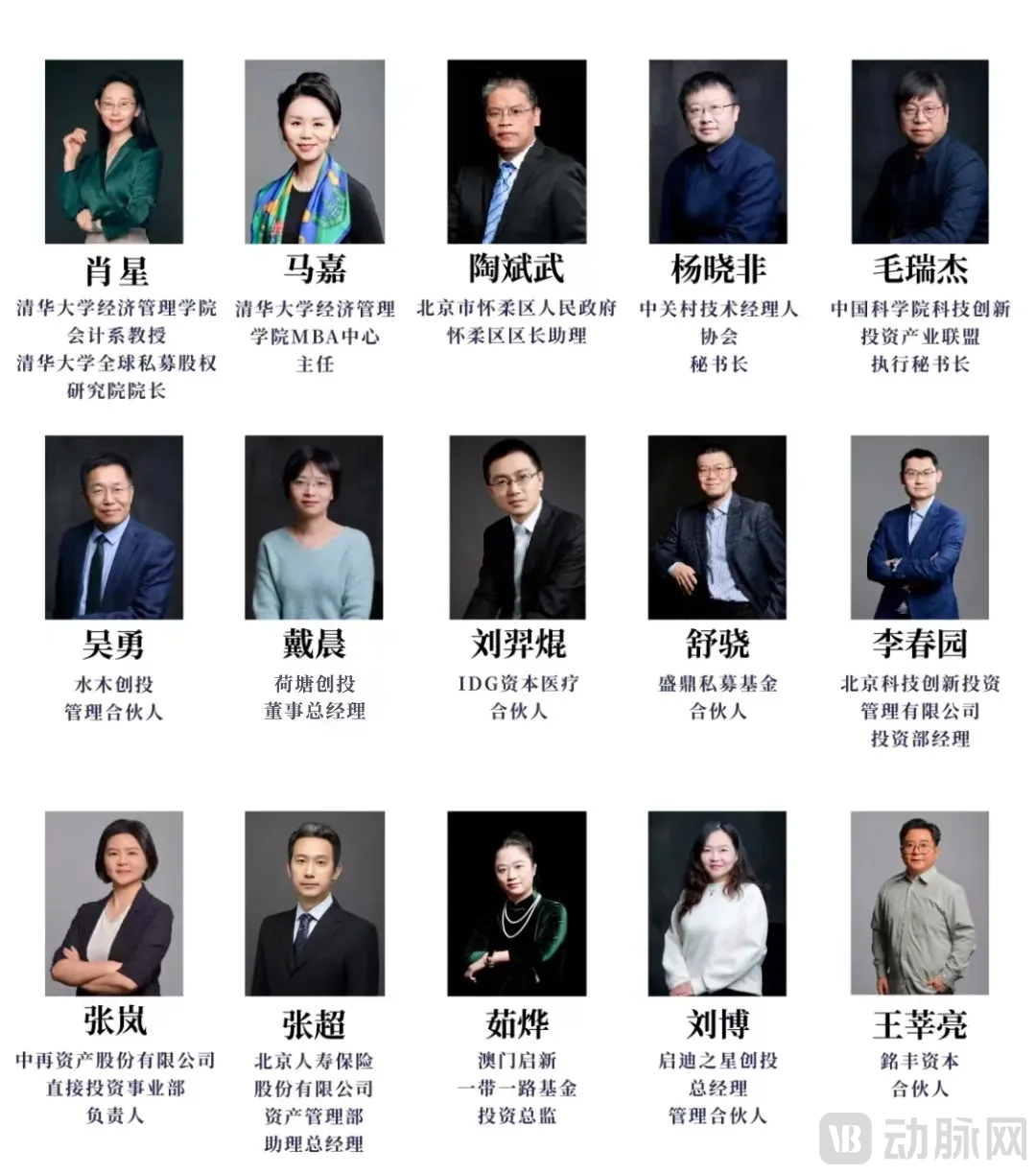
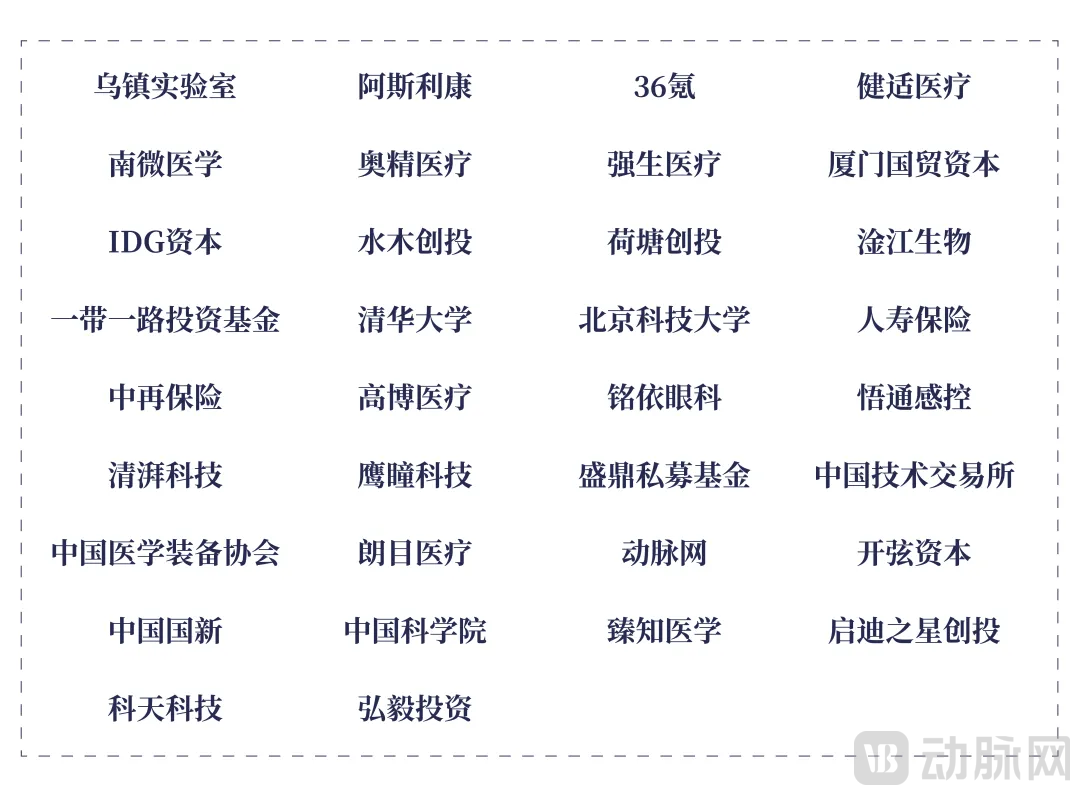
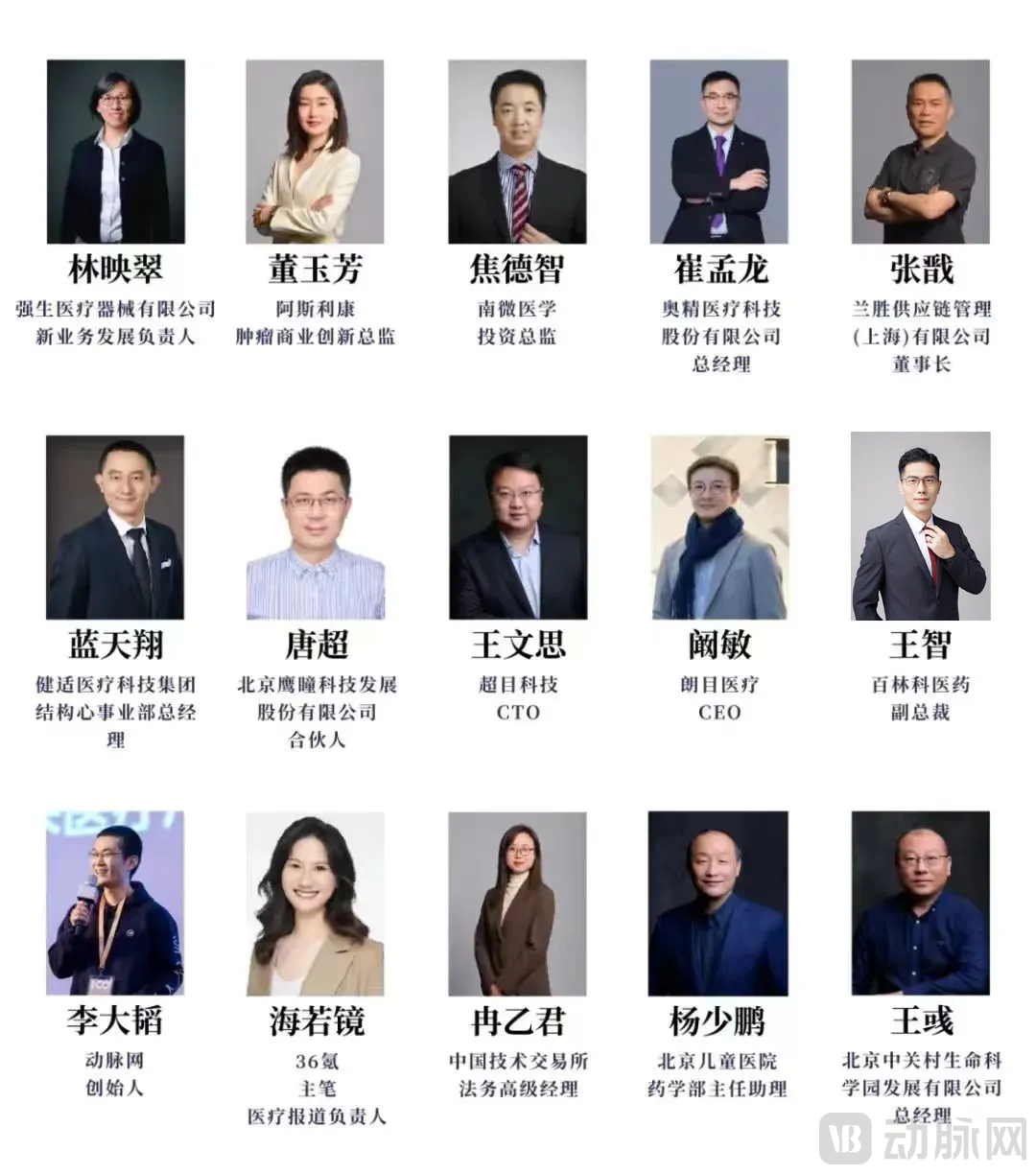 *Note: The above are brief profiles of some alumni.
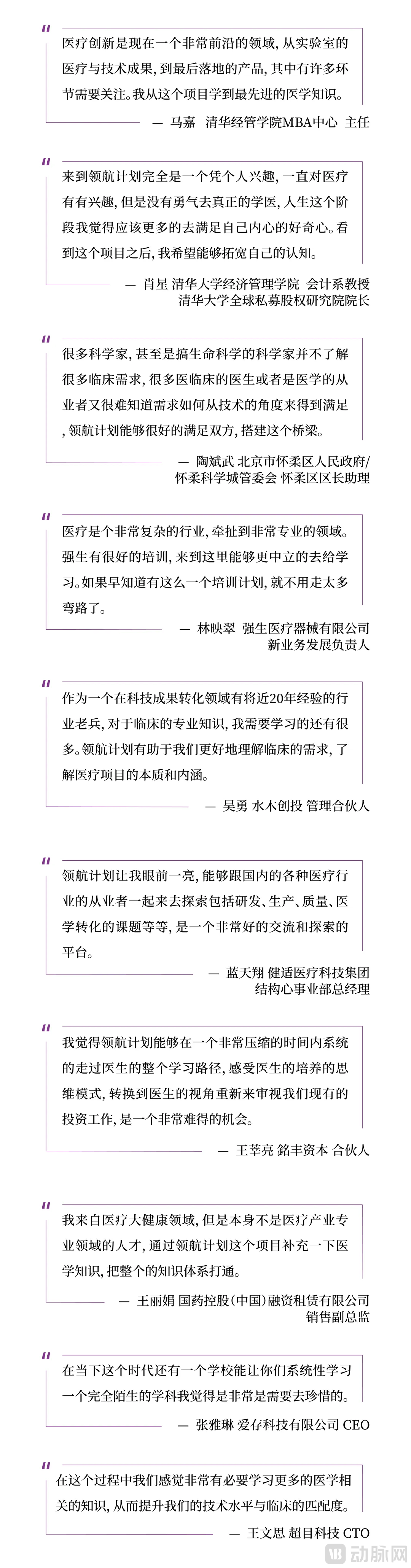
(Partial)
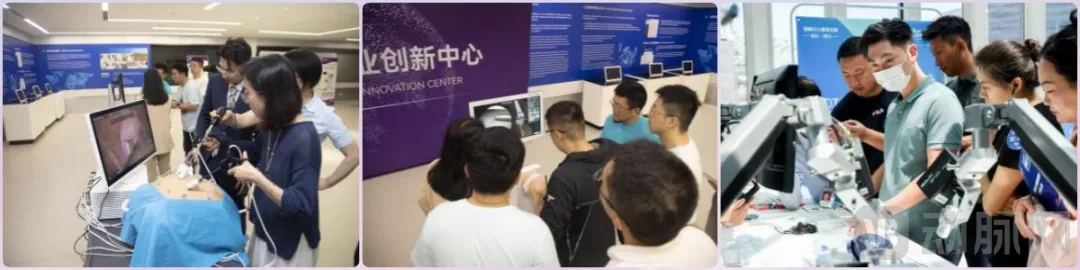
Left: Simulation of Ovarian Cystectomy; Center: Simulation of Meniscus Repair Surgery; Right: Simulation of Coronary Intervention
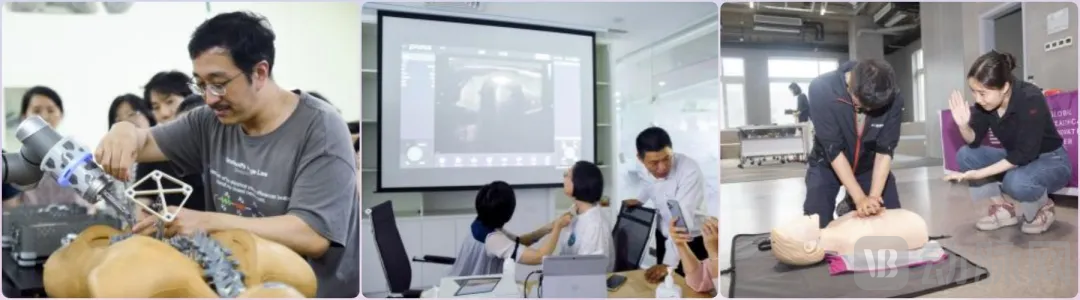 Left: Learning to Operate an Orthopedic Surgical Robot Center: Handheld Ultrasound Scanning of the Thyroid Right: Cardiopulmonary Resuscitation (CPR) Training
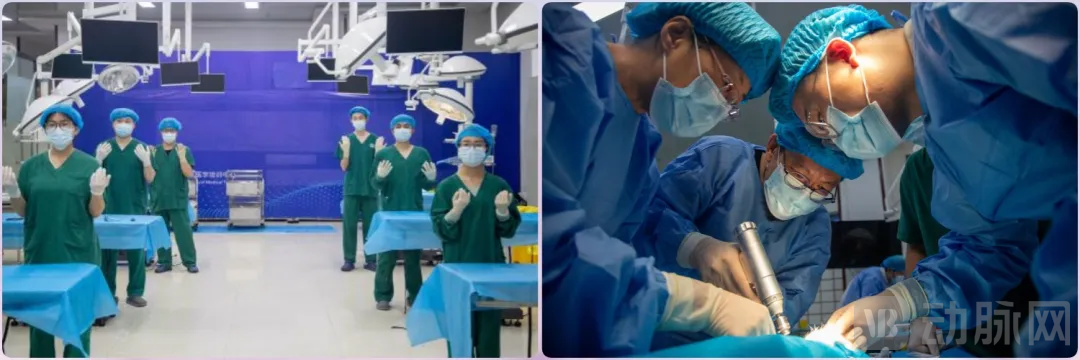
Animal Experimental Procedures
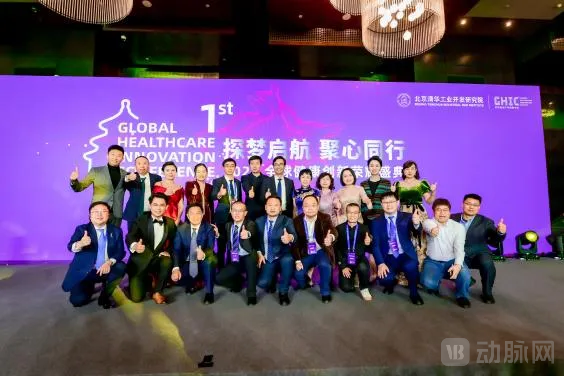
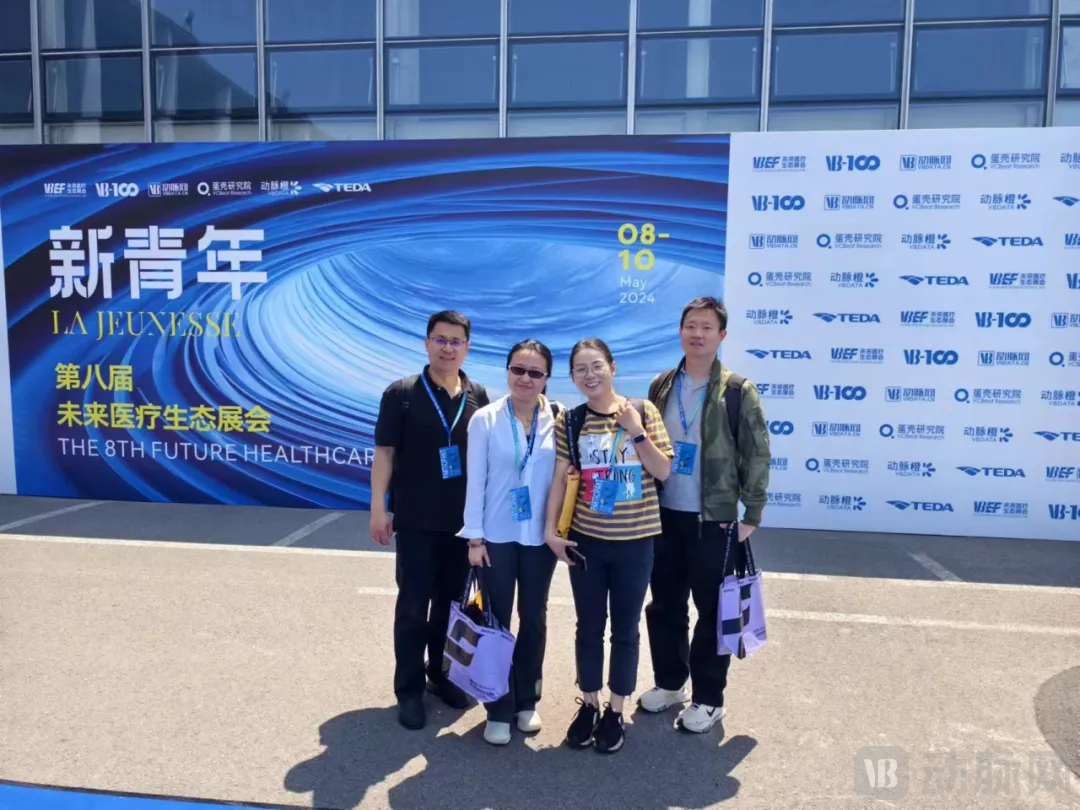

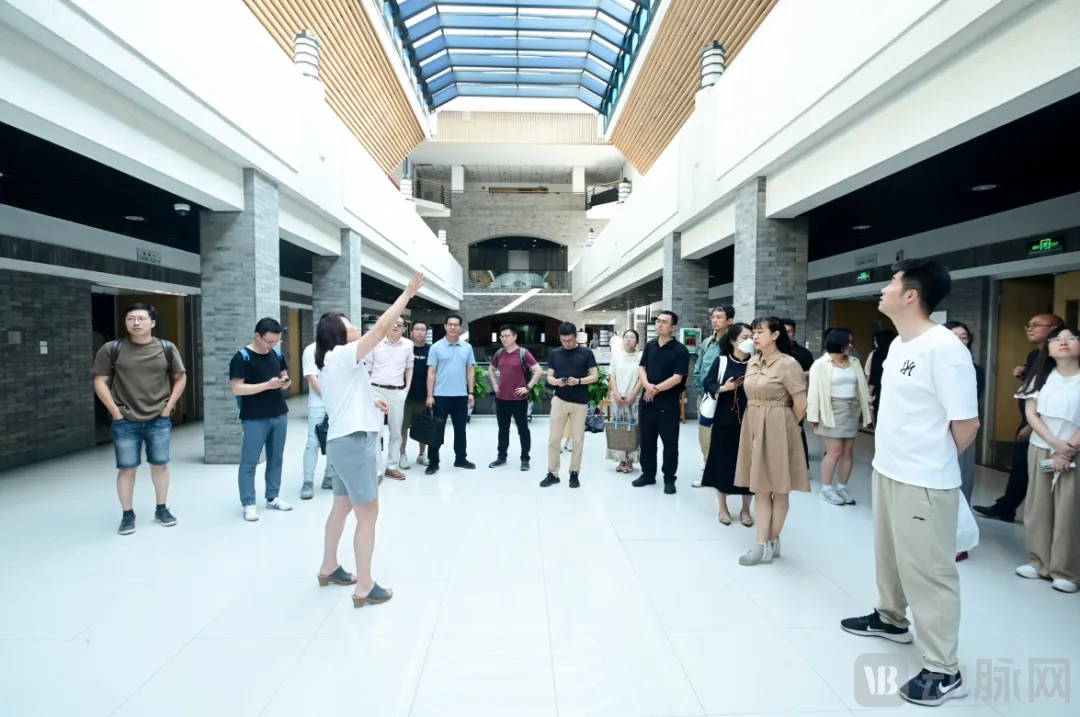
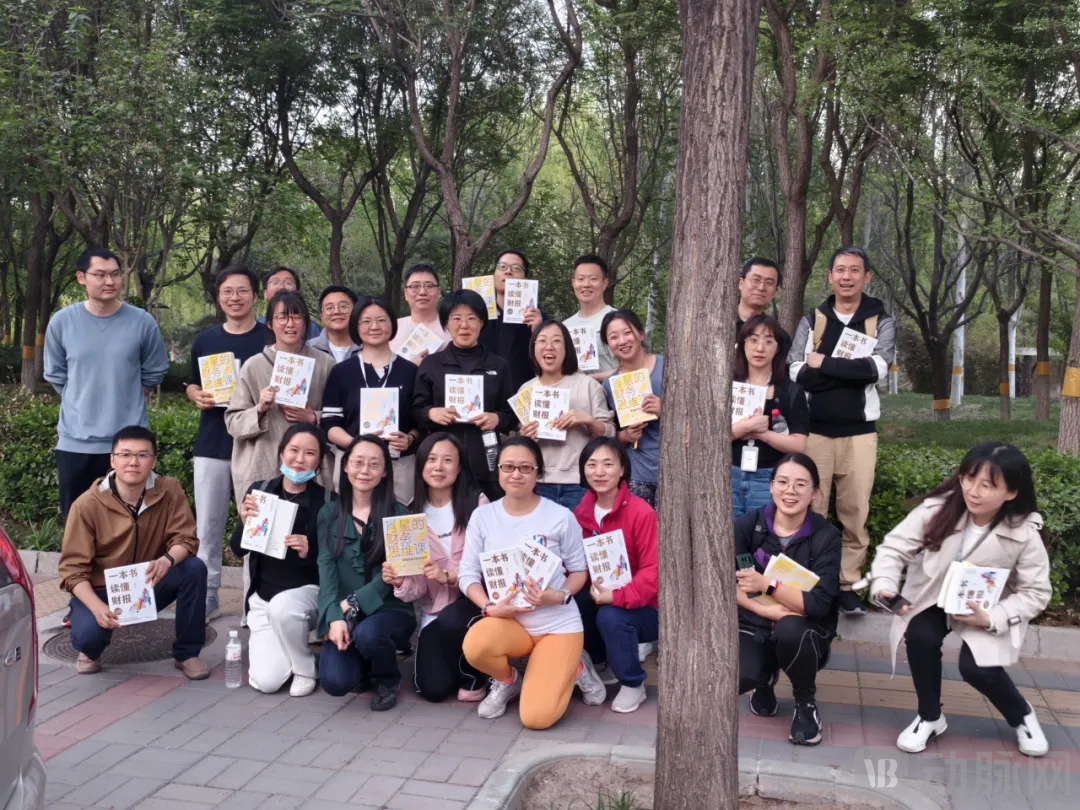
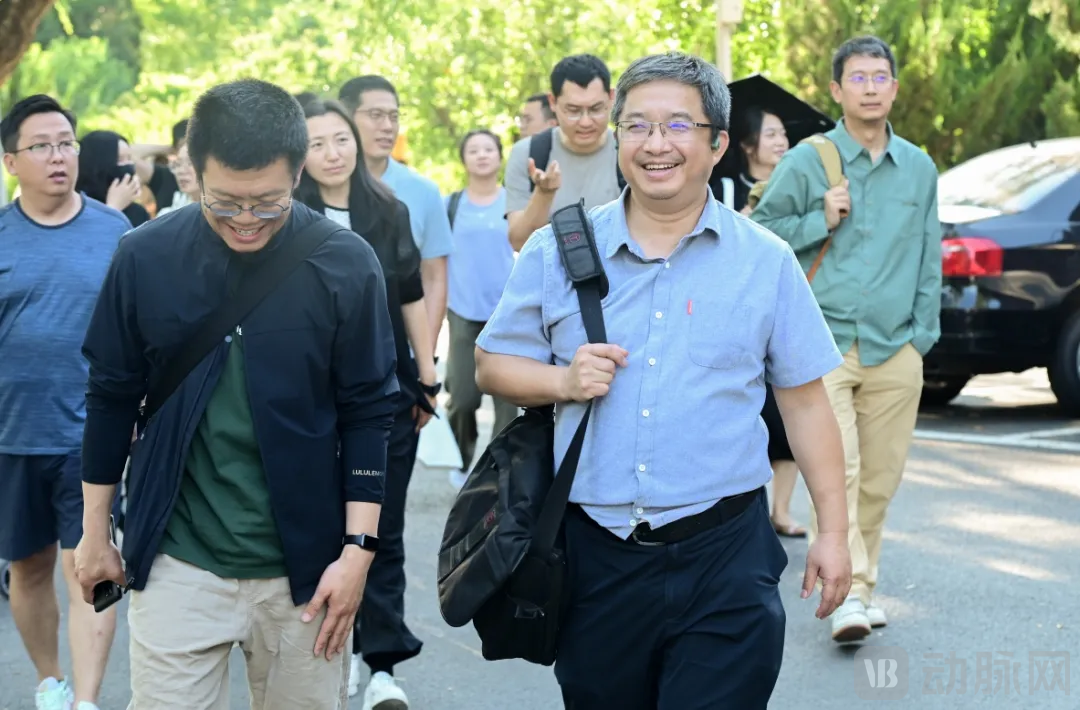
Registration Period: September 20, 2024 – December 10, 2024; October 25, 2024, 8:00 PM – 9:00 PM,The Pilot Program will host its first project briefing session; online participation is welcome by reservation.
The Global Healthcare Innovation Center (hereinafter referred to as “GHIC”), initiated and established by the Beijing Tsinghua Industrial R&D Institute (hereinafter referred to as “Tsinghua IRI”), aims to connect global medical innovation technologies and resources, strengthen the translation of scientific and technological achievements, facilitate the effective implementation and development of innovative technologies in medical devices, diagnostics, and services, and provide comprehensive support for early- to mid-stage projects.
GHIC aggregates hard-tech projects in healthcare and medicine, spanning fields such as therapeutics, diagnostics, testing, rehabilitation, artificial intelligence, medical robotics, chips, and medical materials. It has been successively recognized as the Zhongguancun Hard-Tech Incubation Platform, a technology service platform (technology transfer services) of the Zhongguancun Demonstration Zone, and a Beijing Municipal Technology Enterprise Incubator.
GHIC provides full-lifecycle services for medical-engineering translation to resident enterprises, helping innovative companies bridge clinical needs, conduct key technology research and develop core products through technical collaborations, thereby discovering and creating core products that drive industry advancement. Leveraging Tsinghua University’s strengths in foundational engineering research, as well as its international resources and global influence, GHIC aggregates high-quality resources from top domestic and international research institutions, leading universities and academic institutes, clinical hospitals, and industry alliances. Centered on four major platforms—R&D support platform, innovative project discovery platform, project translation platform, and collaborative innovation empowerment platform—GHIC delivers end-to-end services for projects.