

Shanghai's First Certification: AiBu Robotics Reignites Hope for Lower-Limb Impaired Patients with EA-II Exoskeleton
Recently, Aibu (Shanghai) Artificial Intelligence Technology Co., Ltd. (hereinafter referred to as “Aibu Robotics”) successfully obtained Shanghai’s first Class II medical device registration certificate for a lower-limb walking robot-assisted training device (Registration No.: Hu Xie Zhu Zhun 20242190273), thanks to its innovative EA-II exoskeleton rehabilitation robot.
EA-II integrates cutting-edge sensing recognition and algorithmic technologies to accurately capture the physiological characteristics and feedback from limb movements and gait in patients with lower-limb impairments. It then delivers personalized, high-efficiency training programs tailored to different stages—from early to mid-to-late rehabilitation—precisely meeting full-cycle rehabilitation needs. This significantly enhances rehabilitation efficiency and outcomes, driving exoskeleton rehabilitation robots toward greater precision, convenience, and intelligence.
Liu Daoyan, CEO of Aibu Technology, stated, “Traditional rehabilitation, particularly in the early stages, is quite challenging and typically requires the presence of more than one therapist to supervise and continuously adjust the treatment plan. Therapists often need to perform substantial physical labor while assisting patients in their recovery. The EA-II wearable exoskeleton robot can take over these labor-intensive tasks, reducing repetitive work for therapists and allowing them to focus on more complex treatment strategies and patient communication, thereby accelerating the recovery process and improving outcomes. Additionally, it provides objective and accurate quantitative assessments of improvements in patients’ motor function, enabling the customization of personalized rehabilitation training plans for each patient.”
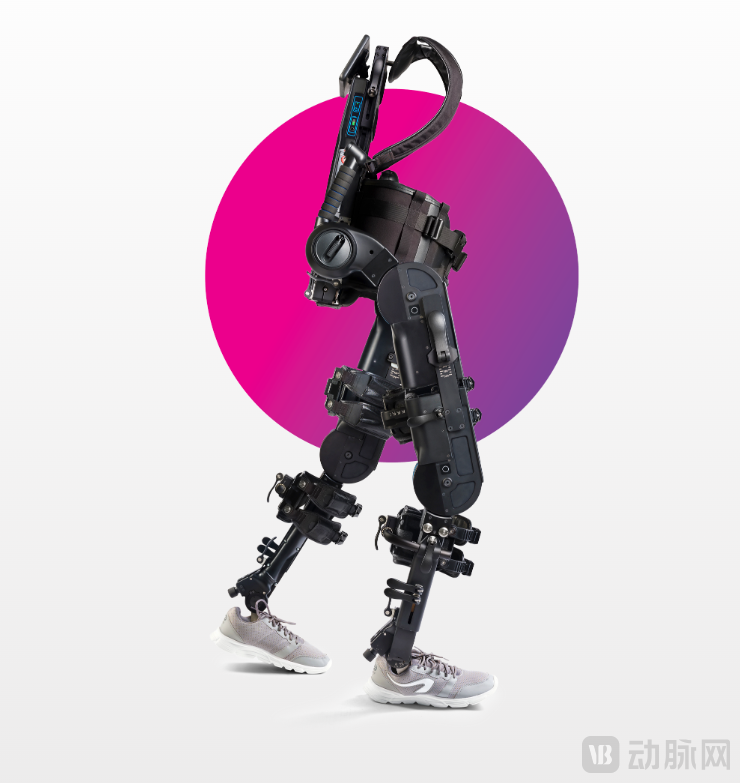
EA-II Exoskeleton Rehabilitation Robot
Achieving multi-gait, multi-mode, and multi-scenario training through innovative mechanical structures and algorithms,
Tailoring the Rehabilitation Journey for Patients
Currently, the domestic rehabilitation robot market is gradually emerging, with numerous exoskeleton rehabilitation robots appearing on the market; however, large-scale application and widespread adoption have not yet been achieved. The reasons for this are multifaceted. On one hand, fixed or semi-fixed robots fail to effectively stimulate core muscle contraction during walking and lack natural trunk and arm swing. This results in stiff gait patterns and inaccurate proprioceptive feedback for patients, thereby compromising rehabilitation outcomes. Furthermore, some exoskeleton rehabilitation robots suffer from limitations such as restricted therapeutic range, discrepancies between intended and actual movements, unnatural gait simulation, and poor environmental adaptability.
On the other hand, as human-machine coupled wearable devices, exoskeleton robots rely on the real-time and accurate identification and prediction of human motion intentions to achieve compliant coordinated motion control and timely assistive control. However, some products lack sensitive perception of patients’ motion intentions and struggle to flexibly adapt to individual differences among patients, thereby failing to meet the rehabilitation needs of diverse patient populations.
To address the aforementioned challenges, Aibu Robotics has developed the EA-II Exoskeleton Rehabilitation Robot, guided by actual clinical needs. This robot features four key highlights: innovative structural design, empowerment by core algorithms, innovative training modes, and significant clinical efficacy.
Structural Design Innovation: Adopts a novel mechanical structure to enable precise adjustment of multiple key parameters, fully accommodating the varying body shapes and sizes of different patients.
EA-II abandons traditional fixed or semi-fixed designs, adopting a more flexible, lightweight mechanical structure that conforms to human anatomy. Weighing only 23 kg, the entire unit not only simulates multi-degree-of-freedom movements of human joints but also achieves a close fit with the patient’s body structure through precision mechanical connectors and adjustable joint modules.
“Mechanical adjustment methods do not rely on complex electronic systems, thus offering higher reliability and durability, while also enabling healthcare professionals to make real-time adjustments and optimizations based on the patient’s specific condition,” added Liu Daoyan, CEO of Aibu Technology. Taking the hip joint module of the EA-II as an example, it adopts a multi-layer nested design combined with a precision gear and bearing system to achieve fine-tuning of internal and external rotation. This ensures a closer fit between the exoskeleton and human movement, effectively mitigating the risk of detachment caused by structural mismatch. Such a highly conforming design fundamentally addresses the potential safety hazards associated with traditional exoskeletons and avoids the mechanically rigid gait imposed by conventional rigid exoskeletons, allowing for more natural and fluid movement by the wearer.
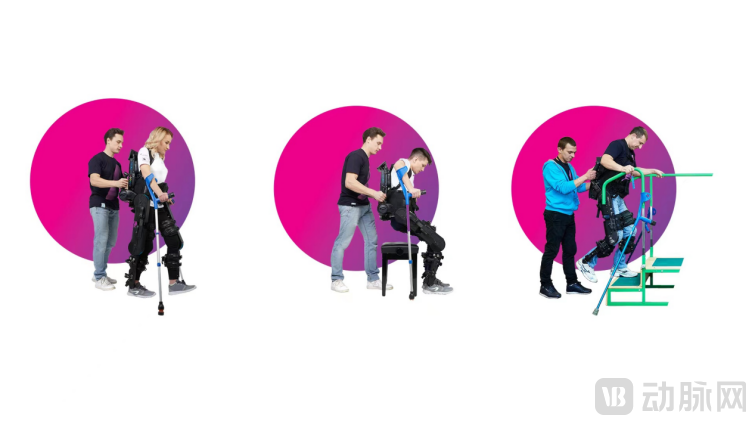
Through its precision mechanical structure and adjustment mechanisms, the EA-II can precisely adapt to patients' postures and body shapes, ensuring stability and safety during rehabilitation training.
EA-II can be personalized based on patient body characteristics, enabling precise adjustment of 13 parameters including lower leg length, thigh length, pelvic width, step length, hip internal/external rotation angles, knee valgus angle, ankle dorsiflexion/plantarflexion, and foot inversion/eversion angles. This significantly improves training effectiveness and efficiency while enhancing wearing comfort and freedom.
Furthermore, the EA-II emphasizes functional diversity and a high degree of customizability. With its rich array of functional modules and flexible configuration options, rehabilitation therapists can tailor rehabilitation plans to each patient’s specific condition. Whether for targeted strengthening of specific muscle groups or for enhancing overall coordination, the EA-II provides comprehensive and precise support.
Core Algorithm Empowerment: Real-time Monitoring of Patient Data, Dynamic Adjustment of Personalized Training Plans, and Achieving Precision Rehabilitation
Rehabilitation begins with walking, and gait analysis is a critical component in guiding rehabilitation assessment and treatment. By leveraging built-in sensors and algorithms, the EA-II adapts to the wearer’s needs and provides optimized rehabilitation training strategies. Meanwhile, it accurately captures and analyzes key parameters such as joint flexibility, muscle strength, walking speed, and stride length, offering precise biomechanical feedback to help patients exert force correctly and prevent muscle injury.
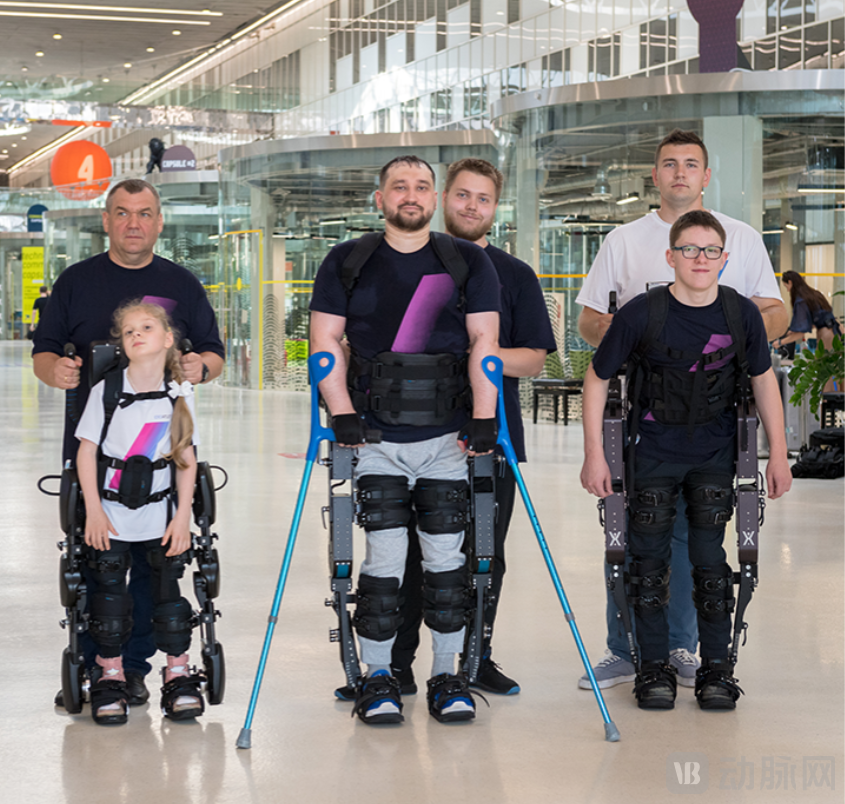
International Patients Using the EA Series Robots
Furthermore, EA-II can monitor core metrics such as stride length, walking speed, joint angles, and muscle strength in real time, provide timely feedback on rehabilitation progress, and dynamically adjust training plans to optimize gait patterns, thereby achieving closed-loop management of the rehabilitation process while ensuring continuous improvement in therapeutic outcomes.
Aibu Robotics is well aware of the demand for convenience and autonomy in modern rehabilitation technology. Therefore, the EA-II is also equipped with automated training functions, enabling patients to conduct self-directed training according to preset or personalized rehabilitation plans without direct assistance from therapists, thereby delivering personalized, precision rehabilitation therapy across multiple gait patterns, modes, and scenarios.
Innovative Modular Training: Usable Individually or in Combination, Featuring Multi-Modal Training for Full-Cycle Rehabilitation
During training, EA-II can dynamically perceive the patient's muscle strength and effort levels, respond in real time to varying performance, adjust power output on demand, switch between multiple training modes, and modulate training intensity and difficulty to achieve multidimensional training. Additionally, the device offers specialized training programs, including balance training, single-leg strengthening, lower-limb strength training, and gait correction training.
The EA-II offers flexible usage options, functioning either as a standalone device or in conjunction with detachable suspension systems or crutches. During the early stages of rehabilitation, the EA-II works in synergy with a suspension system to provide patients with essential support and stability, facilitating upright standing training and early body-weight-supported gait training, thereby enhancing the effectiveness of assisted walking and rehabilitation exercises. As rehabilitation progresses to the middle and late stages, the suspension system can be removed to encourage greater weight-bearing by the lower limbs, strengthen proprioceptive training, ensure diverse training functionalities and patient autonomy, and ultimately improve rehabilitation efficiency.
Leveraging advantages such as precision, convenience, and flexible usability, the EA-II enables phased, scientific, and accurate rehabilitation training. It comprehensively addresses patient needs across all stages of the rehabilitation cycle, providing end-to-end support throughout their recovery journey.
Significant Clinical Efficacy: Marked Improvement in EDSS, HADS, and MoCA Scores, and Enhanced Motor Function of the Affected Limb
Clinical studies have demonstrated that the Aibu exoskeleton rehabilitation robot can significantly improve lower-limb motor function in patients with stroke, multiple sclerosis, and traumatic brain injury. Following gait training with the Aibu robot, patients exhibit increased walking speed and enhanced stability, along with reduced trunk sway in the frontal plane, decreased transient and dynamic instability, improved weight-bearing capacity of the affected limbs, and overall enhancement of motor function in the impaired extremities.[1]。
Among them, patients with multiple sclerosis (MS) who underwent 9–10 rehabilitation sessions using the Aibu exoskeleton rehabilitation robot showed significant improvement in Expanded Disability Status Scale (EDSS) scores, including functional assessments of the brainstem, pyramidal system, and sensory function. Significant improvements were also observed in the Timed 25-Foot Walk component of the Multiple Sclerosis Functional Composite (MSFC), the anxiety and depression subscales of the Hospital Anxiety and Depression Scale (HADS), and scores on the Montreal Cognitive Assessment (MoCA).[2]Fully validated the potential of the Aibu robot in enhancing rehabilitation efficiency and personalized rehabilitation programs.
Aibu Technology believes that effective doctor-patient communication is one of the keys to successful rehabilitation. Therefore, the company places great emphasis on interaction and collaboration between healthcare providers and patients in its product design. For instance, the assisted training mode of the EA-II supports therapists in providing direct guidance and support while standing behind the patient. This enables therapists to adjust training parameters in real time and correct movement postures, thereby enhancing their direct involvement in the rehabilitation process and improving control over rehabilitation progress. By establishing effective doctor-patient communication mechanisms, the system facilitates rapid response to patient feedback and needs, allowing for flexible adjustments to treatment plans to maximize therapeutic outcomes.
Although EA-II has only recently received approval in China, the product has long been approved by regulatory authorities such as the U.S. FDA, the EU CE, South Korea’s KFDA, and Japan’s PMDA. It is sold in 44 countries and regions worldwide and has been widely adopted by institutions including Zhongshan Hospital of Fudan University and Zhejiang Rehabilitation Medical Center, earning widespread acclaim from both healthcare providers and patients.
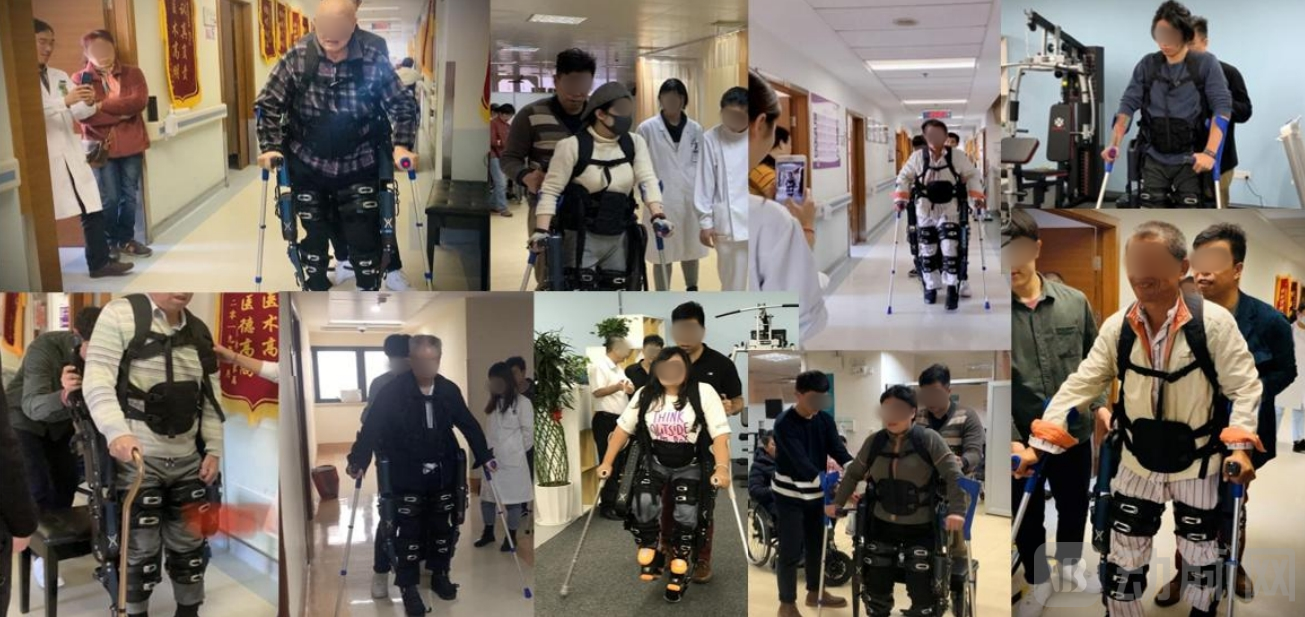
EA-II has been widely used at institutions such as Zhongshan Hospital, Fudan University, and Zhejiang Rehabilitation Medical Center.
Upholding the philosophy of “Warm Technology for Humanity, Warm Progress for Society,” Aibu Technology has meticulously crafted a comprehensive solution spanning the entire lifecycle of rehabilitation for patients with lower-limb impairments. In addition to the EA-II model designed for adults in medical institutions, the company has specially launched product series for children and toddlers, as well as products tailored for home environments. These offerings aim to provide uninterrupted, full-cycle rehabilitation training support for patients of all ages and at every stage of their recovery journey.
Founded in 2019, Aibu Technology benefits from its parent company, South Korea’s Cosmo Robotics Group, which boasts two decades of R&D experience. The group’s research team is led by two distinguished PhDs from Stanford University and Moscow State University. These leaders have not only achieved remarkable success in their respective fields but also seamlessly integrate Stanford’s spirit of innovation with the profound academic heritage of Moscow State University. This elite combination ensures that Aibu Technology’s products remain at the forefront of rehabilitation medicine, robotics, and artificial intelligence, continuously absorbing and translating the latest scientific advancements into practical applications.
Cosmo Robotics Group boasts an extensive exoskeleton robot product line that spans the entire lifecycle, from children to the elderly. With years of deep engagement in the medical and healthcare sectors, the Group has successfully expanded into industrial and consumer markets, providing customers with comprehensive intelligent robotics solutions. Its products are present in 44 countries and regions, including South Korea, Japan, China, the United States, Southeast Asia, and Europe. Leveraging the substantial accumulated expertise of its parent company, Aibu Technology possesses abundant technical resources and a global perspective in the field of exoskeleton technology.
Prior to entering the Chinese market, Aibu Technology conducted in-depth frontline research to accurately grasp the needs, preferences, and challenges faced by Chinese hospitals regarding rehabilitation medical equipment. The company made targeted adjustments to key parameters of the EA-II, such as its dimensions, weight, and materials, to better align with the physical characteristics and rehabilitation needs of domestic patients. Additionally, the product’s user interface and interaction logic were optimized to better suit the operational habits of healthcare professionals in China.
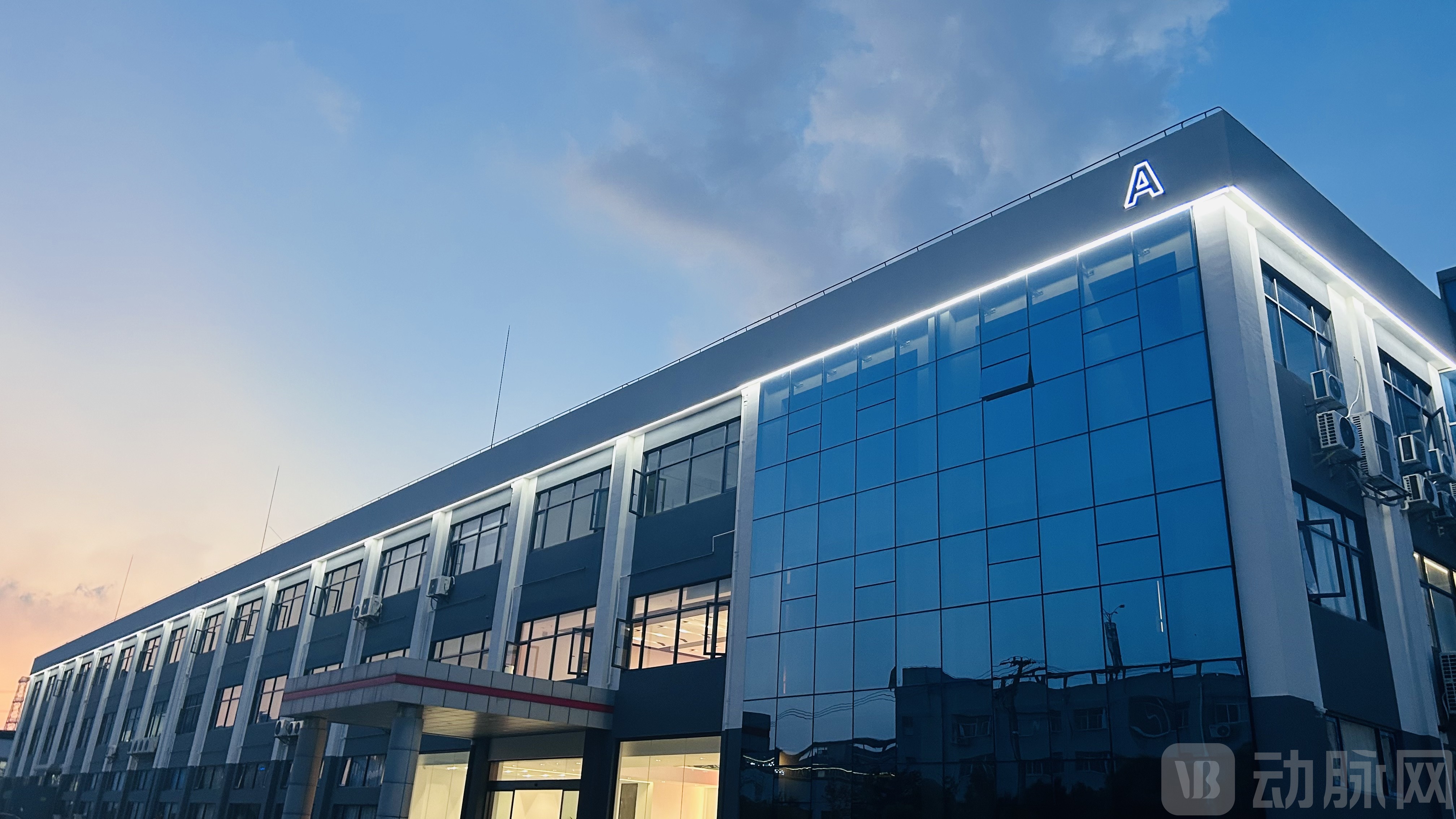
iBIO Tech Shanghai Base
Furthermore, Aibu Technology has achieved full localization of its manufacturing. In 2022, the company established an advanced production base in Shanghai. This facility not only introduces internationally leading production equipment and processes but also has assembled a robust local team of senior engineers and technical specialists responsible for product manufacturing, assembly, testing, and subsequent maintenance and service, ensuring that every unit meets top-tier international quality standards.
With the approval and market launch of EA-II, Aibu Robotics has fully initiated its marketing promotion plan. It is reported that the company has reached preliminary cooperation agreements with several top-tier hospitals and specialized rehabilitation institutions, and has successfully carried out pilot applications of its products in some of these facilities.
Considering the dual considerations of budget and long-term benefits faced by medical institutions when purchasing rehabilitation equipment, Aibu offers a high-quality solution of “more value at no extra cost.” This means providing richer and more personalized features than similar products while ensuring price competitiveness, allowing medical institutions to enjoy a more cost-effective procurement experience.
Finally, Liu Daoyan, CEO of Aibu, emphasized: “We fully recognize that the ultimate goal of healthcare institutions is to serve patients and improve rehabilitation outcomes. Therefore, we not only focus on enhancing patients’ rehabilitation experience but also strive to become a reliable partner for healthcare institutions in improving service quality and strengthening competitiveness. In the future, we will continue to deepen our collaboration with healthcare institutions, jointly promoting innovation and development in the field of rehabilitative medicine, and delivering more precise rehabilitation outcomes for patients.”
References:
[1]Robotic recovery of walking function in patients in the early recovery period of stroke (mediasphera.ru)
[2]Просмотр статьи (mediasphera.ru)