Huashan Hospital Seeks Investment Partners for Commercialization of Five Innovative Medical Projects Including Smart Multimodal Mirror Therapy and Visual Gastric Tube Device

Huashan Hospital
One of the Most Renowned and Internationally Distinctive Medical, Educational, and Research Centers in China
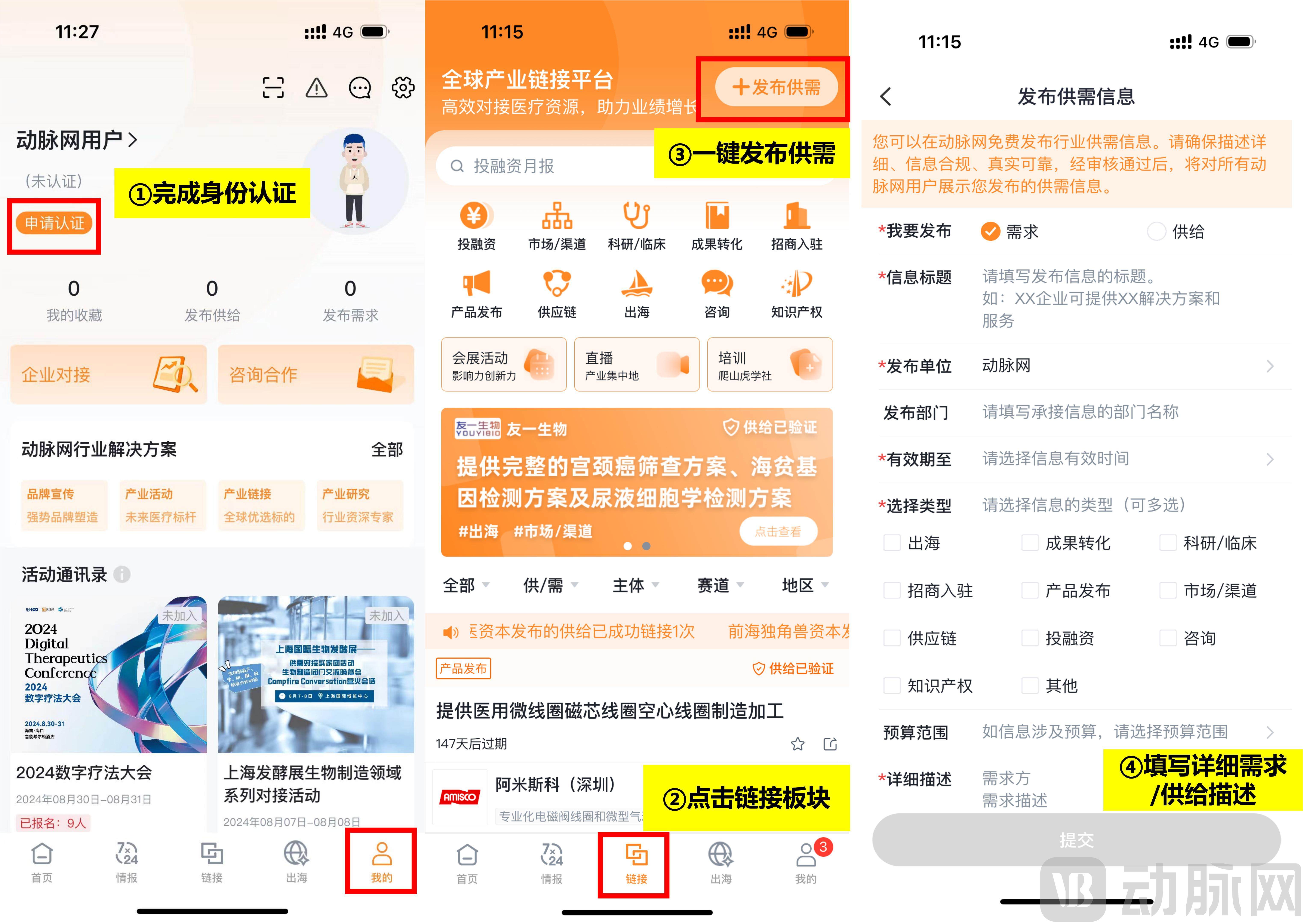
- VCBeat’s “Supply-Demand Matchmaking” Industry Linkage Platform: Efficiently Connects Industry Resources to Drive Performance Growth
- As of now, VCBeat has launched nearly 1,000 links, with each link receiving exposure1W+, achieving over successful enterprise matchmaking instances2,000 times
- Continuously curate and publish collections of selected links, with precise distribution to VCBeat’s relevant industry communities (total reach exceeding3W+)
Huashan Hospital, Fudan University, was founded in 1907. It is a hospital directly administered by the National Health Commission, an affiliated hospital of Fudan University, and a hospital named under the auspices of the Red Cross Society of China. In 1992, it was among the first hospitals to pass the national Grade A Tertiary Hospital accreditation, becoming one of the most renowned medical, educational, and research centers in China with distinctive international characteristics. The hospital boasts 10 national key disciplines designated by the Ministry of Education, 20 national key clinical specialties designated by the Ministry of Health, and 4 Shanghai Key Clinical Medical Centers.
While fulfilling a high volume of clinical duties, the hospital has achieved outstanding results in scientific research and witnessed vibrant development across its academic disciplines. In 2016, it was approved as the National Clinical Research Center for Geriatric Diseases, the highest-level national research platform in China, and became Fudan University’s first National Clinical Research Center. Over the past five years, the hospital has amassed significant research achievements, winning the Second Prize of the National Science and Technology Progress Award in 2014, 2015, and 2017; securing more than 400 grants from the National Natural Science Foundation of China; publishing over 4,000 academic papers, with more than 2,300 indexed by SCI.
This issue's link special brings youFive Technology Transfer Projects from Huashan Hospital, seeking investors or partner companies to facilitate product commercialization. Details are as follows:
I. Requirements Description
Seeking investors to support the subsequent product development, market launch, and continued R&D of new products.
II. Project Highlights
1. The world's first self-expanding nitinol covered stent loaded with drug-loaded nanoparticles prepared by electrospinning technology, with better compliance;
2. The total annual domestic market size exceeds RMB 100 million;
3. Led by renowned expert Zhu Wei;
4. Existing samples are undergoing type testing and biological evaluation, and are about to enter clinical trials.
III. Project Overview
Research on the Application of Novel Drug-Eluting Nanofiber-Covered Stents in Intracranial Vascular Diseases
Field: Clinical Medicine - Surgery, Therapeutic Medical Devices
1. Introduction
By improving stent manufacturing processes, selecting higher-quality graft materials, adopting more rational graft preparation methods, and further incorporating drug-eluting capabilities, the application value and usage scenarios of covered stents are expanded:
- Enhances stent conformability, enabling navigation through tortuous vessels to reach more distal target vessels;
- Utilizing polymer materials to form fibers under the influence of an electric field against surface tension, ensuring a tight fit between the graft and the stent to reduce the incidence of endoleaks;
- Select TPU material to accommodate the expansion of self-expanding stents.
2. Competitive Advantages
Our team will develop drug-eluting covered stents designed to promote endothelialization of intracranial vessels. This will be the first self-expanding nitinol covered stent loaded with drug-loaded nanoparticles fabricated via electrospinning technology, both domestically and internationally, featuring the following characteristics:
- Self-expanding covered stents offer superior compliance, enabling navigation through tortuous intracranial vessels to achieve optimal deliverability and wall apposition;
- Focus on localized controlled drug release technology, which promotes vascular endothelialization through drug delivery; after stent implantation, it exerts antithrombotic effects and accelerates early endothelialization, thereby reducing long-term vascular stenosis.
- Electrospinning technology can spray polymer polymers onto the stent to achieve a tight fit, effectively reducing proximal endoleak issues. By improving the graft material, it prepares covered stents that are beneficial for antithrombosis and have good fitting effects.
3. Market Application Prospects
Currently, the annual number of new intracranial aneurysm cases in China is approximately 800,000 to 1 million, with around 35 million patients suffering from TCCF;
The Willis covered stent is the only covered stent globally approved for intracranial application. According to estimates in the White Paper on Innovation in China’s Intracranial Aneurysm Medical Device Industry, its annual sales volume is approximately 1,000 units, with a total domestic annual market value of RMB 110 million.
Our team aims to address the current limitations of existing covered stents by developing novel covered stent technologies, thereby expanding the market size and broadening the clinical applications of intracranial covered stents.
4. Development Plan
2022: Samples have been produced and are undergoing type testing and biological evaluation.
Projected:
- July 2025: Conduct clinical trials
- July 2028: Certification obtained
- September 2028: Market launch
5. Intellectual Property Status
Currently, one patent has been granted.
IV. Team Introduction
1. Team
The Department of Neurosurgery at Huashan Hospital, Fudan University, serves as the National Medical Center for Neurological Diseases. It performs nearly 10,000 craniotomies and interventional procedures for cerebrovascular diseases annually, boasting robust research and clinical capabilities, including the capacity to conduct preclinical animal studies and clinical trials.
Presided over the completion of two General Programs and one Key Program of the National Natural Science Foundation of China related to preliminary research. The remaining six team members are Associate Chief Physicians and Senior Attending Physicians at Huashan Hospital Affiliated to Fudan University.
2. Team Leader: Professor Zhu Wei
- Chief Physician, Professor, Doctoral Supervisor
- Deputy Director of the Department of Neurosurgery, Huashan Hospital
- Chairman of the Neurosurgery Branch of the Shanghai Medical Association, Head of the Cerebrovascular Surgery Group
- Vice Chairman, Hemorrhagic Stroke Surgical Professional Committee, National Health Commission Stroke Prevention and Control Committee
- Shanghai Outstanding Academic Leaders Program
- First Prize of the "Silver Snake Award" in Shanghai's Health System
- Wang Zhongcheng Annual Award for Chinese Neurosurgeons
- Shanghai Science and Technology Rising Star
I. Requirements Description
Seeking investors to support the subsequent marketing and distribution of products, as well as the research and development of new products.
Since the project’s inception in 2021, it has saved each patient approximately RMB 360 in unnecessary imaging examination fees, amounting to a cumulative total of over RMB 1.16 million. By reducing unnecessary medication costs, it has saved each patient around RMB 600, totaling RMB 1.94 million, thereby significantly alleviating the financial burden on patients.
A Method for Detecting Monomeric Prolactin in Serum
Field: Clinical Laboratory Diagnostics
1. Introduction
Based on polyethylene glycol precipitation and chemiluminescent immunoassay, we first innovatively developed a method for detecting monomeric prolactin, then established reference intervals for monomeric prolactin in both male and female populations within the region. The accuracy, sensitivity, and specificity of the assay were validated using clinical samples, ultimately enabling the differentiation of macroprolactinemia.
2. Market Application Prospects
By developing and industrializing fully automated quantitative reagents for prolactin monomers, this project will enhance the domestic competitiveness of its products and is expected to achieve substitution of existing products. The target customers are tertiary hospitals and Grade II Class A hospitals. It is projected that within five years after the reagent’s market launch, it will be adopted by 200 tertiary and Grade II Class A hospitals, capturing 10% of the testing volume. Based on Shanghai’s charging standard of RMB 90 per test (with a reagent cost of approximately RMB 40), the annual sales revenue from the reagent is expected to reach RMB 10 million in the fifth year.
3. Development Plan
Estimated:
· End of 2025: Initiate instrument registration process
· Q1 2026: Initiate reagent registration
· By the end of 2027: Complete the development of reagents
4. Intellectual Property Status
One granted invention patent and one utility model patent have been authorized.
The Department of Laboratory Medicine at Huashan Hospital, Fudan University, was officially established in 1950. Through the dedicated efforts of several generations and a steadfast commitment to heritage and innovation, it has evolved into a multidisciplinary department integrating subspecialties such as hematology and body fluids, clinical biochemistry, immunology, microbiology, and molecular diagnostics. Operating across multiple hospital campuses, the department achieves synergistic development in clinical practice, education, and research. By consolidating laboratory equipment resources within the hospital, it leverages the overall advantages of its testing platform to significantly enhance operational efficiency and service quality. It is among the earliest hospital laboratory departments in Shanghai and nationwide to implement comprehensive whole-process quality control management.
Seeking investors to support the subsequent product development, market launch, and R&D of new products.
1. Possesses full independent intellectual property rights, independently designed and developed by the Obesity and Hernia Surgery Team at Huashan Hospital Affiliated to Fudan University;
2. Lower cost, suitable for large-scale implementation. The gastric tube device is assembled from a standard gastric tube and a camera, featuring a simple manufacturing process that does not require complex equipment. Compared with currently used intraoperative gastroscopy, it offers lower usage costs and saves labor, making it suitable for widespread adoption in gastric surgeries and facilitating the popularization and promotion of the device.
3. Practical and versatile functionality, integrating support, retraction, and visualization to simplify surgical procedures and enhance safety.
Visualized Gastric Tube Device
Field: Surgical Instruments
1. Introduction
Based on years of experience in gastric surgery, the team improved the traditional gastric tube to develop a visualized gastric tube device that serves both as a conventional support and enables direct, real-time intraoperative observation of the gastric lumen and resection margins.
2. Market Application Prospects
Currently, there are no similar nasogastric tube products available in the domestic market. Some bariatric and metabolic surgery centers in China urgently require nasogastric tubes that are easy to use, reliable in quality, multifunctional, and clinically validated for efficacy. Meanwhile, according to data from the National Cancer Center of China, approximately 200,000 gastric cancer surgeries are performed annually in the country. It is projected that within five years after product launch, the device will be adopted by 20 surgical centers, with an annual usage volume approaching 4,000 units. Based on the proposed sales price of RMB 500 per unit, the annual sales revenue in the fifth year is expected to reach RMB 2 million.
3. Development Plan
The project is scheduled to commence asset valuation and commercialization efforts at the end of 2024, initiate relevant clinical studies in the first quarter of 2025, and complete the associated clinical evaluations by the end of 2026 in preparation for market launch.
4. Intellectual Property Status
Currently, 5 patent applications have been filed, with 4 patents granted.
IV. Team Introduction
Team Leader Professor Yao Qiyuan
- Huashan Hospital Affiliated to Fudan UniversityDepartment of General Surgery, Obesity and Hernia SurgeryDirector of the Center, Discipline Leader;
- Professor Yao Qiyuan’s team specializes in the surgical treatment of obesity and metabolic diseases. As the leading institution of the Shanghai Academic Group, the team performs over 600 bariatric surgeries annually, ranking first in Shanghai and among the top in China.
Seeking investors to support the subsequent product development and market launch, as well as the research and development of new products.
1. Led by renowned expert Professor Hu Fupin;
2. Possesses fully independent intellectual property rights;
3. Highly automated, achieving a "sample-in, result-out" workflow by integrating modules for sample loading, incubation, detection, imaging, result interpretation, and reporting. The sample loading module utilizes a self-developed disposable quantitative device, whose core employs specialized polymer materials and advanced manufacturing processes. This design ensures smooth mechanical operation while delivering superior sealing performance and sampling accuracy, thereby eliminating cross-contamination. The incubation module adopts three-dimensional heating technology, utilizing PID and compensation algorithms combined with central air circulation to ensure the accuracy and uniformity of incubation temperature. The detection module employs high-resolution cameras integrated with telecentric lens technology and proprietary key technologies for intelligent visual imaging, guaranteeing complete, distortion-free image reconstruction for each well.
4. The system integrates data from “CHINET China Bacterial Resistance Surveillance Network” (www.chinets.com), the only open-source big-data system in China for monitoring antibiotic resistance at a scale of millions of cases, along with authoritative clinical guidelines for anti-infective therapy. It is complemented by intelligent interpretation, analysis, and reporting software, thereby establishing a rapid and efficient information management platform that integrates data collection, analysis, automated interpretation, data management, and medication recommendations.
Fully Automated Intelligent Microbial Antimicrobial Susceptibility Testing and Reporting System
Field: Clinical Laboratory Diagnostics
1. Introduction
Leveraging over 30 years of big data on antimicrobial resistance surveillance and in collaboration with China’s top experts, we have developed an AI-powered, fully automated intelligent system for microbial antimicrobial susceptibility testing (AST) analysis and reporting that better aligns with actual clinical needs. This solution is complemented by a robust AST advanced expert system and AST panels.
2. Market Application Prospects
The development and industrialization of the fully automated intelligent microbial drug susceptibility analysis and reporting system will enhance the domestic competitiveness of our products, with the potential to replace imported alternatives. Upon market launch, primary revenue streams will include:
1) Sales of fully automated antimicrobial susceptibility testing instruments and equipment;
2) Sales of companion antimicrobial susceptibility testing plates;
3) Senior Expert System Authorization;
Target customers include Tier-3 and Class-A Grade-2 hospitals, provincial-level Centers for Disease Control and Prevention (CDCs), and other domestic antimicrobial susceptibility testing system manufacturers in the existing market (for advanced expert system licensing).
3. Development Plan
Estimated:
- End of 2024: Initiate instrument registration process
- Q1 2025: Initiate the registration process for antimicrobial susceptibility testing (AST) panels
- End of 2025: Complete the development of the advanced expert system for antimicrobial susceptibility testing
Prof. Hu Fupin, Principal Investigator
- Deputy Director, Institute of Antibiotics, Huashan Hospital Affiliated to Fudan University
- Deputy Director of the National Health Commission's Key Laboratory of Clinical Pharmacology of Antibiotics
- PI, Joint Industry-Academia Laboratory for Pathogen Diagnosis of Drug-Resistant Bacterial Infections and Innovative Drug Development
- Long-term engagement in surveillance of bacterial antimicrobial resistance, standardization of methodologies for antimicrobial susceptibility testing, and in vitro pharmacodynamic evaluation of novel antimicrobial agents
- Extensive experience in research on drug resistance mechanisms
- Over the past five years, has undertaken more than ten funded projects, including sub-projects of the National Major Project for New Drug Innovation during the 13th Five-Year Plan period, projects under the National Key R&D Program during the 14th Five-Year Plan period, and grants from the National Natural Science Foundation of China.
Leverage the following computer software copyrights to obtain medical device registration certificates, complete the translation of medical-engineering research into clinical applications, and promote product industrialization.
1. No similar products are available in China;
2. Led by renowned expert Professor Jia Jie;
3. Systematize traditional rehabilitation training to refine treatment steps, standardize treatment content, and conserve human resources.
Intelligent Multimodal Image Assessment and Training System
Field: Rehabilitation Medicine
1. Introduction
The team has developed a mirror therapy device that integrates computer imaging and motion capture technologies to provide patients with essential auditory cues and feedback, thereby enhancing their attention. The team has also created a mirror therapy system capable of delivering standardized clinical treatment protocols. During therapy, the system provides precise video guidance demonstrating standard movements to ensure accurate treatment. The device’s training program comprehensively covers hand functional movements required for stroke patients at different stages and with varying types of impairment, with exercises categorized and stratified by difficulty. Therapists can adjust treatment parameters according to individual patient conditions to ensure therapeutic efficacy. The use of this mirror therapy device reduces spinal stress during treatment. Prior to therapy, the device height can be adjusted to achieve a comfortable position based on the patient’s condition. During treatment, patients can view the therapy display directly at eye level, avoiding spinal injuries caused by poor postures associated with prolonged traditional mirror therapy.
2. Market Application Prospects
This device employs mirror visual feedback as the primary modality, integrating peripheral auditory, tactile, and proprioceptive inputs to create multimodal feedback. This approach enhances excitability in specific brain regions and improves motor perception in patients. The software system leverages assessment results and computer algorithms to standardize and protocolize rehabilitation training, thereby rendering traditional rehabilitation procedures more detailed and standardized. Such standardized rehabilitation methods positively facilitate the implementation of training programs and patient engagement, while the deployment of this device helps conserve human resources.
3. Development Plan
Based on the current first-generation system, carry out the following work:
1. Conduct clinical validation and promote the application of its outcomes, with resources extended to community-level settings;
2. Expand and refine the exercise library for training to meet the diverse and personalized needs of rehabilitation training;
3. Improve software and imaging technologies, and integrate them with virtual reality and other techniques to achieve immersive, interactive, dual-feedback effects.
4. Intellectual Property Status
1 Computer Software Copyright.
Project Lead: Professor Jia Jie
- Chief Physician, Professor, Doctoral Supervisor
- Principal Investigator of a National Key R&D Program Project under the 13th Five-Year Plan
- Vice President, National Regional Medical Center (Huashan–Fujian)
- Deputy Director, Department of Rehabilitation Medicine, Huashan Hospital Affiliated to Fudan University
- Principal Investigator, National Clinical Research Center for Geriatric Diseases (Huashan)
- Visiting Professor, The University of Sydney, Australia
- Standing Director of the Chinese Association of Rehabilitation Medicine; Chairman of the Community Rehabilitation Working Committee
- Awarded the First Prize of the National Science and Technology Progress Award
Interested in the above projects? Please scan the QR code below to connect with the expert team at Huashan Hospital.

- VCBeat’s Supply and Demand Matching Platform covers sectors including global expansion, supply chain, marketing/channels, technology transfer, and investment promotion/onboarding.
- Upload supply or demand resources on the platform to precisely reach target prospective partners
- Efficiently connect with MNCs, startups, government industrial parks, investment institutions, and other entities
>>>>
Download the VCBeat app to publish content independently and connect efficiently.