

Exosome Therapeutics: Global First-in-Class Candidate Nears Approval as BD Deal Hits Record High
In less than two years, one sector first saw the bankruptcy of its pioneer and then recorded the largest transaction on record.
The pioneer in bankruptcy was Codiak Biosciences (hereinafter referred to as “Codiak”), the world’s first exosome-based medical technology company, which announced on March 27, 2023, that it had filed for Chapter 11 bankruptcy protection (i.e., Chapter 11 of the U.S. Bankruptcy Code). Following the bankruptcy announcement, Codiak’s stock price plummeted by 52% on the same day, instantly shattering the fanciful myth of a “tenfold surge in share price by year-end,” a development that drew widespread lamentation.
Capricor Therapeutics (“Capricor”), a publicly listed company developing transformative cell and exosome therapies for the treatment of rare diseases, set a new record for the largest transaction amount. On September 18, 2024, Capricor announced that it had entered into collaboration terms with Nippon Shinyaku Co., Ltd. Under these terms, Nippon Shinyaku will commercialize and distribute Capricor’s primary asset, deramiocel, in Europe. The total potential milestones under the comprehensive distribution agreement are approximately $1.5 billion.
“Exosomes” was formally coined in the 1980s. As a major type of extracellular vesicle, exosomes are membrane-bound structures with a diameter of 30–150 nm, composed of natural human proteins and lipids. Most cells secrete exosomes; therefore, they are present in various biological fluids, capable not only of penetrating tissues but also of disseminating into the bloodstream and even crossing the blood-brain barrier. Leveraging these properties, exosomes can be used for disease treatment and as drug carriers to improve drug delivery systems.
In 2013, three scientists were awarded the Nobel Prize in Physiology or Medicine for their discoveries of machinery regulating vesicle traffic, a major transport system in our cells. Marking this milestone, exosomes, as a primary type of cellular vesicle, have gained significant prominence in both academic and industrial circles. Following substantial research investment, the field has navigated through initial industrial chaos to establish a clear path toward commercialization, with related enterprises and products emerging one after another. After a period of intense consolidation and selection, the global market is poised to welcome the first approved exosome-based therapeutic product, following Capricor’s submission of a Biologics License Application (BLA) in late September 2024.
Before the Turmoil: Domestic and Foreign Capital Entered the Market Successively, and MNCs Continued to Heavily Increase Their Investments
Capricor, founded in 2005, has grown alongside the development of exosome therapy technology.
Initially, the company positioned its strategy around frontier therapies for cardiovascular diseases, focusing primarily on stem cell technology. A turning point came in 2013, when scientists James Rothman, Randy Schekman, and Thomas C. Südhof were awarded the Nobel Prize in Physiology or Medicine for their discoveries of machinery regulating vesicle traffic, a major transport system in our cells, laying the foundation for further applications of exosomes. In the same year, Capricor merged with Nile Therapeutics, a company specializing in natriuretic peptide-based drugs, further expanding its market share in the cardiovascular disease sector.
In 2014, Capricor presented preclinical study results on its newly licensed exosome platform technology for the first time at the 11th International Symposium on Stem Cell Therapy and Cardiovascular Innovation. The preclinical studies demonstrated that exosomes can improve cardiac function and reduce damage caused by myocardial infarction, suggesting that exosomes secreted by cardiosphere-derived cells (CDCs) may be key factors in myocardial regeneration and cardioprotection.
In 2015, the industrialization trajectory of exosomes remained unclear. Research on exosomes in the scientific community was still in a phase of “undercurrents,” having not yet reached its peak. Meanwhile, translational research related to exosomes was growing exponentially. However, within China’s industrial landscape, exosomes remained an untapped frontier.
In the same year, Codiak, incubated by the renowned biomedicine venture capital firm Flagship Pioneering, made its debut and secured an $80 million Series A financing round. Together with Novadip Biosciences (hereinafter referred to as “Novadip”), which completed a €28 million Series A financing round in the same year, Codiak broke the funding drought in the field of exosome therapy. Novadip is exploring the potential of its 3M³ platform to manufacture highly specific exosomal miRNA therapeutics for solid tumors and will conduct clinical trials in the United States and Europe.
Over the five years since its inception, Codiak has consistently attracted favor from the capital markets alongside exosome technology. Prior to its initial public offering, Codiak completed four rounds of financing, raising a total of $234.9 million. In 2020, the Phase I/II clinical trial of exo-STING, one of Codiak’s leading exosome-based product candidates for advanced solid tumors, was officially launched, and the company successfully listed on the Nasdaq.
During this period, the striking advantages and immense development potential of exosomes in drug delivery have attracted multiple pharmaceutical giants to enter the field, making significant investments in exosome-based delivery systems. These companies are collaborating with exosome therapeutics firms to develop exosome delivery technologies for application across their own pipelines.
Between 2018 and 2020, several major transactions emerged: Roche leveraged PureTech’s milk-derived exosome platform technology to develop oral nucleic acid therapeutics for its antisense oligonucleotide platform, with PureTech Health stating that it would receive over $1 billion in milestone payments and royalties. Jazz Pharmaceuticals entered into a strategic collaboration agreement worth more than $1 billion with Codiak BioSciences, under which the two parties would jointly research, develop, and commercialize candidate exosome-based therapies targeting five different targets. Evox Therapeutics partnered separately with Takeda Pharmaceutical Company and Eli Lilly to continuously expand its exosome delivery technology.
Subsequently, the primary market for exosome therapy also reached a new peak in the same year.
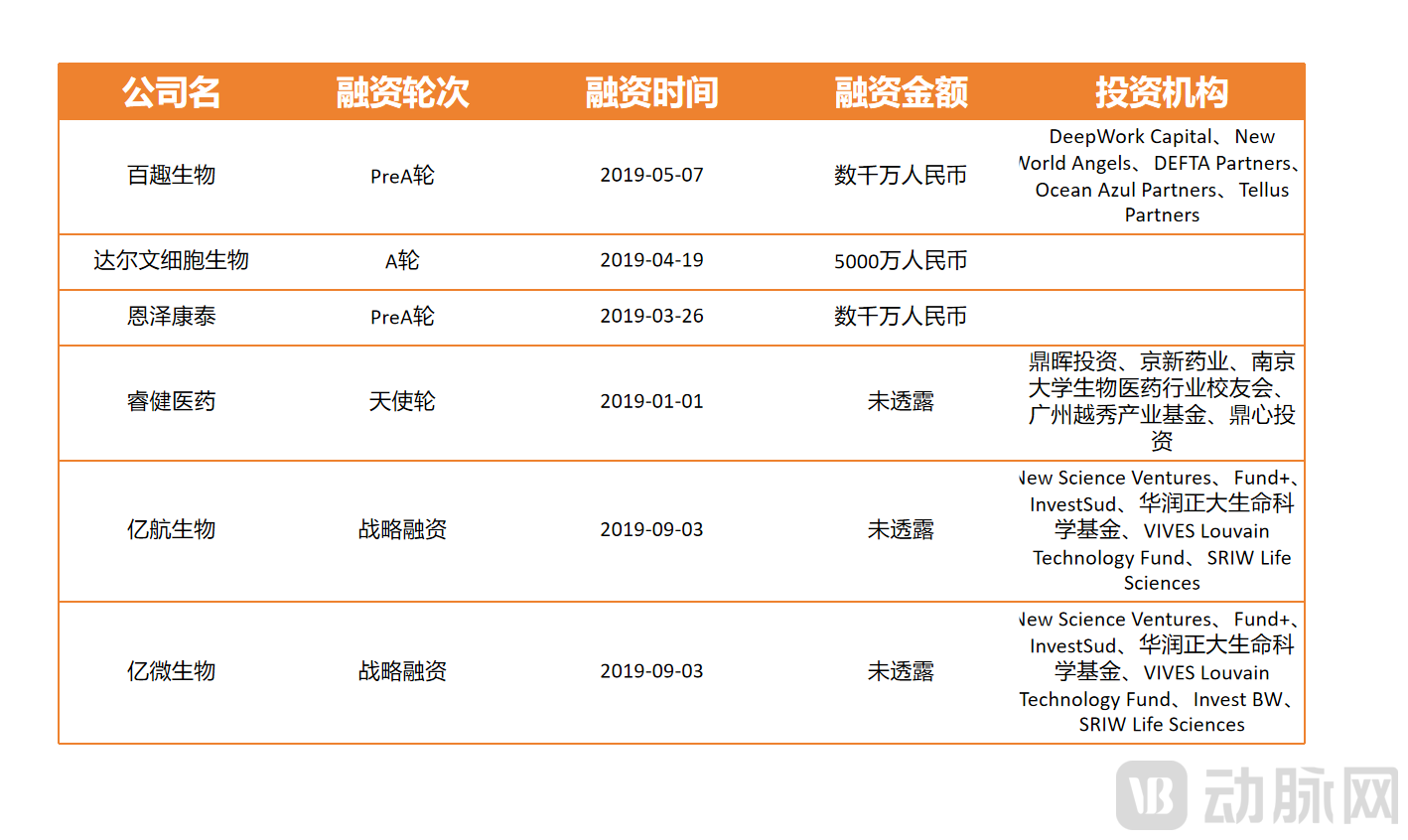
Since Siboman Biotech completed its strategic financing in 2016, the domestic exosome therapy technology platform has gradually come to prominence, with a surge in interest peaking in 2019. Companies such as Bio-Technology, Darwin Cell Biology, Enze Kangtai, Ruijian Pharmaceutical, and Yihang Biotech successfully secured financing. From 2020 to the first half of 2022, the financing trend in the field of exosome therapy was consistent with the global primary healthcare market, showing an explosive growth pattern. Companies like Evox Therapeutics, ILIAS Biologics, and Novadip rode the wave of capital investment towards maturity.
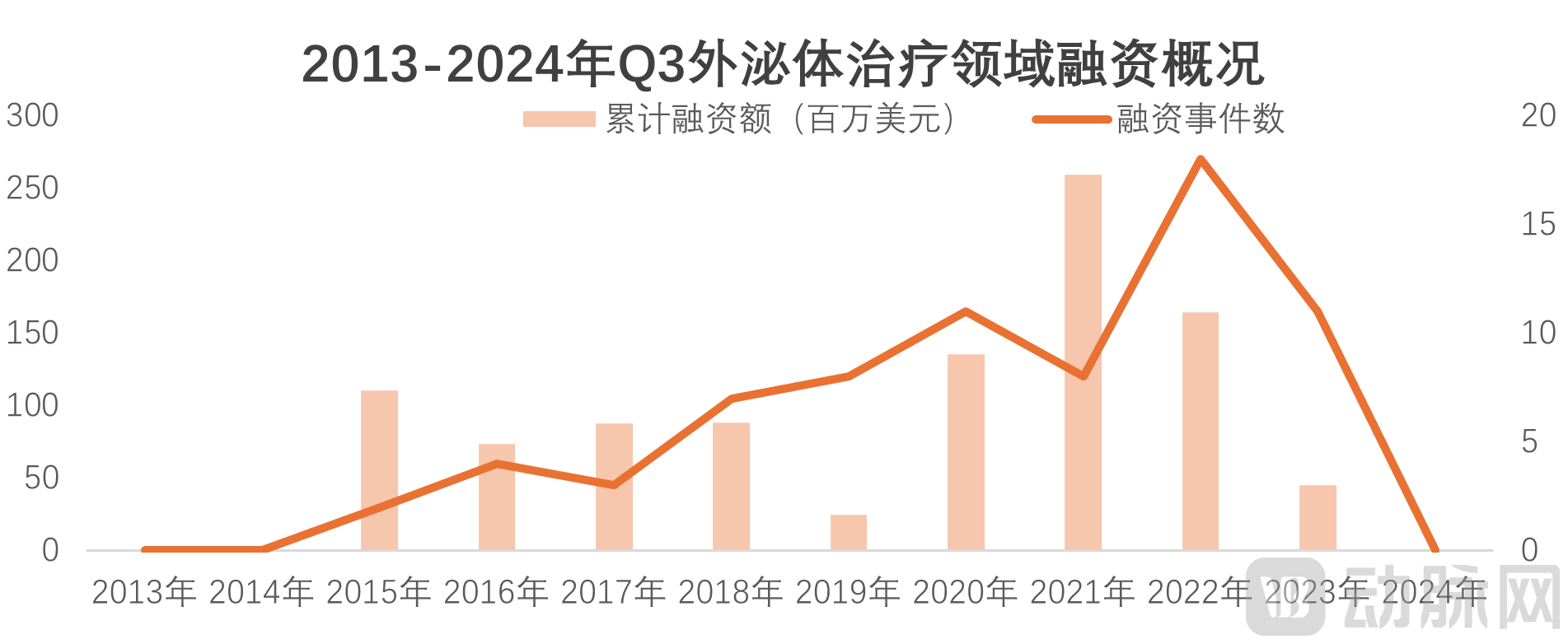
At the beginning of 2023, financing for exosome therapies underperformed expectations, with capital concentration significantly increasing. Mercury Bio, Aima Biotechnology, and Enze Kangtai each completed two rounds of funding in the same year. Further shocks came from the secondary market: in August 2022, Codiak, a benchmark company in exosome therapy, announced the discontinuation of clinical development for ExoIL-12 and ExoSTING, along with a 37% workforce reduction; in 2023, the company filed for bankruptcy. This news triggered significant repercussions within the industry, deterring companies interested in entering the exosome therapy space and causing exosome-related financing to come to a near standstill.
By leveraging its engEx™ platform, Codiak can integrate various types of therapeutics—encompassing a wide range of bioactive molecules, including small molecules, nucleic acids, proteins, antibodies, enzymes, cytokines, and complex ligands—into engineered exosomes. These exosomes are then targeted to specific cells and tissues, modulating the biological functions of recipient cells to achieve the desired therapeutic effects. However, Codiak’s setback underscores the challenges in demonstrating clinical efficacy for exosome-based therapies.
Efficacy Is King: Listed Companies Explore Mature Technology Platforms
Dr. Xu Ke, President and CEO of Vesicore Therapeutics and a former employee of Codiak BioSciences, believes that Codiak’s setbacks were not only due to the underperformance of its lead pipeline candidates and the unfortunate timing of the COVID-19 pandemic coinciding with a critical phase in the company’s development, but also stemmed from the mismatch between high industry expectations for exosome-based therapies and reality. As a novel drug delivery system, exosomes have been anticipated by both academia and the market to demonstrate significantly greater advantages over other delivery platforms such as lipid nanoparticles (LNPs) and viral vectors. Dr. Xu once remarked, “If they fail to show particularly substantial advantages, it becomes a negative factor. In many industries, anything less than positive is considered negative, with no middle ground.”
Codiak’s previous R&D pipeline consisted entirely of novel immunotherapies targeting oncological diseases. Among these, ExoIL-12 and ExoSTING have advanced the most rapidly, while ExoASO-STAT6 has emerged as a promising internal candidate. As a pioneer in the field of exosome therapeutics, the company has successfully advanced two programs into clinical trials, demonstrating the safety of allogeneic exosomes, with clinical results also reflecting efficacy.
Among these, ExoIL-12 is the first engineered exosome therapeutic candidate evaluated in humans, designed to use the exosomal protein PTGFRN as a scaffold to display the potent anti-tumor cytokine IL-12 on its surface. Indications for ExoIL-12 include the treatment of patients with cutaneous T-cell lymphoma, melanoma, Merkel cell carcinoma, and triple-negative breast cancer. ExoSTING is primarily indicated for solid tumors and holds promise for treating patients with metastatic head and neck squamous cell carcinoma, triple-negative breast cancer, anaplastic thyroid cancer, and cutaneous squamous cell carcinoma. ExoASO-STAT6 focuses mainly on the treatment of hepatocellular carcinoma, pancreatic ductal adenocarcinoma, and colorectal cancer.
ExoIL-12 and ExoSTING announced their Phase I clinical trial results in 2022. Phase I trials primarily focus on dose determination and safety assessment. Due to its systemic toxicity, IL-12 has long faced challenges in drug development; therefore, Codiak’s ExoIL-12 has been highly anticipated within the industry. The Phase I clinical results demonstrated a favorable safety profile, with ExoIL-12 even achieving complete remission in cutaneous T-cell lymphoma. However, the strong safety outcomes did not generate significant industry excitement. As exosomes emerged as a novel and highly touted concept, both the academic community and the market had placed high expectations on related products. Favorable safety data alone were insufficient to meet these substantial expectations.
Secondly, the indication for ExoIL-12 is a type of skin cancer, administered via intratumoral injection. Although this R&D direction was determined by the company’s internal decision-making, intratumoral injection is already an established delivery route for conventional chemotherapy and oncolytic virus therapies. Since Codiak did not innovate in the method of administration, its approach falls somewhat short of expectations.
Codiak’s setback does not imply that the technical pathway for exosome development is flawed; rather, it reflects the industry’s high standards for exosome-based therapeutic products. In 2023, when Codiak declared bankruptcy, its peer EVOX Therapeutics acquired Codiak’s engEx-AAV™ technology platform. Leveraging its accumulated financing of over £100 million, EVOX Therapeutics consolidated its leading position in the field of exosome therapeutics while remaining a private company.
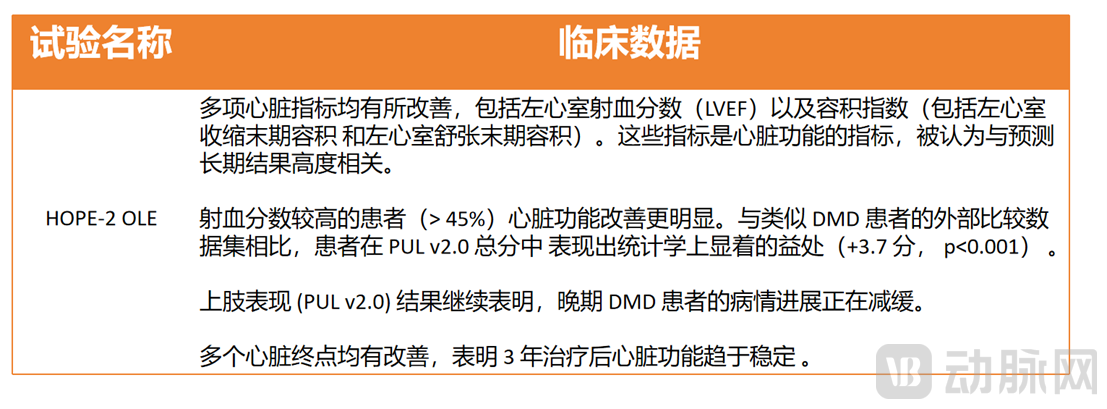
Although Capricor, a publicly listed company, officially announced its exosome product relatively late, it is regarded as the fastest-moving among exosome therapy companies. The company now plans to submit a Biologics License Application (BLA) based on existing cardiac and natural history data, seeking approval for deramiocel to treat all patients diagnosed with Duchenne Muscular Dystrophy (DMD)-associated cardiomyopathy. Deramiocel (CAP-1002) is an allogeneic cardiosphere-derived cell therapy. Capricor’s extensive preclinical and clinical studies have demonstrated that deramiocel exerts immunomodulatory, anti-fibrotic, and regenerative effects specifically targeting muscular dystrophy and heart disease.
Capricor, which built its foundation on cell therapy, has taken a different path from Codiak. Unlike Codiak, whose founding journey closely mirrored the translation of scientific research into commercial applications, Capricor’s strategy focused first on specializing in cell therapies. After developing an exosome platform, the company effectively integrated the two approaches to achieve a synergistic “1+1>2” effect, ultimately demonstrated in its Phase 3 clinical trials.
In fact, Capricor’s situation is not an isolated case. Among overseas-listed pharmaceutical companies that have launched exosome platforms, those established before 2010 mostly share a similar growth trajectory with Capricor. These companies typically began with immunotherapy, built cell therapy or small-molecule technology platforms, and simultaneously developed exosome delivery platforms or therapeutic formulations. With core technologies providing robust support, they have successfully navigated numerous regulatory and clinical hurdles through demonstrated clinical strength.
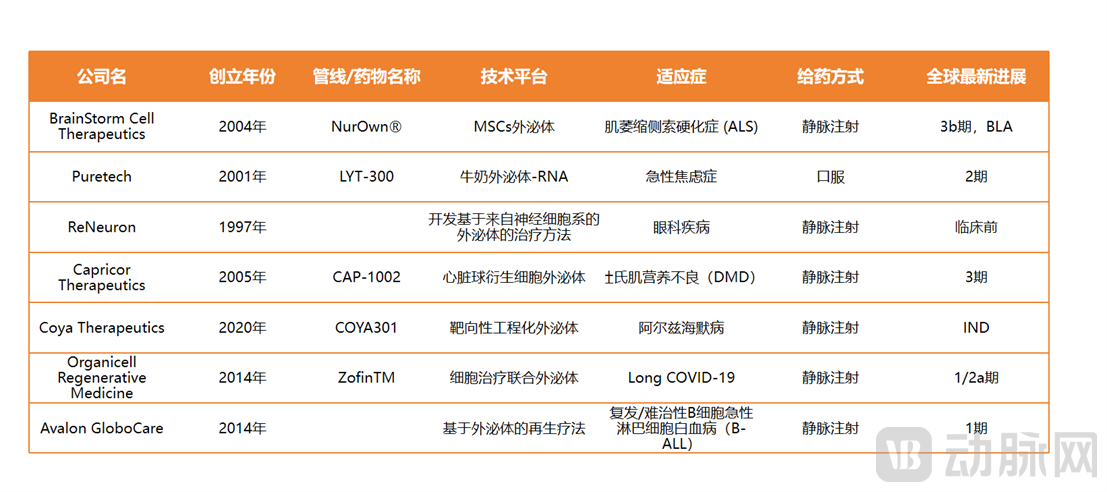
Progress in the Pipelines of Overseas Listed Companies Specializing in Exosome Therapy (Past 3 Years)
Notably, PureTech Health, a standout company, achieved the primary endpoint in its Phase 2a trial of LYT-300 (oral allopregnanolone exosome therapy) for acute anxiety. Unlike most exosome companies that rely on intravenous administration, PureTech has focused on oral delivery since its inception, building its foundational projects and platform around this approach, which has yielded approximately 30 drug candidates.
PureTech focuses on milk-derived exosomes, a unique class of evolutionarily conserved microvesicles that maintain the integrity of their enclosed nucleic acids and proteins while traversing the stomach and gastrointestinal tract, allowing them to exert local effects or be transported into the systemic circulation. Furthermore, compared with other naturally occurring exosomes, milk-derived exosomes exhibit superior stability under acidic and other harsh conditions. Inspired by these unique properties, PureTech leverages milk-derived exosomes to enable oral delivery of proteins, peptides, nucleic acid therapeutics, and small-molecule drugs currently classified as non-orally administrable.
Furthermore, NurOwn, the exosome product of BrainStorm Cell Therapeutics, a company specializing in autologous stem cell therapy®With market launch imminent, the product is poised to compete with Capricor’s offering for the title of “world’s first.” In June 2024, it was reported that the company had reached an agreement with the FDA on manufacturing aspects for its Phase 3b clinical trial, and had clarified the trial design and endpoints.
For companies that started with exosome-based therapeutic technology platforms but failed to successfully enter clinical trials, pivoting to the anti-aging skincare sector and developing independent brands has emerged as a new strategic approach.
ExoCoBio, a South Korean company that completed its Pre-IPO financing, initially focused on stem cell-derived exosome research and developed cosmeceuticals known as Cell Tweet™ based on this technology. Currently, the company has developed exosome-based cosmetics (such as Exomage) and has immuno-oncology products based on exosomes under development. After accumulating sufficient capital, ExoCoBio established GMP-compliant exosome production facilities to add commercial value to the cosmetics industry.
Kimera Labs has launched a pipeline development program targeting moderate COVID-19 based on its placental mesenchymal stem cell (MSC)-derived exosome platform, advancing into Phase 1/2a clinical trials. Meanwhile, its exosome-based skincare brands—Vive, Luxir, and Luxir+—have already established independent marketing websites.
ELEVAI LABS, known as the first publicly traded company specializing in exosome-based anti-aging solutions, reached a market capitalization of $69 million (over RMB 490 million) following its successful IPO. Its ELEVAI™ skincare products are developed on a proprietary “Source-to-Skin” technology platform called PREx, short for Precision Regenerative Exosome Technology™. PREx is built upon more than 15 years of research and development by Dr. Jordan Plews, an expert in stem cells and biochemical engineering.
ELEVAI applies exosome technology to skincare, utilizing human umbilical cord mesenchymal stem cell-derived exosomes (ELEVAI Exosomes™). ELEVAI Exosomes™ are ultra-small nanoparticles loaded with growth factors that promote skin health. Combined with vitamin C, hyaluronic acid (HA), and copper peptides, they help support skin recovery and healing. Empower™ is a concentrated serum specifically designed for single-use application following ablative procedures and treatments, such as medium-to-deep chemical peels and microneedling.
In China, early entrants in the exosome platform sector, including Acea Biosciences, Letu Danlun Pharmaceuticals, Aiyi Life Sciences, Ankelai, and Xiangpeng Biotech, have all unveiled anti-aging products.
Domestic New Products Poised to Fill International Gaps
As of Q3 2024, the field of exosome therapy has seen the emergence of first-in-class technologies and pipeline layouts that have entered clinical trials. Meanwhile, many companies established prior to the recent surge in investment have, through a period of consolidation, gradually stabilized their operations and laid a foundation for connecting various segments of the exosome industry chain.
Enze Kangtai is one of the earliest biotechnology companies in China to focus on the field of exosomes. It has established an exosome engineering platform, secured core platform-based intellectual property rights, and possesses mature capabilities for large-scale exosome production and high-purity isolation. Through engineered modification, Enze Kangtai has significantly enhanced the loading capacity of exosomes with specific active ingredients—including peptides, proteins, and nucleic acid drugs—and achieved selective delivery to target organs.
As a company specializing in exosome CRO/CDMO services, Enze Kangtai has deeply felt the turbulence in the field of exosome therapy. However, Dr. Zhao Libo, CTO of Enze Kangtai, pointed out that academic research on exosome drug delivery entered a new phase in late 2023: the diversity of active pharmaceutical ingredients in innovative exosome therapies has been demonstrated, with significant research findings published in areas such as mRNA and AAV delivery. On the other hand, after clarifying the technical barriers in exosome administration systems, researchers are becoming more pragmatic in their choice of administration routes and indications, taking into account specific clinical usage scenarios.
Currently, the exosome therapy market’s emphasis on clinical efficacy essentially reflects a scrutiny of whether the underlying treatment technologies are mature. Technical bottlenecks in exosome therapy—such as low loading capacity of active ingredients and limited biodistribution—remain to be overcome. Furthermore, Zhao Libo noted that innovative exosome-based therapies lack universally accepted industry standards, particularly quality standards for pharmaceutical-grade exosomes. Addressing these challenges will require sustained efforts across the entire industry over time.
Enze Kangtai Has Taken a Step Forward. In September 2024, GoldenExo®, an active pharmaceutical ingredient (API) derived from human mesenchymal stem cell exosomes (HUMSC-DERIVED EXOSOMES), independently developed and submitted by Beijing Enkang Pharmaceutical Co., Ltd., a wholly-owned subsidiary of Enze Kangtai, obtained FDA Type II Drug Master File (DMF) filing status (Filing No.: 040337). Earlier in July, GoldenExo® also received International Nomenclature of Cosmetic Ingredients (INCI) registration. This marks the first product in China to achieve dual international authoritative registrations for human-derived exosomes, playing a positive role in promoting the development of the exosome industry.
Meanwhile, domestic companies continue to ramp up their efforts in the development of innovative therapies.
On August 16, 2024, two clinical trials of Anling Biotech’s exosome drug, exoAL-03, for long COVID-related conditions were simultaneously launched at Shanghai Changzheng Hospital and Minhang Hospital Affiliated to Fudan University in Shanghai. These investigator-initiated clinical studies were jointly led by Dr. Tang Hao, Director of the Department of Respiratory and Critical Care Medicine at Changzheng Hospital, and Dr. Gao Xiwen, Director of the Department of Respiratory and Critical Care Medicine at Minhang Hospital Affiliated to Fudan University, both renowned authorities in respiratory medicine in China. The primary objective is to evaluate the safety, tolerability, and efficacy of exoAL-03 in treating post-infectious cough and acute exacerbations of chronic obstructive pulmonary disease (AECOPD). This trial marks the world’s first clinical study specifically targeting diseases potentially triggered by post-COVID-19 infection.
Notably, Anling Bio’s exosome drug, exoAL-03, has pioneered a breakthrough approach by administering mesenchymal stem cell-derived exosomes via nebulization. This method, distinct from conventional intravenous injection, offers a novel paradigm for the delivery of innovative biopharmaceuticals.
One month later, Aimabio publicly disclosed the initial progress of its first-in-human (FIH) and investigator-initiated trial (IIT) for ER2001, demonstrating central nervous system (CNS)-targeted siRNA therapy via intravenous administration. ER2001 injection is the world’s first investigational siRNA drug that achieves CNS-targeted delivery through intravenous administration, leveraging in vivo self-assembling exosomes to encapsulate siRNA and traverse the blood-brain barrier. Furthermore, this study (NCT06024265) represents the first exploratory clinical trial for Huntington’s disease conducted outside Europe and the United States.
As domestic academia and the market iteratively update their understanding of exosome therapy, technological innovations capable of transcending the boundaries of existing treatments are expected to enter the public eye soon. With overseas exosome therapy products submitting marketing applications, the resurgence of the exosome therapy industry, after a brief downturn, is imminent.