

Topwing Pharma Advances First-in-Class Platinum Drug TP21 into Phase III Clinical Trials for Hepatocellular Carcinoma, Plans NDA Submission in 2026
Currently, platinum-based drugs have become one of the most widely used chemotherapy agents in clinical practice, and are extensively employed in the treatment of common malignant tumors such as lung cancer, bladder cancer, ovarian cancer, cervical cancer, esophageal cancer, gastric cancer, colorectal cancer, and head and neck cancers.[1]. However, the first three generations of platinum-based drugs each have insurmountable limitations, and since the successful development and market launch of the third-generation platinum-based drugs, innovation in traditional platinum-based drugs has been relatively slow.
In 2007, Beijing Supersingda Pharmaceutical Research Co., Ltd. (hereinafter referred to as “Supersingda”) joined the ranks of innovative research and development of platinum-based drugs. It is worth noting that Supersingda is a wholly-owned subsidiary of Tongying Group and serves as the main R&D entity for its pharmaceutical and healthcare sector.
Sopuxingda focuses on the R&D, manufacturing, and commercialization of anti-tumor drugs, with its next-generation first-in-class platinum-based drug TP21 as the core.Driven by its continued efforts, TP21 has achieved a series of positive developments. Among them,In June 2022, the Phase III clinical trial of TP21 Injection for the treatment of hepatocellular carcinoma with transarterial chemoembolization (TACE) was fully launched. Currently, the Phase III clinical trial of TP21 Injection is actively progressing, and it is expected that a New Drug Application (NDA) will be submitted in 2026.
China’s First Class 1.1 Platinum-Based Chemotherapeutic with Independent Intellectual Property Rights, Featuring a Unique “Molecular Switch” Design
Platinum-based drugs are cell cycle-nonspecific agents. Upon entering tumor cells, they bind to deoxyribonucleic acid (DNA) to form Pt-DNA adducts, thereby interfering with DNA replication and transcription. This process mediates necrosis or apoptosis of tumor cells, ultimately inhibiting their growth and proliferation.[1]. Although different platinum-based drugs exhibit certain variations in their modes and sites of binding to DNA, their mechanisms of action are broadly consistent.
However, due to the lack of specificity of currently commonly used platinum-based drugs for tumor cells, they interact not only with the DNA of cancer cells but also with that of normal cells after entering the human body, thereby triggering a series of toxic side effects.
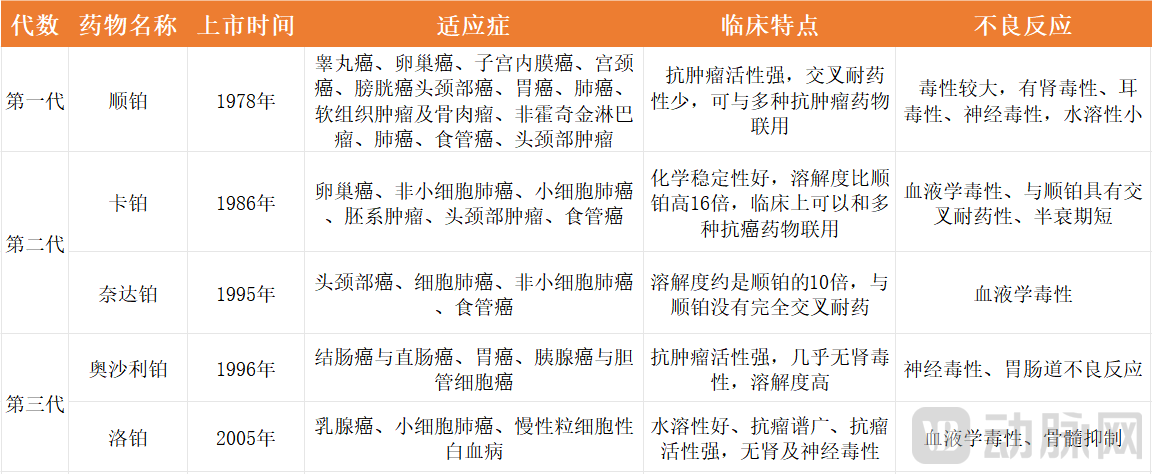
Basic Information on Commonly Used Platinum-Based Agents Source: Compiled from public information; graphic by VCBeat
In response, Suopoxingda has optimized and innovated the molecular structure of its platinum-based drug TP21 to overcome the limitations and drawbacks of traditional platinum-based agents.
From the perspectives of molecular design and mechanism of action, TP21 is a platinum-based antineoplastic agent that exerts its therapeutic effects by promoting the binding of drugs to DNA within the nuclei of cancer cells.It is a platinum-based antitumor drug with a “molecular switch,” designed and successfully developed based on the molecular biology perspective by leveraging the abnormal spatial conformation of cancer cell DNA.
The key "molecular switch" site of TP21 features a four-hydrogen-bond structure, enabling TP21 to selectively bind to the bases of abnormal DNA in the human body without binding to normal DNA.Only when the helicase is activated during DNA replication in tumor cells does the TP21 hydrogen-bond switch open, exposing platinum (Pt) atoms with vacant orbitals. The Pt atoms then bind to nitrogen atoms in DNA that possess lone pair electrons, forming Pt-DNA adducts. This disrupts the machinery of cancer cell replication, thereby mediating necrosis or apoptosis of tumor cells and exerting antitumor therapeutic effects.[2-4]。
Due to its unique “molecular switch” design, TP21 demonstrates the potential to overcome the side effects associated with traditional platinum-based drugs, such as extensive damage to normal tissue cells, enabling targeted killing of tumor cells.
As a new-generation platinum-based antineoplastic agent, TP21 has garnered widespread attention and recognition for its demonstrated antitumor efficacy and future development potential.
Initially, TP21 was developed under the leadership of Professor Yang Xuqing.TP21 has been successively approved for projects by the State Economic and Trade Commission and the Ministry of Science and Technology, and has been included in the National 863 Program, the clinical research program on “Innovative Drugs and Modernization of Traditional Chinese Medicine,” as well as the National Major Science and Technology Special Projects during the 10th and 12th Five-Year Plan periods.Furthermore, the core R&D team has established collaborations with more than 160 clinical experts from institutions such as Peking University Cancer Hospital, the Chinese People's Liberation Army General Hospital (301 Hospital), and the Cancer Hospital of the Chinese Academy of Medical Sciences.[3]。
Currently, TP21 has obtained multiple Chinese invention patents. Meanwhile, Suopoxingda is actively expanding its overseas patent protection to build a robust moat for intellectual property rights.
Demonstrates significant clinical efficacy, with advantages including high potency, low toxicity, low drug resistance, and broad-spectrum antitumor activity.
To date, TP21 has completed preclinical studies and multiple clinical trials, including Phase I trials in patients with advanced malignant tumors, Phase II trials in advanced non-small cell lung cancer (NSCLC), and Phase II trials in primary liver cancer. The results demonstrate that TP21 exhibits high potency, low toxicity, broad-spectrum antitumor activity, a low propensity for drug resistance, and high tissue penetrability. It enables more effective identification and killing of tumor cells, with enhanced target specificity and reduced side effects.
Based on preclinical study results,Early pharmaceutical and non-clinical study data on TP21 indicate that it exhibits potent inhibitory and cytotoxic effects against tumors such as lung cancer and prostate cancer, demonstrating potential for development as a monotherapy or in combination with other agents, as well as for expansion into new indications.
For example, in rat models, TP21, carboplatin, and cisplatin were administered intravenously. Compared with cisplatin and carboplatin, TP21 exhibited higher concentrations in various tissues, including plasma, brain, intestine, and prostate, at different time points. Furthermore, in vivo animal studies demonstrated that TP21 has high tumor inhibition efficiency and exhibits a certain dose–response relationship.[5]。
Based on the results of clinical trial studies. First, in 2000–2001, MetaBio Co., Ltd. from South Korea, in collaboration with the San Diego Cancer Research Center in the United States, conducted an HDRA in vitro chemosensitivity assay on TP21. The results demonstrated that TP21 exhibits significant cytotoxic effects against various cancer cell lines with high sensitivity.
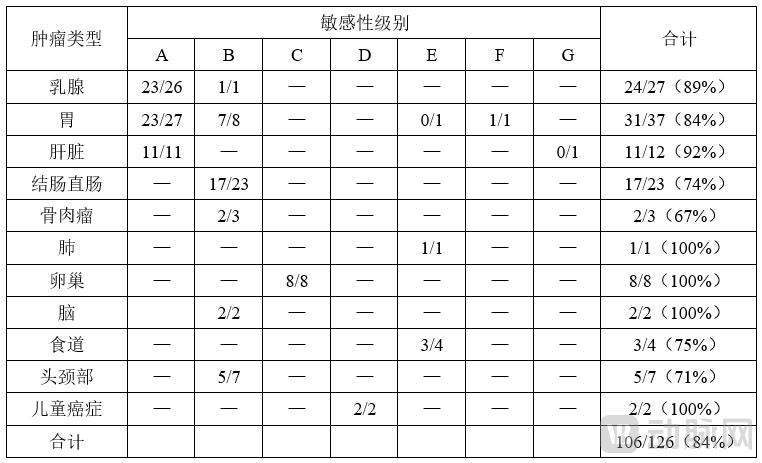 Image source: Suopu Xingda
In 2005, the Phase I clinical trial of TP21 injection was officially completed. The trial was conducted at the Sun Yat-sen University Cancer Center, with Professor Guan Zhongzhen, a senior academic leader in medical oncology in China and a renowned expert in lymphoma, serving as the principal investigator. The study results showed that,TP21 injection demonstrates a favorable safety profile, with lower gastrointestinal reactions and nephrotoxicity than cisplatin, lower hematologic toxicity than carboplatin, and no significant renal impairment.
It is worth noting that,Sophie conducted a head-to-head study of TP21 plus paclitaxel versus carboplatin plus paclitaxel in 2008.This is a multicenter, randomized, controlled, open-label Phase 2 clinical study comparing TP21 injection plus paclitaxel versus carboplatin plus paclitaxel administered intravenously for the treatment of advanced non-small cell lung cancer (NSCLC) (Stage IIIB or IV).[6]. A total of 236 eligible patients were enrolled in this trial, with 118 assigned to the TP21 group and 118 to the carboplatin group. Participants were randomly assigned to receive either the TP21 plus paclitaxel doublet chemotherapy regimen or the carboplatin plus paclitaxel doublet chemotherapy regimen. Treatment was administered once every three weeks as one cycle, for a total of four cycles; if the investigator deemed continued use of the investigational drug potentially beneficial to the patient, treatment could be extended to up to six cycles.
Research results indicate that,Patients in the TP21 group demonstrated greater clinical and survival benefits than those in the carboplatin group.Importantly, subgroup analysis results from the study demonstrated that the TP21 regimen yielded significantly higher post-treatment response rates and disease control rates than the carboplatin regimen in patients with squamous cell carcinoma and stage IV lung cancer.
In addition, in 2020, Suoping Xingda completed a randomized, open-label, parallel-controlled, multicenter exploratory clinical trial (Phase II) to evaluate the efficacy and safety of TP21 injection for transarterial chemoembolization (TACE) in the treatment of hepatocellular carcinoma.[7]. This trial is led by Professor Teng Gaojun, an academician of the Chinese Academy of Sciences, to explore the efficacy and safety of TP21 injection in the treatment of hepatocellular carcinoma via transcatheter arterial chemoembolization (TACE). Using epirubicin hydrochloride, an anthracycline antineoplastic antibiotic, as the control, the study compares the therapeutic differences between TP21 injection alone or in combination with epirubicin hydrochloride for TACE in the treatment of hepatocellular carcinoma.
The independent central review results of this trial showed that,Both the TP21 injection group and the group receiving TP21 injection in combination with epirubicin hydrochloride demonstrated superior objective response rates (ORR) at 1 month and 3 months compared to the epirubicin hydrochloride group.Its clinical outcomes have been published in the journal European Radiology.
It is reported that integrated preclinical and clinical data on TP21 injection demonstrate its therapeutic potential in a variety of solid tumors, covering two-thirds of patients with solid tumors, including hepatocellular carcinoma, breast cancer, gastrointestinal cancers, and pan-gynecologic malignancies.[8]。
Currently, a randomized, open-label, parallel-controlled, multicenter Phase 3 clinical trial to evaluate the efficacy and safety of TP21 injection in transarterial chemoembolization (TACE) for hepatocellular carcinoma has been fully launched. Led by Professor Teng Gaojun, the trial is being conducted across 43 centers nationwide.
Cao Jingting, the person in charge at Suopoxingda, stated, “Preliminary data from the Phase III clinical trial of TP21 injection have been obtained. From an individual case perspective, the progression-free survival (PFS) data for the TP21 injection group are superior to those of the control group.”
Equipped with an integrated production system spanning from raw materials to finished formulations, enabling rapid product commercialization in the future.
As the primary R&D entity of Tongying Group’s pharmaceutical and healthcare division, Suopu Xingda is mainly engaged in preclinical and clinical drug research and undertakes all tasks related to clinical trials and new drug registration for Tongying Group. In addition, the pharmaceutical and healthcare division of Tongying Group owns multiple companies, including Bohui Biopharmaceuticals (Hebei) Co., Ltd., Bohui Biopharmaceuticals Co., Ltd., Yunnan Tongying Pharmaceutical Co., Ltd., Kunming Guiyan Pharmaceutical Co., Ltd., Yunnan Tonghao Biotechnology Co., Ltd., Yunnan Hanchuang Biotechnology Co., Ltd., and Tongying Pharmaceutical (Qingdao) Co., Ltd.
In 2019, Yunnan Tongying Pharmaceutical Co., Ltd. invested in the construction of a biopharmaceutical R&D and production base in the Kunming High-tech Industrial Development Zone to undertake the R&D and manufacturing of TP21 active pharmaceutical ingredients (APIs) and formulations, as well as other platinum-based anticancer APIs. This initiative aims to achieve a 75% domestic market share for platinum-based anticancer APIs and establish China’s largest, most comprehensive, and strongest R&D and production base for platinum-based anticancer drugs.The project is being developed in two phases. Phase I was completed and passed the final acceptance inspection in early 2023, successfully undergoing the GMP on-site inspection for platinum-based active pharmaceutical ingredients (APIs), and has officially commenced production and operations.In addition, in 2021, Tongying Group officially signed an agreement with Qingdao Jufeng Technology Venture Capital Co., Ltd. on the “Qingdao Biomedical Collaborative Innovation Center” project, aiming to establish four centers covering the entire chain of new drug R&D: the New Drug Discovery Center, the National Drug Safety Evaluation Center, the Drug Metabolism Evaluation Center, and the Advanced Formulation Center.
To date, Tongying Group has successfully established a comprehensive pharmaceutical industry system integrating drug R&D, clinical trials, new drug registration, manufacturing, and high-end technology R&D, forming a full-chain layout from front-end R&D to back-end production.
Leveraging Tongying Group’s comprehensive industrial ecosystem, Suopoxingda will capitalize on its R&D and innovation strengths to accelerate the Phase III clinical trials of TP21 Injection, with market launch expected in 2026. At that time, TP21 Injection will rapidly enter the fast track of commercialization, achieving successful market deployment.
Currently, the global number of cancer cases is gradually rising. According to data released by the International Agency for Research on Cancer (IARC) of the World Health Organization, there were approximately 20 million new cancer cases and 9.7 million cancer deaths worldwide in 2022. With population aging, population growth, and changes in risk factors, the number of new cancer cases globally is projected to exceed 35 million by 2050, further increasing the global cancer burden.[9]。
According to domestic data, the latest 2022 figures from the National Cancer Center indicate that China recorded 4.8247 million new cancer cases in 2022. Among these, there were 367,700 new cases of liver cancer and 316,500 deaths. Both the incidence and mortality of liver cancer rank among the top five across all cancer types.[10]。
Behind the vast patient population lies a continuously growing demand for treatment. As cornerstone agents in oncology therapy, platinum-based drugs remain one of the key therapeutic options for patients. According to a report released by QYResearch, the global market size of platinum-based anticancer drugs was approximately RMB 10 billion in 2022 and is projected to reach RMB 11.6 billion by 2029, with a compound annual growth rate (CAGR) of 2.1% from 2023 to 2029.[11]。
In response, Sopu Xingda’s TP21 injection will leverage its unique advantages and broad potential to enter this multi-billion-dollar market, with the promise of filling gaps in the platinum-based drug sector and providing patients with more precise and effective treatment options. Building on this foundation, Sopu Xingda will increase innovation investments throughout the entire R&D lifecycle of TP21, deeply integrating upstream and downstream product development activities to unlock and expand the therapeutic potential of the product.
Therefore, in the future,Suopuxing will leverage the advantages of TP21, such as its broad-spectrum activity and low cross-resistance, to explore its potential in the treatment of other cancers, including lung cancer and prostate cancer, thereby expanding the product’s indications. Meanwhile, the company plans to develop second-generation TP21 liposomal microsphere drug-loading technology or reverse thermal-controlled embolic agents to create a new generation of embolic materials.
Suopoxingda is seeking partnerships with enterprises that possess R&D capabilities and distinctive strengths to jointly advance the commercialization of TP21 Injection and the development of new indications. If you are interested in this product, please scan the QR code below to contact us.

References:
1. Expert Consensus on the Clinical Application and Adverse Reaction Management of Platinum-Based Drugs. Pharmacy Today, 2019. 29(09): 577-585.
2. Y. XuQing, J. XiangLin, S. QinHua, et al., Structural studies of dicycloplatin, an antitumor supramolecule.SCIENCE CHINA Chemistry, 2010. 53(6): 1346 - 1351.
3. Zhang Jie. Cultivating the Path of Independent Innovation: The Ascent of Professor Yang Xuqing, Principal Inventor of the Novel Anticancer Drug Lobaplatin. Science Chinese, 2008(03): 8-13.
4. G.Q. Li, X.G. Chen, X.P. Wu, et al., Effect of dicycloplatin, a novel platinum chemotherapeutical drug, on inhibiting cell growth and inducing cell apoptosis.PLoS One, 2012. 7(11): e48994.
5. Yan Changhui, Shi Chang, Li Yufeng, et al., Comparative Study on the In Vivo Toxicity of the Novel Platinum Drug Bicycloplatin versus Cisplatin and Carboplatin. Chinese Journal of New Drugs, 2005(10): 36-39.
6. K.J. Liu, Z.Z. Guan, Y. Liang, et al., A double-blind, randomized phase II study of dicycloplatin plus paclitaxel versus carboplatin plus paclitaxel as first-line therapy for patients with advanced non-small-cell lung cancers.Arch Med Sci, 2014. 10(4): 717-24.
7. H.D. Zhu, X. Li, J.S. Ji, et al., TACE with dicycloplatin in patients with unresectable hepatocellular carcinoma: a multicenter randomized phase II trial.Eur Radiol, 2022. 32(11): 7335-7343.
8. Zhang S, Chen M, Yin H, et al. Retrospective analysis of the efficacy and safety of lobaplatin in the treatment of malignant tumors. Journal of Pharmaceutical Practice, 2020. 38(02): 179-183.
9. IARC. Global cancer burden growing, amidst mounting need for services. 2024; Available from: https://www.who.int/news/item/01-02-2024-global-cancer-burden-growing--amidst-mounting-need-for-services.
10. B. Han, R. Zheng, H. Zeng, et al., Cancer incidence and mortality in China, 2022.J Natl Cancer Cent, 2024. 4(1): 47-53.
11. QYResearch. Research Report on the Global and Chinese Platinum-Based Anticancer Drug Industry and Analysis of the 14th Five-Year Plan (2023-2029). 2023; Available from: https://cn.qyresearch.com/reports/1811541/platinum-based-anticancer-drugs.