

Peking Union Medical College Hospital to Transfer Wound Healing Patent for RMB 100,000
Recently, Peking Union Medical College Hospital issued a public notice regarding its proposed transfer of the patent rights for “A Preparation Device for Autologous Skin Cell Suspension” to Jiangxi Boshen Medical Device Co., Ltd. for RMB 100,000. The transaction is currently in the public notice period.
This patent was developed by the team led by Professor Liu Zhifei from the Department of Plastic and Reconstructive Surgery at Peking Union Medical College Hospital. Professor Liu Zhifei possesses profound expertise in facial and neck surgery, reconstructive treatment of large scars resulting from trauma or burns, correction of congenital deformities, aesthetic breast surgery, body contouring of the trunk and extremities, plastic and aesthetic surgery of the male external genitalia, as well as plastic surgical management of refractory wounds, ulcerative wounds, and diabetic foot.
The transferee, Jiangxi Boshen Medical Device Co., Ltd., according to its official website, specializes in medical devices and comprehensive services across the three domains of “prevention, diagnosis, and treatment.” Its product portfolio includes 308nm ultraviolet phototherapy units and sterile disposable skin microneedling rollers.
, skin wound-inducing gel dressings, etc.
Currently, autologous skin grafting is the primary technique for wound repair; however, limited skin availability and donor-site morbidity have long posed significant challenges, particularly for patients with extensive burns. Consequently, maximizing the coverage of larger skin defects while minimizing donor-site damage has become a key focus in the research and development of skin grafting technologies in recent years.
Autologous Active Epidermal Cell Suspension Transplantation and Regeneration Technology is a widely applied technical solution for trauma, burns, scars, and skin defects. This technology leverages the body’s inherent skin regenerative capacity by preparing a cell suspension from autologous healthy skin grafts to promote skin growth.
The prepared skin cell suspension can be directly applied or sprayed onto skin wounds treated with a micro-power system, for the treatment of stable vitiligo, post-acne scars, and superficial scars.
Currently, the methods for preparing skin cells include mechanical preparation and enzymatic digestion.
Among these, the mechanical preparation method involves directly obtaining cells from small skin tissue fragments through grinding, centrifugation, and other techniques. This method is characterized by a cumbersome process, poor efficacy, and significant cell damage. In contrast, the enzymatic digestion method involves treating skin tissue with digestive enzymes and then harvesting cells via surgical scraping. The surgical scraping technique imposes stringent requirements on the skin grafts; it is easier to perform on larger, smooth, and intact grafts, but more difficult on smaller, irregular ones. Furthermore, after filtration of the scraped cells, considerable residual tissue remains, and a substantial number of cells fail to be harvested.
“A Device for Preparing Autologous Skin Cell Suspension” is designed precisely to address these issues. The device comprises a digestion unit, a digestive enzyme washing unit, a first cell separation unit, and a second cell separation unit.
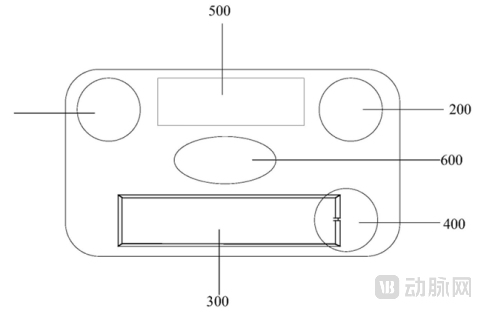
Device Schematic Diagram
Compared with the aforementioned mechanical preparation method and digestive enzyme preparation method, this device for preparing autologous skin cell suspensions operates as follows: when the digested skin tissue is in large fragments, the first cell separation unit can be used to scrape the digested skin tissue to obtain a first skin cell suspension and skin tissue residues; at this stage, the skin tissue residues are in small fragments. The skin tissue residues are then transferred via the cell outlet of the first cell separation unit to the second cell separation unit for further processing, yielding a second skin cell suspension. When the digested skin tissue is already in small fragments, the second cell separation unit can be used directly to process the digested skin tissue, thereby obtaining a third skin cell suspension.
In simple terms, the above process means that whether the skin tissue is in large or small pieces, it can be processed through the first and second cell separation units to achieve more complete skin cell separation, improve separation efficiency, and thereby obtain a larger volume of skin cell suspension.
For patients, particularly those with extensive burns, this technique significantly reduces the required donor site area compared to traditional autologous skin grafting, thereby minimizing donor site morbidity. Meanwhile, the autologous skin cell suspension contains keratinocytes, fibroblasts, and melanocytes in proportions similar to those found in normal skin, which helps maintain tissue homeostasis during wound repair, promotes healing and regeneration toward normal skin architecture, reduces patient pain and recovery time, decreases postoperative scarring, and improves the aesthetic outcome of the wound.
Since the National Science Foundation first proposed the concept of “tissue engineering” in 1987, tissue-engineered skin technology has made significant progress over the past 37 years, with some products successfully entering clinical application. These products not only effectively promote wound healing and induce reconstruction of neodermal tissue, thereby significantly improving the quality of wound repair, but also enable rapid expansion of epidermal cells, providing a valuable source of skin grafts for patients with extensive deep burns.
Given that autologous active epidermal cell suspension transplantation and regeneration technology involves multiple disciplines, including cell biology, materials science, biochemistry, transplantology, and physics, it presents high technical barriers. Consequently, there are currently few approved related products worldwide. Taking this opportunity, VCBeat’s Orange Bureau provides a brief overview; readers are welcome to point out any omissions.
ReCell: The pioneering product in autologous cell regeneration therapy, with the most mature and widespread application
ReCell was pioneered and introduced into clinical practice in 1992 by Australian dermatology experts. As the pioneering product in this field, it is currently the most mature and widely used option. In many European countries, it has been incorporated into routine clinical treatment for various skin conditions, including traumatic skin injuries, burns, scar revision, and pigmentary disorders.
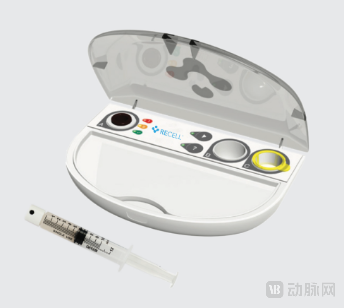
Image from Avita Medical
In 2008, the technology was approved by the National Medical Products Administration for introduction into China. It is indicated for wounds from first-degree, superficial second-degree, and deep second-degree burns, as well as for scar revision and pigmentation disorders. For full-thickness skin injuries such as third-degree burns, ReCell can be combined with dermal substitutes and other therapeutic modalities to achieve favorable outcomes.
The core of ReCell technology lies in harvesting epidermal cells from the patient’s healthy skin. Based on the principle of cell division, a superficial skin sample is obtained and digested with trypsin in a specialized culture medium to prepare a cell suspension. This suspension is then sprayed onto the patient’s vitiligo lesions, promoting rapid regeneration and proliferation of melanocytes, thereby restoring normal skin pigmentation and achieving the therapeutic goal of treating vitiligo.
The advantage of ReCell technology lies in its ability to provide an ample supply of keratinocytes, which are critical for the healing of skin wounds. Its key highlight is achieving cell viability and cell counts that match or even surpass those of traditional cell separation methods in a shorter timeframe.
Furthermore, this technology effectively maintains tissue homeostasis by providing various cell types in proportions similar to those of normal skin cells, ensuring uniform repigmentation in the recipient area and scar-free healing at the donor site, thereby demonstrating multiple advantages of safety, reliability, and significant efficacy.
“Autologous Epidermal Cell Transplantation”: Only a piece of normal skin the size of a fingernail is needed to provide sufficient skin sources for patients with large-area deep burns.
Jiaofa Herui/Hezhaorui Biotechnology is a group biomedical company with a medical device production base in Rizhao, Shandong, and R&D and cell preparation centers in Shanghai, primarily focusing on medical devices for skin wound repair and cell tissue engineering technologies.
Jiaofa Herui has overcome the technical challenges of epidermal cell culture by continuously adjusting ratios and optimizing processes, thereby independently mastering the “In Vitro Cell Culture Skin Cell Transplantation” technique. This technology serves as a crucial adjunctive medical treatment for extensive burns (TBSA >30%) and can also be applied to conditions such as scars, skin pigmentation disorders, skin ulcers, and deep skin defects.
The operational procedures for the two products mentioned above both follow a “1. Isolation – 2. Application” sequence, whereas Jiaofa Herui’s “Autologous Epidermal Cell Transplantation” technique involves a four-step process: “1. Isolation – 2. Culture – 3. Film Formation/Epidermal Sheet Preparation – 4. Application,” which is implemented in conjunction with tissue engineering material technologies, enablingIt achieves cell isolation yield and viability several times higher than those abroad, along with stable proliferation performance for over 20 passages.
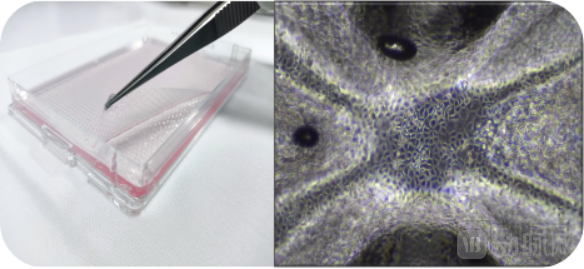
Cultivated Autologous Epidermal Cell Sheet
Leveraging Jiaofa Herui’s proprietary platform for cell isolation and expansion, this technology has established a highly efficient, xeno-free, clinical-grade tissue engineering system. By harvesting only a minute amount of the patient’s own normal skin (approximately 2 cm²), clinically required tissue-engineered skin cell sheets can be prepared within 10–14 days. This approach not only fully meets therapeutic needs but also mitigates clinical risks associated with animal-derived products such as serum and pituitary extracts.
Furthermore, the autologous epidermal graft sheets provided by “In Vitro Cultured Skin Cell Transplantation” feature an ultra-thin transparent covering film that does not require replacement within 7 to 10 days post-transplantation; only observation and dressing changes of the outer gauze are needed. This significantly facilitates nursing care for medical staff, shortens the healing cycle, reduces scar formation, and effectively improves treatment success rates.
Currently, “autologous epidermal cell transplantation” has been adopted or implemented at multiple medical institutions, including Shanghai Changhai Hospital, Ruijin Hospital Affiliated to Shanghai Jiao Tong University School of Medicine, and the General Hospital of the People's Liberation Army in Jinan.
Recommended Reading:“New Breakthrough in Wound Healing: Jiaofa Herui Bio’s ‘Skin Cell Transplantation’ Fills the Commercial Gap in China”
When we step back from the perspective of specific products and examine the broader landscape, it becomes evident that the entire wound care market is experiencing growing demand. This trend is driven by population aging, an increasing number of surgical patients, rising prevalence of diabetes and obesity, and heightened attention to chronic wound care—such as pressure ulcers and other ulcers closely associated with the elderly. Tissue-engineered skin holds immense application potential, and the field of wound repair remains a vast, untapped blue ocean.