

County-Level Medical Advancement and Regional Testing Intelligence Initiative Files IPO Prospectus
“The Third Plenary Session of the 20th Central Committee of the Communist Party of China has clarified six key tasks for deepening the reform of the medical and healthcare system, with nearly every task placing county-level areas and county hospitals at the forefront of historical importance. These range from macro-level initiatives—such as promoting high-quality development of public hospitals, building county-level medical consortia, and establishing a tiered diagnosis and treatment system with a focus on primary care—to micro-level priorities, including performance evaluations in national examinations, safeguarding the medical insurance fund, reducing patient referrals outside the county, and advancing specialty development.”
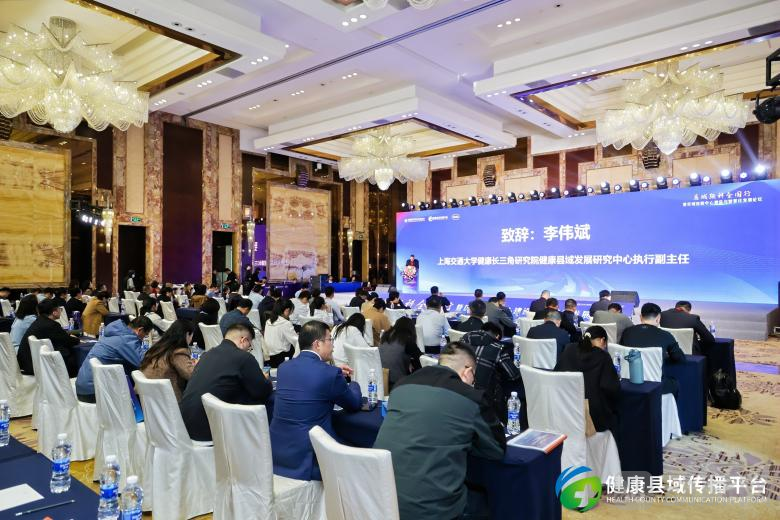
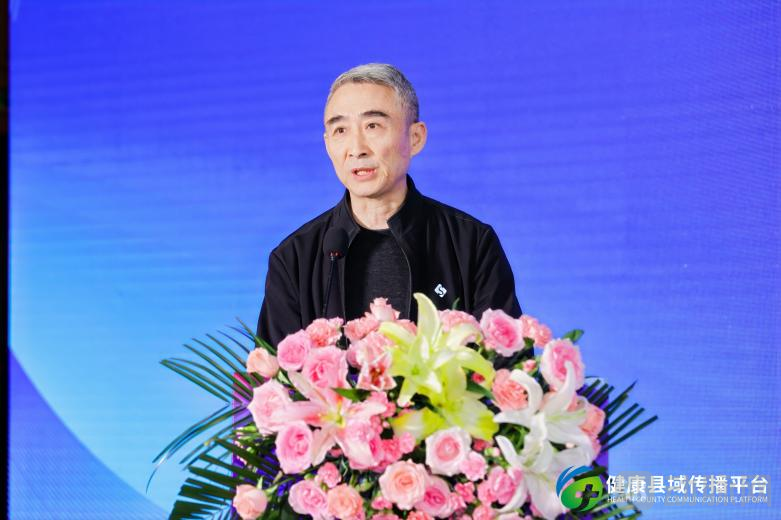
InOctober 19held in Jiaozhou City, Shandong Province"National Tour for Strengthening County-Level Departments & Forum on the Construction and Smart Development of Regional Laboratory Centers"above,Li Weibin, Executive Deputy Director of the Health County Development Research Center at the Yangtze River Delta Health Research Institute, Shanghai Jiao Tong UniversityTo set the tone from the outset, he pointed out: “County and city hospitals are deeply rooted in local communities and possess strong vitality. In building regional medical laboratory centers, we must have the courage to innovate, mobilize joint efforts from government, industry, academia, and end-users, and strive to achieve the goals of high quality, efficiency, interconnectivity, and mutual recognition and trust, thereby enhancing patient experience and satisfaction.”
Hosted by the China Association for Medicine and Health Culture, organized by the Healthy County Communication Platform, and supported by Roche Diagnostics through public welfare initiatives, the conference focused on the development of tightly integrated county-level medical consortia, the national performance evaluation of public hospitals, and the establishment of regional medical laboratory centers. It attracted over 150 participants, including experts, decision-makers from county-level hospitals, academic leaders, and representatives from relevant enterprises across 16 provinces.
A close examination of policies reveals that the establishment of regional medical laboratory centers has a long history. As early as 2015, the General Office of the State Council issued the Guiding Opinions on Promoting the Construction of a Tiered Diagnosis and Treatment System, which first proposed the development of regional laboratory centers to promote the sharing of testing resources and mutual recognition of results. In particular, with the release of a series of landmark documents, including the Guiding Opinions on Promoting the Construction and Development of Medical Consortia, the Guiding Opinions on Comprehensively Promoting the Construction of Close-knit County-level Medical Communities, and the Work Plan for Enhancing the Comprehensive Capabilities of County Hospitals under the “Thousand Counties Project” (2021–2025), it has become imperative to establish resource-sharing centers, represented by medical laboratory centers, within close-knit urban medical groups and close-knit county-level medical communities. With the implementation of these policies, the development of medical laboratory centers across various regions is progressing vigorously.
Zhang Ruiheng, Vice President of the China Association for Medicine and Health CultureIntroduction: In recent years, the state has attached great importance to improving the healthcare experience and enhancing patient satisfaction. Promoting mutual recognition of laboratory and imaging test results, further increasing the utilization efficiency of medical resources, and reducing the financial burden of healthcare on the public have become a widely acclaimed initiative deeply rooted in public sentiment. The establishment of regional medical laboratory centers plays a significant role in the development of closely integrated county-level medical consortia and in advancing the specialization of clinical departments in county hospitals.
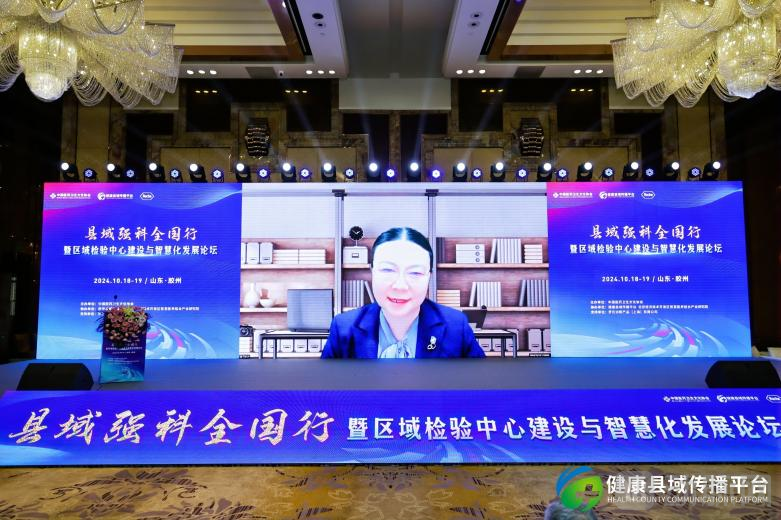
“Qingdao is one of the 81 pilot cities in China for the development of tightly integrated urban medical groups. The holding of this conference in Jiaozhou, Qingdao, undoubtedly holds milestone significance.”Du Wenjian, Executive Vice President and Secretary-General of the Shandong Provincial Primary Health Care AssociationShe extended her congratulations to the conference online. Regarding the establishment of the Regional Medical Laboratory Center, she pointed out that, as a key discipline within the “Twenty Major Centers” initiative, the development of this center is not only an essential pathway for enhancing the capabilities of county-level hospitals but also a significant measure to strengthen the specialized capacity of medical laboratory services and improve the standardization of testing practices.
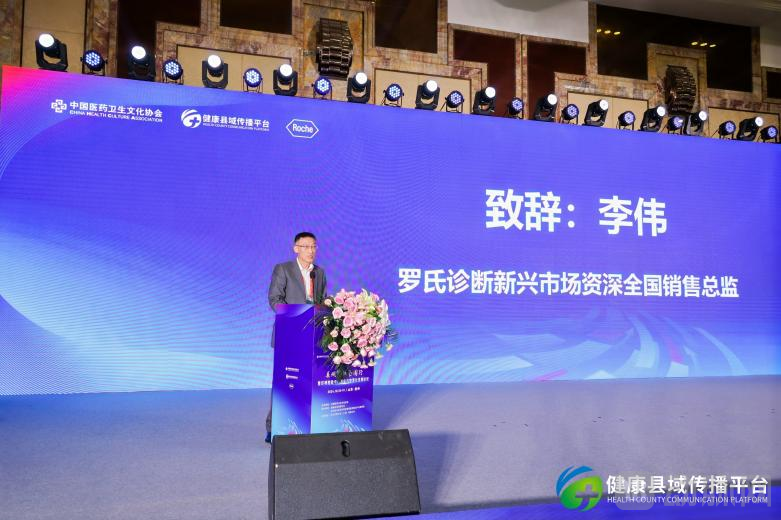
As a public welfare supporter, Roche Diagnostics has actively responded to the national call in recent years to extend high-quality medical resources to county-level areas. Leveraging its profound expertise and innovative strengths in the field of in vitro diagnostics, and guided by digital intelligence, Roche Diagnostics is promoting the high-quality development of laboratory medicine at the county level.Li Wei, Senior National Sales Director for Emerging Markets at Roche DiagnosticsIntroduction: The scientific allocation and efficient sharing of medical resources are particularly important. “We must not only deepen the connotative development of laboratory medicine,It is also essential to fully leverage the resource-sharing advantages of medical consortia., join hands to build county-level regional clinical laboratory centers, extensively introduce cutting-edge technologies and equipment, promote the intelligent transformation of laboratories, achieve mutual recognition and sharing of test results, and help enhance the comprehensive capabilities of county and city hospitals.”
Since 2015, public hospitals across China have actively explored and practiced the establishment of regional clinical laboratory centers, yielding numerous mature experiences and benchmark cases.
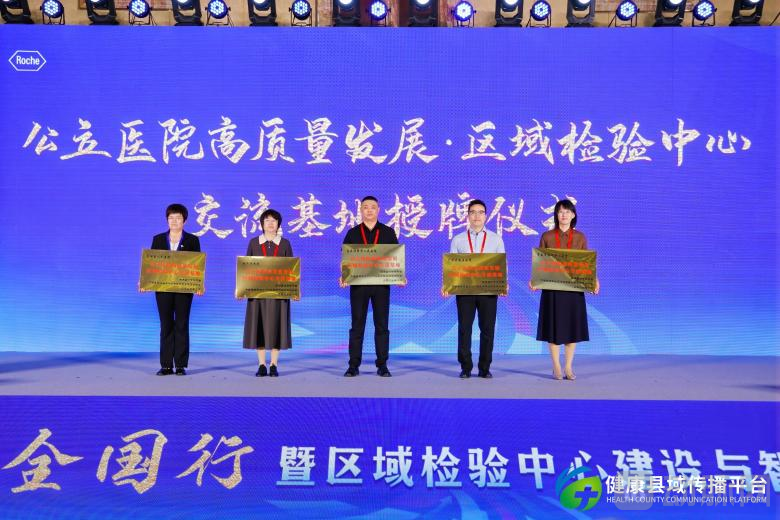
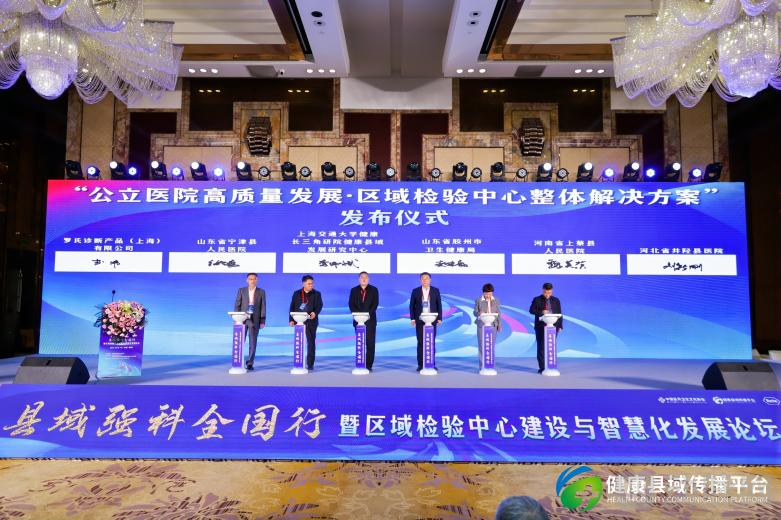
At the conference, the Medical Alliance Promotion Branch of the China Association for Medicine and Health Culture and the Healthy County Communication Platform awarded plaques to five regional laboratory center exchange bases (Jiaozhou Central Hospital in Qingdao, Shandong Province; Guangzhou Development District Hospital; People’s Hospital of Ulanhot, Inner Mongolia; Shenmu City Hospital in Shaanxi Province; and Jiaxiang County People’s Hospital in Shandong Province) and released the “Integrated Solution for Regional Laboratory Centers.”
Subsequently, multiple experts and hospital administrators delivered insightful keynote presentations.
Currently, the trend of healthcare resource allocation in China concentrating in large hospitals has not been fundamentally reversed; the upward shift in service utilization remains to be addressed, with costs following the concentration of services. However, since 2009, county-level hospitals have shown strong development momentum: resources such as personnel and hospital beds have continued to increase, while outpatient visits, hospital admissions, and their respective proportions have steadily risen.
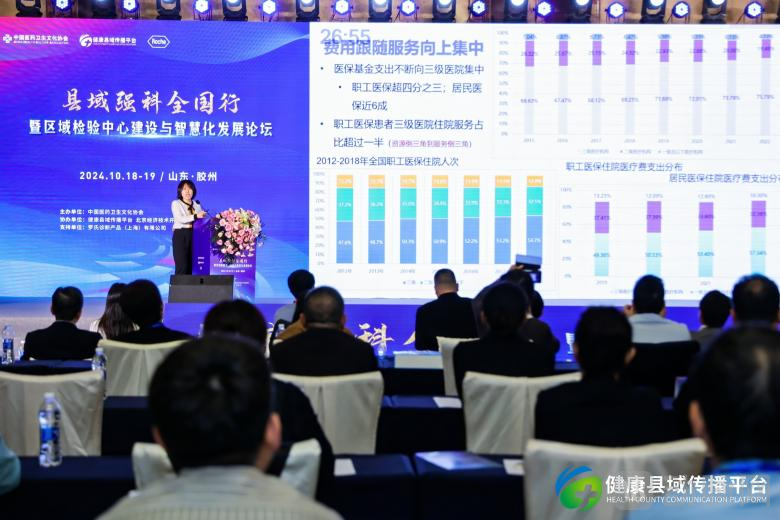
Zhang Xiaojuan, Researcher at the Center for Health and Medical Insurance Policy Research, Institute of Medical Information, Chinese Academy of Medical SciencesIntroduction: Under the new circumstances, China’s guidelines for health and healthcare work prioritize primary care, are driven by reform and innovation, emphasize prevention, place equal importance on traditional Chinese medicine and Western medicine, integrate health into all policies, and promote joint participation and shared benefits among the people. To achieve this goal, it is essential to firmly grasp the key instrument of closely integrated county-level medical and health consortia.
At the national level, the construction of medical consortia has achieved remarkable results: By the end of August 2024, the number of close-knit county-level medical consortia had grown to 2,171. In 90.9% of counties, personnel dispatched from county-level hospitals provided full coverage of services at township health centers, and nearly 91% of counties assigned staff from county-level institutions for long-term stationed service at the township level. From 2018 to 2022, in pilot areas for close-knit county-level medical consortia, the proportion of patients treated within their respective counties rose from 81.8% to 89.9%, while the share of outpatient and emergency visits at primary healthcare institutions increased from 55.8% to 62.7%. The proportion of lead hospitals meeting the recommended standards for comprehensive capabilities of county-level general or traditional Chinese medicine (TCM) hospitals increased from 43.2% to 55.9%. Additionally, the proportion of Level III and IV surgeries performed by lead hospitals rose from 30.3% to 46.9%. In 2023, monitoring and evaluation continued across 828 pilot counties nationwide, with over 80% of counties (districts) meeting the criteria for close-knit integration.
2024 marked the final year of the Three-Year Action Plan for Payment Reform under Diagnosis-Related Groups (DRG) and Big Data Diagnosis-Intervention Packet (DIP), with initial results of the DRG/DIP reform beginning to emerge. However, as a long-term and systematic endeavor, the DRG/DIP reform requires continued advancement; in particular, the level of precision in the reform needs further enhancement, and its guiding role on the supply side of pharmaceutical and medical services remains to be fully leveraged. In July this year, the grouping scheme for DRG/DIP Version 2.0 was implemented.
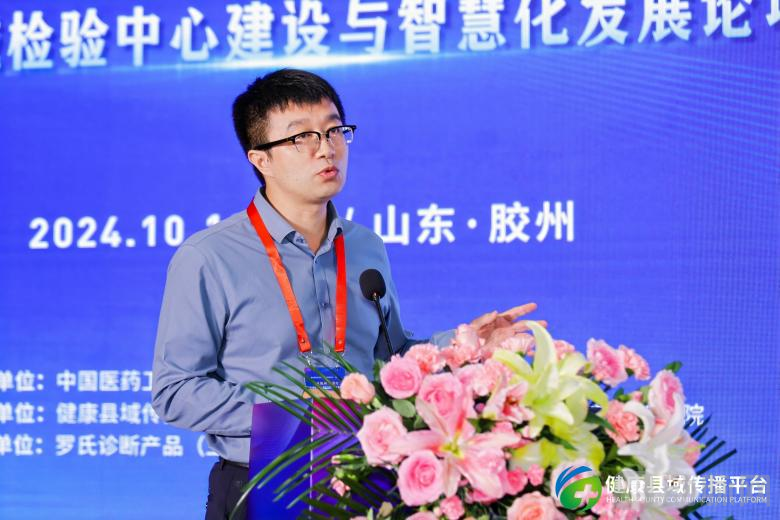
Wu Hao, Executive Dean of the Dabie Mountain Branch and Deputy Dean of the Shangjie Branch of the Second Affiliated Hospital of Zhengzhou University, analyzed that, inRegarding DRG/DIP reforms, public hospitals face three major challenges: performance-based compensation distribution, discipline development, and assessment metrics. How should these be addressed? He also proposed several recommendations: first, leverage health information technology to strengthen refined management; second, optimize medical record front-page management, which includes enhancing filing management, strengthening discipline development, standardizing clinical pathway management, reducing costs, and making effective use of data.
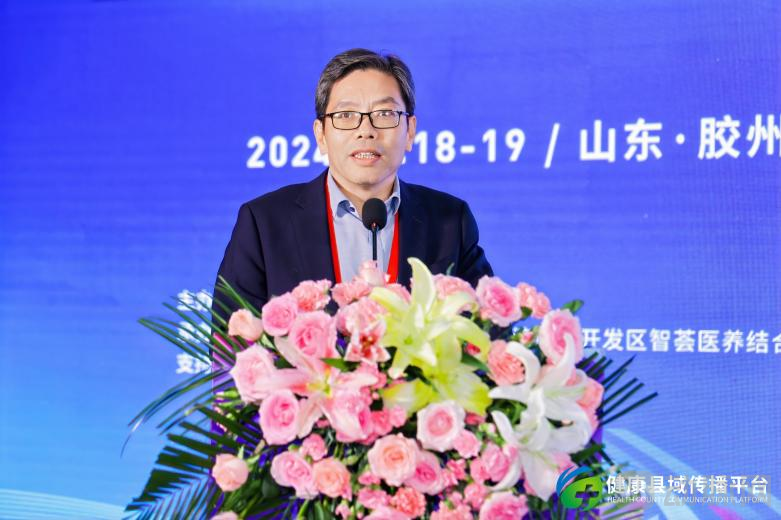
Jiaozhou Central Hospital of Qingdao CityFounded in 1943, the hospital has adhered to high-quality development as its core theme, driven by reform and management innovation, with the aim of meeting the public’s health needs. It has precisely implemented strategies for enhancing internal capabilities and pursuing high-quality growth, comprehensively advancing party building, medical technology, quality and safety, service efficiency, as well as scientific research and education, striving to become a high-quality, modern Grade A tertiary hospital.
Gong Rongquan, Vice President of the HospitalIntroduction: The hospital once faced practical challenges such as "difficulty in obtaining effective policy support, lagging hardware implementation, and weak core competitiveness." To explore a way to break through these bottlenecks, it formulated a development strategy of "connecting with renowned experts at the higher level, delivering advanced medical techniques to the grassroots level, introducing distinguished specialists from outside, and cultivating key departments internally," while implementing other supporting measures. By firmly focusing on the central theme of medical quality and safety, and improving the care environment through a combination of targeted and comprehensive approaches, the hospital achieved rapid development:
In late 2022, it was approved as the Northern Jiaozhou Bay Regional Medical Center; in November 2023, the Qingdao People’s Hospital Group was established; and in May 2024, it successfully passed the on-site evaluation for the Grade III Class A hospital accreditation.
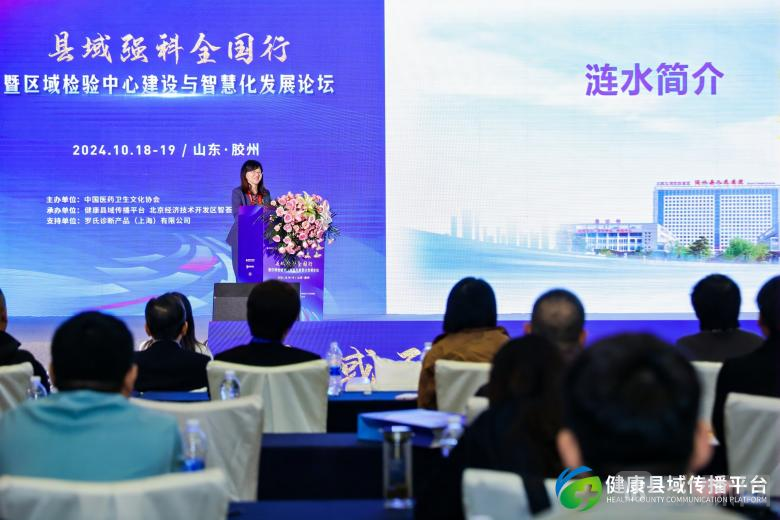
In the 2022 performance assessment results for tertiary public hospitals released by the National Health Commission,Lianshui County People's Hospital, Jiangsu ProvinceScored 753.6 points, an increase of 64.55 points from 2021; ranked 308th among 1,415 tertiary general hospitals, an improvement of 48 places from 2021; ranked 308th nationally, 33rd in the province, and 2nd in the city, with a ranking percentile of 21.78%.
Pu Juan, President of the Hospital: Some Thoughts and Prospects on the Performance Assessment of Tertiary Public Hospitals
First, enhance the quality of medical services by continuously improving medical technologies and equipment, raising the professional competence of healthcare personnel, and strengthening patient safety management to ensure that patients receive safe, effective, and human-centered medical care. Second, strengthen scientific research and academic development, cultivate high-level medical talent, and promote technological innovation and medical advancement. Third, deepen hospital management reforms to improve efficiency and service quality, enhance collaboration with various sectors of society, and bolster the hospital’s social responsibility and public credibility. Fourth, strengthen workforce development by providing favorable career development environments and training opportunities for talent, thereby motivating healthcare professionals to leverage their expertise and innovative spirit. Fifth, enhance cooperation with communities to advance health education and preventive healthcare initiatives, thereby improving the health status of community residents.
The Clinical Laboratory Homogenization Technology Management Platform in Qingpu District, Shanghai, is the first and currently the only one of its kind in Shanghai.Gong Qian, Director of the Department of Clinical Laboratory, Qingpu Branch of Zhongshan Hospital Affiliated to Fudan University, ShanghaiShared insights on the establishment of regional medical laboratory centers based on practical experience.
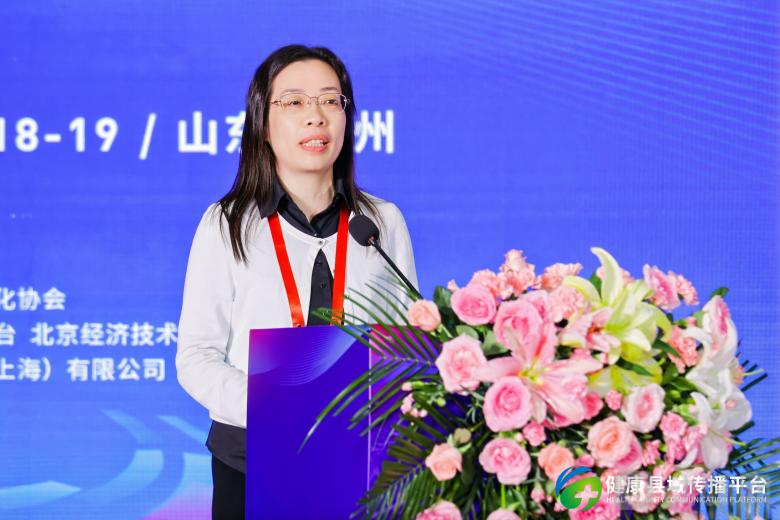
She pointed out that there is no "best" planning and design, only the most suitable. Laboratory management effectively begins with its planning and design, which should adhere to six core principles: safety, standardization, convenience, practicality, aesthetics, and environmental protection. Regarding corridor design, separate access routes should be established for medical staff, patient specimens, equipment and reagent consumables, and waste. In terms of internal workflow design, a "four-flow" system should be created—namely, personnel flow, material flow, specimen flow, and waste flow—to ensure the separation of people from goods and clean items from contaminated ones.
Regional Laboratory Centers Must Keep Pace with the Times to Meet New Clinical Demands: Faster, More Accurate, and More Comprehensive. They Should Serve as Laboratory Medicine Experts at Clinicians’ Side, Convey the Value of Laboratory Testing in Disease Management, Standardize the Application of Laboratory Tests Along Clinical Pathways, and Build a Bridge for Communication Between Clinical and Laboratory Professionals. In the Future, Human-Centered Design and Intelligent Solutions Will Be Two Key Considerations for Regional Laboratory Centers.
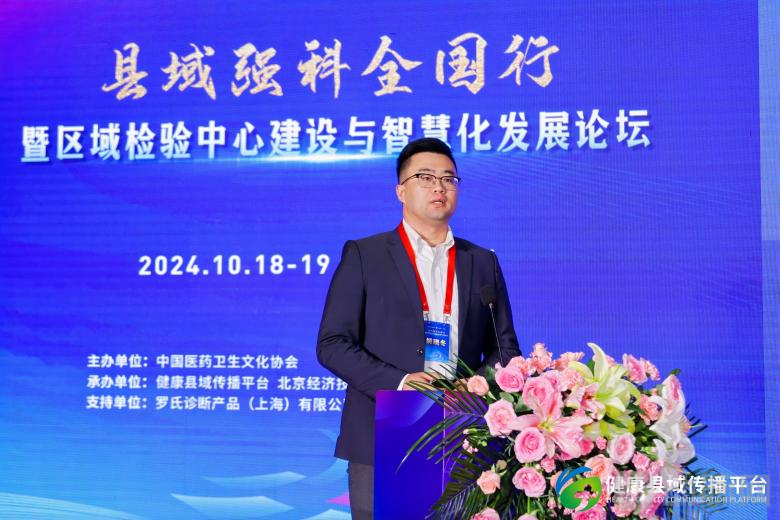
Xie Xiaodong, Integration Specialist, Roche Diagnostics SolutionsAlso shared the “Roche Solutions for Supporting High-Quality Development of Public Hospitals” at the conference.
This initiative prioritizes the enhancement of high-level hospitals, key specialties, high-quality talent, and smart hospital capabilities. Its goal is to help establish a public hospital system that is vertically integrated, regionally coordinated, integrates medical care with disease prevention, emphasizes both traditional Chinese medicine and Western medicine, and delivers high-quality, efficient services by 2025. The plan also provides a detailed case study on laboratory construction, demonstrating how lean laboratory design and process optimization can improve medical technology and healthcare quality.
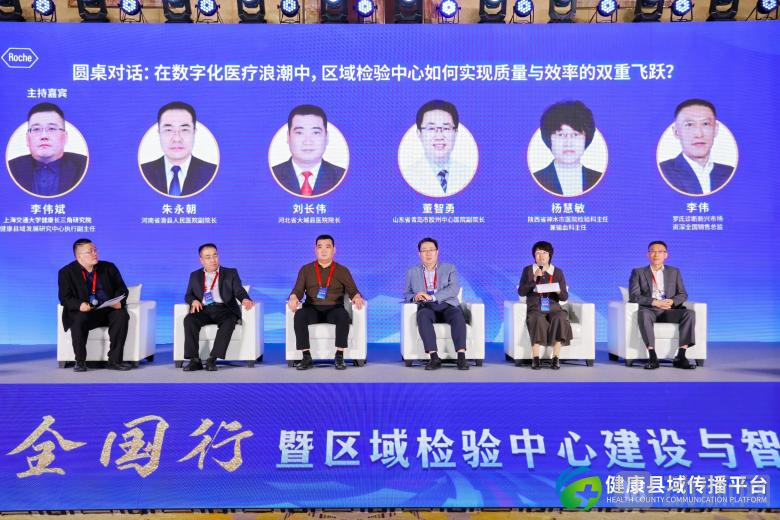
“How Can Regional Clinical Laboratories Achieve a Dual Leap in Quality and Efficiency Amid the Digital Healthcare Wave?” Multiple experts engaged in an in-depth discussion on this topic.
[Profile Photo] Zhu Yongchao, Vice President of Hua County People's Hospital, Henan Province:Huaxian County’s Regional Laboratory Center officially commenced operations in 2016 and has been functioning well overall. To enhance the quality and efficiency of the regional laboratory center, three recommendations are proposed: First, improve and strengthen the management system of the regional center, ensuring that personnel management, equipment management, consumables management, and quality management all comply with established standards. Second, establish and implement a mechanism for mutual recognition of test results. Third, optimize service workflows and improve service efficiency by fully leveraging advanced information management systems to further ensure the accuracy and reliability of test results.
Add profile photo: Liu Changwei, President of Dacheng County Hospital, Hebei Province;The development of regional clinical laboratory centers is particularly important, as it can not only improve work efficiency and reduce operational costs but also increase benefits while ensuring medical safety. County-level medical institutions can optimize, integrate, and share laboratory resources based on the medical community platform to maximize resource utilization. Greater emphasis should be placed on the application of automated and intelligent assembly line equipment to further enhance testing efficiency and accuracy.
Profile photo: Dong Zhiyong, Vice President of Jiaozhou Central Hospital in Qingdao City, Shandong Province;Digital healthcare is not merely a technological innovation, but also an optimization of processes and a transformation of service models. The hospital has launched a series of digitalization initiatives, including the development of a unified information management system, the introduction of automated testing equipment and intelligent management software, and the establishment of a rapid response mechanism for abnormal situations. Supported by these hardware and software advancements, human errors in laboratory testing and patient waiting times have been significantly reduced, leading to a marked improvement in patient satisfaction.
Add a profile photo: Yang Huimin, Director of the Department of Clinical Laboratory and Director of the Department of Blood Transfusion at Shenmu Hospital in Shaanxi Province;Driven by the reform of tightly integrated county-level medical communities, the hospital has actively responded to the national “14th Five-Year Plan” Thousand-County Project by establishing shared centers for medical laboratory testing and other services. Seizing this opportunity, the hospital’s Department of Clinical Laboratory has achieved rapid development, currently offering 398 test items. In October 2023, it successfully obtained ISO 15189 accreditation, becoming the first county-level hospital in Shaanxi Province to achieve this recognition. Nevertheless, further improvements are still needed in areas such as intelligence, automation, resource integration, and personnel training.
Add profile photo: Li Wei, Senior National Sales Director for Emerging Markets at Roche Diagnostics:Amid the rapid development of digital healthcare, regional clinical laboratories, particularly those at the county level, are encountering unprecedented opportunities and challenges.Leveraging its comprehensive planning and sustained efforts across key areas—including intelligent solutions, advanced automation equipment, efficient digital management systems, extensive cross-regional collaboration, systematic cultivation of professional talent, in-depth expansion into county-level markets, and close cooperation in localized production and services—Roche Diagnostics is driving a dual leap in both quality assurance and efficiency enhancement for county-level regional laboratory centers.
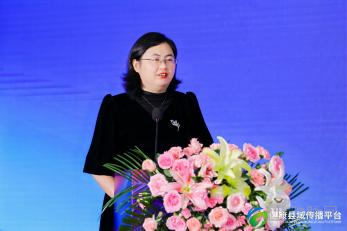
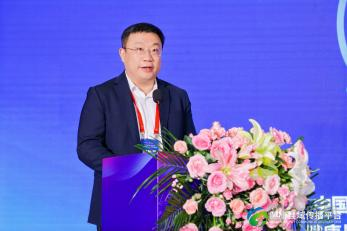
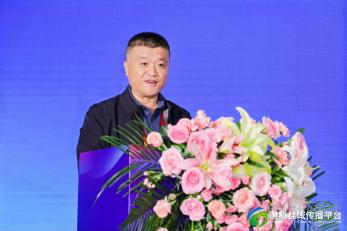
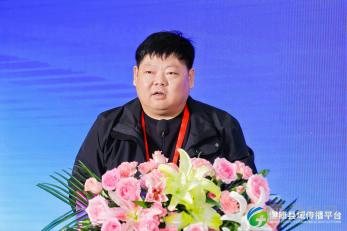
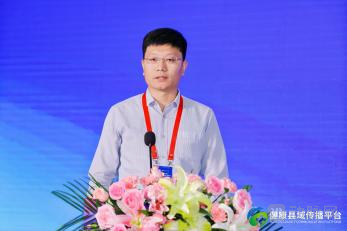
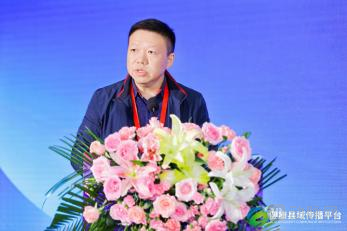
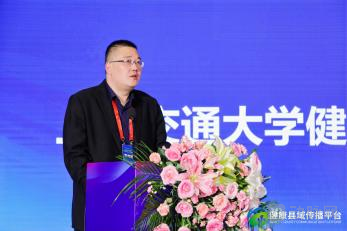
This conference established a valuable platform for exchange to promote the high-quality development of county-level regional clinical laboratory centers. Under the joint moderation by Wan Xiaoxiao, Deputy Editor-in-Chief of the Healthy County Communication Platform; Zhao Jianlei, Party Secretary and Director of the Jiaozhou Municipal Health Bureau in Shandong Province; Liu Xingang, President of Jingxing County Hospital in Hebei Province; Yang Honghua, President of the Central Hospital of the TieLi City Medical Community in Heilongjiang Province; Meng Xiangyong, Vice President of Ningjin County People’s Hospital in Shandong Province; Yu Du, Vice President of Dalang Hospital in Dongguan City, Guangdong Province; and Li Weibin, Executive Deputy Director of the Healthy County Development Research Center at Shanghai Jiao Tong University’s Yangtze River Delta Health Research Institute, the distinguished guests delivered insightful presentations and engaged in in-depth discussions. Their contributions provided rich perspectives and valuable references for the future development of county-level regional clinical laboratory centers.
During the conference, attendees also visited Qingdao Jiaozhou Central Hospital for an on-site tour, gaining in-depth insights into the hospital’s smart laboratory management platform. They experienced how the platform enables seamless integration of laboratory data and information sharing, as well as how it enhances management efficiency and service quality, and widely praised its advanced practices and innovative model.