

Amid Soaring Demand for Learning Disability Clinics, Online Mental Health Firm Guanxin Labs Quietly Expands Offline Presence Ahead of IPO
Without exception, the establishment of clinics for school refusal and learning difficulties invariably sparks widespread public controversy.
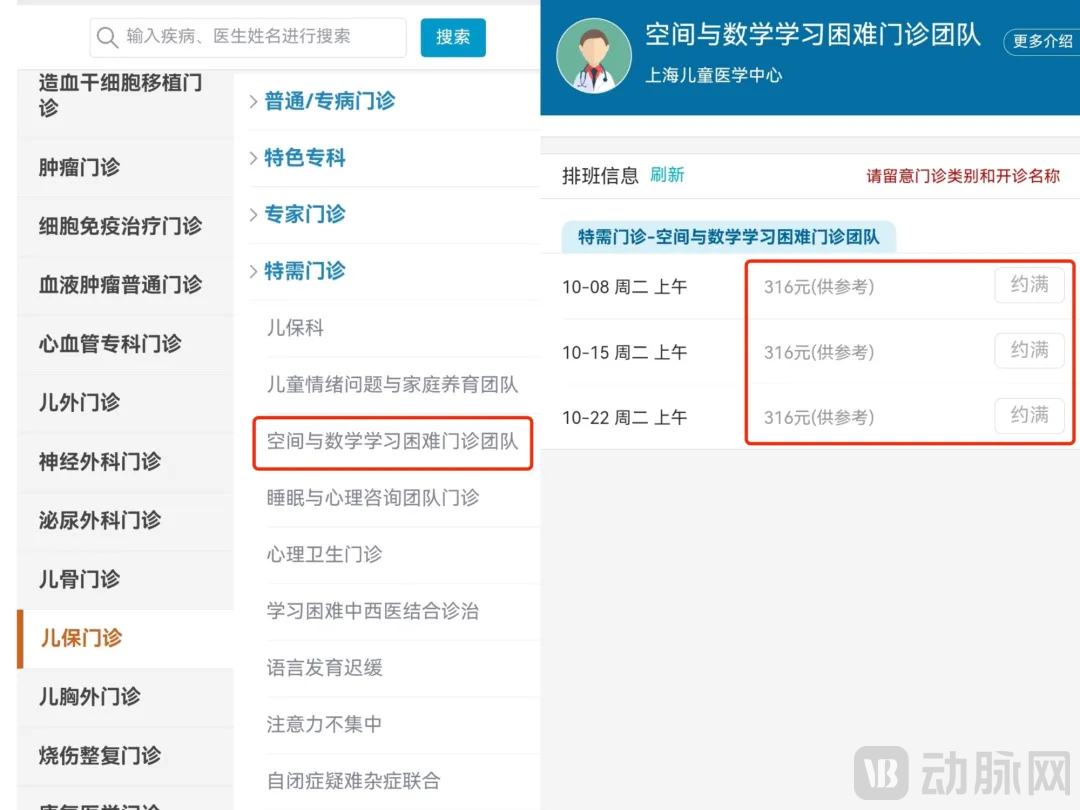
Recently, the mental health team at Shanghai Children’s Medical Center, in collaboration with the School of Psychology at Shanghai Jiao Tong University, jointly established a “Clinic for Spatial and Mathematical Learning Difficulties,” once again drawing public attention. Previously, Beijing Children’s Hospital, affiliated with Capital Medical University, had set up a “School Refusal” clinic, prompting many netizens to jokingly ask when clinics for “Work Difficulties” or “Work Refusal” might be opened.
These outpatient clinics are nearly fully booked every day, with appointments extremely hard to secure. Upon seeing the prominent heading “Mathematical Learning Difficulties,” parents immediately think of their own children who struggle academically, snapping up all available slots for the 316-yuan “special-needs clinic”—even though their children may be barely two years old.
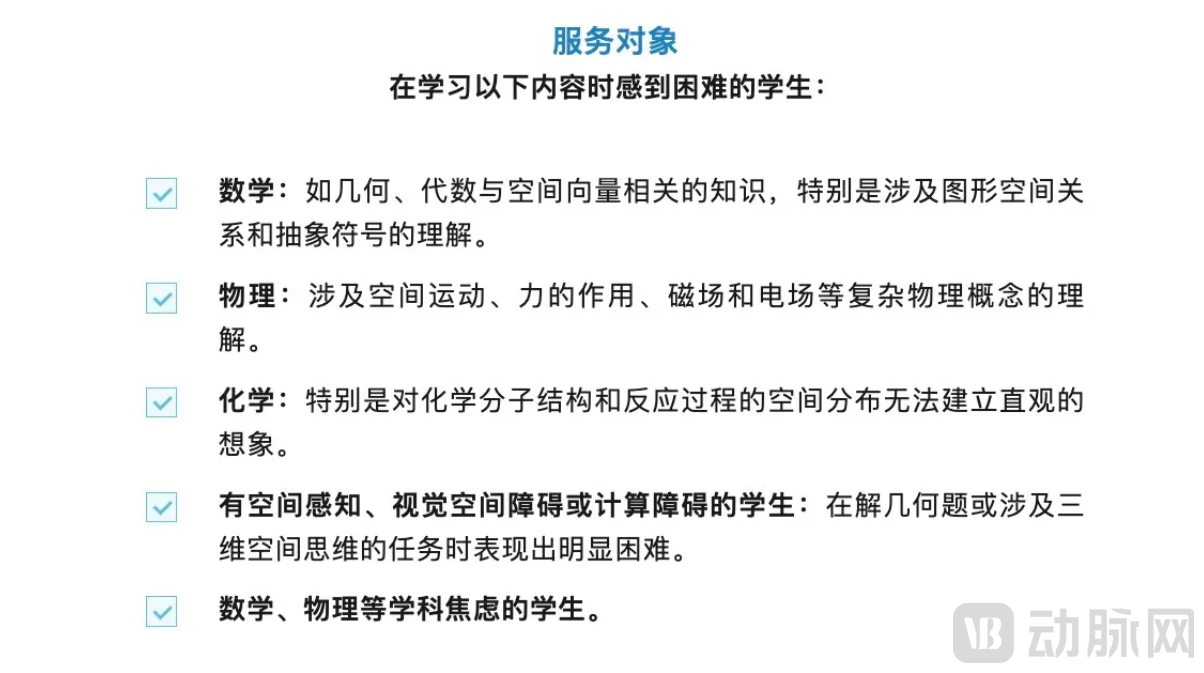
Learning difficulties are indeed associated with specific learning disabilities. However, they are also linked to attention-deficit/hyperactivity disorder (ADHD), tic disorders, autism spectrum disorder, intellectual disability, and adolescent depression.
As public attention increasingly focuses on children with learning difficulties, a more severe reality lies on the other side: those who have developed school aversion or taken leave from school due to anxiety and depression.Confronted with the new “disease of the era,” parents have been thrown into panic, flocking to major live-streaming channels in the hope of finding a miracle cure to save both their children and themselves.
Among these, the livestream room of “Guanxin Psychology Han Bing” stands out as somewhat different. A line of beige text in the livestream room highlights its uniqueness: “This streamer has no magic tricks and is particularly impatient, focusing mainly on discouraging viewers.”
No online livestream room has ever been indifferent to popularity and traffic. Yet, during co-hosted sessions, we have witnessed a “signature scene” in which parents are effectively turned away: some parents, upon connecting, immediately focus on academic performance and repeatedly ask how their children can quickly return to school. Han Bing, who has “little patience,” often “discourages” such parents from continuing the conversation or even disconnects the call. The parents who faithfully tune in to the livestream day after day have long since grown accustomed to this.
Han Bing, Vice President of Teaching and Research at Guanxin Laboratory, has served overseas public hospitals and domestic tertiary specialized hospitals for 13 years. With experience in studying and working abroad in countries such as Australia and the United States, he has accumulated 20 years of experience in psychotherapy and counseling for adults and adolescents.As an expert, his foray into live streaming was purely serendipitous. “Initially, it was just to educate parents,” Han Bing noted, adding, “Over the past 20-plus years, I have seen every type of child imaginable.” He is acutely aware that for sick children, even the best medications and counselors are futile if parents fail to change.
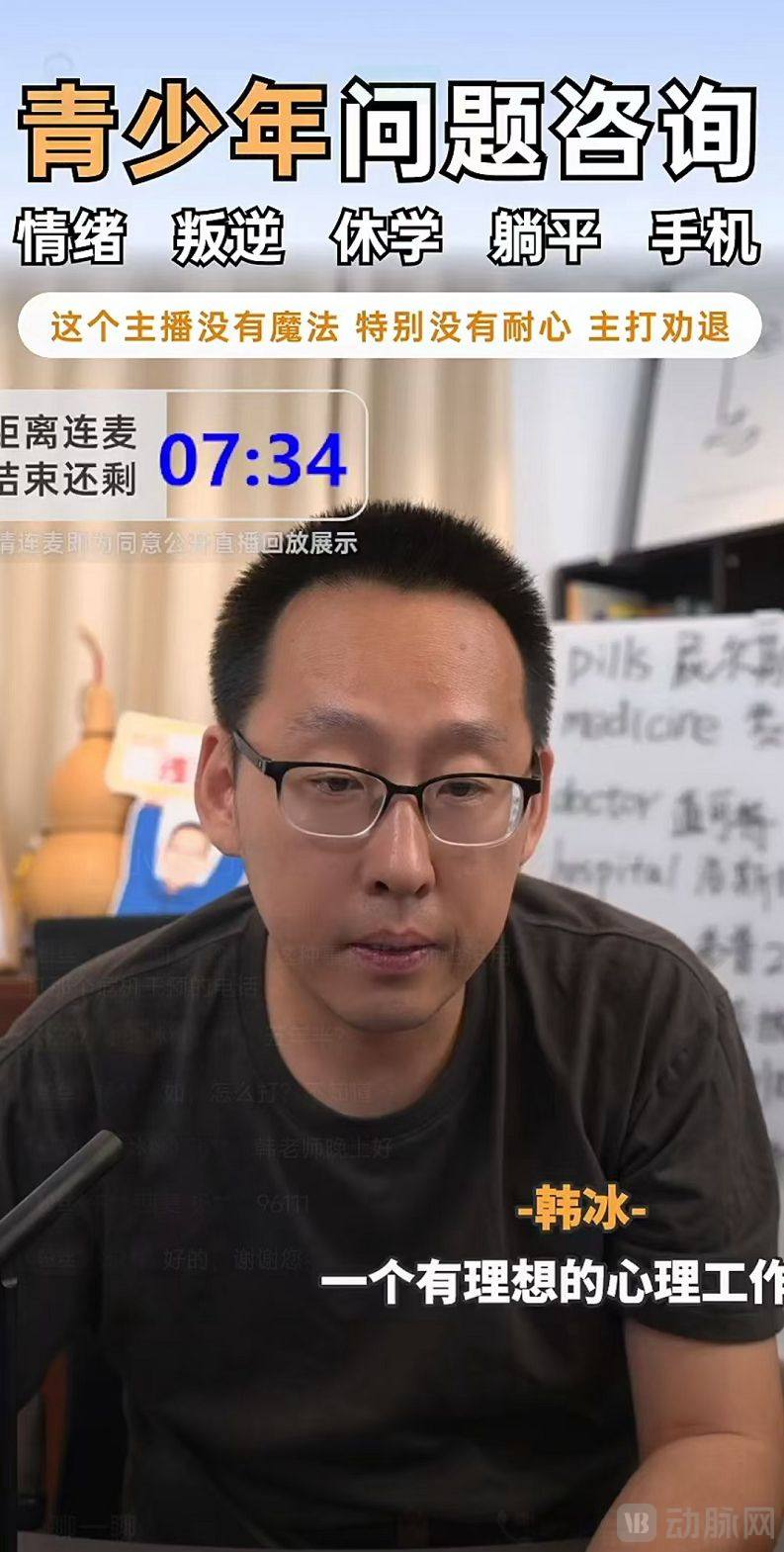
Despite being overwhelmed with work, Han Bing has persisted in hosting live Q&A sessions both morning and evening. In recent broadcasts, he stated candidly, “If you have spent several days in the live stream room and still cannot distinguish Guanxin from other institutions, you will be unable to resolve your issues, and there is naturally no need for you to remain in the live stream.” He acknowledged that live streaming also serves as a filtering mechanism, aiming to assist parents who are genuinely willing to make changes.
This distinctive mental health professional hails from an equally distinctive organization—Guanxin Lab. 2024 marks the fourth year since Guanxin Lab’s founding.This company, which started with online psychotherapy, has made a somewhat unusual move by bucking the trend and aggressively expanding into offline services, even as the overall environment remains unfavorable and many mental health institutions are slowing down or even shrinking their physical presence., has successively established offline outpatient centers in Wuhan and Kunming since May; from October to November, it will further expand by opening nearly 10 offline service centers in Beijing, Shanghai, Guangzhou, Changsha, Zhengzhou, Nanjing, and other cities.
This inevitably sparks our curiosity: What exactly is the Guanxin Lab aiming to achieve?
Despite Han Bing’s continuous attempts to dissuade viewers in the live stream, onlookers continued to flock in from all directions.
This is more like a microcosm of our times. Depression and anxiety are becoming the epidemics of the era.“Blue Book on National Depression (2022-2023)” points out that there are 95 million people suffering from depression in China, with approximately 280,000 suicides annually, of which 40% have depression. A more severe situation is that depression and anxiety are increasingly affecting younger populations. The prevalence of depression among adolescents has reached 15%-20%, and 50% of those with depression are students.
A seasoned psychological counselor told us, “Parents who have benefited from educational advantages often prioritize academic achievement above all else, frequently overlooking their children’s genuine needs. Drawing on their own upbringing, they equate control with security and thus tightly confine their children within the realm of ‘studying.’” The result is that adolescents, lacking outlets for emotional release, turn violence inward. “Among my clients, one child had been compulsively pulling out their hair for an extended period, leaving their scalp nearly bald.” Meanwhile, parents, who should have provided support, failed to empathize with their children. Instead, they chronically stressed them, ultimately causing significant physical and psychological harm.
Han Zhiqi, founder of the Guanxin Laboratory, pointed out incisively, “Is there any adult in the world who can endure being beaten, verbally abused, demeaned, yelled at, blamed, criticized, controlled, mocked, and ignored, just like a child?” Adults still resist, but adolescents are left with no choice but to accept it.
Adolescents with mental health disorders are in urgent need of valuable psychological services. However, reality is often harsh.If you have visited Mount Wutai, you may have seen large numbers of children who have dropped out or taken a leave of absence from school, along with their deeply distressed parents. These families have already experienced “disappointment” with hospitals and psychological counseling institutions. Some parents have even sent their children to various “martial arts schools” known for their strict discipline, where serious incidents such as student suicides by jumping from buildings and sexual assaults occur every summer.
Busy schedules are the norm for psychiatrists and psychological counselors in public hospitals.A practitioner once pointed out: “The primary responsibilities of psychological counselors in (my) public hospital extend beyond psychological counseling to include psychological assessments, individual counseling for inpatients, group psychotherapy for inpatients, specialized evening psychological counseling sessions for adolescents from Tuesday to Thursday, research tasks related to psychological assessment and counseling, and certain administrative duties within the department.” Consequently, the time and energy dedicated to delivering psychological services are inevitably fragmented.
Data further corroborates the existence of this “gap.” According to the latest figures released by the National Health Commission, as of the end of 2020, there were only 4,819 psychotherapists and 40,920 psychological counselors engaged in mental health work across medical and health institutions nationwide. Public hospitals are unable to bear the burden of providing disease consultation and treatment for the estimated 95 million individuals with depression. Although public hospitals have attempted to establish specialized clinics such as “Learning Difficulties Clinics” and “School Refusal Clinics,” the disorganized nature of these services has effectively “squeezed out” adolescents with genuine needs.
The service capabilities of social psychological counseling institutions are uneven.Although the number of registered psychological counselors has long exceeded one million, only a few hundred thousand are actually practicing. Most counselors remain confined to superficial services focused on relationship counseling, lacking the capacity to provide in-depth “psychotherapy” services.
In reality, these children labeled as “rebellious” have nowhere to turn. In the eyes of their parents, they are disengaged from learning, addicted to smartphones and the internet, prone to self-harm, and suffering from depression that has led them to suspend their schooling. They are unable to attend school and unwilling to leave home. Even within the household, they isolate themselves in their rooms, sometimes going days without bathing, retreating entirely into virtual gaming worlds and adopting a posture of complete resignation. Yet many of them were once diligent students—competitive, holding themselves to high standards, and eager to bring pride to their parents.
Stories like these have become commonplace in the live-streaming room. Some children, to avoid leaving their rooms, even resort to using garbage bags for urination and defecation; others demand to move out or run away from home, while some do not return until well past midnight...
Guanxin Laboratory has hit this “wind tunnel.”
In 2020, amidst the pandemic, profound disruptions, uncertainty, and anxiety spread widely, leading to a surge in individuals with insomnia disorder, predominantly among the elderly. It was during this period that Guanxin Laboratory was established. Meanwhile, traditional psychological counseling agencies were closing down in large numbers due to the pandemic. The first psychological counselor at Guanxin Laboratory had previously worked as a live-streaming host; she joined Guanxin after her former psychological counseling company went out of business during the pandemic. As demand for counseling services increased, she later transitioned into the role of a psychological counselor.
Leveraging the live-streaming boom, the public has begun to access the online group mindfulness training services offered by Guanxin Lab.This is also one of the psychological training methods that officials encouraged the public to actively participate in during the press conference held by the National Health Commission.
Initially, the Guanxin Laboratory offered only online mindfulness group training camps for adults with sleep disorders, depression, and anxiety. Later, they discovered that many adult issues stemmed from their children, as parents experienced sleep and emotional disturbances due to their children’s depression-related school suspensions. Recognizing the severity of adolescent depression and school refusal, Guanxin leveraged its professional expertise to rapidly develop the “Wise Parents Training Camp” tailored to adolescent challenges, which was subsequently upgraded into the “Adolescent Family Companion Program.” This initiative aims to empower parents to better address issues faced by adolescents.Parents who purchase courses in the live-streaming room can also enjoy study guidance, practice support, and Q&A services from class managers within the service community. The exchange of experiences and mutual support among parents have helped many who previously felt helpless find a sense of belonging.
A father once shared his family’s story in a live-streaming session. Because his daughter failed to get into her desired middle school during the transition from elementary school, his wife became extremely anxious, and the child began to indulge in video games. The relationship between the wife and daughter grew intensely strained; at one point, the mother and daughter each held a knife to the other’s neck. In their quest for help, the couple spent tens of thousands of yuan watching various live streams to learn coping strategies. “They taught us to embrace each other and exchange overly sentimental words. It wasn’t until I came across Teacher Han that I realized my daughter was ill and that my wife also had issues.” He purchased a course for both himself and his wife and began studying. “We started to improve, and our child gradually got better too.” Today, the family has returned to a simple and peaceful life. Within online communities, he now offers emotional support to mothers, much like an elder brother figure.
The Guanxin Laboratory boasts nearly 100 professionals, including psychological counselors and psychiatrists. These practitioners deeply understand that effective treatment for children requires forming a therapeutic alliance with their families. While medication may help control symptoms in some children, it does not address the root cause, and it is unfair to indiscriminately send children to psychiatric hospitals. Therefore,Guanxin has also successively launched one-on-one counseling for adolescents, offline body relaxation training camps, outdoor psychological summer camps, a seven-day listening service, and in-depth companionship services for individual families.The adolescent business segment has also seen rapid growth in its share of Guanxin Laboratory’s revenue. It is understood that,Building on its offline outpatient services, Guanxin will continue to explore day-care companionship services, providing a “go-to” place for this special group of adolescents.
Notably, this July, the Guanxin Lab hosted its inaugural Outdoor Psychology Summer Camp at the National Mountaineering Base in Huairou, Beijing, which drew an exceptionally enthusiastic response. Under the joint guidance of psychological and sports experts, these children, who previously had “nowhere to go,” gathered for the first time with peers from across the country. They engaged wholeheartedly in rock climbing, mountaineering, shooting, kayaking, and a variety of psychological games, experiencing profound personal growth and transformation.
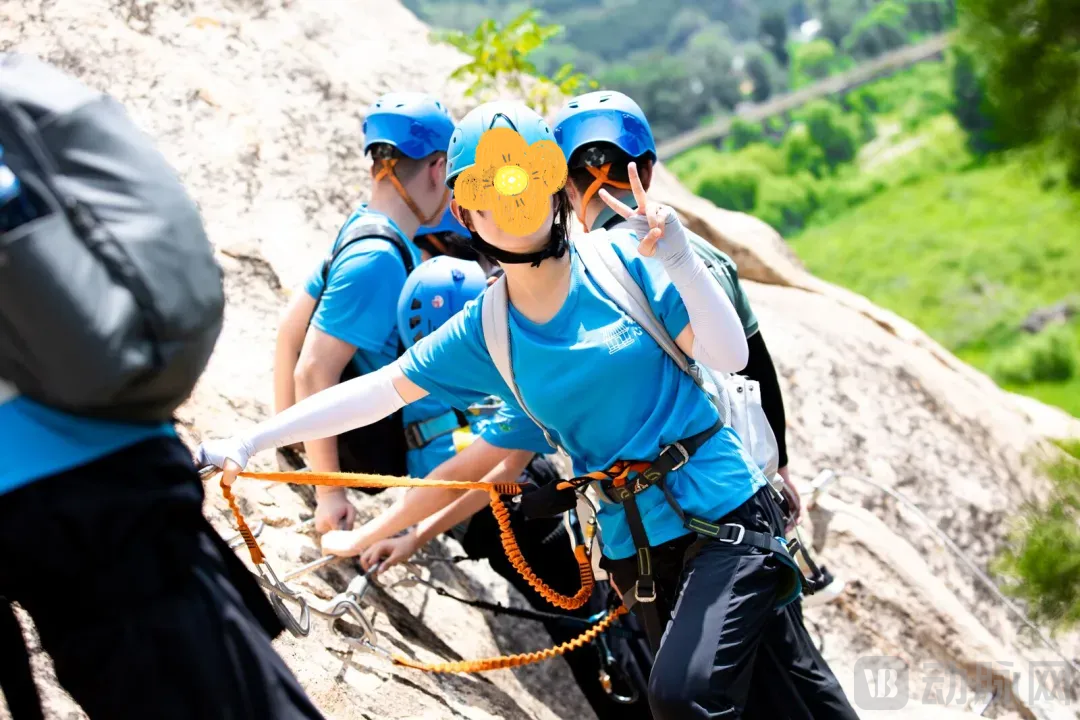
Children have such opportunities, thanks toGuanxin Laboratory is the provider of psychological training and support services for athletes under the Mountaineering Management Center of the General Administration of Sport of China.At this year’s Paris Olympics, the Chinese sport climbing team achieved its best-ever results in Olympic history, with male athlete Wu Peng and female athlete Deng Lijuan each winning a silver medal. Subsequently, the Mountaineering Management Center of the General Administration of Sport of China sent a letter of appreciation to Guanxin Laboratory.
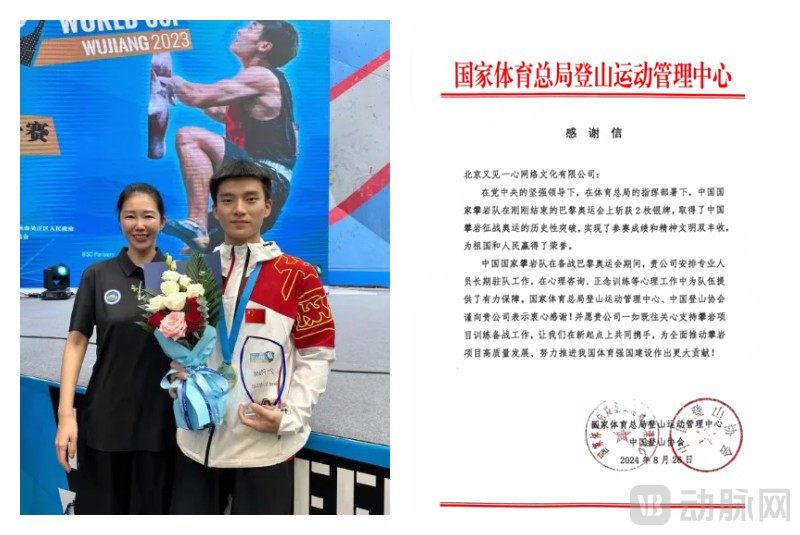 Photo of Teacher Zhou Hang from the Guanxin Laboratory with national athlete Wu Peng (left), and a letter of appreciation (right)
At this point, the psychological institution has truly become an all-encompassing “psychological” company—It encompasses systematic psychotherapy services for all age groups, offering tailored treatment plans for the elderly, adults, and adolescents; it also integrates online and offline service systems to ensure the timely delivery of diverse services.
Such an “unconventional” mental health company continues to undergo rapid transformation.
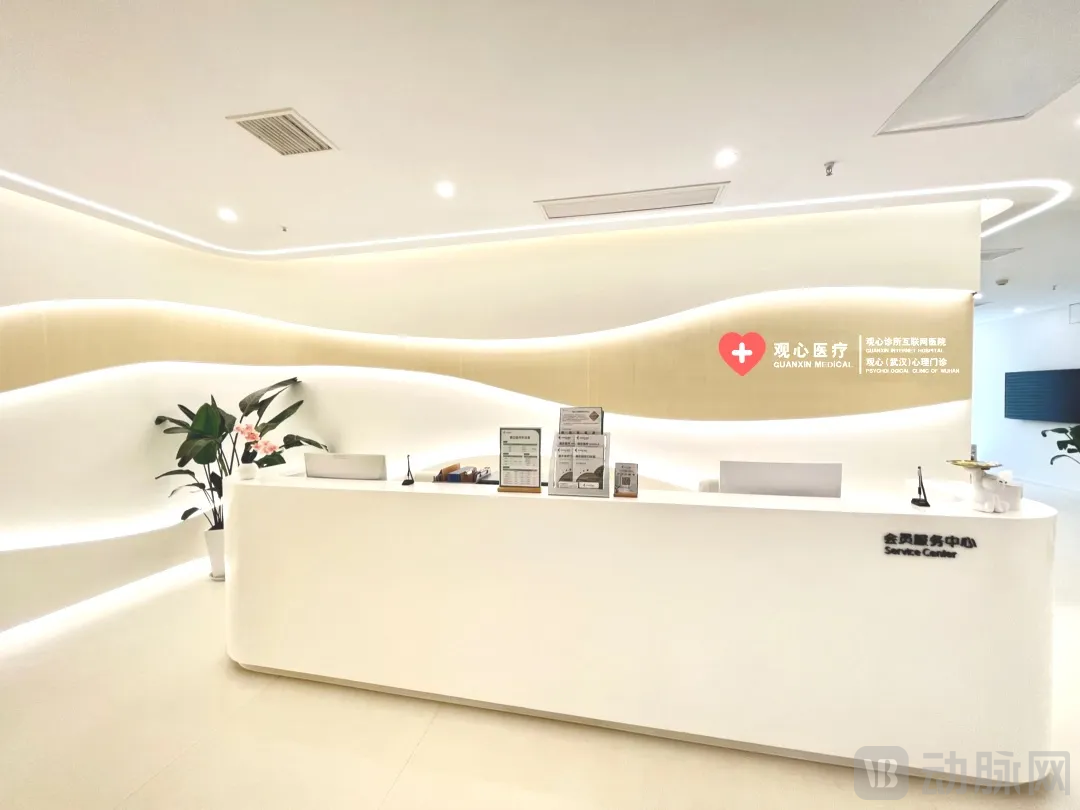
Guanxin (Wuhan) Psychological Clinic
Since its founding in 2020, Guanxin Laboratory has served hundreds of thousands of individuals within just four years. The team has grown from fewer than 10 members at inception to over 500 today.Such an “unconventional” mental health company has also attracted talent from prestigious institutions including Peking University, Renmin University of China, the University of Hong Kong, Columbia University in the United States, and the University of Oxford in the United Kingdom. Some outstanding psychological counselors have even obtained licensure as psychotherapists in the United States. At a time when many counselors are struggling to attract clients, appointments with some counselors at Guanxin are booked out for up to a year in advance.
At a time when industry players are tightening their workforce and closing stores, Guanxin Laboratory is still expanding rapidly, which seems somewhat unconventional. But for the company's founder, Han Zhiqi, this is a natural outcome.“For institutions, the shift from traffic dividends to brand dividends is becoming increasingly important.”
On one hand, resistance to online promotion is increasing, and the cost of customer acquisition via the internet is also rising.Currently, numerous institutions are vying to capitalize on the online live-streaming market. Many psychological counseling agencies opt to provide parents with scripted talking points while neglecting the root causes of issues, often resulting in counterproductive outcomes. Parents who have been misled or defrauded have developed resistance toward online counseling, which, compounded by increasingly stringent platform audits, has adversely affected legitimate organizations such as Guanxin Laboratory. Nevertheless, online channels remain undeniably important. In January 2024, Guanxin Laboratory began offering free licensing for IP clip usage, permitting the editing and distribution of Han Bing’s live-streaming content. Parents who were already users of Guanxin Laboratory have placed greater trust in the organization as they witnessed their children’s “growth,” and are actively sharing high-quality content from Teacher Han Bing’s live streams.
On the other hand, the establishment of offline stores has helped Guanxin Laboratory achieve a closed-loop service model.“Live broadcasts are held every day, and many parents have been showing up uninvited. They travel long distances by air to bring their children to our Beijing office, and the originally established consultation rooms can no longer meet the demand,” said Han Zhiqi. The unique “sense of presence” offered by in-person sessions enables counselors/therapists to better assess clients’ emotions and behaviors, build trust, and provide a richer range of services—such as physical therapies that are not available online.Han Zhiqi emphasized, “We aim to position our offline outpatient clinics as service hubs for online visitors, providing them with higher-quality and more reliable services.”
A child with severe obsessive-compulsive disorder (OCD) initially traveled with her parents from Wuhan to Beijing for several in-person counseling sessions. After establishing a trusting relationship with the counselor, the therapy transitioned to an online format. With the opening of a psychological outpatient clinic in Wuhan, she is now able to participate in in-person body relaxation training and transcranial magnetic stimulation (TMS) therapy at the local facility. Encouraged by this development, her parents made a substantial upfront payment for continued services. The child’s OCD symptoms have been gradually improving through this integrated approach combining online and offline treatment.
The “online-offline integration” service model, along with “non-pharmacological treatment” and “family therapy,” represent the fresh perspectives that institutions such as Guanxin have brought to this industry.
Historically, psychiatrists in public hospitals have tended to prescribe psychotropic medications for patients. However, not all medications can cure mental disorders. For children with moderate to severe depression, medication alone can only control symptoms; if the family environment remains unchanged, the underlying conditions contributing to the illness persist. Furthermore, concerns about side effects lead some parents and patients to develop psychological resistance to medication, resulting in poor adherence. These issues may all contribute to disease relapse.
Guanxin’s professional team of nearly 100 members includes not only psychological counselors but also psychiatrists.For patients with mild symptoms, Guanxin Lab emphasizes “non-pharmacological interventions” to help them achieve “medication reduction” or even “discontinuation.”In addition to treating psychological disorders such as insomnia, depression, and anxiety through telepsychology interventions—including evidence-based clinical therapies like MBCT, MBSR, CBT, ACT, and DBT—Guanxin Laboratory is also incorporating transcranial magnetic stimulation (TMS) therapy, which can enhance the efficacy of pharmacological and rehabilitative treatments. TMS is non-invasive, painless, and capable of delivering effective interventions. Dr. Chen Zhanfeng, Director of Wuhan Guanxin Psychological Clinic, further pointed out that“We are adopting a multidisciplinary treatment model that integrates ‘non-pharmacological interventions’—such as psychotherapy, sports medicine, nutritional medicine, and physical therapy—to provide psychological services for adolescents.”
Family therapy is becoming increasingly important.“Many children appear relaxed during counseling sessions, but revert to their previous states of anxiety and depression once they return home.” After parents undergo cognitive shifts through learning, they become willing to engage in psychological counseling or begin practicing mindfulness. They are often surprised to discover that as their own well-being improves, their children gradually get better as well.

Offline outpatient services are also providing sick children with more private spaces and opportunities for social interaction. Instead of being crammed into the noisy hospital environment only to receive a few brief words from the doctor, these children can truly step out of their homes through offline activities. Children and their parents can participate in physical relaxation training camps, where they achieve mental and physical relaxation through music, dance, and other therapeutic interventions, while also making friends.
The strength of its professional talent and the large volume of clinical cases have also enabled Guanxin to develop specialized, disease-specific treatment programs.The counselor team at Guanxin continues to enhance its capabilities through ongoing training and supervision. With the growth of its user base, Guanxin is also leveraging AI to improve operational efficiency and service quality. Counselors have begun using AI to automatically generate session notes, which not only ensures compliance with ethical standards but also significantly enhances their work experience and efficiency. Users can consult on psychological issues and receive professional advice through the Guanxin mini-program and mobile app.
In terms of both scale and service offerings, Guanxin has long ceased to resemble a traditional mental health company.
What has enabled a “latecomer” in the mental health sector to expand rapidly? We have pondered this question more than once. The answer may well lie in the experiences of its founders and team.
Founder Han Zhiqi, a veteran of the internet industry, once suffered from work-related anxiety before embarking on his entrepreneurial journey. He ultimately found peace through “mindfulness” and established Guanxin Laboratory. Co-founder Hao Jianyao is also a serial internet entrepreneur with deep expertise in the digital landscape. Behind their continuous evolution lies a user-demand-driven commitment to innovation and change. What remains constant is their professional strength, accumulated expertise, and belief in helping others. This aligns with Guanxin’s vision: “Integrating mindfulness into daily life, reducing reliance on medication, and promoting mental well-being for all.”
The story of Guanxin may have just begun. It is still evolving.
On this year’s World Mental Health Day, the National Health Commission’s promotional theme was “Joint Construction, Joint Governance, and Shared Benefits; United Hearts for Mental Well-being and Peace of Mind.” Mental health, particularly among adolescents, is undergoing unprecedented changes unseen in a century, attracting more attention than ever before. It is hoped that diverse new perspectives on mental health will emerge across society, offering more “remedies” to safeguard people’s psychological well-being.