Dongjian Nan Medical Technologies Files for IPO to Address China's Implant-Grade and Biodegradable Metal Materials Gap
China’s medical device industry has experienced robust growth over the past two decades, firmly establishing itself as the world’s second-largest market.
As a critical component in the research, development, and manufacturing of medical devices, upstream materials play a particularly vital role. Among these, medical-grade metals have become a key bottleneck for many high-end medical devices. Currently, China relies heavily on imports for key medical-grade metal materials. The long lead times, significant trade risks, and weak bargaining power of domestic enterprises have, to some extent, hindered the market launch speed and competitiveness of medical devices.
Recognizing these industry pain points, Shanghai Dongjiannan Medical Technology (Group) Co., Ltd. (hereinafter referred to as “Dongjiannan”) has entered the medical-grade metal materials sector, committed to filling gaps in the domestic market.
Dongjian Nan is a developer and manufacturer of medical-grade metallic materials, with profound expertise in the design and ultra-pure smelting of such materials, as well as extensive experience in the forming of miniature metal components. Its products are suitable for critical material applications in the fields of vascular intervention, orthopedics, general surgery, electrophysiology, and dentistry.
Tan Wen, Founder and General Manager of Dongjian Nan MedicalWith over a decade of specialized expertise in medical-grade metallic materials, I graduated from Zhengzhou University with a major in Materials Processing Engineering, studying under Professor Guan Shaokang. My research primarily focused on implant-grade biodegradable medical metallic materials. Upon graduation, I served as a Technical Engineer at a leading domestic medical device company, accumulating more than ten years of experience in the processing and application of upstream medical device materials, particularly metallic materials.
In 2012, Tan Wen developed biodegradable ZE21B magnesium alloy tubing and stents. In 2017, he developed PTCA hypotubes and achieved mass production, replacing Creganna; in 2019, he developed implant-grade cobalt-chromium alloy tubing; and in 2023, he smelted high-purity implant-grade cobalt-chromium alloy, with certain specifications surpassing those of Carpenter Technology Corporation, a well-known enterprise in the specialty metals sector.
In addition, Tan Wen served as a core member of the “Research and Development of High-End Implantable and Interventional Major Products, Such as Stents, Joints, and Artificial Blood Vessels” project under the National Science and Technology Support Program during the 12th Five-Year Plan period, and as the principal investigator for the topic “Research and Development and Industrialization Technology of Cobalt-Chromium-Based Alloy Fine-Diameter Thin-Walled Tubes for Cardiovascular Stents” under the National Key R&D Program. He has extensive practical experience in the field of medical metallic materials.
During this period, Tan Wen gained a deep understanding of the challenges faced by various medical metal materials, particularly advanced materials, in practical applications. Currently, there are no domestic suppliers with consistent quality for several grades of implantable medical metal materials, resulting in significant market gaps and vulnerability to foreign supply chain restrictions.
“To date, there are hundreds to thousands of enterprises in China engaged in the upstream medical metal materials sector. However, most have transitioned from civilian industries, such as electronics and automotive, into the medical field, supplying materials with relatively lower requirements for quality and stability to medical device manufacturers. The overall industry landscape is characterized by being ‘small and fragmented,’ with a limited range of material grades offered,” Tan Wen introduced to VCBeat. “In contrast, investment and mergers and acquisitions by European and American companies in this field are far more active than those in China, showing a trend toward consolidation into large groups and corporations. Many of these companies have histories spanning several decades or even over a century.”
For a long time, the market for medical-grade metals, particularly implant-grade materials, has been monopolized by European and American companies. This is because most metallic materials used in medical applications within the human body require stable performance, high temperature resistance, corrosion resistance, absence of harmful ion release, high strength and hardness, or capabilities for thermal or electrical control. These materials were initially applied in the aerospace and military industries. Since the aerospace and military sectors in Europe and the United States developed several decades earlier than those in China, the transition of aerospace and military materials to medical applications also occurred decades earlier in these regions. Consequently, industry standards were established earlier, allowing them to capture the global market. As a result, most domestic medical device manufacturers have largely referenced European and American companies for material selection, remaining in a follower position for an extended period.
Furthermore, given the limited spatial constraints within the human body, cutting-edge materials originally developed for the military or aerospace industries often need to be fabricated into components at the millimeter or even micrometer scale when applied to medical devices, particularly those implanted in the human body. This significantly heightens the requirements for material purity, uniformity, and machining precision. “This underscores the stringent demands placed on medical-grade metals regarding purity, uniformity, and consistent performance both within and between batches. It necessitates advanced material quality control and precise processing and forming technologies. The technical barriers are exceptionally high, requiring companies to possess substantial expertise and accumulated experience in these areas,” explained Tan Wen.
To address the pain points in the field of medical metal materials, Dongjianan Medical was established.
The team at Dongjian Nan Medical largely comprises professionals from various metal and aerospace material research institutes, steel-industry universities formerly under the Ministry of Metallurgical Industry, as well as renowned foreign enterprises specializing in medical-grade metallic materials and medical device manufacturers. Most members of the company’s technical team possess dual expertise in materials processing and the research, development, and manufacturing of medical devices.Possesses profound understanding and extensive expertise in material formulation, molding processes, application scenarios, and industry pain points. Capable of providing comprehensive support for the innovative R&D and manufacturing of medical devices through strategic material selection, specification and tolerance determination, performance range optimization, and identification of device innovation opportunities.
“At present, most domestic upstream material suppliers can provide corresponding services in accordance with the standards and requirements specified by medical device manufacturers. However, few possess the capability to collaborate with medical device companies from the initial material selection stage to jointly develop innovative materials and novel devices—a distinct advantage of Dongjiannan,” added Tan Wen.
Dongjian Nan’s product portfolio includes medical-grade implantable or interventional metal bars, tubes, wires, and powders, along with customization services. These products are applicable to a variety of minimally invasive medical devices used in vascular, orthopedic, surgical, electrophysiological, and dental procedures. Several products currently under development or nearing market launch fill existing gaps in the domestic market, giving the company a significant first-mover advantage.
Dongjiannan established a principle at its inception—it must possess independent steelmaking capabilities. Dongjiannan consistently recommends China-produced steel products. Currently,Dongjian Nan possesses steelmaking capabilities for implant-grade medical metals, with profound technical expertise in controlling material purity, reaching a level comparable to international standards., the materials supplied by the company are mostly self-smelted and self-processed. Tan Wen candidly stated that possessing in-house steelmaking capabilities or access to stable sources of high-quality steel is a key reason why many overseas enterprises have maintained long-term success. In cases where customers do not specify material sources, the company prioritizes recommending and using self-smelted materials. This approach not only mitigates the risk of being constrained by foreign companies in the supply of primary raw materials, but also enhances product quality and delivery stability, thereby reducing supply risks and communication costs.
In addition, Dongjiannan maintains close ties with many leading overseas manufacturers of medical-grade metallic materials. “Some clients still have concerns about domestically produced materials or face difficulties in switching suppliers, so they specify the use of imported steel, which sometimes necessitates procurement from abroad. However, the volume of steel used in general medical device manufacturing is relatively small by weight, often failing to meet minimum order quantity (MOQ) requirements. This creates certain challenges or incurs high costs for imports. In this regard, we can consolidate demand for bulk procurement and then process the materials into small-batch profiles with specified dimensions for supply to medical device companies, thereby reducing international trade risks,” added Tan Wen. He further noted that Dongjiannan maintains substantial inventory of raw steel materials.
Regarding the difficulties currently faced in the upstream materials sector of the medical device industry, Tan Wen pointed out two major common issues.
First, for medical devices already on the market, there is an urgent need to reduce costs in the face of centralized procurement. Among these, certain key materials significantly impact product pricing and profit margins due to their large purchase volumes and high expenditure. However, domestic enterprises currently rely heavily on imports for these critical materials, resulting in long procurement cycles, limited bargaining power, and thus minimal room for cost reduction.
Secondly, the R&D of innovative medical devices typically demands materials in small batches, with high variety and customization. Consequently, project progress is often constrained by material selection challenges and supply bottlenecks for critical materials.
andWhether in implant-grade critical metal materials or cutting-edge biodegradable metals, Dongjian South can provide foundational materials more rapidly for both marketed and pipeline products of medical device companies, helping them reduce manufacturing costs and shorten R&D cycles.
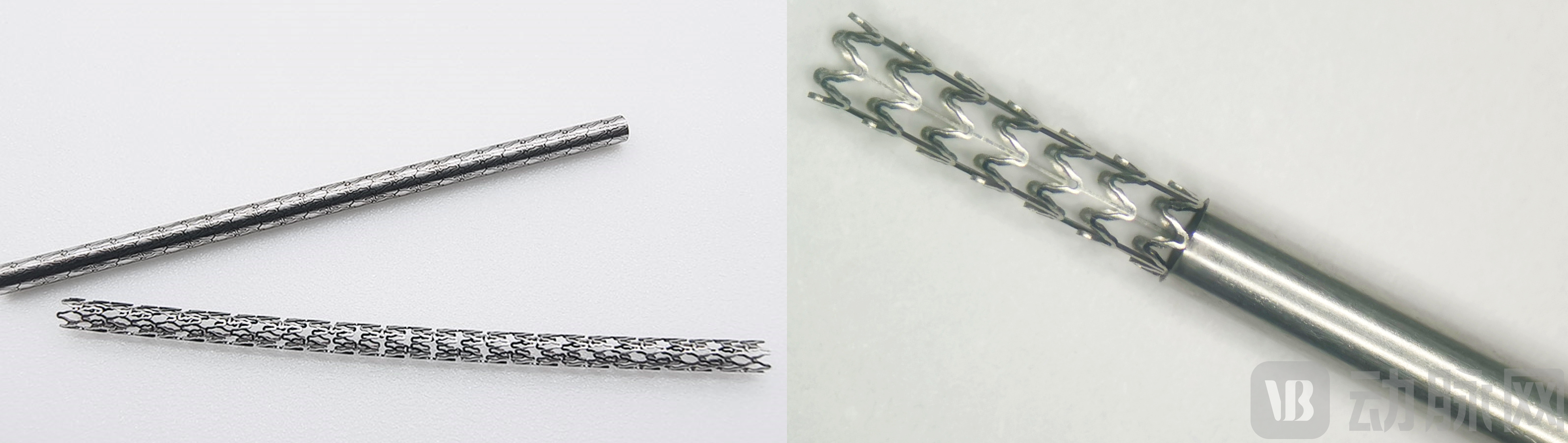
Dongjian South Implant-Grade Metal Tubing
Furthermore, the research and development of medical-grade metallic materials require specialized equipment, some of which are non-standard and must be custom-built according to product specifications. However, countries in Europe and the United States have long maintained strict control over high-end manufacturing equipment, typically retaining the latest generation for domestic use while exporting previous-generation models. Consequently, the automation levels and precision of equipment imported by Chinese enterprises tend to lag behind those available in Western nations. In response to this challenge, Dongjiannan imports select equipment as benchmarks and subsequently enhances domestically produced machinery in terms of precision control, automation, and detection and inspection capabilities, thereby meeting the process control requirements for material processing and gradually narrowing the gap with advanced foreign equipment. To date, Dongjiannan has accumulated several patents in this area.
In addition to developing highly demanding metal materials for medical implants and interventional treatment solutions, Dongjian Nan can also provide customized solutions for alloys and processing technologies to meet the needs of medical device companies in the processing, manufacturing, and supply of medical-grade metal materials for critical tasks. This is mainly due to the accumulation of two major advantages of Dongjian Nan:
First, know why and know what. Currently, most domestic manufacturers of medical-grade metallic materials in China remain imitators and followers of their European and American counterparts, rather than standard-setters. Therefore, throughout its R&D process, Dongjian Nan has consistently conducted comparative studies between domestically produced and imported medical-grade metallic materials. By examining aspects such as composition, performance, defects, and failure modes, the company has gained an in-depth understanding of why certain domestic materials lag behind those from European and American enterprises and identified the specific areas where gaps exist. This endeavor requires years of reverse engineering research and extensive accumulation of application experience, constituting a significant technical barrier.
Second, know-how. In addition to understanding “why gaps exist” and “where the gaps lie,” it is also essential to determine how to bridge these gaps, which requires iterative development of technical solutions, processing, and testing. Currently, Dongjian Nan’s indicators for many materials—including purity, dimensional tolerance, uniformity, stability, and flatness—have reached international standards.
In addition, Dongjian Nan’s capabilities in medical-grade metals encompass a variety of materials, including stainless steel, cobalt-chromium alloys, and titanium alloys. The company has mastered the full-process manufacturing techniques, from smelting to the production of medical components, enabling it to provide solutions with lower manufacturing costs, shorter lead times, and more controllable quality stability.
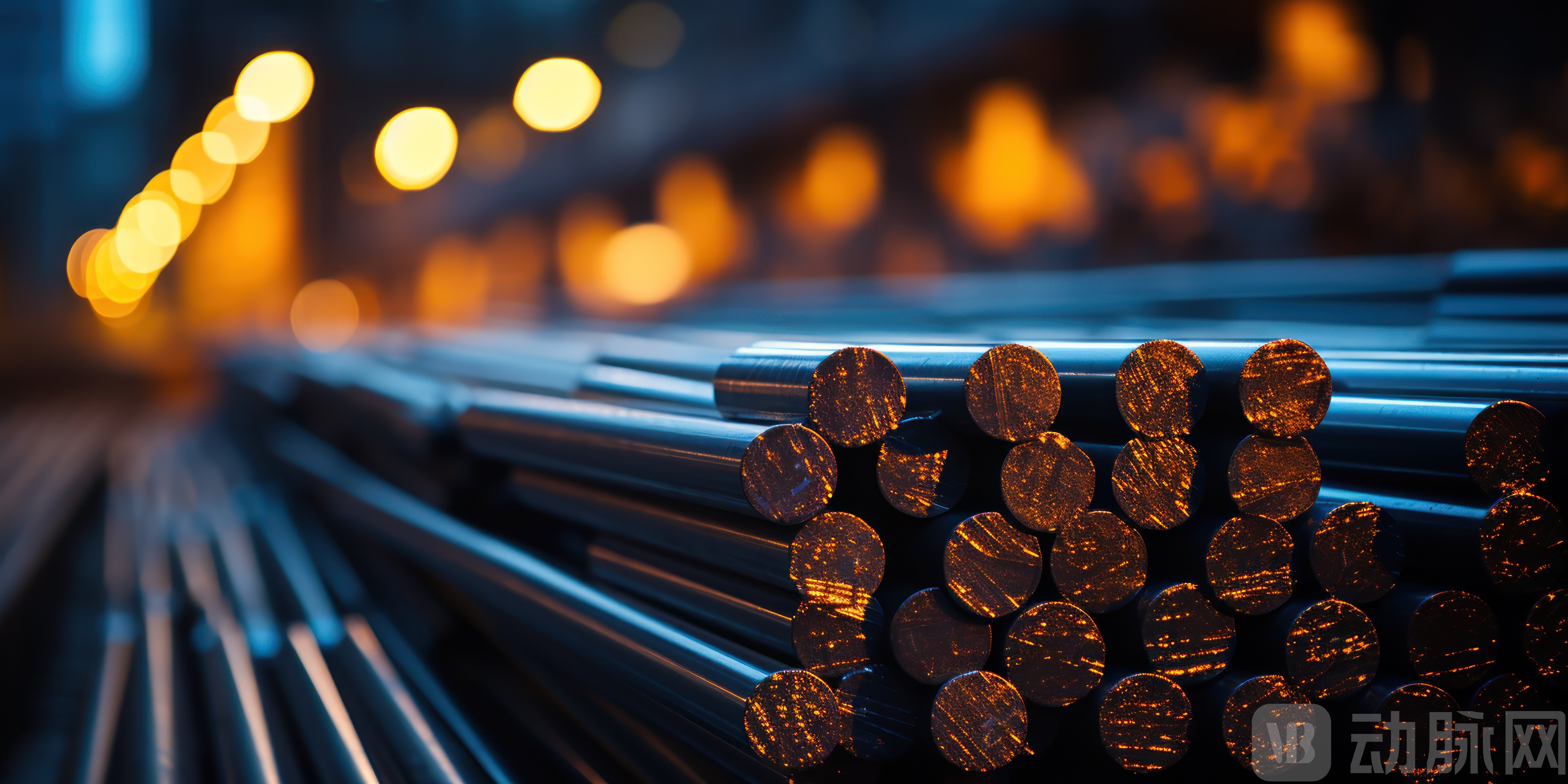
Dongjian Nan Implant-Grade Alloy
Taking material selection as an example, some medical device companies aim to develop and manufacture biodegradable metallic devices made of magnesium alloys, zinc alloys, or pure magnesium and pure zinc. However, these cutting-edge materials often lack specific grades and formulations; only limited information about competitors’ products is available internationally. The exact compositions of these materials are not disclosed, and some are protected by patents. Even if the material composition were known, using identical materials would still be prohibited. Consequently, it is difficult to find non-designated-grade medical metal materials and downstream profile manufacturers on the global market.
AndWith years of accumulated expertise in the degradation behavior, mechanical properties, and material forming of biodegradable metals, the Dongjian Nan team leverages its extensive experience in degradability and formability, along with customers’ application scenarios, to not only recommend suitable materials but also process them into profiles tailored to customer specifications.
In terms of material processing, the Dongjiannan team also possesses substantial experience and technical expertise. Previously, an ophthalmic device company required hollow stainless steel tubes as thin as a human hair, which were then imported from Japan with long procurement lead times. The supplier was unwilling to develop samples meeting more stringent requirements. Consequently, this company approached Dongjiannan, which specializes in manufacturing small-diameter, thin-walled tubing.We are currently developing ultra-fine, ultra-thin tubes with a diameter of 0.1 mm and a wall thickness of 25 micrometers for our clients.
For implant-grade metal materials, Dongjiannan initially focused on serving domestic devices under development and internationally mature device products, with international coverage spanning Southeast Asia, Eastern Europe, South America, and other regions. The company plans to promote the application of these materials in domestically mature devices only after they have achieved large-scale clinical adoption. For interventional-grade metal materials, Dongjiannan primarily serves domestic and international medical device CDMOs or OEM manufacturers, with international coverage extending to Western Europe and North America.
Regarding future plans, in the short term, Dongjiannan will be committed to providing Chinese metal material solutions for medical devices, enabling domestically produced materials to be genuinely applied in clinical settings for patients both in China and internationally, thereby reducing the overall cost of devices and shortening innovation cycles. In the long term, Dongjiannan will undertake the development of new materials that are biodegradable, thinner, lighter, higher in strength, and more radiopaque, as well as participate in the establishment of standards for these new materials, laying a solid foundation for device innovation.
At the conclusion of the interview, Tan Wen expressed his aspirations for Dongjianan: “In the future, we hope that Dongjianan will live up to the idiom ‘Dong Jian Nan Jin’ (Eastern Arrows and Southern Gold), by providing high-quality domestically produced materials to the industry, cultivating a cohort of talented professionals in medical-grade metallic materials, and laying a stronger foundation for innovation in medical devices.”
Currently, Dongjian Nan is launching a new round of financing, with the funds to be primarily used for expanding production capacity and investing in international marketing.. If you are interested in Dongjian Nan and its product solutions, please contact us: