

From Zero to One: Implementation of the First Medical Industry Standard for Silk Fibroin and Product Innovations by Favorsun
Recently, the National Medical Products Administration (NMPA) released the pharmaceutical industry standard “Medical Devices for Tissue Engineering—Silk Fibroin,” providing clear technical specifications for the application of silk fibroin in the field of medical devices. This standard covers requirements for the physical and chemical properties of silk fibroin, as well as regulations on labeling, packaging, transportation, and storage, ensuring its safe and effective use in medical devices. The issuance of this standard fills a gap in the industry and establishes new norms for the application of silk fibroin in medical aesthetics and regenerative medicine.
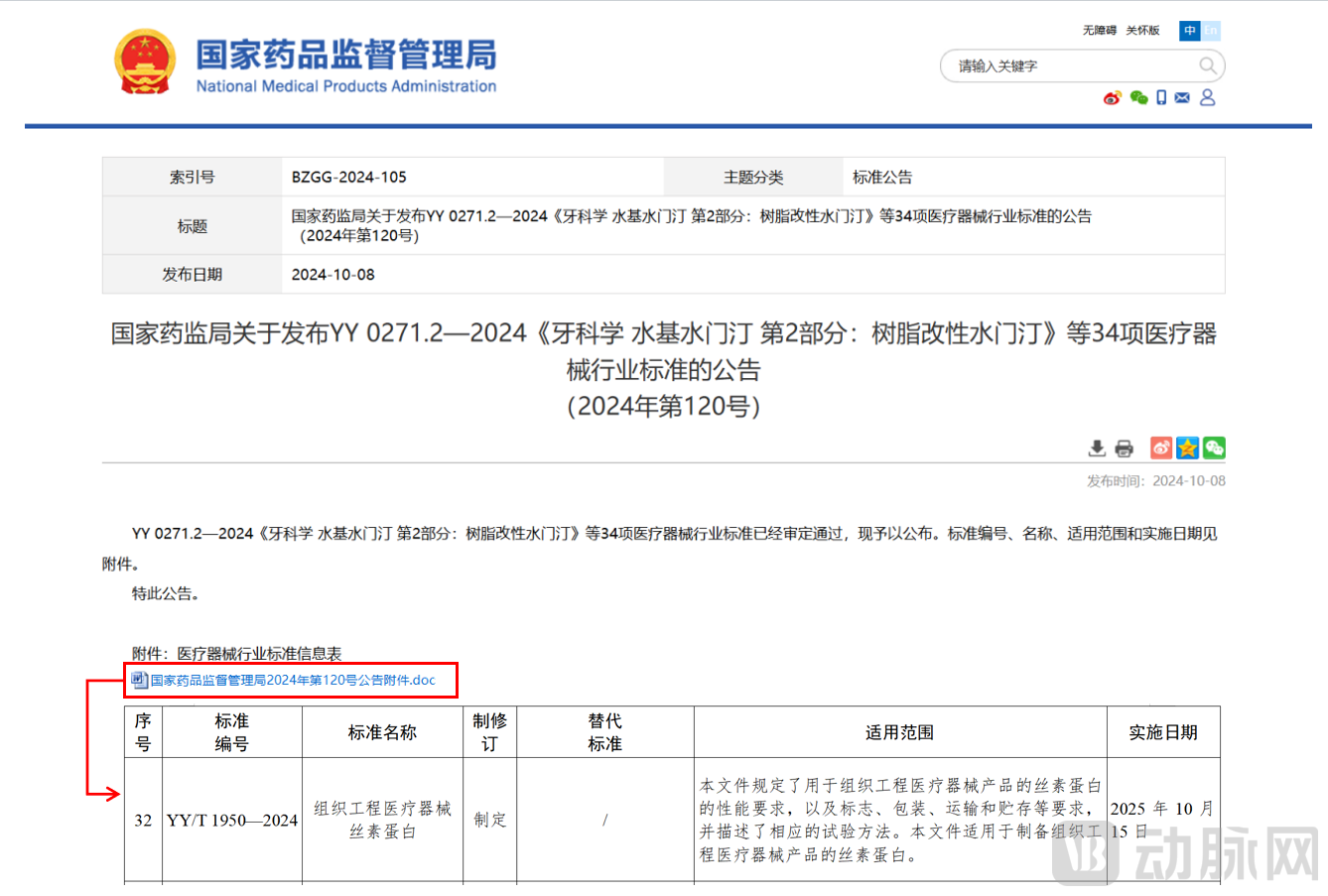
Measurement Methods for Pharmaceutical Industry Standards Provided by “Fuxiang Intelligent Computing”
As a natural macromolecular substance, silk fibroin faces significant challenges in storage and transportation due to its shear-sensitive properties, with numerous obstacles also present during testing and fractionation processes. The current lack of reliable detection methods has directly led to inconsistent quality of silk fibroin products on the market, thereby hindering technological advancement across the entire industry. In our research on high-molecular-weight silk fibroin, we found that traditional polymer analysis methods—including high-performance liquid chromatography (HPLC), gel electrophoresis, static light scattering, small-angle neutron scattering, as well as combined approaches using gel permeation chromatography (GPC) and fast protein liquid chromatography (FPLC)—are unable to accurately analyze silk fibroin. Consequently, these methods fail to provide effective monitoring of product molecular weight.
Years of exploration into the dynamic linear viscoelasticity of silk fibroin molecular ionic liquid solutions have revealed that the relationship between the storage modulus (G') and loss modulus (G'') with frequency exhibits an exponential dependence similar to the Rouse model.
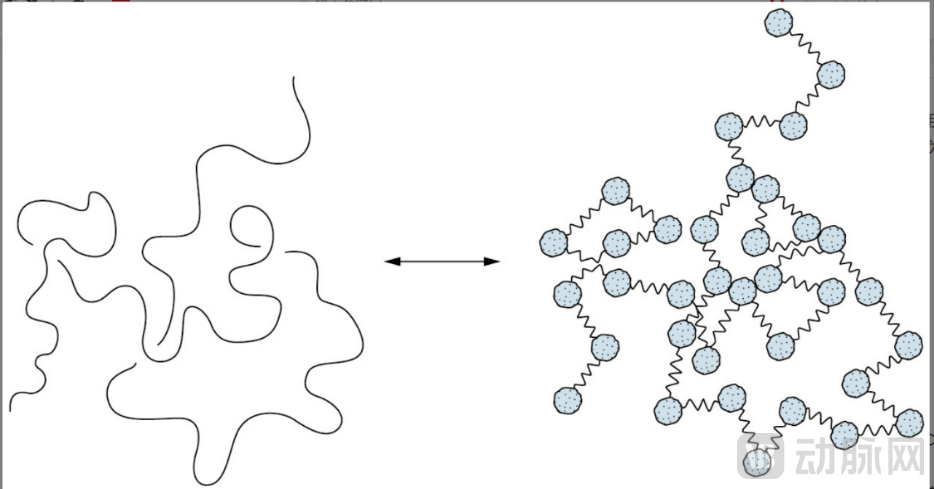 Similar to the Rouse model
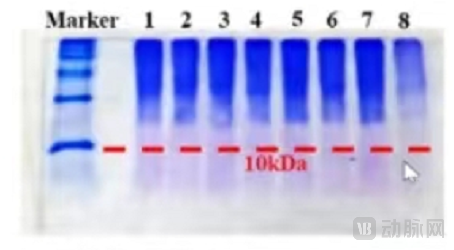
Prediction of Molecular Weight Distribution Using Traditional SDS-PAGE Gel Electrophoresis Images
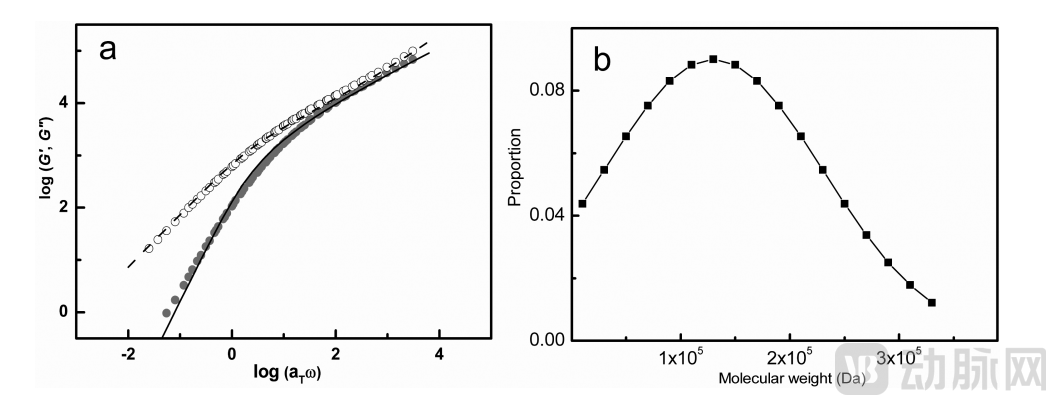 “Fu Xiang Zhi Suan” Fitting Results for Silk Fibroin Molecular Weight Calculation
After years of dedicated effort, Fuxiang Aesthetics has successfully invented a specialized processing method and a unique dissolution system. By integrating these innovations with its independently developed industry-first software for calculating silk fibroin molecular weight based on Rouse model fitting—Favorsun SmartMolFit (“Fuxiang Intelligent Calculation”)—the company has achieved a series of breakthroughs. These advancements not only overcome the long-standing challenges in determining the molecular weight of silk fibroin but also provide critical support for the formulation and establishment of industry standards.
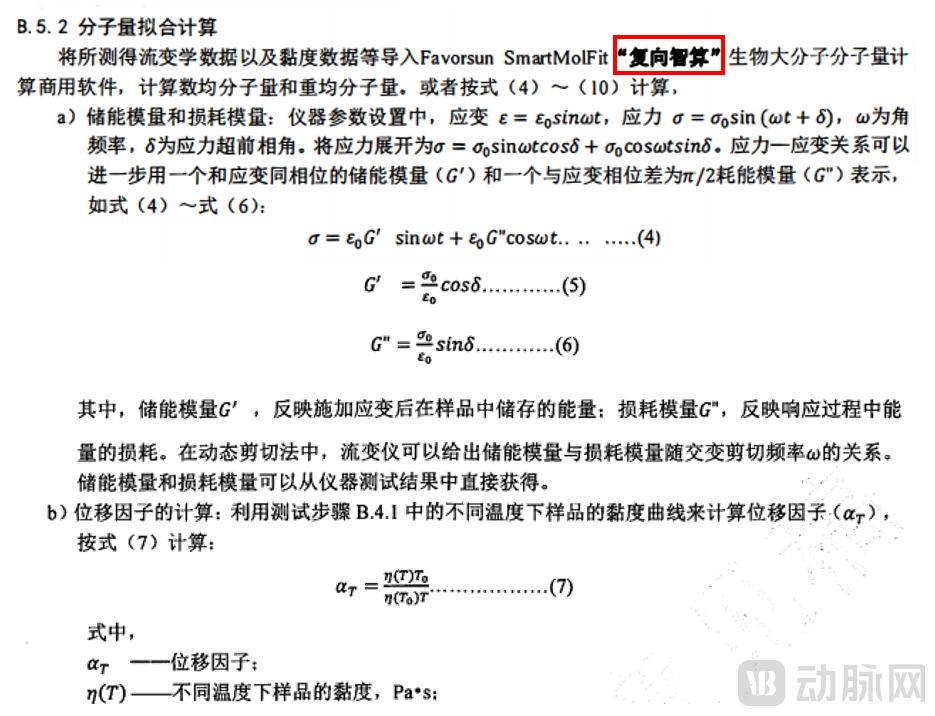
As a benchmark in the silk fibroin industry, Fuxiang Aesthetics has independently developed Fuxiang Intelligent Computing, a molecular weight calculation software specifically designed for biological macromolecules. By leveraging rheological and viscosity data, this software provides precise calculations of the molecular weight (number-average molecular weight and weight-average molecular weight) of silk fibroin in medical device products, thereby determining their molecular weight distribution index (polydispersity index). This computational approach offers a scientific basis for the analysis of complex biomaterials, further enhancing the stability and safety of product performance, and serving as a critical technical cornerstone for standard setting.
The figure below is cited from: Industry Standard YY/T 1950-2024. (B.5.2 Molecular Weight Fitting Calculation)
Furthermore, a comprehensive analysis of the fitted calculation results of molecular weights measured for products at different degradation stages helps to enrich the evaluation methods for silk fibroin product degradation, thereby enabling a more comprehensive understanding of the entire degradation process of silk fibroin.