

Medicine-Engineering Integration and Collaborative Innovation: 2024 Gusu Symposium on Biomedical Testing Technologies Successfully Concludes
From October 25 to 27, the 2024 Gusu Conference on Biomedical Laboratory Technology Development was successfully held in Suzhou New District. Themed “Integration of Medicine and Engineering · Collaborative Innovation,” the conference was jointly organized by the Jiangsu Society for Immunology, the Suzhou Institute of Biomedical Engineering and Technology of the Chinese Academy of Sciences, and the Second Affiliated Hospital of Soochow University. The event brought together more than 300 renowned experts, scholars, scientists, and industry specialists from China and abroad to engage in in-depth discussions on the integration of medicine and engineering, aiming to advance clinical basic research and translational innovation in medical laboratory science and to promote high-quality development of new technologies and applications in the field of biomedical testing.
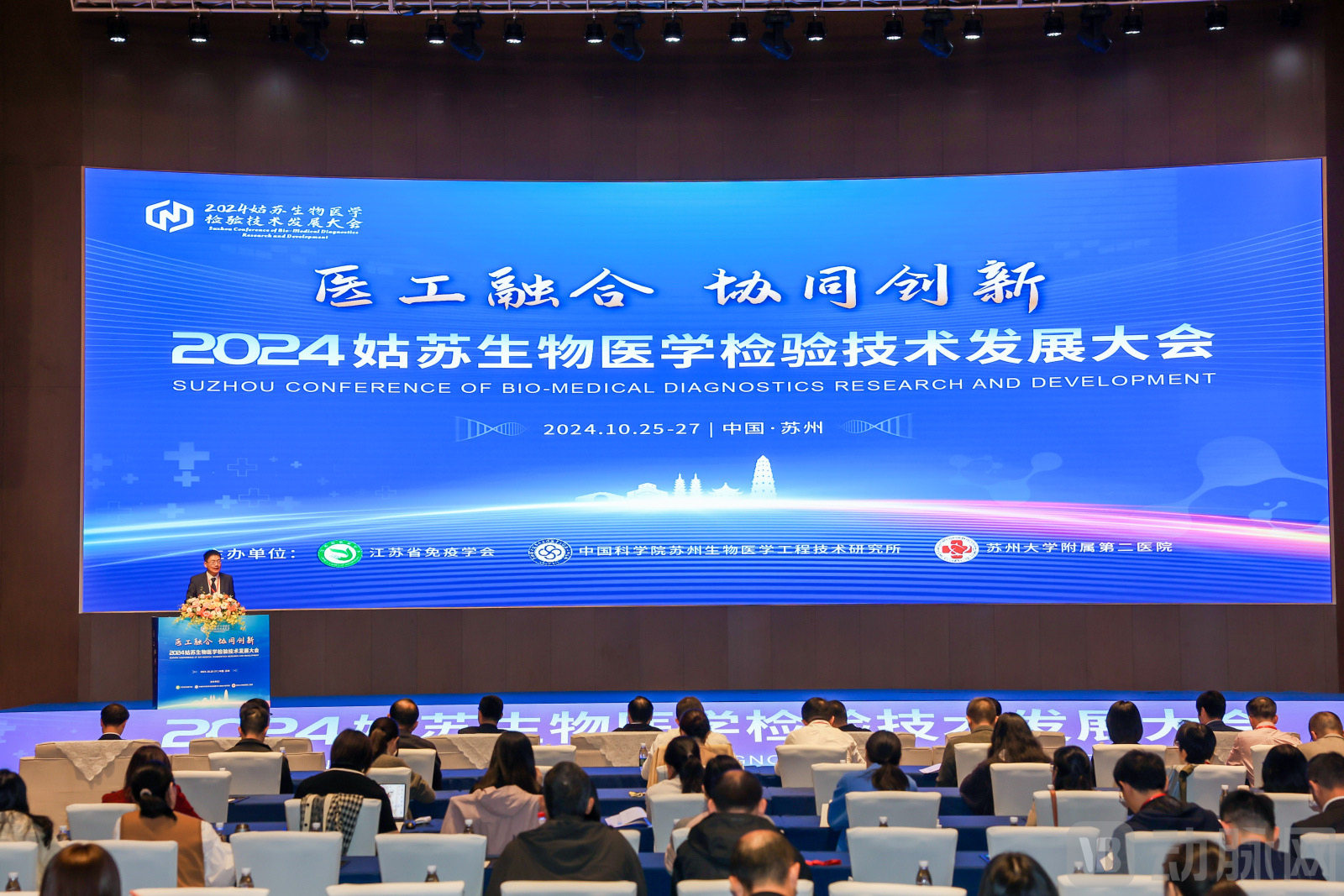
At the opening ceremony of the conference, Gu Haidong, Member of the Standing Committee of the Suzhou Municipal Party Committee and Executive Vice Mayor; Wu Chengtie, Secretary of the Party Committee and Director of the Suzhou Institute of Biomedical Engineering and Technology, Chinese Academy of Sciences; Xu Bo, Secretary of the Party Committee of the Second Affiliated Hospital of Soochow University; and Wang Lixin, Chairman of the Jiangsu Provincial Society for Immunology, delivered speeches in succession.
Vice Mayor Gu Haidong pointed out that in recent years, Suzhou has continuously reached new heights in implementing the new development philosophy. In the field of biopharmaceuticals, Suzhou’s number of innovative enterprises, scale of entrepreneurial talent, number of clinical trial approvals for Class 1 new drugs, and total financing amount have accounted for more than 20% of the national total for many consecutive years. High-end medical enterprises account for 40% of the provincial industrial scale and 10% nationwide. The Suzhou New District has gathered nearly 4,000 biopharmaceutical companies, ranking among the top in the country in terms of competitiveness. Currently, Suzhou is focusing on 10 industrial clusters, including biopharmaceuticals and general health, as well as 30 advantageous industrial chains, such as innovative drugs and medical devices, to accelerate the construction of the “1030” industrial system and develop productive forces in light of local conditions.
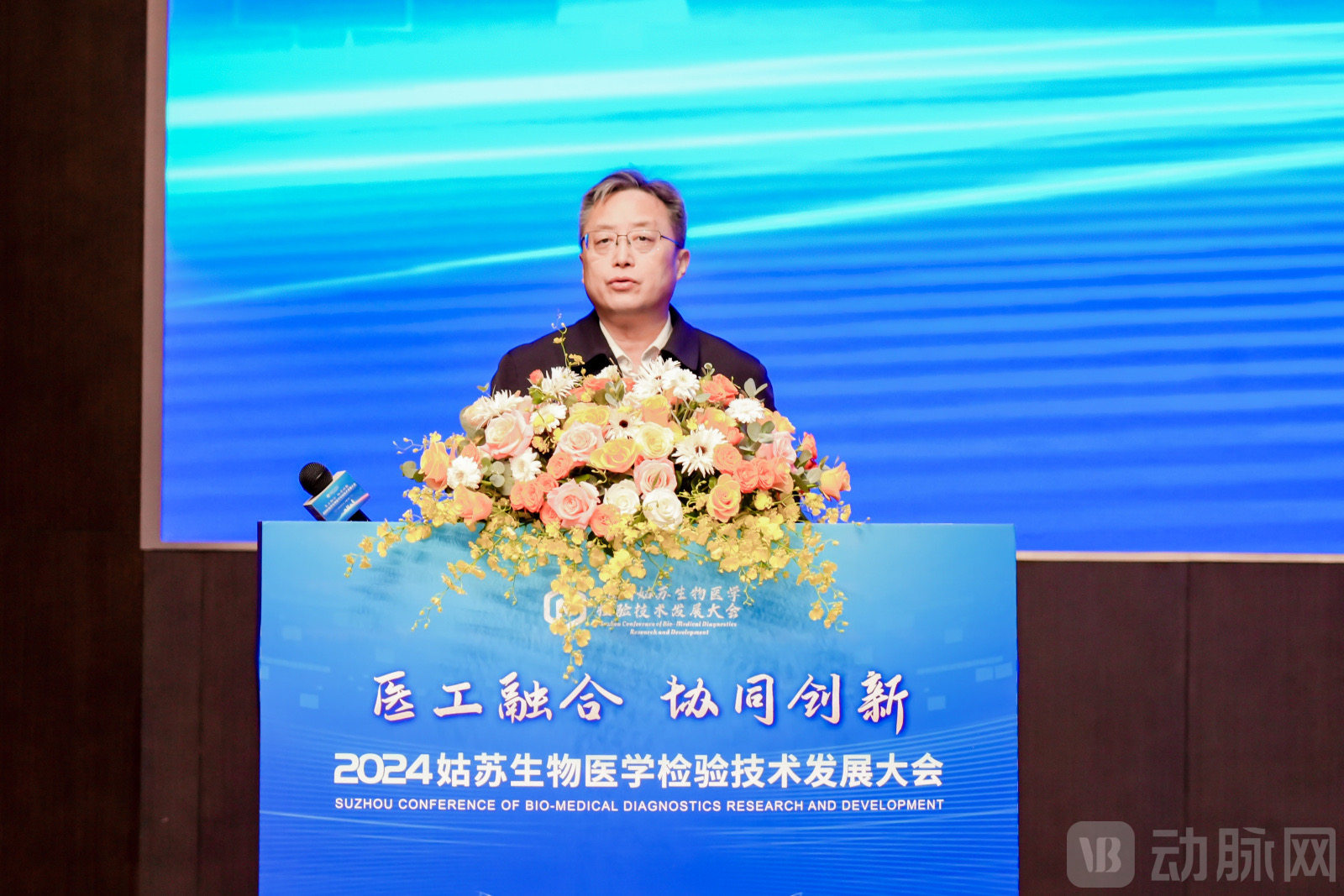
Gu Haidong, Member of the Standing Committee of the Suzhou Municipal Committee of the Communist Party of China and Executive Vice Mayor
The Suzhou Institute of Biomedical Engineering and Technology, Chinese Academy of Sciences, focuses on biomedical engineering, consistently producing high-level original achievements in areas such as biomedical engineering equipment, medical diagnostic and therapeutic reagents, and biomedical materials. The Second Affiliated Hospital of Soochow University, a renowned comprehensive Grade A tertiary hospital in China, has made significant contributions to the development of healthcare in Suzhou and across China.
Director Wu Chengtie stated that the Suzhou Institute of Biomedical Engineering and Technology (SIBET), Chinese Academy of Sciences, has achieved more than 150 scientific research outcomes and products with independent intellectual property rights, including two-photon microscopes, digital PCR systems, and ultrasound imaging devices. Among these, various testing equipment, such as real-time quantitative nucleic acid detectors, have obtained multiple medical device registration certificates for domestically produced devices in China. With the support of the Chinese Academy of Sciences, SIBET will continue to leverage its advantages in talent and technology to cultivate and develop biomedical testing technologies and equipment tailored to local characteristics. Meanwhile, it will strengthen cooperation at all levels—international, domestic, between the Academy and local governments, and among provinces and cities—from a global perspective. By engaging in project collaborations, personnel exchanges and training, and the joint establishment of R&D centers and laboratories, SIBET aims to attract advanced international technologies and high-end talent.
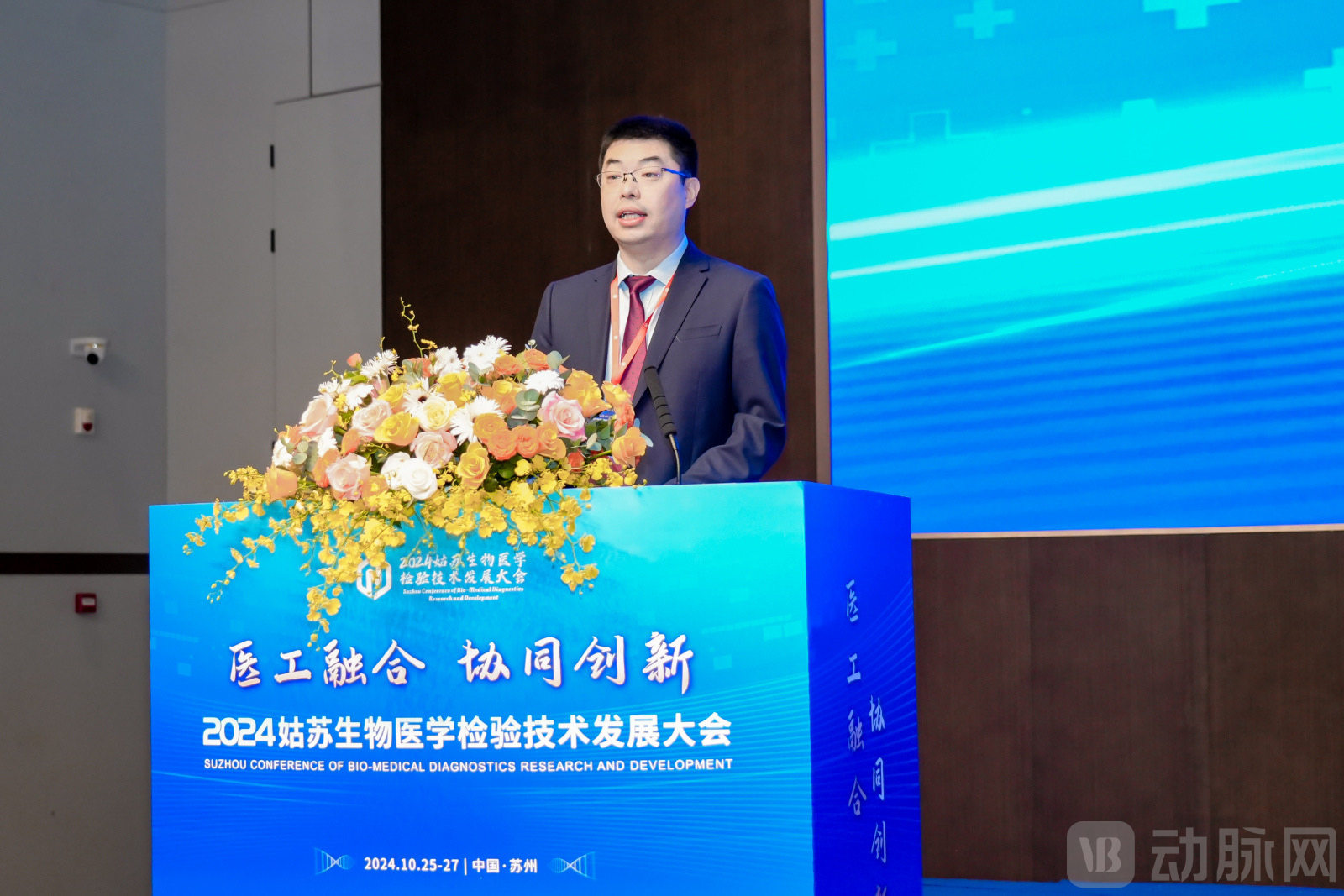
Wu Chengtie, Secretary of the Party Committee and Director of the Suzhou Institute of Biomedical Engineering and Technology, Chinese Academy of Sciences
Professor Xu Bo stated that Suzhou is currently prioritizing the biomedical industry as its top strategic initiative. Over the past three years, 23 specialties at the Second Affiliated Hospital of Soochow University have ranked among the top 100 nationwide. As one of the hospital’s key disciplines for development, laboratory medicine has received substantial support from both Suzhou Municipality and the hospital, achieving recognition as a provincial-level key specialty and being designated as a first-class undergraduate major program in Jiangsu Province. The achievements of the Second Affiliated Hospital of Soochow University are inseparable from the support and assistance provided by leadership and experts. This conference brings together numerous renowned scholars, clinical experts, and industry leaders from China and abroad to discuss advancements in biomedical laboratory technologies and jointly promote industrial development.
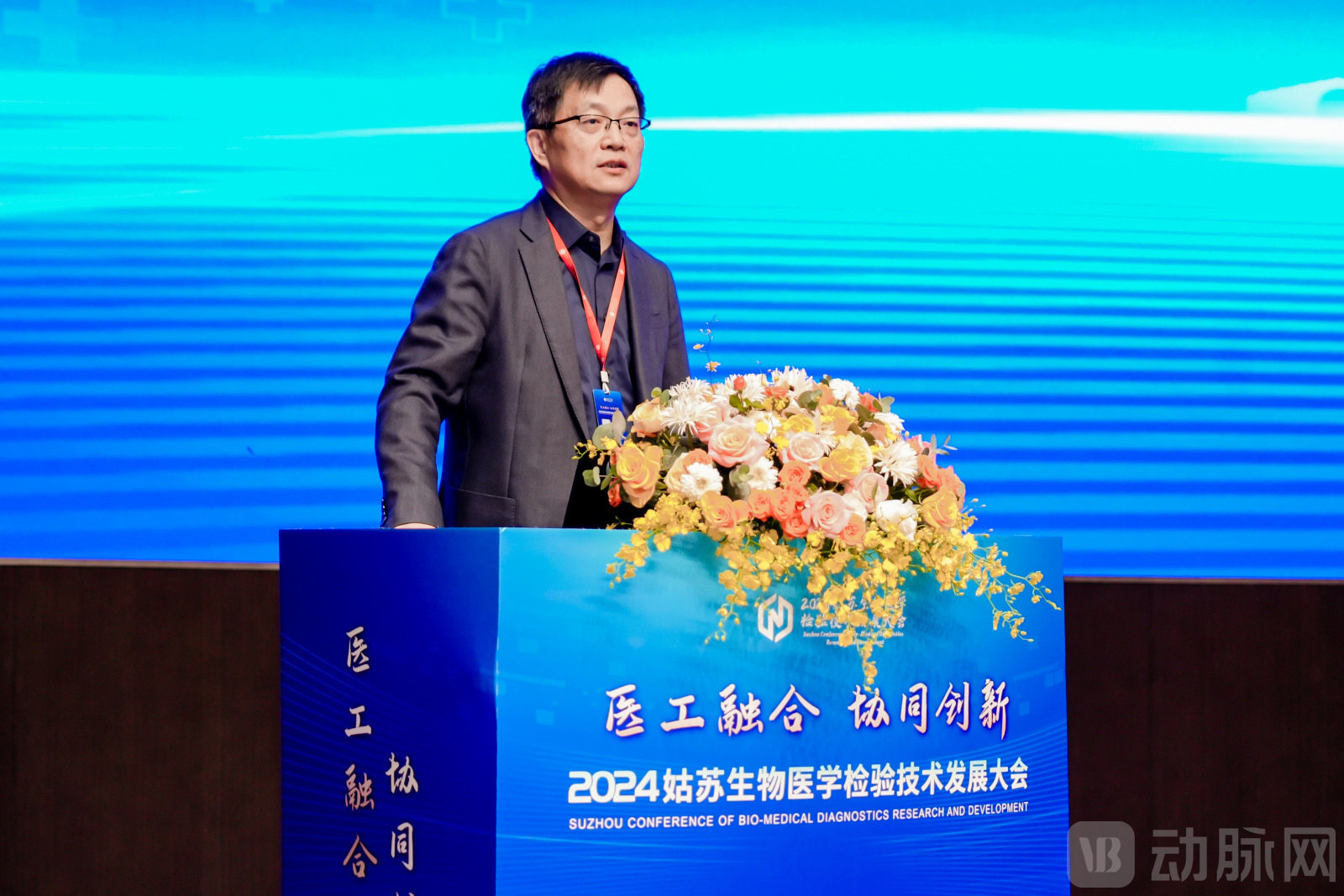
Xu Bo, Party Secretary of the Second Affiliated Hospital of Soochow University
Professor Wang Lixin stated that since its establishment in 2001, the Jiangsu Provincial Society for Immunology has consistently adhered to its academic mission of advancing the field of immunology, while maintaining a distinctive focus on integrating basic research with clinical practice. Currently, the Society boasts over 2,000 members and 21 branch organizations, having become a professional body with considerable influence within the immunology community in Jiangsu Province and across China. With technological advancements and growing clinical demands, precision, intelligence, and personalization have emerged as future trends in medical laboratory science, particularly in clinical microbiology testing and individualized immune function assessment. Therefore, the deep integration of clinical laboratory medicine with biotechnology represents the direction of future development.
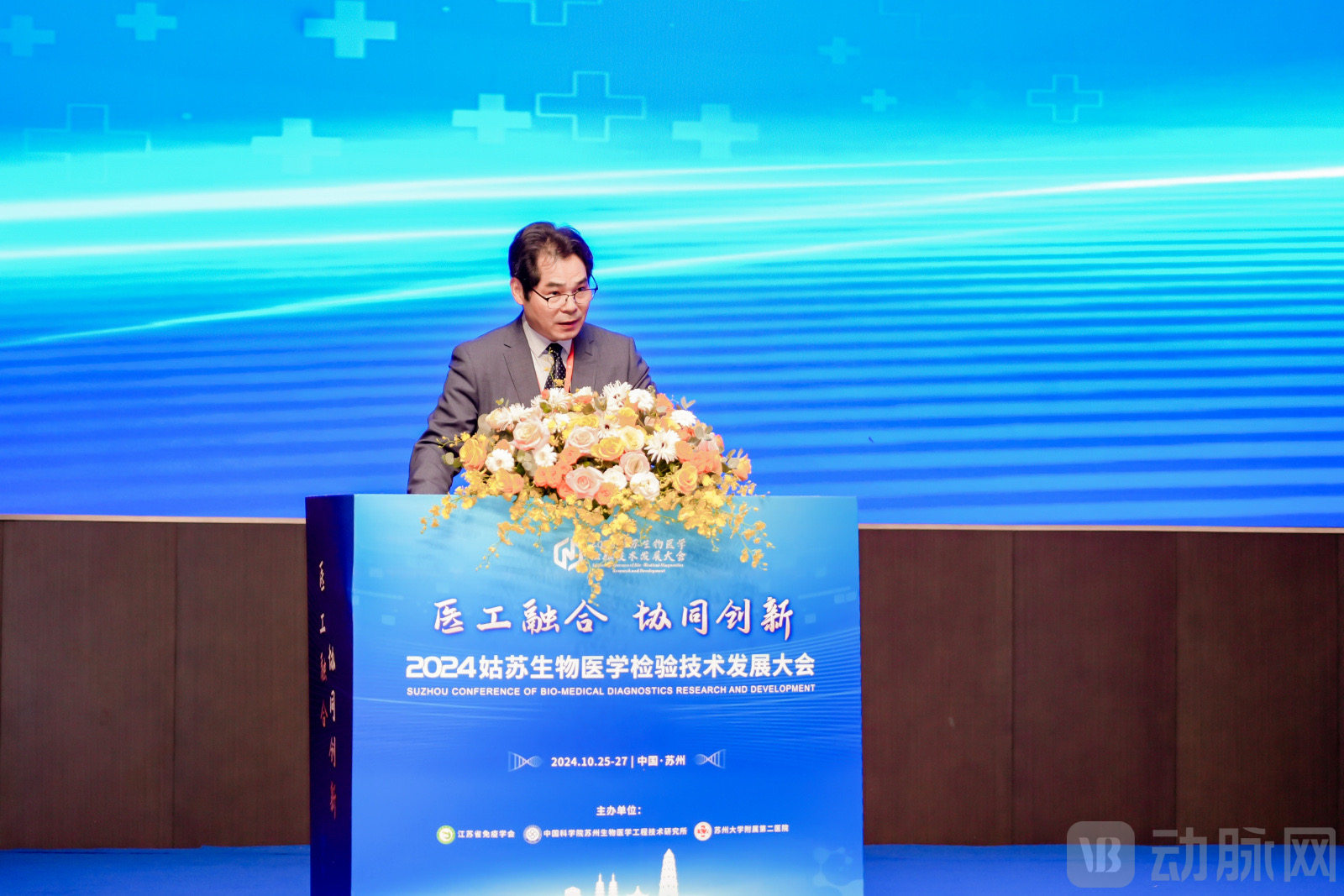
Wang Lixin, President of the Jiangsu Provincial Society for Immunology
To strengthen interactions between academia and industry, accelerate the translation of scientific research achievements into practical applications, and further promote the advancement and development of biomedical laboratory technologies, this conference organized a variety of activities, including closed-door meetings of the society, an outstanding paper competition for young scholars, and a closed-door meeting of the Jiangsu Provincial Medical Device Innovation Center. Additionally, ten specialized sub-forums were held, namely: the Forum on Intelligent Biomedical Sensing, the Forum on Biochemistry and Immunology, the Forum on Frontiers in Transfusion Medicine, the Forum on Smart Laboratory Diagnostics, the Seminar on Integrated Innovation and Translation among “Research, Medicine, and Industry,” the Forum on New Technologies in Microbiological Testing, the Forum on New Technologies in Liquid Biopsy, the Forum on Frontier Technologies in Clinical Laboratory Medicine, the Forum on Molecular Diagnostic Testing, and the Forum on Frontiers in Biomedical Engineering. These sessions offered substantial content and were brilliantly presented.
As the conference drew to a successful close, the industry witnessed the latest advancements in biomedical laboratory technology and felt the strong collaboration between academia and industry. The integration of medicine and engineering, along with collaborative innovation, serves as a key driving force for development in this field. Through these in-depth exchanges and discussions, it is believed that more scientific achievements will be translated into practice in the future, delivering more precise and efficient medical services to patients, and jointly promoting the advancement of biomedical laboratory technology.