

Exploring New Pathways for Digital Therapeutics Industry Value: The 3rd China Digital Therapeutics Product Quality and Regulatory Symposium and 2024 Annual Meeting of the Digital Therapeutics Committee of China Association for Medical Devices Held in Shanghai
On October 24, 2024, the Third China Digital Therapeutics Product Quality and Regulatory Symposium and the 2024 Annual Meeting of the Digital Therapeutics Professional Committee of the China Medical Device Industry Association were held at the Greenland Platinum Hotel in Pudong, Shanghai. The conference was organized byHosted by the Digital Therapeutics Professional Committee of the China Medical Devices Industry Association, organized by the Shanghai Institute for Medical Device Testing, and co-organized by the Engineering Research Center for Innovative Scientific Instruments of the Ministry of Education, with support from Changchun GeneScience Pharmaceuticals Co., Ltd., Chongqing VCBeat Technology Co., Ltd., Hangzhou Zhilan Health Co., Ltd., Viatris Pharmaceuticals Co., Ltd., ResMed (Beijing) Trading Co., Ltd., Shanghai Tehuofen Intelligent Technology Co., Ltd., Suzhou Yiduoyun Health Co., Ltd., and Abbott Trading (Shanghai) Co., Ltd.。
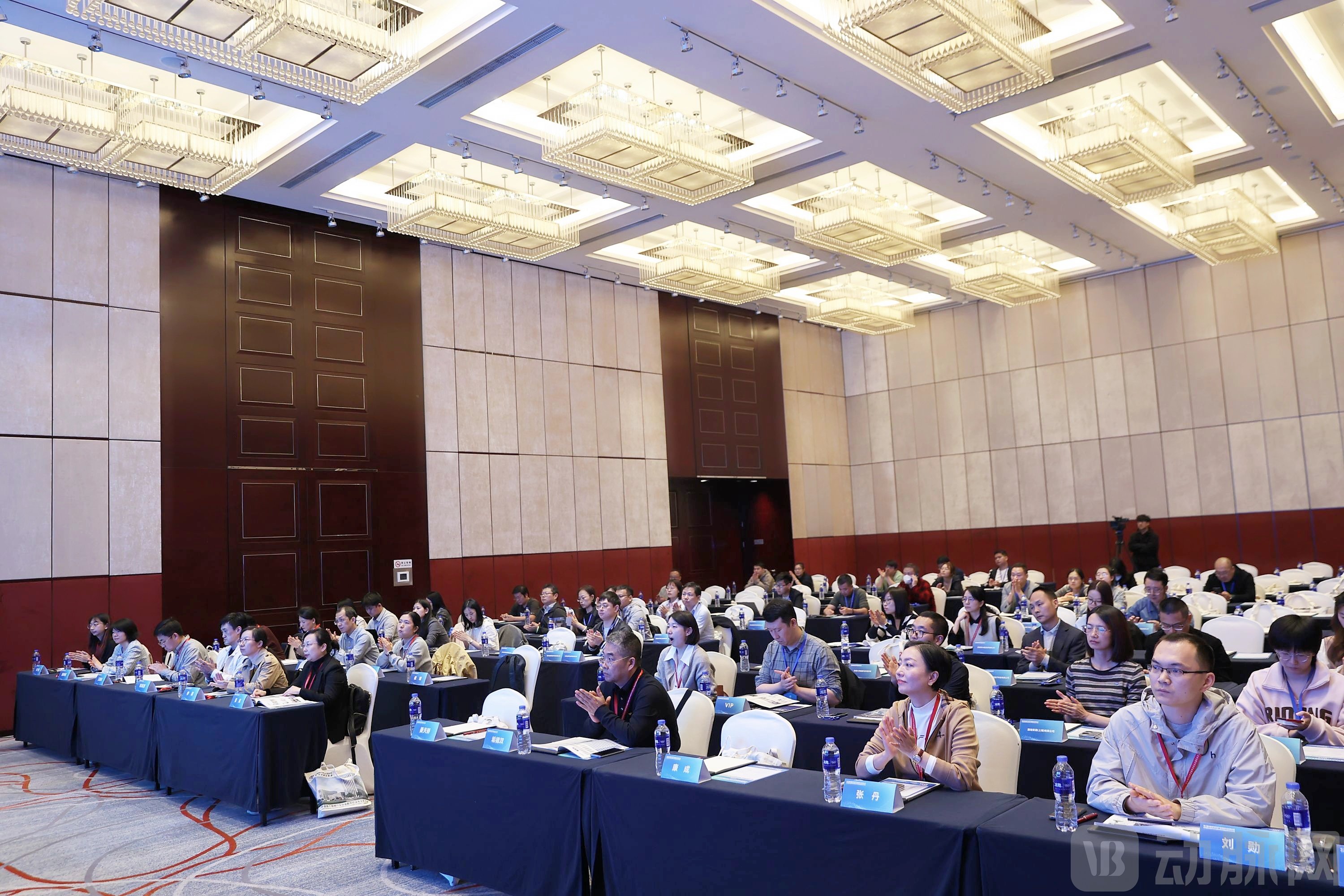
Conference Venue
Xu Shan, Secretary-General of the China Association for Medical Devices Industry (CAMDI), and He Jun, Party Secretary of the Shanghai Institute for Medical Device Testing, attended the event online and delivered opening remarks. Keynote speeches were delivered by Liu Chongsheng, Secretary-General of the Digital Therapeutics Committee of CAMDI; Wang Xiaoling, Deputy Head of the Active Medical Device Inspection Department at the Shanghai Center for Medical Device and Cosmetics Evaluation and Inspection; Liu Xun, Senior Engineer at the First Institute of Active Medical Devices, Shanghai Institute for Medical Device Testing; Jiang Tianjiao, Dean of VCBeat; Shen Wen, Cybersecurity Consultant at UL Solutions; Zhang Dan, Chairman and CEO of Chengxin Digital Therapeutics (Tianjin) Co., Ltd.; and Kang Cheng, Founder and CEO of Hangzhou Xuzhishi Technology Co., Ltd. The conference was attended by more than 100 participants from member enterprises of the committee and domestic digital therapeutics companies. The meeting was moderated by Liu Chongsheng, Secretary-General of the Digital Therapeutics Committee of CAMDI.
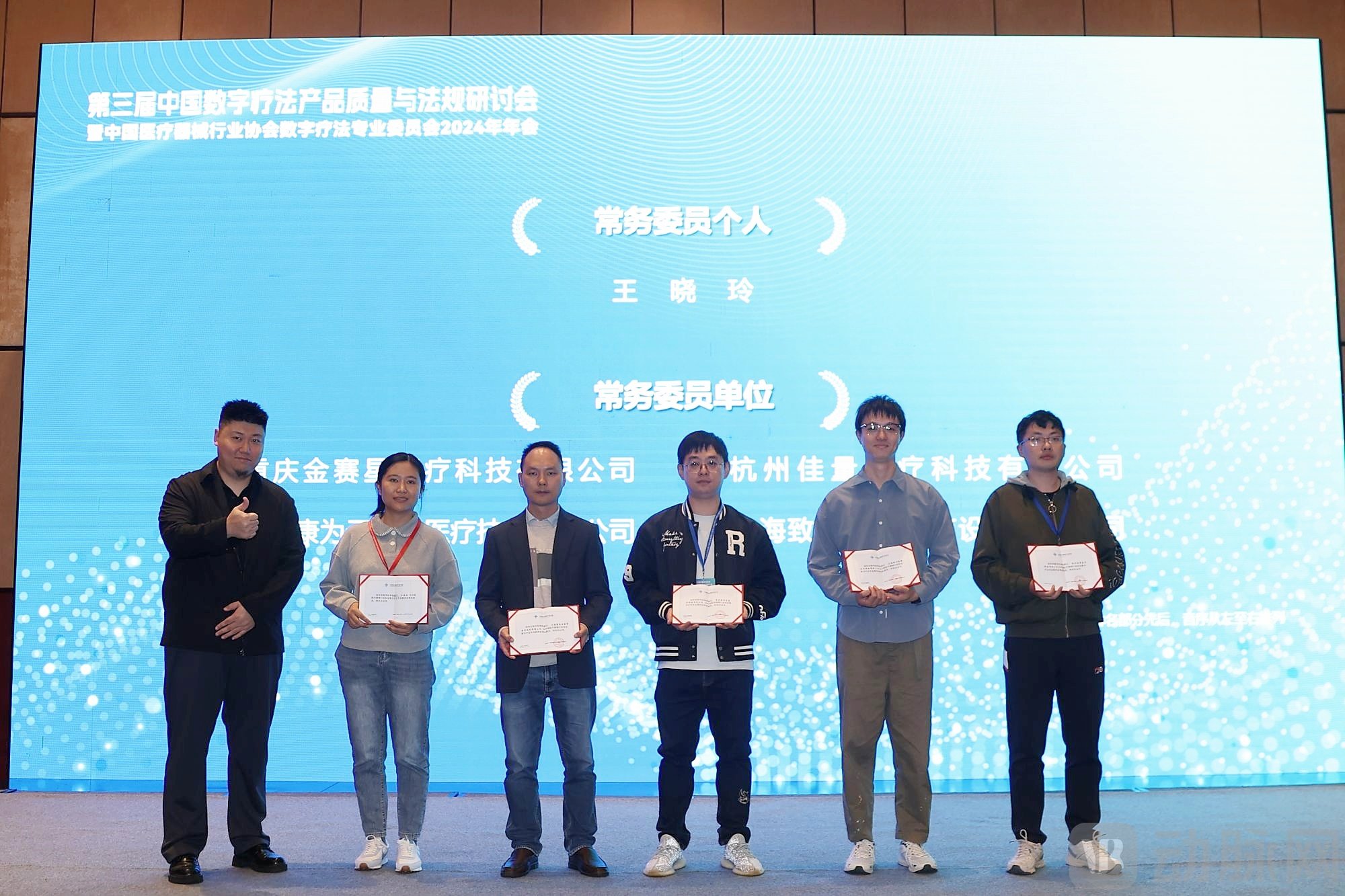
Certificate Awarding Ceremony for the Newly Appointed Members of the Digital Therapeutics Special Committee
At the meeting, a certificate awarding ceremony was concurrently held for the newly appointed members of the Digital Therapeutics Committee in 2024. Liu Chongsheng, Secretary-General of the Digital Therapeutics Committee of the China Association of Medical Device Industry, presented certificates to the corporate representatives of the newly appointed members attending the meeting.
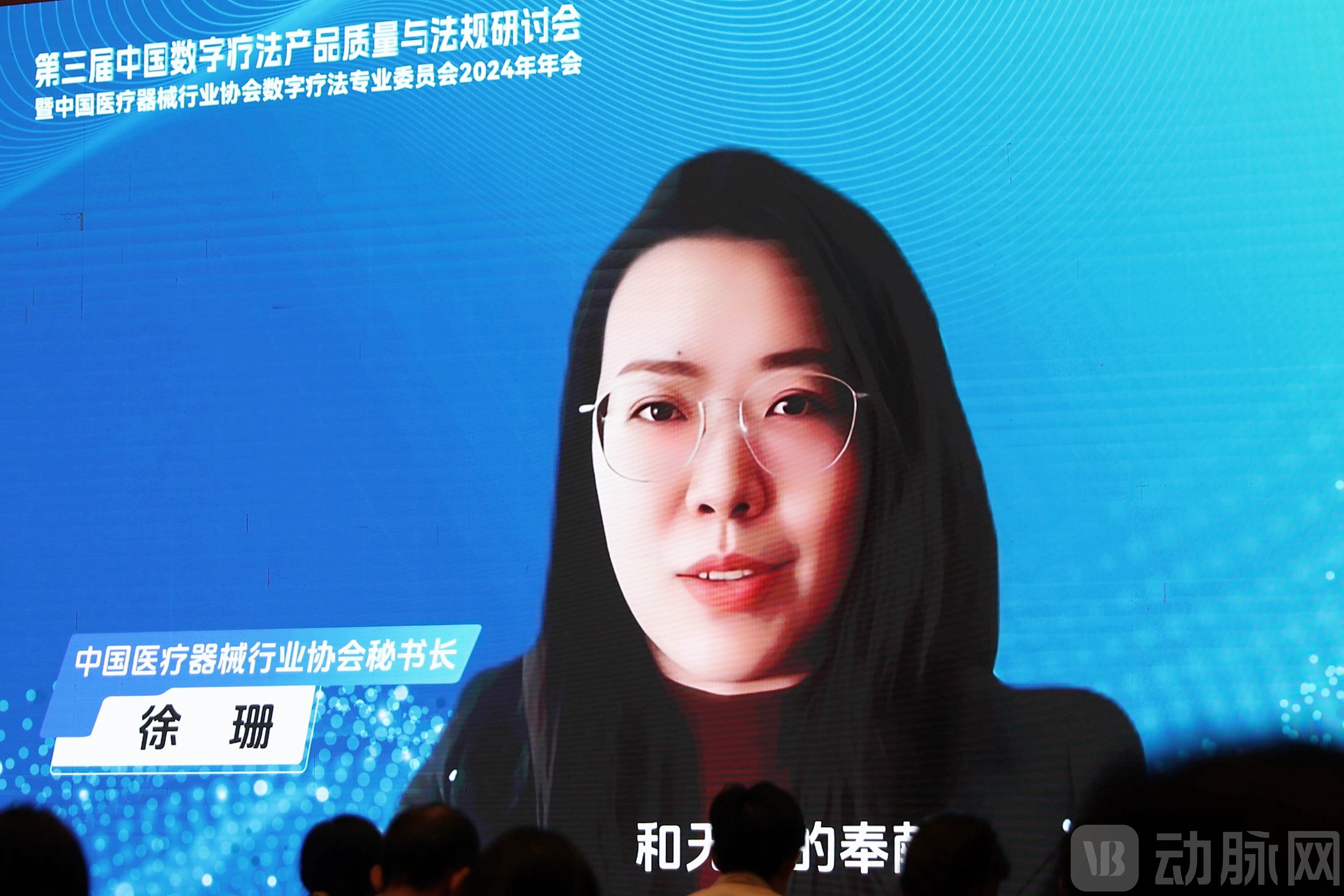
Xu Shan, Secretary-General of the China Medical Device Industry Association
Xu Shan, Secretary-General of the China Association for Medical Device IndustryIn her address, she stated that the Digital Therapeutics Special Committee had achieved significant progress in promoting compliant research and development as well as product registration for digital therapeutics. She emphasized the importance of strengthening collaboration and driving technological innovation, urging committee members to continue their efforts by enhancing cooperation with regulatory authorities and enterprises, keeping abreast of industry trends, and advancing the standardization of digital therapeutics. She expressed her gratitude to the committee members and attendees and wished the conference every success.
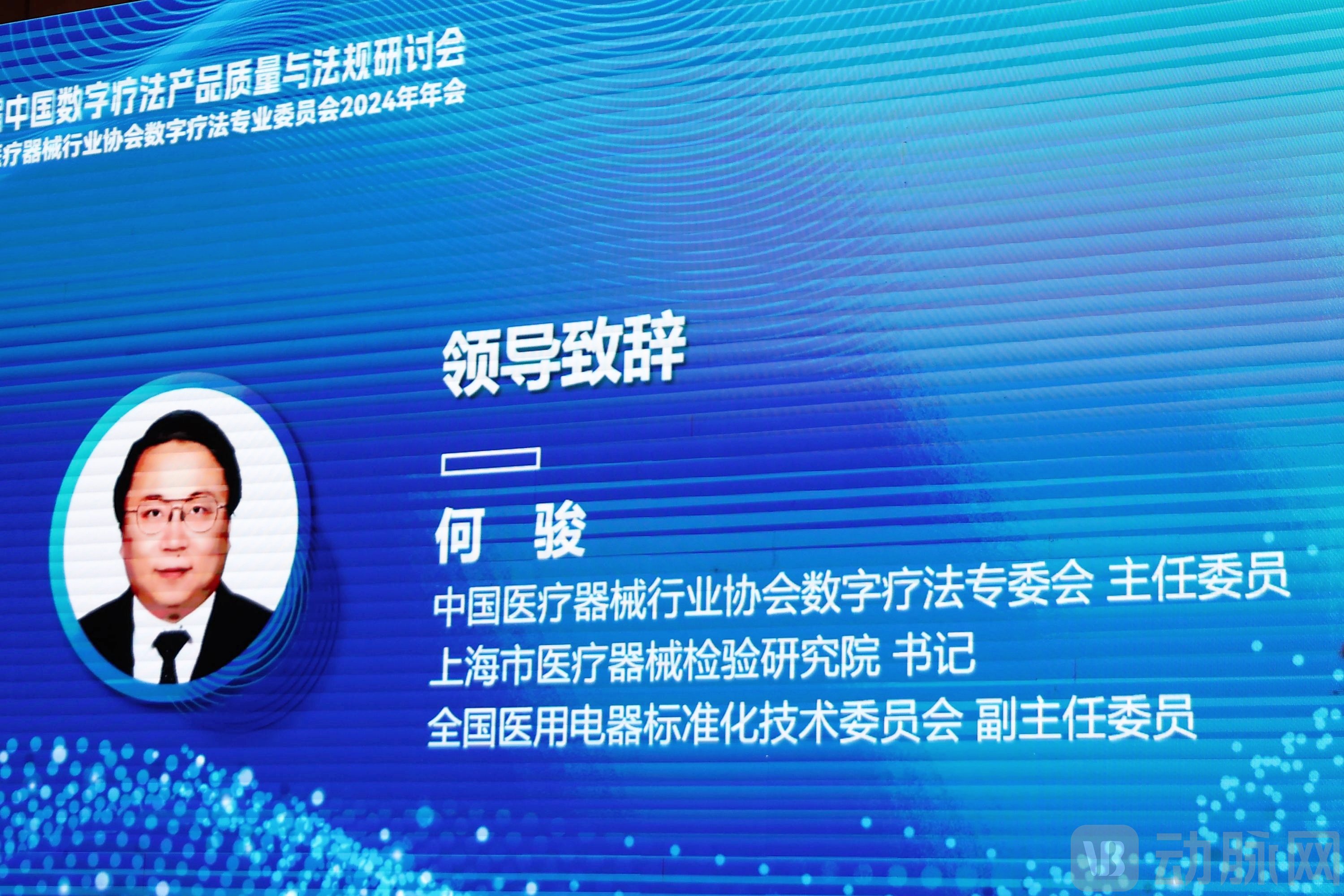
He Jun, Secretary of the Party Committee, Shanghai Institute for Medical Device Testing
He Jun, Party Secretary of Shanghai Institute for Medical Device TestingIn his address, he stated that digital therapeutics, as an emerging technological approach, is transforming our healthcare models and service delivery with its unique advantages and potential. The Shanghai Institute of Medical Device Testing has always been committed to standard setting, testing, and technical research for digital therapeutic medical devices, empowering the research and development of medical device products and providing technical support for medical device regulation in China. Meanwhile, he pointed out that the development of the digital therapeutics field still faces many challenges, such as ensuring product safety and efficacy, expanding capabilities through integration with artificial intelligence technologies, and meeting the diverse needs of patients. He expressed that the Shanghai Institute will continue to undertake the work of the Digital Therapeutics Professional Committee, conduct in-depth research on product standards and testing methods, promote industry development, strengthen cooperation with various stakeholders, and facilitate the market launch of more products.

Liu Chongsheng, Secretary-General of the Digital Therapeutics Professional Committee, China Medical Device Industry Association
Liu Chongsheng, Secretary-General of the Digital Therapeutics Committee of the China Medical Devices Industry AssociationIn its work report, the Special Committee stated that over the past year, it organized and hosted three forum events, released two industry publications, conducted one training session, achieved three standardization outcomes, and maintained year-round communication between government and enterprises. These concrete actions have promoted exchange and development within the digital therapeutics industry. Furthermore, the Digital Health Standards Working Group was established this year, facilitating the initiation of the first group standard for digital therapeutics, thereby filling a gap in China’s group standards for digital therapeutics. Moving forward, the Special Committee will continue to support innovation, refine industry consensus, improve operational mechanisms, and explore opportunities for global cooperation.
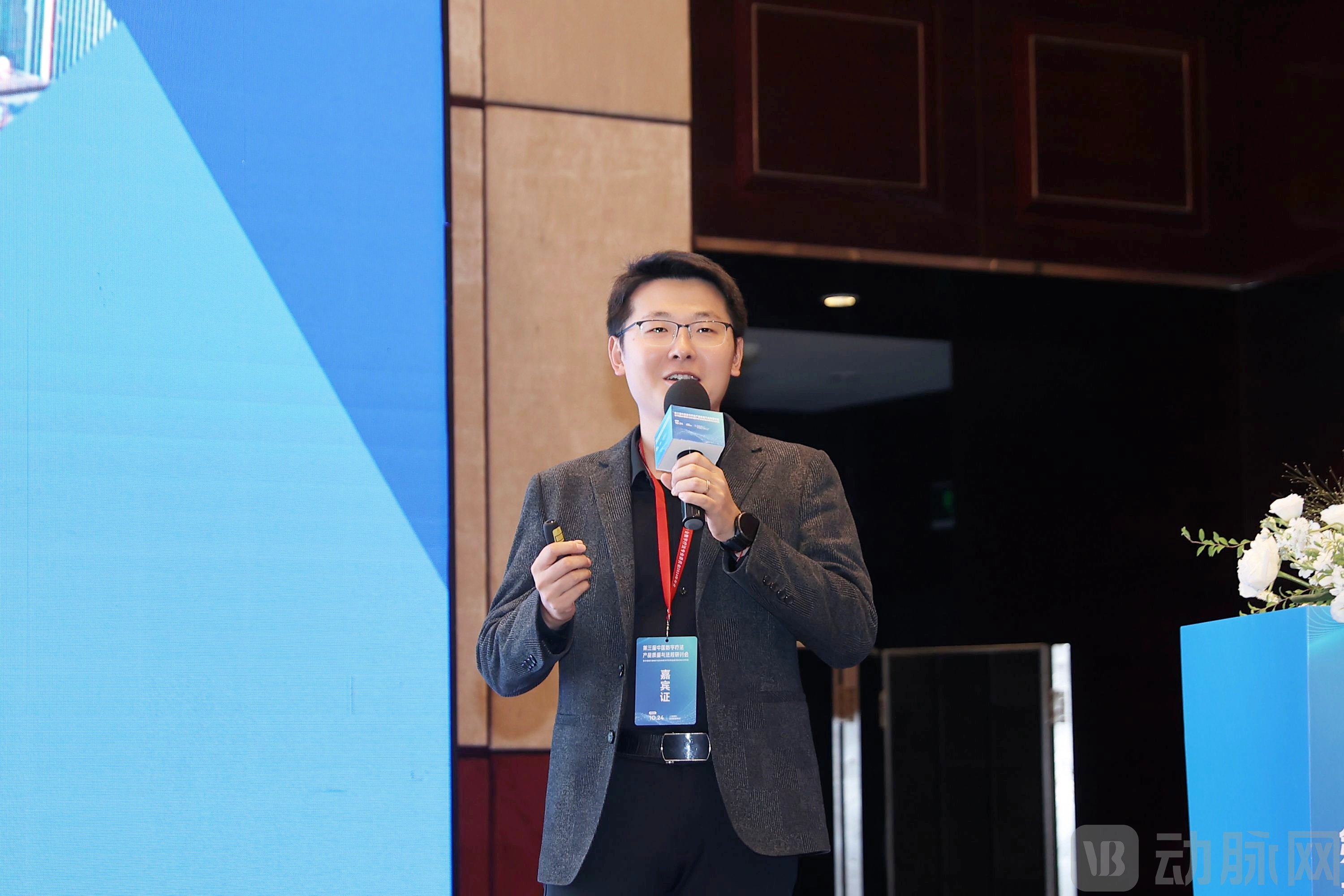
Jiang Tianjiao, Dean of VCBeat
Jiang Tianjiao, Dean of VCBeatIt was pointed out that the digital therapeutics industry in China has transitioned from initial hype to a more realistic phase, currently facing multiple challenges including regulatory review and approval, clinical trials, and commercialization. It was emphasized that digital therapeutics companies need to independently chart their development paths in the Chinese market, while contending with multifaceted challenges in regulatory review and approval, clinical trials, and commercialization. Commercialization remains the core issue for digital therapeutics at present; it is recommended that companies focus on business-to-business (B2B) models, explore possibilities for reimbursement through medical insurance, and consider collaborating with major industry players to promote their products. Jiang Tianjiao also mentioned that digital therapeutics products should be used in conjunction with hardware, and that companies should fully leverage government resources and policy support to identify development opportunities.

Wang Xiaoling, Deputy Director of the Active Medical Device Inspection Department, Shanghai Center for Evaluation and Verification of Medical Devices and Cosmetics
Wang Xiaoling, Deputy Director of the Active Medical Device Inspection Department, Shanghai Medical Device and Cosmetic Evaluation and Inspection CenterThe discussion covered key points in the inspection of medical device software systems, highlighting common issues in critical stages such as requirements analysis, design verification, software testing, and defect management. She emphasized that requirements must be comprehensive, designs complete, and test cases should cover risk items, while advocating for the maintenance of original records throughout the development process to ensure traceability. Wang Xiaoling also addressed the unique challenges posed by artificial intelligence products, including data collection and algorithm design, and recommended that companies focus on controlling the software lifecycle to guarantee software quality and regulatory compliance.

Liu Xun, Senior Engineer at the First Institute of Active Medical Devices, Shanghai Institute for Medical Device Testing
Liu Xun, Senior Engineer, Active Device Institute I, Shanghai Institute of Medical Device TestingA presentation was given on the management and evaluation of brain-computer interface (BCI) medical devices, covering their applications in health enhancement, industrial and military sectors, and patient rehabilitation. The discussion addressed the classification of BCIs, including wearable, semi-implantable, and implantable types, and emphasized the importance of international standards such as ISO and IEC in product definition. The composition of BCI medical devices and progress in standardization efforts were also highlighted, along with the challenges associated with balancing data volume, transmission speed, and accuracy. Liu Xun further emphasized product reliability, usability, and data privacy, and outlined the work conducted by the Shanghai Institute for Medical Device Testing in the field of BCI, as well as the upcoming industry standards.

Shen Wen, Cybersecurity Consultant at UL Solutions
Shen Wen, Cybersecurity Consultant at UL SolutionsThe presentation discussed the importance of threat modeling in the field of cybersecurity and shared several common threat modeling methodologies. It emphasized the critical role of threat modeling in product design and highlighted the FDA’s compliance requirements for threat modeling in medical device systems. Other threat modeling frameworks, such as DREAD and PASTA, were also mentioned, with a comparison of their focal points and application scenarios. Finally, Shen Wen demonstrated how to conduct product threat modeling using the STRIDE model through a case study, covering asset identification, threat analysis, and the formulation of mitigation measures.
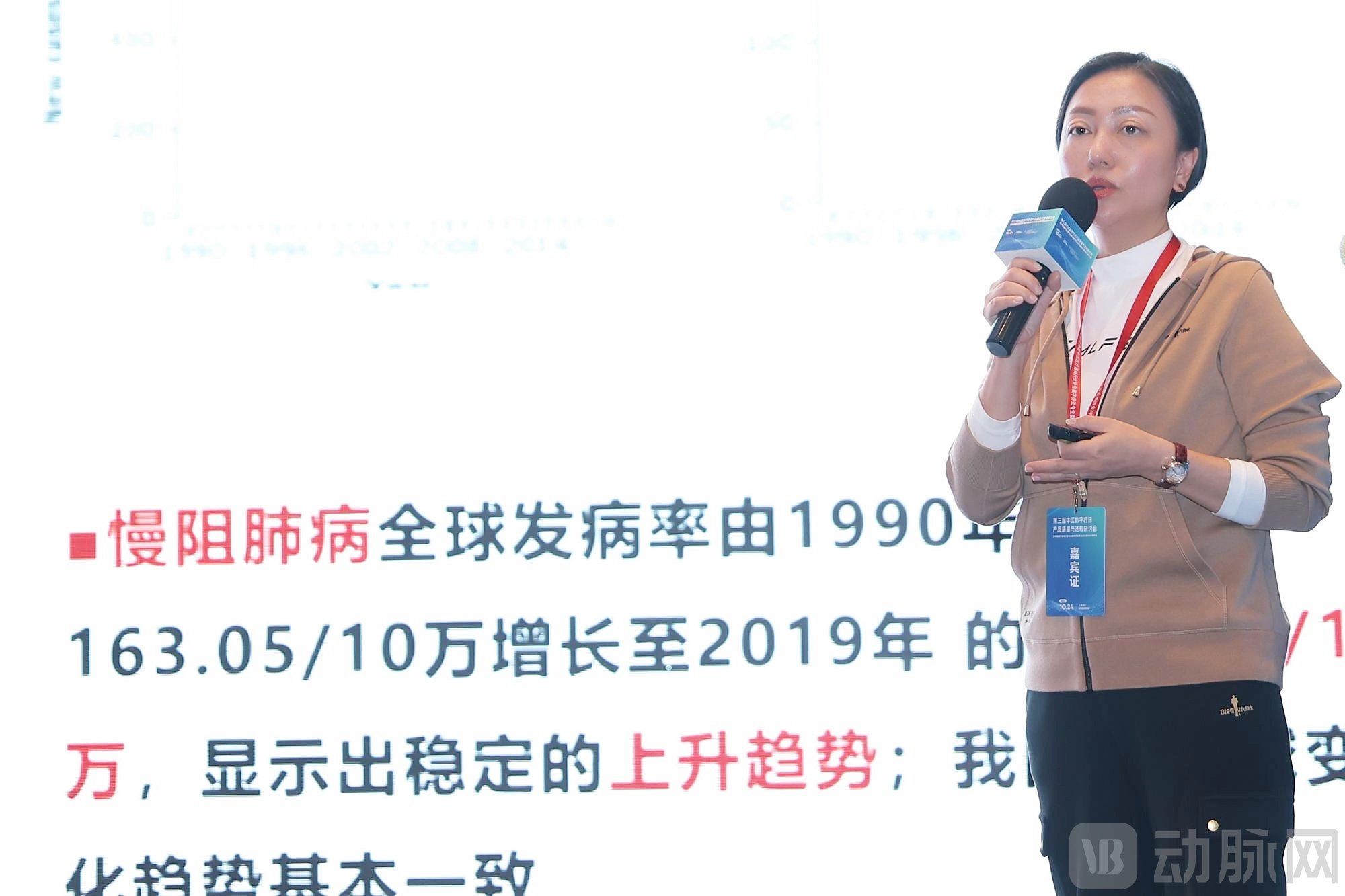
Zhang Dan, Chairman and CEO of Chengxin Digital Therapeutics (Tianjin) Co., Ltd.
Zhang Dan, Chairman and CEO of Chengxin Digital Therapeutics (Tianjin) Co., Ltd.She shared insights on the application of digital therapeutics in the treatment of chronic respiratory diseases, with a particular focus on therapies for chronic obstructive pulmonary disease (COPD). She pointed out that the COPD patient population is large and often receives inadequate treatment; digital therapeutics can enhance patients’ self-management capabilities and improve the accuracy of inhaler use. By integrating hardware sensors with software, digital therapeutics provide real-time monitoring and feedback, helping patients improve medication adherence. Furthermore, digital therapeutics contribute to reducing healthcare costs and enhancing the quality of medical services. Finally, Zhang Dan emphasized the development of digital therapeutics under policy support and their contribution to the national strategy for high-quality development.

Kang Cheng, Founder and CEO of Hangzhou Xuzhishi Technology Co., Ltd.
Kang Cheng, Founder and CEO of Hangzhou Xuzhishi Technology Co., Ltd.Xu Zhishai shared the progress made in the field of digital medical devices, particularly in the treatment of chronic brain diseases. The company focuses on hardware-centric digital products, which have been deployed in 300 hospitals and have obtained regulatory approvals both domestically and internationally. By leveraging automation to address the shortage of medical personnel, the company has improved upon the limitations of traditional treatment methods. Kang Cheng emphasized the advantages of digital technology in cost savings and efficiency enhancement, and outlined its broad application prospects in the healthcare sector, including collaborations with healthcare IT companies and the provision of integrated digital solutions.
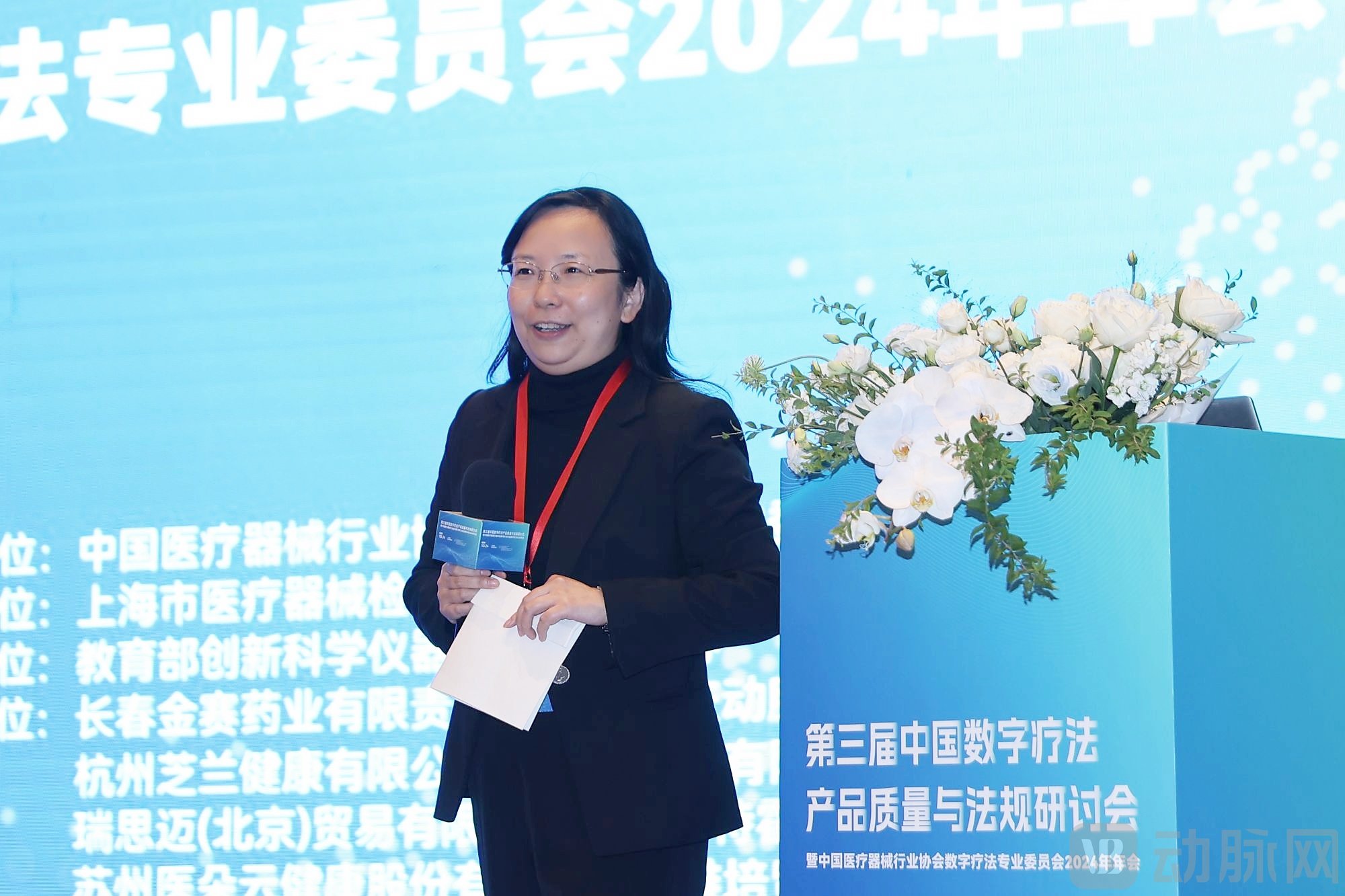
Zhang Lan, Head of the Working Group on Digital Health Standard Development, West China Hospital, Sichuan University

Tang Yuanqin, Orange Heart Digital Therapeutics (Tianjin) Co., Ltd.
During the standard assessment meeting for the “Special Technical Specifications for Respiratory Function Data Monitoring and Analysis Software,” the relevant representatives of the working group present conducted an on-site review and resolution, whereinProfessor Zhang Lan, Head of the Working Group on Digital Health Standards Development, West China Hospital, Sichuan University,Tang Yuanqin, Orange Heart Digital Therapeutics (Tianjin) Co., Ltd.delivered remarks respectively.
At the evaluation meeting for the “Special Technical Requirements for Respiratory Function Data Monitoring and Analysis Software,” Professor Zhang Lan delivered a speech emphasizing the value of digital technologies in healthcare. She noted that although digital therapeutics are still in their early stages of development globally, many high-quality products have already demonstrated tangible benefits for both patients and clinicians by improving treatment outcomes and enhancing the efficiency of healthcare professionals. Professor Zhang expressed her hope for the introduction of more group standards to promote the standardization and normalization of digital therapeutic products, thereby driving industry development.
As a representative of Orange Heart Digital Therapeutics (Tianjin) Co., Ltd., one of the initiating organizations for the group standard, Tang Yuanqin introduced the company’s work in the field of chronic respiratory disease treatment, with a focus on inhalation therapy technologies. She highlighted issues related to technical proficiency and patient adherence in inhalation therapy, and mentioned the development of smart inhalation devices, including the company’s integrated hardware-software products designed to provide comprehensive treatment solutions. Tang Yuanqin emphasized the importance of standardization and shared insights into the collaborative drafting of group standards by multiple institutions, which includes requirements and testing methods for software used in monitoring and analyzing respiratory function data. Finally, she discussed the validation work conducted on the group standard, which confirmed the rationality of the technical requirements and the feasibility of the testing methods, thereby demonstrating that the technical indicators of the group standard are reasonable and the testing methods are reliable and feasible.
In conclusion, representatives from member enterprises of the specialized committee and companies involved in digital therapeutics all stated that this premier event not only strengthened industry-wide communication and collaboration but also provided significant impetus for improving the quality and regulatory compliance of digital therapeutic products, as well as advancing industry standardization and normalization. With continuous technological advancements and supportive policies, digital therapeutics are poised to deliver higher-quality medical services to more patients in the future, making greater contributions to the nation’s healthcare endeavors.