

Dajing TCM Digital Intelligence High-End Forum Held: 'Digital Intelligence TCM Alliance' and 'Que Tang Yu Fang' Innovative Business Models Launched!
To what extent has the digital and intelligent transformation of Traditional Chinese Medicine (TCM) progressed? What new business models have emerged? These questions were addressed at the conference held recently.
On October 25, the “2024 Digital Intelligence TCM High-End Forum and Global Launch of the ‘Digital Intelligence TCM Alliance’ and ‘Quetang Yufang’ Projects,” hosted by the Committee for Inheritance and Innovation of Classical TCM Prescriptions under the China Medical Pharmaceutical Materials Association and organized by Nanjing Dajing Traditional Chinese Medicine Information Technology Co., Ltd., was successfully held in Nanjing.
At the conference, industry experts’ insights on the digital and intelligent transformation of Traditional Chinese Medicine (TCM), along with the achievements made in this field in recent years, sparked enthusiastic responses from attendees. Meanwhile, innovative business models are poised for emergence. TCM is entering a new era of digitalization and intelligence.
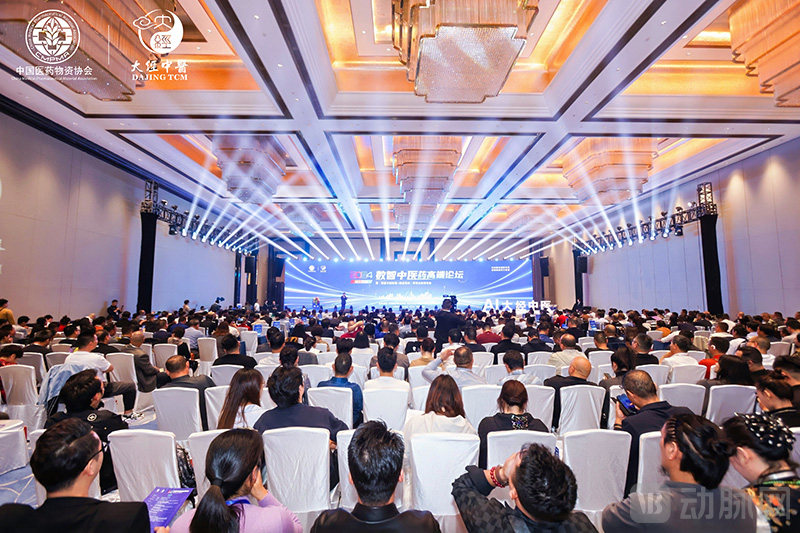
There was a time when the digitalization and intelligent transformation of Traditional Chinese Medicine (TCM) remained a controversial topic. However, with the significant achievements made in recent years, this transformation has become an unstoppable trend. The focus has now shifted to how to better implement the digital and intelligent advancement of TCM.
The forum invited over a dozen renowned scholars, experts, and entrepreneurs from prestigious institutions—including higher education institutions, the Chinese Academy of Sciences, Grade A tertiary hospitals, industry regulatory bodies, and leading enterprises—to deliver speeches. It also attracted more than 500 entrepreneurs and startup founders from across China and overseas, making it a rare and significant industry gathering for Digital Intelligence Traditional Chinese Medicine (TCM) and providing valuable direction for its future development.
As the host of the forum, Mr. Li Jinquan, Executive Deputy Secretary-General of the China Medical Pharmaceutical Materials Association (CMPMA), delivered the opening remarks. He stated that the CMPMA has always prioritized and supported innovation. Leveraging this High-End Forum on Digital and Intelligent Traditional Chinese Medicine (TCM), the association aims to actively develop branches dedicated to digital and intelligent TCM, recruit industry members, and fully utilize its organizational, resource, talent, and platform advantages. Through these efforts, the CMPMA seeks to empower and support digital and intelligent TCM in areas such as academic exchange, talent development, technological innovation, market cultivation, and industry incubation.
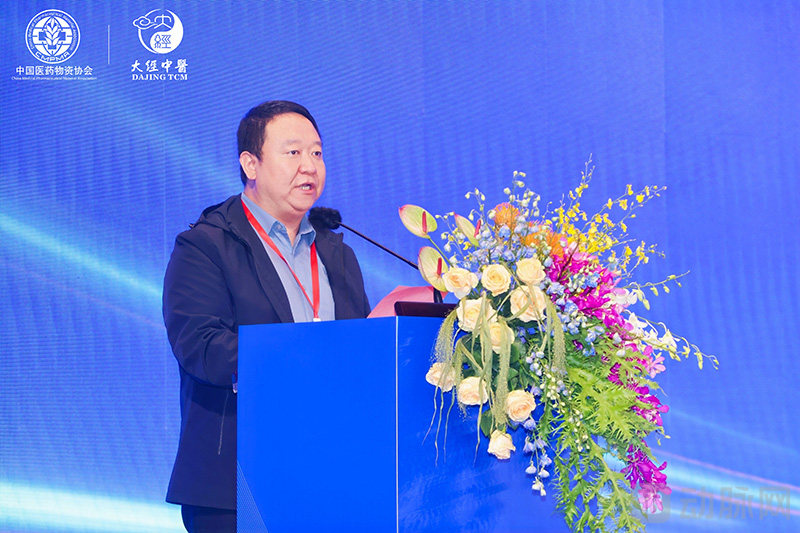
Mr. Li Jinquan, Executive Deputy Secretary-General of the China Medical Materials Association
Li Wenyou, Chairman and CEO of Dajing TCM, delivered a speech on behalf of the organizer. He reviewed the past decade since the founding of Dajing TCM, during which digital-intelligent TCM has evolved from an obscure niche sector into a prominent field encouraged by policy, endorsed by experts, and embraced by the public. He expressed his hope that this high-level forum would unite all forces from the TCM community, the technology sector, and the industry, inspiring more like-minded individuals to join the wave of development in digital-intelligent TCM and jointly contribute to a bright future for traditional Chinese medicine.
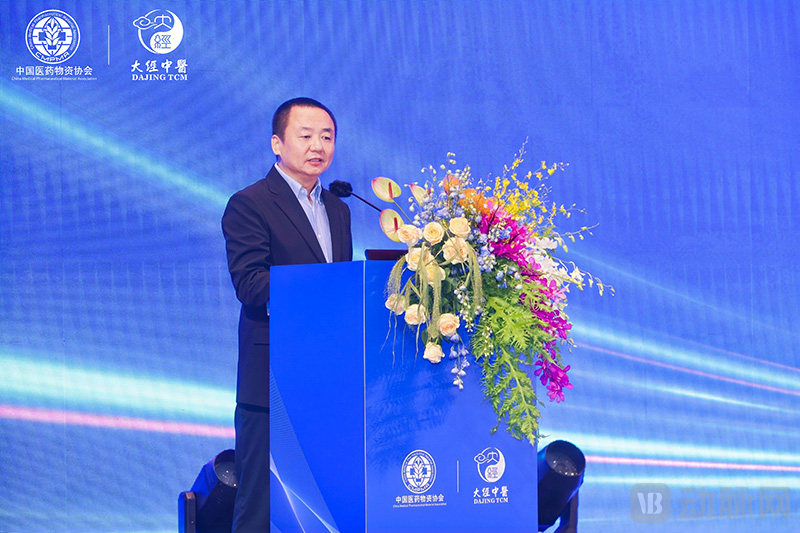
Mr. Li Wenyou, Chairman of Nanjing Dajing Traditional Chinese Medicine Information Technology Co., Ltd.
During the keynote speech session, Wang Guangji, an academician of the Chinese Academy of Engineering, a member of the Academic Division of the Chinese Academy of Medical Sciences, and a professor and doctoral supervisor at China Pharmaceutical University, stated that the revitalization of Traditional Chinese Medicine (TCM) has been elevated to the level of national strategy. While TCM is encountering significant opportunities for development, it must also overcome challenges hindering its modernization and internationalization. He and his team have developed a series of universal key technologies to address the difficulties in detecting complex components, identifying metabolic pathways, and elucidating the material basis of TCM due to its multi-component and multi-target nature. This work has revealed the mechanisms by which TCM achieves holistic regulation and treats both the root causes and symptoms of diseases, thereby “illuminating the black box.” Wang Guangji believes that integrating modern technology with ancient TCM will unleash greater vitality for traditional Chinese medicine.
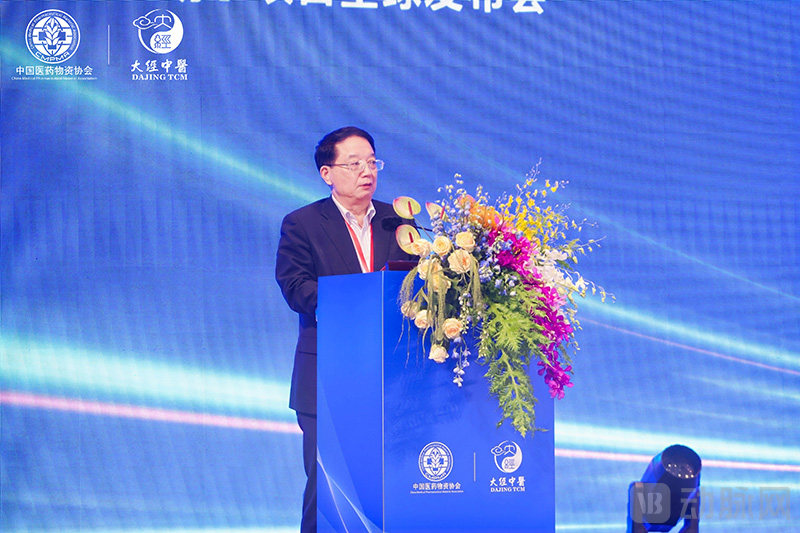
Mr. Wang Guangji, Academician of the Chinese Academy of Engineering, Member of the Faculty of the Chinese Academy of Medical Sciences, and Professor at China Pharmaceutical University
In his presentation titled “Research on the Application of Artificial Intelligence Technologies in the Modernization of Traditional Chinese Medicine,” Li Weijun, a researcher at the Institute of Semiconductors, Chinese Academy of Sciences (CAS), Director of the AI Technology Center, doctoral supervisor at the China Academy of Chinese Medical Sciences, and professor at the University of Chinese Academy of Sciences, showcased his team’s explorations over the past five years in integrating artificial intelligence with traditional Chinese medicine (TCM). He stated that artificial intelligence can play a significant role not only in herbal medicine treatment but also in exercise therapy, manual therapy, and physical agent therapy. By combining modern technologies such as artificial intelligence, the Internet of Things (IoT), and robotics with these therapeutic approaches, his team has achieved a series of breakthroughs and incubated highly competitive products.
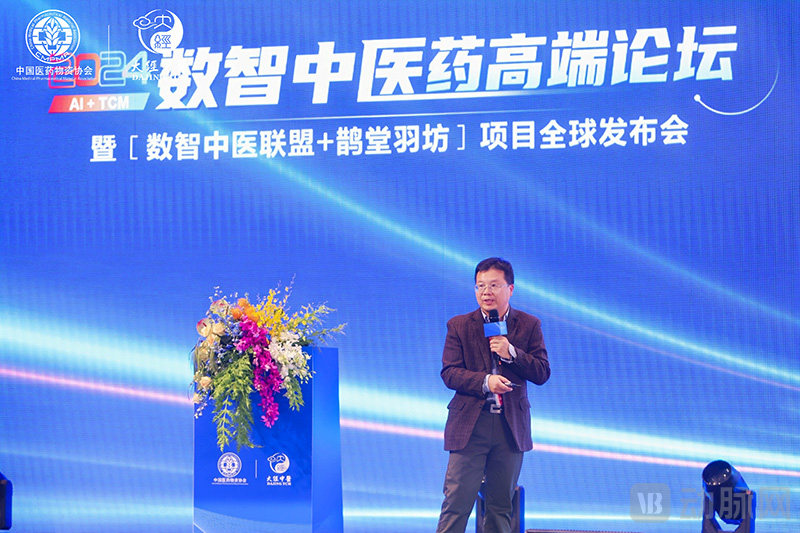
Mr. Li Weijun, Researcher at the Institute of Semiconductors, Chinese Academy of Sciences, Director of the Artificial Intelligence Technology Center, Doctoral Supervisor at the China Academy of Chinese Medical Sciences, and Professor at the University of Chinese Academy of Sciences
Chen Xiaohu, a renowned Traditional Chinese Medicine (TCM) practitioner in Jiangsu Province, professor at Nanjing University of Chinese Medicine, and former vice president of Jiangsu Province Hospital of Chinese Medicine, delivered a lecture titled “Innovative Practices in the Digital and Intelligent Inheritance of Diagnostic and Therapeutic Experience from Renowned Senior TCM Practitioners.” He elucidated the significant importance of digitalization and intelligence in TCM from the perspective of inheriting the diagnostic and therapeutic expertise of esteemed senior practitioners. He stated that new digital and intelligent models can effectively address issues inherent in traditional inheritance methods, such as low efficiency, inevitable gaps and omissions in content, and the inability to widely disseminate and apply inherited outcomes. Furthermore, the presentation showcased research achievements from the Jiangsu Provincial Science and Technology Plan project, “Research on Clinical Decision Support Systems Based on the Inheritance of Experienced Senior TCM Practitioners’ Expertise in Treating Infertility, Chronic Renal Insufficiency, and Coronary Heart Disease.”
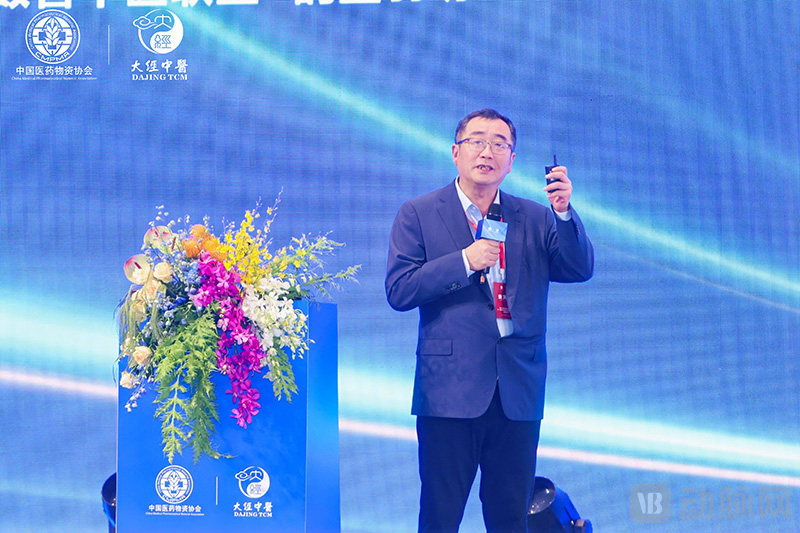
Mr. Chen Xiaohu, a Renowned Traditional Chinese Medicine Practitioner of Jiangsu Province, Professor at Nanjing University of Chinese Medicine, and Former Vice President of Jiangsu Province Hospital of Traditional Chinese Medicine
Dr. Shi Yingjie, Head of the Medical Service Evaluation Division at the Monitoring and Statistics Center of the National Administration of Traditional Chinese Medicine (NATCM), delivered a presentation titled “Policies on Digitalization of Traditional Chinese Medicine and Their Interpretation.” Focusing on the Several Opinions on Promoting the Development of Digital Traditional Chinese Medicine jointly issued by the NATCM and the National Data Bureau, he provided a detailed and in-depth introduction to the policy background and key implementation points. This enabled attendees to gain a comprehensive, clear, and accurate understanding of the series of policies related to digital and intelligent TCM introduced by the state in recent years.
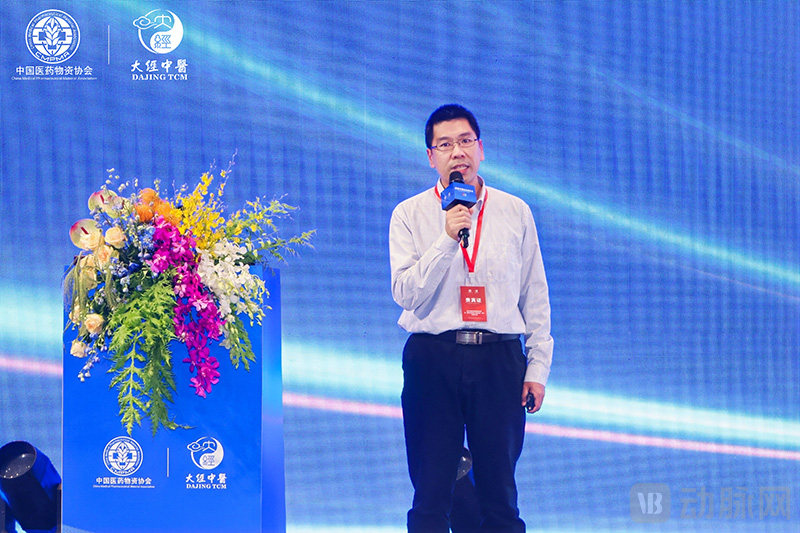
Dr. Shi Yingjie, Head of the Medical Service Evaluation Division, Monitoring and Statistics Center, National Administration of Traditional Chinese Medicine
Li Wenyou, Chairman and CEO of Dajing TCM, delivered a speech titled “Traditional Chinese Medicine Practitioners + New Technologies: AI Driving the Inheritance, Innovation, and Development of Traditional Chinese Medicine.” Drawing on Dajing TCM’s innovative experiences and achievements over the past decade, he offered profound insights into the relationship between AI and TCM, putting forward three key arguments: “TCM and AI are a ‘match made in heaven,’” “AI is an inevitable path for the development of TCM,” and “AI presents the best opportunity for TCM’s transformation in modern society.”
Meanwhile, he also introduced the significant achievements made by Dajing TCM in the field of digital and intelligent Traditional Chinese Medicine (TCM). Currently, the “Integrated Digital-Intelligent TCM Diagnosis and Treatment System,” developed over a decade, has been widely adopted, generating substantial economic and social benefits. In late 2023, Dajing TCM and Huawei jointly launched the “Qihuang Wendao TCM Large Language Model.” Furthermore, Dajing TCM is poised to launch its AI-powered TCM application on a major national-level consumer platform, further advancing the use of TCM AI services to promote public health.
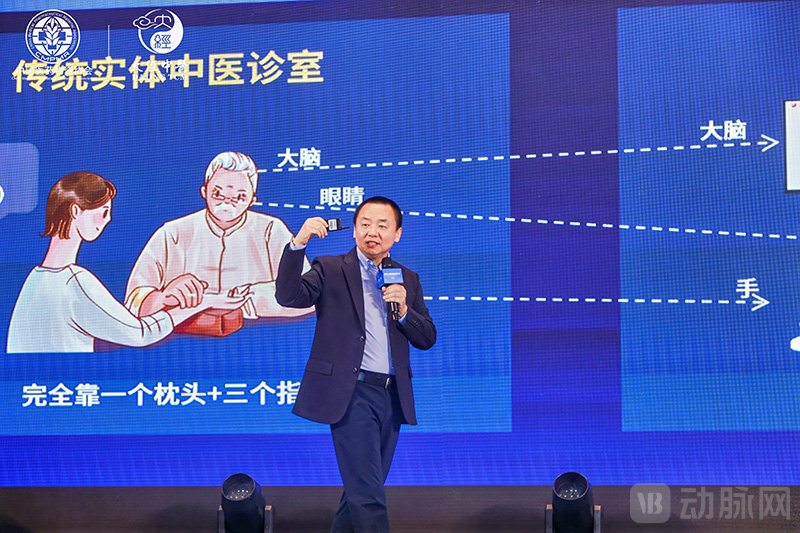
Mr. Li Wenyou, Chairman of Nanjing Dajing Traditional Chinese Medicine Information Technology Co., Ltd.
As an emerging field, a critical aspect of the development of Digital-Intelligent Traditional Chinese Medicine (TCM) is its effective promotion and application in real-world scenarios, thereby establishing proven and sustainable business models. This is also an urgent issue that needs to be addressed in the current development of Digital-Intelligent TCM.
During the roundtable discussion on “Application Scenarios and Business Models of Digital-Intelligent Traditional Chinese Medicine (TCM),” hosted personally by Li Wenyou, Chairman and CEO of Dajing TCM, industry experts in digital-intelligent TCM from various fields shared their insights and offered compelling perspectives on its application scenarios and business models.
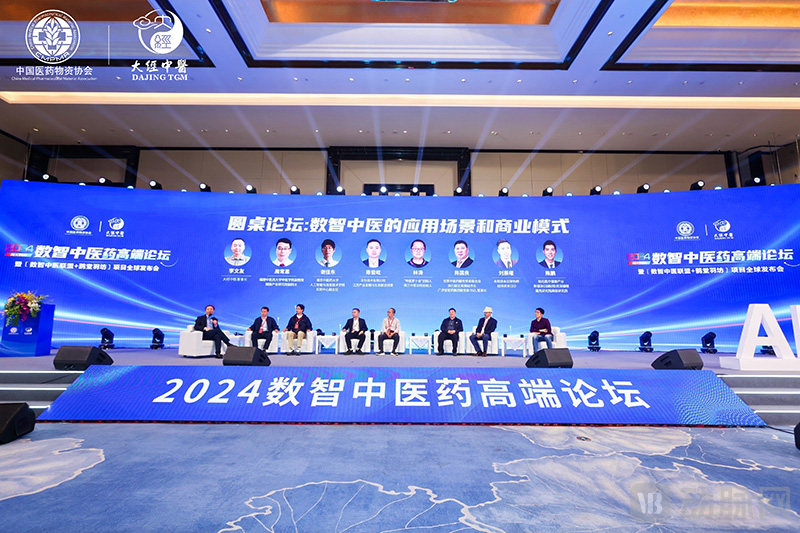
Roundtable Discussion
Traditional Chinese Medicine (TCM) has long emphasized the principles of “tailored prescriptions for each individual” and “the physician’s intent is paramount.” Can personalized TCM be simulated and applied using artificial intelligence (AI)? Dr. Zhou Chang’en, Associate Professor at the College of Traditional Chinese Medicine, Fujian University of Traditional Chinese Medicine, and Deputy Director of the Health Industry Research Institute, has found through his study of classic TCM texts combined with clinical practice that personalization in TCM should be based on population-level characteristics. As long as there are common traits within a population group, AI can be employed for simulation. In fact, TCM clinical practice places greater emphasis on “understanding the norm to master variation,” which means pursuing personalization on the foundation of commonality and rational thinking. These elements of commonality and rationality lay the groundwork for the development of AI in TCM.
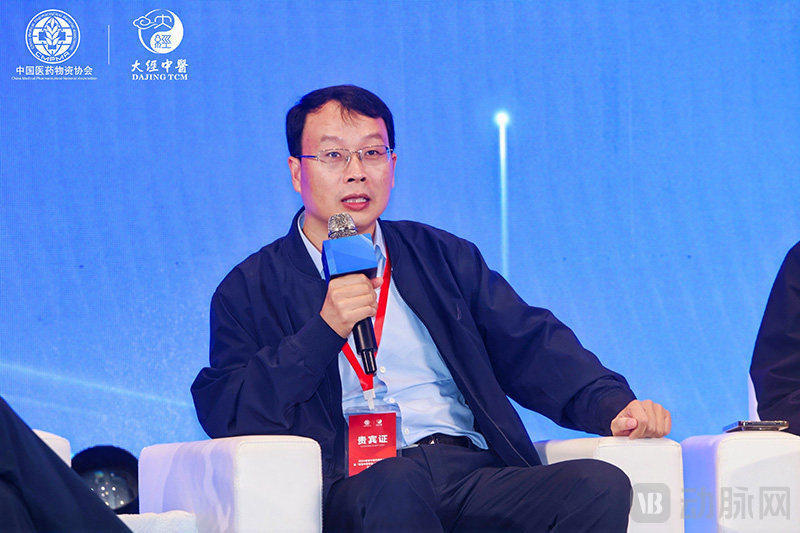
Dr. Zhou Chang'en, Associate Professor at the College of Traditional Chinese Medicine, Fujian University of Traditional Chinese Medicine, and Deputy Director of the Health Industry Research Institute
Dr. Xie Jiadong, Deputy Director of the Experimental Center at the School of Artificial Intelligence and Information Technology, Nanjing University of Chinese Medicine, summarized the current primary application directions of artificial intelligence (AI) in Traditional Chinese Medicine (TCM). He stated that the application of intelligent TCM diagnostic devices for the four examinations, including the Dajing TCM Intelligent Pulse Diagnosis Instrument, is significantly enhancing both the quality and quantity of clinical TCM data, thereby strongly promoting TCM scientific research. Meanwhile, leveraging AI for the intelligent mining and analysis of experiences from renowned and veteran TCM practitioners, assisting grassroots physicians in clinical diagnosis and treatment, and supporting the research and development of new TCM drugs as well as the repurposing of existing medications are becoming prominent trends in the current digital and intelligent TCM landscape. He particularly emphasized that AI is poised to become the key to unlocking the great treasure house of traditional Chinese medicine.
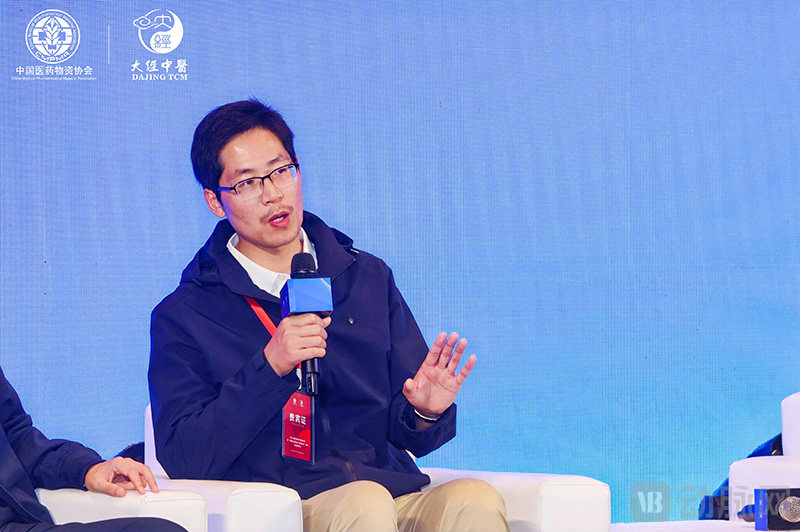
Dr. Xie Jiadong, Deputy Director of the Experimental Center, School of Artificial Intelligence and Information Technology, Nanjing University of Chinese Medicine
Lin Tao, founder of the “TCM Radish Club” and Peilan TCM Clinic, shared insights from a clinician’s perspective on how digital-intelligent TCM hardware and software assist practitioners. He believes that digital-intelligent TCM serves not only as a tool to enhance individual physicians’ capabilities but also as a powerful means to liberate their productivity and amplify their personal value. On one hand, current TCM AI has moved beyond mere knowledge storage and retrieval; it can now provide decision-making references based on clinical data, thereby assisting physicians in improving their diagnostic and therapeutic proficiency. On the other hand, TCM AI can act as a physician’s digital twin, undertaking tasks such as the collection and screening of Four Diagnostic information to a certain extent, thus significantly boosting clinical efficiency.
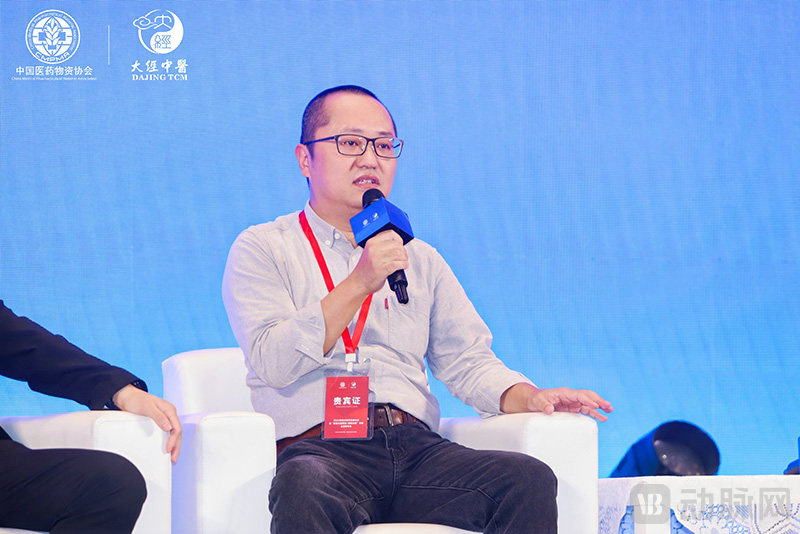
“TCM Radish Club” Founder, Dr. Lin Tao, Founder of Peilan TCM Clinic
Chen Guoliang, Chairman of Shaanxi Guangjitang Pharmaceutical Group Co., Ltd., shared insights from a user’s perspective on the application of Dajing’s intelligent TCM hardware and software products across multiple clinics under the Guangjitang brand. He stated that over the past six months, Guangjitang has extensively deployed Dajing’s hardware and software solutions to serve a large number of outpatient visitors and group employees. Clinical real-world data have demonstrated that the diagnostic and treatment plans provided by these intelligent TCM systems are comparable to those delivered by experienced clinicians. Given the promising results from pilot implementations, Guangjitang will roll out these applications comprehensively across all its affiliated stores. Mr. Chen further emphasized that innovation is essential for the development of Traditional Chinese Medicine (TCM), and that development itself represents the best form of heritage preservation.
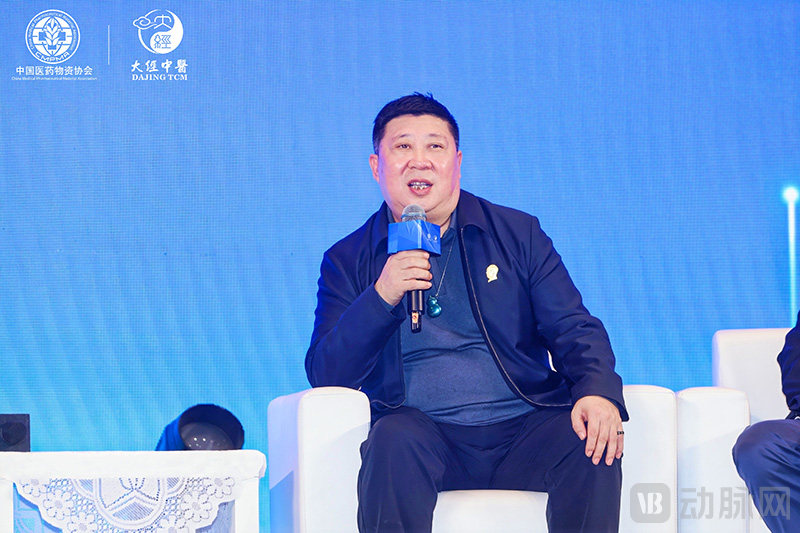
Mr. Chen Guoliang, Chairman of Shaanxi Guangjitang Pharmaceutical Group Co., Ltd.
Liu Chenyao, Chief Architect at Yonghe Capital and CEO of Jingwei Capital, conducted an in-depth analysis of the digital-intelligent Traditional Chinese Medicine (TCM) market from a capital perspective. He stated that artificial intelligence and the big health industry are currently the sectors with the greatest growth potential, and digital-intelligent TCM sits precisely at the convergence of these two major tracks, holding substantial investment value. The market size for digital-intelligent TCM is projected to reach RMB 140 billion by 2025. Based on these optimistic figures, he believes that within the next five years, at least one enterprise in the digital-intelligent TCM sector will achieve a market valuation of RMB 10 billion.
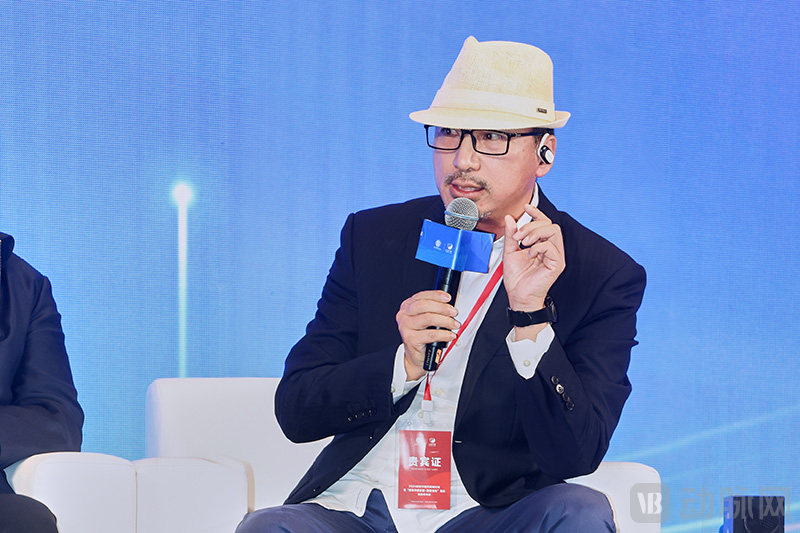
Mr. Liu Chenyao, Chief Architect of Yonghe Capital and CEO of Jingwei Capital
Chen Peng, a senior editor at VCBeat and a senior researcher at VCBeat Research Institute, shared his observations on the development of the digital and intelligent Traditional Chinese Medicine (TCM) industry. The growth of digital and intelligent TCM is driven by a combination of factors, including policy support, chronic disease prevention and control, technological advancements, and capital investment. Among these, intelligent auxiliary diagnosis and treatment systems empowered by large language model (LLM) technology represent one of the most rapidly evolving sectors within digital and intelligent TCM. In this context, Dajing TCM’s “Qihuang Wendao” TCM large language model has set an exemplary benchmark for the entire industry. He emphasized that innovation in digital and intelligent TCM should not merely involve the simple叠加 (superimposition) of digital technologies onto TCM; rather, it must integrate the distinctive characteristics of traditional TCM while meeting the demands of modern medical services.
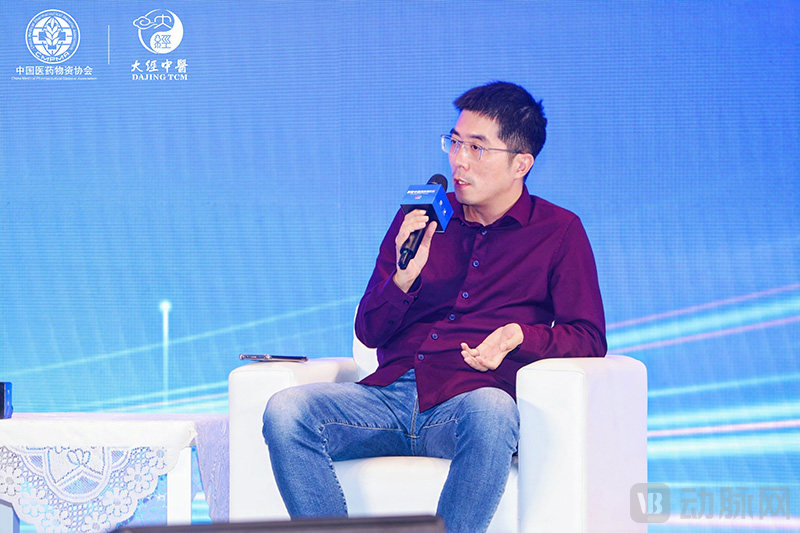
Mr. Chen Peng, Senior Editor at VCBeat and Senior Researcher at VCBeat Institute
The digital and intelligent transformation of Traditional Chinese Medicine (TCM) has gained significant momentum in recent years, achieving breakthroughs across multiple domains. As a leading enterprise in this field, Dajing TCM has served as a pioneer since its establishment in 2016, setting numerous industry benchmarks.
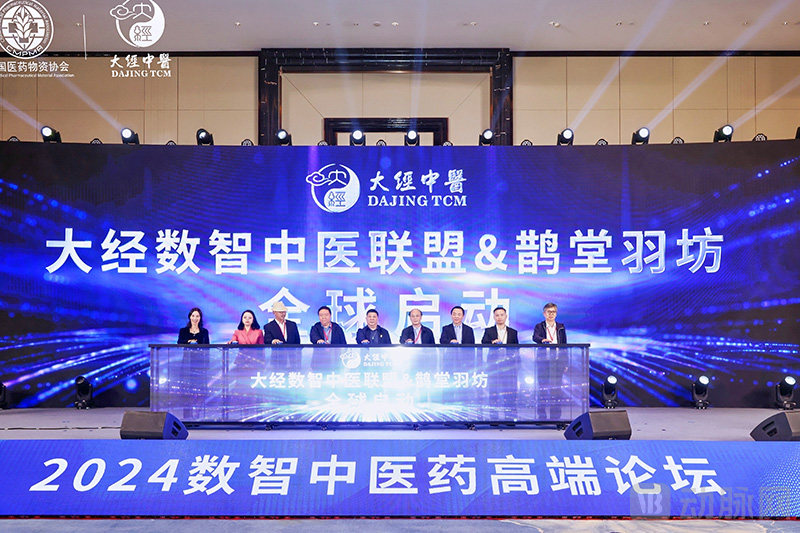
Global Launch Ceremony of the Dajing “Digital Intelligence TCM Alliance + Quetang Yufang” Project
Currently, Dajing TCM has established its “Three Intelligences” core product portfolio, comprising the TCM Intelligent Brain, TCM Intelligent Finger, and TCM Intelligent Eye.
TCM Brain refers to an intelligent clinical decision support system. Its underlying knowledge base integrates the clinical experiences of renowned senior TCM practitioners, content from TCM university textbooks, and knowledge from TCM literature. Capable of simulating the clinical reasoning of esteemed TCM experts, the system offers functionalities such as intelligent consultation, intelligent syndrome differentiation, intelligent prescription generation, and intelligent prescription review. It currently covers various clinical scenarios, including syndrome differentiation and treatment based on comprehensive departmental disease diagnoses, chief complaints, and symptom clusters. The system has been thoroughly validated in clinical applications across a wide range of healthcare settings and client types, from provincial flagship tertiary hospitals to village health clinics.
In February 2024, Dajing TCM released the industry’s first enterprise standard for intelligent clinical auxiliary diagnosis and treatment systems in Traditional Chinese Medicine (TCM), which is also the only product standard for such systems across the entire industry.
"TCM Smart Finger" refers to a clinical intelligent pulse diagnostic device capable of simulating the three-finger pulse-taking technique of renowned and experienced Traditional Chinese Medicine (TCM) practitioners. It utilizes high-sensitivity pressure sensing and human skin-like tactile sensing technologies independently developed by Dajing TCM. By measuring and calculating pulse parameters such as pulse position, rate, strength, smoothness, and tension, the device simulates the traditional "Cun, Guan, Chi" three-position method for assessing zang-fu organs. It visually and intuitively displays the pulse data acquisition process along with the results for 28 types of pulse conditions.
In June 2023, the Dajing TCM Pulse Diagnostic Instrument received registration certification as a Class II medical device, marking the first official recognition of AI-powered “three-finger pulse diagnosis.” In the first half of 2024, cumulative orders for this product exceeded 1,500 units. Its user base spans medical institutions, universities and research institutes, big health service providers, and various scenarios integrating Traditional Chinese Medicine into daily life, earning positive feedback from users.
Finally, there is the TCM Smart Eye, namely the Intelligent Clinical Tongue and Face Diagnosis Instrument. It simulates the tongue and face diagnostic skills of renowned and experienced TCM practitioners. By leveraging enhanced color rendering of light sources, color correction, and image processing and recognition technologies, it standardizes the acquisition of tongue and face images. The system extracts multi-dimensional characteristic data from tongue and face manifestations—including facial complexion, tongue color, tongue shape, coating texture, and coating color—for comprehensive analysis, presenting the diagnostic results in a visual and intuitive manner.
In exploring the business model of digital and intelligent Traditional Chinese Medicine (TCM), Dajing TCM has also been making relentless efforts and has developed an internet-based “Three Clouds” service system, comprising Cloud Pharmacy, Cloud Diagnosis and Treatment, and Cloud Mall.
Since 2020, Dajing TCM has independently established or collaboratively developed cloud pharmacies (shared Chinese herbal medicine pharmacies) in multiple regions, including Jiangsu, Shandong, Henan, Shanxi, and Liaoning. By providing high-level supply chain services for traditional Chinese medicine (TCM) to primary healthcare institutions, the company has helped them achieve a “triple improvement” in TCM quality, operational efficiency, and patient satisfaction, earning widespread acclaim among these institutions.
On the other hand, Nanjing Zhongyuntang Internet TCM Outpatient Clinic, a wholly-owned subsidiary of Dajing TCM, has provided consultation, training, and other services to tens of thousands of primary care physicians through cloud-based diagnosis and treatment services since obtaining its internet healthcare qualification in June 2020, thereby becoming a “trusted partner” for primary care physicians.
Dajing TCM’s Cloud Mall was established to meet the surging market demand in recent years for traditional Chinese medicine (TCM) wellness products, particularly those based on the “medicine and food homology” concept. The Cloud Mall adopts a model of “institutional procurement with monthly revenue sharing,” which alleviates financial burdens, reduces operational risks, and enhances the profitability of partner institutions. Furthermore, purchases of targeted, personalized wellness products from the Dajing TCM Cloud Mall are contingent upon intelligent diagnostics provided by Dajing’s “Three Intelligences” product suite. All products available on the Cloud Mall undergo rigorous screening and quality control to ensure their efficacy and quality.
In the field of large language models, Dajing TCM is also at the forefront of the industry. It released the “Qihuang Wendao Large Model” last year and has developed three specialized sub-models: a clinical diagnosis and treatment model based on confirmed diseases, a clinical diagnosis and treatment model based solely on symptoms and signs, and a TCM health preservation and conditioning model. These sub-models leverage the advantages of large language models to align with Dajing TCM’s diverse application scenarios.
Building on these proven successes, Dajing TCM is continuously exploring new business models. At this forum, the global operations of the “Dajing Digital-Intelligence TCM Alliance” and “Quetang Yufang” were officially launched. Yang Chuyi, Deputy General Manager of Dajing TCM and General Manager of Dajing Quetang Yufang, introduced to the attendees the operational status and future development plans for both the “Dajing Digital-Intelligence TCM Alliance” and “Quetang Yufang” projects.
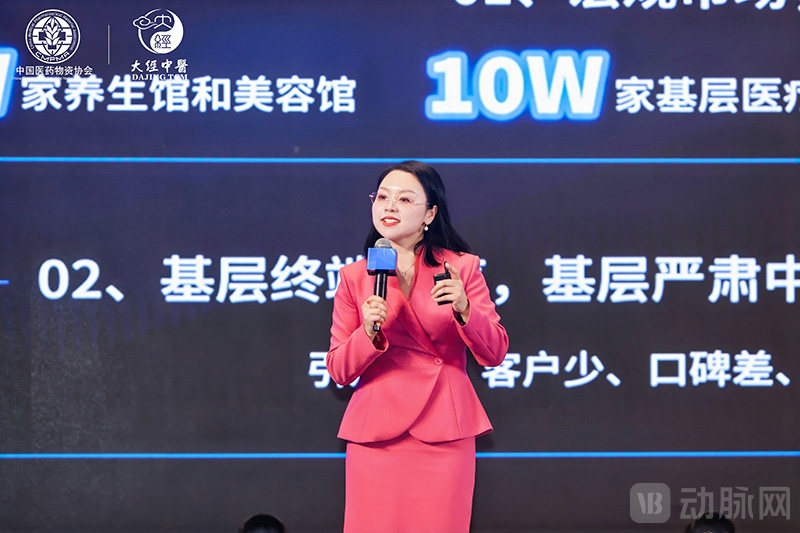
Ms. Yang Chuyi, Deputy General Manager of Dajing TCM and General Manager of Dajing Quetang Yufang
“The Great Meridian Digital-Intelligence TCM Alliance” aims to build a “Three Intelligences + Three Clouds” product and service system through mature digital-intelligence TCM smart hardware and software products and supporting ecosystems, empowering primary healthcare institutions and general health organizations to further enhance their service quality and operational efficiency.
Since its launch in early 2024, the “Dajing Shuzhi TCM Alliance” has been implemented across 29 provinces and 146 prefecture-level cities in China, establishing provincial operation service centers in 11 provinces. It has empowered over 14,000 grassroots medical institutions and general health organizations, becoming the largest digital-intelligent TCM “chain” system in China. Furthermore, the “Shuzhi TCM Alliance” has expanded to Malaysia, Australia, Japan,Hong Kong, ChinaProject promotions in countries and regions such as have also been launched successively.
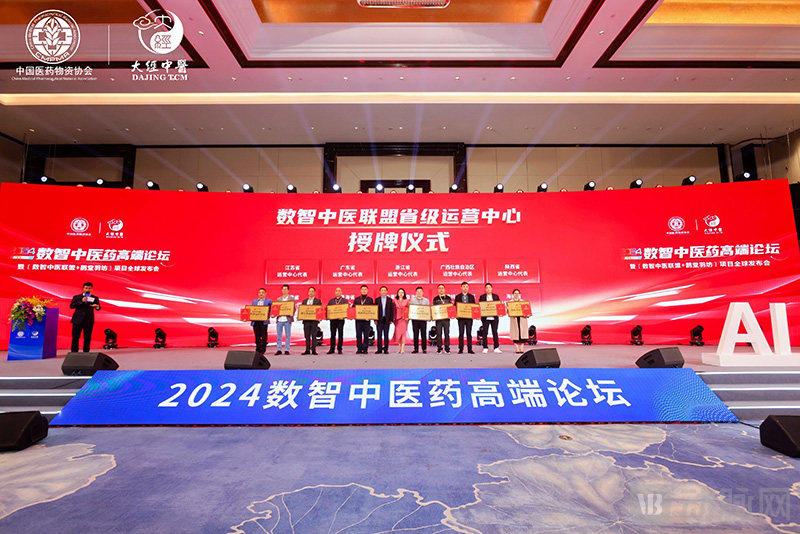
“Dajing Digital Intelligence TCM Alliance” Provincial Operations Center Plaque Awarding Ceremony
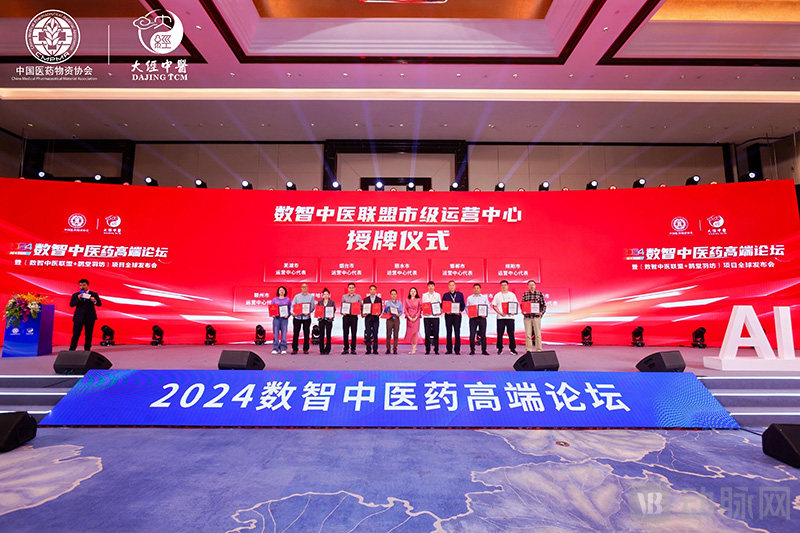
“Dajing Digital Intelligence TCM Alliance” Municipal Operations Center Accreditation Ceremony
“Que Tang Yu Fang” is a new sub-brand launched by Dajing Traditional Chinese Medicine (TCM) to promote the integration of TCM into daily life through digital and intelligent TCM technologies. Positioned as an offline chain of stores offering “AI-driven medicinal-and-edible herbal teas + TCM wellness,” the brand aims to fuse modern digital-intelligent technologies with traditional wellness culture, delivering more professional, precise, and personalized herbal tea products and TCM wellness services. Since officially commencing operations in April 2024, “Que Tang Yu Fang” has successively opened stores in multiple provinces across China, including Jiangsu, Guangdong, Shaanxi, Shandong, Inner Mongolia, Guangxi, and Fujian, among which two are located within tertiary TCM hospitals. Additionally, the brand’s first stores in Hong Kong and Malaysia are currently under intensive preparation.
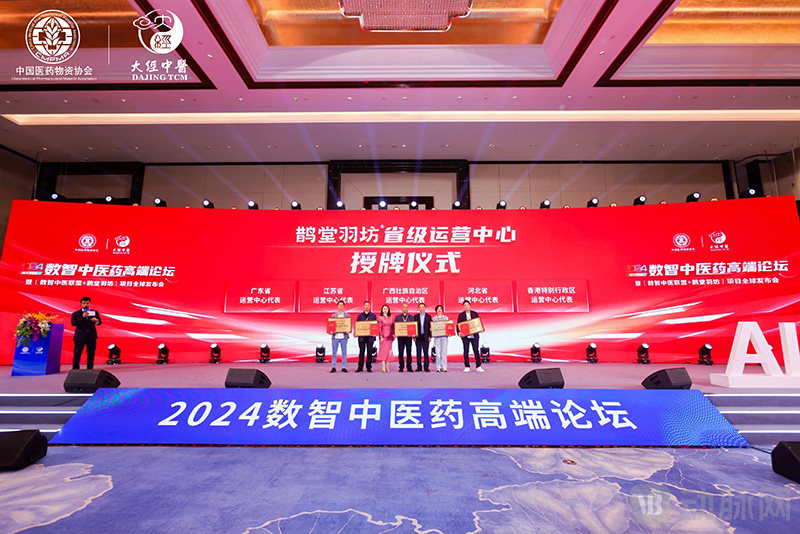
“Que Tang Yu Fang” Provincial Operation Center Plaque Awarding Ceremony
As a traditional medical treasure of the Chinese nation, Traditional Chinese Medicine (TCM) boasts significant development prospects and has experienced rapid growth in recent years. In terms of TCM medical services alone, TCM medical institutions across China recorded 1.53 billion patient visits in 2023, an increase of 300 million from the previous year, representing a substantial growth rate of 25%. The market size is projected to reach RMB 700 billion by 2026. This underscores the vast potential for the digitalization and intelligent transformation of TCM.
Driven by technological advancements, traditional Chinese medicine (TCM) is exhibiting increasingly robust vitality through the empowerment of digital and intelligent transformation. By leveraging technological innovation to promote the modernization of TCM, this initiative empowers tens of thousands of primary healthcare institutions and general wellness organizations providing TCM services, thereby facilitating the transformation of knowledge inheritance models, talent development frameworks, and diagnosis and treatment service paradigms.
"Digital and Intelligent Traditional Chinese Medicine Is Poised for Great Success."