

Technology Transcends Geography: Aibo Hechuang Pioneers a New Era of Domestic Medical Innovation
Gathering of Distinguished Experts in the Golden Autumn of October, Unveiling a New Chapter in Technological Innovation. The premier event in the field of cerebrovascular disease diagnosis and treatment—the 2024 Oriental Conference on Interventional Neuroradiology (OCIN 2024)—was successfully held at the Shanghai International Convention Center from October 25 to 27. Organized by the Shanghai Medical Association and the Shanghai Stroke Specialist Branch, the conference brought together top experts and industry leaders to focus on discussing new technologies and concepts in the diagnosis and treatment of cerebrovascular diseases.
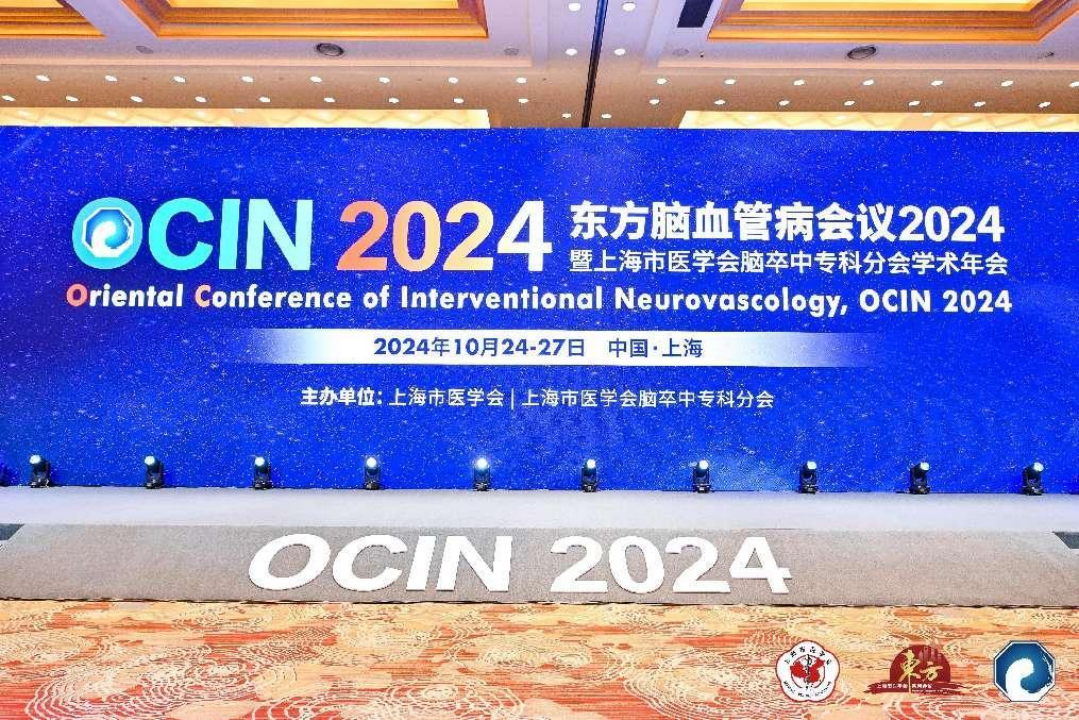
Aibo Hechuang attended OCIN for the third time, creating a futuristic booth centered on the concept of “Triggering Vascular Vitality at Your Fingertips” and establishing an immersive training center to provide attending physicians with the opportunity to experience its latest technological achievements up close. The PANVIS series of vascular interventional robots became the focal point of the conference.


Aibo Hechuang Booth
The precision, stability, and physicians’ operational habits in interventional procedures have always been critical to surgical outcomes. On August 26, 2024, the PANVIS-A™ Cerebrovascular Interventional Surgery Assistance System, independently developed by Shenzhen Aibo Hechuang Medical Robot Co., Ltd., officially received the Class III Medical Device Registration Certificate from the National Medical Products Administration (NMPA).
With its proprietary PANVIS COF®The fingertip catheter intuitive operation system and multi-instrument collaborative drive system not only preserve physicians’ established procedural habits but also provide submillimeter-level precision control, thereby enabling smoother surgical procedures.
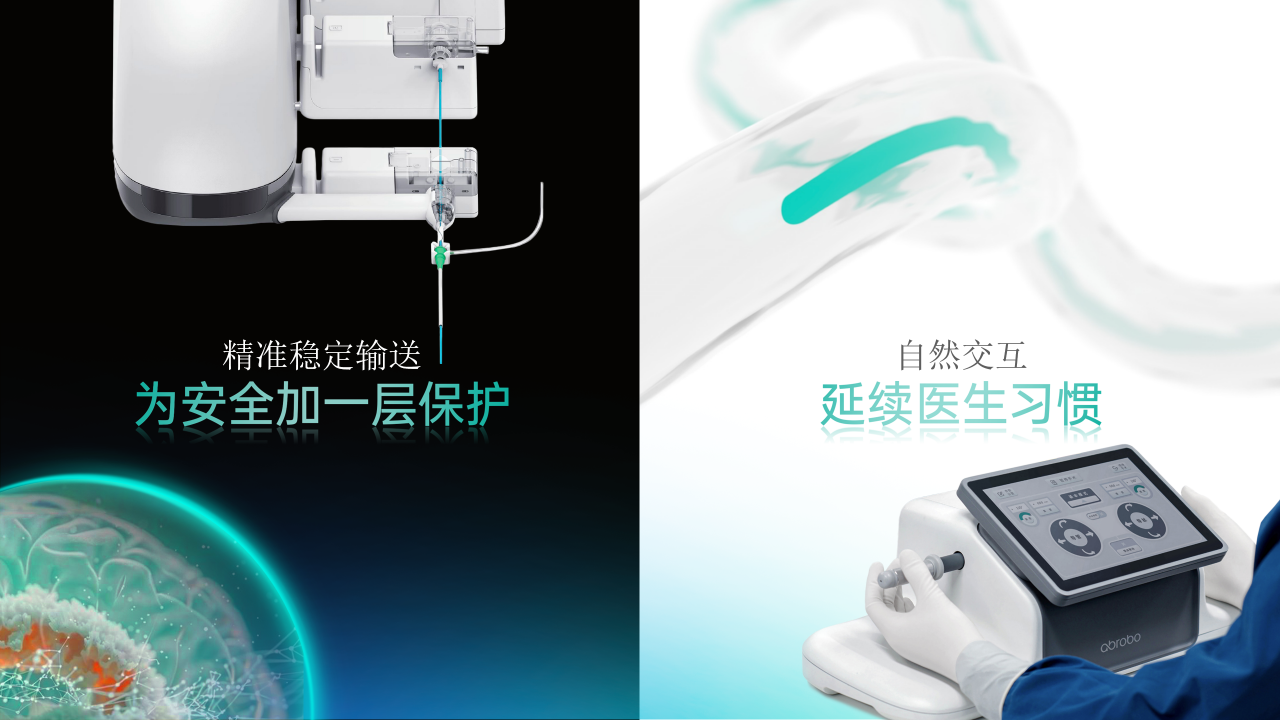
Multi-Instrument Synergistic Drive System and COF Fingertip Catheter Intuitive Operation System
The compartmentalized operational design of PANVIS-A™ liberates physicians from heavy lead aprons and radiation exposure, enhancing both safety and comfort throughout the surgical procedure. This design has been highly acclaimed by attending physicians, offering healthcare professionals a glimpse into the future of the operating room: smarter, easier, and safer.
For a long time, the high-end medical device market in China has been dominated by foreign brands. Aiboh Hechuang is committed to promoting the development of domestically produced medical equipment through independent innovation.
The PANVIS series of vascular interventional robots, a flagship product of Aibo Hechuang, demonstrates significant breakthroughs in technological accumulation and innovation by Chinese enterprises. Leveraging core technologies with independent intellectual property rights, this product series fills a technological gap in the domestic field of vascular interventional surgical robots and further enhances China’s competitiveness in the global medical device market.
Professor Guo Shuxiang, Chairman and Founder of Aibo Hechuang and Foreign Member of the Engineering Academy of Japan, stated that Aibo Hechuang is committed to meeting evolving market demands and addressing industry pain points. By dedicating itself to technological innovation and fostering collaboration among experts, the company aims to continuously advance technology, enhance the intelligence of vascular interventional surgical robots, and set new benchmarks for the industry.
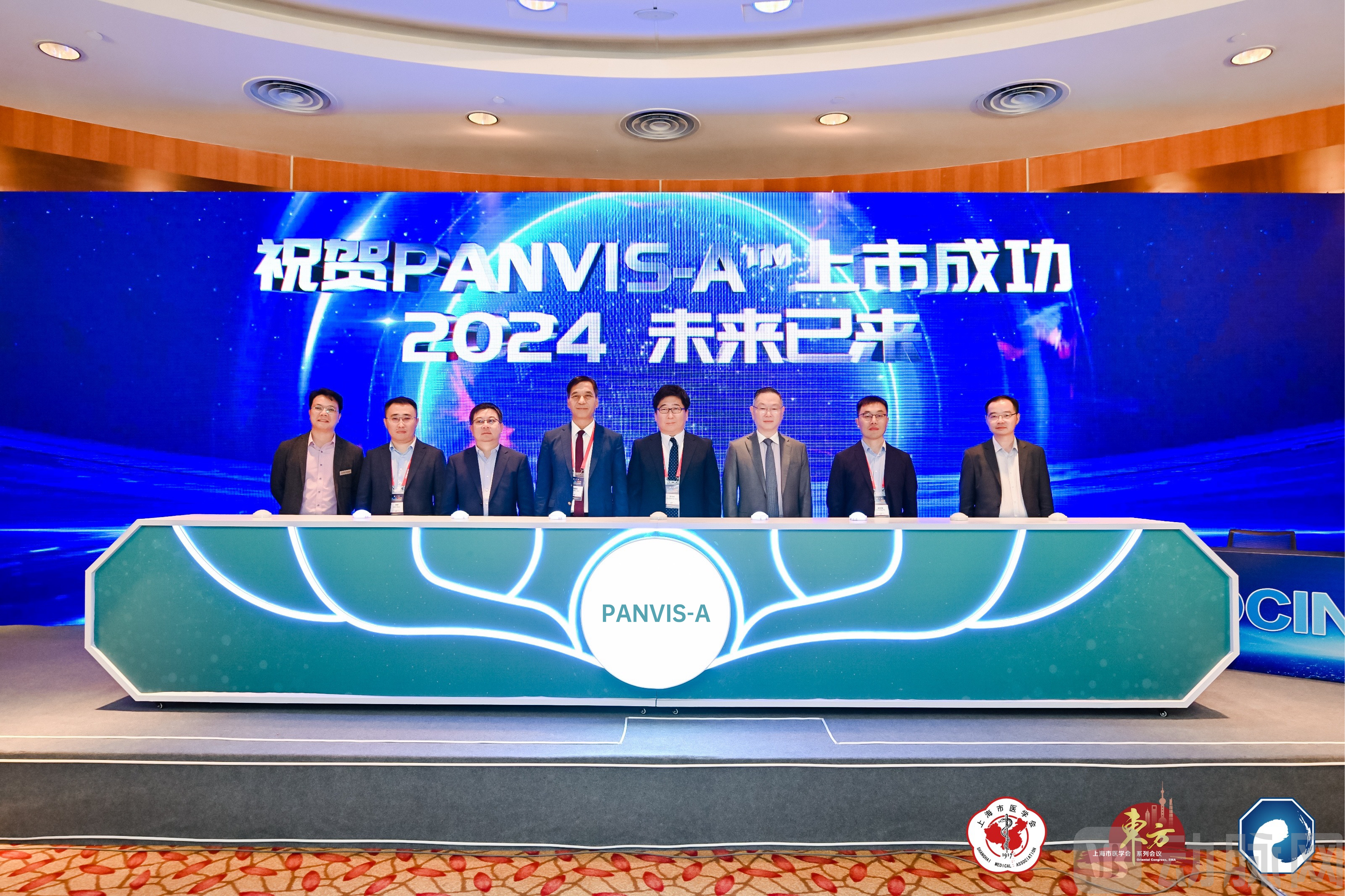
PANVIS Cerebrovascular Interventional Robot Market Launch Ceremony
At the Oriental Conference on Interventional Neuroradiology (OCIN 2024), Professor Liu Jianmin, Academician Ge Junbo, and Academician Guo Shuxiang delivered opening addresses. In their remarks, all three experts emphasized that in an era of rapid advancements in medical technology, the shared commitment is to better safeguard patients’ lives and health in the face of evolving clinical needs and pressing industry challenges. The research, development, and market launch of pan-vascular interventional surgical robots represent a successful cross-disciplinary practice. They expressed hope for continued deepened collaboration to drive ongoing technological progress and development.
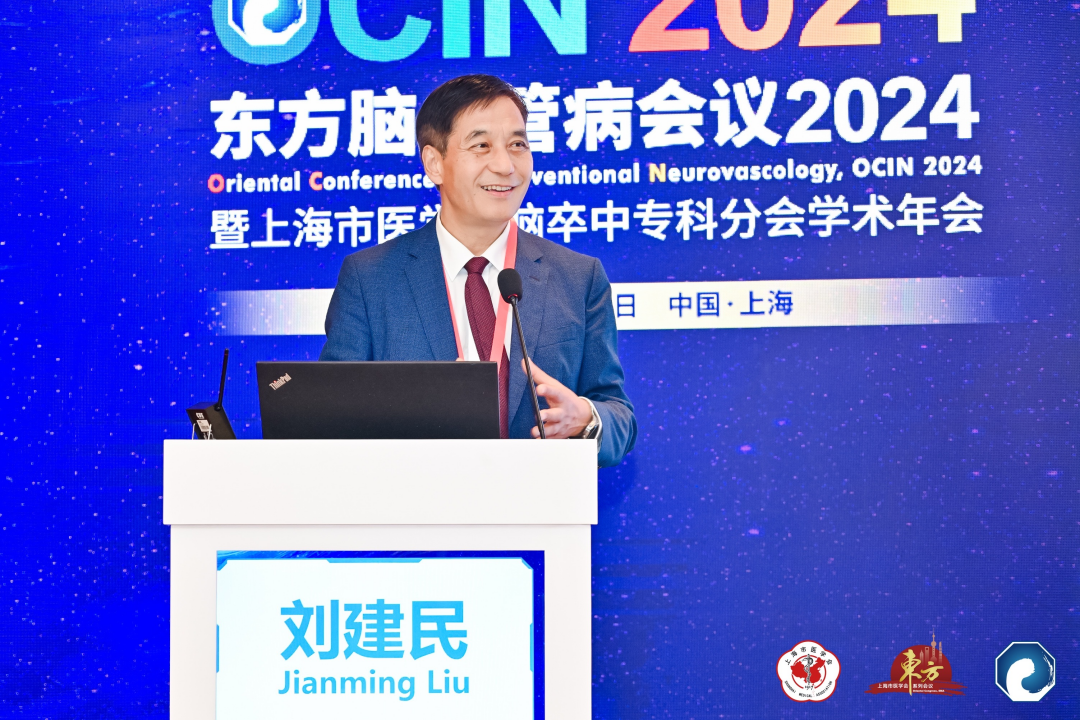
Address by Professor Liu Jianmin, First Affiliated Hospital of Naval Medical University
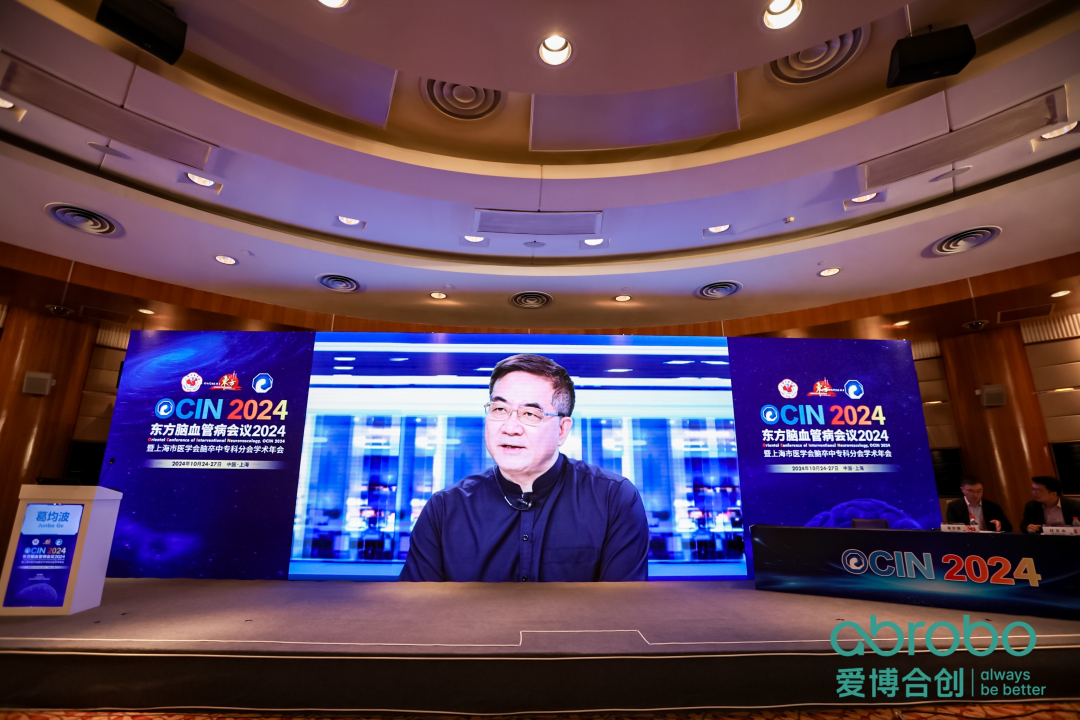
Address by Academician Ge Junbo, Zhongshan Hospital Affiliated to Fudan University
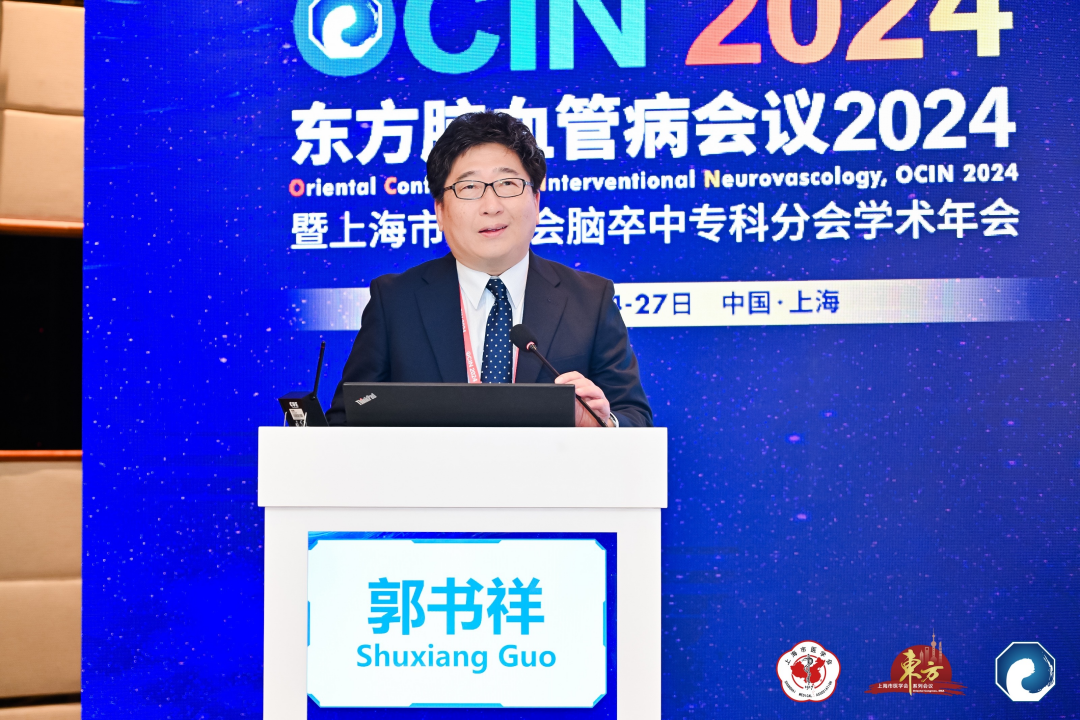
Address by Academician Guo Shuxiang, Fellow of the Engineering Academy of Japan and IEEE
World's First Live Broadcast of Animal Experiment for Remote Cerebrovascular Interventional Surgery:
Technology Transcends Geography, Connecting Infinite Possibilities
On October 26, at the conference venue, iBoHeChuang successfully completed the world’s first live broadcast of an animal trial for remote endovascular interventional procedures (aneurysm embolization and basilar artery stenting).
At the conference, Professor Zhang Yongxin from Professor Liu Jianmin’s team remotely operated the control console of an interventional surgical robot to demonstrate, in real time and in full procedural detail, two neurointerventional procedures to the on-site audience: aneurysm embolization and balloon angioplasty with stent implantation for intracranial arterial stenosis. Both are complex cerebrovascular interventional procedures involving steps such as cerebral angiography, establishment of therapeutic access, and implantation of interventional devices. The interventional surgical robot provided by Aibo Hechuang enabled precise coil embolization. Subsequently, a balloon angioplasty of the basilar artery combined with intracranial stent implantation was performed. In this case, the vertebral-basilar arteries of the experimental canine were tortuous with numerous branches. The remotely controlled surgical robot allowed real-time, precise manipulation of a microguidewire to assist in superselective catheterization of the distal basilar artery using a balloon microcatheter, ultimately achieving successful balloon angioplasty and stent implantation for basilar artery stenosis.
This experiment not only demonstrated how vascular interventional surgical robots address high-difficulty challenges in clinical and remote complex cerebrovascular surgeries, but also successfully overcame the latency and precision control issues associated with remote operation, achieving sub-millimeter-level accuracy. Leveraging its multi-instrument collaborative drive and precise control technology, PANVIS Star has validated the adaptability of robotic systems for various neurointerventional procedures.
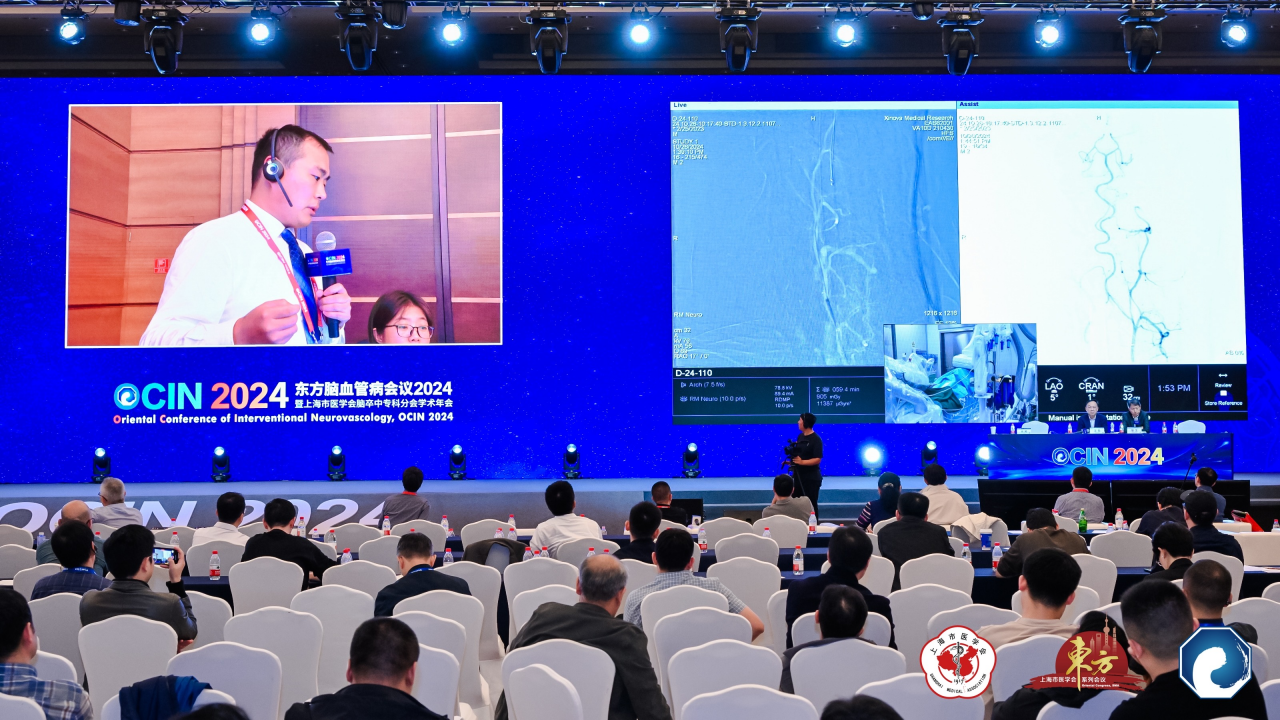
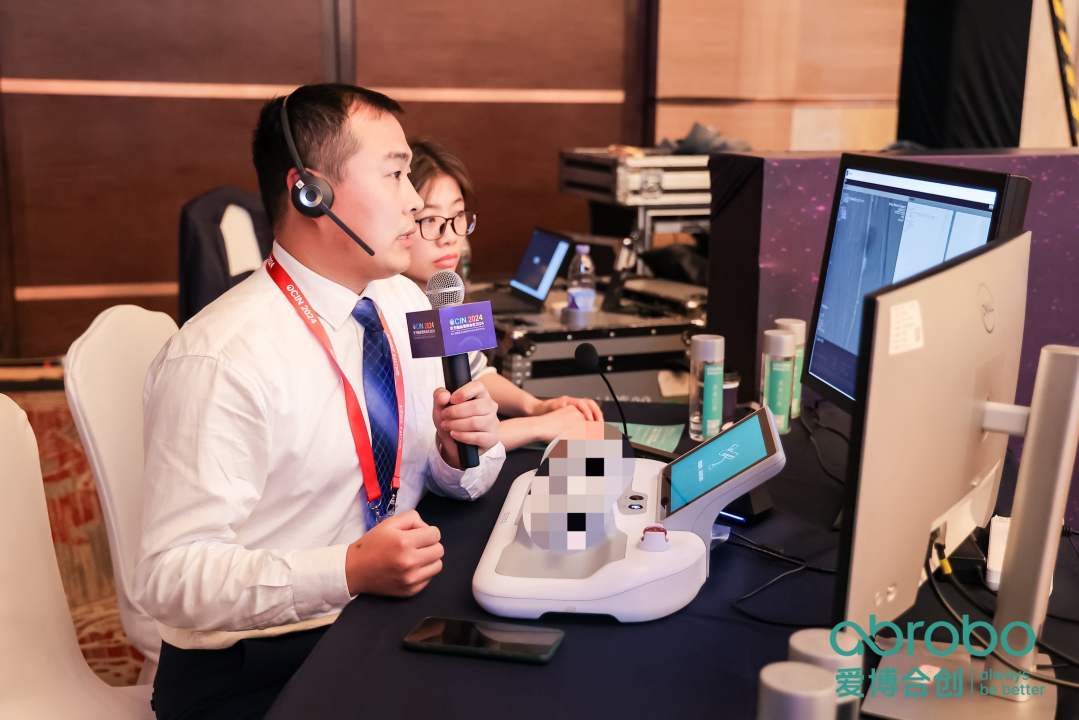
Live Footage of Animal Experiments on Therapeutic Remote Neurointerventional Surgery
As a pioneer in the field of pan-vascular interventional surgical robots, Aibo Hechuang has always adhered to the concept of "integration of medicine and engineering," identifying opportunities based on clinical scenarios, continuously breaking through key technologies and enhancing product capabilities to meet the significant demands of vascular interventional surgeries.
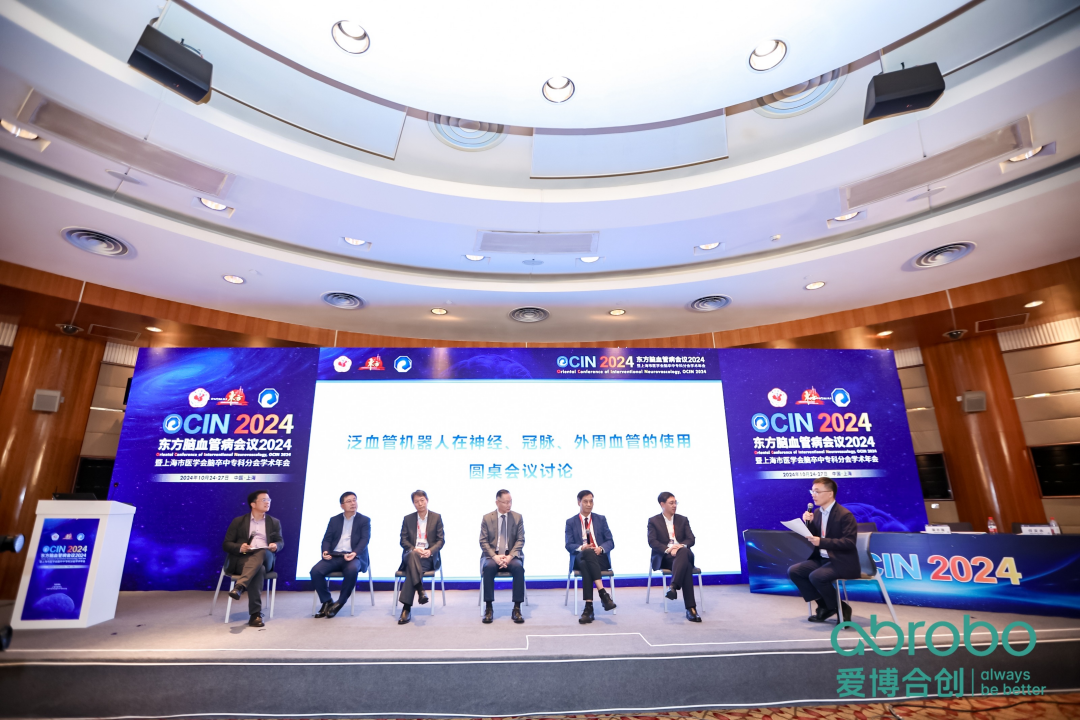
Roundtable Discussion
Aibo Hechuang’s development not only aligns with the national “Healthy China” strategy but also actively responds to the call of the “innovation-driven development” policy. As an enterprise driven by independent intellectual property rights, Aibo Hechuang is promoting the advancement of China’s medical device industry toward high-end and international standards through continuous technological innovation, providing significant support for enhancing the overall competitiveness of China’s medical device sector.
With the state’s sustained investment and policy support in the field of high-end medical equipment, outstanding enterprises represented by Aibo Hechuang are contributing to enhancing the international influence and competitiveness of China’s healthcare industry. Their core products not only provide high-quality equipment assurance for the domestic healthcare system but also offer new solutions to the global medical community.
Aibo Hechuang’s independent innovation not only fills a technological gap in the domestic medical device market but also represents an exploration into the rational allocation of global healthcare resources. In the future, as remote surgery technology continues to improve and become more widespread, we look forward to seeing more Chinese enterprises emerge on the global healthcare stage, promoting the development of inclusive healthcare through technology. This will ensure that every patient has access to high-quality medical services, contributing greater wisdom and strength to the global cause of health and wellness.