

Hunan Biopharma's YSJA™ Rabies Vaccine Receives NMPA Approval for Phase III Clinical Trial of Simplified Four-Dose Regimen
VCBeat learned that on October 25, 2024, Lakeshore Biopharma Co., Ltd. (Nasdaq: LSB, hereinafter referred to as “Lakeshore Biopharma”) announced that its Phase III clinical trial for the YSJA™ rabies vaccine using a four-dose regimen had been approved by the National Medical Products Administration (NMPA).
As Liaoning Yisheng Biopharma’s first-generation rabies vaccine, YSJA™ has cumulatively sold over 100 million doses since its market launch in 2004. The four-dose immunization regimen of YSJA™ not only provides patients with more diverse immunization options but also effectively reduces physicians’ workload, decreases the need for patient hospitalization, improves vaccine compliance, and alleviates the financial burden on patients.
Wang Xu, CEO of Yisheng Biopharma, stated, “The approval of the Phase III clinical trial for the YSJA™ rabies vaccine marks a significant milestone in our efforts to expand the immunization schedule for our product. By evaluating the four-dose regimen, we aim to enhance the competitiveness of our vaccine in the rapidly expanding rabies vaccine market. We are confident that this trial will affirm the clinical advantages of our YSJA™ rabies vaccine and garner recognition and support from researchers, scholars, and industry stakeholders worldwide.”
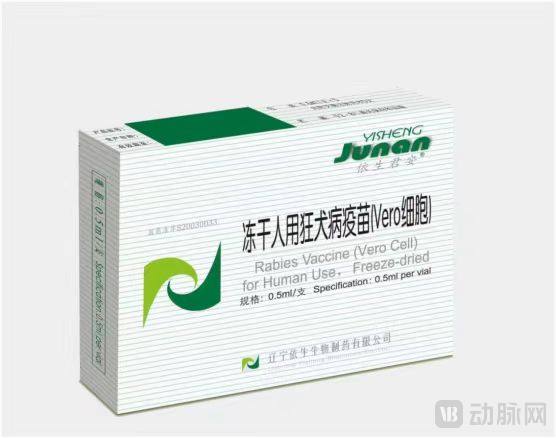
YSJA™ Product Image
Rabies is a zoonotic infectious disease caused by the rabies virus (RABV), primarily characterized by central nervous system symptoms. Clinical manifestations include distinctive hydrophobia, aerophobia, pharyngeal muscle spasms, and progressive paralysis. Once symptoms appear, the case fatality rate approaches 100%. According to WHO statistics, rabies is endemic in more than 150 countries and regions worldwide, causing approximately 59,000 deaths globally each year.
Rabies is primarily transmitted through bites or scratches from animals carrying the rabies virus (RABV). RABV is neurotropic; it replicates at the wound site, enters the neuromuscular junctions, and ultimately reaches the central nervous system, with an incubation period ranging from days to years. Once clinical symptoms manifest, rabies has a case fatality rate of nearly 100%. Currently, vaccination remains the primary method for preventing rabies.
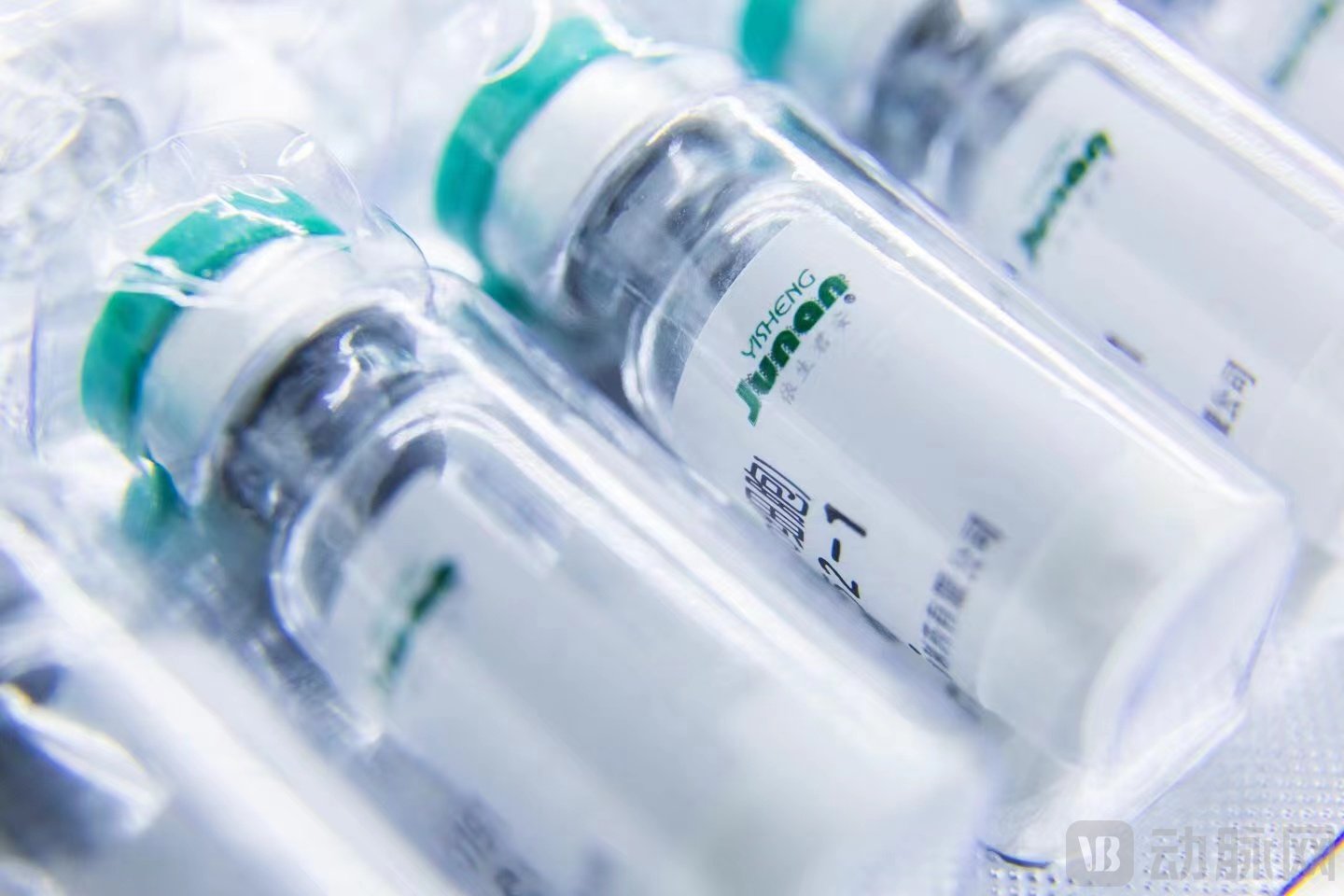
YSJA Rabies Vaccine
The YSJA rabies vaccine, which has recently received approval for Phase III clinical trials, is the flagship product of Huan Biologics and China’s first aluminum-adjuvant-free rabies vaccine. It reduces the time required to generate protective antibody levels from 42 days to 14 days. Since its launch in 2004, over 100 million doses have been sold, with its safety and efficacy fully recognized by the market, leading in single-product market share in the early stages.
According to Lake Shore Biosciences, this clinical trial is expected to commence in December 2024 to evaluate the immunogenicity and safety of the YSJA rabies vaccine under two different four-dose regimens compared with the existing five-dose Essen regimen (1-1-1-1-1).
This clinical trial is a single-center, randomized, double-blind, controlled study that will evaluate the following two four-dose regimens:
(1) Zagreb regimen (2-1-1): two doses administered at the first visit, followed by one dose each at the subsequent two visits.
(2) Simplified Essen regimen (1-1-1-1); each regimen consists of four single-dose administrations.
Compared with the existing five-dose regimen, the aforementioned two four-dose regimens offer greater flexibility for healthcare professionals and patients, reduce the financial burden on patients, and improve vaccination efficiency and patient adherence.
Most currently approved rabies vaccines require immunization schedules to be completed within three to four weeks, leaving room for improvement in patient compliance. Hu’an Biotech’s PICA technology has the potential to shorten the rabies vaccination schedule to just seven days.
In layman’s terms, vaccine adjuvants are additives that can significantly boost the “immunogenicity” of vaccines. When administered prior to or in combination with antigens, they enhance the body’s immune response to the antigens or modulate the type of immune response elicited. Currently, aluminum-based adjuvants are the most widely used adjuvants globally and are commonly employed in the development of human vaccines.
Aluminum adjuvants can adsorb viruses, delay antigen clearance, and provide sustained release of immunogens, thereby significantly increasing antibody titers in the late stages of immunity. However, due to their unfavorable impact on early prevention and treatment following rabies exposure, they are gradually being replaced by adjuvant-free inactivated vaccines.
Lake Shore Bio’s PIKA adjuvant is an adjuvant that targets the TLR3, RIG-I, and MDA5 receptors, simultaneously promoting both cellular and humoral immune responses (the two arms of the human immune system) to elicit a stronger immune reaction. Currently, the novel PIKA rabies vaccine developed by Lake Shore Bio is undergoing Phase III clinical trials. The published interim data indicate that the study has met its primary endpoints, holding promise for replacing the current one-month rabies vaccination regimen with a one-week immunization schedule.
Finally, Wang Xu, CEO of Lake Shore Biopharma, stated: “The YSJA™ rabies vaccine is our flagship product and has been proven to be a leader in the rabies vaccine industry. The potential impact of this clinical trial, combined with our relentless efforts to become a leading supplier of rabies vaccines, has strengthened our confidence in continuing to expand our market share in China. We are proud to once again make a critical contribution to the global fight against this disease and look forward to moving forward as a pioneer in rabies vaccine development.”
References:
1. “Vaccine Adjuvants Are a ‘Choke Point’ for the Industry; Domestic Approval Processes Still Need to Be Accelerated,” National Business Daily
2. “Approval Granted for Phase III Clinical Trial of Lake Shore Bio’s YSJA Rabies Vaccine Using a Simplified Four-Dose Regimen”