

XinJiTe Biotech Announces Strategic Global Partnership and Files IPO Prospectus

Corcym
Surgical Medical Device Developer
Good News from the Heart Valve Field!
This October, Chinese bioprosthetic valve manufacturer Xinjite and CORCYM Medical announced a strategic overseas partnership.
As a leading provider of surgical treatment solutions for structural heart disease, Corcym offers a portfolio that includes replacement and repair products for aortic, mitral, and tricuspid valves, as well as minimally invasive cardiac surgical instruments, with its business presence spanning over 100 countries and regions worldwide. With the establishment of this strategic partnership, Xinjite’s medical device products, including the “Cingular” valve series, will further accelerate their global expansion by leveraging Corcym’s market channels.
In fact,This marks the first time a domestically produced surgical valve has gained recognition from a multinational corporation. Behind this overseas strategic collaboration lies the rapid development in the field of heart valves, as well as Xingjite Company’s surgical bioprosthetic valve products with their unique advantages.
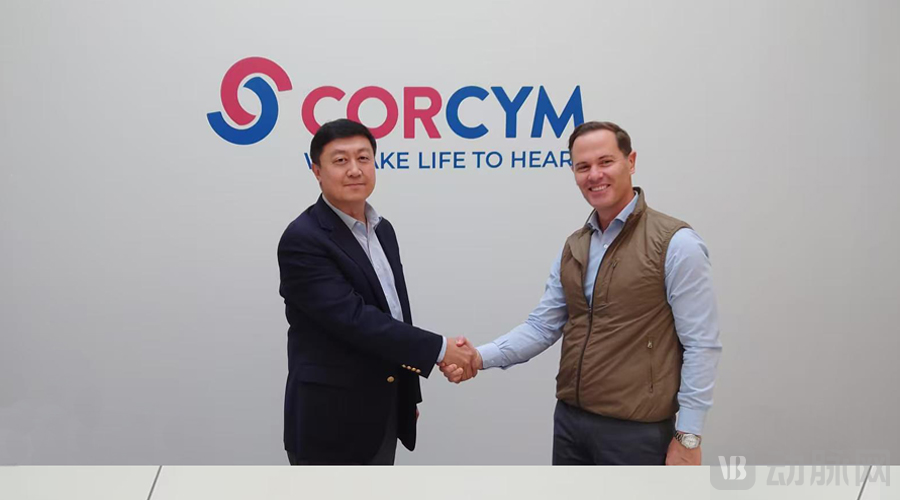
Dr. Yang Jun of Xinjite (left) and Christian Mazzi, CEO of CORCYM Medical (right)
Due to the non-specific symptoms of valvular heart disease and insufficient public awareness of the condition and its treatments, misdiagnosis and missed diagnosis rates are high among the large patient population. Many patients are already in a high-risk state at the time of diagnosis, having missed the optimal window for intervention, which severely compromises treatment efficacy and prognosis, thereby further exacerbating the burden of disease prevention and control.
Relevant data indicate that the risk of valvular heart disease begins to rise around age 60, with one in eight individuals aged 75 and older affected by moderate-to-severe valve disease.As China’s population continues to age, the prevalence of valvular heart disease is expected to rise further, with the number of patients projected to reach 40.2 million by 2025., is one of the severe health challenges currently facing China.
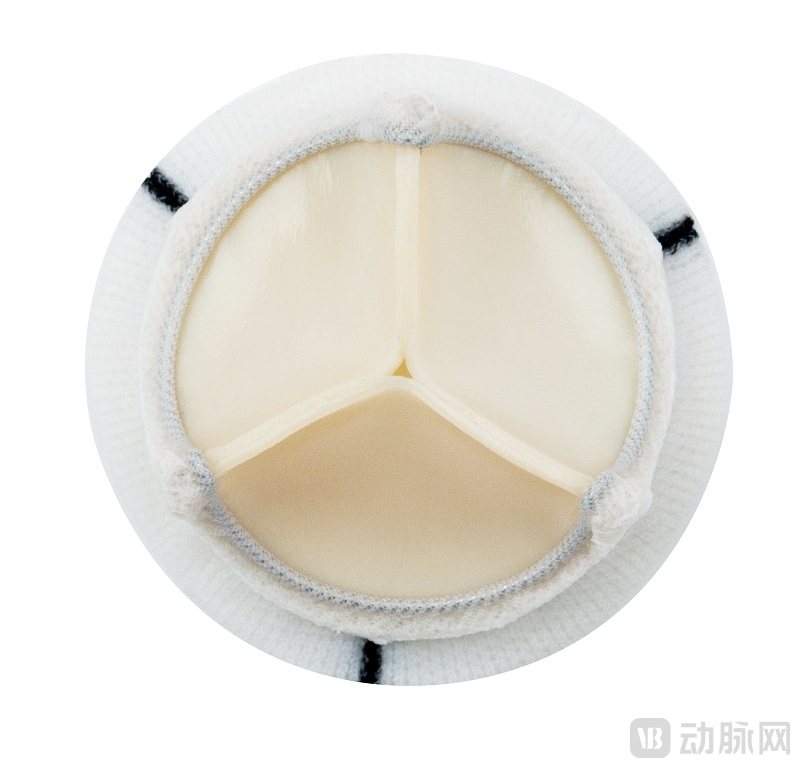
"Surgical Aortic Valve 'Xin Valve'"
From a therapeutic perspective, taking aortic valve replacement as an example,Although transcatheter aortic valve replacement (TAVR) has advanced rapidly, surgical aortic valve replacement (SAVR) remains the standard of care for patients with aortic valve disease.However, “foreign companies still dominate products such as surgical aortic valve replacements, accounting for approximately 70%-80% of the market share,”Surgical valve products from manufacturers such as Edwards and Medtronic have long played a “dominant” role in China.
Domestic manufacturers do have surgical valve products. Since the beginning of the 21st century, domestically produced surgical valves and other related products have been launched successively. However, due to issues such as structural deterioration, the clinical acceptance and recognition of domestic surgical valve products remain relatively modest.
Fortunately,As domestic manufacturers refine their technologies and iterate their products, this situation is changing.Domestically produced surgical valve products, such as “Xin Valve,” have gained recognition from many clinicians due to their advantages in performance, including product stability. Patients are also gradually accepting high-quality, cost-effective domestic surgical valve products.
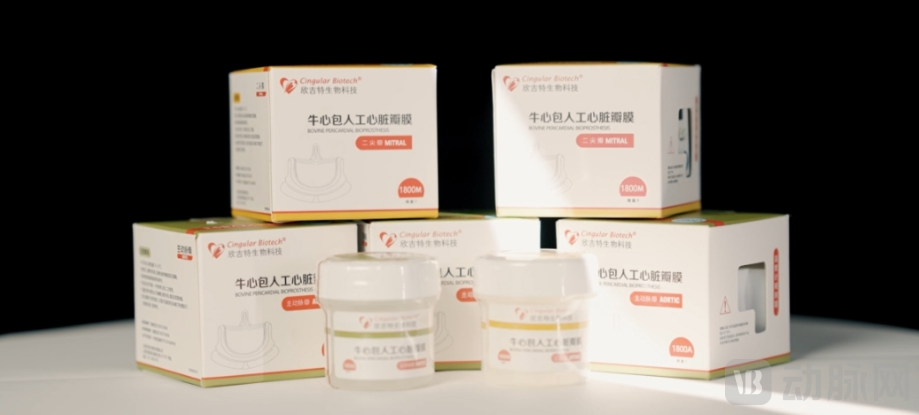 Xin Valve
During heart valve replacement surgery, the following issues are often encountered—
First, the selection of valve products.Valve products are categorized into mechanical valves and bioprosthetic valves. Patients implanted with mechanical valves require long-term anticoagulation therapy, “which makes them ‘chronic disease patients’ needing lifelong medication.” Moreover, the characteristic “ticking” sound of mechanical valves often affects patients’ quality of life. In contrast, the issues most frequently cited regarding bioprosthetic valves are their higher cost and potentially shorter durability compared to mechanical valves.
Secondly, the issue of surgical approach.Traditional open-chest surgery faces issues such as high invasiveness and high risk. Sternotomy causes severe pain to patients and is associated with a high risk of complications.
Furthermore, the issue of valve implantation in patients with small annuli.Approximately 30% of valve disease patients in China have small annuli (19 mm/21 mm). Valve replacement in these patients often requires surgeons to perform technically demanding procedures such as annular enlargement, representing a significant challenge in cardiac surgery. Furthermore, a persistent clinical dilemma is that bioprosthetic valves typically offer a smaller effective orifice area (EOA) and are more prone to patient-prosthesis mismatch (PPM). As most overseas products are designed based on the physiological characteristics of European and American populations, they fail to meet the clinical needs of Chinese patients with small annuli.
In response, domestic valve manufacturer Xinjite is actively addressing the issue.Launched in 2020, the new-generation “Xin Valve” bovine pericardial bioprosthesis is indicated for the treatment of aortic or mitral valve stenosis and aortic or mitral valve insufficiency. As a classic supra-annular bioprosthetic valve, it incorporates innovative design features, including a triple-layer sewing ring structure, thereby enhancing product stability and durability.
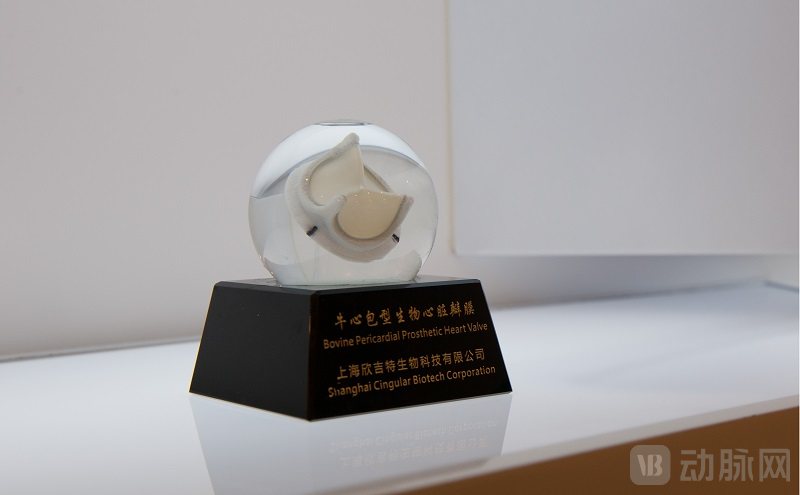
Xin Valve
“Xin Valve” offers numerous advantages. On one hand, it has a longer service life.Compared with mechanical valves, biological valves do not require lifelong anticoagulation therapy, making them more patient-friendly. Considering factors such as the service life of biological valve products, Xinjite has chosen to start from raw materials, strictly selecting imported pericardium from 2-year-old young calves, which possesses superior collagen tissue and a longer service life. Through special chemical cross-linking and decellularization tissue treatment, calcium ion deposition is reduced by more than 60%, ensuring long-term effective anti-calcification performance and enhancing product stability. Currently, the expected service life of Xin valves can reach 20-25 years. Of course, Xinjite also considers the need for secondary replacement in some young patients. Based on product design, valve-in-valve secondary replacement can be performed via catheter, further reducing patients' long-term concerns.
On the other hand, “Xin Valve” better meets the needs of minimally invasive surgery.Minimally invasive surgery has gained favor among both physicians and patients due to its small incisions. Recognizing the numerous benefits that minimally invasive, small-incision procedures offer to patients, Xinjite has adopted a design featuring “thin leaflet feet and a soft sewing ring.” This design reduces the average surgical incision to just 3–5 cm, allowing clinicians greater ease and precision during valve implantation.
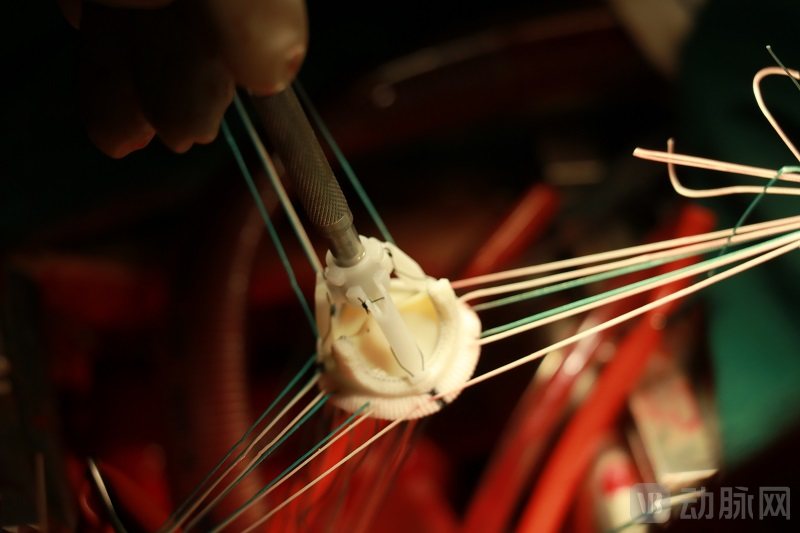
More importantly, this is a bioprosthetic valve product specifically designed for patients with small annuli in China and around the world.The “Xin Valve” is available in small sizes, with aortic valve diameters ranging from 19 to 27 mm and mitral valve diameters from 25 to 31 mm, catering to the needs of diverse patient populations. Notably, the effective orifice area (EOA) of the Xin Valve at comparable sizes is approximately 30% larger than that of other similar products; this advantage is particularly pronounced in smaller-sized valves, making them better suited to the anatomical characteristics of smaller annuli commonly seen in Asian populations. The larger orifice area of the Xin Valve not only provides superior hemodynamic performance for all patients but also reserves sufficient space for potential future valve-in-valve procedures in younger patients, thereby offering lifelong benefits.
Even when benchmarked against the “gold standard” Edwards valve product data, the “Xin Valve” performs comparably.
Clinical follow-up results for Xinjite also confirm that domestically produced valve products are comparable to similar offerings from overseas companies. Recently released five-year prospective, multicenter, single-arm follow-up data from a study led by Zhongshan Hospital, Fudan University, demonstrate that the “Xin Valve” exhibits excellent durability and hemodynamic performance. In terms of safety endpoints, the five-year postoperative all-cause mortality rate was only 8.8%, the all-cause reintervention rate was 0.7%, and no cases of structural valve deterioration (SVD) occurred.
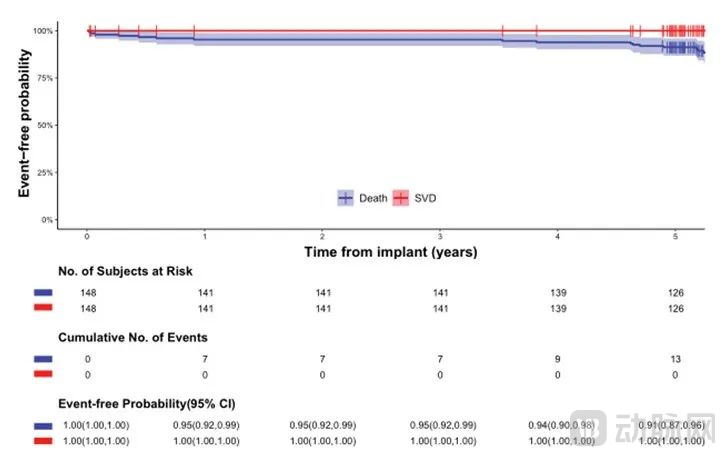
All-cause mortality rate, SVD rate
In terms of hemodynamics, the mean transvalvular pressure gradient for all sizes of the “Xin Valve” was 14.0±5.5 mmHg, and the EOA was 1.9±0.3 cm².2. Among them, the mean pressure gradient and effective orifice area (EOA) of the 19-mm aortic valve were 17.5±7.0 mmHg and 1.64±0.2 cm², respectively.2, the 21-mm aortic valve showed values of 13.7 ± 6.7 mmHg and 1.81 ± 0.3 cm²2。These results are comparable to the 5-year outcomes reported for the Resilia Inspiris valve (Edwards Lifesciences) and the Avalus aortic bioprosthesis (Medtronic), with certain metrics even demonstrating superiority.
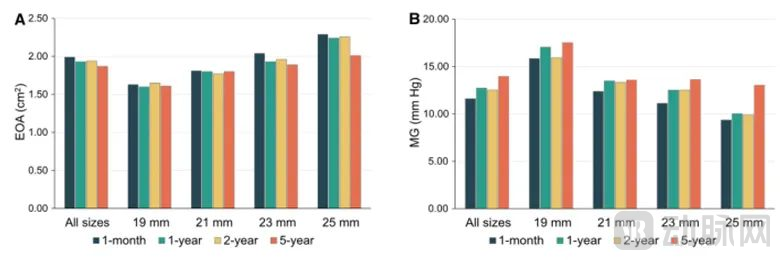
EOA and Mean Pressure Gradient by Size
The ability to achieve an effective orifice area (EOA) superior to that of leading international competitors is closely attributed to Xingjite’s robust R&D team.Mr. Yang Jun, founder of Xinjite, holds a Ph.D. in Biomedical Engineering from the United States. With over 20 years of R&D experience at leading heart valve companies such as Baxter and Edwards, he possesses extensive expertise in valve material processing, valve structural design, and industrialization. The other members of the R&D team also hail from both domestic and international backgrounds.With a team of over 20 overseas R&D consultants, European clinical technology advisors, and supply chain management experts, Xingite ensures that its core technologies remain at the global forefront.
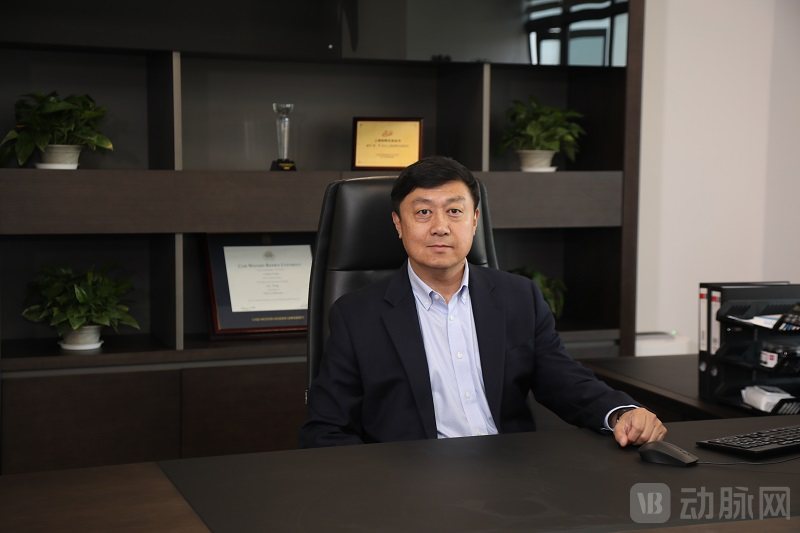
Dr. Yang Jun, Founder of Xinjite
According to reports, from the company’s inception until the approval of the “Xin Valve” product, Dr. Yang Jun led the entire R&D team in dedicating themselves to foundational data research and product quality control for a considerable period of time,Based on hundreds of finite element stress analysis models and real-world animal experiments, data such as "optimal stent height," "optimal leaflet thickness," and "optimal leaflet coaptation height" were derived., ultimately creating the “Xin Valve” with enhanced durability.From imported raw materials to final factory release, every “Xin Valve” undergoes rigorous quality inspection, including more than 50 quality control processes such as pulsatile flow, steady-state flow, hydrodynamic, and fatigue testing. After more than a decade of dedicated refinement, Xinjite has launched this high-end domestically produced surgical bioprosthetic valve, the “Xin Valve,” representing China’s intelligent manufacturing, and has rapidly gained consistent recognition from experts both at home and abroad.
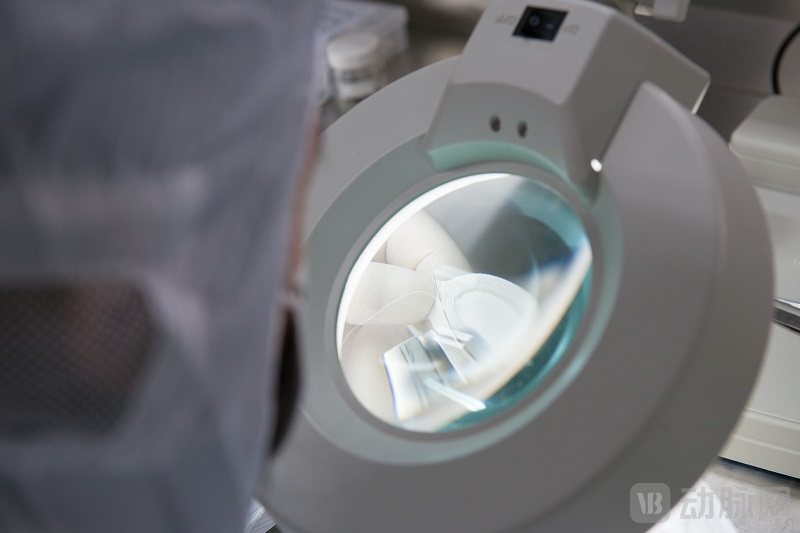
Xin Valve Sewing Technique
Xinjite’s “Xin Valve” offers superior product performance, enabling it to better address the many issues associated with the small effective orifice area of previous valve products when serving overseas patients.While steadily consolidating its position in China and securing partnerships with over 100 leading hospitals, Xinjite is also accelerating its expansion into overseas markets.
Xinjite’s overseas expansion dates back to 2018, when the company initiated clinical trials in Europe. Under the latest CE MDR regulations, surgical valve clinical trials are required to meet a threshold of 800 patient-years. Xinjite has adopted even more stringent testing standards, raising this requirement to 1,200 patient-years and extending the duration of postoperative patient follow-up.On August 7, 2024, Xinjite officially submitted its CE MDR certification application for its core product, the "Bovine Pericardial Prosthetic Heart Valve," to the European Union., marking a significant step forward for Xinjite on its path to internationalization. Following this,Recognizes Corcym, a provider of structural heart disease surgical solutions for Xinjite products, and establishes an overseas strategic partnership with it, which means that Xin Valve products will be rapidly launched into the global market to face global competition.
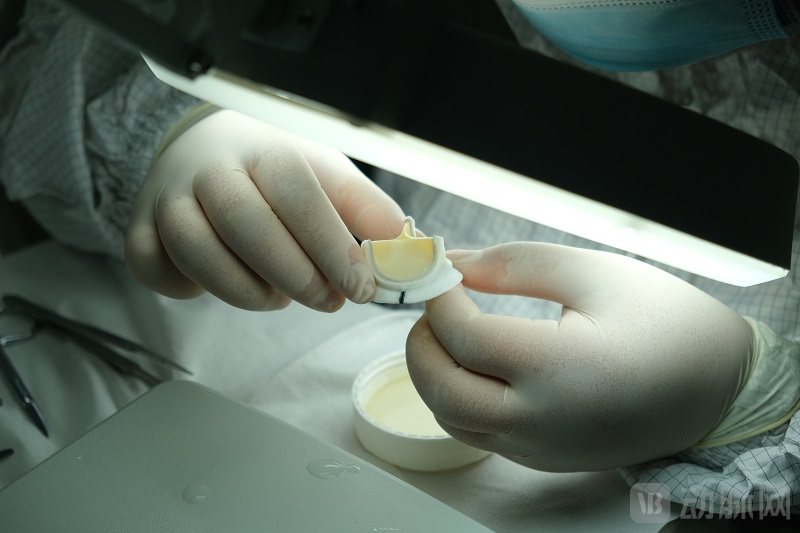
To supply more high-quality products to the global market, Xinjite is also accelerating its product portfolio strategy. In terms of valves,Xinjite is also innovating and actively laying out its portfolio in interventional mitral and tricuspid valve products.,Further realize the differentiated advantages of products by creating innovative products that better align with human physiological characteristics., to better meet market demands and address the challenges currently faced by patients.
As capable domestic manufacturers of biological heart valves, such as Xinjite, continue to launch innovative products and leverage their product advantages to address patient needs, thereby achieving breakthroughs for Chinese-made valve products in both domestic and international markets, more doctors and patients will derive substantial benefits from products like the “Xin Valve.”Meanwhile, on the global stage, innovative Chinese manufacturers will undoubtedly drive a major transformation in the valve replacement and repair market.