

MNC Strategic Focus at CIIE: Cardiovascular, Neurological, and Oncology Innovations Drive Next-Gen Medical Growth
With the grand opening of the China International Import Expo (CIIE), numerous star medical device products have taken center stage, often signaling the market strategic moves of multinational corporations (MNCs).
According to McKinsey data, cardiovascular and cerebrovascular diseases, neurological disorders, and oncology rank as the top three areas in medtech companies’ innovation pipelines, accounting for 31%, 19%, and 16%, respectively.
In the key markets of these multinational corporations (MNCs), competition for mature products has intensified, squeezing profit margins, while innovative products are emerging as new drivers of market growth. MNCs are also shifting their product portfolios toward high-growth new markets, a trend evident from the star products showcased at this year’s China International Import Expo (CIIE).
In the cardiovascular and cerebrovascular sector, atrial fibrillation (AF) treatment has become a focal point for multinational corporations (MNCs). Innovative products showcased at the exhibition included pulsed field ablation (PFA) electrophysiology systems, left atrial appendage (LAA) occluders, and magnetic localization mapping catheters. Companies such as Boston Scientific, Johnson & Johnson, and Medtronic have all made strategic investments in the fields of electrophysiology and LAA occlusion.
In the field of neurological disorders, innovative products are emerging in abundance, and neuromodulation devices are entering a period of technological transformation. At this year’s China International Import Expo (CIIE), the new generation of implantable deep brain stimulation (DBS) systems has become a major highlight.
The field of oncology treatment is also witnessing new development trends. Beyond surgical instruments, multiple innovative medical technology products are redefining cancer therapy. Innovative products showcased at the China International Import Expo include radioactive microspheres for hepatocellular carcinoma treatment, radiotherapy isolation hydrogels, natural-orifice diagnostic and therapeutic robots for lung cancer, and laparoscopic surgical robots.
The continuous emergence of new products signals that the medical technology industry is entering a new phase of development. Multinational corporations (MNCs) are accelerating innovation, undertaking self-renewal, and building entirely new product portfolios in response to these three major markets, whose core competencies are also undergoing reshaping.
In the field of cardiovascular and cerebrovascular diseases, the atrial fibrillation market has garnered significantly heightened attention from the perspective of multinational corporation (MNC) product portfolios. Numerous MNCs are building their product pipelines around atrial fibrillation through research and development as well as mergers and acquisitions.
Atrial fibrillation is a risk factor for stroke. Stroke is the leading cause of death among Chinese residents, and its occurrence is closely associated with irregular blood flow caused by atrial fibrillation and thrombus formation in the left atrial appendage. According to the Chinese Guidelines for the Diagnosis and Treatment of Atrial Fibrillation, large-scale epidemiological survey data indicate that there are approximately 12 million patients with atrial fibrillation in China. However, the penetration rate of electrophysiological catheter ablation procedures remains below 10%.
This low-penetration market is experiencing rapid growth. In the Chinese market, according to IQVIA data, the electrophysiology device market grew by 17.6% year-on-year in the first half of 2024.
In the global market, pulsed field ablation (PFA) technology for atrial fibrillation is also driving rapid growth in the electrophysiology market. The representative product of PFA technology, Boston Scientific’s FARAPULSE series of pulsed field ablation systems (hereinafter referred to as “FARAPULSE”), received FDA approval for market launch in January 2024. Leveraging FARAPULSE, Boston Scientific has rapidly increased its market share in electrophysiology. According to the latest financial report, Boston Scientific’s electrophysiology business achieved a year-on-year growth of 177% in the third quarter of 2024, with sales increasing by 70% and 125% in the first and second quarters, respectively. Less than six months after FDA approval, the FARAPULSE series also received regulatory approval in China, significantly shortening the “time lag” for bringing cutting-edge innovative products to Chinese patients and healthcare providers. At this year’s China International Import Expo (CIIE), FARAPULSE made its debut exhibition following approval, marking its transition from an exhibit to a commercially available product.
PFA technology has three major characteristics: higher safety, faster ablation speed, and lower operational difficulty.Taking the reduction of surgical time and improvement of surgical efficiency as an example, in the European market, where Boston Scientific’s FARAPULSE PFA System first received regulatory approval, the introduction of the FARAPULSE PFA System has enabled physicians to increase their ablation procedure volume from 2–3 cases per day to 4–6 cases per day. The system has been widely welcomed by clinicians, significantly enhancing treatment efficiency.
Characteristics of Pulsed Field Ablation for the Treatment of Atrial Fibrillation
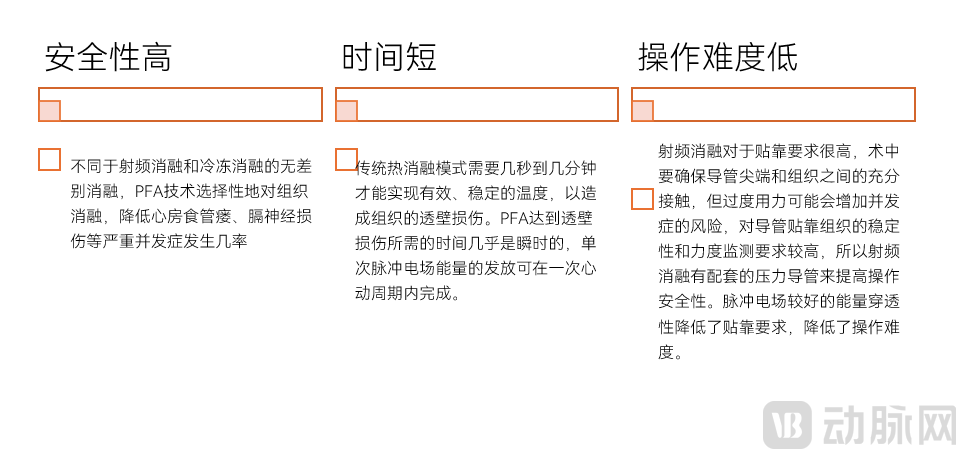
Driven by its revolutionary technological advantages, pulsed field ablation (PFA) has attracted more than 30 companies worldwide to establish a presence in this space, making it one of the most closely watched medical device products globally. As companies flock to enter the market, what constitutes the core competitiveness of the PFA sector?
According to the “Expert Consensus on Clinical Application and Operational Procedures of Pulsed Field Ablation for the Treatment of Atrial Fibrillation,” specific factors influencing the efficacy of PFA include pulse wave parameters, electrode catheter design, the orientation of cells relative to the electric field axis, and cell membrane properties and electroporation.
Although there are numerous pulsed field ablation (PFA) products available globally, the parameters of the pulse waves used by PFA products from different manufacturers (including pulse output voltage, pulse width or duration, pulse shape, etc.) vary significantly, lacking a unified standard. This means that parameters across different systems are not comparable, and separate validation is required for each system and each set of parameters.
Variations in the depth of preclinical research and clinical experience conducted by different manufacturers have led to differences in the setting and optimization of pulse parameters.
Among the numerous products available worldwide, Boston Scientific’s FARAPULSE is the pulsed field ablation (PFA) technology with the most extensive clinical evidence base to date. To date, FARAPULSE has been used to treat more than 125,000 patients globally.

Looking Ahead: How Will PFA Technology Evolve?
Overseas, the majority of pulsed field ablation (PFA) procedures are performed in conjunction with three-dimensional (3D) mapping systems. The adoption of FARAPULSE has even driven increased usage of 3D mapping systems from Johnson & Johnson and Abbott. However, legacy mapping systems were originally designed for radiofrequency ablation and are not fully compatible with PFA systems.
PFA Industry Leader Boston Scientific Integrates PFA with 3D Mapping. Recently, two new products from Boston Scientific received FDA approval: the FARAWAVE Magnetic Positioning Cardiac Pulsed Field Ablation Catheter and the FARAVIEW Software Module. These two products constitute a novel mapping system developed specifically for PFA technology. The FARAWAVE NAV PFA catheter adds magnetic positioning capabilities to the existing FARAWAVE PFA catheter, enabling precise cardiac mapping and PFA therapy using the same device. The mapping data is visualized through the new FARAVIEW software module, providing customized solutions for procedures performed with the FARAPULSE PFA System.
Multinational corporations (MNCs) have expanded their footprint in the cardiogenic stroke prevention market beyond electrophysiology products to include left atrial appendage (LAA) occluders. To enter this market, Johnson & Johnson acquired Laminar, a company developing innovative LAA occlusion technologies, in 2023 with a $400 million upfront payment. In the field of atrial fibrillation management, MNCs are increasingly adopting one-stop solutions that combine electrophysiological therapy with LAA occluders.
For stroke prevention, the "one-stop" procedure combining transcatheter ablation for atrial fibrillation and left atrial appendage closure has been widely adopted in clinical practice.Atrial fibrillation ablation aims to treat irregular heartbeats, while left atrial appendage (LAA) occlusion involves sealing the LAA orifice with an occluder device to block the communication between the left atrium and the LAA, thereby eliminating the site of thrombus formation and preventing thromboembolism.
Based on domestic and international research findings, the “one-stop” procedure reduces symptomatic atrial fibrillation events compared with left atrial appendage closure alone; furthermore, it lowers the risk of stroke and significantly reduces bleeding events compared with atrial fibrillation ablation alone, thereby demonstrating the comparative advantages of the “one-stop” approach.
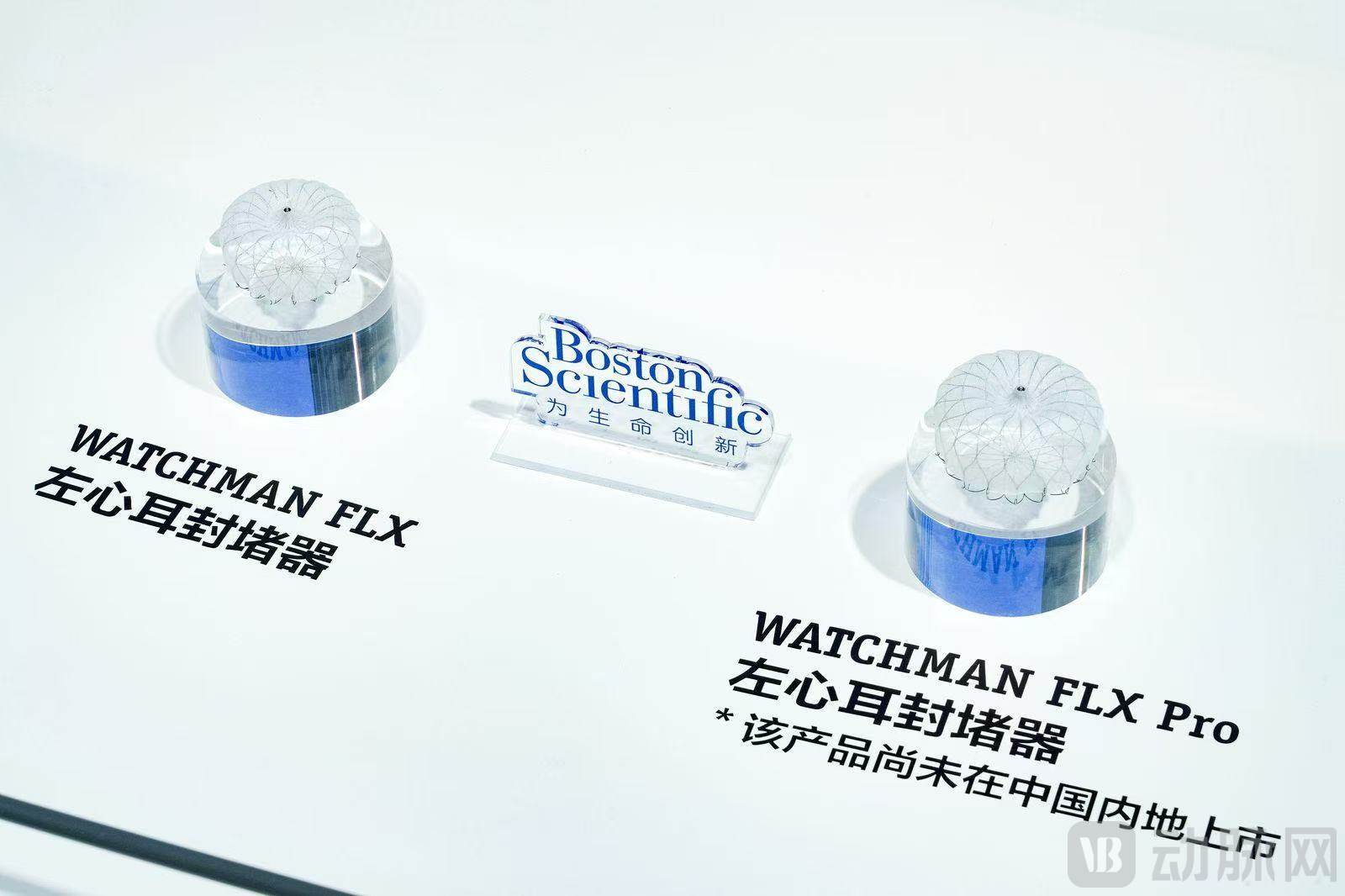
Currently, the two most widely used left atrial appendage closure devices in clinical practice are Boston Scientific’s plug-type WATCHMAN device and Abbott’s disc-type Amplatzer Amulet device.
At this year’s China International Import Expo, Boston Scientific showcased its innovative portfolio featuring the FARAPULSE™ Pulsed Field Ablation (PFA) system and the WATCHMAN™ family’s WATCHMAN FLX™ Left Atrial Appendage Closure device.Boston Scientific is exploring a one-stop procedural solution for patients with atrial fibrillation at risk of stroke, which involves performing left atrial appendage closure concurrently with atrial fibrillation ablation. This approach aims to prevent thrombi from dislodging from the left atrial appendage and entering the cerebral circulation, thereby reducing the invasive harm associated with multiple surgeries and lowering the medical costs of repeated treatments.
Furthermore, transseptal puncture is a critical and challenging step in left atrial appendage closure procedures. Boston Scientific has launched the VersaCross RF Puncture Wire Assembly., and Medtronic also acquired a radiofrequency transseptal puncture product.
Clearly, future competition in the stroke prevention market will center on the ability to provide comprehensive solutions. Industry leaders have already launched multiple innovative products targeting clinical needs. For example, Boston Scientific has developed a holistic solution for atrial fibrillation treatment, encompassing a portfolio of products such as radiofrequency puncture guidewire systems, left atrial appendage occluders, and pulsed field ablation (PFA) electrophysiology systems.
This portfolio of innovative products offers significant advantages in reducing surgical complexity while enhancing precision and safety, and is expected to substantially strengthen competitive dominance within specific niche segments by providing comprehensive solutions.
In addition to the cardiovascular and cerebrovascular fields, products for neurological disorders also garnered significant attention at this year’s China International Import Expo (CIIE), particularly implantable deep brain stimulation (DBS) systems.According to the Chinese Guidelines for the Treatment of Parkinson’s Disease (4th Edition), the number of Parkinson’s disease patients in China is projected to increase from 1.99 million in 2005 to 5 million by 2030, accounting for nearly half of the global total. However, the cumulative number of deep brain stimulation (DBS) implantation procedures performed in China stands at only approximately 20,000, indicating an extremely low penetration rate.
With the rapid growth of the aging population, the number of individuals affected by chronic pain and incurable neurological disorders is also increasing, leading to a surging demand for treatments for neurological conditions. However, the complexity and intricacy of the nervous system pose significant challenges to treatment. Currently, the main challenges facing neuromodulation products include reducing surgical complexity, improving battery longevity, miniaturizing device size, enhancing therapeutic precision and targeting, ensuring MRI compatibility, and enabling data tracking and synchronization.
Driven by the global advancement of brain-computer interface (BCI) technology, financing and merger and acquisition activities in the field of neuromodulation have been vigorous over the past two years, ushering in a surge of new neuromodulation products.
At the China International Import Expo (CIIE), multinational corporations (MNCs) showcased their innovative achievements in the field of neuromodulation. Boston Scientific exhibited its next-generation Vercise Genus Deep Brain Stimulation (DBS) system, which is characterized by precision, visualization, and long-lasting efficacy.
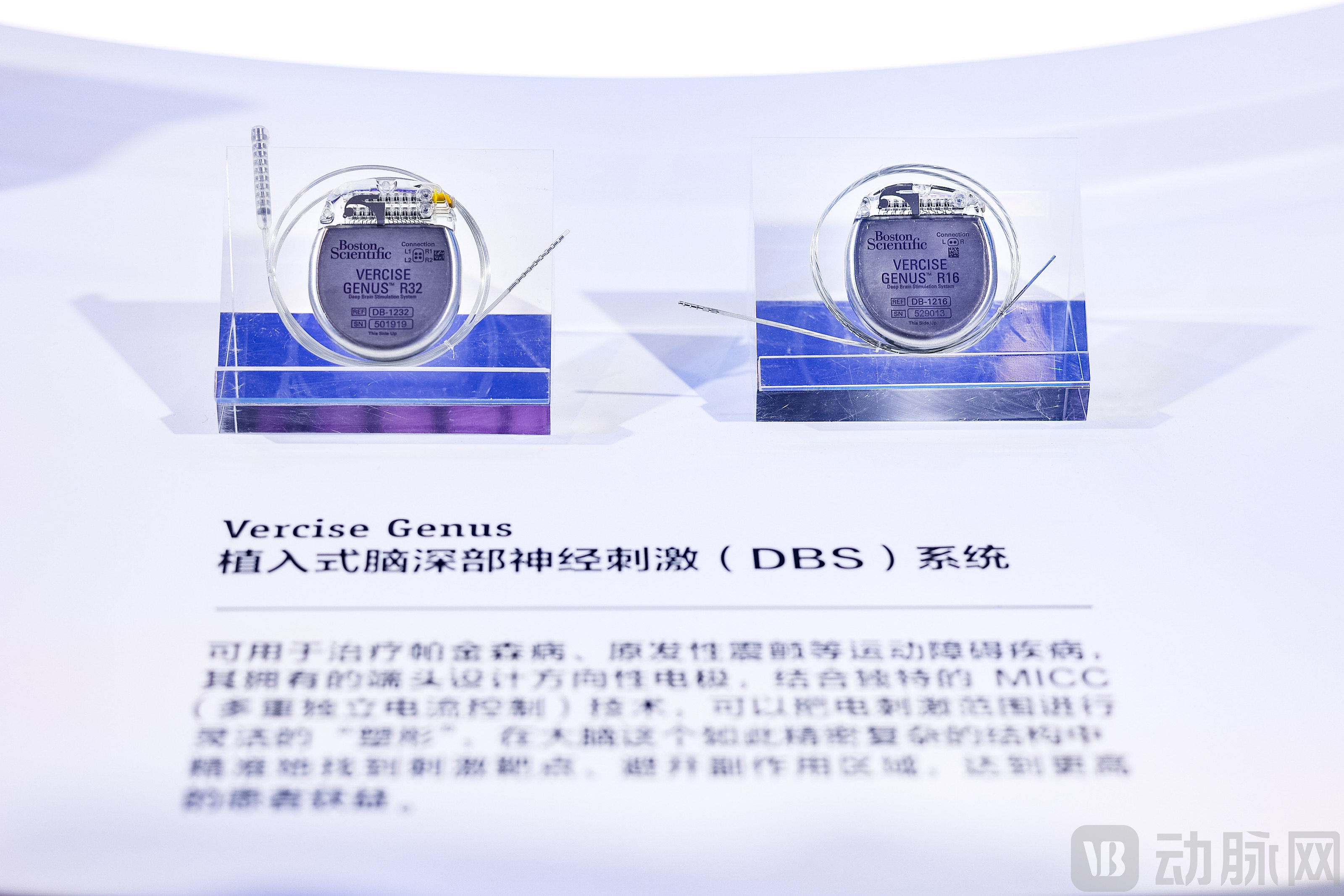
In terms of precise stimulation, Boston Scientific’s directional tip electrodes feature eight contact points and incorporate unique multi-source independent current control technology. This enables precise regulation of the direction, location, extent, and amplitude of electrical stimulation, thereby accurately targeting the intended therapeutic targets while avoiding areas associated with adverse effects.
The fine electrodes of the Vercise Genus system implanted into the target nuclei can deliver precise stimulation in specific directions as clinically indicated, enabling targeted therapy while avoiding stimulation of non-target brain regions and reducing stimulation-related complications.
In terms of visibility, the visualization programming system jointly developed by Boston Scientific and Brainlab reduced programming time by an average of 56%, thereby lowering surgical complexity.
As a next-generation DBS product, Vercise Genus is rechargeable, MRI-compatible, features one of the smallest pulse generators currently available on the market, and includes Bluetooth connectivity for wireless programming.
Looking ahead, with the advancement of brain-computer interface technology, DBS is expected to make progress in expanding indications, implementing closed-loop stimulation, and minimizing invasiveness, thereby deepening its role in the treatment of neurological disorders.
The medical technology industry is at a critical juncture in its development. How to enter high-growth markets and capture market share has become a key priority for the global medical device industry. Effectively exploring new medical scenarios presents a challenge for companies of all sizes. Observations of multinational corporations’ (MNCs) activities at the China International Import Expo (CIIE) reveal that they are placing greater emphasis on providing comprehensive solutions and penetrating markets characterized by high product entry barriers and low penetration rates.