

To implement the spirit of Document No. 1 [2024] issued by the General Office of the State Council and to promote the development of the anti-aging and longevity industry, this event is jointly hosted by the School of Medicine at Southern University of Science and Technology, the Market Working Committee of the China Anti-Aging Promotion Association, the Sci-Tech Innovation China Committee of the Chinese Society for Biotechnology, the Guangzhou Key Laboratory of Anti-Aging, and other organizations, under the guidance of the China Anti-Aging Promotion Association.The 1st International Conference on Anti-Aging and Longevity Technology (2024 GHLC) will be held in Shenzhen from November 15 to 17, 2024.。GHLC will focus on the industrial translation of aging and longevity technologies, deeply integrating science and technology, industry, capital, and policy-making to contribute new wisdom and strength to human health and longevity.

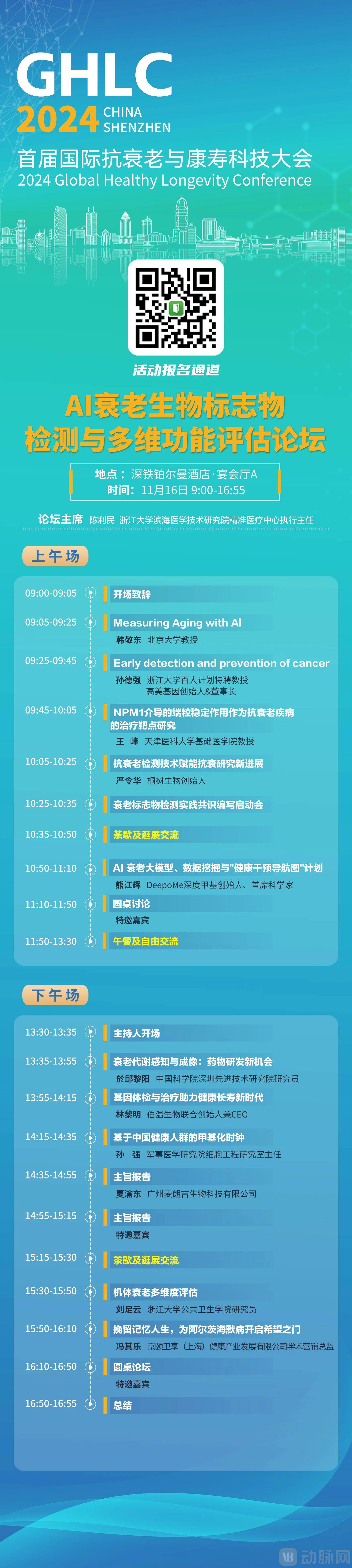
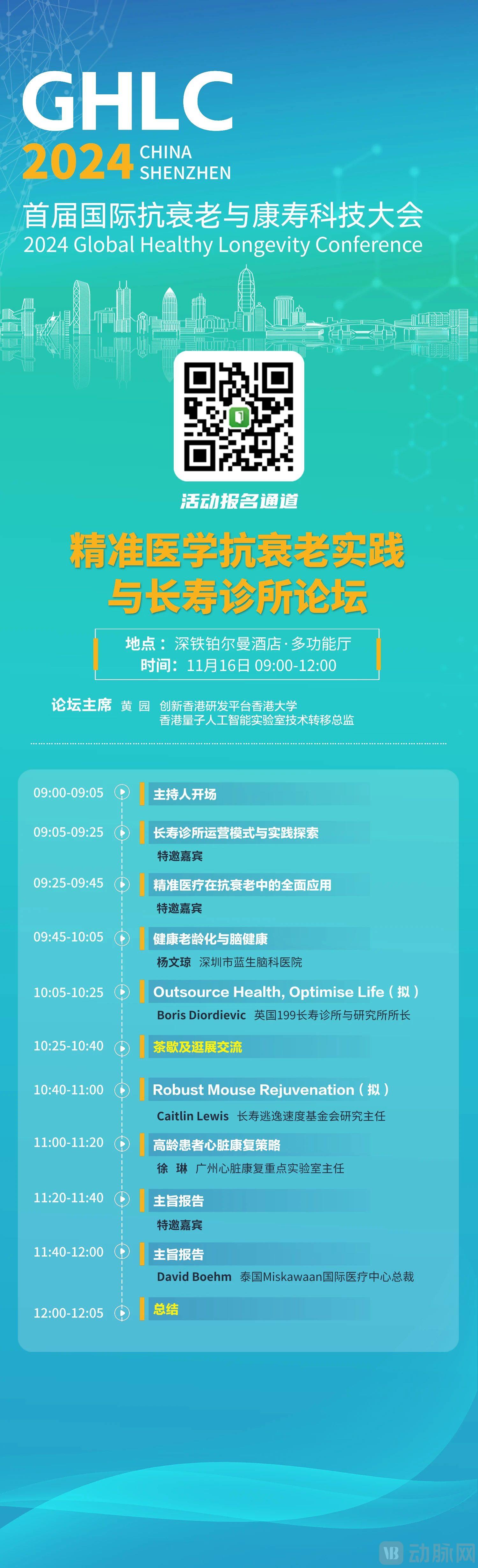
Forum Agenda


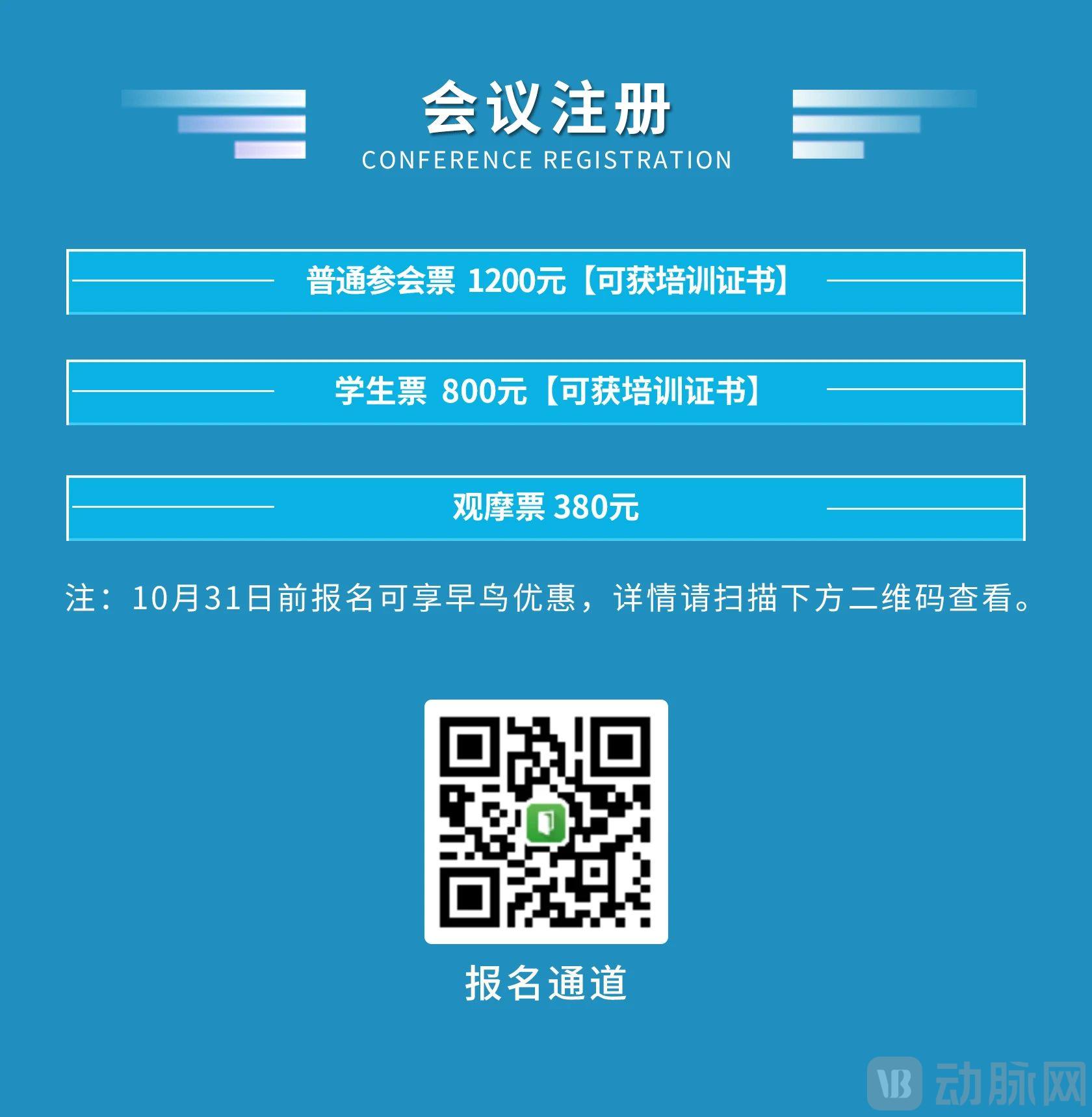
Conference Registration
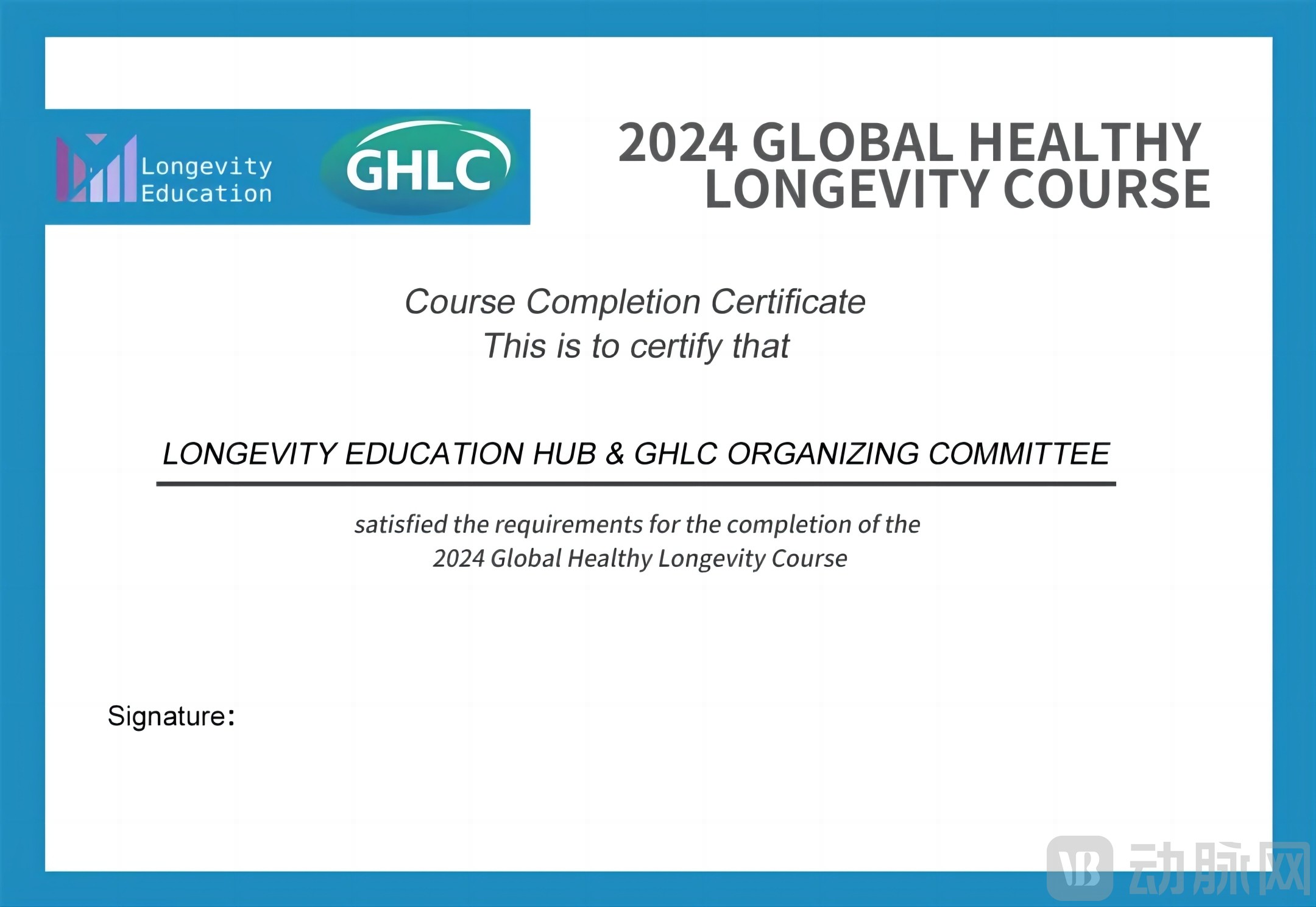
Participating in the First International Anti-Aging and Longevity Technology Conference provides access to renowned longevity organizations.Longevity Education Hub and GHLC Co-Branded Training Certificate, for details, click here to view:Major Announcement! Participate in the 1st International Conference on Anti-Aging and Longevity Technology to Receive a Joint Training Certificate from the Longevity Education Hub!
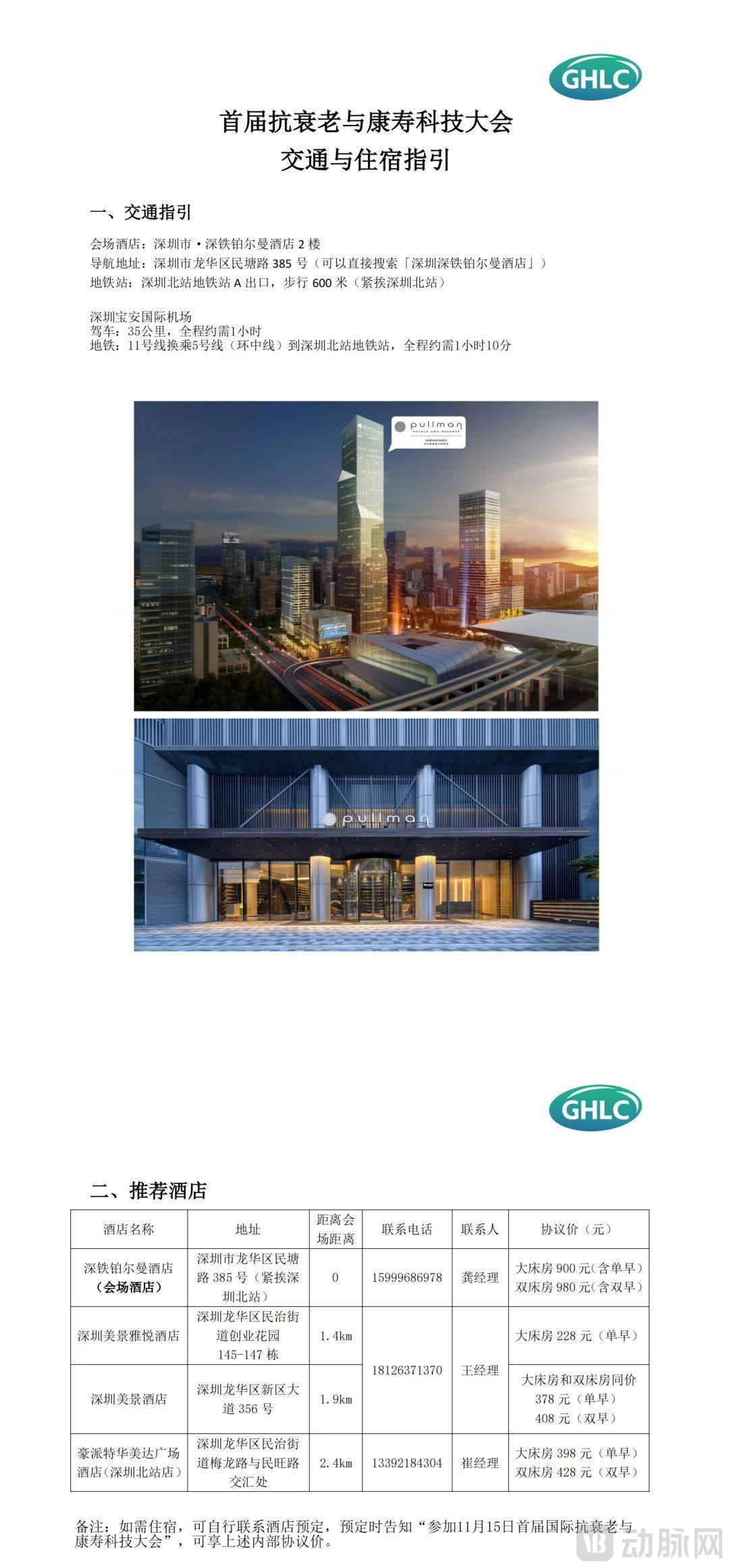
Transportation and Accommodation Guide
Cooperating Organizations
Strategic Partner
|
|

Partners
Media Partners
Business Cooperation Inquiry

18666099383

Teacher Chen
13425578893
Conference Consultation
Introduction to Attendees
Swipe up or down to view
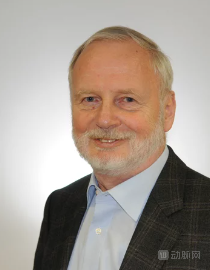
Hartmut Michel
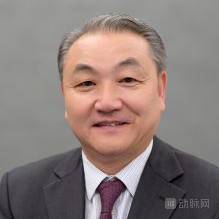
Wang Songling
Academician of the Chinese Academy of Sciences
Dean, School of Medicine, Southern University of Science and Technology
Director of the Expert Committee, China Anti-Aging Promotion Association
Academician of the Chinese Academy of Sciences, Member of the Academic Division of the Chinese Academy of Medical Sciences, Recipient of the National Committee of the Chinese People's Political Consultative Conference Award for Outstanding Performance in Duty, Professor, and Chief Physician. Dean of the School of Medicine at Southern University of Science and Technology; Dean of the National Institute of Health and Medical Big Data at Capital Medical University; Vice President of the Chinese Stomatological Association; and Vice President of the Beijing Medical Association. He has published 249 papers, including 167 English-language papers as the primary author. As the principal investigator, he received two Second-Class Prizes of the National Award for Progress in Science and Technology in 2003 and 2010, respectively. He is also the recipient of the William J. Gies Award, the Wu Jieping Medical Innovation Award, and the Ho Leung Ho Lee Prize for Scientific and Technological Progress.
Academician Wang Songling is the proponent of homeostatic medicine. He published a review article titled “Nitrate and Body Homeostasis,” which systematically elucidates the evolving understanding, sources, and metabolism of nitrate. The article further discusses the relationship between nitrate and bodily homeostasis, along with potential mechanisms, from three perspectives: microbiota homeostasis, inflammation–immune homeostasis, and energy metabolic homeostasis. This work was supported by the National Natural Science Foundation of China and the National Key Research and Development Program. Currently, Academician Wang Songling’s research team is dedicated to developing a novel nitrate-based nanocomposite formulation to enable more sustained release of nitrate and enhance its beneficial effects. This translational achievement holds promise for further application in the prevention and treatment of chronic human diseases, thereby contributing greater well-being to human health.
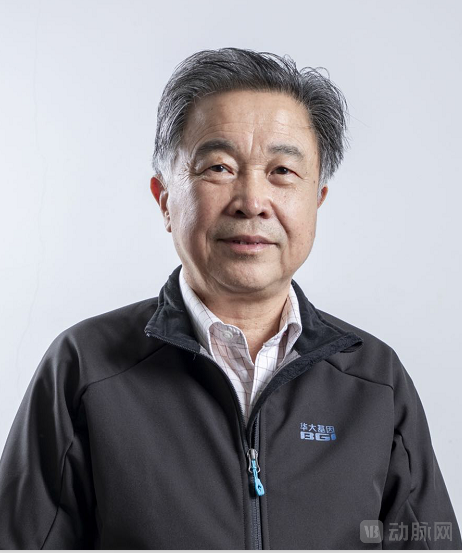
Yang Huanming
Academician of the Chinese Academy of Sciences
Director of the Center for Synthetic Biology, Hangzhou Institute of Medicine, Chinese Academy of Sciences
Academician of the Chinese Academy of Sciences, Member of the Academic Division of the Chinese Academy of Medical Sciences, Fellow of The World Academy of Sciences (TWAS), and Foreign Member of the U.S. National Academy of Sciences, the German National Academy of Sciences Leopoldina, the Indian National Science Academy, the Royal Danish Academy of Sciences and Letters, and the European Molecular Biology Organization (EMBO). Professor at the Chinese Academy of Sciences and the Chinese Academy of Medical Sciences.
Academician Yang Huanming graduated from Hangzhou University in 1978; obtained his master’s degree from Nanjing Railway Medical College (now Southeast University) in 1982; earned his Ph.D. from the University of Copenhagen, Denmark, in 1988, and subsequently conducted postdoctoral research in France and the United States; returned to China in 1994 to work at the Chinese Academy of Medical Sciences and Peking Union Medical College, dedicating himself to the Human Genome Project upon his return; received funding from the National Science Fund for Distinguished Young Scholars in 1995; was named a Research Leader of the Year by Scientific American in 2002; became Director of the Beijing Genomics Institute, Chinese Academy of Sciences, in 2003; was elected as a member of the European Molecular Biology Organization in 2006; was elected as an Academician of the Chinese Academy of Sciences in 2007; received the Genetics Society of America Medal for Outstanding Contributions to Genetics Education or the HUGO Achievement Award in 2010 (Note: Context implies HUGO Achievement Award); was elected as a Foreign Associate of the U.S. National Academy of Sciences in 2014; and received the National Innovation Excellence Award in 2017. He and his team have made significant contributions to international collaborative genomic projects such as the International Human Genome Project, the International HapMap Project, the 1000 Genomes Project, and the International Cancer Genome Consortium, as well as to research on the first Asian human genome, human pan-genomics, ancient human genomes, and gut metagenomics.
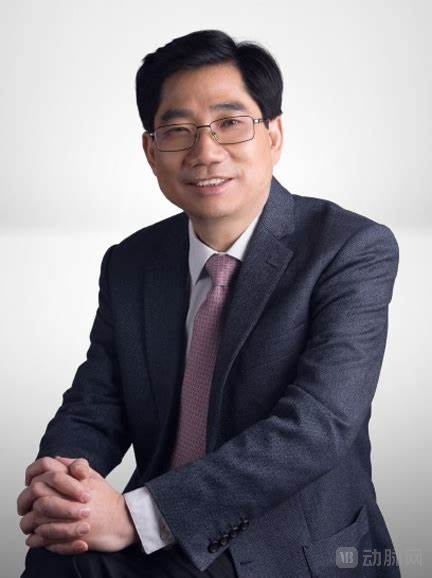
Xu Anlong
Professor, School of Life Sciences, Sun Yat-sen University
Dean, Sun Yat-sen University Hong Kong Institute for Advanced Study
Second Prize of the National Natural Science Award (First Completer)
Recipient of the National Science Fund for Distinguished Young Scholars
Professor Xu Anlong currently serves as a member of the 14th National Committee of the Chinese People's Political Consultative Conference (CPPCC) and its Proposal Committee; Vice President of the China Association of Chinese Medicine; Chair of the Teaching Steering Committee for Integrated Traditional Chinese and Western Medicine Programs under the Teaching Steering Committee of Higher Education Institutions of the Ministry of Education; and Chair of the Health Advisory Committee of the United Nations World People’s Council. He previously served as Director of the State Key Laboratory for Biocontrol and Resource Utilization, and Director of the National Engineering Research Center for Marine Biotechnology in the South China Sea. Professor Xu earned his Ph.D. from the University of Illinois at Urbana-Champaign in the United States in 1992, conducted postdoctoral research at the University of California, San Diego from 1992 to 1994, and worked at Syntex Corporation in San Diego from 1994 to 1996. In 1996, he returned to his alma mater, Sun Yat-sen University, as a faculty member. He served as Dean of the School of Life Sciences at Sun Yat-sen University from 2000 to 2008, and as Vice President of Sun Yat-sen University from 2008 to 2012. From 2013 to April 2024, he served as President of Beijing University of Chinese Medicine.
Professor Xu’s research primarily focuses on the origin and evolution, function and mechanisms of the diversity of human immune defenses, as well as the prevention and treatment of immune-related diseases, yielding original and systematic research achievements. He has systematically conducted comparative immunology studies centered on the lancelet immune system. Through this work, he has systematically elucidated the fundamental principles governing the origin and evolution of the vertebrate immune system. Notably, he discovered RAG transposons with V(D)J recombination activity in invertebrates. This finding suggests that the origin of adaptive immunity may date back to invertebrates, rather than to vertebrates as traditionally held in textbooks, thereby establishing the lancelet as a model organism for research on immune evolution.
Professor Xu has presided over more than 17 national-level scientific research projects, including the National Science Fund for Distinguished Young Scholars, projects under the National Basic Research Program (973 Program), projects under the National High-Tech R&D Program (863 Program), Key Projects of the National Natural Science Foundation of China, and projects under the National Key R&D Program. He has published more than 200 SCI-indexed papers as a corresponding author in prestigious international academic journals such as Nature, Cell, Nat Cell Biol, J Hepatol, Gut, Cell Res, Signal Transduct Target Ther, Natl Sci Rev, Kidney Int, PNAS, PLoS Biology, EMBO Rep, J Biol Chem, and J Immunol. Professor Xu has served as the editor-in-chief of two books and holds more than 60 invention patents in China and the United States. He has received numerous scientific and technological awards, including three First Prizes of the Guangdong Provincial Science and Technology Award/Natural Science Award (in 2005, 2008, and 2018), the Second Prize of the State Natural Science Award (2012), the First Prize of the Chinese Pharmaceutical Association Science and Technology Award (2017), and the First Prize of the Beijing Higher Education Teaching Achievement Award (2021).
Professor Xu was awarded the National Science Fund for Distinguished Young Scholars in 1997, received the State Council Special Government Allowance in 2000, won the 6th China Youth Science and Technology Innovation Award in 2003, was selected as a national-level candidate for the “New Century Hundred, Thousand, and Ten Thousand Talents Project” in 2004, was honored with one of the “Top Ten Scientific and Technological Advances in Chinese Higher Education” in 2010, was included in the Key Field Innovative Team under the Ministry of Science and Technology’s Program for Promoting Innovative Talents in 2013, was named among the first batch of Leading Talents in Scientific and Technological Innovation under the “Ten Thousand Talents Program” in 2014, was recognized as one of the “Top Ten Medical News Figures in China” and received one of the “Top Ten Advances in Life Sciences in China” in 2016, was awarded the 14th Jia Zhen Life Science Achievement Award in 2021, and was selected for the Qihuang Scholars Program of the National Administration of Traditional Chinese Medicine (in the field of Integrative Traditional Chinese and Western Medicine). In 2024, he received the 7th Zhang Ande International Contribution Award to Traditional Chinese Medicine.
Guided by the core principles of Traditional Chinese Medicine (TCM) and integrating recent advances in systems biology, Professor Xu published an Insight article titled “Immune states: integrated views of immunity by combining traditional Chinese medicine and modern medicine” in Science China Life Sciences this July, proposing the novel concept of “immune states.”
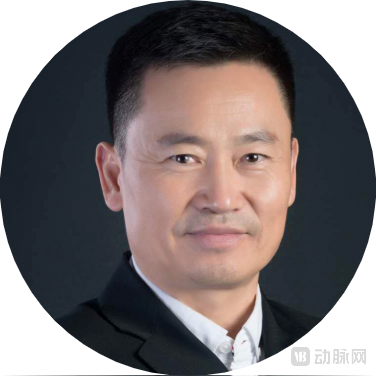
Zhu Jiankang
Member of the U.S. National Academy of Sciences
Dean, Institute of Frontier Biotechnology, Southern University of Science and Technology
Internationally renowned molecular geneticist and plant biologist
Academician Jian-Kang Zhu graduated from the Department of Soil and Agricultural Chemistry at Beijing Agricultural University in 1987 and received his Ph.D. in Plant Physiology from Purdue University in the United States in 1993. In 2000, he was appointed as a Professor in the Department of Plant Sciences at the University of Arizona. He has served as Director of the Institute for Integrative Genome Biology at the University of California, Riverside; Director of the Center for Desert Agriculture at King Abdullah University of Science and Technology (KAUST) in Saudi Arabia; Distinguished Professor in the Departments of Biochemistry and Horticulture and Landscape Architecture at Purdue University; and Director of the Shanghai Center for Plant Stress Biology, Chinese Academy of Sciences. He is a recipient of the Charles Albert Shull Award and the Herbert Newby McCoy Award. In 2010, he was elected as a Member of the U.S. National Academy of Sciences. Since 2022, he has joined Southern University of Science and Technology (SUSTech) on a full-time basis, serving as Dean of the Academy of Advanced Biotechnology, Director of the Center for Frontier Technological Innovation in Bio-industry at the Chinese Academy of Agricultural Sciences, Director of the Key Laboratory of Gene Editing Innovation and Application (Hainan) of the Ministry of Agriculture and Rural Affairs, and Chairman of the Shenzhen Cell and Gene Industry Alliance. He serves as Editor-in-Chief of *Stress Biology* and *The Innovation Life*; Editorial Board Member of *National Science Review* and *Journal of Integrative Plant Biology*; and Advisory Board Member of *Research*, *Molecular Plant*, *Plant Communications*, *The Innovation*, and *Horticulture Research*.
Academician Zhu Jiankang is primarily engaged in research on the development and application of novel CRISPR-Cas gene-editing technologies (including biological breeding, molecular diagnostics, and gene therapy), epigenetics (DNA methylation and demethylation), plant stress biology (mechanisms of plant responses to abiotic stresses such as drought, high salinity, and low temperature), and the development of novel biostimulants. To date, he has published more than 550 papers in leading academic journals, including Cell, Nature, Science, and Nature Biotechnology, with 18 papers in Cell, Nature, and Science. His work has been cited over 150,000 times. He has been listed among the “Highly Cited Researchers” globally for many consecutive years and is one of the most highly cited scientists in the natural sciences worldwide. In the 2023 “World’s Top Scientists” ranking released by Elsevier, he ranked 43rd globally in annual impact across all disciplines and 1st in the field of biology.
Academician Zhu Jiankang pointed out that his scientific research dream is to solve real problems. His research has found that the "DNA methylation clock" affects aging, and he hopes to develop a gene therapy regimen that can make humans 10 or 20 years younger with just one injection.
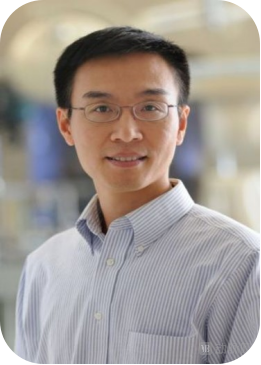
Song Yangzhou
Professor and Doctoral Supervisor, Sun Yat-sen University
Chief Scientist of National Major Scientific Research Program Projects and Key Special Projects
Director of the Center for Anti-Aging Research at Sun Yat-sen University; formerly held the Tenured Distinguished Professorship in the Department of Biochemistry and Molecular Biology at Baylor College of Medicine in the United States. He was among the first cohort selected for China’s “National Overseas High-Level Talent” program and served as Chief Scientist for National Major Scientific Research Programs and Key Special Projects. He is the Deputy Head of the Expert Group for the National Natural Science Foundation of China’s (NSFC) Major Research Plan on “Organ Aging.” He serves as an Executive Director of the Chinese Society of Biochemistry and Molecular Biology, Co-Chair of the Cell Signaling Transduction Branch of the Chinese Society for Cell Biology, and Vice President of the Guangdong Anti-Aging Research Association. Previously, he was a member of the Expert Group for the Ministry of Science and Technology’s National Major Scientific Research Program on “Stem Cell Research” and a member of the Expert Advisory Committee of the Life Sciences Division of the NSFC. Since returning to China, Professor Song Yangzhou has bridged basic research and translational applications, securing funding from the Ministry of Science and Technology’s National Major Scientific Research Program as Chief Scientist, as well as receiving support from multiple national and provincial/ministerial projects, including the NSFC’s Major Research Plans and Key Projects. To date, he has published more than 190 papers in prestigious international journals such as Nature, Science, Cell, PNAS, Nature Cell Biology, NSMB, and Molecular Cell, with over 20,000 total citations and an H-index of 66 as of 2023. He was ranked among the top 100 Chinese scientists in the life sciences in the 2022 “World’s Top Scientists” list published by Elsevier. His honors include The Scientist’s Annual Best Paper Award, Cell Magazine’s 30 Best Articles in 30 Years Award, the Irvington Institute Postdoctoral Fellowship, the Ellison New Scholar Award, the American Cancer Society Scholar Award, and the Leukemia & Lymphoma Society Scholar Award.
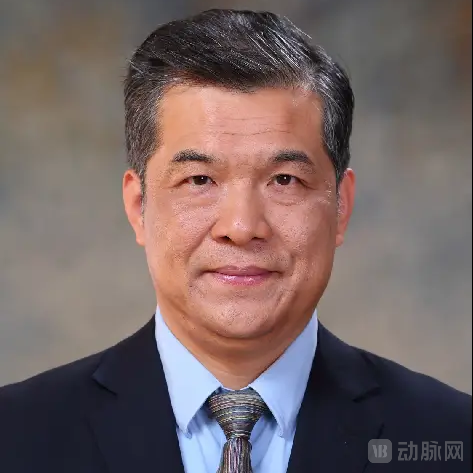
Li Wenbin
Vice Chairman of the Expert Committee, China Association for the Promotion of Anti-Aging
Director, Center for Comprehensive Oncology Treatment, Beijing Tiantan Hospital, Capital Medical University
Beijing Tiantan Hospital, Capital Medical University
Chief Physician, Professor, Doctoral Supervisor
Vice President, National Institute of Health and Medical Big Data (CMU)
Chairman, Department of Oncology, Capital Medical University
President-Elect, Professional Committee on Clinical Drug Research, China Pharmaceutical Innovation Promotion Association
Standing Committee Member, Brain Glioma Professional Committee of the Chinese Medical Doctor Association
Vice Chairperson, Brain Glioma Professional Committee, China Anti-Cancer Association
Director, Journal Publishing Department, China Anti-Cancer Association
Editorial Board Member of *Signal Transduction and Targeted Therapy* and *Cancer Biology & Medicine*
Editor-in-Chief of "Chinese Health Standard Management"
Editor-in-Chief of Medical Reference News: Neuro-Oncology Special Issue
Beijing Leading Expert in Both Traditional Chinese and Western Medicine
Primarily engaged in chemotherapy and clinical drug trials for intracranial malignant tumors. Principal investigator of two Phase I clinical trials of innovative drugs under the National 13th Five-Year Plan key projects. Led national-level research projects funded by the National Natural Science Foundation of China and the Ministry of Science and Technology’s “13th Five-Year Plan Major Special Projects.” Published over 100 academic papers as first or corresponding author. Awarded Second Prize of the Beijing Medical Science and Technology Award (as primary contributor) and Second Prize of the National Science and Technology Progress Award (ranked seventh). Holds five patents granted by the Chinese government. Honored with the title of “National Renowned Physician · Excellent Professionalism” at the Fourth Edition.
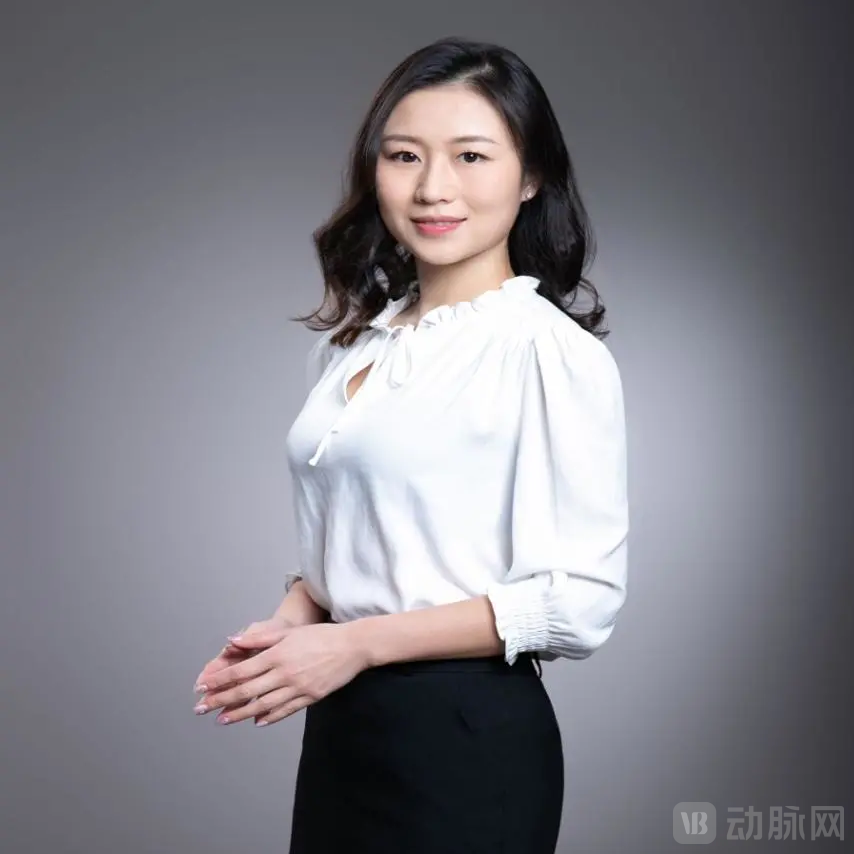
Huang Yuan
InnoHK Research Platform, The University of Hong Kong, Hong Kong Quantum AI Lab
Head of the Longevity Technology Research Group
Fellow of the Royal Society of Medicine
Director of Technology Transfer, Hong Kong Quantum AI Lab
Dr. Yuan Huang is a scientific entrepreneur. He currently serves as the Director of Technology Transfer at the Hong Kong Quantum AI Lab (jointly established by The University of Hong Kong and the California Institute of Technology, under The University of Hong Kong and the Hong Kong Government’s flagship InnoHK initiative), Director of the Hong Kong Center for Longevity Sciences, and Venture Partner at LongeVC. He is also a Senior Research Fellow at The University of Hong Kong. Dr. Huang was named to the Forbes China “30 Under 30” list in 2020 (Healthcare & Science category) and was elected a Fellow of the Royal Society of Medicine. He serves as a member of the Advisory Committee of the Wong Wing Wah Charitable Foundation and is a columnist for Forbes China. In November 2022, he was elected as a member of the Guangzhou Youth Federation.
Graduated from Southern Medical University and the Li Ka Shing Faculty of Medicine at the University of Hong Kong, he subsequently completed his neurology training at Queen Mary Hospital in Hong Kong and participated in numerous large-scale international clinical trials. Research interests: He specializes in translational medicine, with a particular focus on AI-driven medicine, age-related diseases (including neurodegenerative disorders, cancer, and diabetes), and longevity medicine. With extensive experience in biotechnology and longevity, he was named to the Forbes China 30 Under 30 list (Healthcare & Science category) in 2020 for his research on liquid biopsy technology for cancer, and was elected as a Fellow of the Royal Society of Medicine.
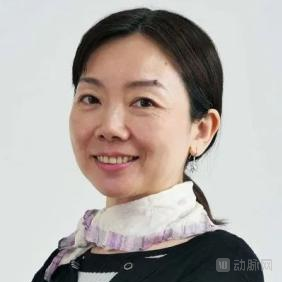
Han Jingdong
Director, Key Laboratory of Computational Biology, Chinese Academy of Sciences
Renowned Chinese Anti-Aging Scholar
Discoverer of the Novel Physiological Age Clock
Editorial Board Member of the Top Aging Research Journal, *Aging Cell*
Professor Jingdong Han received her Ph.D. from the Albert Einstein College of Medicine in the United States in 1997. She completed her postdoctoral training at Rockefeller University and the Dana-Farber Cancer Institute. In 2004, she became a Principal Investigator/Professor at the Institute of Genetics and Developmental Biology, Chinese Academy of Sciences. From 2010 to 2019, she served as Director of the CAS-MPG Partner Institute for Computational Biology. In 2019, she joined Peking University as a tenured professor. Her research focuses on the structural and dynamic inference of molecular networks, employing an integrated approach of large-scale experimental and computational analyses to explore network design principles and uncover how complex phenotypes such as aging, cancer, and stem cell development are regulated by molecular networks. She was awarded the National Science Fund for Distinguished Young Scholars in 2006, named a Max Planck Fellow in 2011, selected as a MaxNetAging Fellow in 2014, recognized as a Young and Middle-Aged Expert with Outstanding Contributions under the National Hundred, Thousand, and Ten Thousand Talents Program in 2015, and honored with the Faculty of 1000 in Developmental Biology designation in 2016.
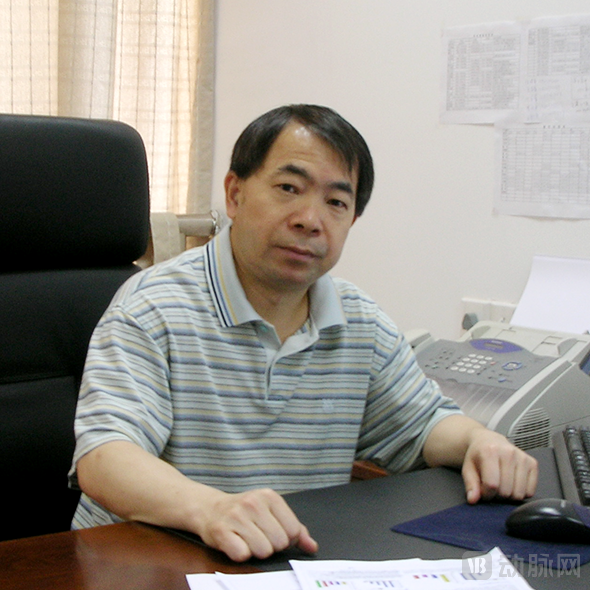
Wen Longping
Professor, Ph.D. Supervisor
University of Science and Technology of China / Guangdong Provincial People's Hospital
He went to the United States in 1982 through the CUSBEA program and obtained his Ph.D. from the University of California, Los Angeles (UCLA) in 1988. Subsequently, he conducted molecular biology research on cancer cell apoptosis and cytochrome P-450 genes at Stanford University, the Institute of Molecular and Cell Biology in Singapore, Xiamen University, and other research institutions. Since 1998, he has served as R&D Director at several biotechnology companies in the United States and China, focusing on drug delivery, nanomedicine, and biochip development. In February 2004, he joined the University of Science and Technology of China (USTC) as a full-time professor, conducting research on novel drug delivery systems and nanomedicines. His major scientific achievements include developing the world’s first in vitro transcription system mimicking dioxin-induced gene expression (PNAS, 1990); discovering specific cleavage of Focal Adhesion Kinase during apoptosis (JBC, 1997), with his published papers cited over 240 times to date; and identifying transdermal enhancement peptides that facilitate the penetration of protein-based drugs through the skin barrier, providing new methods and insights for transdermal drug delivery research (Nature Biotechnology, 2006). This work was selected as one of the “Top Ten News Stories in Chinese Basic Research” in 2006. He received the Lee Kuan Yew Postdoctoral Fellowship in Singapore in 1991.
Key Research Projects:
Major Scientific Research Program of the Ministry of Science and Technology: Research on Nanodrug Carriers to Enhance Drug Targeting and Efficacy
Key Direction Project of the Knowledge Innovation Program of the Chinese Academy of Sciences: Research on a Novel Transdermal Drug of Interleukin-10 Delivered by “Peptide Chaperones”
Major Project Incubation Fund for Scientific and Technological Innovation in Higher Education Institutions: Research on Transdermal and Targeted Drug Delivery Systems for Cancer
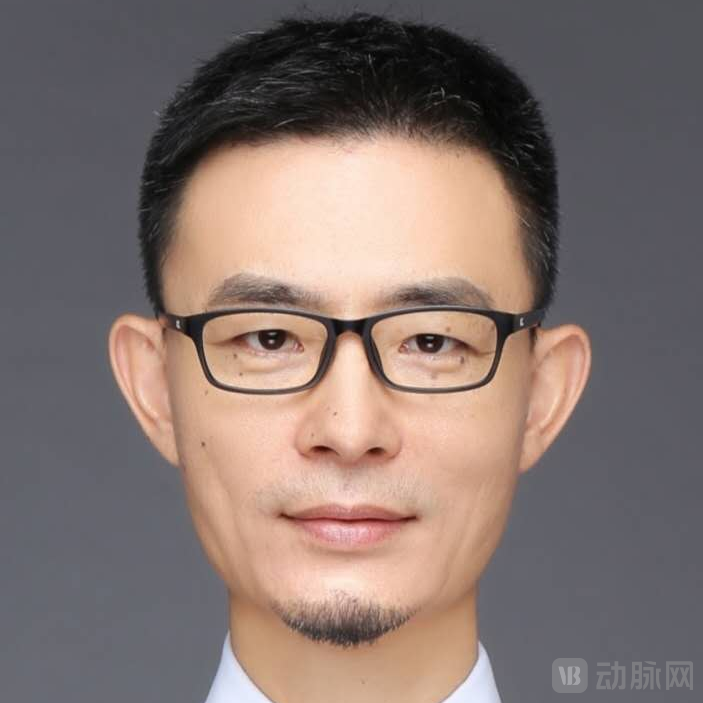
Ju Zhenyu
Dean, Institute of Aging and Regenerative Medicine, Jinan University
Researcher, Doctoral Supervisor, “Guohua Distinguished Scholar,” Dean of the Institute of Aging and Regenerative Medicine at Jinan University, Director of the Key Laboratory of Regenerative Medicine of the Ministry of Education, recipient of the National Science Fund for Distinguished Young Scholars (2015), Vice Chairman of the Committee on Aging and Health of the Chinese Physiological Society, and Vice President of the Branch of Cellular Biology of Aging of the Chinese Society for Cell Biology.
Research Focus: Elucidating the molecular mechanisms of stem cell aging and their impact on tissue/organ function and lifespan. Research findings have been published in journals such as Cell, Nature Genetics, Nature Medicine, Cell Stem Cell, and Blood, with a total of 133 SCI-indexed papers.
Research Projects: Presided over multiple national-level key or major projects, including three Key Projects of the National Natural Science Foundation of China, one Key Project under the Major Research Plan, one Integrated Project under the Major Research Plan, and one Key International Cooperation Project.
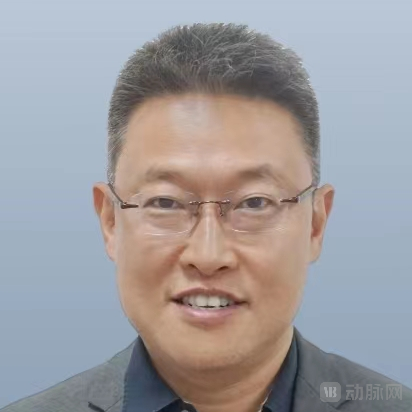
Gu Zhenglong
Distinguished Professor, Fudan University
Assistant Dean, Guangdong-Hong Kong-Macao Greater Bay Area Institute of Precision Medicine
An internationally renowned geneticist, currently serving as Assistant Dean of the Institute of Precision Medicine in the Guangdong-Hong Kong-Macao Greater Bay Area, Director of the Center for Mitochondrial Genetics and Health, and Distinguished Professor at Fudan University. He received his Bachelor’s degree from Peking University in 1998 and his Ph.D. from the University of Chicago in 2003. He joined the faculty at Cornell University in 2006 and was promoted to Tenured Full Professor in 2018. He has received multiple grants from the NIH, NSF, and other agencies, and was awarded the 2011 “Future Leader in Nutrition” Award by the Washington International Life Sciences Institute. He has published more than 60 articles in top-tier international academic journals, including Nature, Nature Genetics, PNAS, Genome Research, FASEB Journal, MBE, and JBC, with a total citation count exceeding 4,800.
Research Direction
· Develop mitochondrial DNA sequencing methods and genetic manipulation tools;
· Investigate the mechanisms underlying mitochondrial DNA mutations in aging and related diseases;
· Develop new methods to delay aging and prevent diseases based on mitochondrial function.
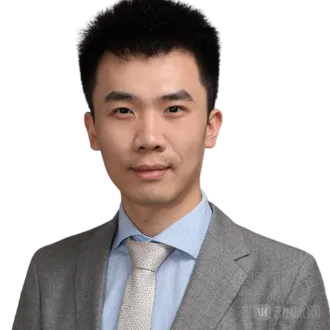
By Qiu Liyang
Researcher, Shenzhen Institute of Advanced Technology, Chinese Academy of Sciences
He received his Bachelor of Science in Chemistry from Wuhan University in 2012 and was awarded the Excellence Scholarship by ETH Zurich to pursue studies in Switzerland that same year. He obtained his Master’s degree in Chemistry from EPFL (École Polytechnique Fédérale de Lausanne) in 2014, and his Ph.D. from EPFL in 2018, where he also received the Award for Outstanding Doctoral Thesis. He completed his postdoctoral research at the Max Planck Institute for Medical Research the following year. From 2019 to 2020, he served as Head of R&D at the Swiss pharmaceutical company Nuvamid SA. In November 2020, he was selected for the National High-Level Overseas Talent Program (Young Professionals Project) and joined the Shenzhen Institutes of Advanced Technology, Chinese Academy of Sciences, as a Principal Investigator and Doctoral Supervisor, subsequently being recognized as a Shenzhen National-Level Leading Talent.His research primarily focuses on chemical biology, aiming to develop novel biomolecular detection technologies and devices through rational protein design and high-throughput screening to address practical challenges in clinical practice and drug development. The NAD+ sensing protein he spearheaded has been successfully translated into drug screening for degenerative diseases, as well as animal and clinical trials, enabling rapid, portable, and accurate detection of NAD+. This technology serves as a key enabler for the personalized scientific supplementation of NAD+ precursors. He has published papers as the first or corresponding author in prestigious journals such as *Science*, *Nature Metabolism*, *Angewandte Chemie*, and *Aging Cell*, and has filed more than ten patents domestically and internationally. His work has been widely covered by media outlets including EurekAlert! of the American Association for the Advancement of Science (AAAS) and the Annual Report of the Max Planck Society (MPG). Invited by the Swiss National Center of Competence in Research (NCCR), he delivered an invited talk as a “Young Scientific Star” at the inaugural International Conference on Molecular Systems Engineering. He also serves as a reviewer for international journals such as *Chemical Science*.
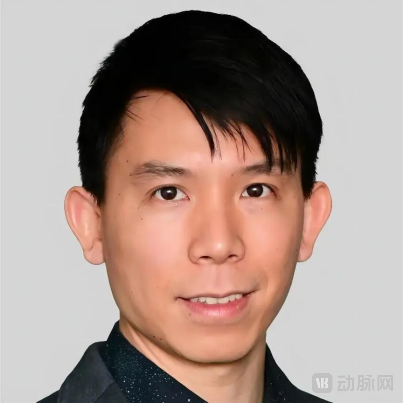
Lv Yuxuan
Assistant Professor, Institute of Frontier Biotechnology, Southern University of Science and Technology
Young Scholar in the Biology of Aging.
Earned his bachelor’s, master’s, and doctoral degrees from Sun Yat-sen University. Since 2014, he has been conducting postdoctoral research at the Max Planck Institute for Biology of Ageing in Cologne, Germany. His research focuses on the biological mechanisms of individual aging and the development of anti-aging drugs. His recent paper, published as first author in Nature Aging, demonstrated the anti-aging effects of short-term rapamycin treatment and was selected as a featured highlight by Nature. In 2014, he received an EMBO Postdoctoral Fellowship, becoming an EMBO Fellow (and also a Marie Skłodowska-Curie Fellow). In 2021, he was selected as one of the Future Science Leaders by the European Molecular Biology Organization (EMBO), and was recently named one of the “Talents for Germany” by the German portal deutschland.de. In 2019, he founded PostdocNet, representing over 80 Max Planck Institutes, and was elected as its inaugural president. Since 2021, he has been serving as a certified intercultural communication trainer, delivering courses at various research institutions in Germany.
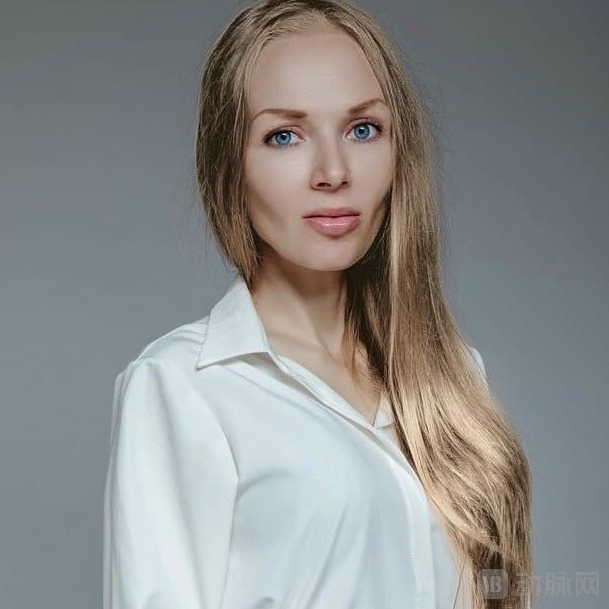
Evelyne Bischof
Dr.
Associate Chief Physician, Renji Hospital Affiliated to Shanghai Jiao Tong University
Evelyne Bischof, M.D., is a specialist in internal medicine and oncology, with primary research interests in prevention and precision medicine, biogerontology, and geriatric oncology. She is one of the lead organizers of the ARDD conference, a premier global event on longevity. Additionally, she serves as Vice Chair of the Longevity Medicine Association and is a founding member of the first Longevity Medicine curriculum, dedicated to promoting the concept of healthy living to the general public. She is passionate about next-generation medical technologies and the application of artificial intelligence in biomedical research and practice. With ten years of clinical and translational research experience in Switzerland, the United States, and China, she has authored more than 70 peer-reviewed papers and delivered numerous presentations at scientific and medical conferences, demonstrating extensive experience in international and cross-cultural medical practice.
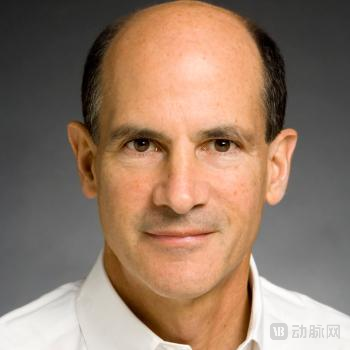
Thomas A. Rando
Professor
Deputy Director, Stanford Center on Longevity
Dr. Thomas Rando is a Professor of Molecular, Cell, and Developmental Biology and the Director of the Eli and Edythe Broad Center for Regenerative Medicine and Stem Cell Research. Dr. Rando’s team primarily focuses on the molecular regulation of stem cell function. Their main objective is to understand how stem cells coordinate tissue homeostasis and repair, thereby harnessing their therapeutic potential for treating tissue injury and degenerative diseases. They also concentrate on skeletal muscle and its resident stem cells (“satellite cells”), investigating how stem cells age and how aged stem cells can be rejuvenated. Their long-term goal is to demystify stem cell biology and apply this knowledge to future cell-based therapies.
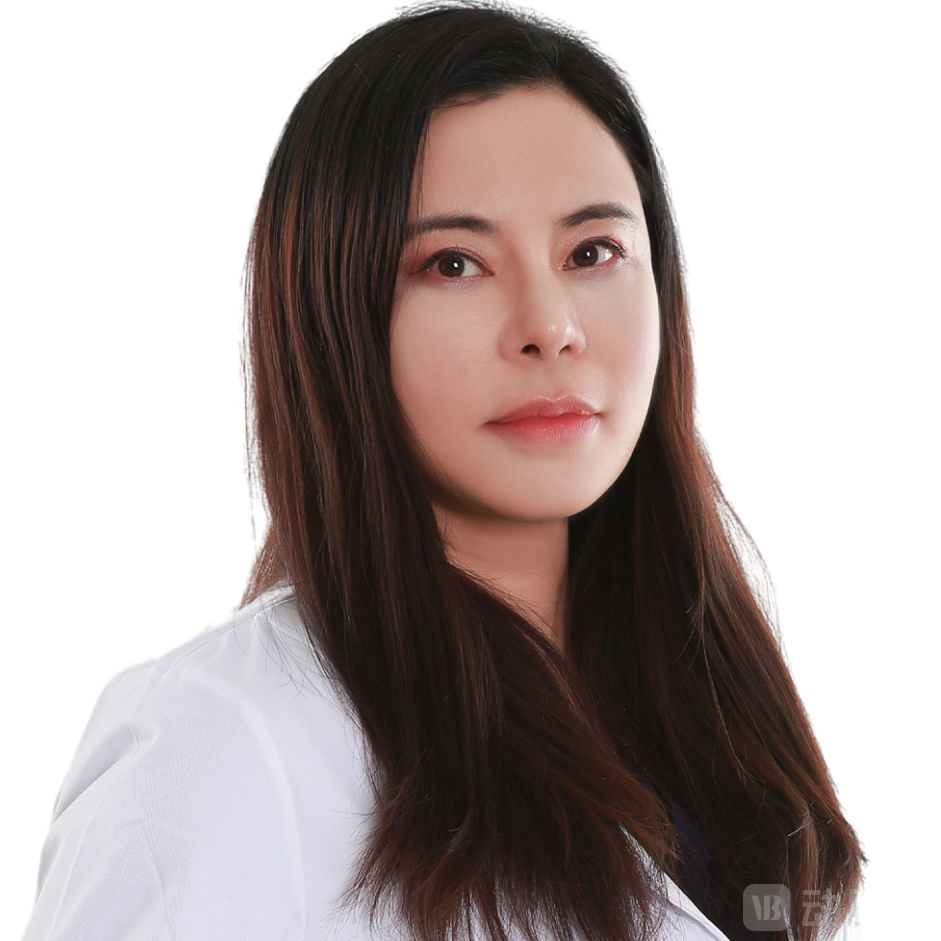
Kong Lixia
Deputy Secretary-General, World Anti-Aging Biomedical Association
Executive Director of the German Society for Prevention and Anti-Aging
Secretary-General, Healthcare Committee of the Sino-German Industry 4.0 Alliance
President of the Biomedical Society, Sino-German Association for Science, Technology and Cultural Exchange
Vice President, German Chinese Physicians Association
Director of the World Association of Chinese Physicians; Director of the China Anti-Aging Promotion Association
M.D. from Ludwig Maximilian University of Munich, Germany; Master of Internal Medicine from Sun Yat-sen University; Associate Chief Physician and Associate Professor. Specializing in Clinical Internal Medicine and Biomedical Engineering. Licensed Specialist Physician in Germany. Senior Expert in Sino-German Medical Exchange; Expert at the Boao Forum for Asia. Expert in Healthcare Management. From 2012 to 2014, worked in the Department of Gastroenterology and Molecular Laboratory (Gene and Cell Therapy) at the University Hospital of Ludwig Maximilian University of Munich. Proficient in quantum diagnostics, genetic testing, early cancer screening, heavy metal detoxification, personalized hormone therapy, intelligent blood purification, lipid apheresis, immunological laser injection, mitochondrial repair, anti-free radical and body fluid acid-base balance therapies, homeopathy, hyperthermia, live cell culture and injection, autoimmune cell and stem cell therapy, as well as cancer prevention, early intervention, and health management. Systematically mastered nutrition, health management, and various therapeutic methods and operational techniques within the life sciences system.
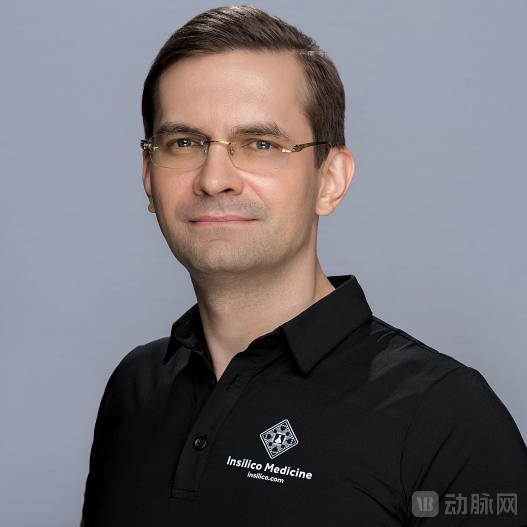
Alex Zhavoronkov
Ph.D.
Founder and CEO of Insilico Medicine
Dr. Alex Zhavoronkov possesses a multidisciplinary background in biomedicine and computer technology. In 2019, he was named by Deep Knowledge Analytics as one of the top 100 AI leaders globally in drug discovery and advanced healthcare, and he was included in Clarivate’s list of Highly Cited Researchers for 2022.
Dr. Zhavoronkov founded Insilico Medicine in 2014, a pioneer in the field of AI-driven drug discovery. The company applies artificial intelligence technologies to the analysis of diverse data types, with research spanning anti-aging, disease mechanisms, target identification, and signaling pathway modeling. In 2016, he pioneered the application of key technologies from generative adversarial networks (GANs) and reinforcement learning (RL) to drug discovery, enabling the identification of novel targets for specific indications and the generation of entirely new molecular structures, thereby facilitating the development of promising innovative therapies.
Dr. Zhavoronkov holds a Bachelor of Commerce and a Bachelor of Science from Queen’s University in Canada, a Master of Science from Johns Hopkins University in the United States, and a Ph.D. from Lomonosov Moscow State University. He has published more than 150 papers in international journals and authored two books.