

Final Registration Open for December Session: Bio-manufacturing Enters 5.0 Era, Awaiting the Next Billion-Dollar Breakthrough Product
Registration is now open for attendees and sponsors for the final session of the training series on strategies and plans for building pilot-scale platforms in biomanufacturing in 2024!
The conference is tentatively scheduled for mid-December, with training to be held in Tianjin. Scan the QR code to secure your spot now!

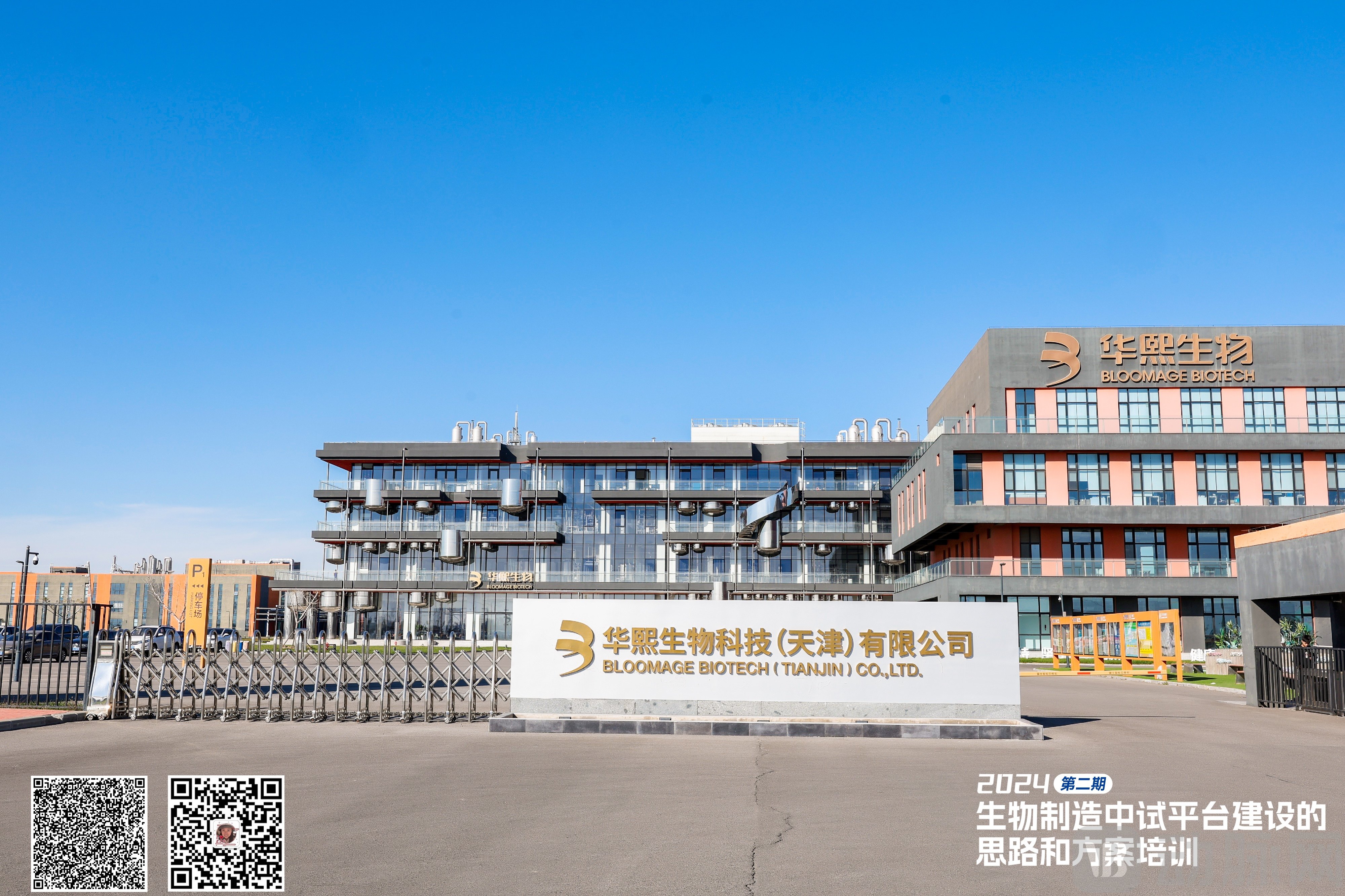
Aiming to reshape the industry’s correct understanding of biomanufacturing, the 2024 Training on Ideas and Plans for the Construction of Biomanufacturing Pilot-Scale Platforms used the industry’s “Valley of Death” pilot-scale platforms as its entry point. The program featured a strong partnership between the Tianjin Institute of Industrial Biotechnology (TIB) and Bloomage Biotech, offering substantive topics and a curriculum that combined theoretical learning with practical site visits. The inaugural session was launched on September 24–25, attracting over 100 participants from various sectors of the industry. With all seats filled for the first session, a second session was organized in response to demand and was successfully held on November 4–5 at Bloomage Biotech (Tianjin) Co., Ltd. More than 120 professionals actively attended, including representatives from government industrial parks, research institutes, listed companies, startups, and investment institutions involved in the biomanufacturing sector. The venue was packed, and attendees engaged in lively discussions.
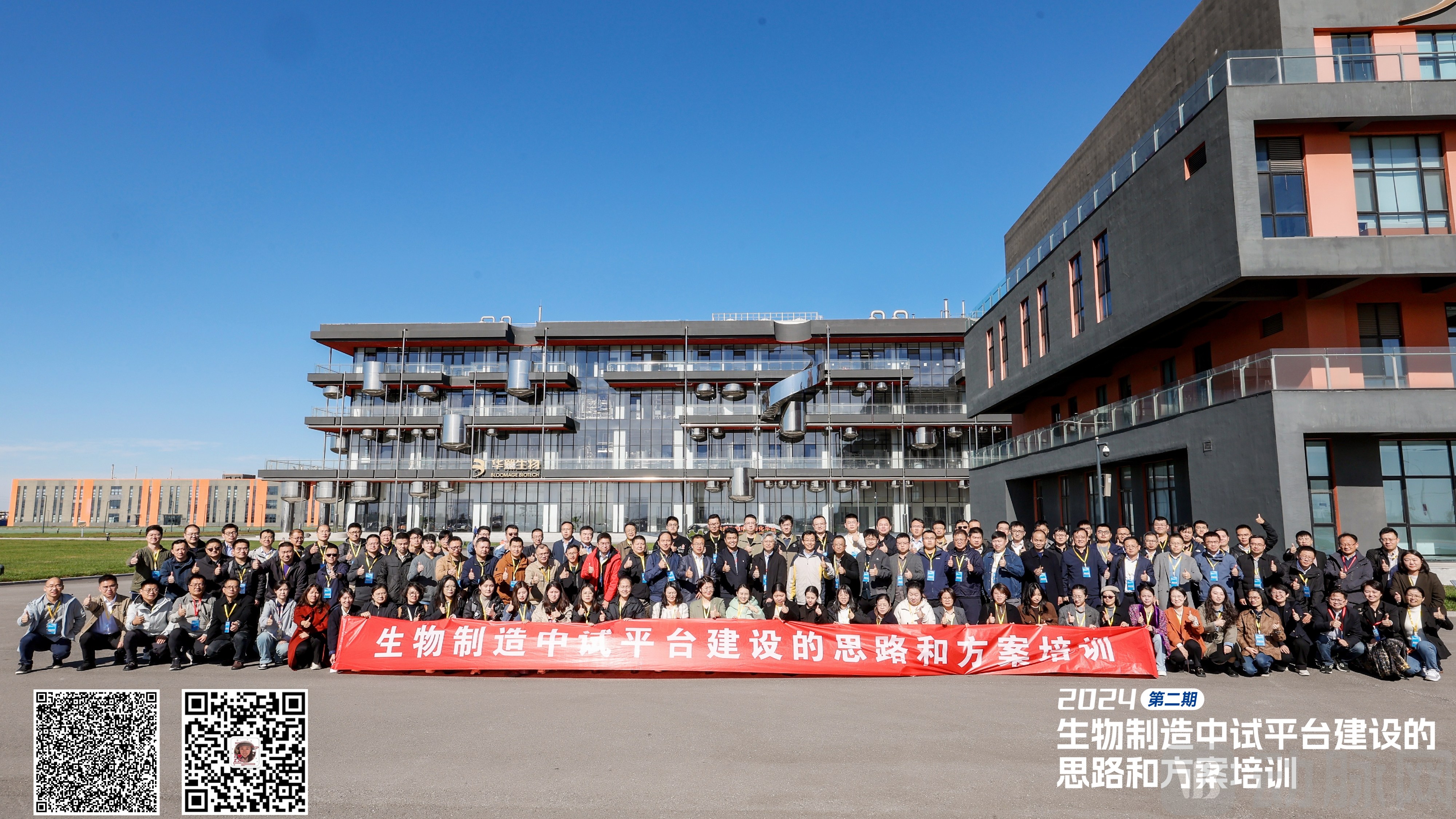
Figure: Group Photo of Attendees at the Second Training Session
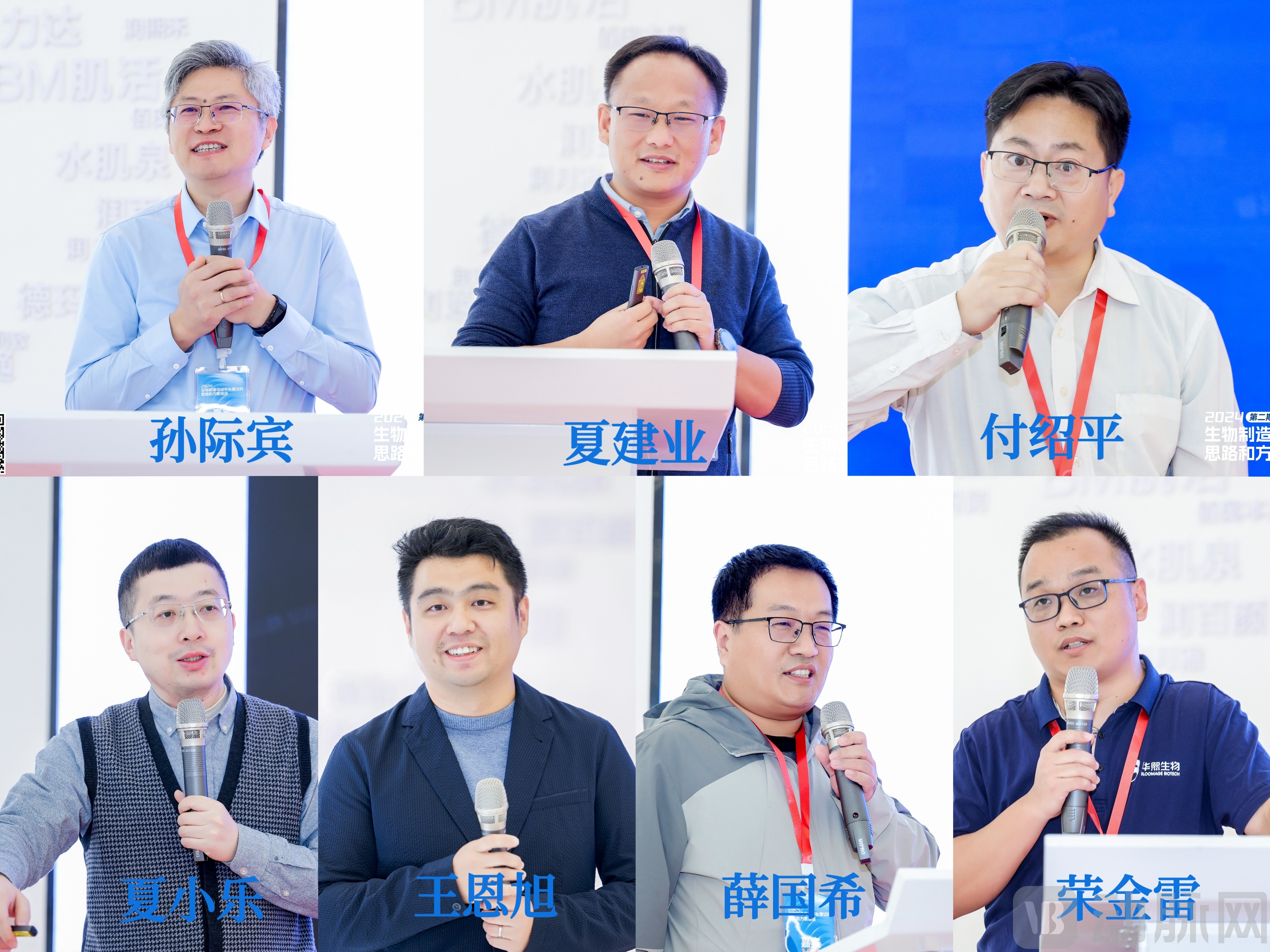
This training session continued the content outline of the inaugural program, Tianjin Institute of Industrial Biotechnology, Chinese Academy of SciencesSun Jibin, Xia Jianye, Fu ShaopingThree experts provide practical, in-depth guidance on the development of pilot-scale platforms for biomanufacturing, covering everything from conceptual frameworks to fermentation and downstream processing modules; Tianjin University of Science and TechnologyXia XiaoleThe professor was also invited to attend the conference, where he provided a detailed explanation of the conceptual framework and solutions for building a platform dedicated to the development of biomanufacturing applications in the food sector. He serves as Assistant General Manager of the Pilot-Scale Achievement Transformation Platform at Bloomage Biotechnology (Tianjin) Co., Ltd.Wang EnxuandXue Guoxi, Rong JinleiTwo senior process directors used industry leader Bloomage Biotech as a case study to share with industry peers their insights on the construction and operation of pilot-scale technology transfer platforms, along with practical experiences in developing products across different sectors and applications, such as cosmetic-grade and pharmaceutical-grade products.
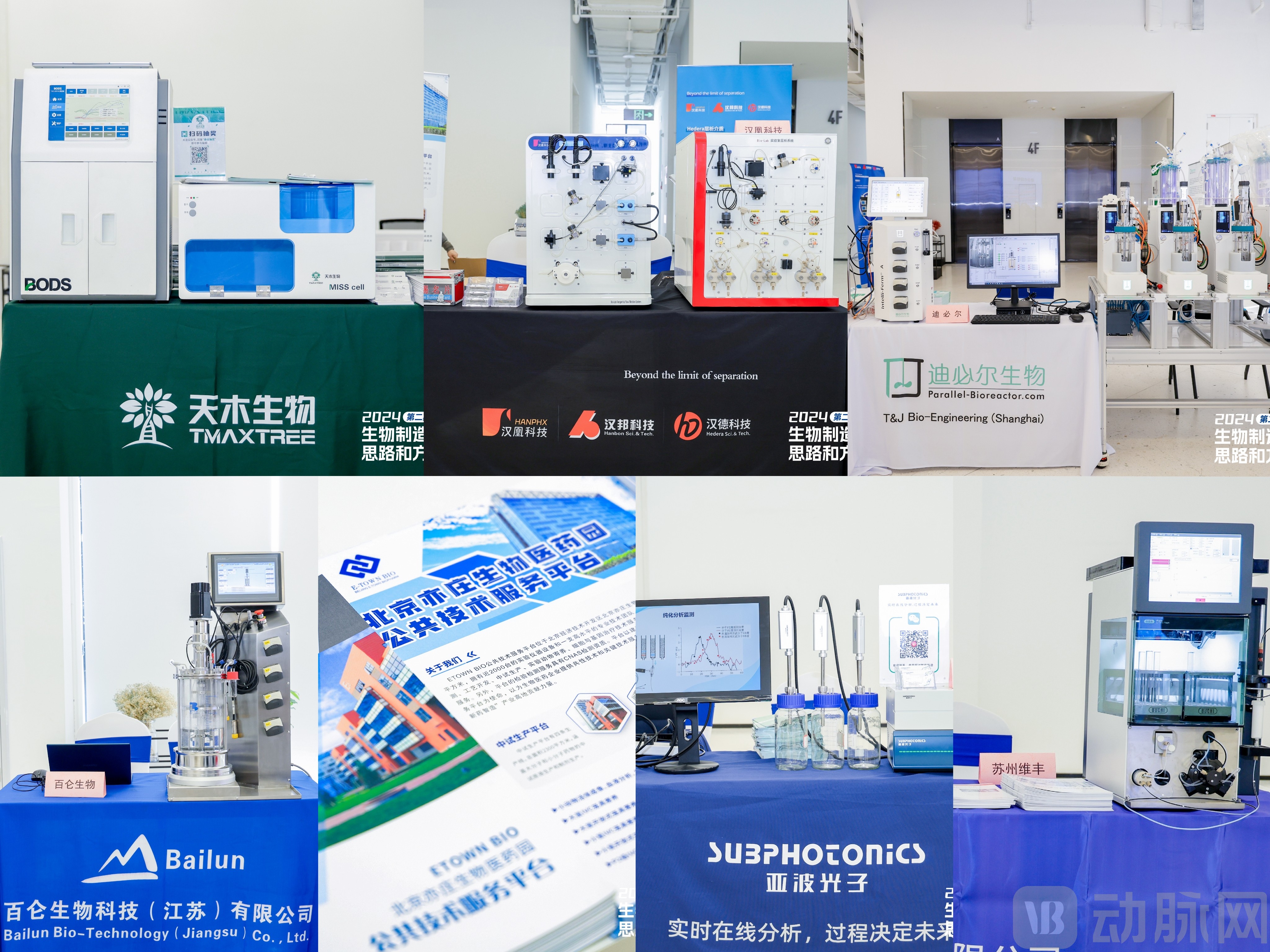
The two training sessions attracted over 200 industry professionals to register, while the second session also drewBailun Biotechnology (Jiangsu) Co., Ltd., Beijing Yizhuang International Biopharmaceutical Technology Co., Ltd., DBL Bioengineering (Shanghai) Co., Ltd., Jiangsu Hanhuang Technology Co., Ltd., Luoyang Huaqing Tianmu Biotechnology Co., Ltd., Suzhou Weifeng Information Technology Co., Ltd., and Yabo Photonics (Shenzhen) Technology Co., Ltd.Seven equipment manufacturers showcased their latest products at the conference, displaying a comprehensive range of instruments required for various stages of pilot-scale production, including fermenters, liquid chromatography preparation systems, and high-throughput detection and analysis analyzers. This not only provided attendees with a more tangible understanding of the lecture content but also enabled all participants to gain insight into the latest advancements in equipment technology, thereby offering a wider selection of instrumentation for the construction of pilot-scale platforms.
Two training sessions on the concepts and plans for constructing pilot-scale platforms in biomanufacturing were successfully held in 2024, with their outcomes receiving full affirmation from attending representatives. Many colleagues were unable to attend due to scheduling conflicts or failure to secure a spot as a result of late registration. In light of this, the organizing committee has arrangedThe third and final session of this training series is scheduled to be held in mid-December., interested parties are invited to scan the mini-program code below to complete the pre-registration form. Our staff will contact you promptly:

Following two intensive exchanges with industry peers, attention has begun to focus on two fundamental questions:
Question 1: Why is pilot-scale production the most critical issue in biomanufacturing?
Question 2: When and under what circumstances will bio-manufacturing truly take off?
Why pilot-scale production? Why is it given such high priority? Why has it become a core issue in biomanufacturing?
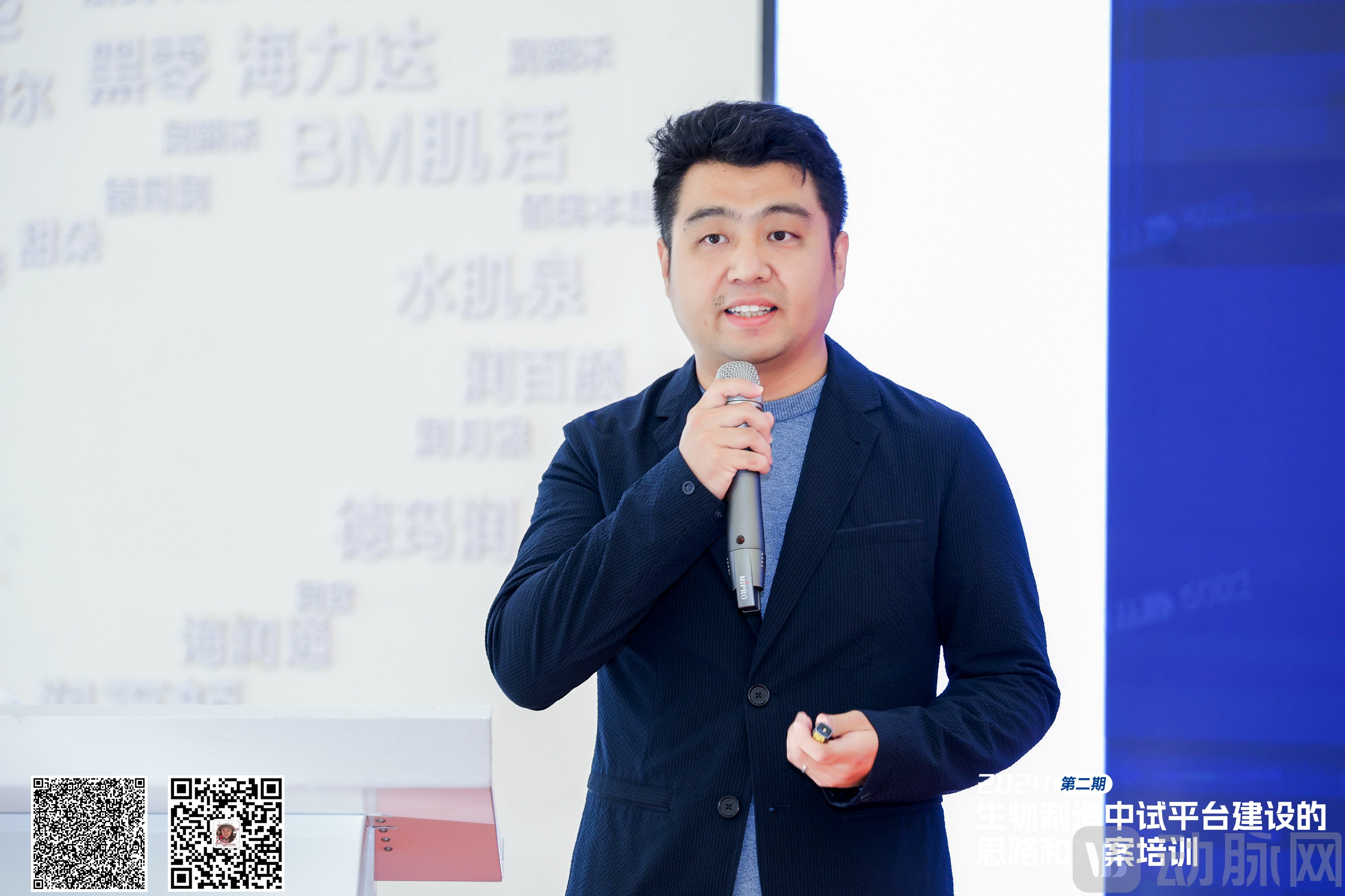
Figure: Wang Enxu, Assistant to the General Manager of the Pilot Scale-up and Technology Transfer Platform at Bloomage Biotechnology (Tianjin) Co., Ltd.
Wang Enxu, Bloomage BiotechDescription: “Pilot-scale testing serves as the “bridge” connecting scientific research achievements with product commercialization.“Translating R&D achievements from the ‘ivory tower’ to ‘commercialization,’ and moving from the laboratory to the factory, involves verifying and optimizing challenges posed by numerous variables such as cost, safety, and environmental impact during the pilot-scale testing phase. Mr. En Xu noted that ‘the current success rate of pilot-scale testing in China is only about 10%-20%,’ which has earned this stage the industry-wide reputation as the ‘Valley of Death.’”
In the field of biomanufacturing, product development is characterized by long cycles, substantial investment, and high risks. The existence of pilot-scale platforms enables companies to iterate and optimize products in a relatively controlled environment, thereby enhancing market adaptability and competitiveness. Their importance cannot be overstated.
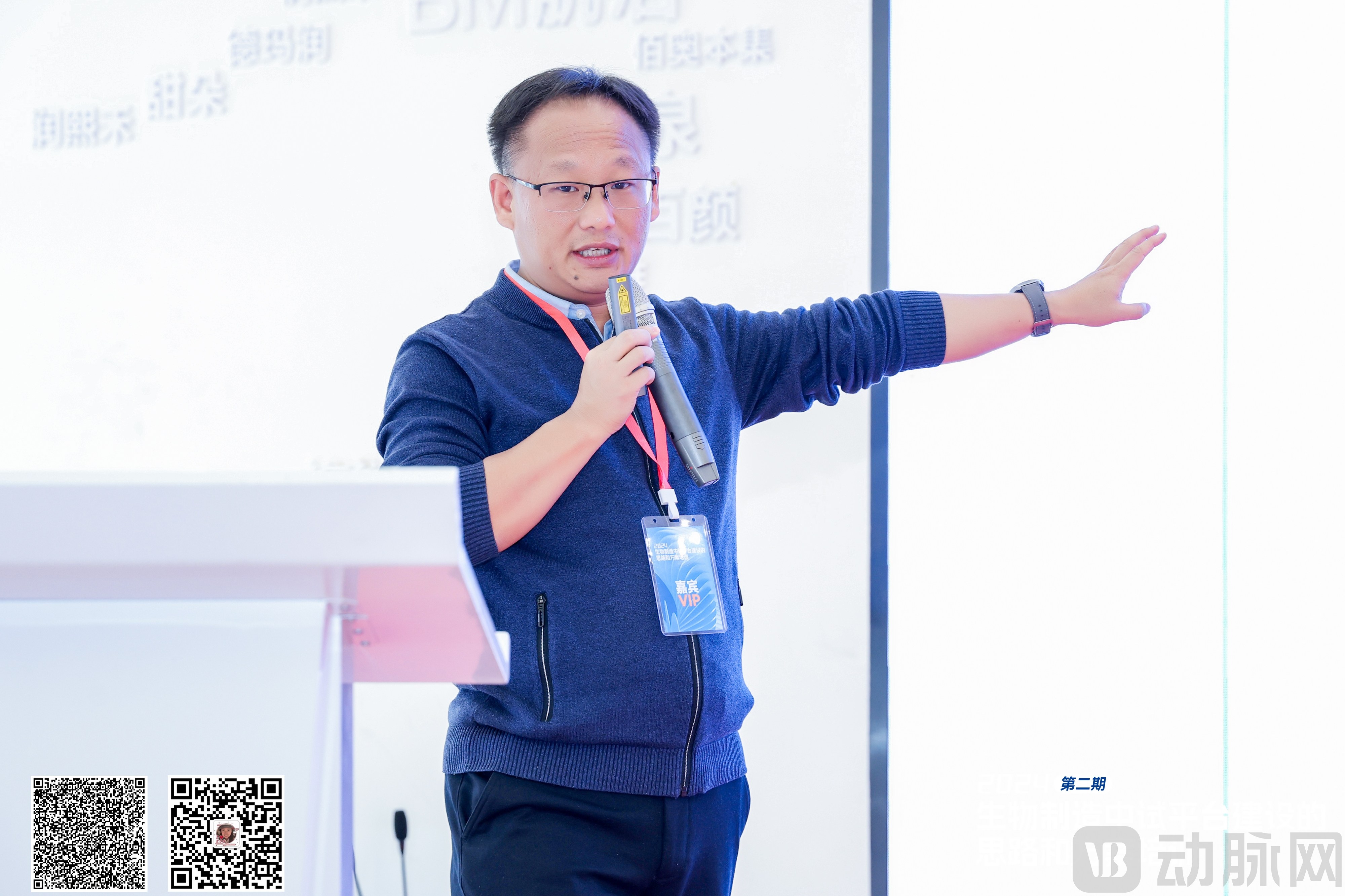
Figure: Xia Jianye, Researcher at the Tianjin Institute of Industrial Biotechnology, Chinese Academy of Sciences
Prof. Xia JianyeThe summary further clarifies the importance of pilot-scale trials: “Pilot-scale platforms serve as the critical link between laboratory achievements and industrialization. Rushing to deploy large-scale production equipment immediately after laboratory innovations emerge carries significant risks. On one hand, the substantial investment involved can lead to severe losses if the endeavor fails. On the other hand, operational processes optimized under laboratory conditions are not representative of industrial environments; directly scaling them up to industrial levels results in low success rates. Without expert guidance, this leads to inefficient scale-up and heightens the commercialization risk of the product.”
In addition, those actively working on the front lines of productionMr. EnxuIt mentions the issue of "timeliness," which is easily overlooked by most people.It is crucial that the product can enter the market at the earliest opportunity.“For instance, with hyaluronic acid, Bloomage Biotech entered the market early, making it challenging for other companies to break into this business. Pilot-scale testing plays a significant role in terms of timeliness,” explained Mr. En Xu. “For example, during the scale-up phase, flexibility is limited once the product enters the production line, but at the pilot stage, it is possible to achieve”Flexible Process Development, if this path proves unfeasible, an alternative approach can be tested immediately to ensure efficiency and rapidly identify product process packages with superior cost-effectiveness and feasibility for production implementation.
Having delved into the pivotal role of pilot-scale manufacturing in biomanufacturing, we are compelled to ask:When Will the Biomanufacturing Industry Take Off?Riding the tailwind of supportive policies, the biomanufacturing industry appears poised at a pivotal moment. While stakeholders await further momentum, they are also striving to harness the current trends for rapid growth. But when exactly will this takeoff occur?

Figure: Liu Dawei, Marketing Director of Hanhuang Technology
Liu Dawei, Marketing Director at Hanhuang Technologybelieve that,The Takeoff of the Biomanufacturing Industry Requires a “Blockbuster Product”—A product capable of leading industry trends and creating substantial market value. This product should be revolutionary, able to solve problems that existing products cannot, or deliver superior performance at a lower cost. A prime example is hyaluronic acid, which propelled Bloomage Biotechnology to become an industry leader.
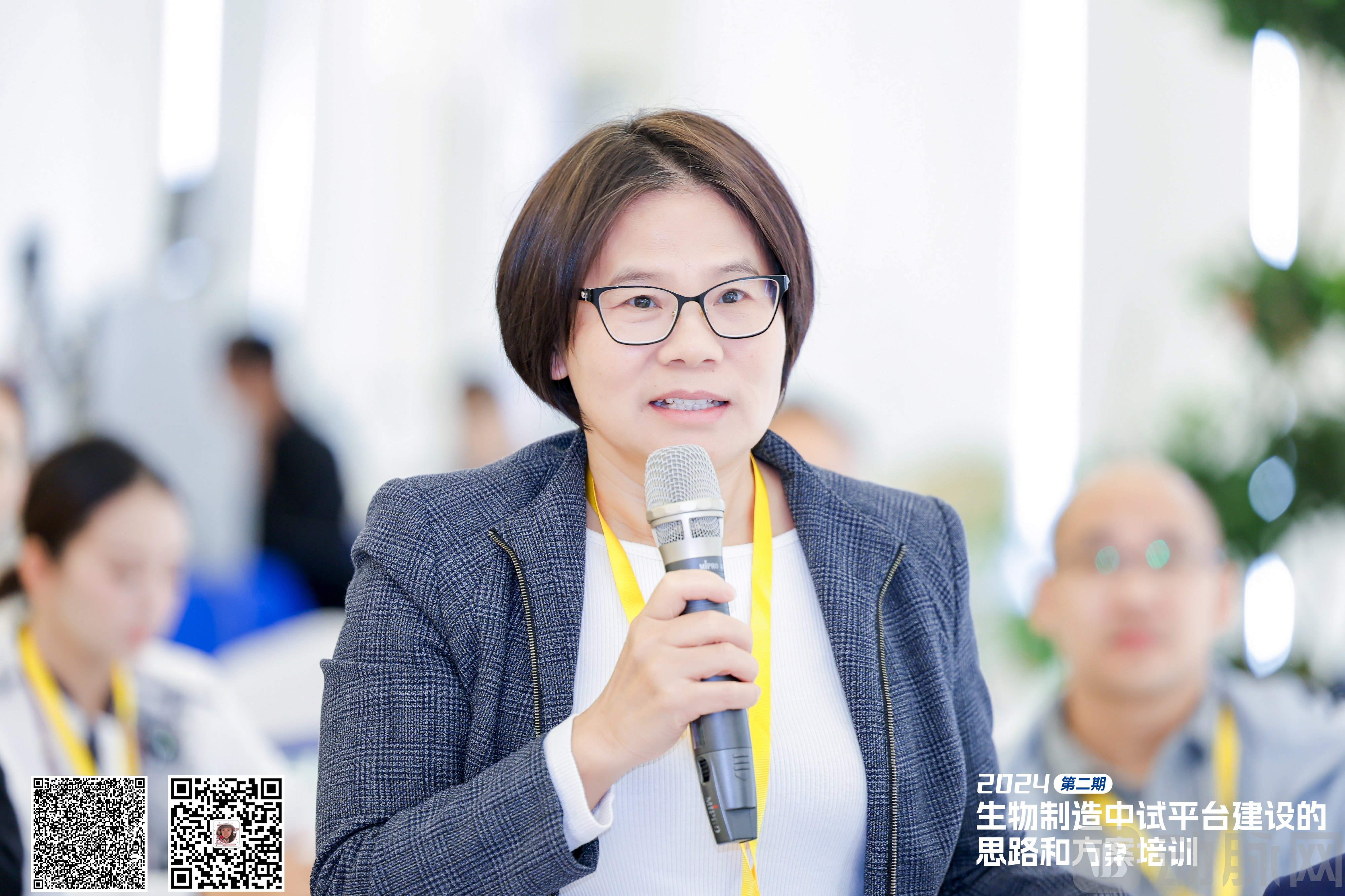
Figure: Ruan Yinlan, General Manager of Yabo Photonics
As for where the “next blockbuster product” is headed? Coincidentally,Mr. Wang Enxu, Bloomage BiotechandDr. Yinlan Ruan, Yabo Photonicscoincidentally mentioned“Human Milk Oligosaccharides”, this non-chemical method is a competitive and already approved candidate, with a few players currently “racing,” and is regarded asThe Next “Blockbuster” with Trillion-Dollar Market Potential.
From a different perspective,Niu Ming, Director of the Investment Promotion Bureau, Administrative Committee of Changzhou West Taihu Lake Science and Technology Industrial ParkThis indicates that biomanufacturing is indeed seeing the dawn of a new era, driven by favorable domestic and international conditions and supported by national policies. Changzhou took the lead in China by launching the “Ten Policies for Synthetic Biology,” and the Xitaihu Synthetic Biology Innovation Industrial Park was subsequently unveiled. In collaboration with prominent investment institutions such as Shenzhen Capital Group and Songhe Capital, the Xitaihu Synthetic Biology Industry Investment Alliance was established. The Changzhou Xitaihu Science and Technology Industrial Park has been deeply engaged in the medical and health sector for over a decade, cultivating a robust healthcare industry ecosystem that has paved the way for the takeoff of synthetic biology.
Changzhou West Taihu Lake Science and Technology Industrial Park has been diligently cultivating the field of biomanufacturing, achieving notable results. However, it is not an isolated case among government-backed industrial parks that have bet heavily on biomanufacturing.
Following the National Development and Reform Commission’s issuance of the “14th Five-Year Plan for Bioeconomy Development,” more than 20 provinces, autonomous regions, and municipalities—including Anhui and Jiangsu—have introduced supportive and regulatory policies. Cities such as Beijing, Shenzhen, Changzhou, and Wuxi have moved swiftly to establish special funds dedicated to biomanufacturing. With clear policy signals and proactive local government attitudes, the industry remains firmly positioned at the forefront of emerging opportunities.
The “tailwind” for any industry cannot be achieved without the concerted efforts of policy, capital, and supply chain coordination, and biomanufacturing is no exception. Policies provide direction for industry development, while capital serves as the direct driving force behind its advancement.
In addition to external conditions, the maturity of the industrial environment will also directly influence the takeoff speed of the industry. A mature industrial environment should include a well-developed supply chain, abundant talent resources, and robust market demand. The takeoff of the biomanufacturing industry also requires “internal exploration,” necessitating intrinsic innovation and breakthroughs within the sector. This encompasses technological innovation, management innovation, business model innovation, and other aspects.At its core, it seeks to optimize elements for “commercialization”: technological innovation aims at cost optimization, managerial innovation targets efficiency enhancement, and business model innovation is directed toward exploring new markets and profit margins.

Figure: Dr. Fang
Dr. Fang provided a more detailed response to this issue; for details, see the article:“Biomanufacturing Has Become a Hot Trend, but When Will Pigs Finally Take Flight?”
As Dr. Fang mentioned: “Ecosystem building, in essence, is about integrating all segments of the industrial chain. Only by combining upstream technologies, midstream processes, and downstream markets can we instill confidence in China’s biomanufacturing sector among scientists, entrepreneurs, policymakers, financiers, and consumers alike.”Confidence is the most critical catalyst for economic recovery and takeoff.”
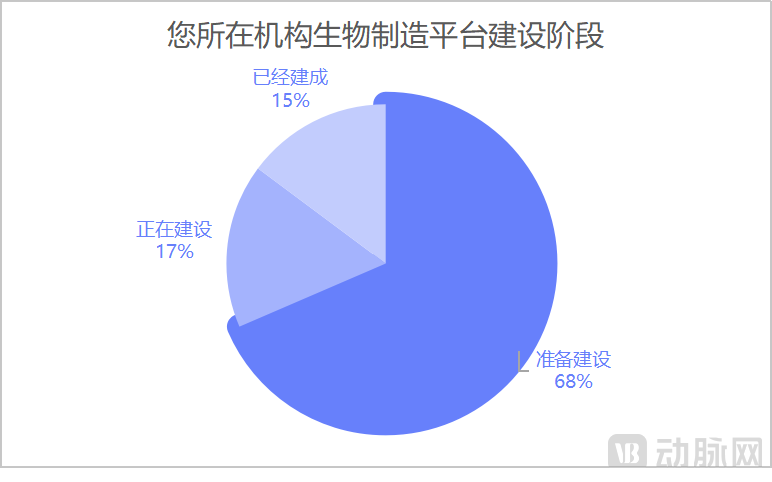
It is worth noting that, according to relevant survey data from the organizing committee on enterprises attending the conference twice, more than half of the participant companies are planning or constructing pilot-scale platforms for biomanufacturing. Based on industry conventions, the capital investment required for each pilot platform amounts to hundreds of millions of yuan. For instance, Bloomage Biotechnology has established the world’s largest and most comprehensive pilot-scale platform for technology transfer and commercialization, with an investment totaling billions of yuan.If all of these more than 100 biomanufacturing companies launch their pilot-scale platforms for biomanufacturing, the related construction activities will unleash business opportunities worth over RMB 10 billion in the coming year!
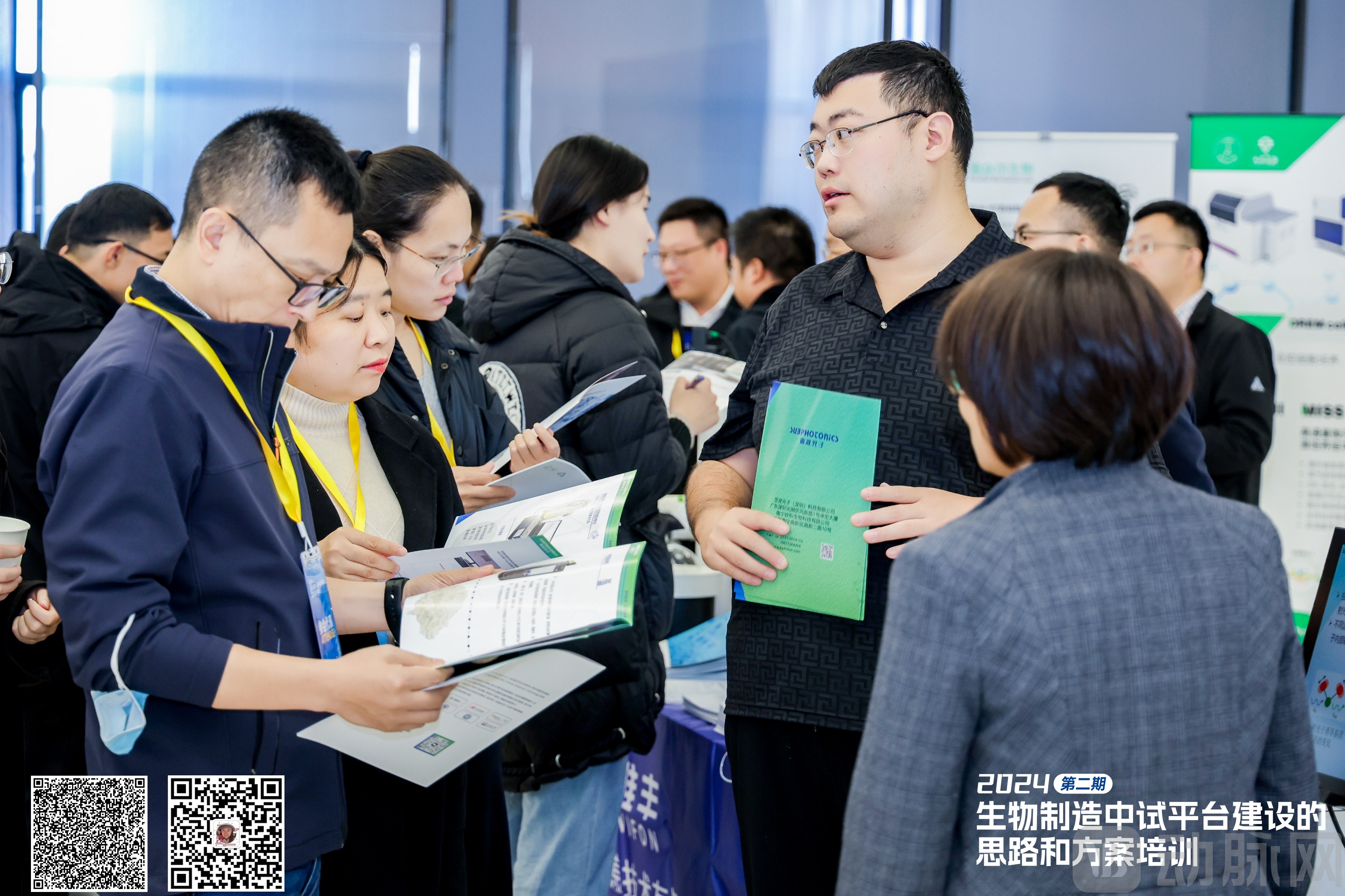
Figure: Attendees and exhibitors engaging in interactive exchanges
The takeoff of the biomanufacturing industry requires a robust industrial ecosystem. This includes the coordinated development of upstream and downstream enterprises, close integration of industry, academia, research, and application, and positive interaction between government and market forces. The 2024 training series on “Ideas and Plans for Building Pilot-Scale Platforms in Biomanufacturing” focuses on training related to the construction and operation of pilot-scale platforms. By addressing the “entry point” into the downstream market, it aims to establish correct perceptions among industry peers, clarify fundamental principles, and help various stakeholders in biomanufacturing improve the success rate of scale-up processes as much as possible. Meanwhile, it strengthens close interactions among research institutions, government industrial parks, industrial capital, and enterprises, promotes multi-party information exchange, seeks cooperation opportunities, and even advances the formulation of relevant standards.
In this regard, all colleagues who are interested in, planning for, or deeply engaged in the field of biomanufacturing, as well as equipment suppliers required for the construction of pilot-scale platforms, please take note that, according to the plan of the organizing committee,The final session of the training series on strategies and plans for building pilot-scale platforms in biomanufacturing in 2024 is scheduled for mid-December. Pre-registration for attendees and sponsor recruitment are now open.Interested parties, please scan the QR code to register and contact the organizing committee immediately!

Through two rounds of training, we have detected some very positive signals. For example, an increasing number of enterprises are beginning to prioritize the development of pilot-scale platforms, and government industrial parks are steadily intensifying their support for the biomanufacturing industry. Meanwhile, industry leaders such as Bloomage Biotech are opening up their pilot-scale platforms for collaboration, offering market-oriented servicesProcess Collaboration, CDMO Servicessuch models, providing a highly supportive collaborative framework for the industry’s takeoff.
However, we must also clearly recognize that the takeoff of the biomanufacturing industry will not happen overnight. As Dr. Fang stated, “Now is not the inflection point for the takeoff of the biomanufacturing sector.” It requires time to accumulate momentum and concerted efforts from all parties within the industry. In this process, we need to persevere, maintain innovation, engage in cooperation and exchange, and integrate into the industry.
In short, “bigwigs” across different roles and segments of the industry chain all speak the same code phrase:Biomanufacturing Is Poised for Takeoff, Awaiting Only the Right Tailwind.
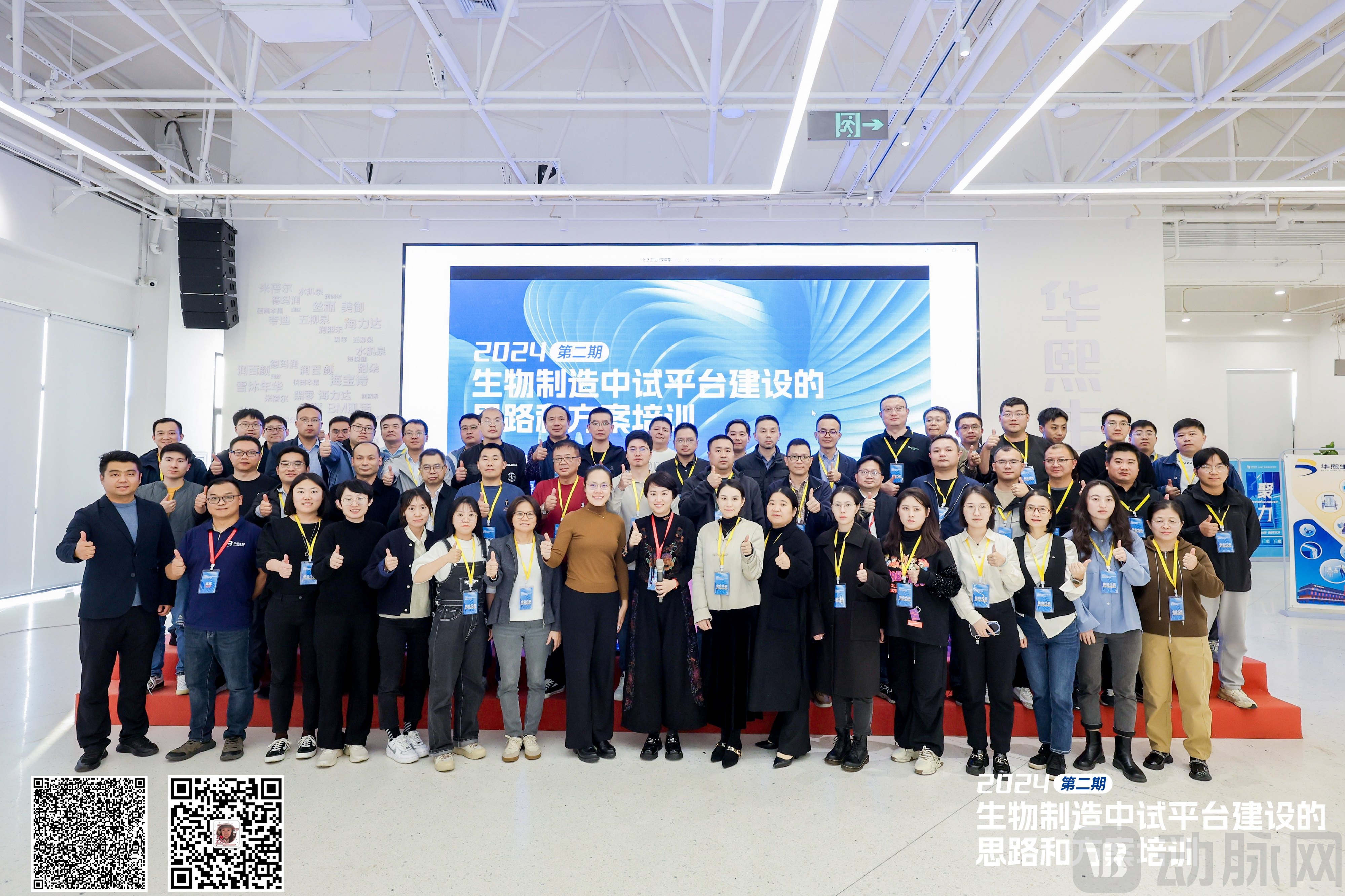
Figure: Group photo of some attendees at the conclusion of the course
Training Series on Strategies and Plans for the Construction of Pilot-Scale Platforms in Biomanufacturing (2024)The final training session is scheduled for mid-December. Pre-registration and sponsorship recruitment are now open. Please scan the QR code to register if interested:
If you are also part of the biomanufacturing community, feel free to connect with VCBeat Biomanufacturing to jointly explore a promising future for biomanufacturing!

Statement of Views:
Please note that the views and opinions expressed in this article are solely those of the interviewees and authors, and do not represent the official positions of any organizations or enterprises. We welcome diverse perspectives and constructive discussions.