

Dingzhi Dental Secures Hundreds of Millions in Series A Funding Led by Eight Roads Ventures
Another Major Funding Round Announced in the Healthcare Services Sector
In late October, Dingzhi Dental, a leading brand and expert in complex dental implant cases, announced the completion of its Series A financing round, amounting to hundreds of millions of yuan, with exclusive investment from Sidao Capital. This marks the largest financing deal in China’s dental sector to date this year.
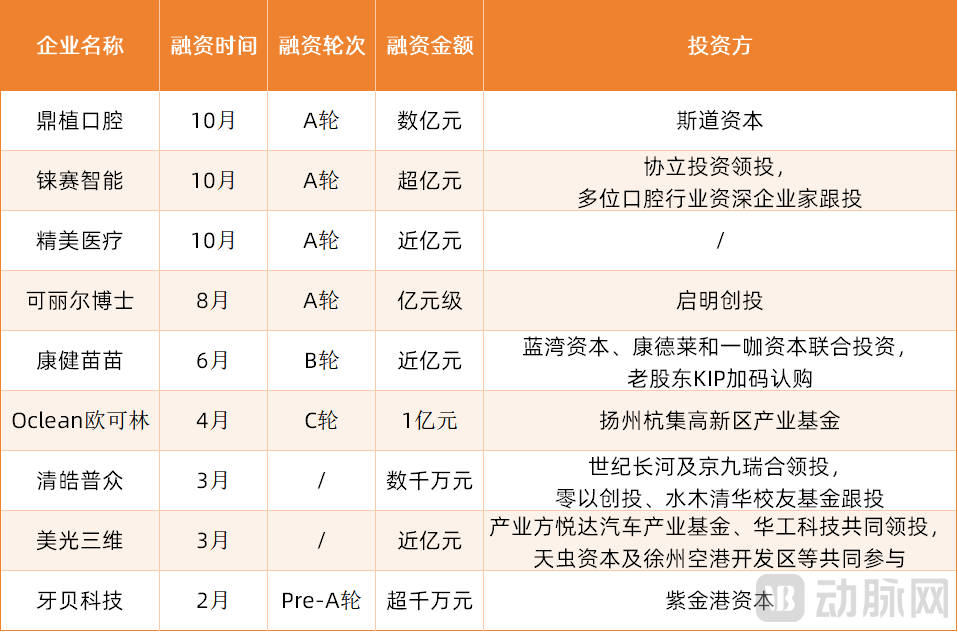
2024 Overview of Financing in the Oral Health Sector. Compiled based on data from the VCBeat Orange Database and publicly available information.
In an environment of slowing financing, why did Dingzhi Dental secure a substantial exclusive investment from F-Prime Capital? We interviewed Li Qiang, President of Dingzhi Dental, and Miao Yiqing, Executive Director at F-Prime Capital, in an attempt to find the answer.
Demand for dental implants continues to rise and expand.
From a global market perspective, according to data from Fortune Business Insights, the global dental implant market size was approximately USD 4.15 billion in 2022 and is projected to reach USD 6.95 billion by 2030, representing a compound annual growth rate (CAGR) of 6.68%. In the domestic market, the dental implant sector is experiencing explosive growth. According to data from the Qianzhan Industry Research Institute,From 2011 to 2020, the number of dental implants placed in China increased from 130,000 to approximately 4.06 million, representing a compound annual growth rate (CAGR) of 46.58%. Furthermore, relevant prospectuses indicate that the market size of China’s dental implant services industry was approximately RMB 43.1 billion in 2020, with a CAGR of around 22.07% from 2015 to 2020.
One of the core drivers boosting demand for dental implants is population aging, which has led to tooth loss among a larger segment of the population. According to the results of the Fourth National Oral Health Epidemiological Survey, the average number of missing teeth was 2.4 (based on a total of 32 teeth per person) among middle-aged adults aged 35–44; 5.7 among those aged 55–64; and 9.5 among those aged 65–74, with only 18.3% of this age group having a complete dentition. Meanwhile, the centralized volume-based procurement (VBP) of dental implants has helped unleash pent-up demand. In 2022, the ratio of dental implant prices to per capita GDP in developed overseas countries generally ranged from 4.0% to 6.8%. Following the implementation of VBP in China, this ratio has dropped to 6.8%, significantly improving affordability for residents.Furthermore, patient education driven by volume-based procurement has further contributed to the rise in the number of non-reimbursable dental implant procedures.
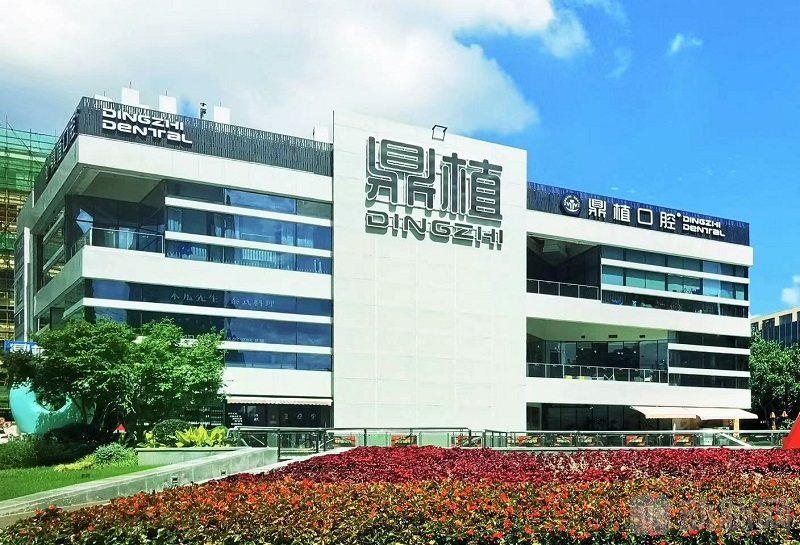
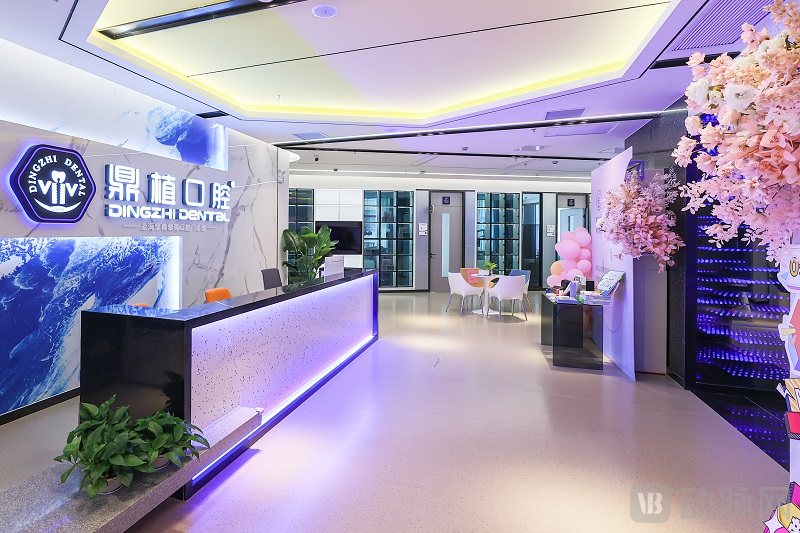
Dingzhi Dental, established in 2019, has undoubtedly capitalized on the rising demand for dental implants driven by population aging and the release of pent-up demand resulting from the centralized volume-based procurement of dental implants.
This is closely related to the advantages of Dingzhi Dental.
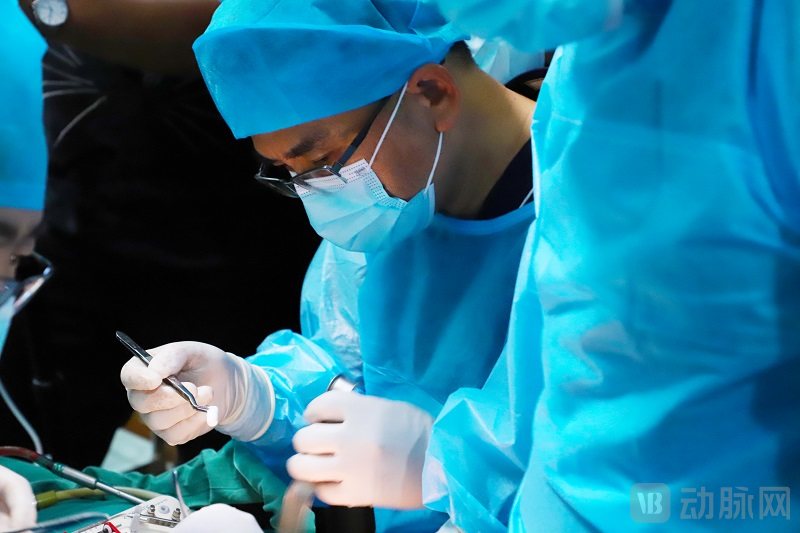
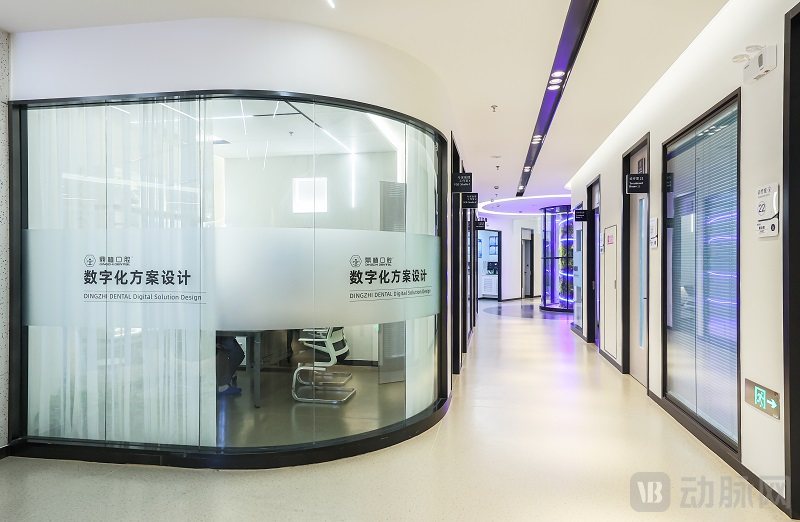
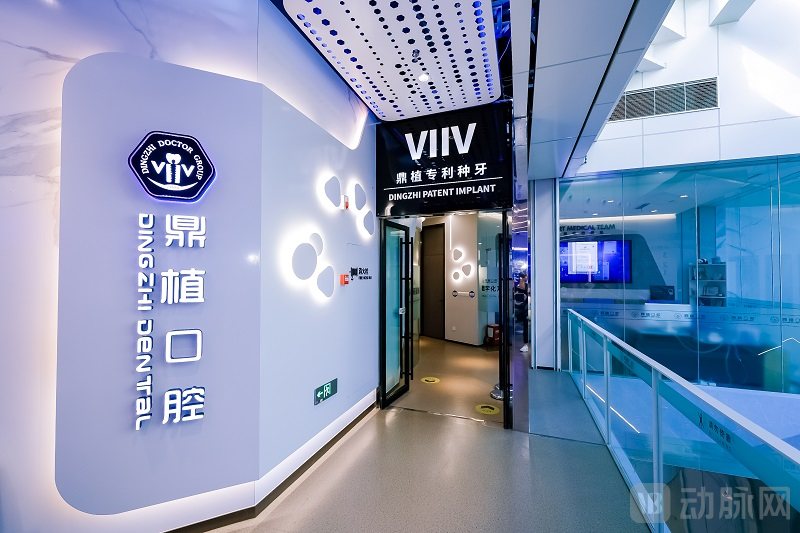
On the one hand, Dingzhi Dental possesses the advantageous VIIV patented dental implant technology, enabling it to treat patients with complex and challenging implant cases.In traditional dental implant procedures, a significant number of patients suffer from severe alveolar bone atrophy, rendering them ineligible for implants or requiring bone grafting prior to implantation. However, bone grafting is associated with challenges such as the need for multiple surgeries and lower success rates. Dingzhi Dental’s patented VIIV implant technology overcomes the limitations of conventional techniques by leveraging the unique anatomical structures of the zygomatic bone and pterygoid plates for implant placement. This approach eliminates the need for bone grafting or requires only minimal grafting, thereby significantly shortening treatment time and reducing surgical trauma. Currently,Dingzhi Dental has achieved immediate implantation and immediate loading for over 10,000 patients with severe alveolar bone defects., and can be used normally on the same day. This technology has also helped Dingzhi Stomatology accumulate a strong reputation among patients.
On the other hand, Dingzhi Dental possesses a superior dental management team that promptly formulated response strategies to the centralized procurement of dental implants.Following the implementation of centralized procurement, the average cost of dental implants dropped by approximately 45%. The challenge facing chain dental healthcare institutions is how to respond to the impact brought about by centralized procurement. Dingzhi Medical made decisions almost immediately, rapidly adjusting terminal prices externally to exchange price for volume and seize market share; internally, it optimized its cost structure. Even Dingzhi Dental’s branding department transformed from a cost center into a profit center. This is closely related to the more than 30 years of experience in the dental field accumulated by Dingzhi Dental’s President Li Qiang and other senior executives. As a co-founder of Bybo Dental, Li Qiang is a legendary veteran entrepreneur in the dental industry.
Contrary to popular belief, Dingzhi Dental is not merely a dental healthcare institution that exclusively provides implant services.Currently, Dingzhi Dental focuses primarily on dental implant services, while also offering a range of other dental treatment services, including orthodontics, aesthetic restoration, periodontal therapy, pediatric dentistry, and general dentistry.
Li Qiang stated that the development of “comprehensive dental medical services” centered on implantology was driven primarily by the following considerations. On one hand, Dingzhi Dental’s high-quality implant services have generated positive patient word-of-mouth, which initially spreads within families. Since family members typically include adolescents, adults, and the elderly—each with distinct needs—comprehensive dental care can effectively address this diverse range of requirements. On the other hand, this model enables Dingzhi Dental to acquire customers precisely at a lower cost and continuously meet each patient’s lifelong oral health needs, from pediatric dentistry to orthodontics and implants, thereby further driving revenue growth for the company.
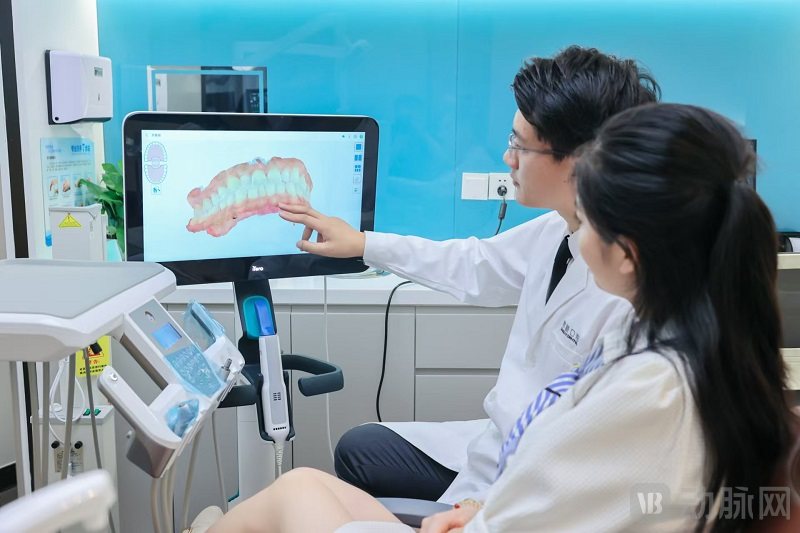
To provide more accessible and high-quality dental care services on a broader scale, Dingzhi Dental is currently expanding its offline presence rapidly through a model combining chain clinics with collaborative department development. This expansion is supported by Dingzhi Dental’s mature operational system that integrates dental professionals with management talent. In addition to establishing an Academic Committee, Dingzhi Dental has founded a Clinical Dental Academy, whose flagship course—the 3D Head Model VIIV Implant Master Class—has consistently received acclaim within the industry. Furthermore, the accumulation of extensive patient cases has enabled Dingzhi Dental’s dentists to achieve rapid professional growth.
Currently, Dingzhi Dental’s dozens of patented technologies have filled the domestic gaps in clinical procedures for medical devices related to “zygomatic implantation,” “pterygoid implantation,” and “immediate implantation,” effectively enhancing the efficiency and outcomes of clinical implant treatments. Benefiting from the simplified surgical procedures enabled by these patented technologies, as well as its supporting dental medical services and operational management talent,Dingzhi Dental’s offline chain has expanded to nearly 30 clinics, primarily located in economically developed regions such as the Yangtze River Delta (centered on Jiangsu, Zhejiang, and Shanghai) and the Pearl River Delta (centered on Guangzhou and Shenzhen). Despite challenges posed by the pandemic and the volume-based procurement program for dental implants, Dingzhi Dental achieved an eightfold increase in performance over the past three years.Additionally, Li Qiang revealed that Dingzhi Dental has already achieved positive profitability.
Dingzhi Dental’s capabilities and outstanding performance amply validate the discerning vision of its exclusive institutional investor, FSD Capital.
According to Mu Yiqing, Executive Director at Shidao Capital, the firm’s engagement with Dingzhi Dental dates back to 2022. At that time, coinciding with China’s relaxation of pandemic control measures, few investment institutions were actively deploying capital. Shidao Capital conducted on-site visits to nearly every Dingzhi Dental clinic to gather first-hand insights. Over the following two years, Shidao Capital worked closely with the company, helping to standardize its operational and management practices. For Shidao Capital, the current investment is thus a natural outcome of this sustained involvement.
The decision to invest in Dingzhi Dental is influenced by multiple factors—
On the one hand, as a venture capital firm with a global perspective, F-Prime Capital has a clear understanding of the pain points in the development of the dental healthcare industry both domestically and internationally., and Dingzhi Dental has effectively addressed the critical pain points and challenges currently facing the development of chain dental platforms in China.“As a global investment institution, we closely monitor the development stages and patterns of the healthcare services industry both domestically and internationally. In the dental sector, we have jointly invested with the Streebo India team in Toothsi, the leading player in India’s clear aligner market. In fact, demand for dental care is robust both in China and abroad. The challenges facing the development of China’s dental industry stem from both the provider and patient sides. On the provider side, the key challenge lies in how institutions can deliver platform value to dentists and retain them at a controllable cost. On the patient side, private dental clinics in China directly serve individual consumers and must rely on online and offline channels for customer acquisition, resulting in intense competition and high costs,” mentioned Mu Yiqing. “Dingzhi Dental has effectively addressed issues on both fronts. It has attracted and cultivated a large pool of high-quality dentists by leveraging its advanced techniques in complex dental implant procedures, while also solving the customer acquisition challenge through word-of-mouth referrals generated by high-quality clinical outcomes and active patient community building.” Furthermore, in terms of chain expansion, Dingzhi Dental has built up a reserve of dentists with extensive clinical experience as well as an excellent operational management team.
On the other hand, Stodo Capital has long been strategically positioned in the “specialized” sector, where Dingzhi Dental, as a leading brand and expert in complex dental implantology, holds distinct industry advantages in the specialized field of dentistry.Since 2014, F-Prime Capital has been strategically positioning itself in China’s specialized medical services sector. Representative projects during Yi Qing Miao’s tenure at F-Prime Capital include Renshu Medical and US-China AiRui. Among these, Renshu Medical operates as a nationwide chain of specialty day-surgery centers for otolaryngology and ophthalmology; US-China AiRui is a tertiary-level specialized oncology hospital that provides patients with comprehensive cancer diagnosis and treatment services through a multidisciplinary team (MDT) model across the entire care continuum. The recent investment in Dingzhi Dental serves as another prominent example of F-Prime Capital’s focus on “specialized” medical services. Yi Qing Miao pointed out, “For private hospitals to establish their own brands, they must possess distinctive characteristics, with specialization being one key aspect. The specialized features, technical advantages, operational strengths, and unique business models of private medical institutions are all factors considered by F-Prime Capital in its investment decisions. Meanwhile, we also balance serious medical care with consumer-oriented healthcare, opting for the middle ground—services that have consumer attributes yet lean toward essential, inelastic demand.”
In fact, few institutions have chosen to consistently follow and invest in the healthcare services sector over the long term. Many healthcare funds have not established dedicated teams for healthcare services investments, or they often adopt an “opportunistic” approach by jumping on specific trends at particular times. Stone Capital, however, stands out as different.“We are among the few healthcare funds that have dedicated investment teams focusing on specific sub-sectors of the medical industry. Regardless of whether a particular sector is currently trending, we remain firmly committed to long-termism and continue to strategically position ourselves within these sectors.”
Being a “long-termist” in healthcare services investment is closely related to F-Prime Capital’s own experience and accumulated expertise—
On the one hand, years of accumulated experience have led ST Capital to recognize that valuations across the entire healthcare services sector have returned to a reasonable range, while IPO channels remain open. Furthermore, past investments have demonstrated to ST Capital that the healthcare services sector can deliver substantial returns. On the other hand, companies capable of steady growth in a downturn are often difficult to identify during periods of overheated investment in healthcare services. A “long-termism” approach enables ST Capital to better uncover high-quality, under-the-radar opportunities throughout market cycles. For instance, its investment in Dingzhi Dental was driven by ST Capital’s long-standing focus on the healthcare services sector.
Following its investment in Dingzhi Dental, Eight Roads Capital will continue to support the company’s growth by providing strategic empowerment for its chain expansion and industry M&A consolidation. This approach is consistent with Eight Roads’ established track record. For instance, after investing in Renshu Medical, Eight Roads participated in the entire process of site selection and subsequent team recruitment during Renshu Medical’s expansion of ambulatory surgery centers.
In fact,The investment in Dingzhi Dental will also be a key component in launching Shidao Capital’s “ecosystem-oriented” layout in the dental sector.“Sidao Capital will also not rule out further strategic expansion across the upstream, midstream, and downstream segments of the dental services sector. ‘Dingzhi Dental will serve as a key anchor point in Sidao Capital’s layout of the dental ecosystem,’ emphasized Mu Yiqing.”
Currently, the healthcare services sector is undergoing structural adjustments.
Population aging imposes a substantial healthcare burden, with an emerging surge in patients with chronic diseases and growing demands for precision diagnosis and treatment as well as rehabilitative care. How can we effectively meet the demand for high-quality medical services? Furthermore, how can we better deliver premium diagnostic and therapeutic services to patients while simultaneously promoting the high-quality development of healthcare institutions?
Structural adjustments bring challenges, but also opportunities.
“As medical insurance and commercial health insurance develop with greater refinement, payers will drive further improvements in the quality and efficiency of healthcare service providers and select high-quality institutions for collaboration.”Developing affordable health solutions that address patients’ essential needs is becoming increasingly important.“Miu Yiqing pointed out, ‘In addition, as the pace of population aging accelerates, the silver economy is becoming a crucial investment theme.’”
Based on its identification of the aforementioned trends, FSD Capital has invested in a significant number of institutions with differentiated characteristics, such as Deda Medical, a specialized hospital for complex cardiovascular conditions; Bonor Orthopedics, a large chain of orthopedic hospitals that initially targeted county-level and prefecture-level cities; Gushengtang, a TCM chain group deeply integrated with renowned physician networks; Dongfang Qiyin, a leading chain institution specializing in speech and autism rehabilitation; Renshu Medical, which provides efficient, high-quality day-surgery services for ophthalmology, otolaryngology, and head and neck conditions; and Meizhong Airui Cancer Hospital, which emphasizes multidisciplinary collaborative diagnosis and treatment. Furthermore, in response to the broader trend of population aging, FSD Capital has made strategic investments in numerous enterprises, including Tao Le Jia, a long-term care and elderly service provider.
Today’s investment in Dingzhi Dental is yet another strategic move by Sidao Capital, driven by aging demographics and a specialized investment strategy. Behind this lies Sidao Capital’s extensive ecosystem of healthcare service investments.“We will adhere to a long-termist approach, continue to focus on the ongoing transformation of the healthcare services industry, and further identify high-quality investment targets.”, Miao Yiqing emphasized, “As patient capital, we believe that more high-quality investment projects from Shidao Capital will emerge from underwater to the surface in the future.”