First White Paper Released: TCM Market and Exosome Technology Converge to Unlock a Billion-Dollar Blue Ocean in Herbal Extracellular Vesicles
In recent years, both the exosome and traditional Chinese medicine (TCM) markets have demonstrated a continuous growth trend. According to data from Astute Analytica, the market value of exosome research products in China reached USD 11.59 million in 2023. Meanwhile, data from the China Business Industry Research Institute indicates that the market size of China’s TCM industry was approximately RMB 481.8 billion in 2023.
Now, two highly promising fields—exosomes and traditional Chinese medicine (TCM)—are converging to generate significant scientific momentum. Nanovesicles extracted from the cells of TCM-derived herbs, including plant-based and microbial sources, using exosome technology are termed “herbal extracellular vesicles.” As an innovative product resulting from the integration of TCM with modern technology, herbal extracellular vesicles have attracted widespread global attention due to their unique drug delivery mechanisms and therapeutic effects. They provide valuable insights and references for elucidating the material basis of TCM efficacy, developing novel drug delivery carriers, innovating TCM formulations, and exploring new ingredients for skincare products.
However, as an emerging industry, companies involved in traditional Chinese medicine (TCM)-derived extracellular vesicles are still in the early stages of development. There are few successful cases of industrial translation, and both technological maturity and scalable production capabilities require further improvement. Consequently, industry stakeholders find it difficult to accurately assess the competitive landscape. To better facilitate the practical application of TCM-derived extracellular vesicle technology, Anling Biotech, a rising star in the exosome industry, joined forces with Guangzhou Pharmaceutical Holdings Limited to invite Nobel Laureate and Member of the U.S. National Academy of Sciences Randy W. Schekman; Professor Hu Haifeng, Vice President of the China National Pharmaceutical Industry Research Institute; Professor Zhuang Yingping, Chief Technology Officer of Anling Biotech; Professor Zhu Naishuo, Chief Scientist of Anling Biotech; Professor Zhou Xuanwei from the School of Agriculture and Biology at Shanghai Jiao Tong University; and Professor Zhang Yongtai from Shanghai University of Traditional Chinese Medicine to jointly release the “White Paper on Technology and Industrial Development of TCM-Derived Extracellular Vesicles.”
This white paper presents the current state of research, preparation methods, and application areas of herbal extracellular vesicles, along with an analysis of their market status, commercialization potential, and future development trends. It aims to clearly outline the technological roadmap, industrial ecosystem, and commercial market prospects for herbal extracellular vesicles.
Core Viewpoints:
Currently, the large-scale production of herbal extracellular vesicles faces significant challenges, and relevant standards are lacking.Large-scale development technologies and process foundations constitute one of the core issues in the research and application of herbal extracellular vesicles. To achieve large-scale production and application of herbal extracellular vesicles, it is essential to establish stable and efficient manufacturing processes and quality control systems. Currently, China has not yet established standards for the production, clinical use, and quality control of herbal extracellular vesicles, and only a few enterprises have mastered high-throughput, automated separation and purification technologies for herbal extracellular vesicles that offer high purity and low cost.
There are few companies specializing in extracellular vesicles derived from Chinese herbal medicines, while the industrialization of skincare raw materials is progressing rapidly.Currently, there are relatively few enterprises worldwide engaged in the research and production of herbal extracellular vesicles, with only about ten such companies, primarily focused on exosomes. The skincare ingredients sector represents the fastest-growing application area for herbal extracellular vesicles, with multiple ingredients already registered. However, the development of products such as drug delivery systems, innovative traditional Chinese medicine formulations, and regenerative repair materials faces significant technical challenges, prolonged development cycles, and stringent regulatory approval processes, resulting in slow industrialization of herbal extracellular vesicles in these fields.
The industrialization of extracellular vesicles derived from Chinese herbal medicines is facing significant obstacles, making the establishment of a complete industrial ecosystem crucial.The global industrial ecosystem for herbal extracellular vesicles remains incomplete, with most enterprises operating in isolation and failing to establish a virtuous cycle. It is essential to foster close collaboration across all sectors to promote the integrated development of upstream and downstream segments of the industry chain, attract a diverse range of companies to engage in the herbal extracellular vesicle sector, and build an industrial ecosystem characterized by complementary advantages and shared resources.
The following is an excerpt from the white paper:
From 2013 to 2023, research on exosomes made significant progress, particularly in the maturation of detection, preparation, and purification technologies, laying a solid foundation for their large-scale development and application. Multiple research teams both domestically and internationally have further elucidated the composition and functions of exosomes, as well as their roles in intercellular communication, immune regulation, and the onset and progression of diseases, through various experimental methods and techniques.
Herbal extracellular vesicles are an important branch of exosomes.In recent years, interest in herbal extracellular vesicles has grown rapidly due to their broad biological functions and potential applications as therapeutic agents and drug carriers. These studies have not only deepened our understanding of exosomes and herbal extracellular vesicles but also laid the foundation for their applications in the fields of medicine and biology.
Herbal Extracellular Vesicles is a collective term for two types of nanostructures: extracellular vesicles (EVs) strictly derived from the extracellular fluid of Chinese herbal medicine cells, and EV-like particles (EVLPs) derived from Chinese herbal juice., containing various bioactive substances such as lipids, proteins, and nucleic acids, it exhibits excellent biocompatibility, tissue permeability, and physicochemical stability. It can cross various physiological barriers to facilitate intercellular information exchange across species, and acts as a regulatory factor to exert direct antitumor and anti-inflammatory effects at lesion sites.
Compared with synthetic nanoparticles, herbal vesicles exhibit more significant advantages in terms of biocompatibility, stability, in vivo distribution, prolonged half-life, and cellular internalization. In comparison with animal-derived vesicles, plant-derived vesicles from Chinese herbal medicines offer the combined benefits of low cost, high stability, and superior safety.
Current research on herbal extracellular vesicles primarily focuses on their anti-tumor, anti-inflammatory, antioxidant, and anti-fibrotic properties. Extracellular vesicles derived from herbs such as ginseng, ginger, and honeysuckle possess natural medicinal value in areas including anti-tumor activity, gut microbiota modulation, viral inhibition, and anti-inflammation. For instance, exosomes derived from ginger are rich in miRNAs and can ameliorate intestinal inflammation by modulating the gut microbiota and enhancing the release of anti-inflammatory factors. Additionally, exosomes extracted from Rhodiola rosea have been validated in vitro to exhibit anti-pulmonary fibrosis effects.
At present, research and applications of mesenchymal stem cell-derived exosomes, immune cell-derived exosomes, and engineered exosomes are widespread, while laboratory studies on traditional Chinese medicine (TCM)-derived extracellular vesicles are rapidly emerging. TCM-derived extracellular vesicles originate from plants and microorganisms, offering abundant resources and feasibility for large-scale processing and storage. These vesicles can be extracted from both fresh plant-based TCM materials and their dried counterparts. The former can be directly juiced or soaked after simple processing (e.g., ginger), whereas the latter requires decoction (e.g., Astragali Radix, Lonicerae Japonicae Flos, Glycyrrhizae Radix et Rhizoma, and Rhodiolae Crenulatae Radix et Rhizoma). The resulting extracts can be further subjected to appropriate methods for the isolation and enrichment of TCM-derived extracellular vesicles. However, issues related to the geographical origin, diversity, safety, and stability of TCM materials add complexity to the study of TCM-derived extracellular vesicles. Systematic evaluation is required to determine whether TCM-derived extracellular vesicles obtained from different regions and harvest seasons remain stable and consistent. In particular, when used as therapeutic agents or drug carriers in the biomedical field, products must meet the fundamental standards of safety, efficacy, stability, and controllability.
Laboratory-scale preparation of herbal extracellular vesicles is flexible and can be adjusted according to experimental needs. Purification methods can be optimized based on the characteristics of exosomes and experimental conditions, thereby yielding exosomes with high purity. Small-scale preparation incurs relatively low costs, making it suitable for the budget constraints of research laboratories.
However, laboratory-scale preparation yields are limited and fail to meet the demands of large-scale applications, as well as the requirements for uniformity and stability. Improving the preparation and purification technologies for herbal extracellular vesicles (HEVs) is one of the key topics in the field of HEV research. Therefore, continuous improvement and optimization of the preparation and purification methods for HEVs are necessary to enhance their yield, purity, and biological activity, thereby providing a stronger foundation for in-depth research and application of HEVs.
Large-scale development technologies and process foundations constitute one of the core issues in the research and application of herbal extracellular vesicles. To achieve large-scale production and application of herbal extracellular vesicles, it is essential to establish stable and efficient manufacturing processes and quality control systems. Currently, China has not yet established standards for the production, clinical use, and quality control of herbal extracellular vesicles; therefore, enterprises require assistance from national regulatory authorities to develop corresponding evaluation and regulatory standard systems.
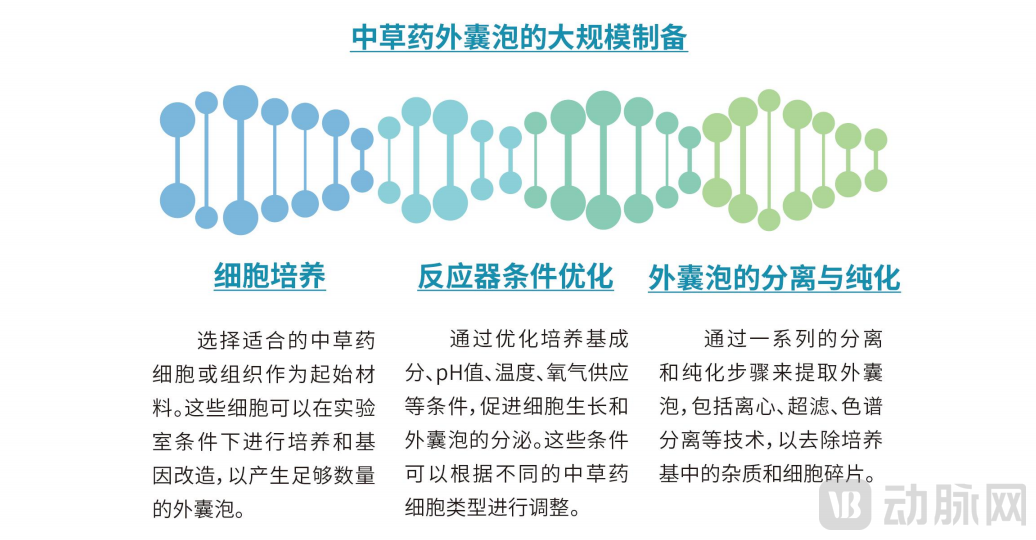
Large-Scale Preparation of Extracellular Vesicles from Chinese Herbal Medicines
Currently, the greatest challenges facing the industrialization of herbal medicine-derived extracellular vesicles are the technical hurdles in clinical translation and the standardization of the regulatory review system.Currently, only a few companies have achieved high-throughput, automated isolation and purification of herbal extracellular vesicles with high purity and low cost.
Industry players are developing herbal extracellular vesicles primarily by drawing on the development strategies used for animal-derived exosomes. The extraction of herbal extracellular vesicles constitutes a core technological barrier among enterprises, with product quality, yield, and cost control serving as key factors. It is reported that Anling Biotechnology has already established scalable manufacturing capabilities for herbal extracellular vesicles. Aidimai’s independently developed extraction technology enables the efficient isolation of high-purity exosomes from plants while stably preserving their bioactive factors. The company has built a 2,000-square-meter Class 100,000 GMP production facility, an efficacy evaluation laboratory, and a product R&D center; its exosomes can serve as raw materials for novel functional cosmetics. Keying Group has developed EVTECHDEL™, a plant-based nano-transmembrane delivery technology centered on herbal extracellular vesicles. Featuring a bilayer phospholipid structure, these vesicles act as natural drug carriers in pharmaceutical applications, facilitating intercellular transmembrane material exchange and enabling stable drug delivery to target cells, thereby increasing transdermal permeation and absorption rates by 8–10 fold.
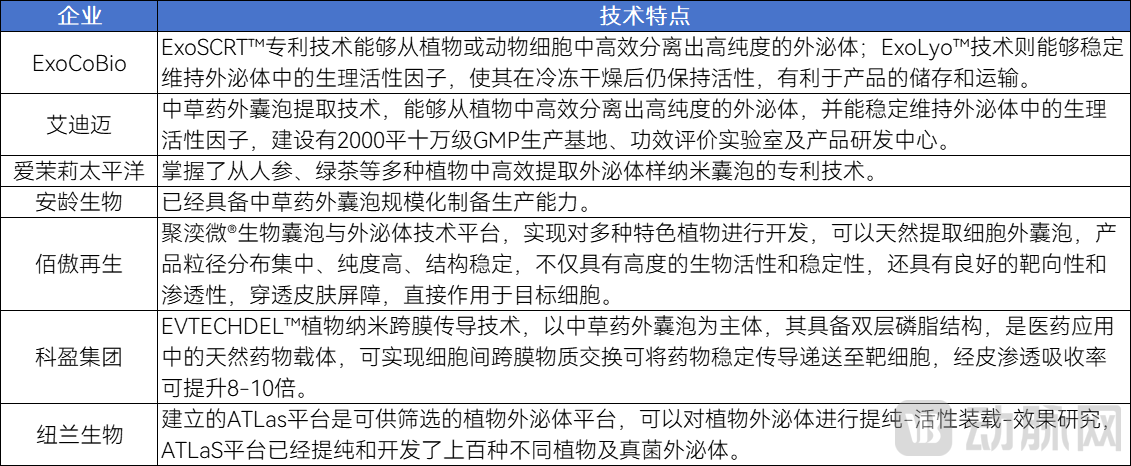
Some companies are establishing core technological barriers in traditional Chinese medicine-derived exosomes
It is important to note that during the laboratory development phase, companies can typically meet basic needs by using off-the-shelf equipment. However, upon entering the mass production stage, enterprises must establish dedicated assembly line systems and manufacturing processes to ensure product consistency and stability, which will be the key factor differentiating competitors in the market.
The industrial chain for extracellular vesicles derived from Chinese herbal medicines is in its nascent stage, with a mature market landscape yet to take shape.The upstream segment of the industry chain primarily comprises Chinese herbal medicine raw material suppliers and life sciences companies; the midstream consists of enterprises focused on the industrial translation of Chinese herbal medicine-derived extracellular vesicles; and the downstream encompasses end-users such as medical institutions and research organizations.
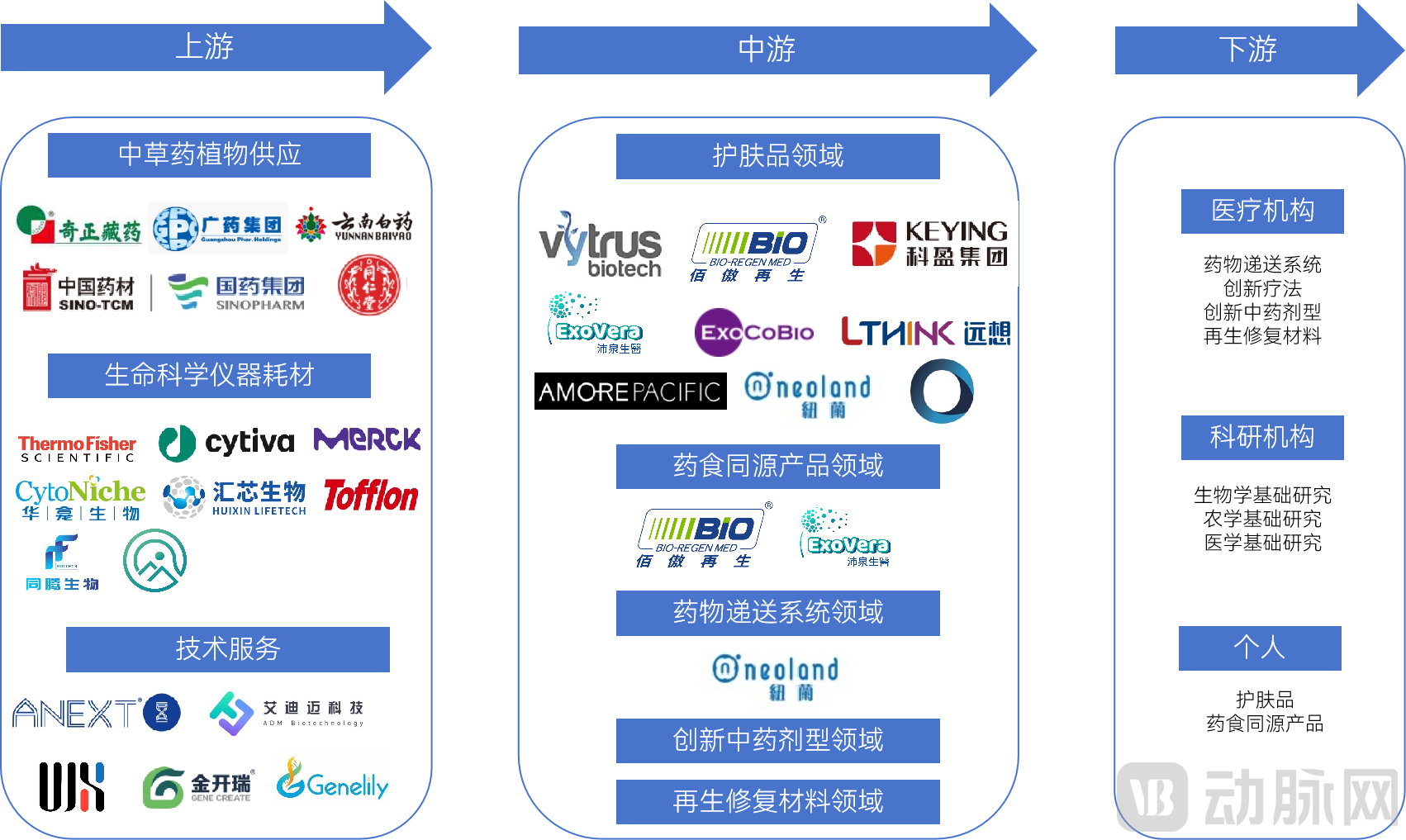
Herbal Medicine Extracellular Vesicle Industry Chain Map
Currently, there are relatively few enterprises worldwide engaged in the research and production of herbal extracellular vesicles. Based on publicly available data, this white paper compiles a list of 17 global companies involved in herbal extracellular vesicle technology. By analyzing their technological advantages and business directions, this report aims to reflect the current status and development trends of the herbal extracellular vesicle industry.
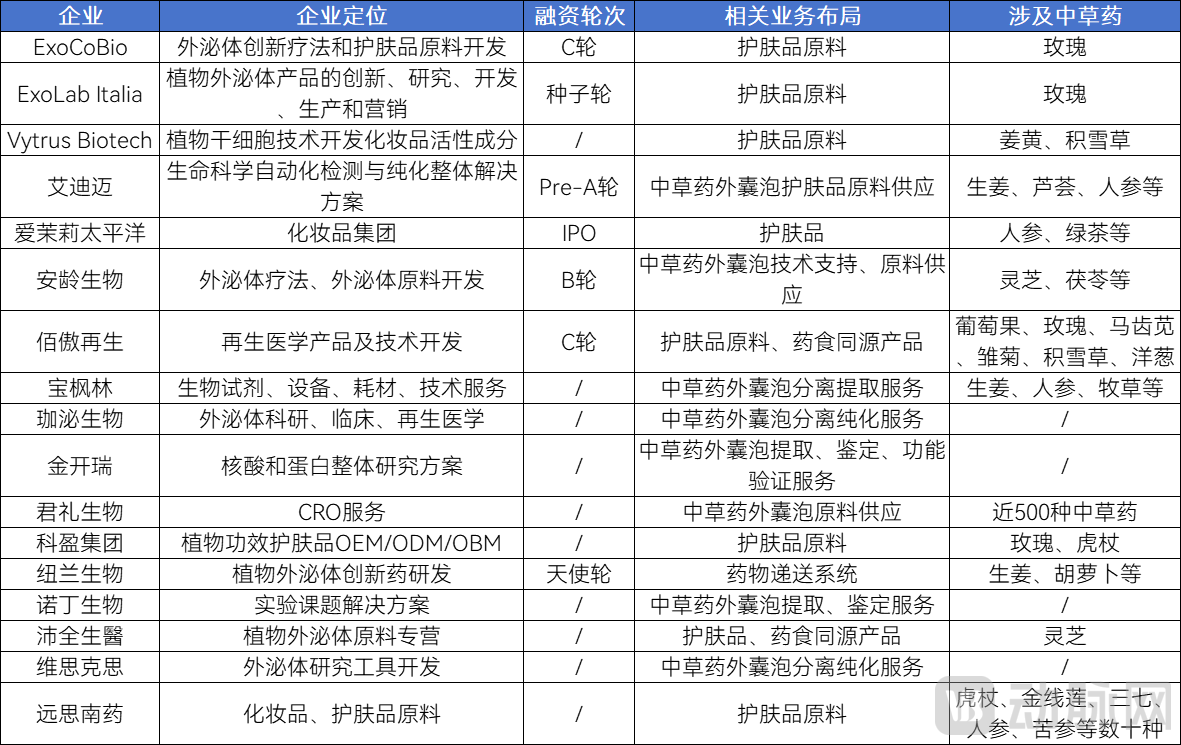
Overview of Companies Involved in Extracellular Vesicle Technology for Chinese Herbal Medicine
Companies involved in herbal extracellular vesicles are mainly exosome companies,Multiple companies have simultaneously entered the fields of animal-derived exosomes, plant-derived exosomes, and traditional Chinese medicine (TCM)-derived extracellular vesicles, driven by the shared underlying technologies and overlapping application directions across these various types of exosomes. Previously, overseas enterprises spearheaded the surge in animal-derived exosome research, with domestic companies quickly following suit. In recent years, many exosome-focused firms have begun to expand their research scope, turning their attention to TCM-derived extracellular vesicles and engaging in the development of related technologies.
Skincare ingredient manufacturers have demonstrated high levels of engagement with herbal extracellular vesicle technology, driven by the intense competition in the skincare market that necessitates the continuous integration of novel concepts and technologies, thereby facilitating the rapid adoption of herbal extracellular vesicles. Regrettably, traditional Chinese medicine (TCM) enterprises currently exhibit limited participation in the herbal extracellular vesicle industry. Many traditional TCM companies focus their research efforts on innovating classical and well-established formulas, with only a few enterprises, such as Guangzhou Pharmaceutical Holdings Limited, strategically positioning themselves in the herbal extracellular vesicle sector through external collaborations.
An analysis of corporate business layouts reveals that the application of herbal extracellular vesicles is advancing more rapidly in the consumer goods sector. A significant number of companies are positioning themselves as suppliers of skincare ingredients or providers of herbal extracellular vesicle extraction services, whereas firms developing novel traditional Chinese medicine (TCM) formulations and drug delivery systems remain exceedingly rare.
This is primarily driven by two factors: market demand and technical complexity. The skincare market has maintained rapid growth for many years, with plant-based ingredients consistently at the forefront of raw material innovation. Herbal extracellular vesicles (EVs) have emerged as a new research hotspot, generating strong scientific interest and substantial demand for extraction services. Moreover, numerous life science companies in China already possess the technical capability to extract exosomes. Although there is urgent market demand for novel drug delivery systems, new traditional Chinese medicine (TCM) formulations, and regenerative repair materials, these products are classified as serious medical devices or therapeutics and are subject to stricter regulatory oversight. The protracted R&D and commercialization processes have deterred many companies from entering these fields, which implies that herbal EVs hold significant untapped market potential in serious medical applications.
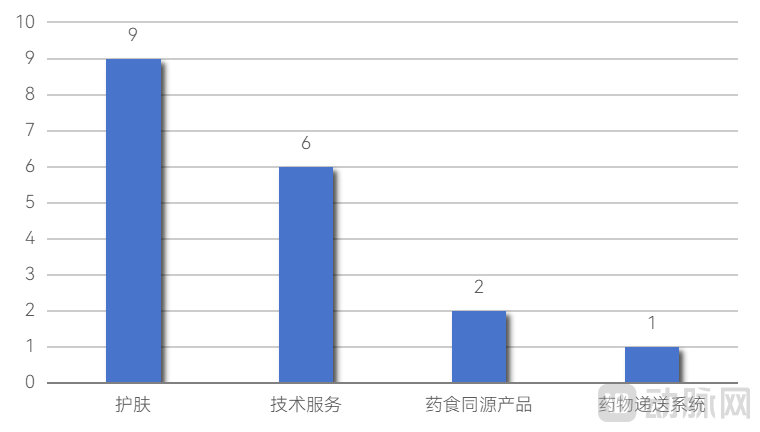
Business Layout Directions for Traditional Chinese Medicine-Derived Extracellular Vesicle Enterprises
Pioneering Industrialization in the Skincare Sector
Ingredient innovation is the core focus in the skincare sector, with domestic cosmetic ingredient filings experiencing explosive growth in recent years. Notably, in 2023, China approved 53 new domestic cosmetic ingredients, a significant increase from the mere 10 approved between 2009 and 2019, accounting for nearly 80% of the total filings for the year. It is evident that accelerating the research and development of proprietary ingredients has become a consensus among domestic skincare companies. Due to their enhanced safety and natural profile, Chinese herbal medicine-derived exosomes have emerged as a promising trend in new ingredients, gradually garnering attention.
Skincare products on the market can be broadly categorized into two types: traditional formulations containing chemical ingredients and plant-based skincare products that have emerged in recent years. Compared with these two categories, skincare products incorporating herbal extracellular vesicles (EVs) demonstrate significant advantages in terms of bioactivity, safety, transdermal absorption, and alignment with consumer trends. Furthermore, compared with exosomes derived from animal cells, herbal EVs face relatively lower regulatory risks in skincare applications, offer broader sourcing options for raw materials, and are more conducive to scale-up and industrialization.
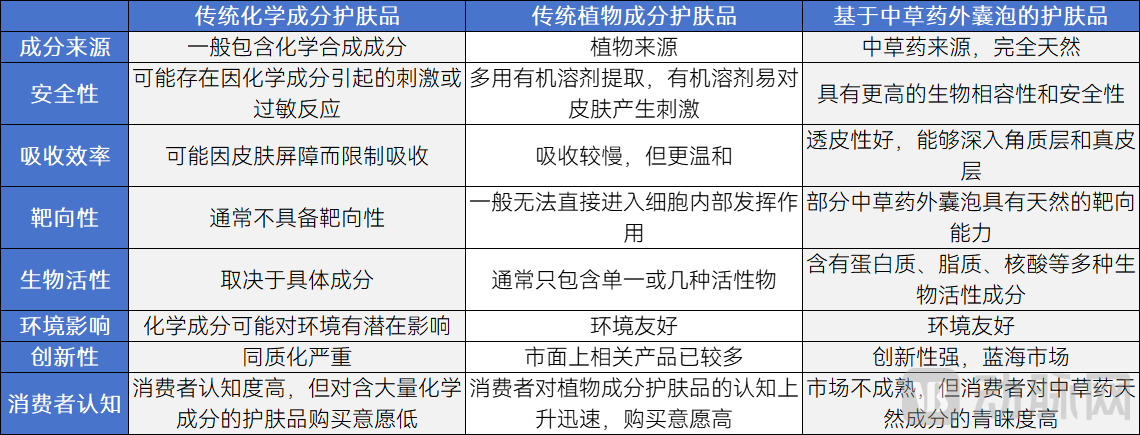
Comparison of the Characteristics Between Traditional Skincare Products and Chinese Herbal Medicine-Derived Extracellular Vesicle Skincare Products
Among the various application fields, skincare is the area where the application of traditional Chinese medicine-derived extracellular vesicles has advanced most rapidly, with significant progress already made in industrialization.This is attributable not only to the enthusiasm for raw material innovation but also to the current cosmetic filing regulations. Herbal medicine-derived extracellular vesicles used as cosmetic ingredients are not included in the “Inventory of Existing Cosmetic Ingredients in China.” To expedite market entry, all extracellular vesicle-related cosmetic ingredients that have completed filing are registered under the category of “plant extracts.” However, this approach may pose potential risks to the future development of these products.
From a corporate strategic perspective, herbal exosome raw materials derived from rose, polygonum cuspidatum, ginseng, and centella asiatica are particularly popular, with efficacy primarily focused on anti-aging, skin whitening, and skin repair.
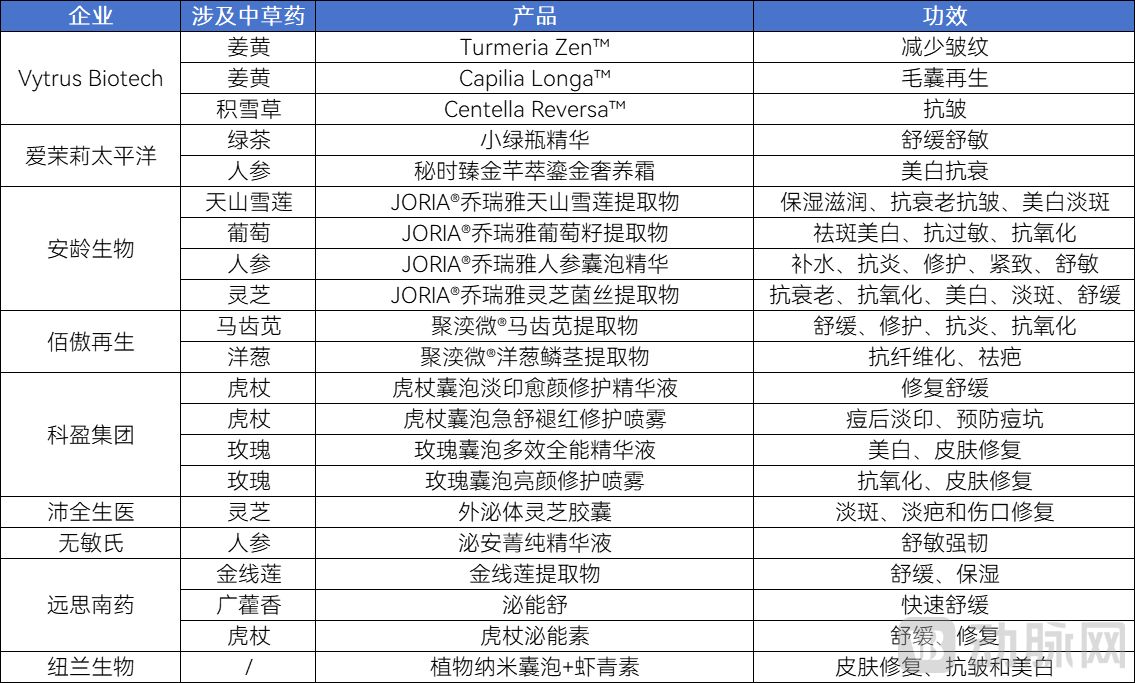
Industrialization Progress of Domestic and International Enterprises in Herbal Extracellular Vesicle-Based Skincare Products
Currently, cost and market standardization are the primary obstacles limiting the development of traditional Chinese medicine (TCM)-derived extracellular vesicles in the skincare sector. The extraction of TCM-derived extracellular vesicles is technically challenging and yields low output, resulting in high prices. Furthermore, the research and development costs for these vesicles are substantial, requiring significant investments in human resources, materials, and funding. These factors keep prices elevated, thereby restricting their widespread adoption in the cosmetics industry.
Meanwhile, as more companies flood into the skincare sector focused on herbal extracellular vesicles, the industry is also witnessing the phenomenon of “pseudo-concepts.” Some products claim to contain “plant exosomes” or “herbal extracellular vesicles,” but only plant extracts are actually included in their formulations, resulting in inconsistent product quality. Additionally, some consumers confuse herbal extracellular vesicles with plant-derived extracts and plant fermentation ingredients, leading to an inadequate understanding of their unique advantages.
Next, enterprises should intensify their R&D efforts to explore more efficient and cost-effective methods for extracting extracellular vesicles (EVs) from Chinese herbal medicines, establish application standards and specifications for herbal EVs in the skincare sector, and strengthen consumer education. Regulatory authorities should also enhance oversight of products claiming to contain herbal EVs, crack down on false advertising and products based on “pseudo-concepts,” and promote the application and development of herbal EVs in skincare, thereby better meeting consumers’ demand for highly effective, natural, and safe skincare products.
Extracellular Vesicles from Chinese Herbal Medicines Drive Innovation in Products Based on the Concept of “Medicine and Food Homology”
For a long time, the industry of medicinal and edible homologous substances has been plagued by insufficient product research and development, product homogenization, and fierce competition, which have severely constrained its development potential. The technology of herbal extracellular vesicles offers a solution to these pain points. First, advanced extraction and purification techniques enable the precise isolation of high-purity, high-activity extracellular vesicles from Chinese herbal medicines, providing a stable and high-quality raw material source for the research and development of medicinal and edible homologous products. Second, herbal extracellular vesicles are rich in various active constituents found in Chinese herbs. By extracting and utilizing these vesicles, novel active ingredients can be incorporated into medicinal and edible homologous products, thereby diversifying the product portfolio.

Advantages of Herbal Medicine-Derived Extracellular Vesicle Products with Dual Food and Medicinal Properties
The application value of herbal extracellular vesicles in products derived from both medicinal and food sources is reflected in multiple aspects, including anti-aging, nutritional enhancement, flavor improvement, and preservation.Currently, herbal extracellular vesicles have been applied in products that are both food and medicine. For example, Ganoderma lucidum exosome capsules have the effect of strengthening the body; Curcuma longa exosome capsules are rich in curcumin and have the function of regulating physiological functions; wheatgrass exosome powder is rich in chlorophyll and various vitamins, which helps digestion and promotes metabolism; grape exosome juice contains resveratrol and has antioxidant effects.
Extracellular Vesicles from Chinese Herbal Medicines Offer Opportunities for Innovation in Traditional Chinese Medicine Dosage Forms
Traditional Chinese medicine (TCM) dosage forms, such as pills, powders, and decoctions, offer unique therapeutic benefits but are often considered inconvenient and imprecise within the modern medical system. They present numerous challenges; for instance, decoctions are bulky, have an unpleasant taste, and are difficult to carry and administer, while powders suffer from low active ingredient content, require large dosages, and are prone to mildew. Overall, slow absorption, low bioavailability, and unstable therapeutic efficacy are common issues associated with traditional TCM dosage forms, making their improvement an urgent priority.
In recent years, novel dosage forms of traditional Chinese medicine (TCM) that have garnered significant attention include penetration enhancers, nanoparticles, polymeric micelles, self-microemulsifying systems, in situ gels, and liposomes. These formulations can effectively improve therapeutic efficacy, reduce side effects, and innovate drug delivery methods. Among these novel TCM dosage forms, herbal extracellular vesicles, as an innovative type of herbal extract, possess inherent advantages. Their nanoscale dimensions, characterized by small particle size and large specific surface area, facilitate better contact with biological tissues, thereby enhancing the efficiency of cellular uptake and internalization of active ingredients from herbal medicines. This improves drug permeability and offers higher bioavailability compared to conventional TCM decoctions.
Furthermore, herbal extracellular vesicles can be administered via intratumoral injection, intranasal delivery, oral administration, or transdermal application. These vesicles also enable targeted drug delivery, directly transporting therapeutic agents to lesion sites while minimizing distribution in normal tissues, thereby reducing side effects.
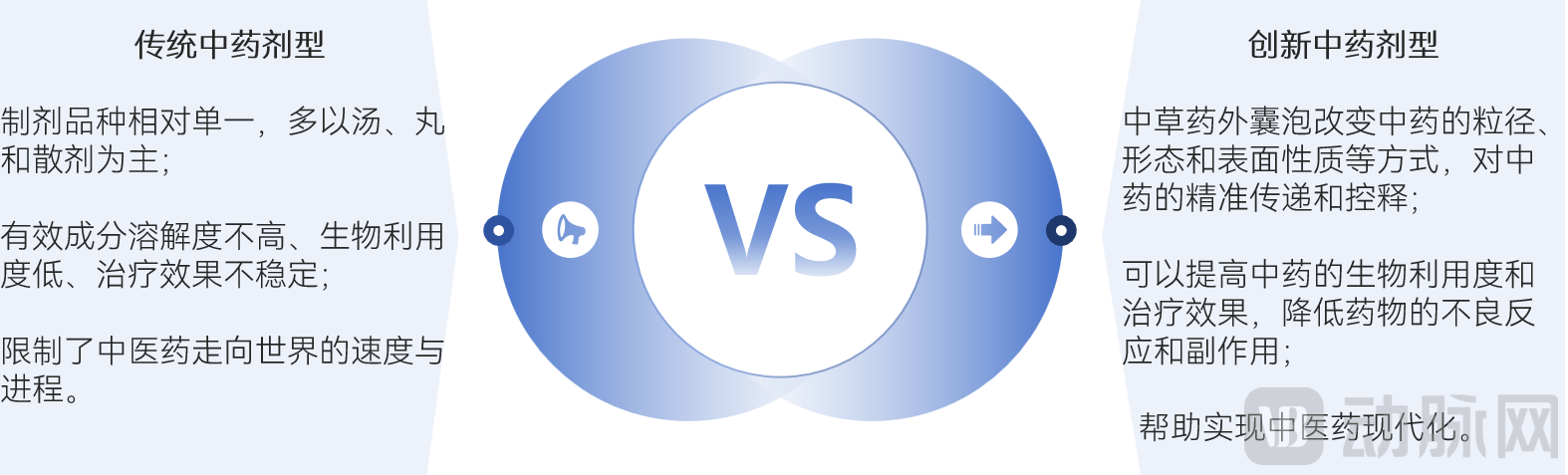
Comparison between Traditional Chinese Medicine Dosage Forms and Chinese Herbal Medicine Dosage Forms Based on Herbal Extracellular Vesicles
Although scientific research on herbal extracellular vesicles has yielded substantial results, with multiple institutions such as the College of Pharmaceutical Sciences at Zhejiang University, Nanjing University of Chinese Medicine, and the Institute of Chinese Medical Sciences at the University of Macau conducting related studies and publishing numerous high-impact papers, the research and industrialization of herbal extracellular vesicles remain in their nascent stages. From the perspective of corporate strategic layout and progress across various application areas, there are very few cases of successful commercial translation, and the industrialization process faces multiple obstacles.
First, there are still defects in the isolation methods for extracellular vesicles from Chinese herbal medicines.Various methods for isolating exosomes from Chinese herbal medicines have been established; however, existing isolation techniques all exhibit certain limitations and fail to meet the demands of large-scale manufacturing. Failure to address the challenges of mass production means that insufficient quantities and quality of Chinese herbal medicine-derived exosomes can be produced to satisfy market demand, thereby confining their development to the laboratory research stage.
Secondly, the most critical aspect of the clinical translation of herbal extracellular vesicles lies in standardization., it is necessary to ensure uniform and stable products with minimal batch-to-batch variation. However, herbal medicine-derived extracellular vesicles vary in size and shape, and there are no unified standards for their isolation, identification, and quality control. Furthermore, there are no comprehensive approval standards for herbal medicine-derived extracellular vesicles that have been produced or are currently under production.
Finally, the high development difficulty, long development cycles, and stringent regulatory approval requirements for products such as drug delivery systems, innovative traditional Chinese medicine (TCM) formulations, and regenerative repair materials have led to a slow pace of industrialization for herbal exosomes in these fields.Companies can adopt a multi-business-line strategy, leveraging their skincare ingredient business to generate cash flow and build technological reserves, while simultaneously investing in research on traditional Chinese medicine-derived exosome therapeutics.
Furthermore, the establishment of a complete industrial ecosystem is crucial.At present, the global industrial ecosystem for herbal extracellular vesicles (EVs) remains incomplete. Most companies operate in isolation, failing to establish a virtuous cycle. It is essential to unite stakeholders across various sectors to foster close collaboration, promote the integrated development of upstream and downstream segments of the industry chain, and attract a diverse range of enterprises to engage in the herbal EV sector. By building an industrial ecosystem characterized by complementary advantages and shared resources, we can collectively address critical challenges such as weak foundational research, slow translation of scientific achievements, and the absence of technical standards and norms, thereby accelerating innovation in the application of herbal EV technologies across diverse scenarios.
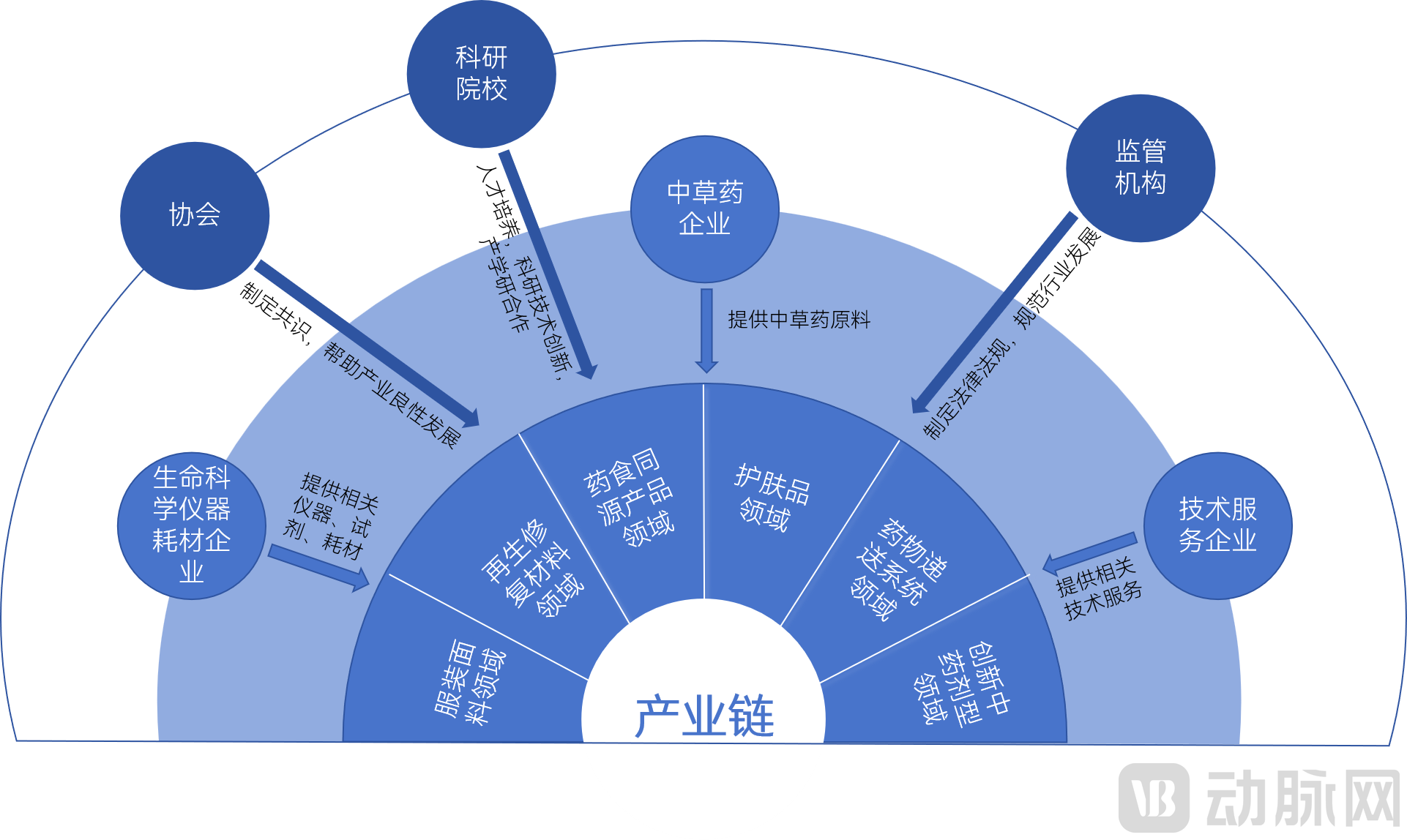
Schematic Diagram of the Complete Industrial Ecosystem for Extracellular Vesicles from Chinese Herbal Medicines
In building the industrial chain ecosystem, some leading enterprises and institutions with industrial influence and technical foundations have already begun to make attempts and are jointly constructingChina R&D Center for Extracellular Vesicles from Chinese Herbal Medicine。
The Chinese Herbal Extracellular Vesicle R&D Center will leverage Guangzhou Pharmaceutical Holdings’ extensive expertise in the traditional Chinese medicine (TCM) industry and Anling Biotech’s advanced research and development capabilities in cell-derived exosomes to develop and promote herbal extracellular vesicle products. The Center prioritizes technological innovation, clinical validation, standard setting, and international cooperation. Its technology transfer initiatives encompass R&D and innovation, technology translation and application, establishment of technical standards and norms, integration of industry, academia, research, and clinical practice, as well as international collaboration and exchange, thereby driving the standardization and internationalization of herbal extracellular vesicle technology.
The Chinese Herbal Medicine Extracellular Vesicle R&D Center will also build a domestically leadingIntellectual Property Trading and Translation Platform for Extracellular Vesicles from Chinese Herbal Medicines, pooling resources from all sectors to facilitate the efficient circulation and commercialization of intellectual property, thereby driving innovation and application of herbal medicine-derived extracellular vesicle technology.
Furthermore, the China Traditional Chinese Medicine Extracellular Vesicle R&D Center, through the establishment ofNational Chinese Herbal Medicine Extracellular Vesicle Sample Bank, centrally store, manage, and utilize sample resources related to traditional Chinese medicine (TCM) extracellular vesicles, providing a solid material foundation and data support for the research, development, and application of TCM extracellular vesicles.
The above is an excerpt from the white paper. The overall framework of the report is as follows:
Chapter 1: Extracellular Vesicle Technology of Chinese Herbal Medicines and the Development of the Traditional Chinese Medicine Industry
1. The State attaches great importance to the development of innovative pharmaceuticals
2. Constraints on the Development of the Traditional Chinese Medicine Industry and Industry Barriers
3. The Traditional Chinese Medicine Industry Explores Novel Drug Dosage Forms: Herbal Extracellular Vesicles Reveal New Directions for R&D
4. Extracellular Vesicle Technology Drives Transformation in the Traditional Chinese Medicine Industry
Chapter 2 Discovery and Development of Exosomes
1. Research on the Functions of Exosomes and Their Historical Development
2. Development of Exosome Preparation Processes
Chapter 3: Market Analysis of Extracellular Vesicles from Chinese Herbal Medicines
1. Industry Chain Insights: In the Nascent Stage with Broad Application Directions
2. Competitive Landscape Insights: Fewer enterprises, mainly consisting of skincare raw material and technical service providers
3. Application Direction Insights: Skincare Sector Leads in Industrialization, While Serious Medical Segment Poised for Growth
4. Significant barriers hinder the industrialization of extracellular vesicles from Chinese herbal medicines, making it urgent to establish a complete industrial ecosystem
Chapter 4: Large-Scale Bioreactor (Fermentation) Technology and Process for Herbal Extracellular Vesicles
1. Acquisition of Chinese Herbal Medicine Raw Materials
2. Advantages of Biological Response Protocols
3. Isolation and Detection of Extracellular Vesicles from Chinese Herbal Medicines
4. Ganoderma lucidum Extracellular Vesicle Project
Chapter 5 Development Strategy of the China Traditional Chinese Medicine Extracellular Vesicle R&D Center
1. Construction of the R&D Center for Extracellular Vesicles from Chinese Herbal Medicine
2. Establishment of a National-Level Sample Bank for Extracellular Vesicles from Chinese Herbal Medicines
Please scan the QR code to add our assistant and obtain the full report. If you have already added the assistant, please initiate your inquiry proactively.