

Near $7 Billion Deal: Greater Bay Area Biotech Primus Biosciences Acquired by BioNTech Following Strong Clinical Data and Strategic Collaborations

BioNTech
Developer of Novel Biologics
Biotheus
Innovative Biopharmaceutical Developer
On November 13, Biotheus Inc. (hereinafter referred to as “Biotheus”) announced that it had reached an equity acquisition agreement with BioNTech.
Pursuant to the terms of the agreement, BioNTech will pay $800 million(Approximately RMB 5.781 billion)An upfront payment to acquire 100% of the issued share capital of Biotheus Inc. (subject to customary purchase price adjustments), primarily paid in cash and partially in American Depositary Shares (ADS). In addition, BioNTech will make additional payments of up to $150 million upon Biotheus’s achievement of mutually agreed milestone conditions.(approximately RMB 1.084 billion)milestone payments. The transaction is expected to close in the first quarter of 2025, subject to customary closing conditions and regulatory approvals.
Upon completion of this transaction, BioNTech will acquire full rights to Biotheus’s pipeline of drug candidates and its bispecific antibody development platform, further expanding its business footprint in China; Biotheus Zhuhai will serve as BioNTech’s China R&D center to conduct related research and development activities; Biotheus’s Nantong manufacturing facility, which meets international standards, will contribute to the future global production and supply of BioNTech’s products; and more than 300 employees from Biotheus’s R&D, manufacturing, and support functions will join BioNTech.
Bispecific Antibodies Developed in Collaboration with Biotheus Demonstrate Excellent Performance
This acquisition builds upon the two collaborations between the two parties last year.
In July 2023, BioNTech and Biotheus Inc. entered into a strategic research collaboration, project option, and global licensing agreement. Under the terms of this agreement, BioNTech obtained exclusive global options to a preclinical-stage bispecific antibody and a clinical-stage monoclonal antibody developed by Biotheus for the treatment of malignant tumors. Furthermore, Biotheus granted BioNTech exclusive licenses to multiple preclinical nanobody programs in its pipeline and agreed to provide designated target-specific nanobody development services as required.
Just four months later, the two parties reached another collaboration agreement. BioNTech secured the global rights (excluding Greater China) to develop, manufacture, and commercialize Biotheus’s anti-PD-L1/VEGF bispecific antibody (PM8002), with an upfront payment of $55 million, plus over $1 billion in development, regulatory, and commercial milestone payments, as well as tiered sales royalties.
PM8002 is a bispecific antibody drug composed of a humanized anti-PD-L1 single-domain antibody (VHH) fused to an anti-VEGF-A IgG1 antibody containing Fc-silencing mutations. Multiple clinical trials targeting various tumor types, including triple-negative breast cancer (TNBC), small cell lung cancer, non-small cell lung cancer, and cervical cancer, are currently underway in China.
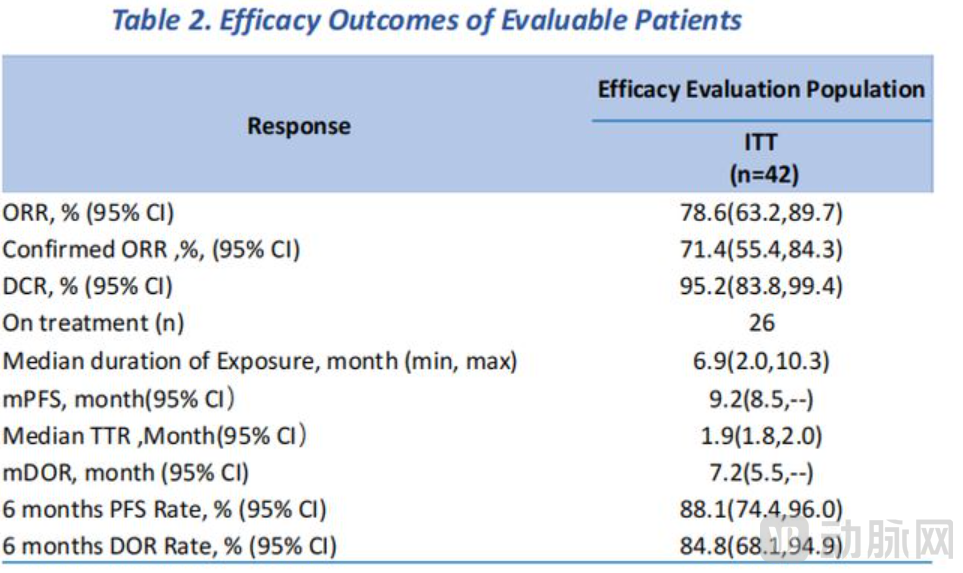
In December of that year, Biotheus presented the efficacy results of PM8002 in combination with chemotherapy for the treatment of triple-negative breast cancer (TNBC) at the 46th San Antonio Breast Cancer Symposium (SABCS). The results showed that as of June 30, 2023, a total of 42 patients had received treatment and undergone at least one efficacy assessment. The median duration of drug exposure was 4.6 months (range: 2.0 to 7.6 months). The best overall objective response rate (ORR) was 78.6% (33/42), including one complete response (CR) and 32 partial responses (PR), with 29 patients achieving a response at their first assessment.The confirmed ORR was 71.4%, and the overall disease control rate (DCR) was 95.2%.The median time to response (TTR) was 1.9 months (95% CI: 1.8–2.0). The median best percentage change in target lesions was -47.2% (first quartile, third quartile: -56.9%, -33.5%).Median duration of response (DOR) was 7.2 months, and median progression-free survival (PFS) was 9.2 months.。
Since the beginning of this year, PM8002 has achieved a series of notable clinical milestones. In March, PM8002 was designated as a Breakthrough Therapy by the Center for Drug Evaluation (CDE) of the National Medical Products Administration (NMPA) for the indication of first-line treatment, in combination with albumin-bound paclitaxel for injection, of unresectable locally advanced or recurrent/metastatic triple-negative breast cancer.
In late April, PM8002 received approval from the National Medical Products Administration (NMPA) to conduct a registrational Phase III clinical trial: a multicenter, randomized, double-blind Phase III study evaluating PM8002 injection or placebo in combination with nab-paclitaxel as first-line treatment for unresectable locally advanced or recurrent/metastatic triple-negative breast cancer (TNBC). Subsequently, the Phase III clinical trial of PM8002 (20 mg/kg Q2W) in combination with chemotherapy as first-line treatment for locally advanced or metastatic triple-negative breast cancer was formally registered on ClinicalTrials.gov.
A few days later, BioNTech announced that it had exercised its global exclusive option under the first strategic collaboration, securing the global rights to develop, manufacture, and commercialize a preclinical bispecific antibody candidate independently developed by Biotheus.
According to BioNTech’s Q3 2024 financial report, the first patient was dosed in October this year in a Phase II clinical trial of BNT327/PM8002 for breast cancer. The trial aims to evaluate the safety, efficacy, and pharmacokinetics of this product in combination with chemotherapy at two dose levels in patients with locally advanced or metastatic triple-negative breast cancer (TNBC) receiving first- or second-line treatment.
In the field of small cell lung cancer (SCLC), BioNTech announced that it had administered the first dose in its Phase II clinical trial for SCLC in September. The trial aims to evaluate the efficacy of BNT327/PM8002 in combination with chemotherapy in patients with previously untreated extensive-stage SCLC, as well as in patients with SCLC who have progressed after first- or second-line therapy. Meanwhile, Biotheus also initiated a Phase III clinical trial in September to assess the efficacy and safety of PM8002 combined with paclitaxel versus chemotherapy as second-line treatment for SCLC.
10 clinical-stage pipeline candidates; currently establishing an ADC technology platform
In addition to PM8002, Biotheus is advancing more than 20 Class I novel biologic drug candidates, with multiple programs in clinical development. The company has established R&D centers for new drugs in Zhuhai, Suzhou, and Hong Kong; set up clinical research centers in Shanghai and Beijing; and built an industrial-scale manufacturing base in Nantong. Biotheus’s core team brings over 20 years of experience in the R&D, regulatory submission, and commercialization of high-end novel biologics.
From a technical platform perspective, Biotheus Inc. has established core technology platforms across all stages, including antibody discovery, antibody engineering, discovery biology, preclinical development, and CMC research, supporting the entire process of novel antibody drug projects from antibody discovery to clinical trial application.
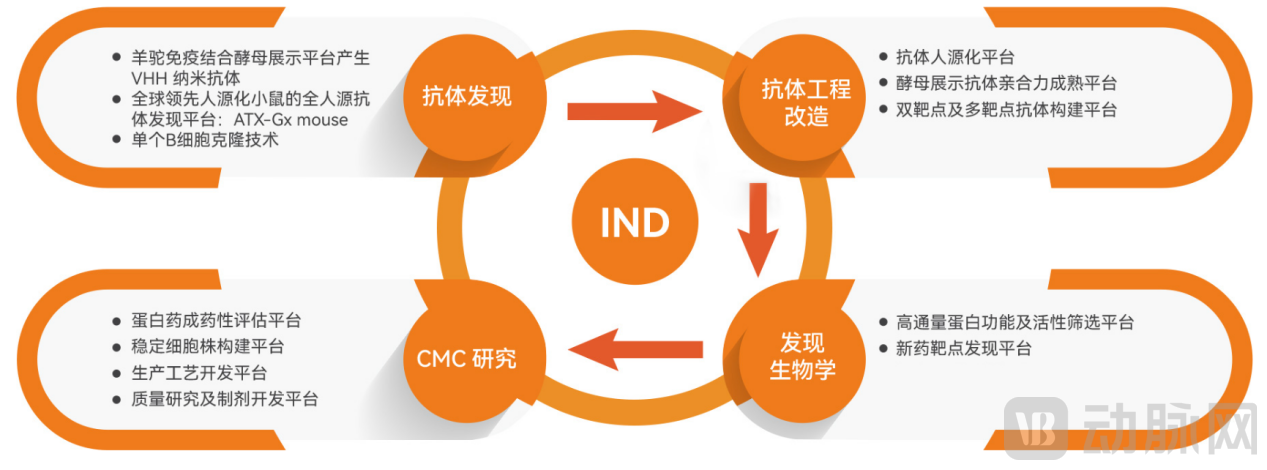
Image source: Biotheus official website
In terms of its candidate pipeline, Biotheus currently has 10 novel antibody drug projects in clinical development, with multiple trials in Phase II.
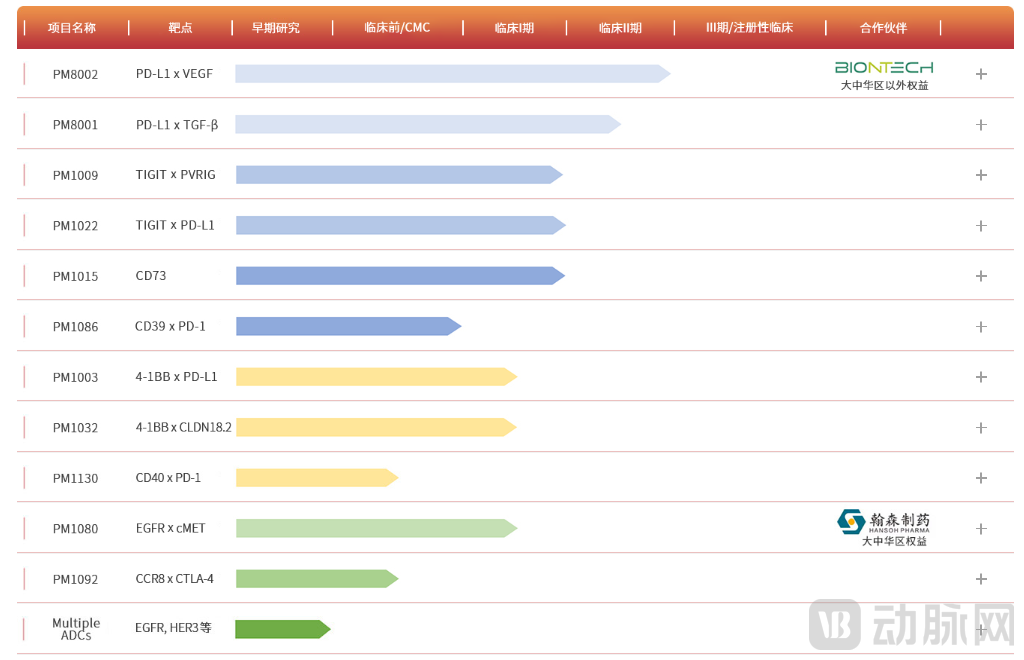 Image source: Biotheus official website
In addition to its collaboration with BioNTech, Biotheus has established strategic partnerships with multiple pharmaceutical companies. Internationally, earlier this year, Biotheus entered into a strategic partnership with U.S.-based Bitterroot Bio to jointly develop novel bispecific protein therapeutics designed to modulate the immune system and regulate inflammatory responses, thereby achieving therapeutic effects for various cardiovascular diseases.
In China, Biotheus Inc. and Hansoh Pharmaceutical have further expanded their strategic partnership, initially established in 2022, by licensing Hansoh Pharmaceutical to use PM1080/HS-20117, an anti-EGFR/cMet bispecific antibody independently developed by Biotheus, for the development of antibody-drug conjugate (ADC) products. In return, Biotheus will receive an upfront payment from Hansoh Pharmaceutical, as well as potential milestone payments based on the development, regulatory approval, and sales-based commercialization of the ADC products, totalingNo more than RMB 5 billion, and tiered royalties based on global net sales.
This can also be regarded as Biotheus’s first step into ADC exploration. During this collaboration, Liu Xiaolin, Co-founder, Chairman, and CEO of Biotheus, stated that the partnership combines Biotheus’s strengths in bispecific antibody drug development with Hansoh Pharmaceutical’s expertise in ADC development, holding promise for the creation of PM1080-ADC, a novel drug with superior clinical efficacy.
ADCs are currently one of the popular categories for Chinese-developed new drugs going global. Liu Xiaolin stated in a previous interview with 21st Century Business Herald that,Biotheus has already initiated the establishment of its ADC platform., and believes that “with the advent of the era of precision medicine, ADCs will replace chemotherapy, and the future combination of ‘IO (immuno-oncology) + ADC’ holds broad potential... The next phase of ADC drug development will return to the biological mechanisms of the associated antibodies, where the functions of antibodies—including monoclonal antibodies and bispecific antibodies—may play a more critical role. As antibody R&D is our strength, Biotheus Inc. is poised to play a greater role in this field.”
BioNTech’s “Unwavering Affinity” for Chinese Biotech Firms
After forging seven partnerships with Chinese biotech firms last year, BioNTech, which has shown a strong affinity for the sector, has not only launched new collaborations but also renewed existing ones. These include reaching a licensing agreement with Yilian Biologics for its multi-target TMALIN® ADC technology platform to further expand global strategic partnerships, as well as establishing a research collaboration and platform technology licensing agreement with 3D-printed drug manufacturer Triastek. To date, BioNTech has partnered with six Chinese biotech companies, with several deals valued at over $1 billion.
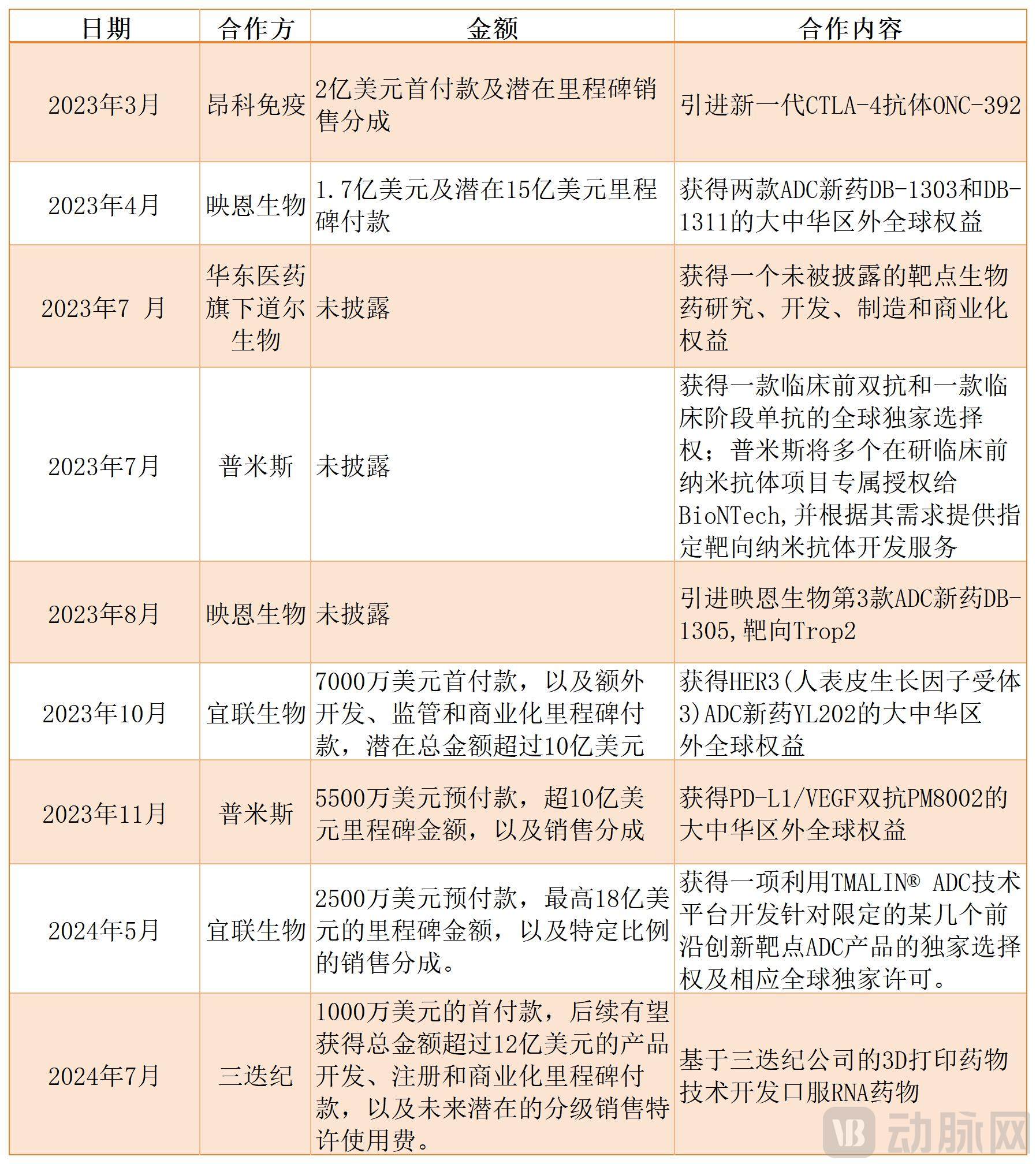 BioNTech’s BD Collaborations with Chinese Biotech Firms (Chart by VBInsight, based on public information) (2023–Present)
Chinese biotech companies also rose to the occasion. In addition to mentioning Biotheus’s PM8002, BioNTech’s Q3 2024 financial report disclosed progress in other key pipeline assets.
First is the transaction with Duality Biologics, involving three ADCs targeting HER2, B7H3, and TROP2, respectively.
Currently, BNT323/DB-1303, a HER2-targeted therapy, is undergoing evaluation in a Phase 1/2 clinical trial (NCT05150691) for patients with advanced/unresectable, recurrent, or metastatic HER2-positive solid tumors. A cohort of patients with HER2-positive (IHC 3+, 2+, 1+, or ISH-positive) advanced/recurrent endometrial cancer has completed enrollment. Data from this cohort are expected to be available in 2025.
Furthermore, a Phase 3 clinical trial (NCT06340568) in patients with advanced endometrial cancer is being planned. Preliminary data from a Phase 3 clinical trial in patients with HR-positive, HER2-low metastatic breast cancer who have experienced disease progression after hormone therapy and/or CDK4/6 inhibitor treatment are expected to be announced in 2026.
BNT324/DB-1311 is an antibody-drug conjugate (ADC) targeting B7-H3. In July of this year, the FDA granted orphan drug designation to BNT324/DB-1311 for the treatment of advanced or metastatic esophageal squamous cell carcinoma. A Phase 1/2 clinical trial (NCT05914116) is currently underway in patients with advanced solid tumors. The initial preliminary data update from this trial is expected to be presented at the ESMO Asia Congress in December 2024.
Regarding the BNT326/YL202 collaboration with Elian Bio, although a June filing with the SEC disclosed that the FDA had partially placed the product’s Phase I clinical trial on hold due to multiple deaths observed by researchers during the trial, an international, multicenter Phase I clinical trial (NCT05653752) is currently underway. This trial evaluates BNT326/YL202 as a later-line treatment for patients with locally advanced or metastatic EGFR-mutated non-small cell lung cancer (NSCLC) or HR+/HER2-negative breast cancer. On August 15 of this year, the FDA lifted the partial clinical hold on this trial. Patient enrollment has resumed, with a focus on dose levels not exceeding 3 mg/kg, where the safety profile was manageable and promising clinical activity was observed.
# Final Thoughts
Liu Xiaolin, Co-founder, Chairman, and CEO of Biotheus Inc., previously held senior R&D executive positions at Abbott, Bristol-Myers Squibb, and Adimab, and is a renowned scientist in the field of PD-1 antibody therapeutics. Public information indicates that after returning to China in 2012 to serve as Vice President of R&D at Innovent Biologics, Liu built and led an R&D team of over 100 members “from scratch,” established a product pipeline comprising more than 20 novel antibody drugs, and, as project lead, successfully guided the development and market launch of sintilimab, a domestically produced PD-1 monoclonal antibody.
Subsequently, driven by the aspiration for "original innovation," Biotheus was founded in Zhuhai. From 2018 to 2024, Biotheus caught the tail end of China’s pharmaceutical investment boom, achieving rapid growth fueled by capital, while also navigating the contraction in biopharmaceutical financing, which necessitated adjustments to its survival strategy. Biotheus is also a microcosm of countless Chinese biotech companies featuring new technologies and breakthroughs. As Liu Xiaolin quoted the CEO of Regeneron from over two decades ago: “We will still make many mistakes along this path, but we will definitely keep moving forward and survive.”
Reference Article:
1. BioNTech Announces Q3 Results: Which Heavily Purchased Chinese Products Are Given Greater Priority? | First Scene. R&D Ke
2. High-Growth Enterprises 2024⑨ | Biotheus’s “Midfield Battle”: Prioritizing Original Innovation to Join the Ranks of Global Pharmaceutical Competition. 21st Century Business Herald