

Mol Advance Files IPO Prospectus: Tackling 'Bottleneck' Technologies in High-Precision Filtration Membranes and Filters

MOL Advance
Developer of Filtration Membrane Materials and Products
Filtration membranes, or ultrafiltration membranes, are polymeric semipermeable membranes used in the ultrafiltration process to separate macromolecular colloids or suspended particles of specific sizes from solutions. Driven by pressure, these membranes feature pore sizes ranging from 1 to 100 nm and belong to the asymmetric membrane category. With a pore density of approximately 10/cm and an operating pressure differential of 100–1000 kPa, they are suitable for removing colloidal particles and macromolecules, capable of separating solutions with concentrations below 10%. Classified by product type, ultrafiltration membranes can be subdivided into organic membranes and inorganic membranes. Classified by end-use application, ultrafiltration membranes are utilized in fields such as food and bioengineering, drinking water treatment, pharmaceuticals, industrial processes, and others.
According to market research data on ultrafiltration membranes from Bezhi Consulting, the global filtration membrane market size reached RMB 32.65 billion in 2023, while China's filtration membrane market size amounted to RMB 10.046 billion. Regarding the development trends of the ultrafiltration membrane market during the forecast period, the global filtration membrane market capacity is projected to grow at a compound annual growth rate (CAGR) of 6.14%, reaching RMB 48.104 billion by 2029.
The concept of filtration membranes entered the public eye through the market, a trend that can be traced back to 2020. The COVID-19 pandemic triggered a surge in demand for high-end filtration membranes required for vaccine production, leading to temporary supply shortages in China. Today, as the domestic sector continues to develop, more enterprises are challenging themselves to overcome this “chokehold” technology. MOL Advance (Shenzhen) New Material Technology Co., Ltd. (hereinafter referred to as “MOL Advance”), which recently completed the first closing of its angel financing round, is one such challenger.
Market demand is rigid, with product performance being the primary evaluation criterion.
MOL Advance, founded by Dr. Chen Shunquan, leverages its independently developed filtration membrane materials and self-built encapsulation facility to specialize in the R&D and manufacturing of filtration membrane materials and ultra-high-precision membrane filters. The company has mastered key membrane fabrication processes and critical technologies for process scale-up.
Dr. Chen Shunquan concurrently serves as Deputy Director of the Guangzhou Institute of Advanced Technology, Director of the Guangdong Provincial Engineering Center for Membrane Separation Application Technology, and Doctoral Supervisor at the University of Chinese Academy of Sciences. He has led or participated in 28 scientific research projects, filed 36 patent applications (with 11 granted), and contributed to 15 membrane-related standards. He has published 31 academic papers, including 13 SCI-indexed articles. Dr. Chen specializes in the research and development of membrane materials, covering everything from the development of foundational scientific materials to applied research, with nearly 12 years of extensive experience in this field.
Between 2018 and 2019, Chen Shunquan’s team gained insights into the specific requirements for membrane materials in the semiconductor and biopharmaceutical filtration sectors through exchanges with professionals in the Chinese semiconductor filtration industry. These interactions guided their research direction, prompting them to strategically focus on the development and application of membrane materials.
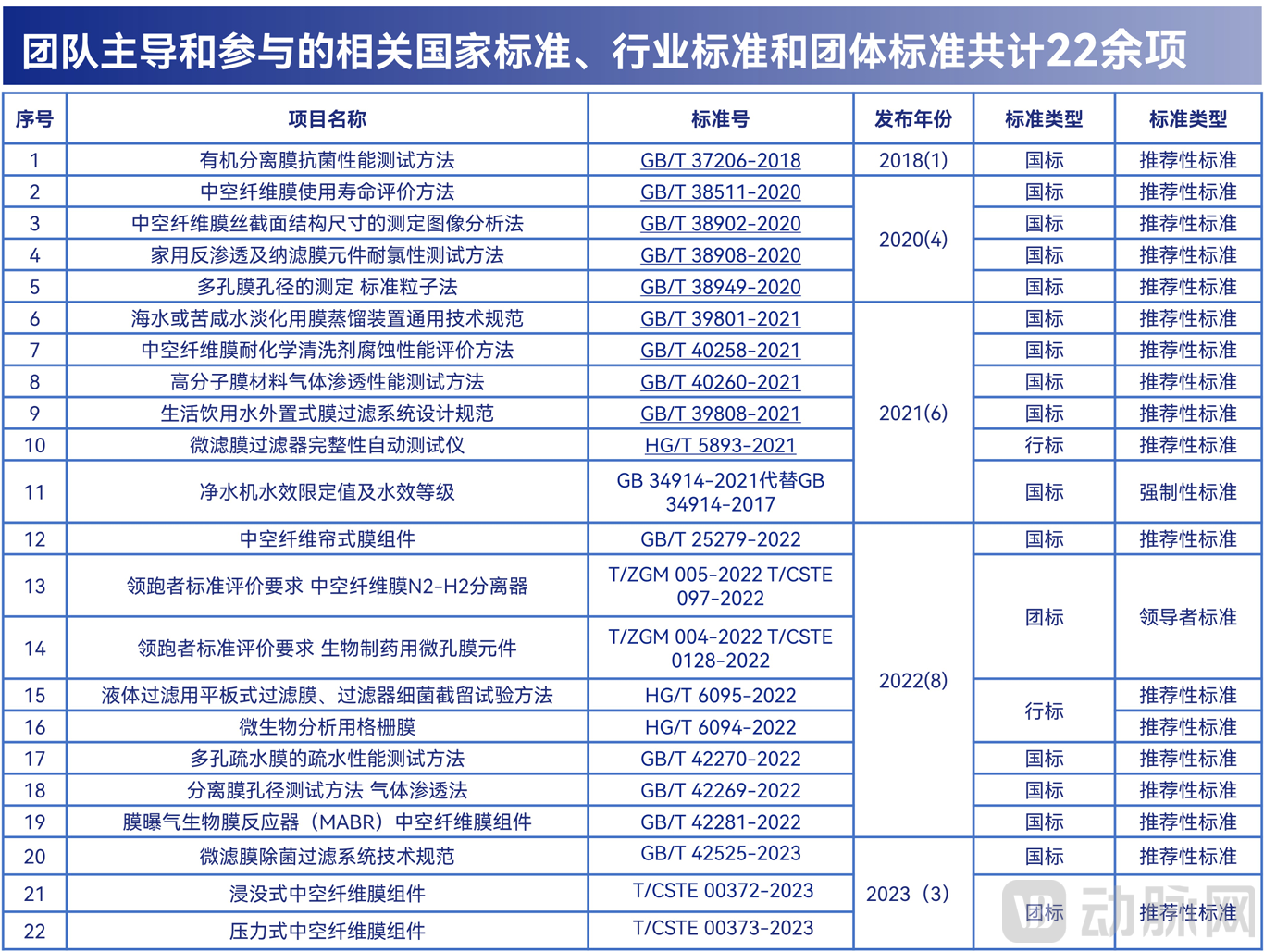
Meanwhile, during the COVID-19 pandemic, China relied almost entirely on imported virus-removal filtration membranes and ultrafiltration membrane cassettes for domestic vaccine production. Due to long-standing technological blockades by foreign companies, these components became a major bottleneck constraining the development of China’s biopharmaceutical industry. Leveraging their extensive experience and solid technical foundation, Chen Shunquan’s team undertook national and provincial emergency research projects, rapidly advancing the industrialization of membrane cassettes. After two years of dedicated effort, the team successfully developed membrane cassette products, formally entering this field.
MOL Advance, still in its early startup phase, has focused on market expansion by adopting a dual-track strategy: on one hand, promoting high-margin filter products through channels such as pharmaceutical companies; on the other, leveraging distribution and agency networks to rapidly sell small-scale, laboratory-grade products. Currently, the company has secured letters of intent for certain laboratory consumables and plans to sign contracts worth RMB 1–2 million next month. This approach helps MOL Advance achieve commercial sustainability while maintaining its technological leadership.
In terms of product portfolio strategy, MOL Advance benchmarks against industry leaders such as Merck. Currently, MOL Advance has established its product offerings across four key segments: laboratory filtration consumables, hollow fiber filters, ultrafiltration cassettes, and virus removal filtration membranes.
Dr. Chen Shunquan noted that for pharmaceutical company clients, product performance is the primary consideration; only when performance meets the required standards will other requirements be taken into account. Secondly, product stability is also highly valued by pharmaceutical companies, as it directly impacts the reliability of the production process and the quality of the final product. In addition, pharmaceutical companies conduct on-site audits of suppliers’ manufacturing facilities to assess their supply capabilities.
Taking filters as an example, given their critical role in pharmaceutical manufacturing processes and the high cost of filter materials, pharmaceutical companies exercise great caution when selecting suppliers. They not only require suppliers to provide products with stable performance and reliable quality but also expect them to have the capacity for long-term supply. Therefore, before submitting samples to customers, MOL Advance carefully considers the production environment and production line standards to ensure that its products are manufactured in compliance with required conditions. Chen Shunquan pointed out, “This cautious approach differs from the past research-oriented focus solely on product performance; it places greater emphasis on customers’ actual needs and takes into account multiple aspects, including product performance, stability, and supply capability.”
Behind the Guaranteed Success in Comparative Testing: A Complete Production Chain and Rapid Iteration Capability
To enhance its persuasiveness to clients, MOL Advance has adopted a strategy of testing its products in laboratory settings and sending samples to vaccine manufacturers, such as Kangtai Biological Products, for real-world application.
Through comparative testing on customers’ actual feed streams against competing products, MOL Advance’s membranes have demonstrated compelling performance. For instance, in its collaboration with Kangtai Biological Products, which specializes in the production of inactivated virus vaccines, MOL Advance’s membrane cassettes were benchmarked against competitors. The results showed that MOL Advance’s product achieved a 1.7 percentage-point higher recovery rate of active ingredients than the competitor, although both exceeded the high threshold of 90%. This improvement is particularly significant in fermentation broth processing, as yield directly impacts final product profitability. Meanwhile, in terms of impurity protein removal rate, MOL Advance’s product performed nearly on par with the competitor, trailing by only a few tenths of a percentage point.
Overall, MOL Advance’s products are comparable in performance to those of its competitors. However, leveraging its core competencies in the R&D and production of membrane materials, the company believes it holds certain advantages over peers with similar market entry timelines. These empirical test data and R&D capabilities serve as key persuasive elements in MOL Advance’s communications with customers.
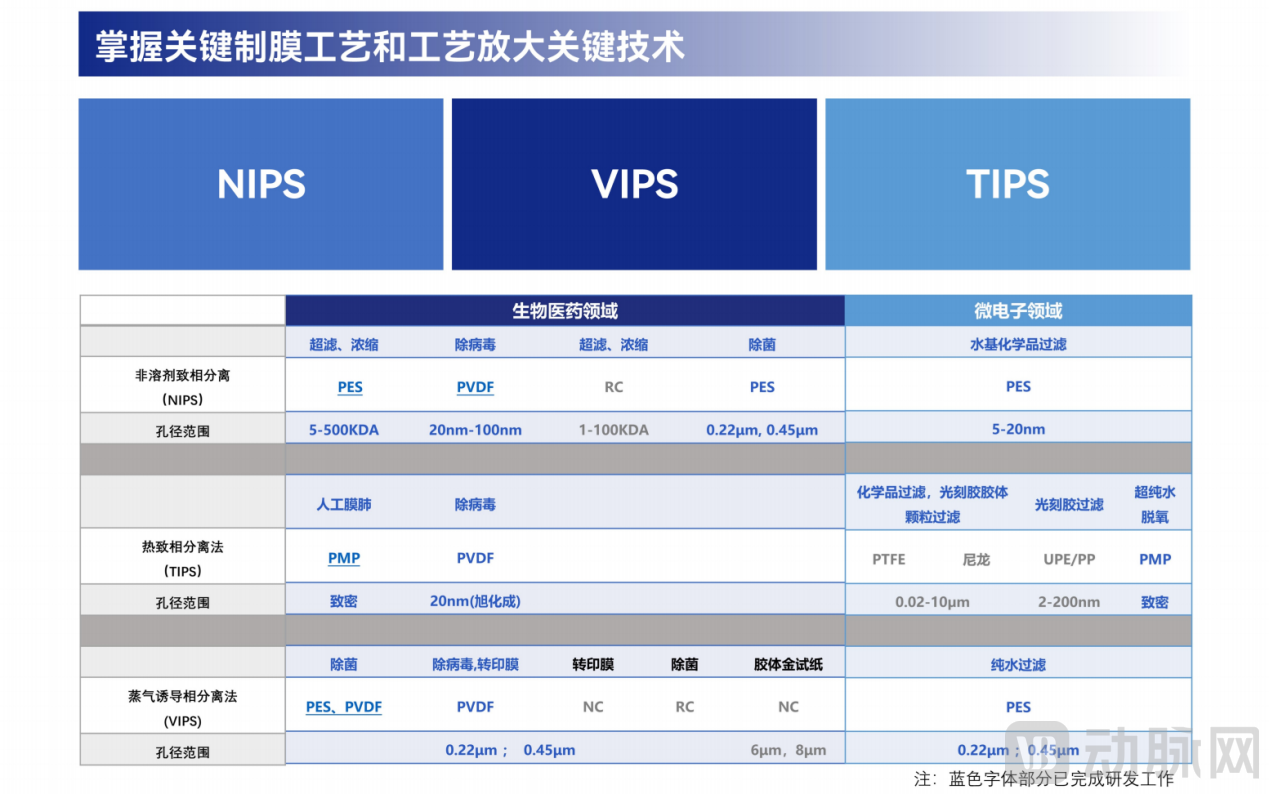
In practical applications, MOL Advance provides differentiated and customized solutions for different customers. Taking ultrafiltration membrane cassettes as an example, although they appear to be a single product, they actually encompass up to eight product series, primarily distinguished by membrane pore size. These series cover multiple specifications, including 10 kDa, 30 kDa, 50 kDa, 100 kDa, 300 kDa, and up to 500 kDa.
MOL Advance’s competitive advantage lies in its ability to offer membrane products across nearly the entire product line, enabling the company to meet 95% of market demand. Whether for applications involving small molecules, large molecules, monoclonal antibodies, bispecific antibodies, or even larger-sized vaccines, its products provide suitable solutions within the 3 kDa to 500 kDa range.
For customized needs that fall outside this conventional scope and are more specialized, the team at MOL Advance conducts careful evaluations. “We assess whether these requests are representative or indicative of future technological trends. If the answer is yes, we invest time and resources in forward-looking strategic planning and R&D,” mentioned Dr. Chen Shunquan. “For highly niche customized demands lacking broad applicability, we may choose to decline them selectively, ensuring that our corporate R&D resources remain focused on areas with greater market potential and technological promise.”
This composure stems from MOL Advance’s core capability for rapid iteration.
This capability is demonstrated by the fact that while many startups in the market rely on externally sourced membrane materials, MOL Advance is capable of independently developing the entire process from base materials to final products. In practice, customers often provide feedback or raise issues after using the filters. For problems involving the intrinsic performance of the membrane materials, many companies dependent on external suppliers may struggle to respond promptly, as large suppliers typically have complex decision-making processes and find it difficult to rapidly adjust product performance to meet specific customer needs.
However, by independently mastering the entire chain from R&D to mass production, MOL Advance is able to resolve fundamental material issues within an extremely short timeframe (e.g., two to three days). This efficient interaction and iteration mechanism enables MOL Advance to rapidly meet customer satisfaction levels after just two or three rounds of communication.
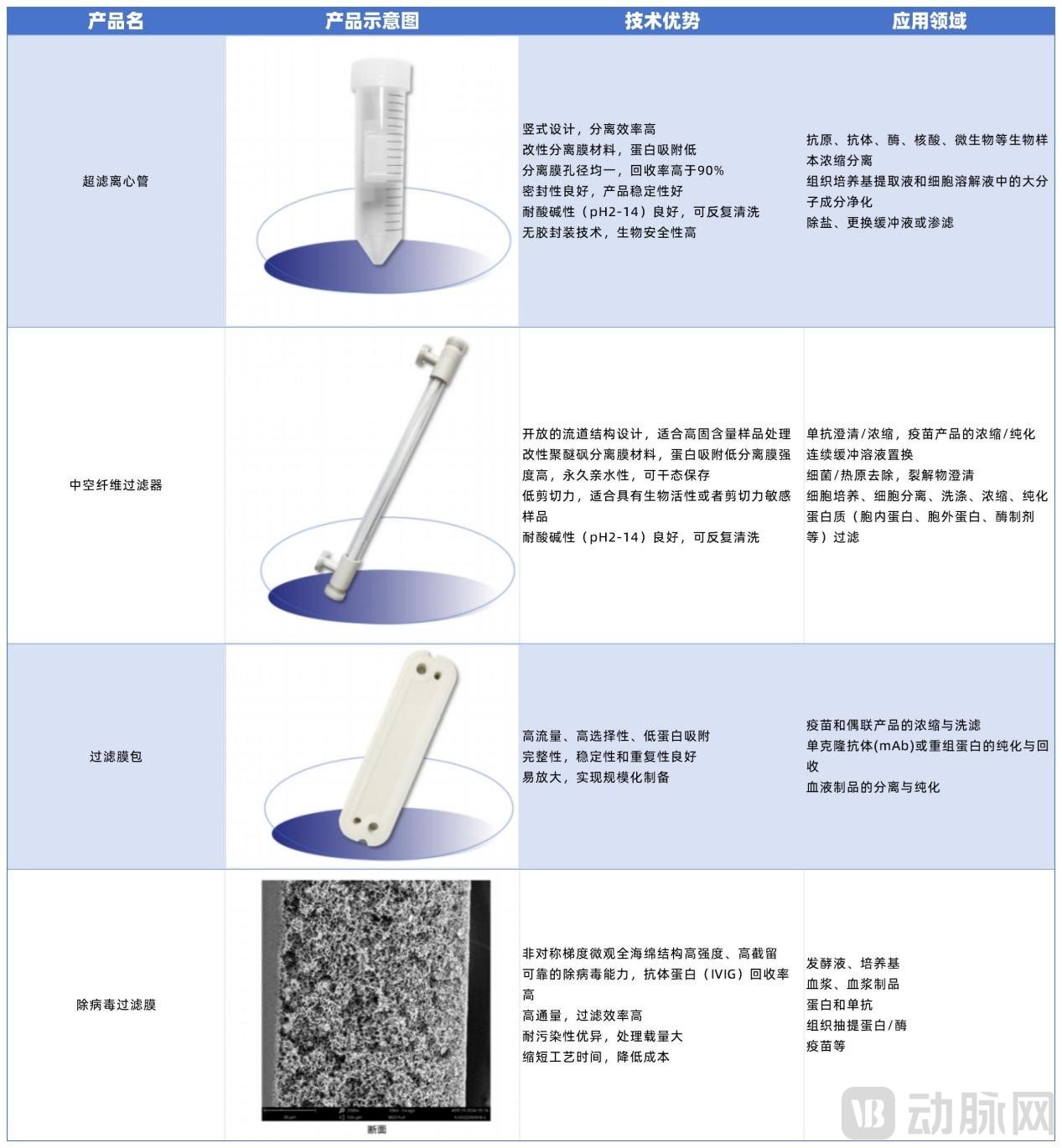
MOL Advance Product Overview
From this perspective, MOL Advance has demonstrated significant competitiveness in terms of efficiency. In the future, as its products continue to undergo rapid iteration and performance enhancements, this efficiency advantage is expected to become a core competitive strength for the company. However, this advantage may need to be validated through actual market operations before it can be more widely recognized and appreciated.
The Competitive Landscape Has Taken Shape: Breaking Through by Integrating the Upstream, Midstream, and Downstream Sectors
Following the completion of its angel financing round, Dr. Chen Shunquan anticipated the competitive landscape of the industry. It is widely recognized that across various sectors, the top two or three players typically achieve superior market performance. Consequently, MOL Advance feels a strong sense of urgency. To address this competitive dynamic, MOL Advance is actively seeking to establish deeply integrated partnerships with companies throughout its upstream and downstream supply chains. Taking filters as an example, under this collaborative framework, MOL Advance will be responsible for ensuring the quality of the filter membranes, while downstream activities—such as filter assembly, market demand fulfillment, and business development—will be realized through equity investments or project-based collaborations with partners.
This strategy aims to alleviate pressure on MOL Advance in terms of product offerings and sales, shorten the cash conversion cycle, and enhance market competitiveness. Furthermore, although the current market features numerous participants and increasingly fierce competition, many products still fail to reach the industry’s top tier. Brands such as Merck demonstrate outstanding performance, while many domestic counterparts lag significantly behind. This presents a market opportunity for MOL Advance; however, the company must continue to achieve breakthroughs in technological R&D and product quality to stand out in this competitive landscape.
Currently, MOL Advance’s top priority is to ensure the stable mass production of ultrafiltration membrane cassettes and deliver products to customers, thereby gathering technical and commercial feedback to secure orders as soon as possible. Meanwhile, the company is actively developing its next key product—the virus filter. Virus filtration is an indispensable step in the production of biologics and is mandated by national regulations. Therefore, virus filters are regarded as a critical driver for MOL Advance’s future sales and valuation growth.
Over the next 12 to 18 months, MOL Advance will prioritize the research and development as well as market promotion of ultrafiltration membrane cassettes and virus filters. Additionally, the company plans to leverage its expertise in membrane materials to develop laboratory-grade products, such as ultrafiltration centrifuge tubes, syringe filters, and glass membrane discs, to meet the needs of laboratories, research institutions, and universities.