

JancsiTech Secures Tens of Millions in Pre-A Funding to Advance Precision Radiotherapy and Pet Oncology Solutions

Yangqi Medical
Medical Device Developer
VCBeat has learned that, committed to becoming a pioneer in precision nuclear medicine,Shenzhen Yangqi Yixin Intelligent Technology Co., Ltd. (hereinafter referred to as “Yangqi Medical”), announced the completion ofAnfeng Venture CapitalLed a Pre-A financing round of tens of millions of yuan. The funds raised in this round will be primarily used for the market promotion of approved products, R&D and regulatory approval of new products, and expansion into the pet radiotherapy market.
The core founding team of Yangqi Medical comprises clinical experts in nuclear medicine, radiation oncology, and medical physics, as well as specialists in nuclear physics and artificial intelligence from prestigious institutions such as Stanford University and Alibaba Group, both in China and abroad. Headquartered in Shenzhen, the company has established R&D centers in Hangzhou and Shanghai. Deeply engaged in the fields of nuclear medicine and tumor radiotherapy, Yangqi Medical addresses critical clinical challenges in intraoperative radiation therapy by integrating software and hardware to equip medical devices with “intelligent eyes and brains.” This approach enables precise control over device operation and treatment delivery, thereby enhancing therapeutic efficacy and optimizing patient experience. Committed to localization and independent intellectual property rights, Yangqi Medical aims to break the monopoly of imported radiotherapy equipment and strive to become a pioneer in the field of precision nuclear medicine.
Yangqi Medical’s products are primarily focused on the field of Surface Guided Radiation Therapy (SGRT), including the optical surface monitoring product “QiShi,” the low-dose CT enhancement product “QingYing,” and SRT low-energy superficial radiotherapy equipment.
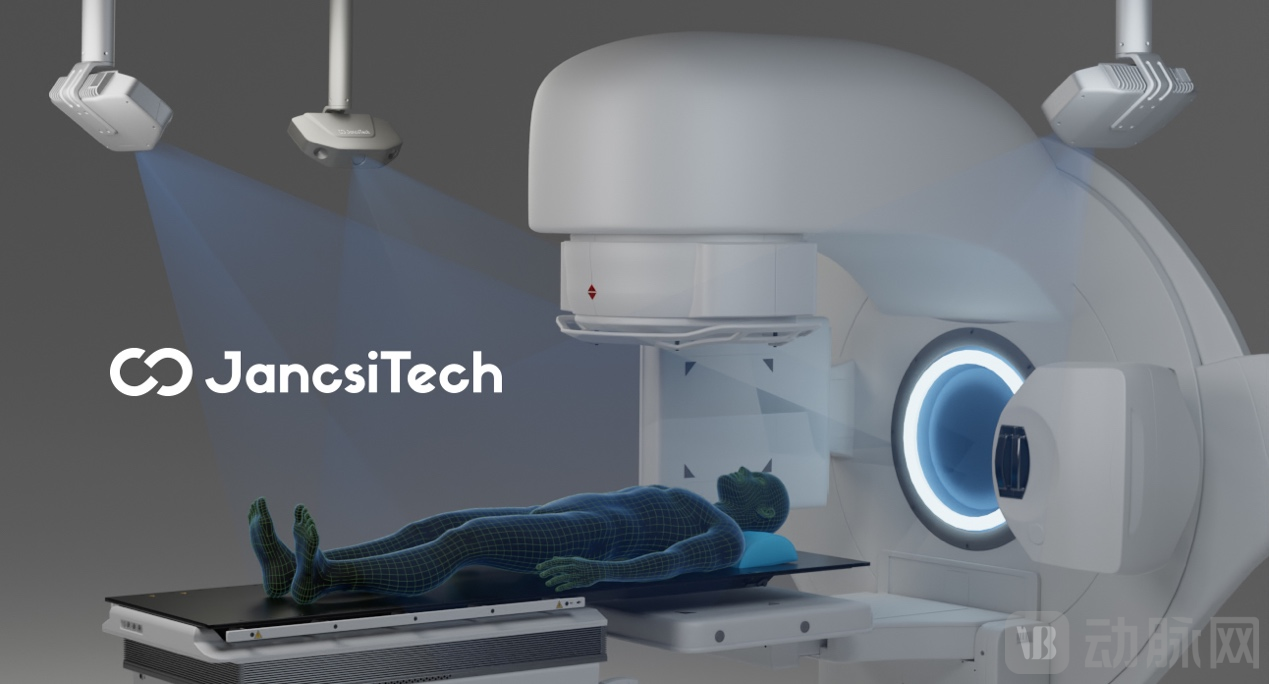
Precise targeting is essential for effective treatment. In the field of radiation therapy, real-time image-guided technology is increasingly becoming a key factor in enhancing treatment precision and efficiency.
Real-time Image-Guided TechnologyAs the name suggests, real-time image-guided technology refers to the use of advanced medical imaging equipment during radiotherapy to acquire real-time images of the patient’s treatment area. These images are instantly compared with those from the treatment plan to precisely localize the body and tumor positions. By dynamically adjusting treatment parameters, this technology ensures the precision and safety of radiation therapy. It has a wide range of applications, including real-time monitoring and feedback on patient positioning and motion throughout the treatment process, as well as real-time motion management (such as couch shifts for setup corrections, or beam gating during free breathing or deep inspiration breath-hold). Real-time image-guided technology addresses target displacement caused by natural patient movements, such as respiration or involuntary motions, ensuring that high-dose radiation accurately targets the tumor while sparing surrounding healthy tissues from unnecessary damage.
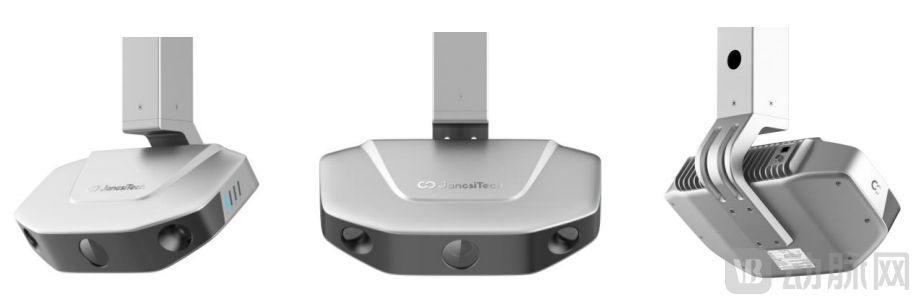
“QiShi” features fully domestically developed and manufactured hardware, pioneering the world’s first embedded design within a ring-shaped gantry.
“QiShi,” a radiotherapy patient positioning system independently developed by Yangqi Medical, is a non-invasive, radiation-free image-guidance technology. It acquires patient position in real time through 3D surface imaging and performs real-time monitoring and modeling of the patient’s body surface with an accuracy of within 0.2 mm. The system assists physicians in real-time assessment of treatment efficacy by accounting for changes in patient posture during therapy, functioning similarly to “respiratory gating” to achieve precise monitoring throughout the treatment process. Leveraging high-precision, real-time six-degree-of-freedom registration, “QiShi” effectively corrects setup errors and accurately guides the entire radiotherapy procedure.
“Qishi” can be widely applied in various clinical scenarios, including deep inspiration breath hold (DIBH) for breast cancer, stereotactic radiosurgery (SRS) for brain tumors, and stereotactic body radiation therapy (SBRT) for abdominal and pelvic tumors such as liver, cervical, and prostate cancers. It features high-precision real-time monitoring capabilities, effectively shortening treatment time, reducing radiation dose to normal tissues, and providing safer treatment options for special patient populations, including children and the elderly.
It is reported that the product is being continuously optimized through clinical collaborations with hospitals. It is expected to receive approval from China's National Medical Products Administration (NMPA) in 2024, while simultaneously pursuing overseas registration.
With the technological accumulation and corporate development of Yangqi Medical, its positioning has been upgraded from the previous “pioneer in autonomous driving for nuclear medicine equipment” to “pioneer in precision nuclear medicine.” Its business scope has also expanded from “navigation” to “terminals,” successfully transforming from a core hardware and software supplier for radiotherapy into a manufacturer of complete radiotherapy systems.
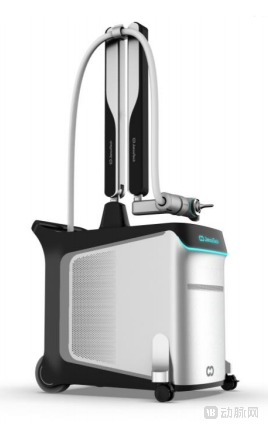
Superficial Radiotherapy Device Developed by Yangqi Medical
In the field of integrated radiotherapy equipment, Yangqi Medical has selected superficial radiotherapy devices as its strategic development direction, based on a comprehensive assessment of genuine market demands and the company’s current capabilities. The product has progressed through the stages of project initiation, planning and input, design transfer, and design output. The first-generation prototype has been completed, meeting the technical requirements stipulated by basic domestic regulations, and a preliminary user manual has been produced. The project is currently in the verification and validation phase; pre-clinical trials have been fully completed, demonstrating significant tumor suppression efficacy.
Tian Yuan, co-founder of Yangqi Medical, told VCBeat that superficial radiotherapy equipment is a medical device that uses low-energy X-rays to deliver radiation therapy to the skin surface or superficial tissues. Compared with traditional large-scale radiotherapy equipment, superficial radiotherapy equipment employs lower-energy radiation, offering improved safety for internal tissues and organs.
In terms of indications, in addition to the treatment of non-melanoma skin tumors and keloids, it is also used for the treatment of various skin diseases, such as cutaneous hemangiomas, neurodermatitis, hypertrophic scars, localized pruritus, chronic eczema, bromhidrosis, focal hyperhidrosis, and folliculitis keloidalis. It is also suitable for areas where surgery is not feasible.
Taking hypertrophic keloids as an example, this is a congenital condition that is difficult to cure radically and has a high recurrence rate. Current treatment methods are primarily based on surgical excision, which must be followed by the use of inhibitory devices or medications. Currently, there are three main inhibitory approaches: first, external beam radiation (such as superficial radiotherapy devices), which is explicitly recommended in clinical guidelines due to its non-invasive, painless nature and ease of operation; second, isotope application patches, which, although suitable for smaller scars, involve prolonged treatment courses, yield suboptimal cosmetic outcomes, and pose challenges regarding radiation safety and disposal; and third, corticosteroid injections, which are associated with significant procedural pain and limited efficacy.
Tian Yuan further pointed out: “Given the unique advantage of superficial radiotherapy in reducing scar hyperplasia, its potential application scenarios are extensive, such as in cesarean sections, medical aesthetics, and burn care. Hyperplastic tissue formed after wound healing not only affects appearance but may also lead to adhesions in mobile areas, impairing function. If superficial radiotherapy is promptly administered during the early stages of wound healing, it can not only improve cosmetic outcomes but also effectively prevent functional adhesions.”
During in-depth research into superficial radiotherapy, Yangqi Medical unexpectedly discovered that pets also suffer from tumors and skin diseases.
For pets, laser and thermal ablation therapies not only have limited efficacy but are often associated with pain during treatment, thus typically requiring anesthesia. However, anesthesia is not only costly, but frequent high-intensity anesthesia also increases treatment risks for elderly pets. In contrast, superficial radiotherapy devices demonstrate unique advantages in veterinary medicine: they can effectively treat tumors and achieve non-invasive, painless treatment for skin diseases, offering a more patient-friendly therapeutic approach.
Tian Yuan disclosed to VCBeat that for common high-incidence tumors in pets, such as periodontal, perianal, mammary gland, and mast cell tumors, surgical resection remains the primary treatment approach. However, given the high aesthetic expectations for companion animals, resection not only affects their appearance but may also cause significant functional impairment. Currently, premium veterinary hospitals widely employ large-scale radiotherapy equipment for treatment. The cost per radiotherapy session typically ranges from RMB 10,000 to RMB 15,000, resulting in substantial overall expenses for a complete course of therapy.
Compared with human radiotherapy equipment, Yangqi Medical’s superficial radiotherapy device for pets not only has the ability to treat skin diseases but also adds intraoperative radiotherapy function, that is, simultaneous radiotherapy during surgical procedures. In addition, the pet radiotherapy device is more tailored to the characteristics of small animals in terms of appearance design and functionality. It is equipped with a professional pet-specific treatment head to adapt to the body size of small animals and incorporates treatment methods such as natural orifice therapy to meet diverse therapeutic needs.
Currently, with the successive approvals of core products such as “Qi Shi,” Yangqi Medical’s revenue is expected to reach new heights.
Next, Yangqi Medical will intensify its commercialization efforts. On one hand, it will engage in deep clinical collaborations with leading hospitals to establish benchmark demonstrations; on the other hand, it will partner with distributors across China to jointly expand market reach. Furthermore, the company will actively pursue ecosystem collaborations with radiotherapy equipment manufacturers both domestically and internationally to foster mutual development.
In the field of veterinary medicine, the company has established collaborations with several leading pet hospitals. Given that there are no precedents for miniaturized radiation therapy devices for pets in the market, Yangqi Medical aims to explore and establish industry-guiding standards for superficial radiation therapy in treating pet tumors, positioning itself as a pioneer in this sector.
Regarding securing this round of financing,Tian Yuan, Co-founder of Yangqi MedicalStatement: Since its establishment in 2021, Yangqi Medical has remained dedicated to the fields of nuclear medicine and tumor radiotherapy, receiving support from multiple rounds of financing by both new and existing shareholders. The company is currently transitioning from the product development phase to commercial market expansion, with its upcoming products having undergone thorough clinical validation. In 2025, Yangqi Medical aims to achieve scaled sales, steadily expand its product portfolio, accelerate the R&D of new products, and continuously refine offerings to meet clinical and market demands. Meanwhile, the company will increase its market investment to provide precise and intelligent product solutions for a broader range of radiotherapy clinical scenarios.
Wu Xiaoge, Partner at Safe&Rich Private EquityIt stated: “Yangqi Medical focuses on the fields of nuclear medicine and precision radiotherapy, possessing profound technical expertise in nuclear medicine and a robust product pipeline. The core team is dynamic and highly innovative, demonstrating strong commercial acumen in clinical applications. The company’s independently developed core product is poised to receive its first Class III medical device certification, marking the formal entry of its business into the commercialization phase. We firmly believe that the nuclear medicine and precision radiotherapy sectors hold immense commercial potential, and we hope that the Yangqi Medical team will continue to drive product innovation to bring greater benefits to patients.”
About Safe&Rich Venture Capital
Safe&Rich Venture Capital Co., Ltd. was established in February 2008. It is a professional venture capital management firm specializing in taking minority equity stakes in pre-IPO companies and providing them with comprehensive capital operation advisory services. To date, the enterprises invested in by the company’s shareholders and core management team number over 90, more than 20 of which have completed initial public offerings. In 2022, Hangzhou Safe&Rich Private Equity Fund Management Co., Ltd., the first Qualified Foreign Limited Partner (QFLP) pilot fund manager in Hangzhou, successfully obtained QFLP pilot qualification. Safe&Rich Private Equity was jointly initiated and established by Safe&Rich Venture Capital and selected employees. It operates under a unified management structure with Safe&Rich Venture Capital, thereby continuing and inheriting its investment style and management expertise.