

6th Forum on Innovative Development of Clinical Biobanks Successfully Concludes in Beijing
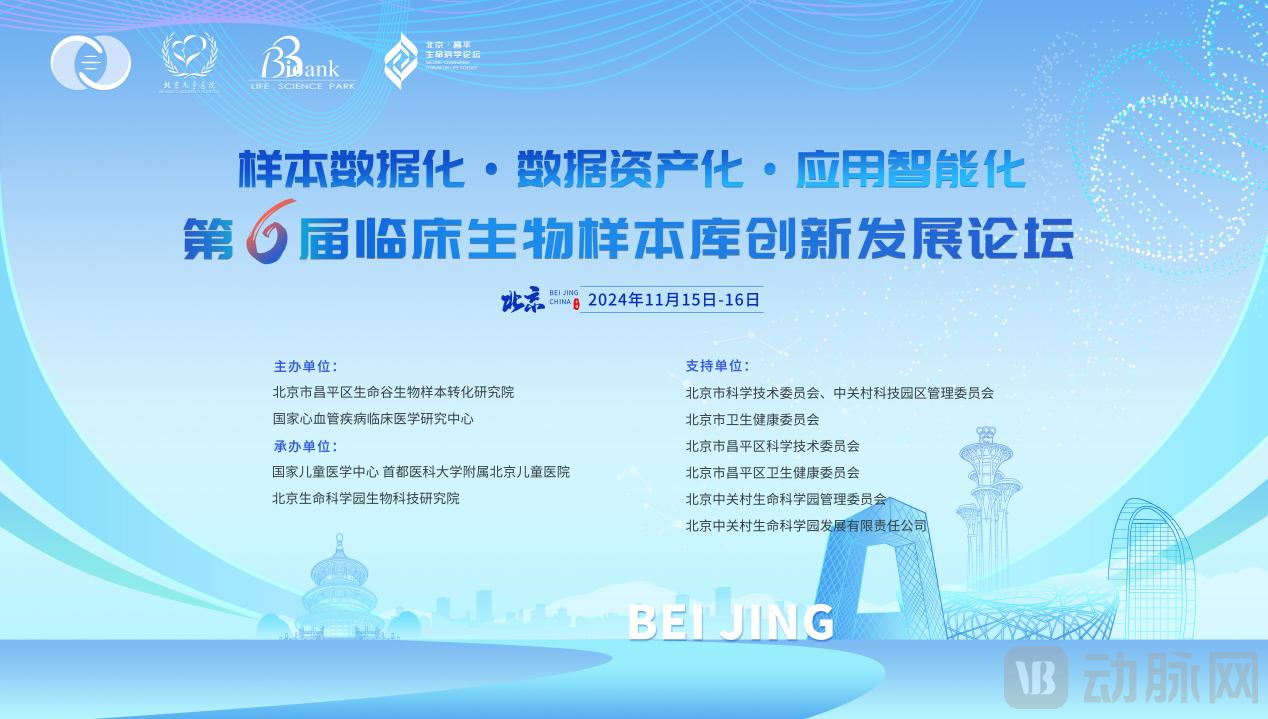
The 6th Forum on Innovative Development of Clinical Biobanks was grandly held in Beijing from November 15 to 16, 2024. Co-hosted by the Life Valley Institute for Biobank Translation in Changping District, Beijing, and the National Clinical Research Center for Cardiovascular Diseases, the forum was jointly organized by Beijing Children’s Hospital, Capital Medical University, and the Institute of Biotechnology in Beijing Life Science Park (Beijing Biobank Resource Center). The event aimed to promote the sharing and utilization of biospecimen resources and foster innovative, collaborative development among medical institutions, enterprises, and research organizations.
Centering on the core themes of “sample digitization, data assetization, and intelligent application,” this forum invited more than 30 leading experts from the fields of biobank management, translational medicine, data science, and artificial intelligence to deliver specialized presentations. Over 550 biobank experts and professionals from more than 240 medical institutions, research institutes, and biopharmaceutical R&D enterprises across China attended the event. In-depth exchanges and discussions focused on hot topics such as standards and practices for biobank sample digitization, exploration of business models for data assetization, and cutting-edge applications of intelligent technologies in drug development and clinical practice.
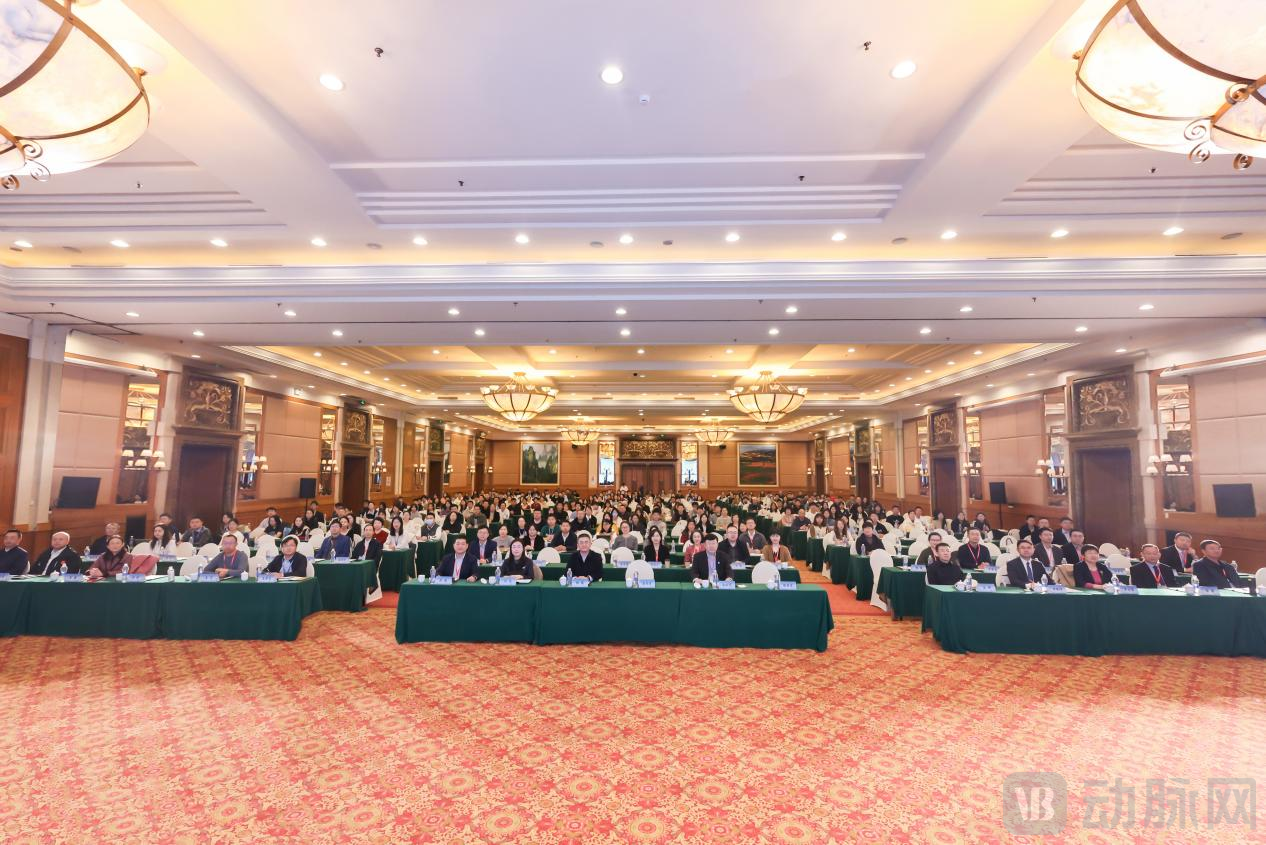
Attending the opening ceremony were Pan Suyan, First-Level Inspector of the Beijing Municipal Health Commission; Liu Qiang, Deputy District Mayor of Changping District, Beijing; Liu Hui, Director of the Center for Pharmaceutical and Health Technology Development at the Beijing Municipal Science & Technology Commission and Zhongguancun Administrative Committee; Wang Xiaomin, Former Vice President of Capital Medical University; Zhang Hongjia, Party Secretary of Beijing Anzhen Hospital Affiliated to Capital Medical University; Ni Xin, Deputy Party Secretary and President of Beijing Children’s Hospital Affiliated to Capital Medical University; Li Xiaofeng, Director of the Science, Education and Research Division of the Beijing Hospitals Authority; and Wang Jing, Vice President of Beijing Anding Hospital Affiliated to Capital Medical University, among other relevant leaders.
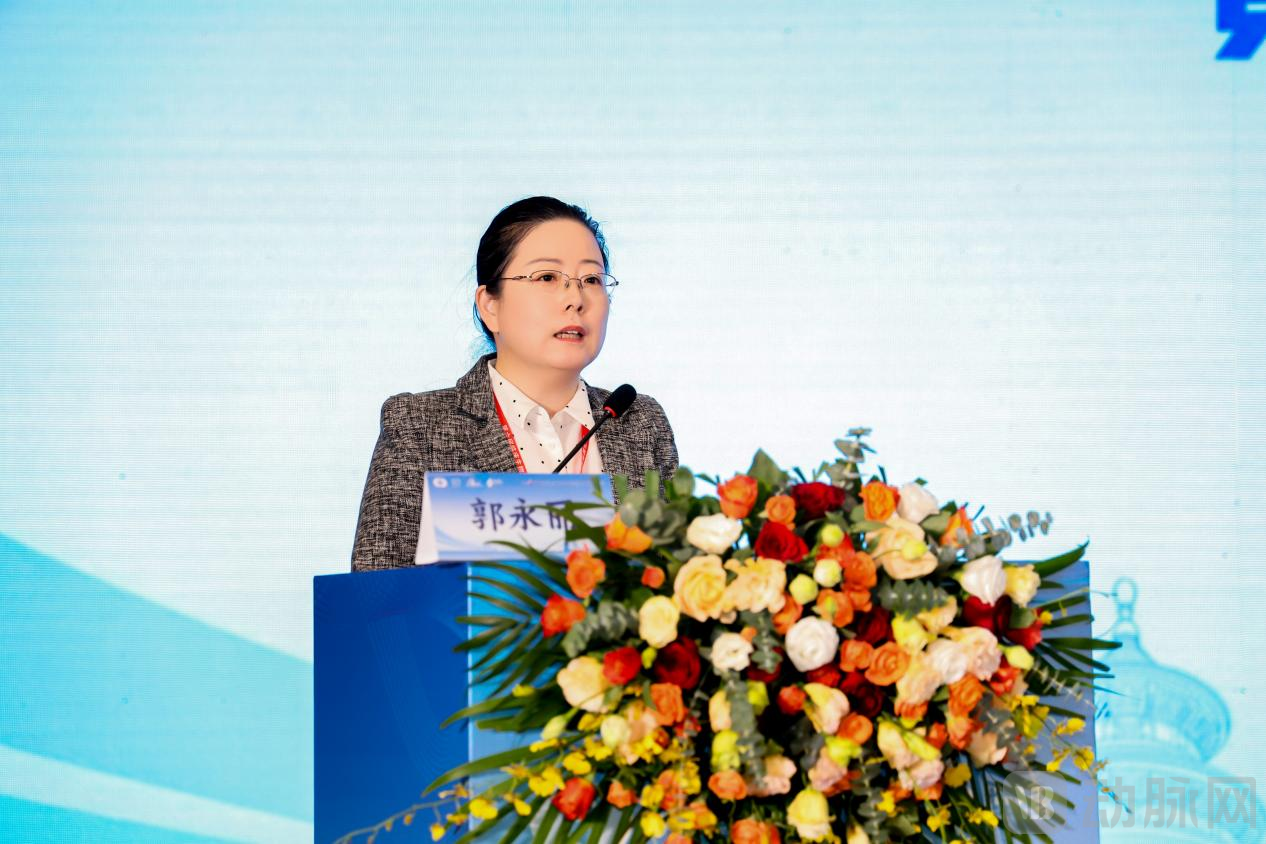
The opening ceremony of the conference was presided over by Guo Yongli, Director of the Scientific Research Department of Beijing Children’s Hospital, Capital Medical University. Addresses were delivered by Pan Suyan, First-Level Inspector of the Beijing Municipal Health Commission; Liu Qiang, Deputy District Mayor of Changping District, Beijing Municipal People’s Government; Liu Hui, Director of the Center for Pharmaceutical and Health Technology Development of the Beijing Municipal Science & Technology Commission and Zhongguancun Administrative Committee; and Ni Xin, Deputy Secretary of the Party Committee and President of Beijing Children’s Hospital, Capital Medical University.
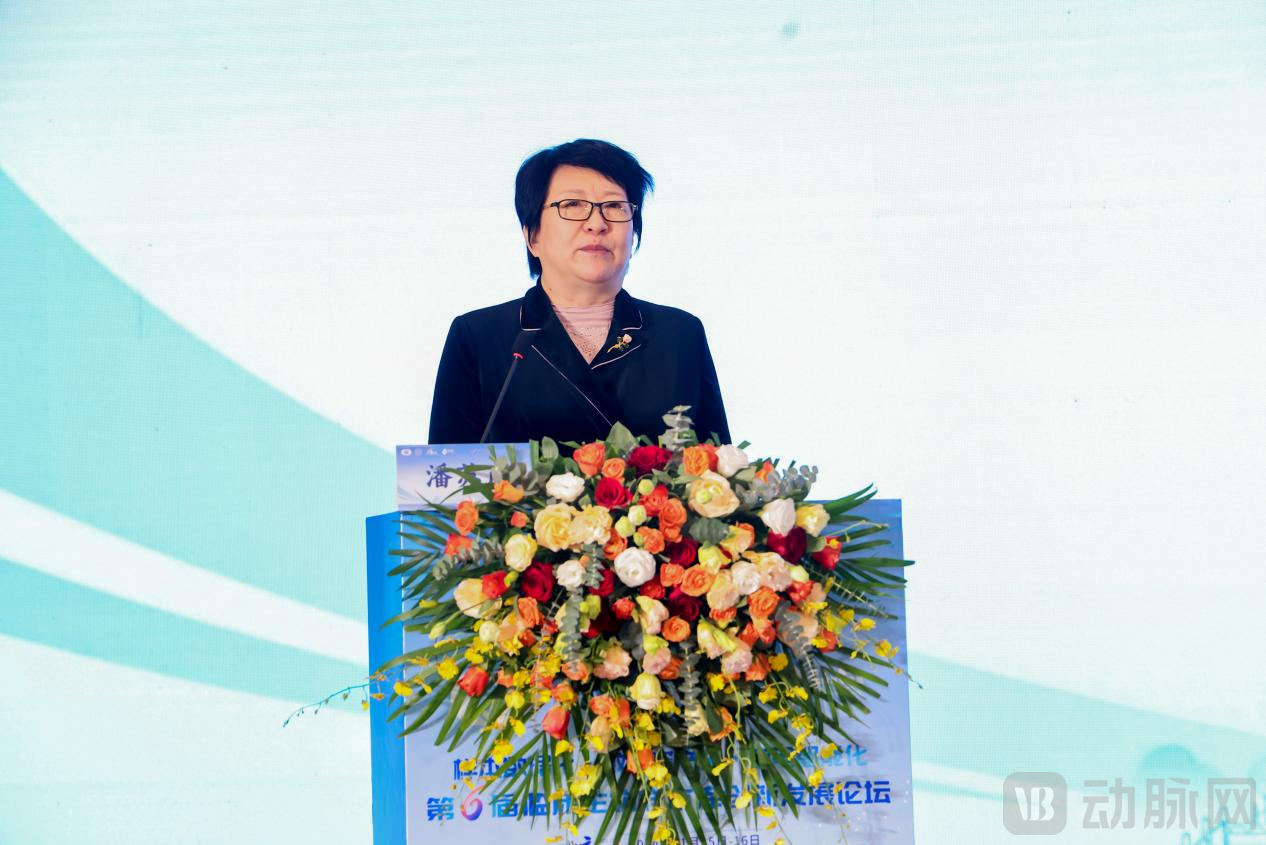
Pan Suyan, First-Level Inspector, first extended her congratulations on the convening of the forum and expressed gratitude for the support provided by the organizers, including the Changping Life Valley Institute for Biobank Translation, and other units. She emphasized that clinical biobanks are strategic resources for national security and public health, and play a vital role in advancing medical science and technology and improving the quality of medical services. Beijing Municipality attaches great importance to medical technological innovation and the translation of research achievements, regarding them as key responsibilities. This forum aims to explore innovative development pathways for clinical biobanks and is expected to provide valuable recommendations for government decision-making and standardized development. In the future, the Municipal Health Commission will continue to uphold the concept of open cooperation, promote the construction and development of clinical biobanks, refine policy measures, and increase support efforts.
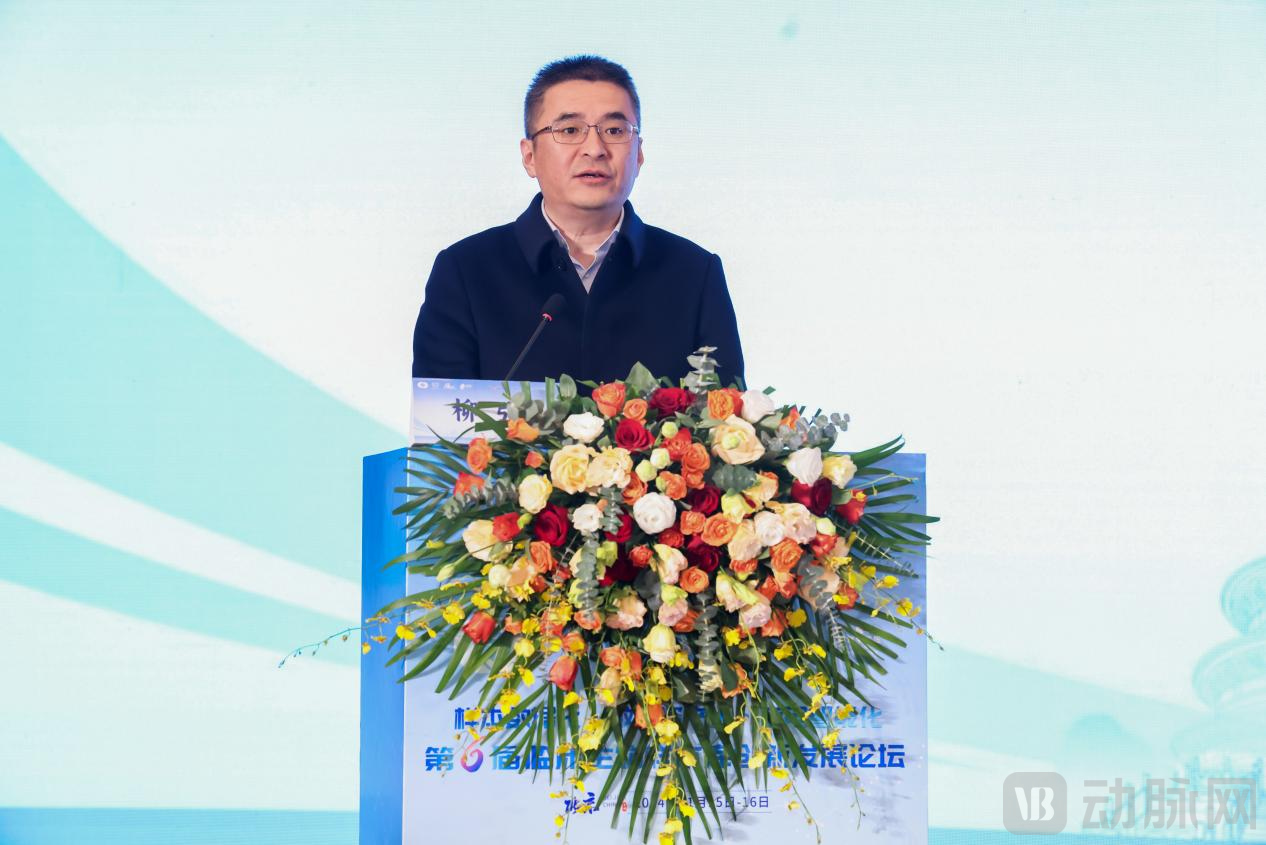
In his address, Deputy District Mayor Liu Qiang highlighted that Changping District, as a key development zone for Beijing’s pharmaceutical and health industry, has received strong support from the Beijing Municipal Party Committee, the Municipal Government, and the Municipal Science and Technology Commission. The pharmaceutical and health industry is demonstrating robust growth, with over 2,000 enterprises and an average annual revenue increase of more than 10%. The industry’s scale is projected to exceed RMB 100 billion this year. Centered on the digitization of samples, the capitalization of data assets, and the intelligent application in industry, this forum explores innovative practices and legal regulations regarding the digitization of biological sample resources, aiming to foster innovative development in the pharmaceutical and health sector. Changping District will continue to promote the sharing and utilization of data resources, facilitate collaborative development among medical enterprises, build an innovation engine for the biopharmaceutical and health industry, and jointly create a promising future for the pharmaceutical and health sector.
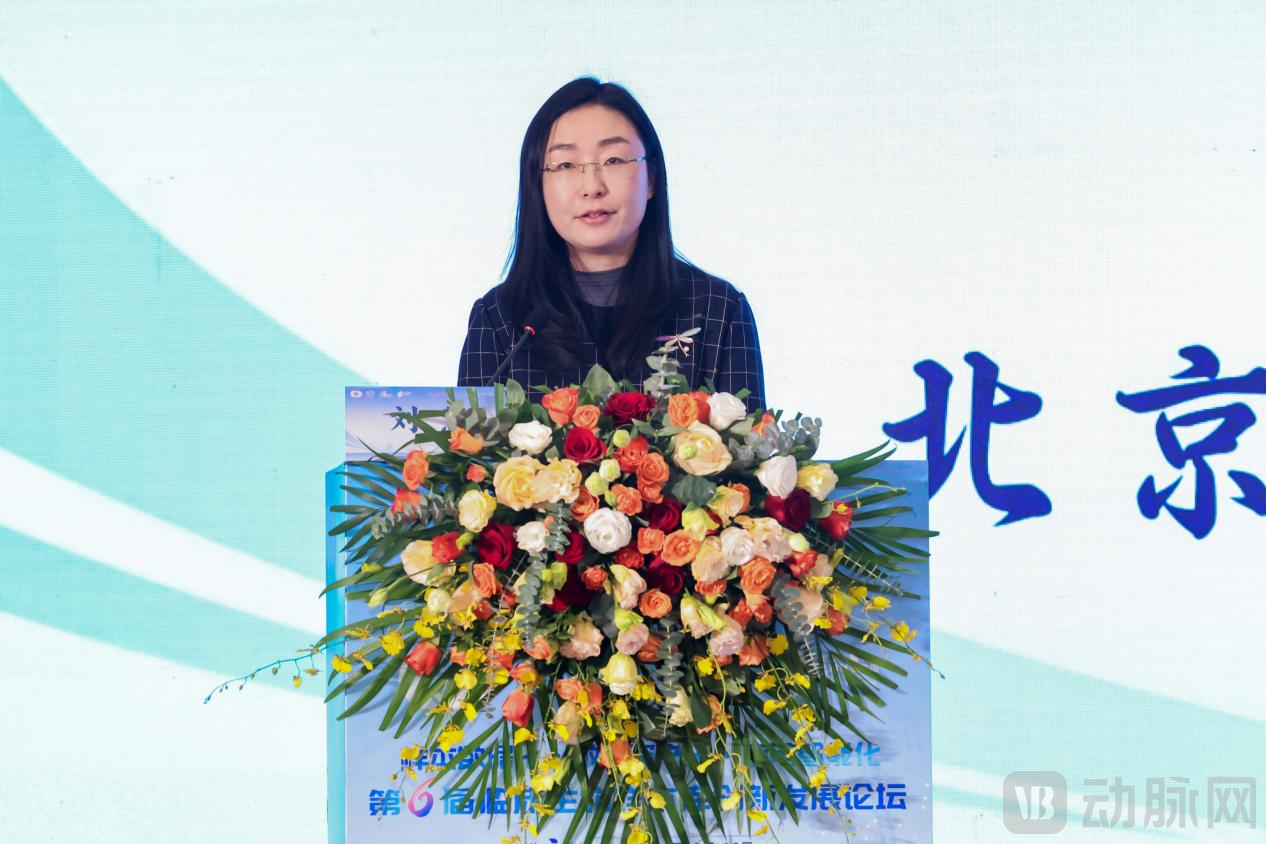
Director Liu Hui stated that biotechnology is currently driving the comprehensive development of the pharmaceutical and health industries. Leveraging its abundant resources, Beijing has positioned pharmaceuticals/healthcare and next-generation information technology as the dual engines for innovation-driven development. The city has implemented three rounds of collaborative innovation plans for the pharmaceutical and health sectors, continuously enhancing industrial innovation capacity and core competitiveness. The industry’s scale is projected to exceed one trillion yuan this year. Clinical biobanks and data resources serve as foundational assets for innovation in the pharmaceutical and health industries. While Beijing leads nationally in this regard, it still lags behind international standards. The Beijing Municipal Science & Technology Commission will collaborate with the Municipal Health Commission and other departments to promote the digitalization and intelligent management of biobanks, support the application of next-generation information technologies across all stages of sample management, improve the quality of biobank construction, reduce costs, and thereby underpin the innovation-driven development of the pharmaceutical and health industries.
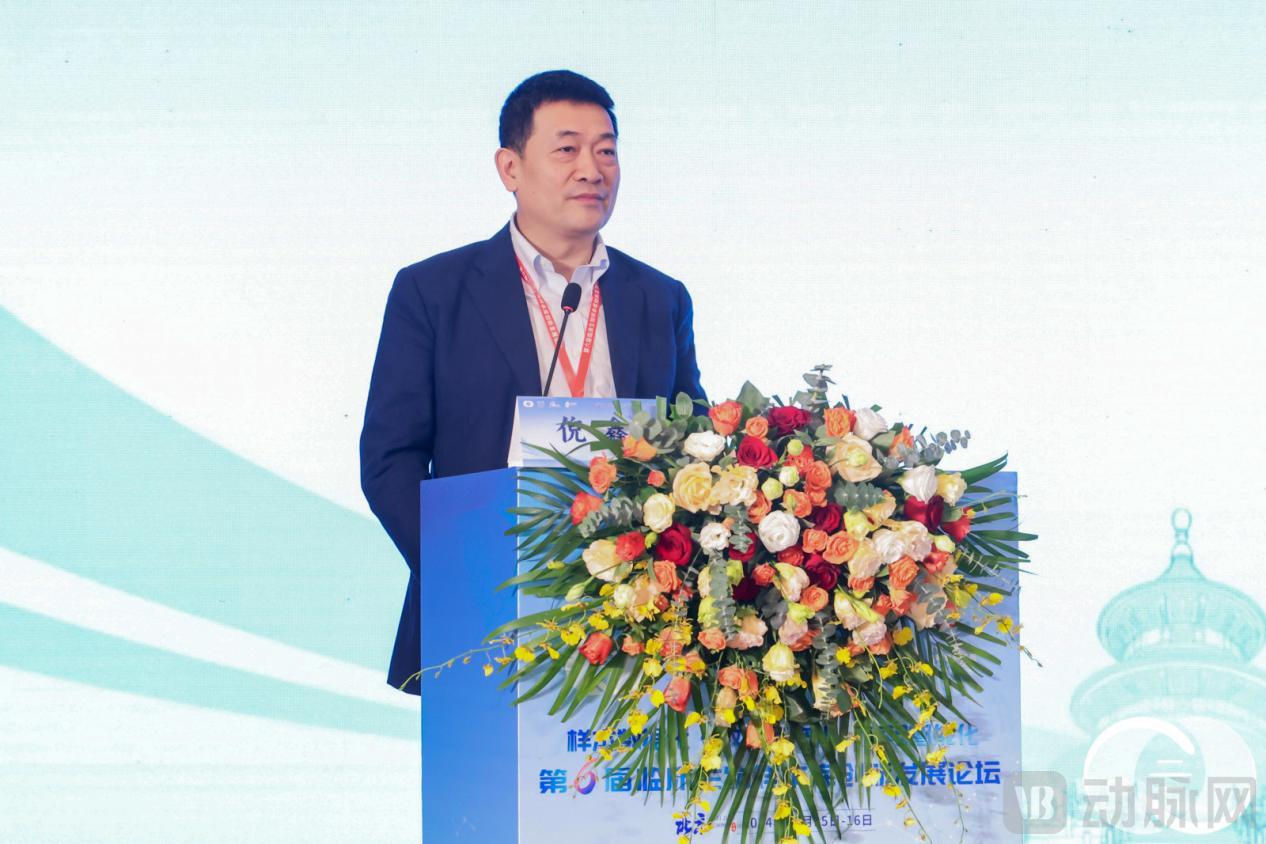
President Ni Xin first extended his congratulations on the convening of this conference on behalf of the organizer and expressed gratitude to the attending guests. He reviewed the development history of the Beijing Biobank, emphasizing the pivotal roles played by the Beijing Municipal Science & Technology Commission, the Health Commission, and Capital Medical University in advancing its establishment. He pointed out that while significant achievements have been made in biobank construction, a series of new issues and challenges remain. For instance, regarding sample storage and digitalization, the vast volume of samples faces constraints in storage space and resources. It is therefore essential to explore the potential of sample digitalization. By converting high-quality samples into digital information, their utility can be exponentially expanded, thereby promoting advancements in basic research, clinical practice, industrial development, and pharmaceutical R&D and production.
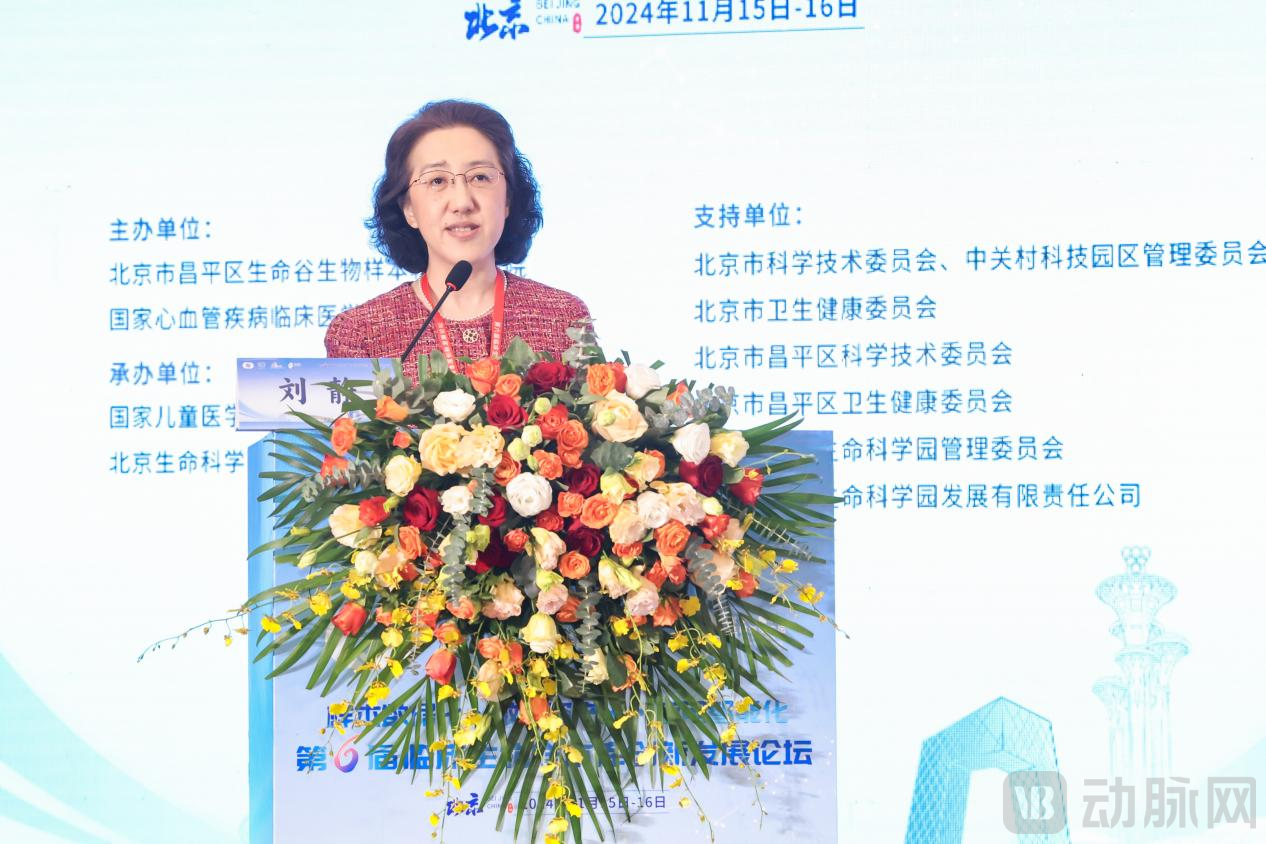
In the subsequent academic presentation, Deputy Director Liu Jing introduced explorations in biospecimens and drug development based on the China Multi-Provincial Cohort Study of Cardiovascular Disease (CMCS). She pointed out that cardiovascular disease is the leading cause of death globally, with mortality rates in China continuing to rise, while traditional drug development faces numerous challenges. The presentation highlighted innovative approaches to improving the success rate of new drug development, such as multi-omics technologies and AI-based protein structure prediction, emphasizing the critical role of cohort studies in this process. She provided a detailed overview of the background of the CMCS, its valuable resources from 30 years of follow-up, the academic achievements attained, and practical efforts in exploring cardiovascular drug targets based on this cohort.
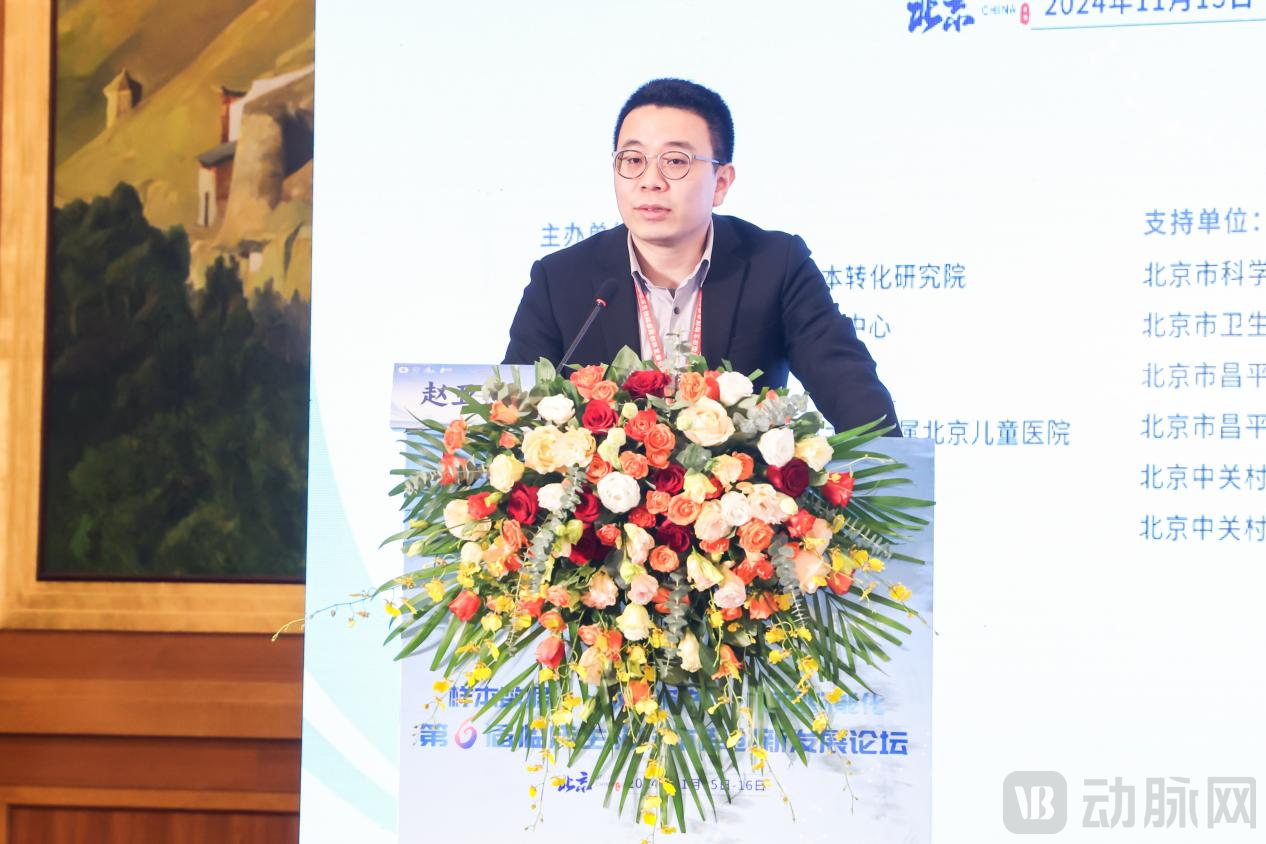
Researcher Zhao Yajie provided a detailed introduction to the critical role of cohort studies in drug development and the latest international advancements. He noted that the global trend is shifting toward multi-omics, with cohort studies serving as a key approach for identifying new drug targets. He cited several internationally renowned cohorts, elaborating on their applications and achievements in drug R&D. Additionally, he shared insights into the development experiences and data-sharing models of platforms such as the UK Biobank. Finally, he emphasized the driving force of large-scale cohort studies in future drug development and highlighted their broad prospects in the prevention and treatment of common diseases.
Vice President Yang Qi summarized his team’s neuroimaging research achievements in stroke over the past decade. He pointed out in his report that, as the leading cause of death and disability among adults, stroke presents numerous technical challenges for precise diagnosis and treatment, such as insufficient resolution in magnetic resonance vessel wall imaging of cerebral arteries and imaging of cerebral venous thrombosis. To address these issues, the team developed novel methods for high-resolution, rapid, large-coverage vessel wall imaging and an integrated approach for imaging venous blood flow and thrombosis, significantly improving image quality and diagnostic sensitivity. These techniques have not only been recommended by multiple medical centers both domestically and internationally but have also been successfully applied to guide the precise treatment of various complex clinical cases, and have been incorporated into relevant clinical practice guidelines.
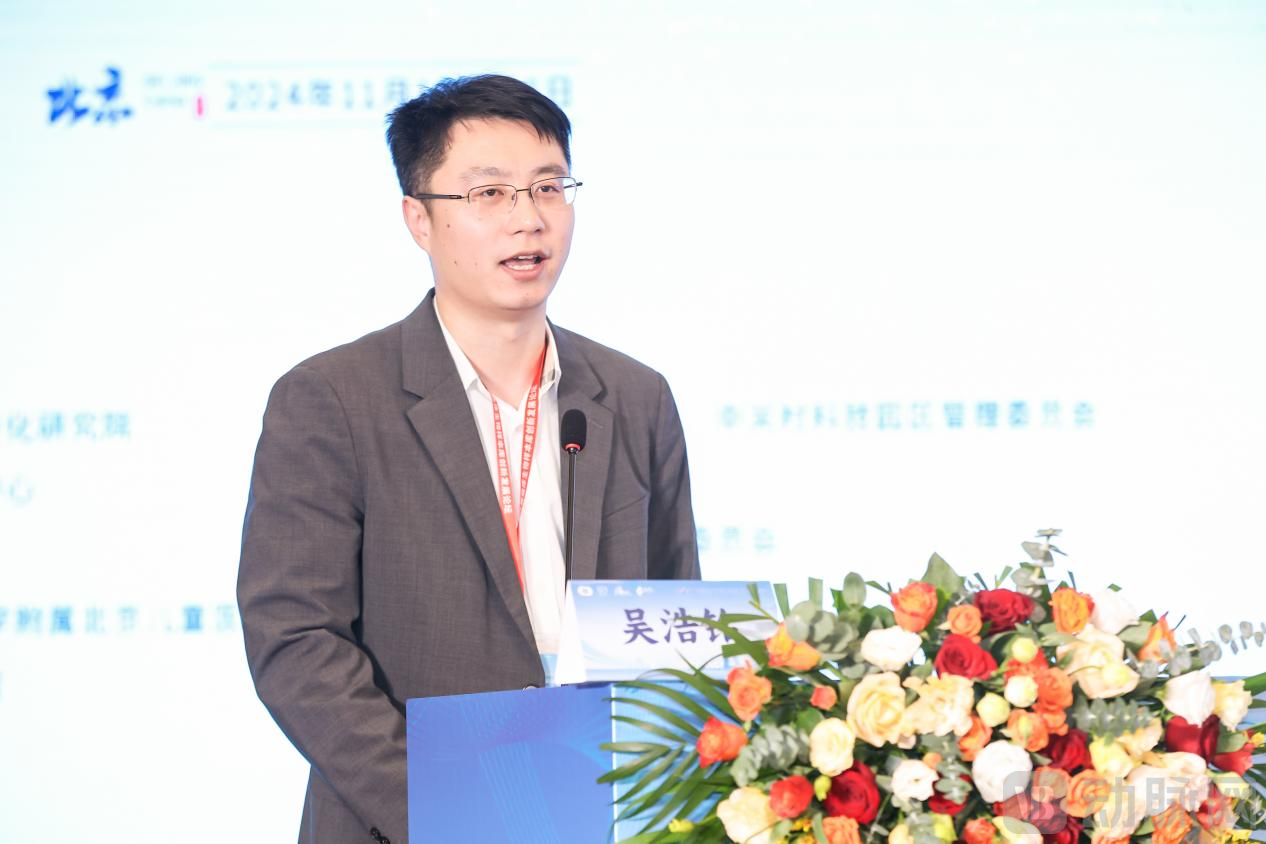
Director Wu Haoming stated that there is a significant gap between China’s Grade 3A hospitals and leading international medical institutions in the translation of scientific and technological achievements. Under the leadership of the Beijing Municipal Government, CICC conducted research on and drafted a pilot program for the translation of medical scientific and technological achievements in the capital, which was ultimately approved for implementation. He provided a detailed introduction to the establishment and operational models of the Huizhi Medical Achievement Translation Public Welfare Foundation and the Capital Huizhi Medical Scientific and Technological Achievement Translation Research Institute. Furthermore, the report outlined the Institute’s progress in building various infrastructure platforms and hosting salons fostering collaboration between pharmaceutical companies and medical technologies, as well as the Public Welfare Foundation’s acceptance of multi-party donations to support the translation of scientific and technological achievements.
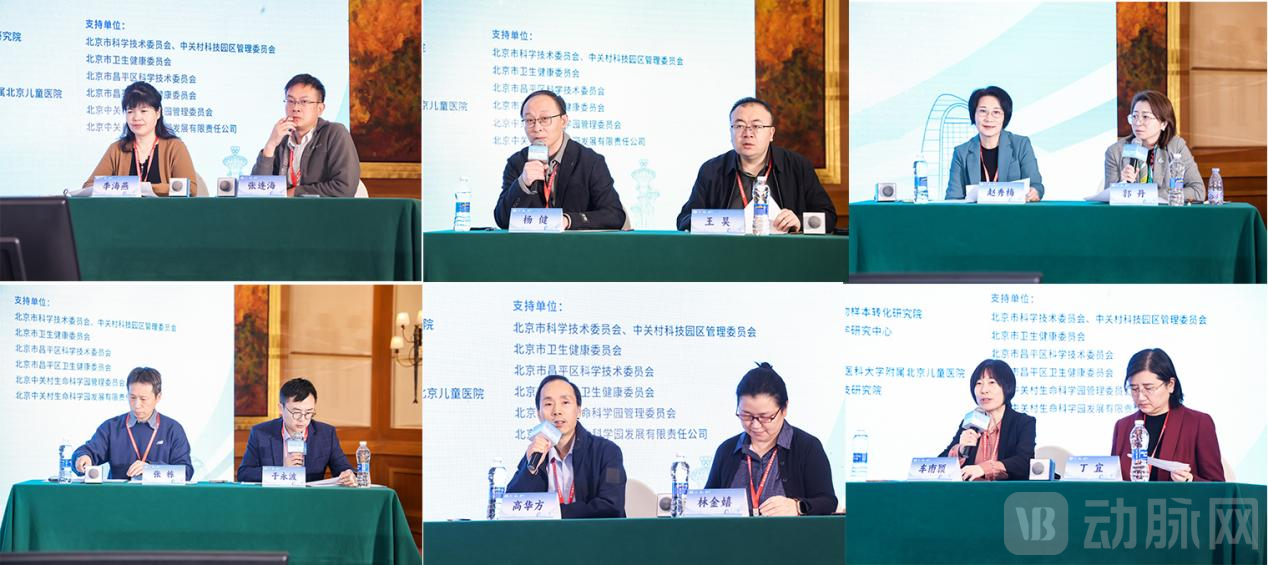
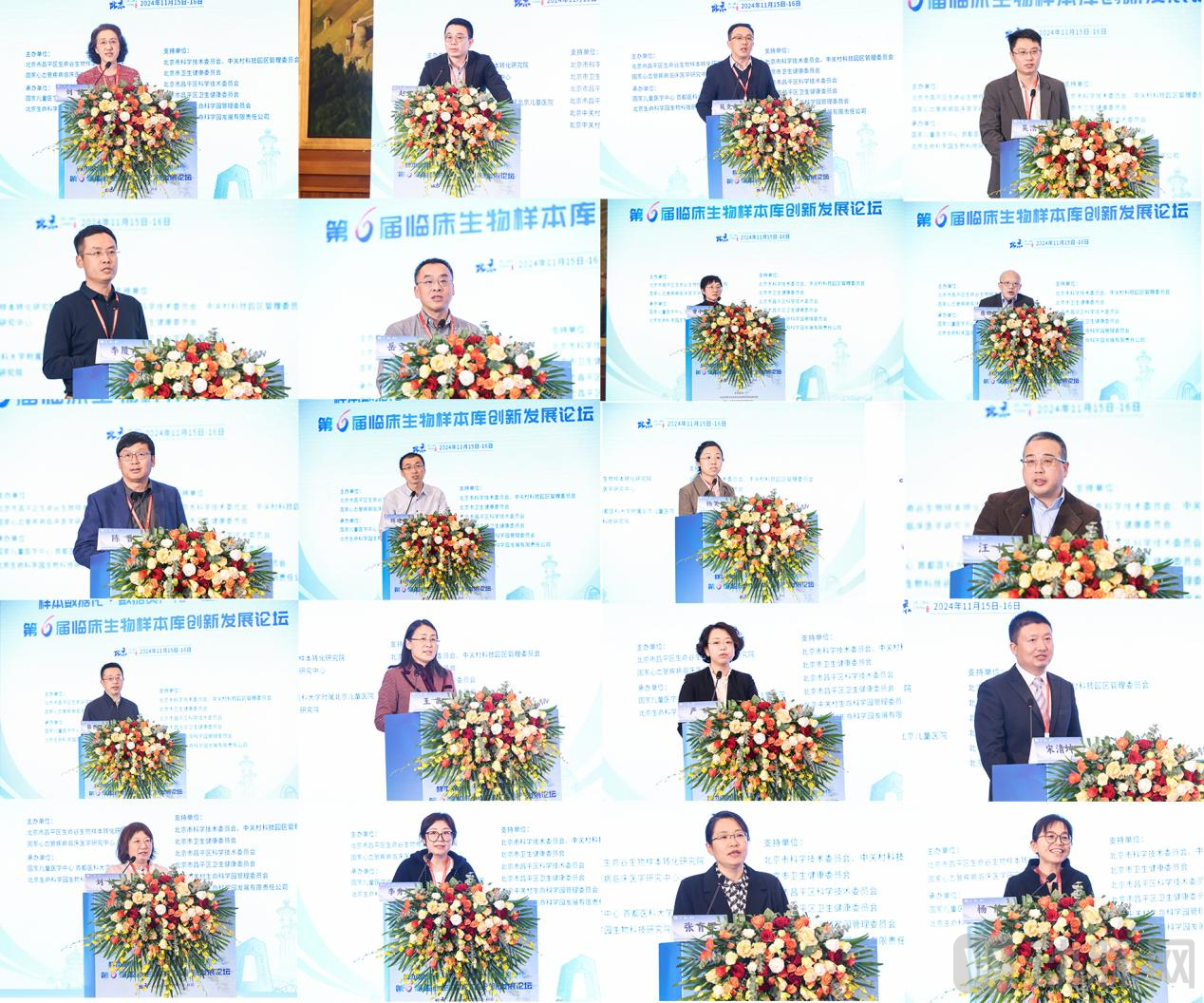
Furthermore, the conference featured a vibrant array of hot-topic discussions. Thematic reports on “Sample Development and Application,” “Major Projects and Technologies,” and “Standards, Quality, and Safety” were held sequentially throughout the event, with more than 30 experts and scholars sharing the latest academic advancements in their fields. These presentations not only covered cutting-edge theoretical explorations but also highlighted successful case studies and valuable insights from practical applications, offering attendees a rich feast of knowledge and profound inspiration. The conference not only deepened mutual understanding and collaboration among various stakeholders but also injected new vitality and momentum into the sustained and healthy development of related industries.
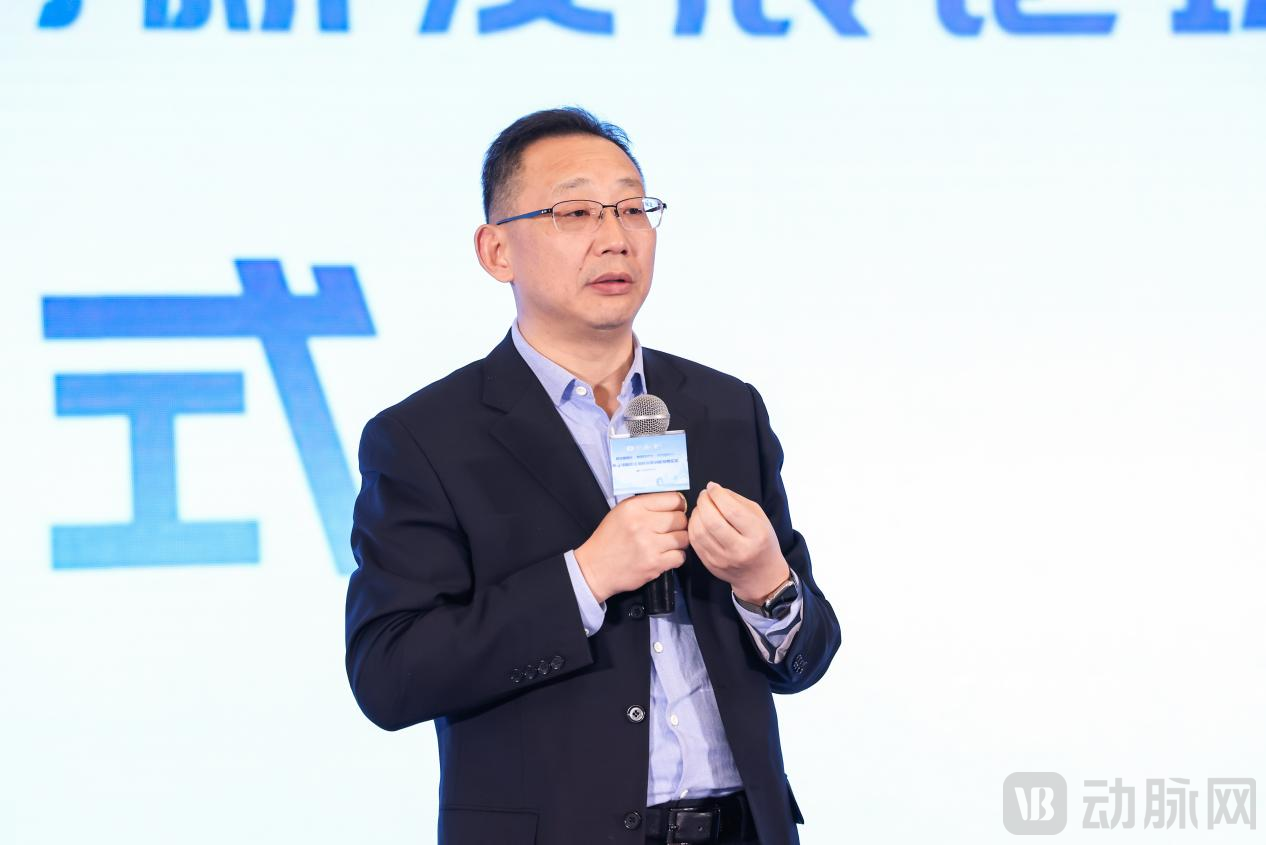
The closing ceremony was moderated by Zhang Lei, Dean of the Life Valley Biobank Transformation Research Institute in Changping District, Beijing. He emphasized the importance of innovation in selecting forum topics and pointed out that, despite the remarkable achievements already made in the field of life sciences, vast and profound unknowns still await our exploration and discovery. These unknowns represent not only challenges but also breed infinite possibilities and opportunities.
Looking ahead, the 7th Clinical Biobank Innovation and Development Forum will join hands with Peking University People’s Hospital to embark on a new chapter. This not only deepens and expands our past collaboration but also reflects our boundless aspirations for future cooperative potential. Dean Zhang Lei sincerely invites all attendees and industry colleagues to reunite next year, to witness more remarkable achievements in the life sciences, explore the unknown together, and co-create a brighter future.