

First Huaxi Proof-of-Concept Accelerator Completes Three Phases of Training to Enhance Commercialization Capabilities for Innovation Teams
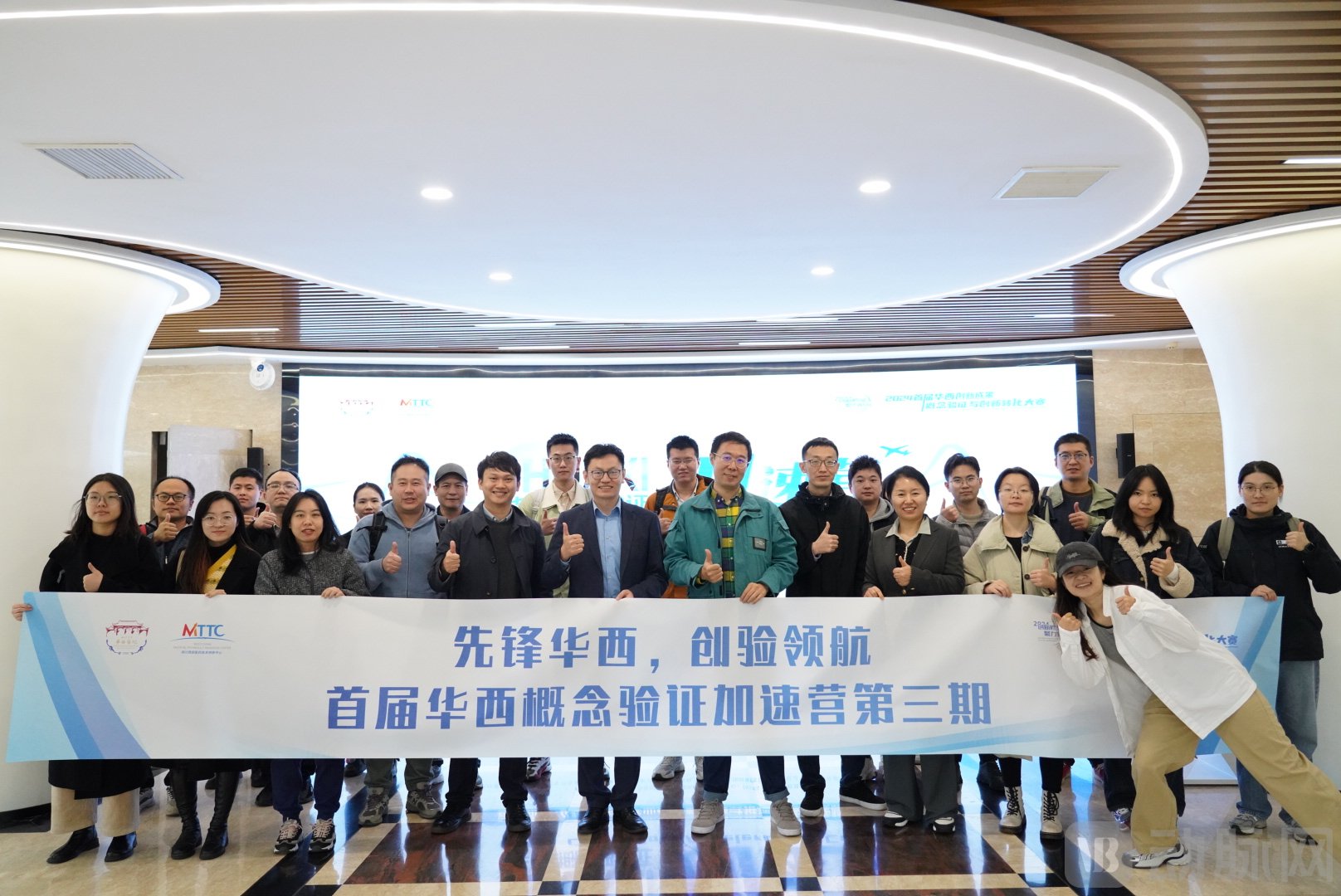
Recently, the three training sessions of the “1st West China Concept Validation Accelerator Camp,” jointly organized by West China Hospital of Sichuan University, the Western China Medical Technology Transfer Center, and the Sichuan Provincial Medical Science and Technology Education Center, were successfully concluded.
This Accelerator Camp aims to provide a comprehensive growth platform for research teams on the verge of industrialization that have achieved breakthroughs in technical principles. Through professional guidance and resource support offered by the Accelerator Camp, these teams can comprehensively evaluate and optimize their projects at an early stage, clarify the direction of technological application, uncover potential commercial value, and plan fund utilization rationally. This will accelerate the commercialization and industrial application of scientific and technological achievements, further promoting the critical “first mile” in the translation of scientific and technological outcomes.
The Proof-of-Concept Acceleration Camp training closely aligned with the main theme of the inaugural West China Proof-of-Concept Competition. Integrating industry-specific characteristics and development plans in the medical field, it featured a carefully curated curriculum covering commercialization analysis, business pathway planning, and other relevant topics. Through practical training, interactive learning, and other engaging formats, participants were deeply immersed in the experience. Ultimately, through collaborative efforts between student teams and mentor teams, preliminary project diagnostic reports, commercialization mind maps, industry and market analysis reports, and competitive analysis reports were completed, yielding substantial benefits.

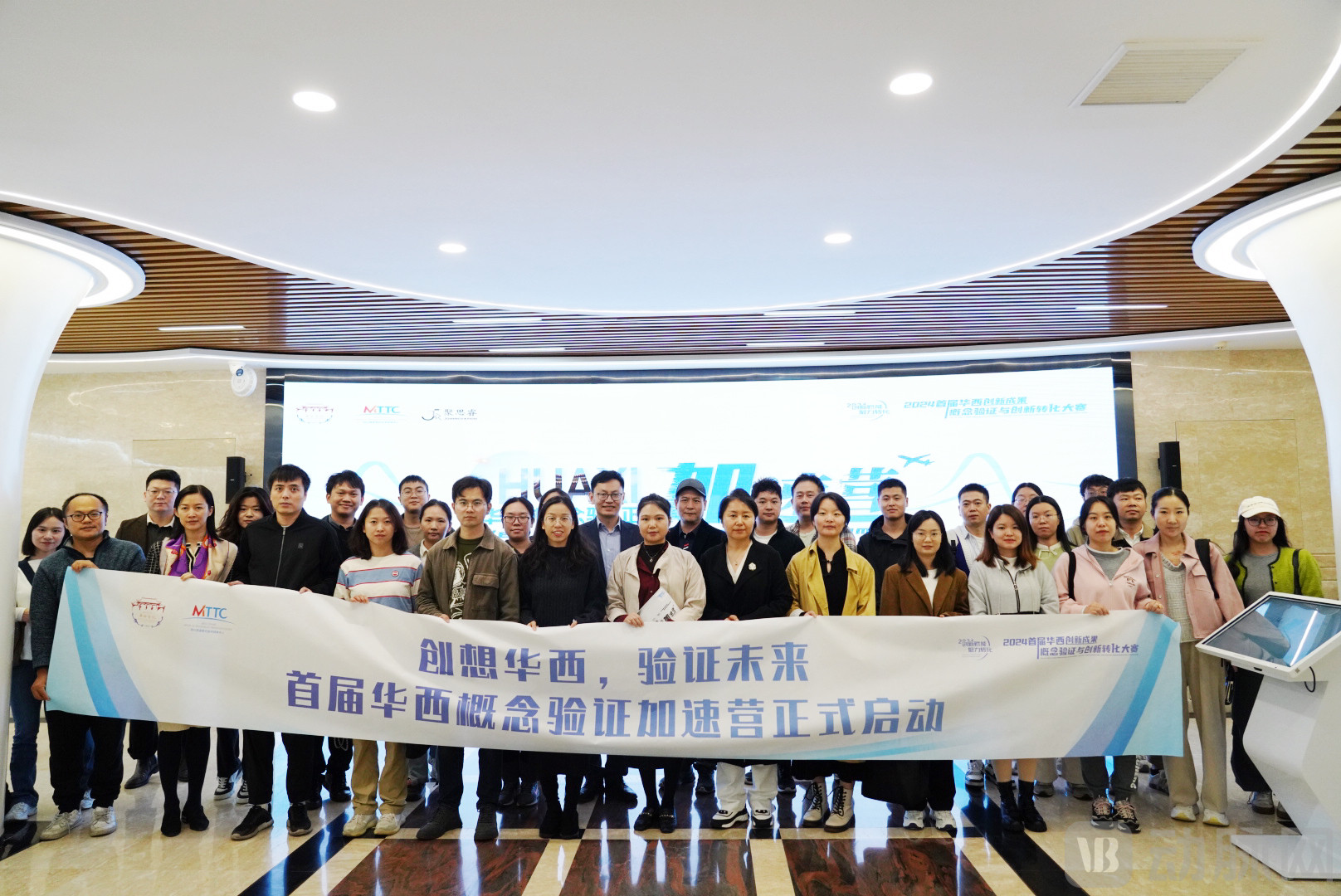
The course focuses on how to keenly identify commercial opportunities within scientific research achievements. Through the module “Reshaping the Core Value of Research: How Scientific Achievements Address Real-World Needs,” teams learn to apply the “Value Proposition Canvas” tool to scientifically evaluate and screen potential commercial opportunities, while actively engaging in discussions to validate these opportunities. This approach not only stimulates the team’s innovative thinking but also helps unlock the maximum commercial value of scientific research, laying a solid foundation for subsequent technology transfer and commercialization.
Core Content:
(1) How to Identify Needs
(2) How to Select Application Directions (Excessive Applications Make It Difficult to Focus and Determine Prospects)
(3) How to Ensure That the Practical Problems Addressed by Technology Applications Align with Market Demands

Selected Perspectives:
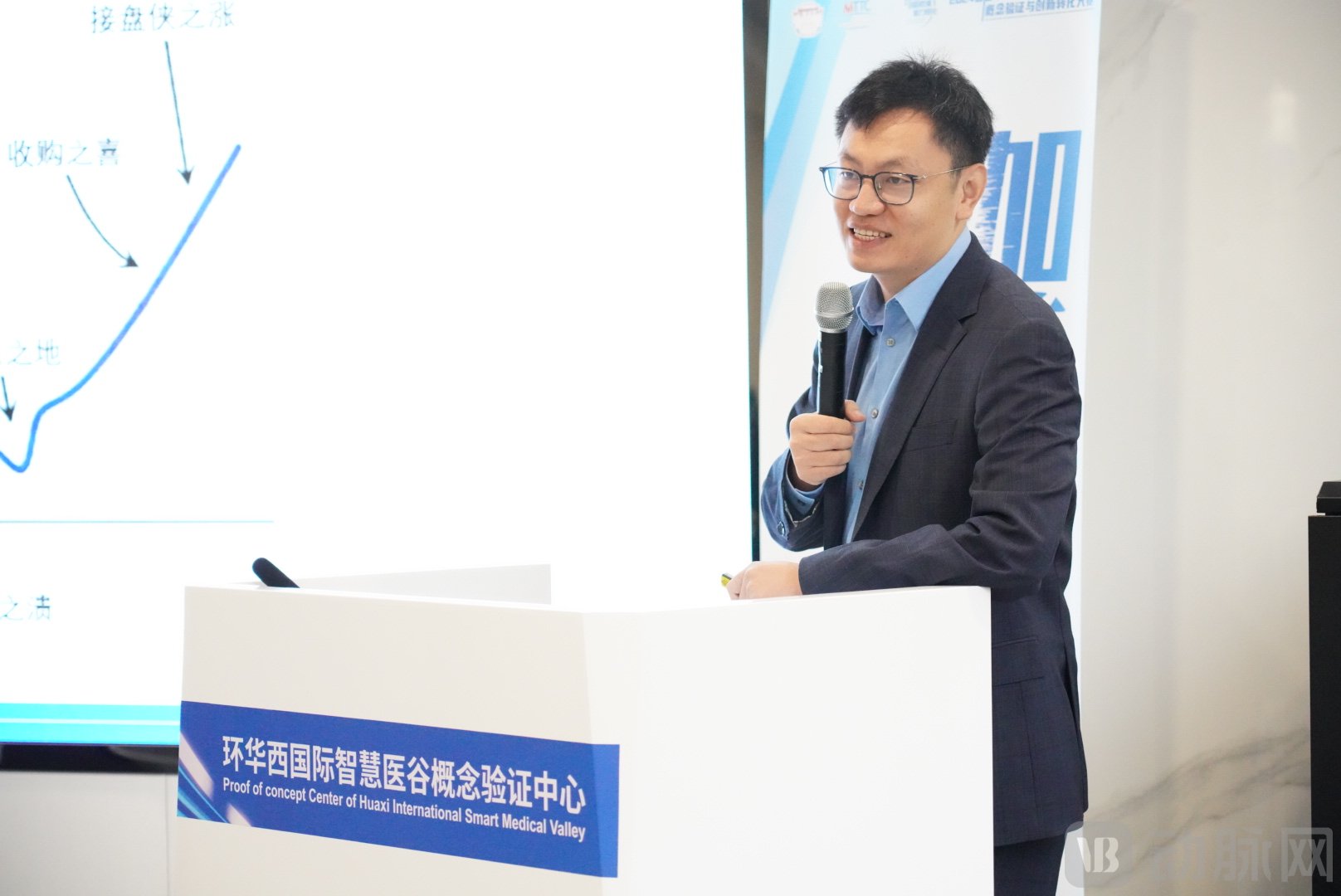
Zhang Han, General Manager of Juisi Rui International Technology Investment Co., Ltd.
1. Keep the business plan concise. A successful fundraising project should feature a focused application area, clear product roadmap, well-defined target market, and a transparent business model.
2. How should the initial funding of RMB 100,000–200,000 be utilized? It should be used to develop a robust project proposal, thereby securing larger follow-on funding.
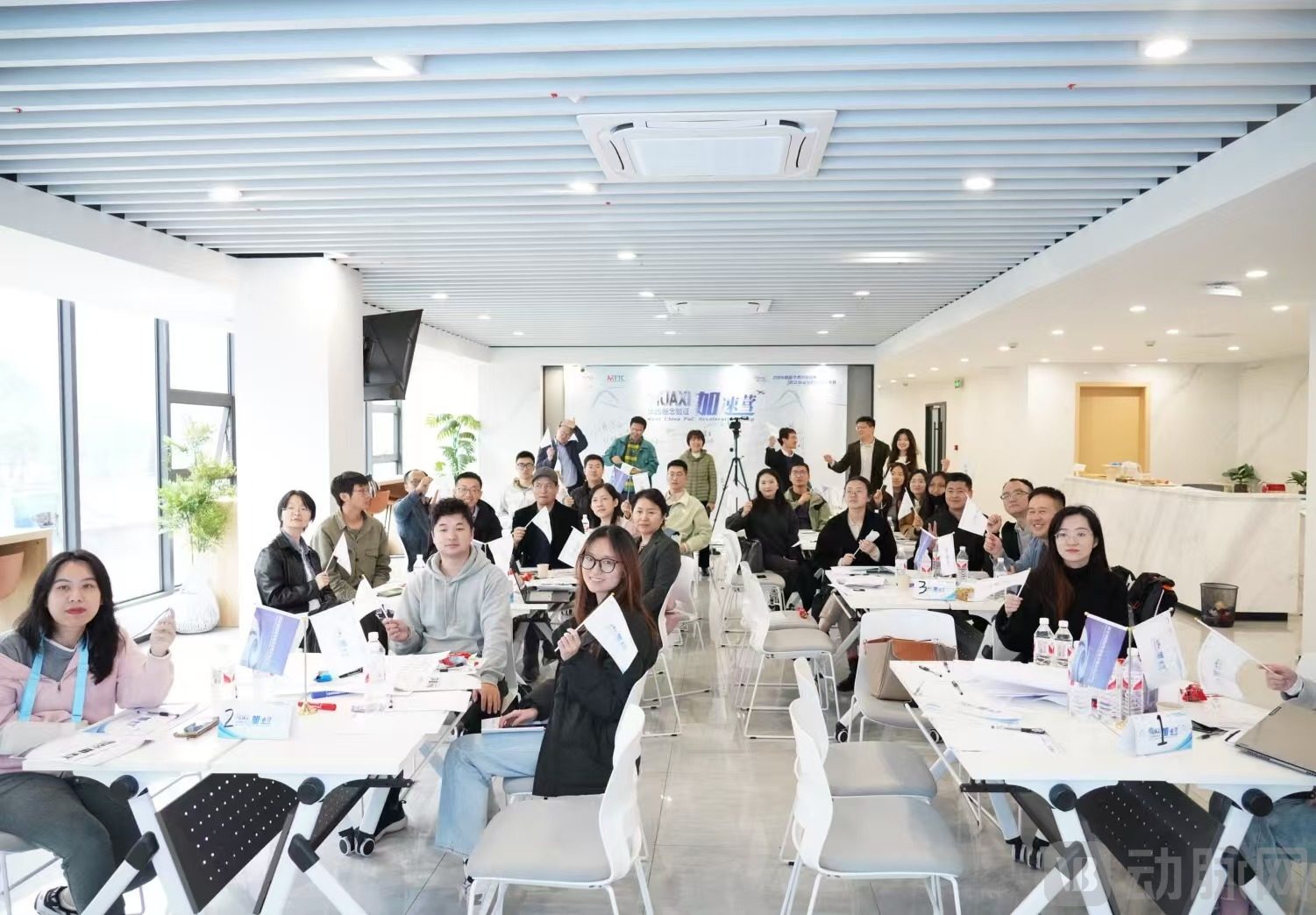
In the "Product Development Planning for Scientific and Technological Achievements" module of the Value Delivery section, the team delved into the theories and tools spanning from customer needs to product feature design. Participants mastered the core principles of Product-Market Fit, learned to precisely target niche markets, develop holistic product concepts, and build Minimum Viable Prototypes (MVPs). Through validation and discussion sessions, the team continuously refined their product development plans to ensure close alignment with market demands.
Core Content:
(1) How to Design Products Based on Needs to Avoid Product-Market Misalignment
(2) How to Build a Minimum Viable Product (MVP) with Minimal Resources
(3) How to Effectively Elicit Responses from Potential Clients
Selected Perspectives
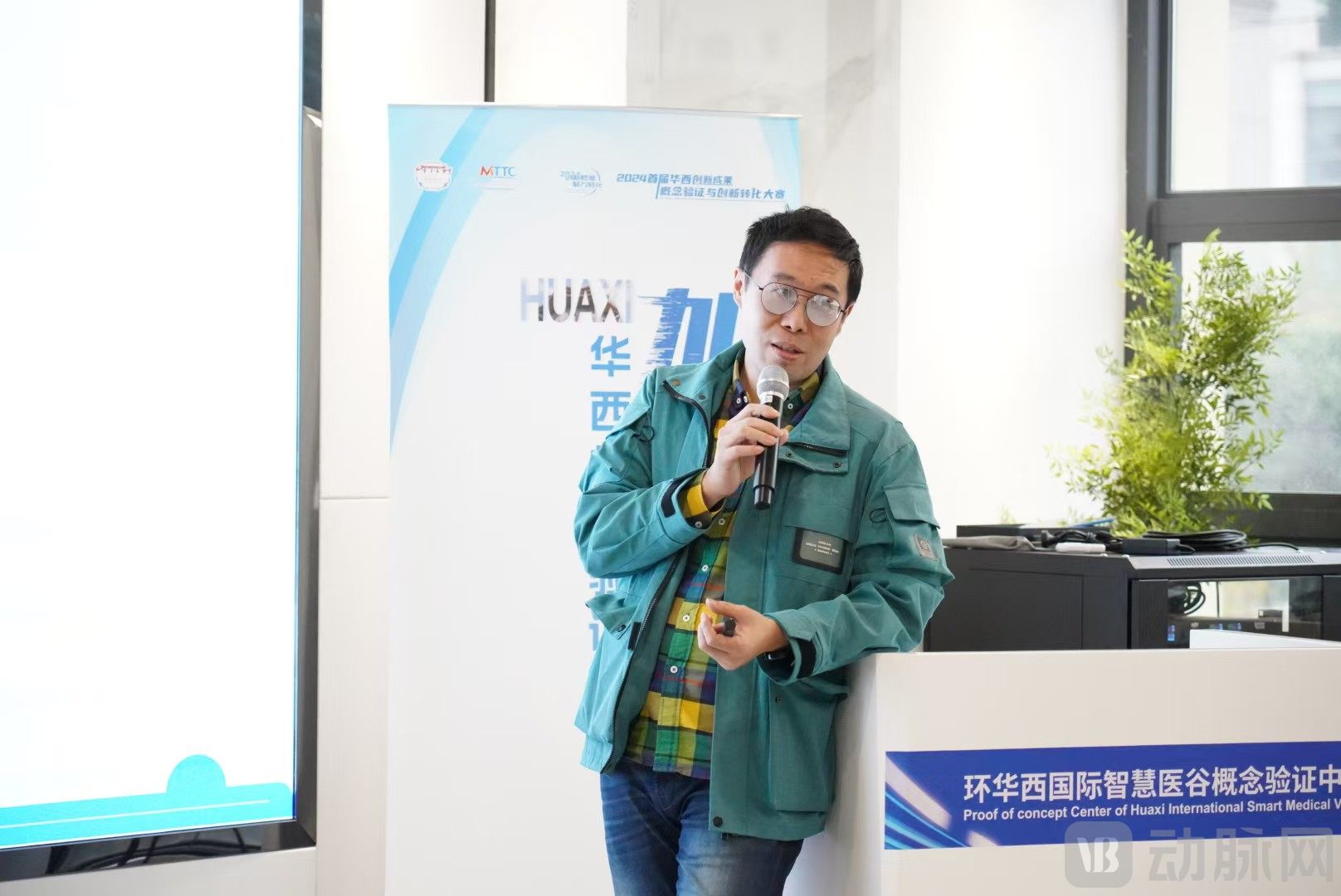
Wang Xiao, Mentor for Innovation and Entrepreneurship at Xi’an Jiaotong-Liverpool University International New Harbor
1. Through value proposition analysis, identify users' core needs and the product's core value, and translate the value proposition into specific product features.
2. From a product manager’s perspective, focusing on different market dimensions—broad market (what we want to do), narrow market (what we can do), and entry market (what we will do)—can help us outline the product form and commercialization plan during product definition, thereby enabling more precise planning of our Minimum Viable Product (MVP).
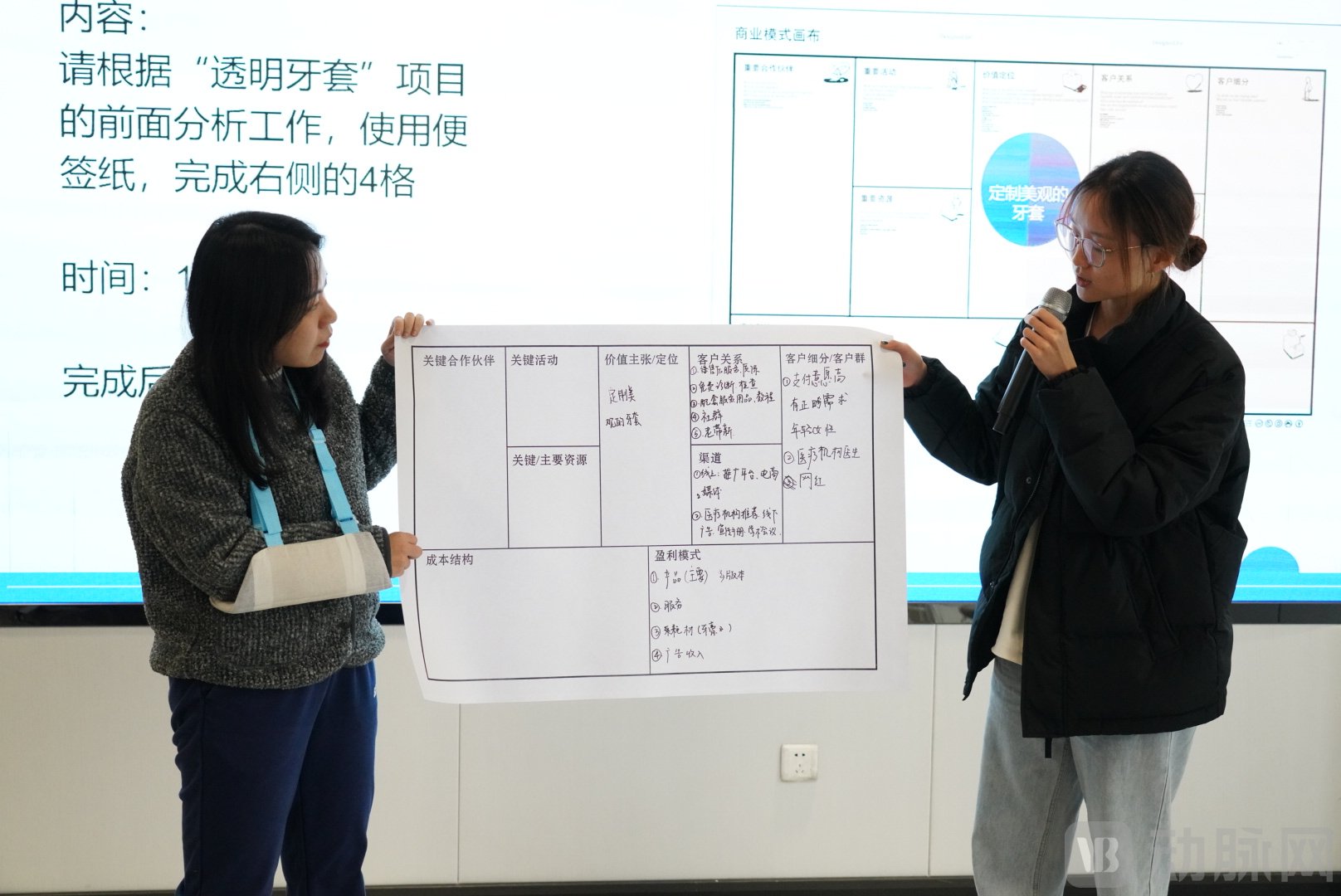
In the value realization phase, the course “Industrialization of Scientific and Technological Achievements: Business Model Deduction and Technology Transfer Planning” aims to equip teams with a comprehensive mastery of competitive market analysis and differentiation design methodologies. Participants will learn and practice hard-tech business model design methods—specifically the Business Model Canvas—to develop uniquely competitive business models. Additionally, the course provides an in-depth understanding of common pathways and planning strategies for technology transfer and commercialization, paving the way for the industrialization of scientific research outcomes.
Core Content:
(1) How to Build a Strong Business Model/Revenue Model
(2) How to Better Describe and Present the Business Plan of a Project
Selected Insights:
1. Key elements of a sound competitive strategy: clear focus, differentiated approach, and a coherent, credible theme.
2. The framework for constructing a business model requires comprehensive analysis: what to refrain from, what to pursue, and what is irreplaceable.
3. In selecting pathways and models for the commercialization of research achievements, effective energy management is essential to avoid becoming a mere contractor; carefully consider personal joint liability, as well as restrictive and exclusive clauses.
The Accelerator Camp training emphasizes practical exercises, organizing participants into groups to discuss diverse customer needs (such as those of farmers, transporters, and retailers), complete the Business Value Proposition Canvas, and deliver presentations. Through this approach, participants closely integrate theoretical knowledge with practical application, gaining a profound understanding of how to design commercially valuable products or services based on customer needs.
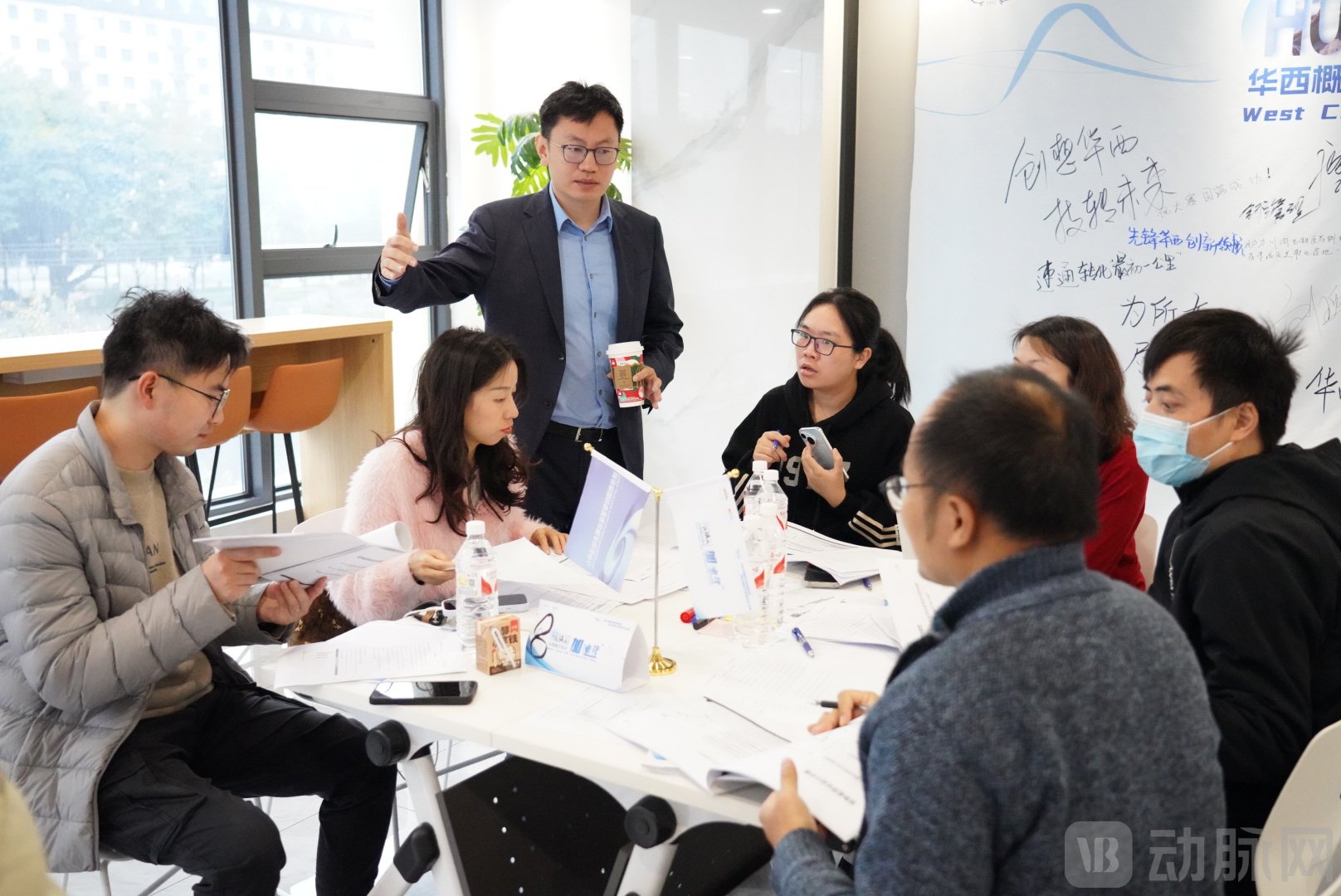
Furthermore, the training program incorporates a wealth of diverse case studies that illustrate successful experiences and challenges in the commercialization of scientific and technological achievements from multiple perspectives. These cases not only provide valuable references for participants but also stimulate their innovative thinking, guiding teams to avoid similar pitfalls in actual projects and thereby enhancing the success rate of technology transfer.
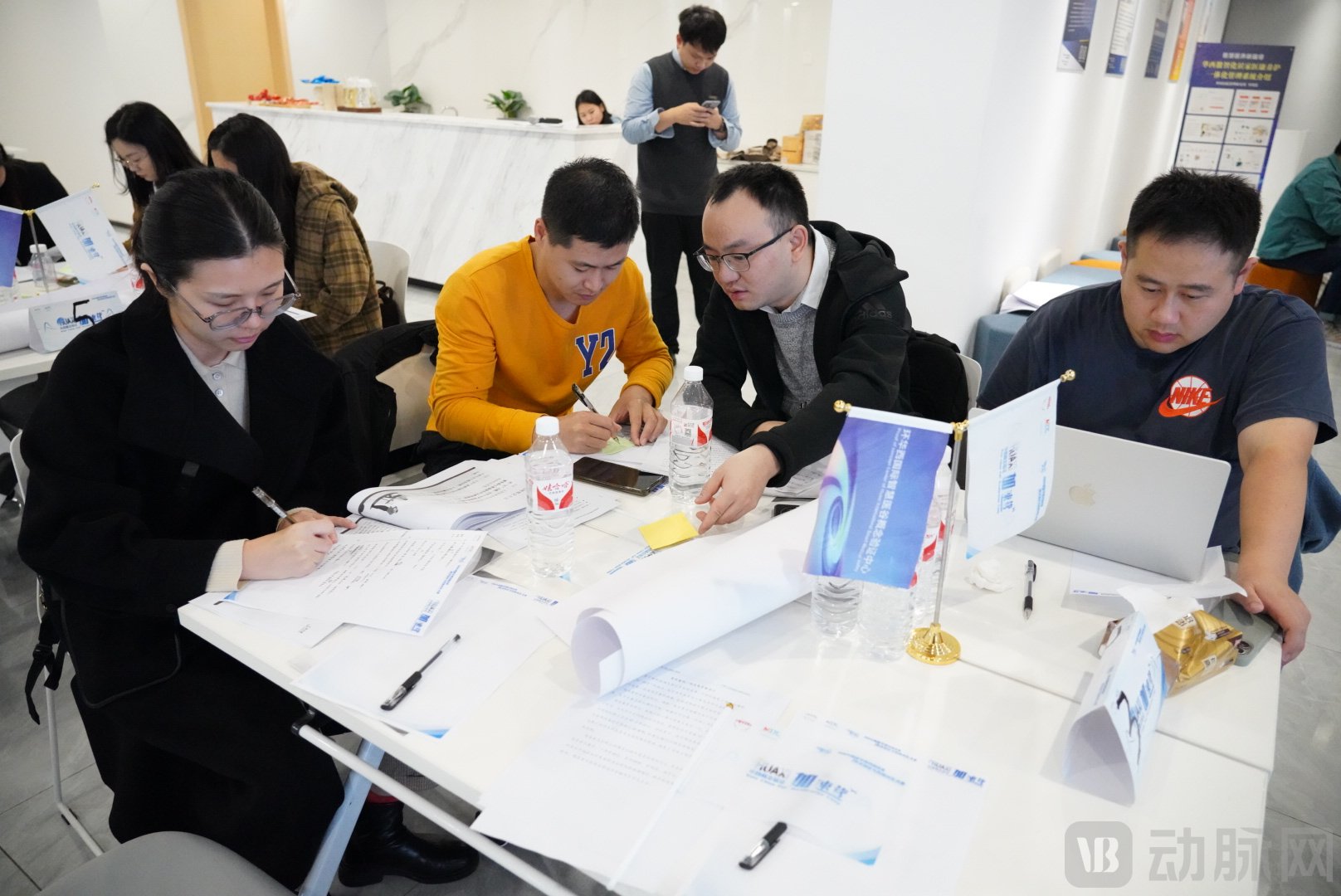
Furthermore, in the market segmentation exercise, participants conducted an in-depth analysis of supermarket products based on segmentation criteria, expanded marketing variables, and combined them to define distinct market segments. Team-based competitions further stimulated the participants’ enthusiasm and creativity.
The successful hosting of this accelerator program has injected new vitality into the proof-of-concept phase for technological achievements in the medical field and the development of innovative teams. Through systematic coursework, practical exercises, and expert guidance, research teams have achieved comprehensive improvements in business planning strategies, industry implementation resource matchmaking, and service support.
In the upcoming finals of the Proof-of-Concept Competition, we encourage the finalist teams to fully showcase what they have learned and gained during the accelerator program. By closely integrating innovative concepts with practical applications, they should present projects that demonstrate high commercial value and significant social impact, thereby injecting new momentum into the advancement of the healthcare industry and writing a new chapter in the translation of medical scientific and technological achievements into real-world outcomes.
In the future, the Western Sichuan Medical Technology Transfer Center will focus on key stages such as screening, evaluation, incubation, validation, and empowerment of medical scientific and technological achievements. Leveraging its knowledge system and practical experience accumulated through long-term industry engagement, the Center will concentrate on technical and commercial validation within the proof-of-concept process. It will continuously develop a more in-depth, interactive, and practice-oriented empowerment and training system for proof-of-concept activities in the medical field, thereby producing a comprehensive set of knowledge graphs and operational guidelines to accelerate the implementation of medical scientific and technological achievements. Based in Chengdu, extending its influence across the Chengdu-Chongqing region, and serving the entire country, we will fully integrate all-factor resources in the medical sector, accelerate the exploration of empowerment mechanisms for proof-of-concept activities and operational mechanisms for resource collaboration platforms, and create a demonstrative effect.