

Biotech Goes Global: How Chinese Innovators Are Sailing on the Tailwinds of Saudi Arabia's Vision 2030

AstraZeneca
Pharmaceutical Technology Research and Development Provider
On the global map of pharmaceutical innovation, China is emerging at an unprecedented speed and scale. Numerous companies have not only achieved remarkable success in the domestic market but are also turning their attention overseas, actively seeking global collaborations and market expansion.
On November 12, the National Health Commission held a symposium with pharmaceutical companies in Beijing, encouraging them to serve as bridges for Sino-foreign exchanges, supporting domestic enterprises in “going global,” promoting international cooperation, and achieving win-win outcomes.
As the largest pharmaceutical market in the Middle East and China’s top trading partner in the region for consecutive years, Saudi Arabia—with its abundant resources, dynamic economic environment, and sustained growth in the healthcare market—offers extensive opportunities for global enterprises. The surge in Chinese companies expanding into Saudi Arabia over the past two years serves as the strongest testament to the market’s potential.
In the face of this blue ocean, how can Chinese enterprises break through cultural barriers and differences in the business environment to seize opportunities and cultivate a second growth curve?
On January 1, 2024, Saudi Arabia became an official member of the BRICS nations. The synergy between the Belt and Road Initiative (BRI) and BRICS underscores the increasingly close exchanges and cooperation between China and Saudi Arabia, as well as their vast potential for collaboration across multiple sectors.
In 2016, Saudi Arabia unveiled “Vision 2030,” an initiative aimed at reducing oil dependence, achieving economic diversification, and explicitly positioning healthcare as a core pillar of national development. For Saudi Arabia, which seeks to localize its biotechnology industry chain, Chinese medical enterprises are highly sought-after partners.
From November 10 to 12, the 2024 3rd Riyadh Global Medical Biotechnology Summit (RGMBS) was successfully held in Riyadh, the capital of Saudi Arabia. As one of Saudi Arabia’s highest-level government platforms, RGMBS aims to promote international exchange and cooperation, introduce high-quality industrial resources, and drive Saudi Arabia’s emergence as a global hub for biotechnological innovation.
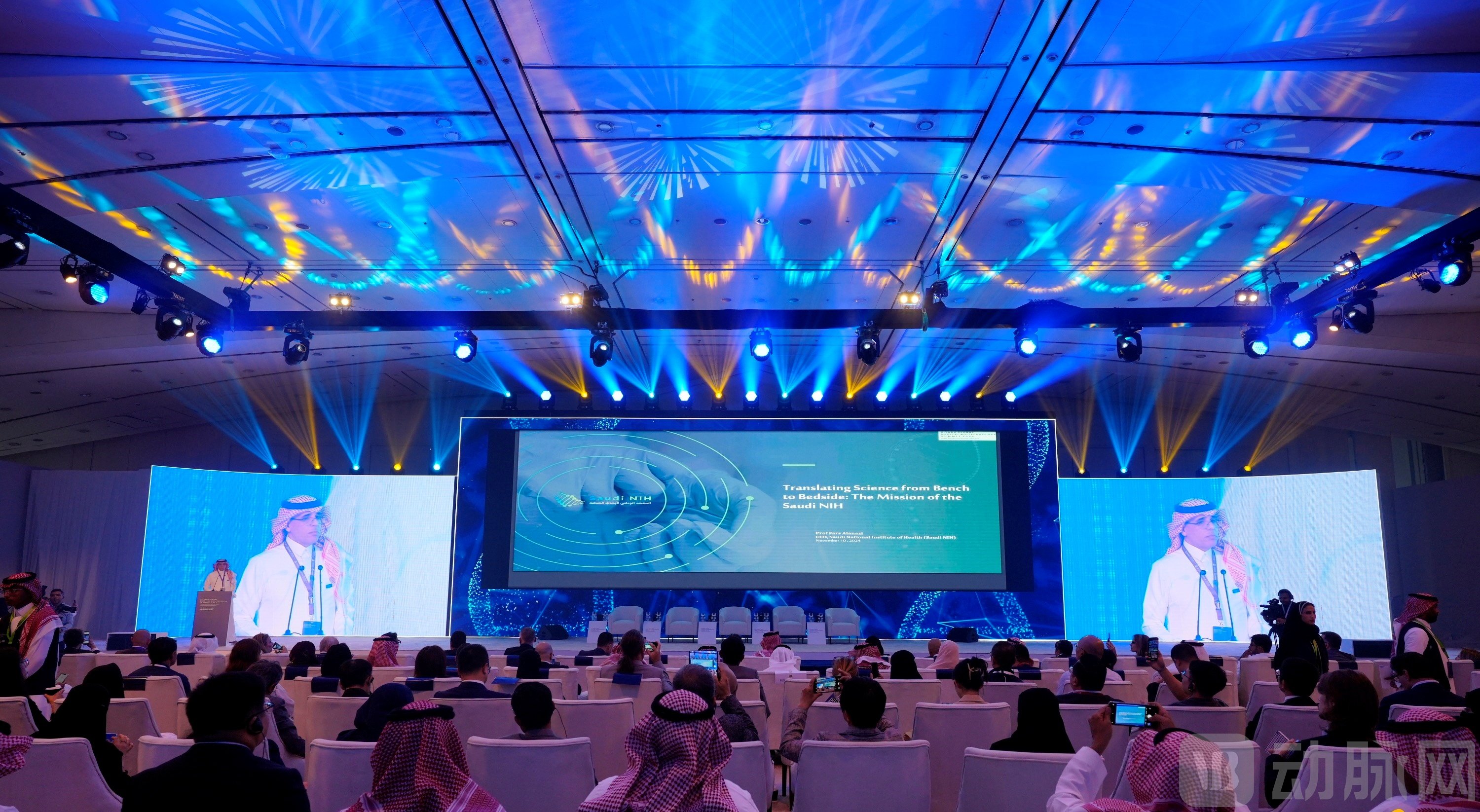
At this RGMBS, “Chinese Innovation” is undoubtedly a keyword.
As a key partner of this summit, AstraZeneca, in collaboration with the China Pharmaceutical Innovation Promotion Association (PhIRDA), jointly organized an international exchange event, leading nearly 70 Chinese enterprises, industry associations, research institutions, universities, and funds to attend and exhibit at the conference in Saudi Arabia.Set a new record for the largest participation of Chinese enterprises and institutions in the history of RGMBS. Chinese companies and organizations made their presence felt through forum speeches, cooperation signings, roadshows, and exhibition booths, contributing numerous highlights.
Representatives from Simcere Pharmaceutical, BGI Genomics, Diyingjia, and CICC Capital attended multiple sub-forums as guest speakers to share stories of innovation in China. During the “Demo Day Roadshow,” companies including Wisegen, Anxu Yuan, Luojia Yunmai, and Dymind presented their innovative achievements to more than 70 Saudi investment institutions.
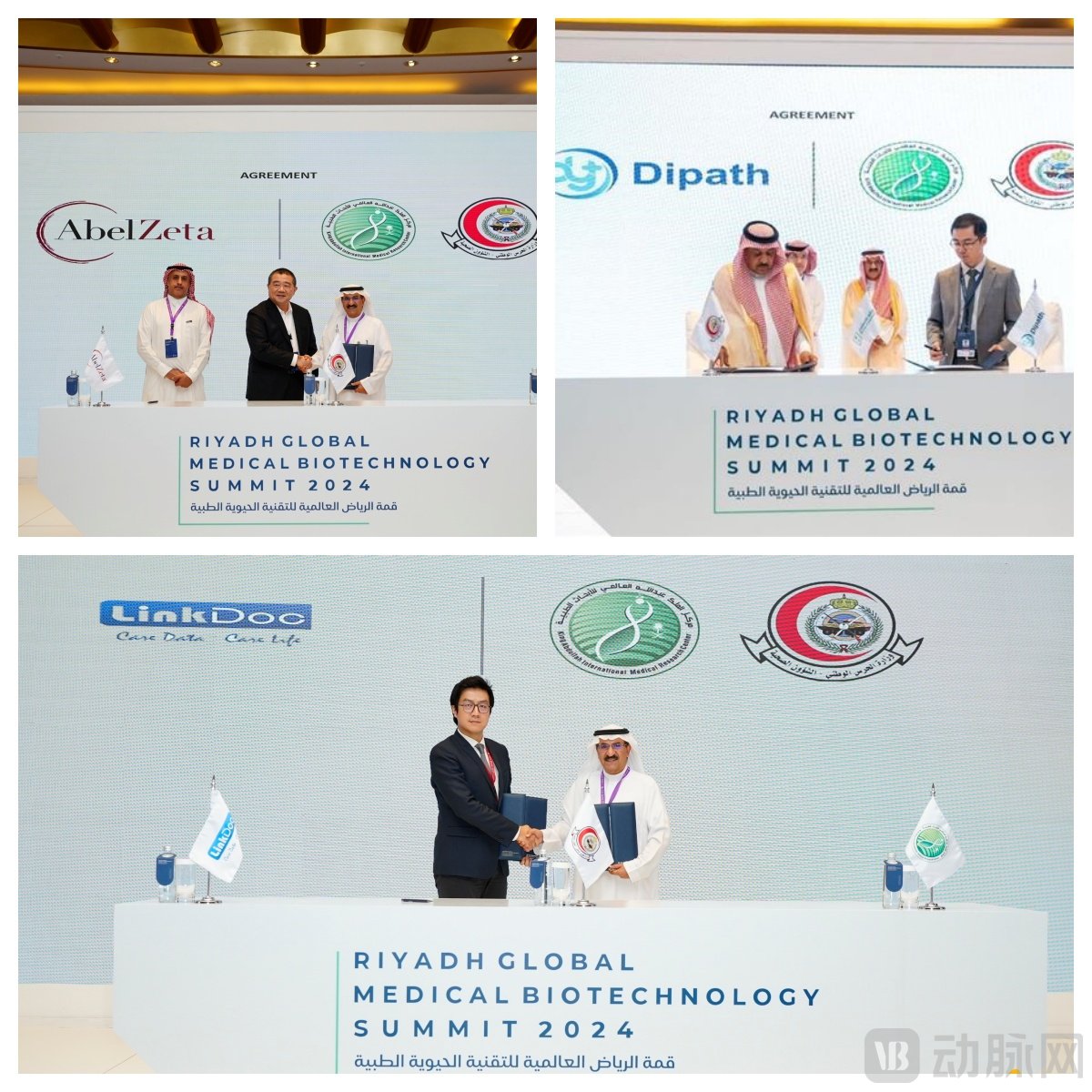
Meanwhile, collaborations based on medical innovation and commercial implementation are continuously emerging.Lingke Technology, CytoMed Therapeutics, and Dyingjia Technology have each signed strategic cooperation agreements with the King Abdullah International Medical Research Center (KAIMRC) and the Ministry of the National Guard – Health Affairs (MNGHA) in Saudi Arabia.
In addition,The summit also set up exclusive booths for Chinese enterprises in the central exhibition area, leveraging exhibitions to boost production and facilitate the global expansion of Chinese innovation.”, landing in the Middle East.Eight Chinese enterprises, including Zhizhong Medical, Baihong, Haier Medical, Zhishan Weixin, Xingkangyuan, Ruidi Biotech, Weisijin, and Qingying Medical, exhibited at the event and engaged with potential partners from around the world to explore collaboration opportunities.
Leveraging overseas conferences and using exhibitions to drive production are becoming the optimal solution for China to test new markets.
From the perspective of industrial development, Chinese biopharmaceutical companies expanding overseas need to have a deep understanding of local market demand, policies, supply chains, distribution channels, investment, and other aspects. Only by joining forces can they build a sustainable overseas expansion chain and share in the market dividends.
AstraZeneca, with over three decades of deep roots in China, is building bridges for international exchange to help Chinese innovative enterprises and their achievements “go global.”
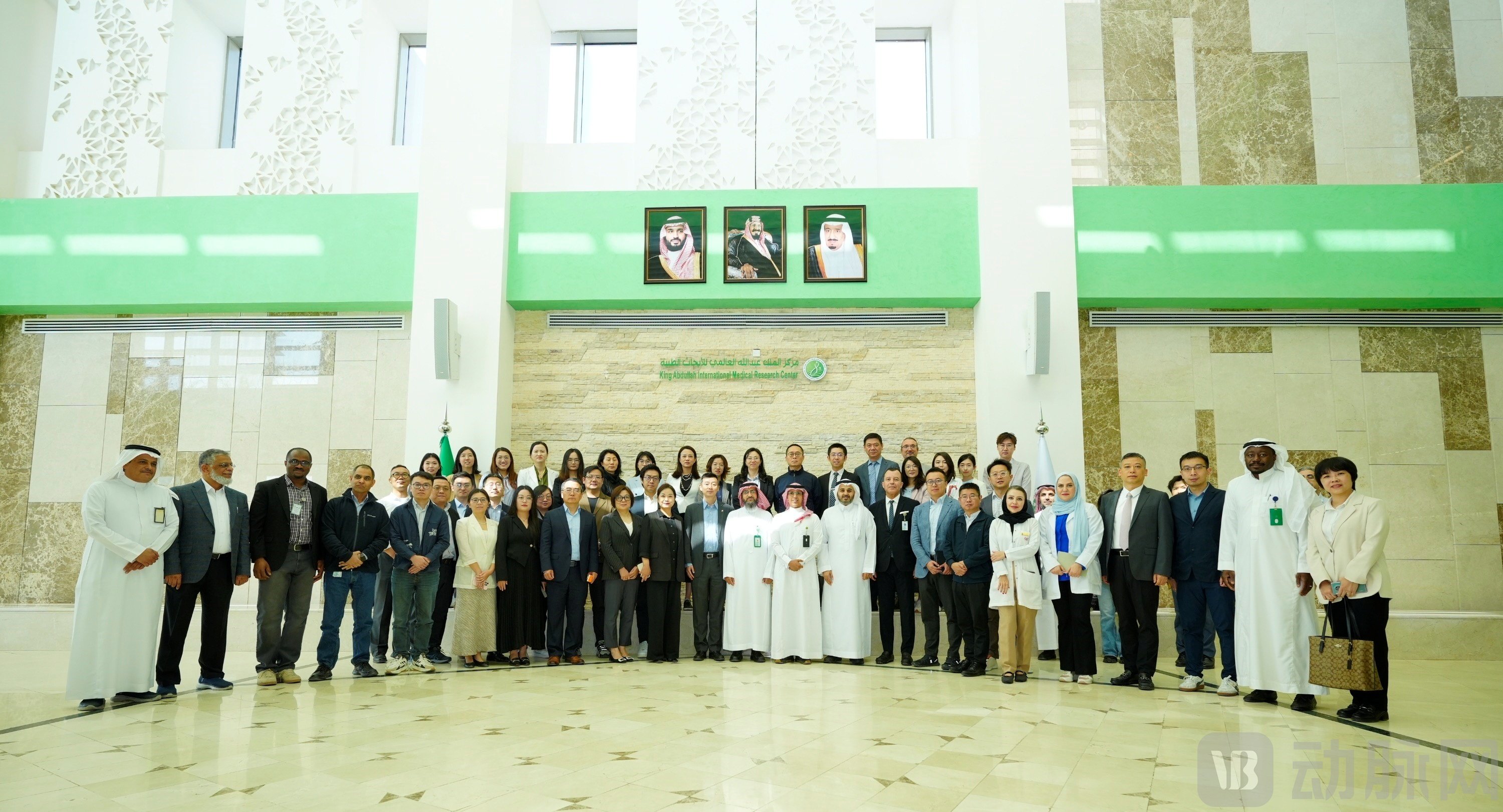
During RGMBS, with the support of AstraZeneca and the China Pharmaceutical Innovation Promotion Association, more than 30 Chinese enterprises and institutions, including LinkDoc Technology and Guangzhou Laboratory, conducted field visits to engage with key stakeholders in Saudi Arabia across government, industry, academia, research, healthcare, and investment sectors.
The corporate delegation held separate meetings with representatives from government agencies and local enterprises, including the King Abdullah International Medical Research Center (KAIMRC), King Saud bin Abdulaziz University for Health Sciences (KSAU-HS), King Fahad National Guard Hospital, the Local Content and Government Procurement Authority (LCGPA), the Saudi Food and Drug Authority (SFDA), and the Saudi Pharmaceutical Industries and Medical Appliances Corporation (SPIMACO). The discussions aimed to explore the actual demands of the local healthcare market in Saudi Arabia and delve into cooperation opportunities in the medical field.
This will not only help enhance the position of Chinese medical innovation enterprises in the global healthcare industry chain, but also inject new momentum into building a mutually beneficial and win-win international medical trade cooperation between China and Saudi Arabia.
Prior to this, leveraging AstraZeneca’s global network, more than 130 Chinese biopharmaceutical innovation enterprises successfully expanded into emerging markets such as Brazil and the Middle East, with over ten Chinese companies having established a presence or reached cooperation intentions in multiple global markets.
Not limiting itself to emerging markets with large populations and strong economic growth momentum, AstraZeneca is also actively expanding into developed markets such as the UK and Japan, closely integrating local R&D and innovation resources with the industrialization capabilities of Chinese enterprises to expand the international health innovation ecosystem.
AstraZeneca’s role in China has evolved beyond that of an importer of innovative drugs; it is now a partner facilitating the global expansion of Chinese healthcare innovation.
“Empowerment” is the keyword for AstraZeneca in supporting the local and international development of innovation in China.
Since 2017, AstraZeneca has joined hands with cross-sector partners from government, industry, academia, research, healthcare, and investment to build an innovation “troika” comprising the China Center of Innovation for Healthcare (CCiC), the International Life Science Innovation Park (iCampus), and the AstraZeneca-CICC Healthcare Industry Fund. By fostering openness and integration, this initiative actively promotes extensive exchange, cooperation, and innovative development within the broader health industry ecosystem.
In 2019, the first iCampus in China opened and began operations in Wuxi, officially launching the model of AstraZeneca partnering with the government to empower industrial innovation.iCampus leverages regional industrial and technological strengths to create an integrated incubation and innovation platform for innovative enterprises, covering early-stage R&D in the life sciences, innovation incubation, achievement commercialization, intelligent showcases, and professional services.
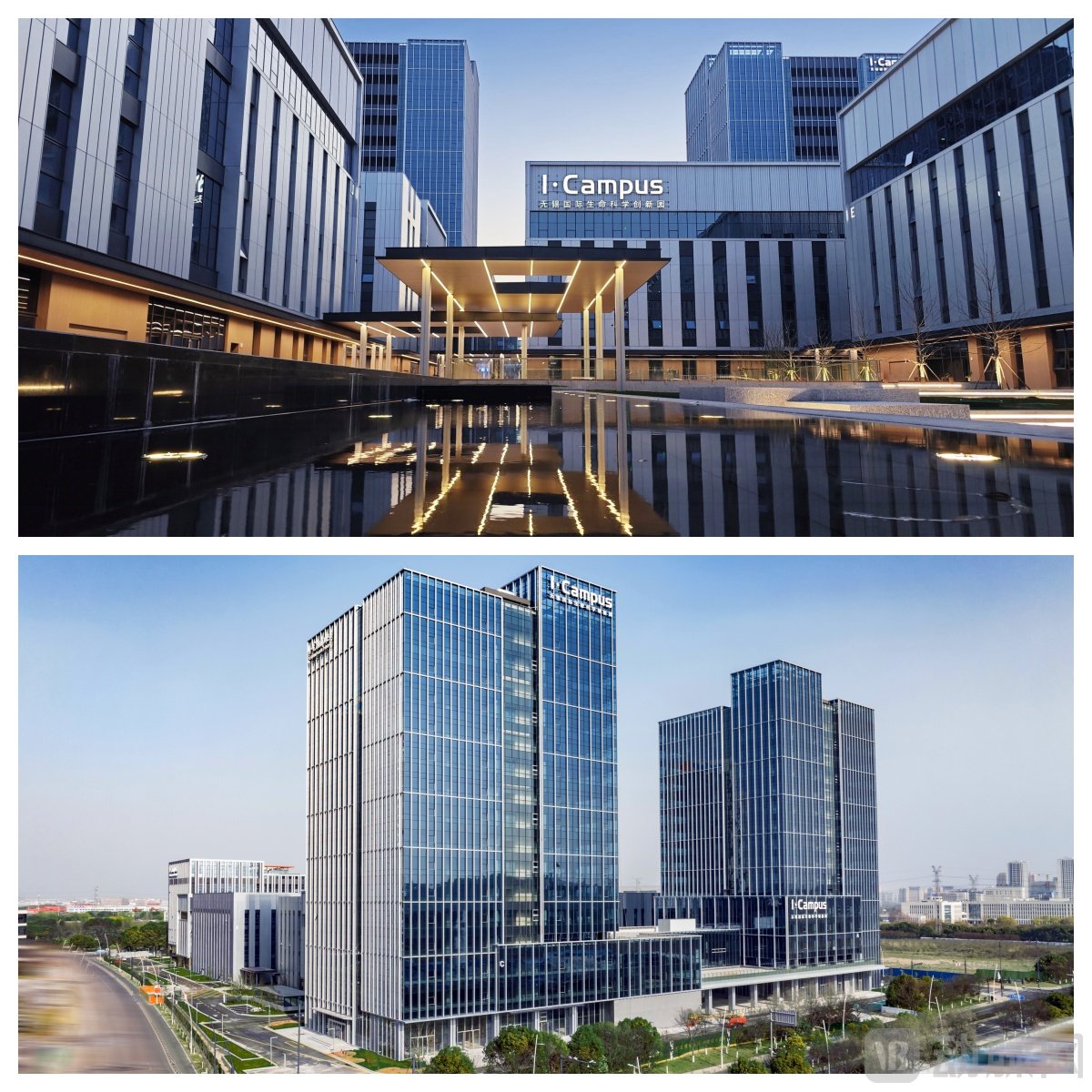
Over the past five years, iCampus has established a presence in nine core cities—Wuxi, Beijing, Shanghai, Hangzhou, Chengdu, Guangzhou, Qingdao, Hong Kong, and Yixing—forming a multi-regional, collaborative innovation ecosystem for life sciences. With more than 170 companies stationed in its parks, including listed companies, pre-IPO enterprises, and unicorns, iCampus has helped foster regional industrial innovation clusters.
Meanwhile, iCampus has diversified its platform model by establishing a one-stop technology transfer platform that connects park enterprises with clinical innovative technologies to facilitate the translation of clinical research achievements. In collaboration with the government, it has launched the iCampus Fund, leveraging the “Fund + Park” model to empower innovative enterprises through capital. By engaging in industry-academia-research partnerships with experts and academicians, iCampus has established the Metabolic Diagnosis and Treatment Integrated Industrial Park (MCampus) and the Breast Diagnosis and Treatment Integrated Industrial Park (BCampus). This creates an innovation model driven by both “clinical practice and industry,” fostering vertical disease-specific industrial clusters to ultimately benefit a broader patient population.
In May this year, AstraZeneca and Saudi Arabia’s KAIMRC jointly announced a China-Saudi healthcare collaboration, promoting the implementation of the iCampus model in Saudi Arabia. This initiative aims to bring China’s proven expertise to Saudi Arabia while creating a fast track for Chinese enterprises to access the Middle East market.
As going global has become an imperative of the times, AstraZeneca, with science and innovation at its core, is building a multi-level, multi-dimensional bridge for international expansion, serving as the “east wind” that propels Chinese innovations to set sail and venture far.
On the path toward the future of global health, Chinese medical innovation enterprises are leading the transformation and progress of the global pharmaceutical industry with greater openness and more determined strides.