VBEF x IHM | 2024 Medical Device Park Roadshow Series (Guangzhou Station) Successfully Concluded

VCBeat
Internet Medical Health Media
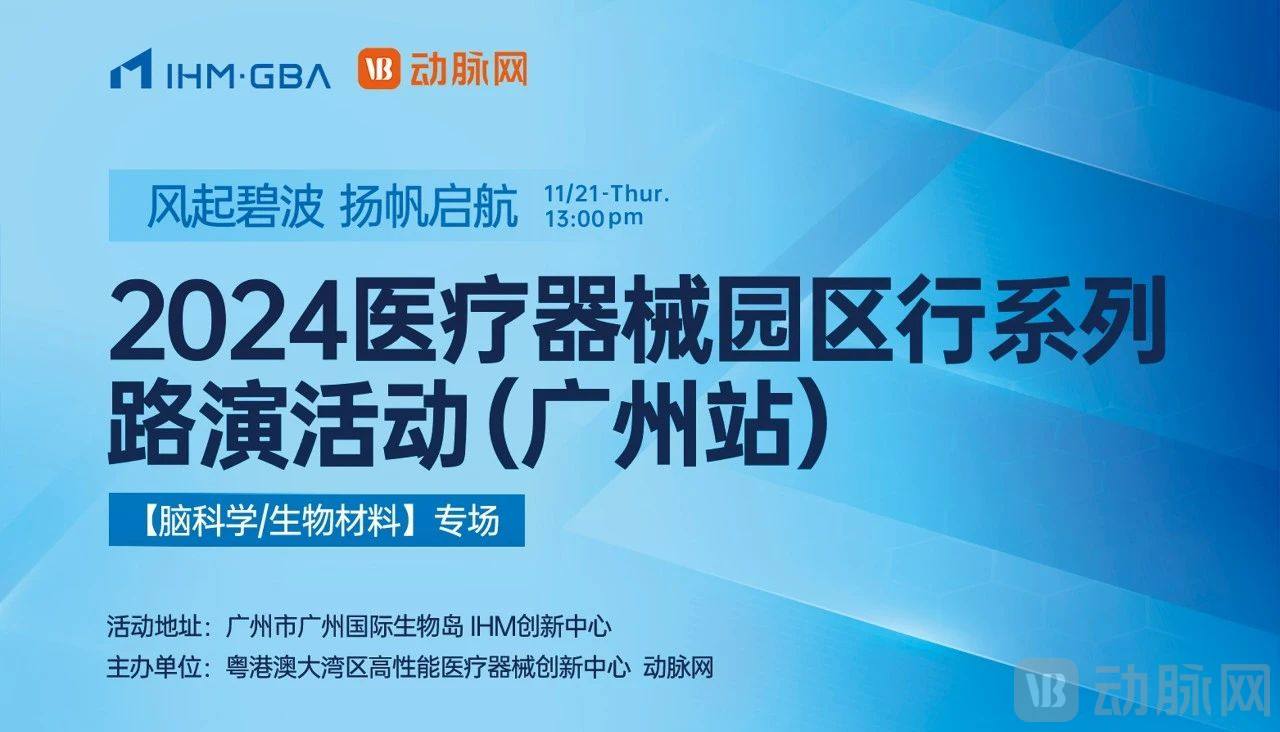
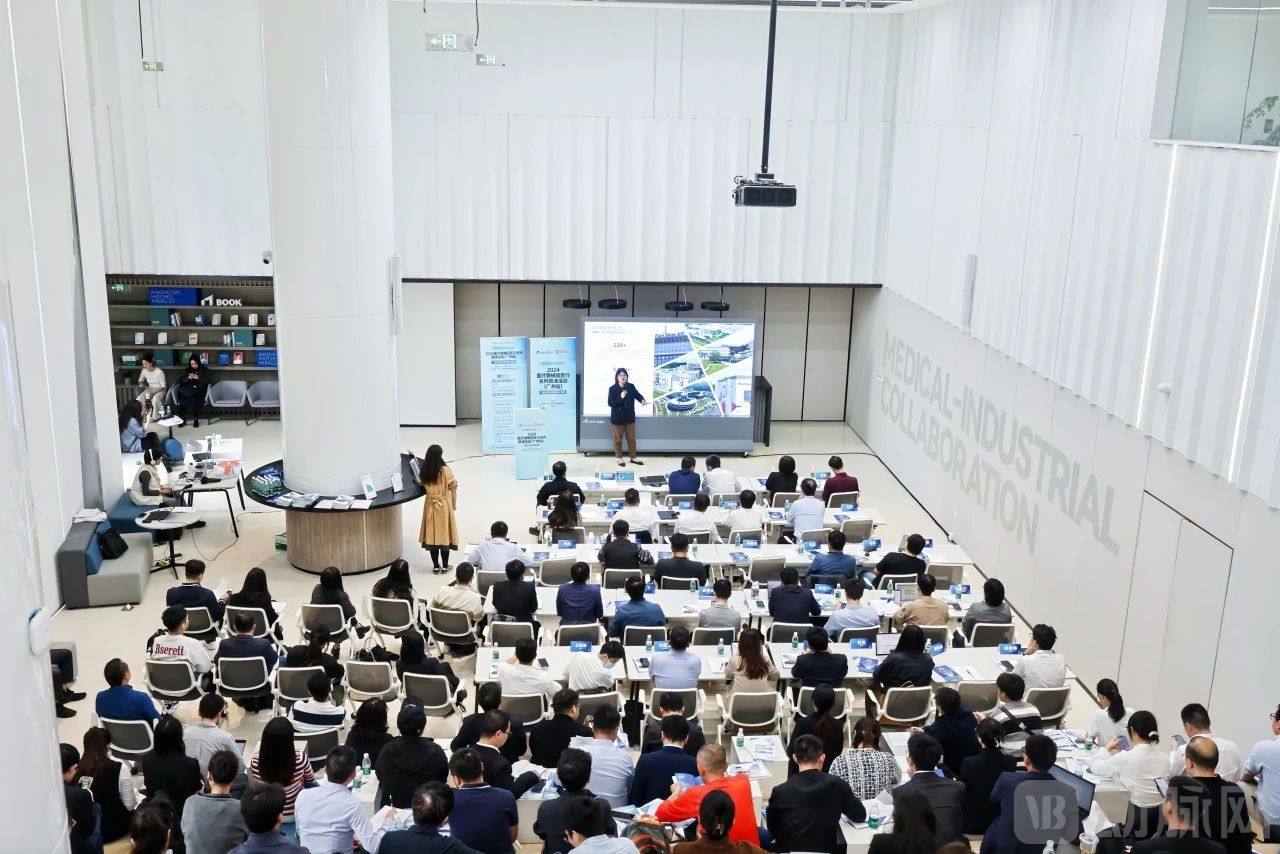
On November 21, co-hosted by VCBeat and the Greater Bay Area Innovation Center for High-Performance Medical Devices (hereinafter referred to as the IHM Innovation Center),“Riding the Waves, Setting Sail”: 2024 Medical Device Industrial Park Roadshow Series (Guangzhou Stop)Successfully held at the IHM Innovation Center.
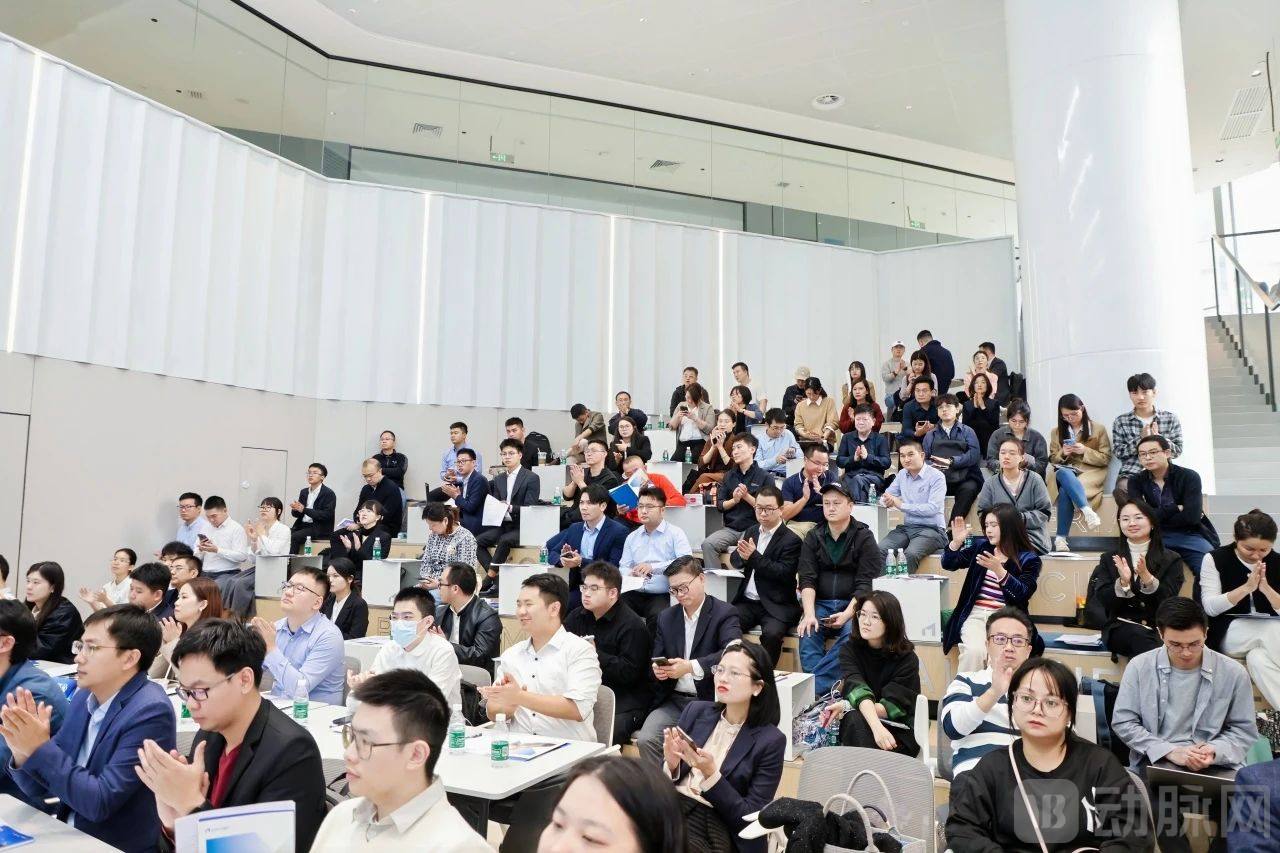
Nearly 150 participants, including representatives from the Guangzhou Municipal Health Commission, the Guangzhou Development District Investment Promotion Bureau, pitching companies, and the investment community, attended the event to discuss innovative strategies for medical device startups amid the “winter” of the industry.
Broad Prospects
Promoting Multi-Directional Interaction Between Medical Institutions and Enterprises for Common Development
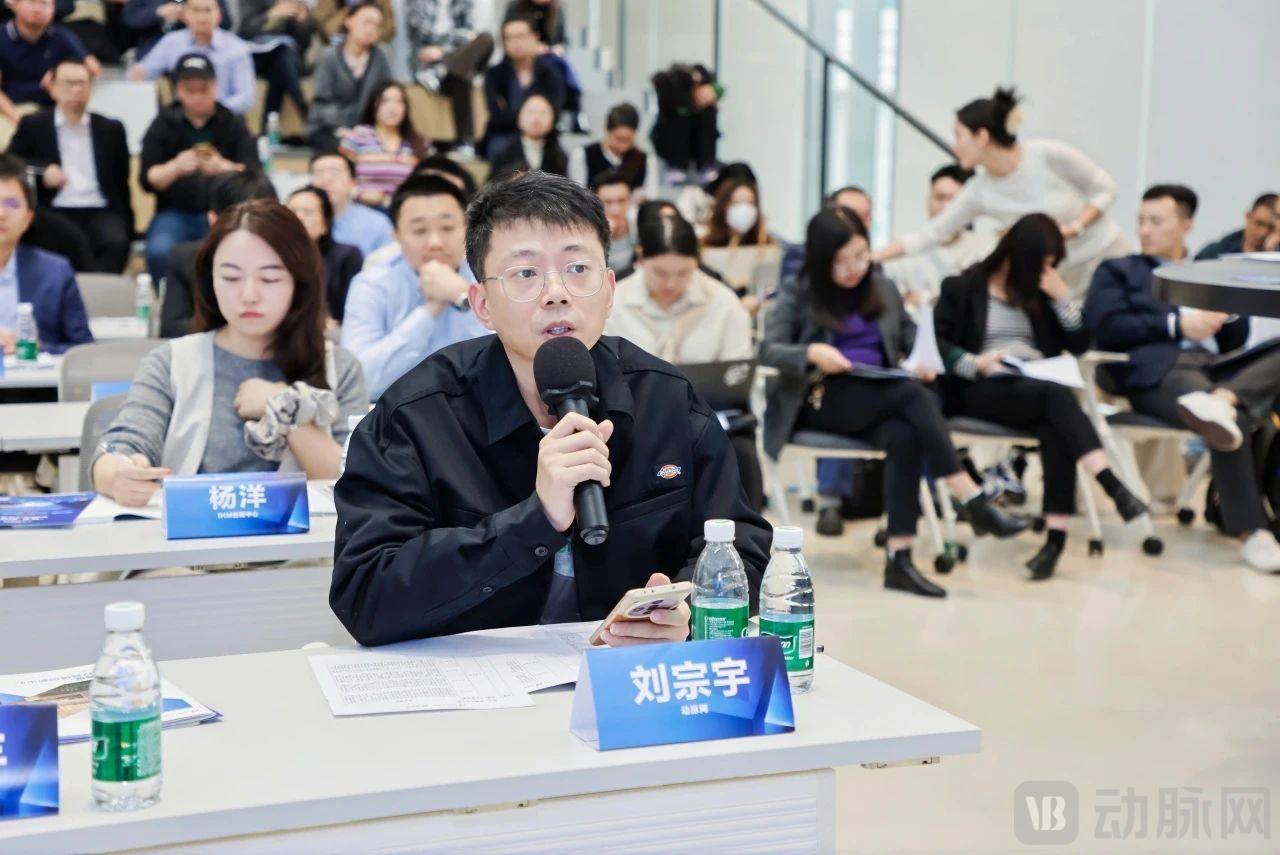
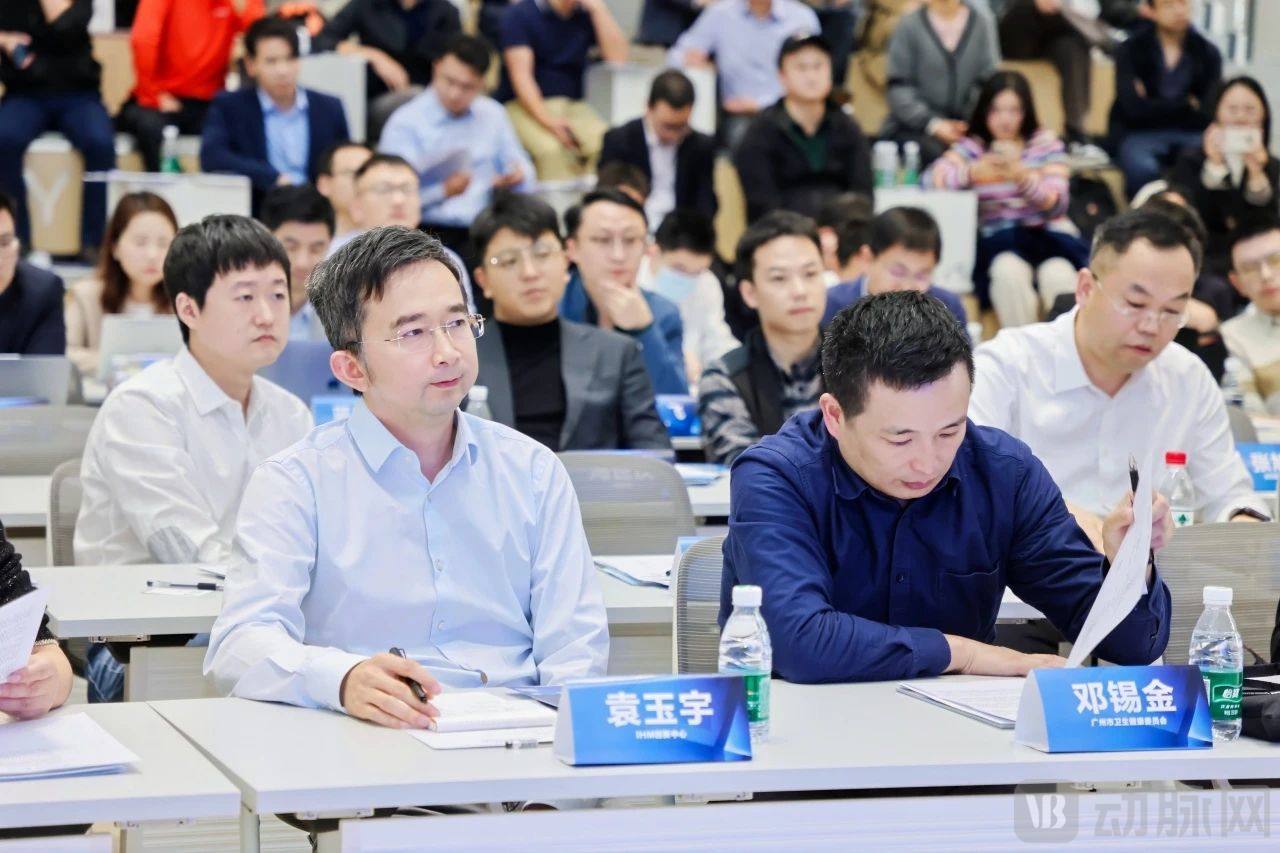
Deng Xijin, Director of the Pharmaceutical Administration Division, Guangzhou Municipal Health CommissionIn his remarks at the event, he stated that the Guangzhou Municipal Health Commission would adopt multiple measures to promote collaboration between hospitals at all levels in Guangzhou and medical device enterprises.
He stated, “Guangzhou is the medical hub of South China. We hope that enterprises will recognize the vast market potential of Guangzhou’s healthcare sector, while hospitals can leverage the capital and technology offered by these enterprises. Statistics show that hospitals at all levels in Guangzhou recorded 170 million outpatient visits and 4 million hospital admissions last year, with an annual growth rate of nearly 8% for both metrics, indicating a highly promising outlook for the medical market. Guangzhou will provide a robust development platform for enterprises, fostering greater interaction and synergy between high-quality resources from hospitals and businesses.”
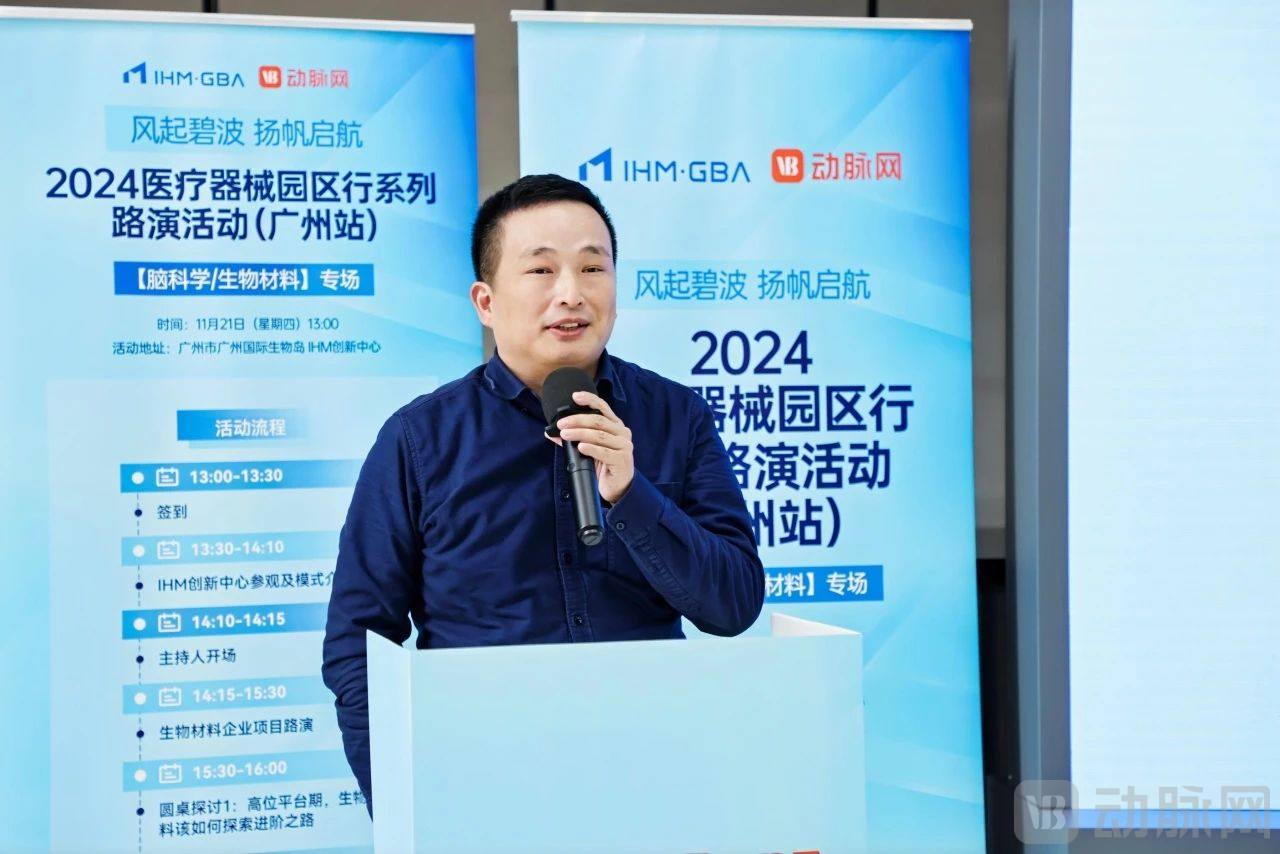
Ye Ying, Relevant Official of the Guangzhou Development District Investment Promotion BureauHe stated that the Guangzhou Development District is a hub for the biopharmaceutical industry in Guangzhou, hosting 74% of the city’s biopharmaceutical enterprises. There are more than 4,000 biopharmaceutical companies in total, with over 530 biomedical enterprises clustered on Guangzhou International Bio Island, which also serves as the headquarters for four listed companies. “Whether in terms of rent or land availability, the Development District is very supportive of biopharmaceutical enterprises. Guangzhou offers both market opportunities and talent, making it an excellent choice for everyone.”
Rich Project Portfolio
Leading Experts Discuss Biomaterials and Brain Science
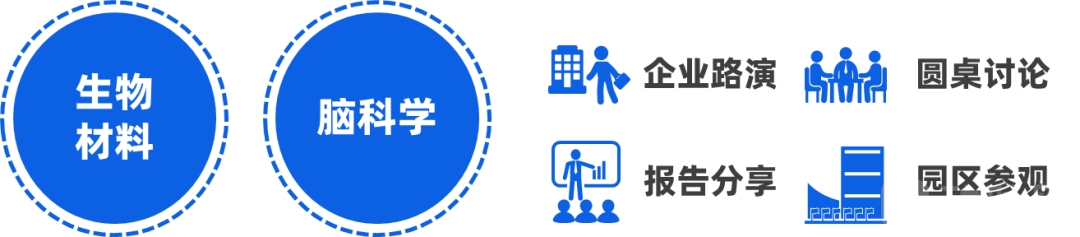
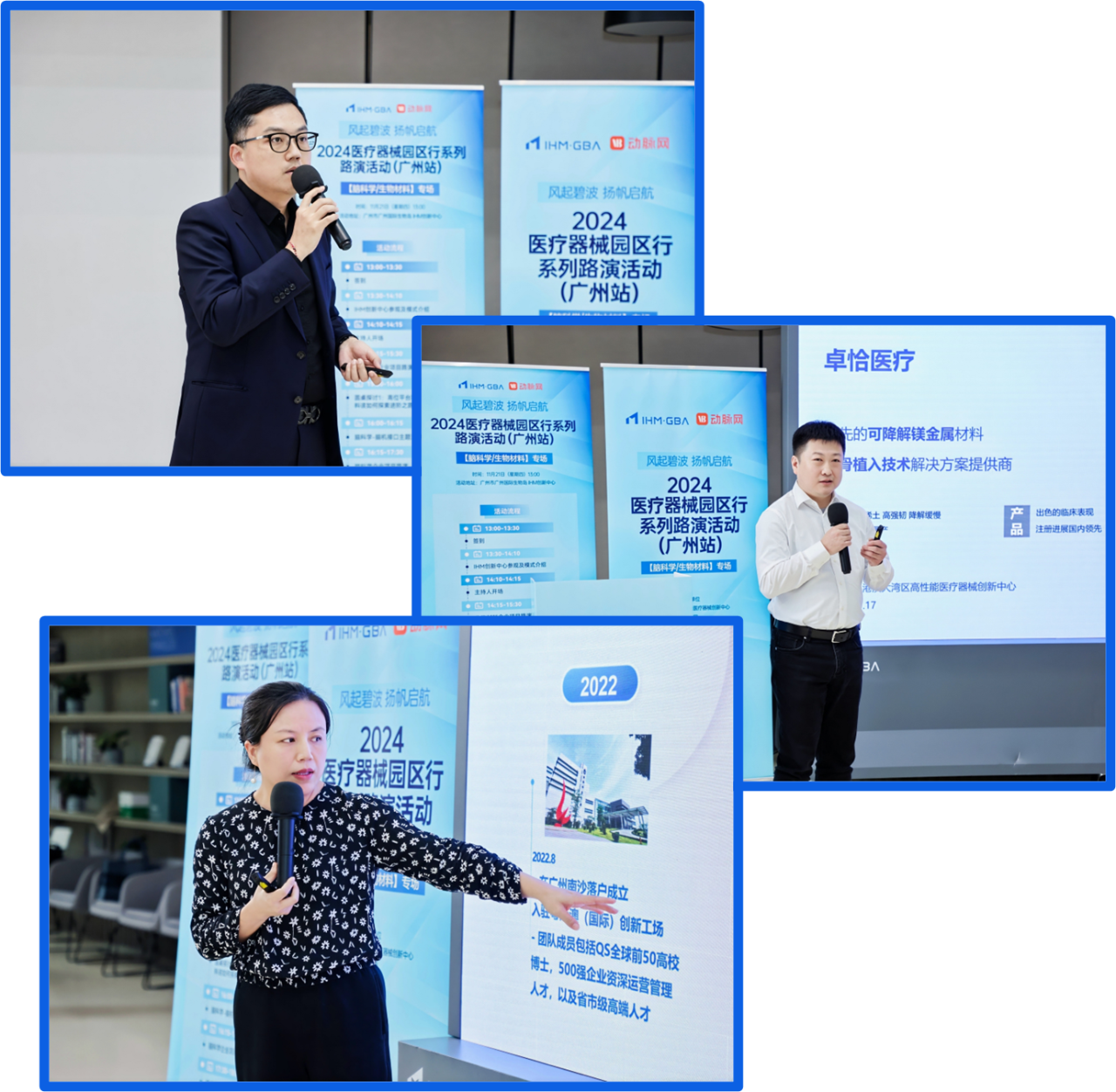
The event featured a diverse format, focusing on the two cutting-edge sectors of biomaterials and brain science. It provided a high-quality platform for in-depth communication, resource sharing, and collaborative exploration among industry professionals through various activities, including corporate roadshows, roundtable discussions, presentation sessions, and park tours. A total of 10 companies participated in the project roadshows, with five from the biomaterials sector and five from the brain science sector.
Biomaterials Company Project Roadshow
Brain Science Enterprise Project Roadshow
Roundtable 1
At a High Plateau, How Should Biomaterials Explore the Path to Advancement?
Lin Yunyu, Investment Director at Shenzhen Capital Group; Zhang Junyao, Partner and CFO at Susheng Biotech; Shi Shiguang, Vice President of Investment at BGI Win-Win Investment; and Zhang Xinzhi, Investment Director at Xiandao Medical Venture Capital FundGuests engaged in an in-depth discussion on the theme, “At a High-Level Plateau: How Should Biomaterials Explore the Path to Advancement?”
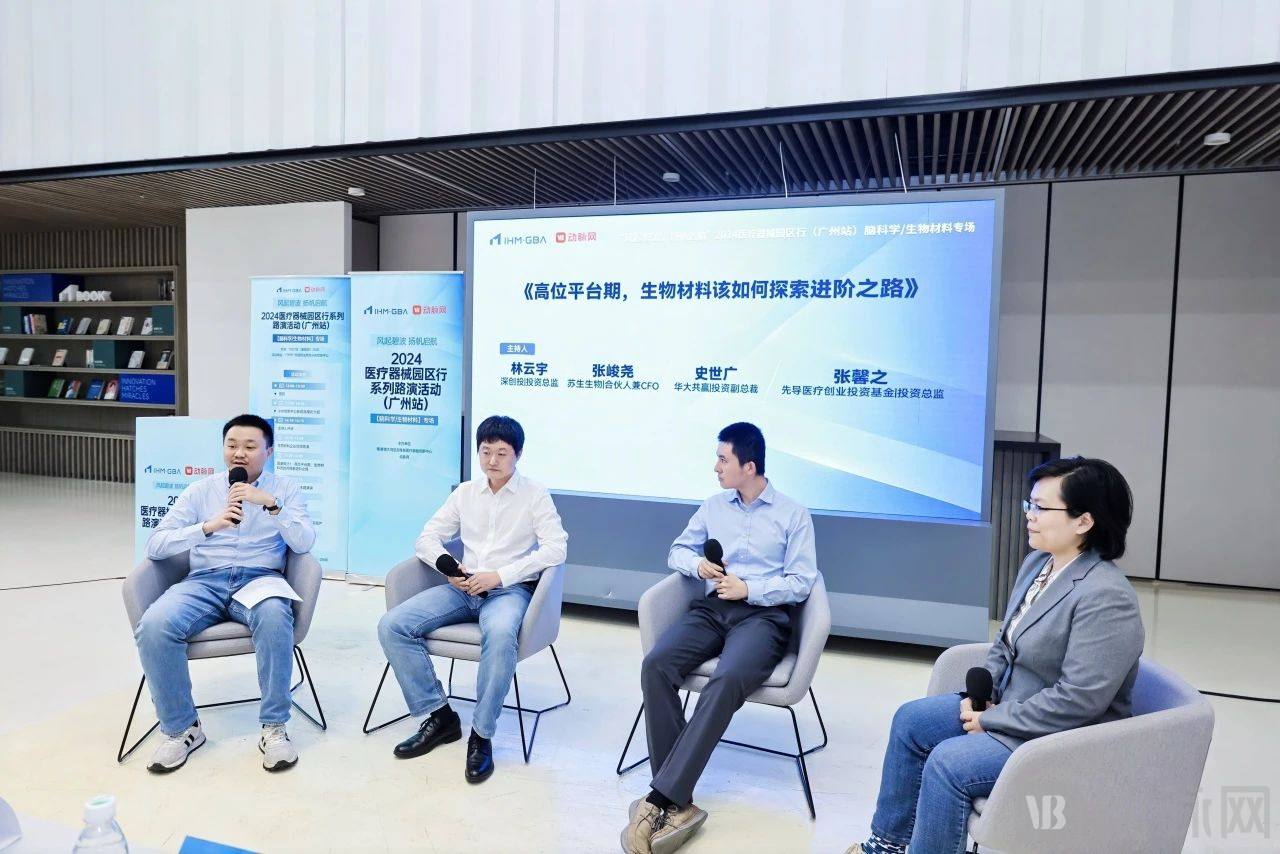
Guests believe that the development of the biomaterials industry chain is currently transitioning from “domestic substitution of products” to “domestic substitution of supply chains.” However, domestically produced raw materials still face challenges related to insufficient industrialization and standardization, making innovation in upstream materials a key focus.
Roundtable 2
How Can Brain Science Achieve Industrialization?
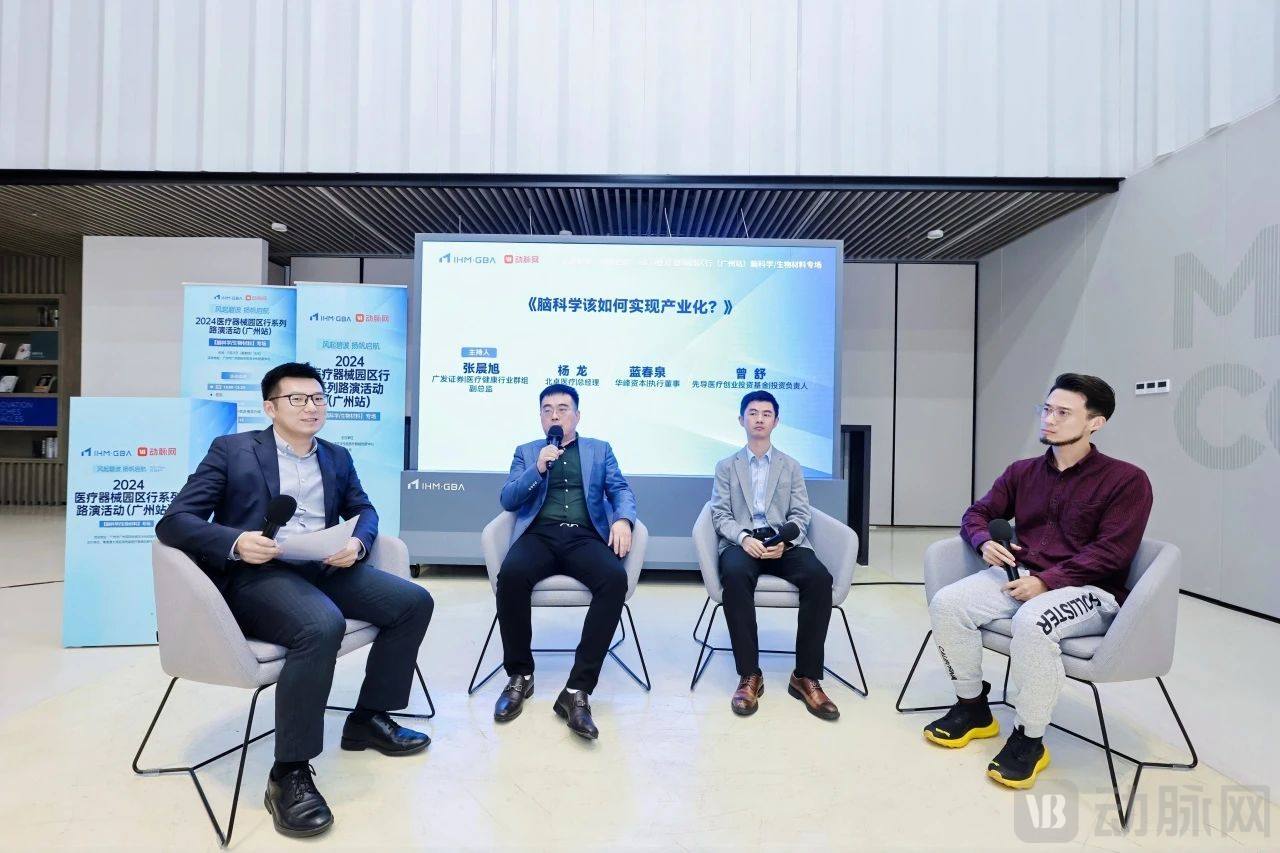
Guests noted that the progress in brain science-related technologies is currently out of balance with market enthusiasm. Although significant scientific breakthroughs have been made in certain areas, their commercialization pathways remain unclear. For instance, brain-computer interface (BCI) technology in China is still predominantly focused on non-invasive research, while the development of invasive techniques remains relatively slow due to ethical constraints.
Brain science is a paradigmatic example of interdisciplinary, multi-domain collaboration, requiring concerted efforts among technology developers, clinical institutions, capital investors, and the government to truly facilitate the incubation and practical application of scientific research outcomes. Related startups need to balance short-term survival needs with long-term innovation goals, avoiding premature reduction in investment in core technology R&D due to financial and market pressures.
Brain-Computer Interface
Translation from Basic Research to Clinical Trials
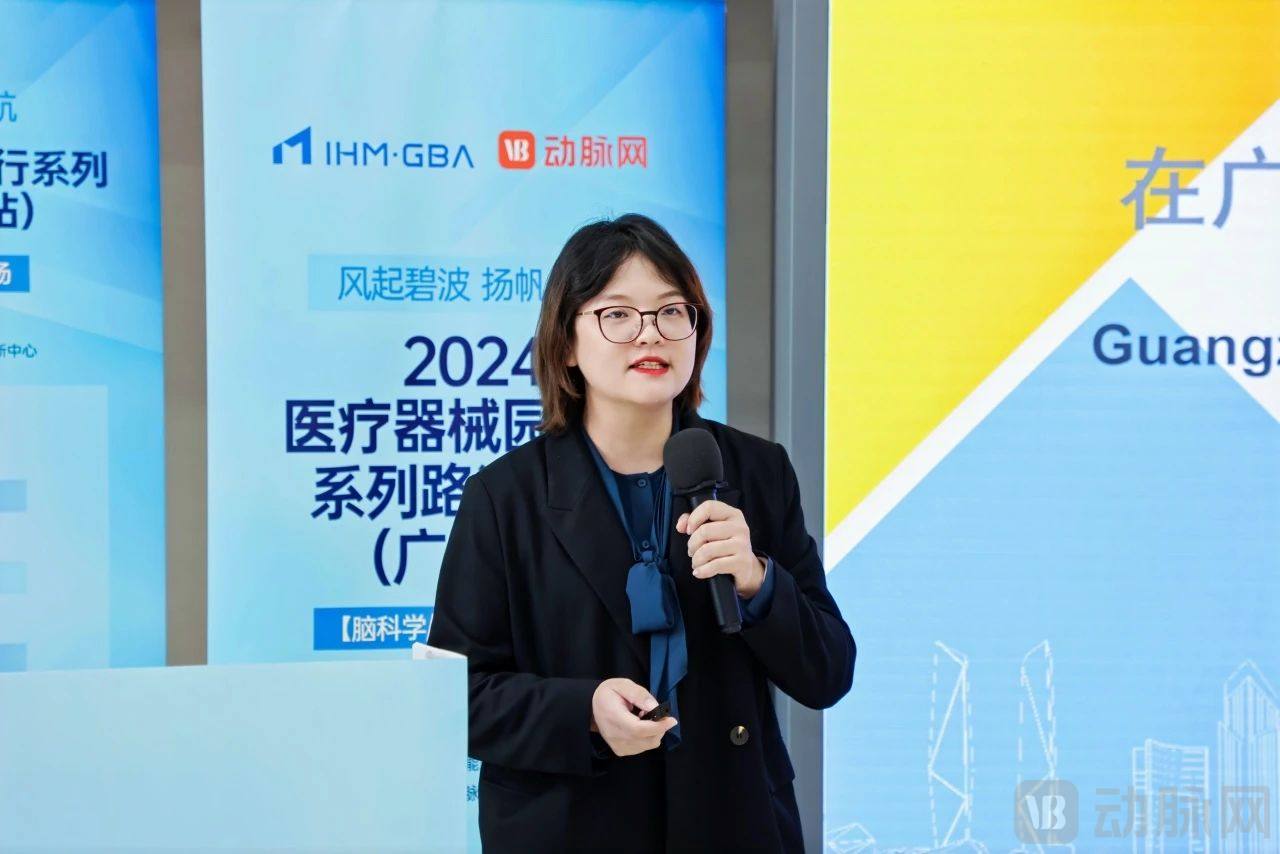
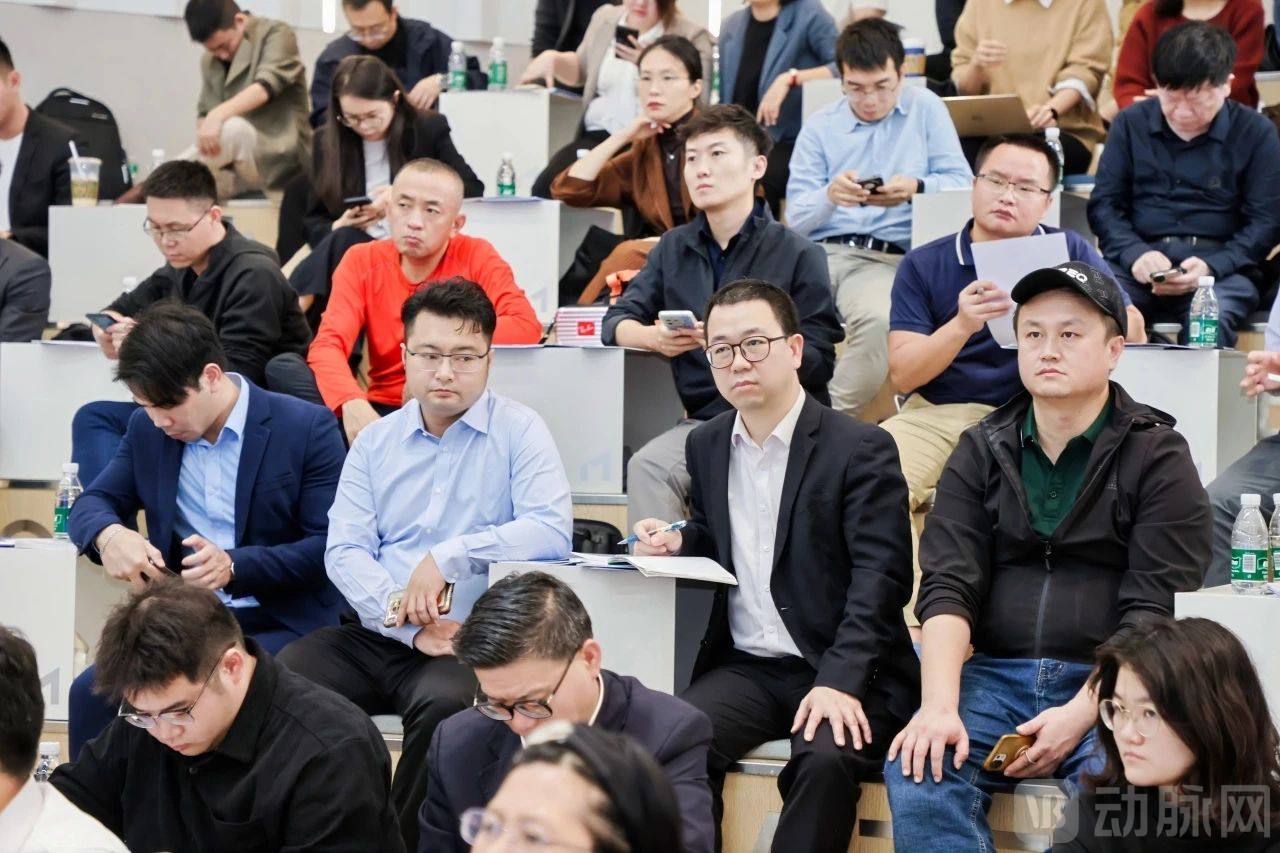
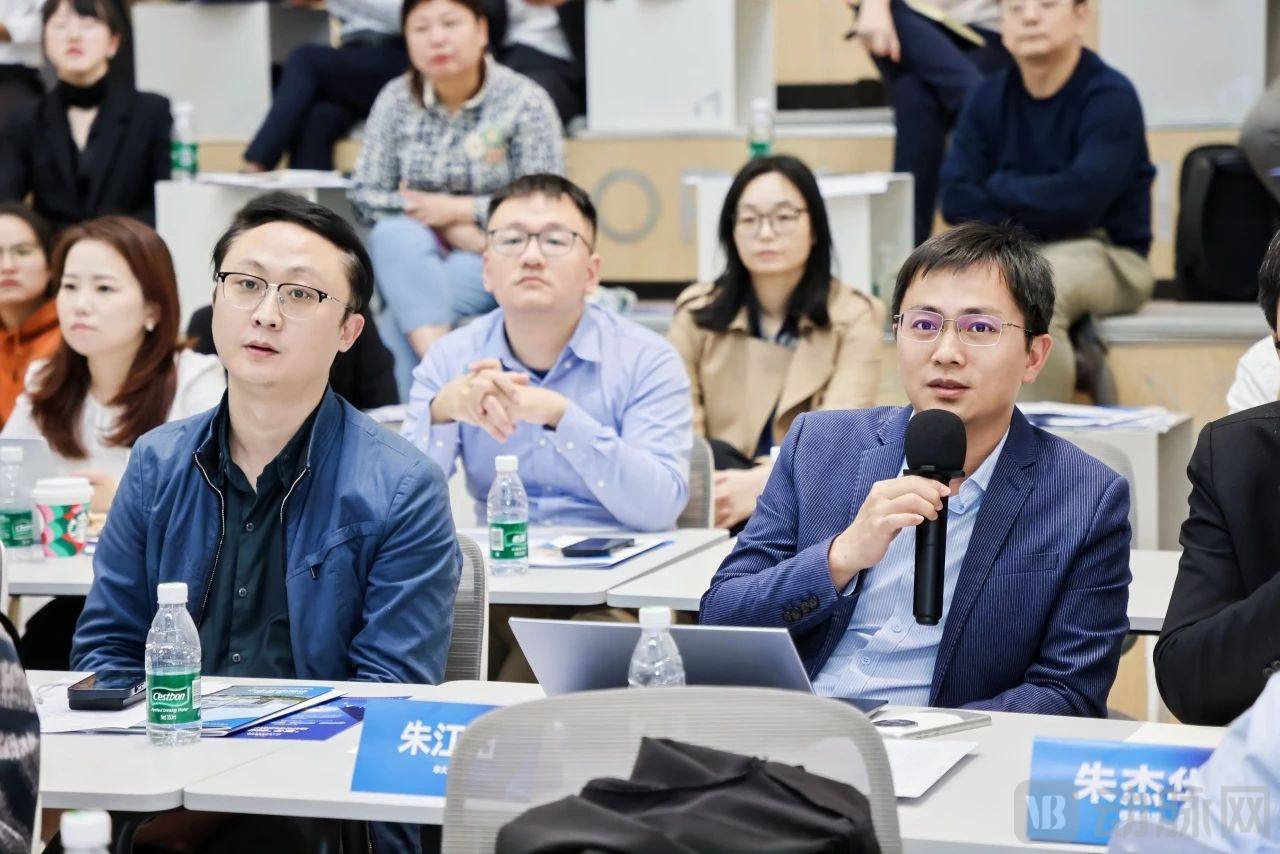
Brain-computer interfaces are at the forefront of today’s technological and capital pursuits. During the event,Shao Yangxue, Senior Researcher at VBInsightspecifically delivered a presentation titled"Brain Science - Brain-Computer Interface"speech.
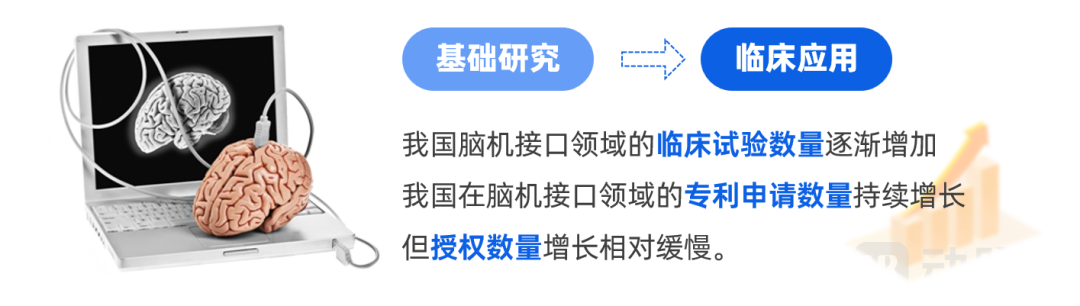
Shao Yangxue stated that the number of clinical trials in the field of brain-computer interfaces (BCI) in China is gradually increasing, and BCI technology is currently at a critical stage of transition from basic research to clinical application, with new ideas and technologies being actively explored and implemented. Statistical data from the past decade shows that the number of patent applications in China’s BCI sector has continued to grow; however, despite the rise in applications, the number of granted patents has increased relatively slowly.
In current clinical research on brain-computer interfaces, approximately 65% of studies remain in the early exploratory and pilot phases, primarily aiming to gather preliminary data and evidence. Relatively few studies have advanced to higher stages, indicating a considerable gap before true clinical application can be realized.
Shao Yangxue stated that brain-computer interface (BCI) technology is still in its early stages. In the future, it will be necessary to strengthen capabilities across the entire value chain, including upstream chip design and algorithm development, as well as downstream clinical applications and operation and maintenance services. Meanwhile, new revenue models such as service-oriented and subscription-based approaches should be established, rather than relying solely on product sales.
Multi-Faceted Support
Providing integrated incubation, investment, and venue services
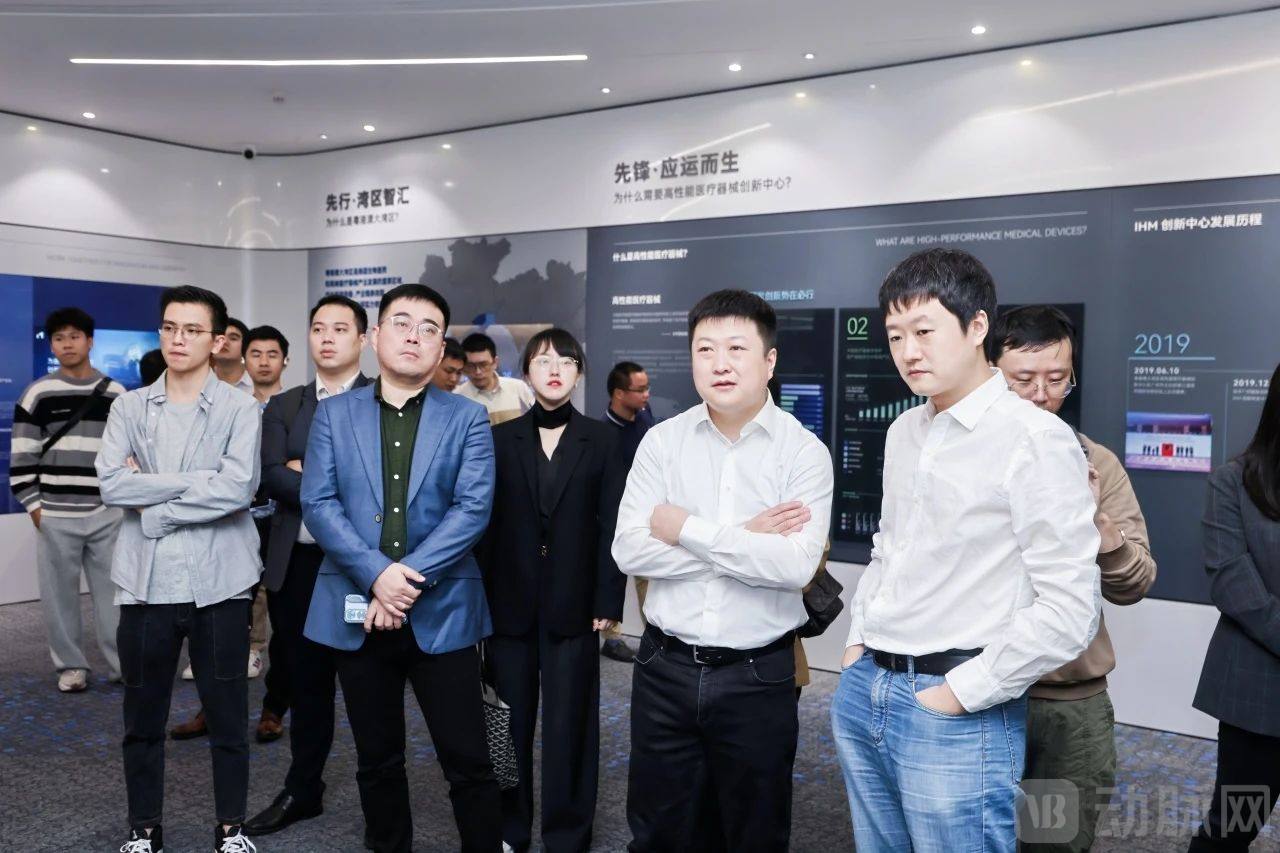
Guests visited the center’s exhibition booth, offices, and R&D laboratories, gaining an in-depth understanding of the development history of the IHM Innovation Center as well as its office and R&D environments.
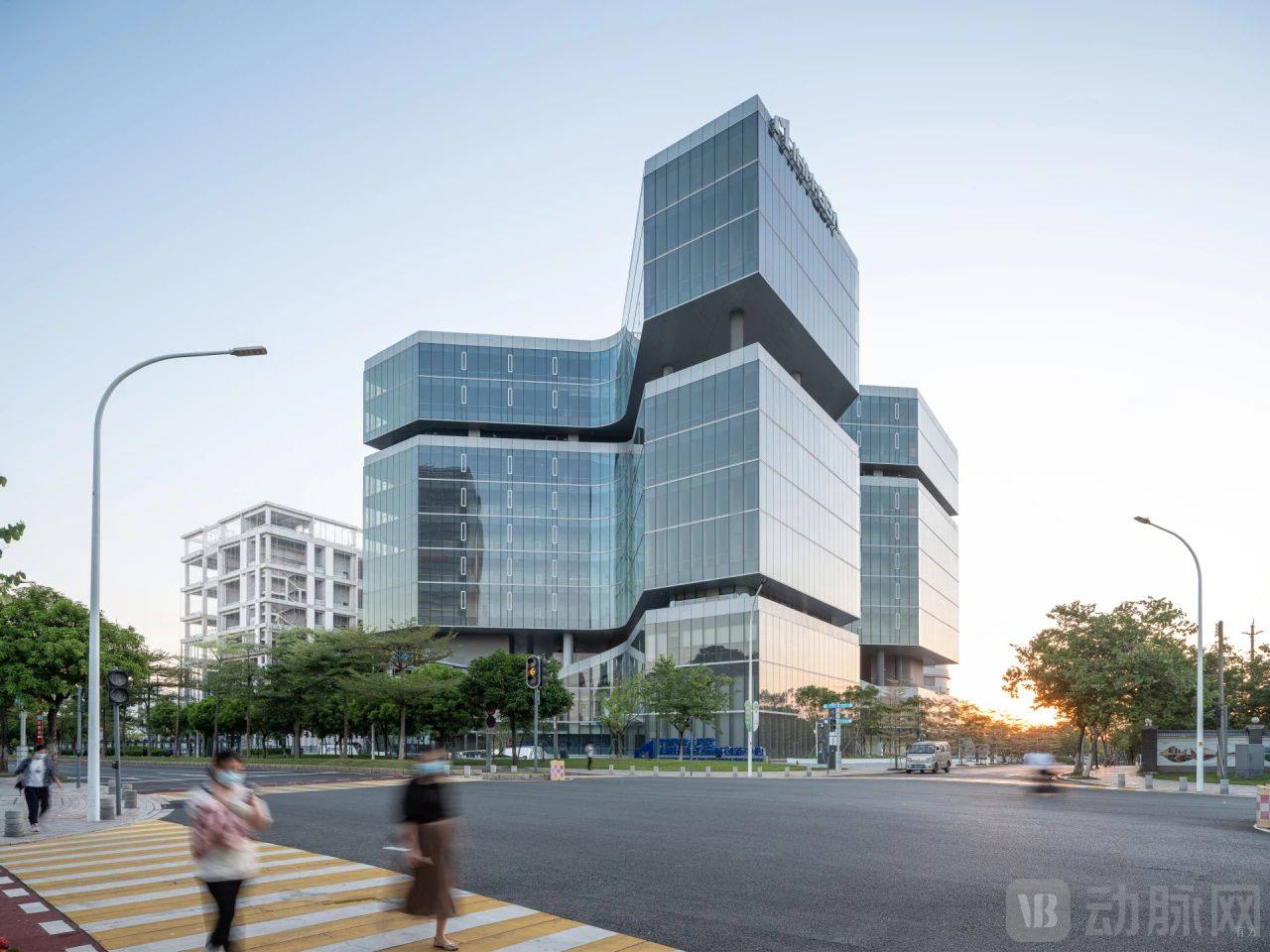
IHM Innovation CenterIt is a premier incubation and service platform for medical device enterprises in the Greater Bay Area, dedicated to facilitating proof-of-concept and industrial translation of research achievements from universities while addressing clinical pain points. The Center provides customized professional spaces integrating office and R&D functions for medical device startup teams, offering entrepreneurial spaces ranging from 150 m² to 3,800 m².
Currently, the Center is actively encouraging innovative enterprises to settle in and providing policy support for high-quality projects. Approved projects will receive fiscal subsidies ranging from RMB 3 million to RMB 5 million. Interested enterprises are welcome to contact the Center’s investment promotion manager for inquiries.
The IHM Innovation Center has jointly launched the Pioneer Medical Venture Fund with the Guangzhou Development Fund, focusing on angel-round investments. Current portfolio companies include Huizhengqi Pharma, an mRNA R&D enterprise founded by Dr. Hui Aimin, and PackGene Biotech, among others.
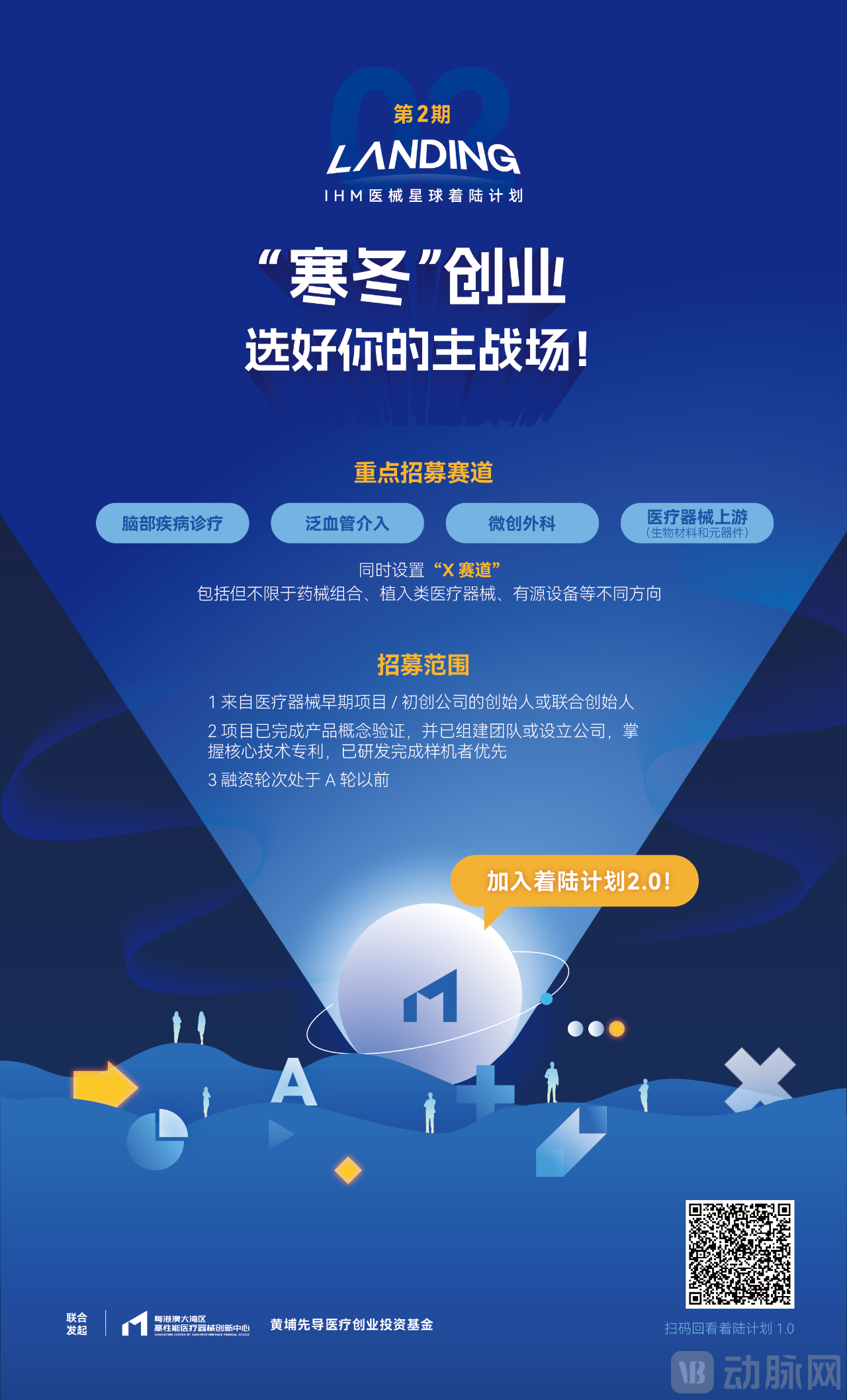
Last year, the IHM Innovation Center jointly launched with the Pioneer Medical Venture Fund“IHM Landing Plan Innovation and Entrepreneurship Camp”, the startup camp will provide medical device entrepreneurs with a comprehensive industry acceleration package integrating incubation, investment, and physical infrastructure, to accelerate the commercialization of “medical device ideas.”
In June this year, the first cohort of the Startup Camp successfully completed its coursework. The second cohort is scheduled to launch in January next year. The IHM Innovation Center warmly welcomes project teams or startups focused on the treatment of brain diseases, pan-vascular intervention, minimally invasive surgery, and upstream medical device sectors (biomaterials and components) to participate in the Startup Camp.