

Gathering Wisdom and AI+ Power to Usher in a New Era of Medical-Engineering Integration: The 5th Zhongguancun 'Med-Eng Valley' Innovation and Entrepreneurship Summit Successfully Concluded
On November 21, the 5th Zhongguancun “Med-Eng Valley” Innovation and Entrepreneurship Summit Forum was successfully held in Beijing. Themed “Harnessing Collective Intelligence for AI+, Ushering in a New Era of Medical-Engineering Convergence,” the forum brought together elites from various fields, including top domestic scientists, frontier explorers, emerging entrepreneurs, distinguished business leaders, and seasoned investors, to jointly explore the boundless possibilities of medical-engineering interdisciplinary integration empowered by AI.
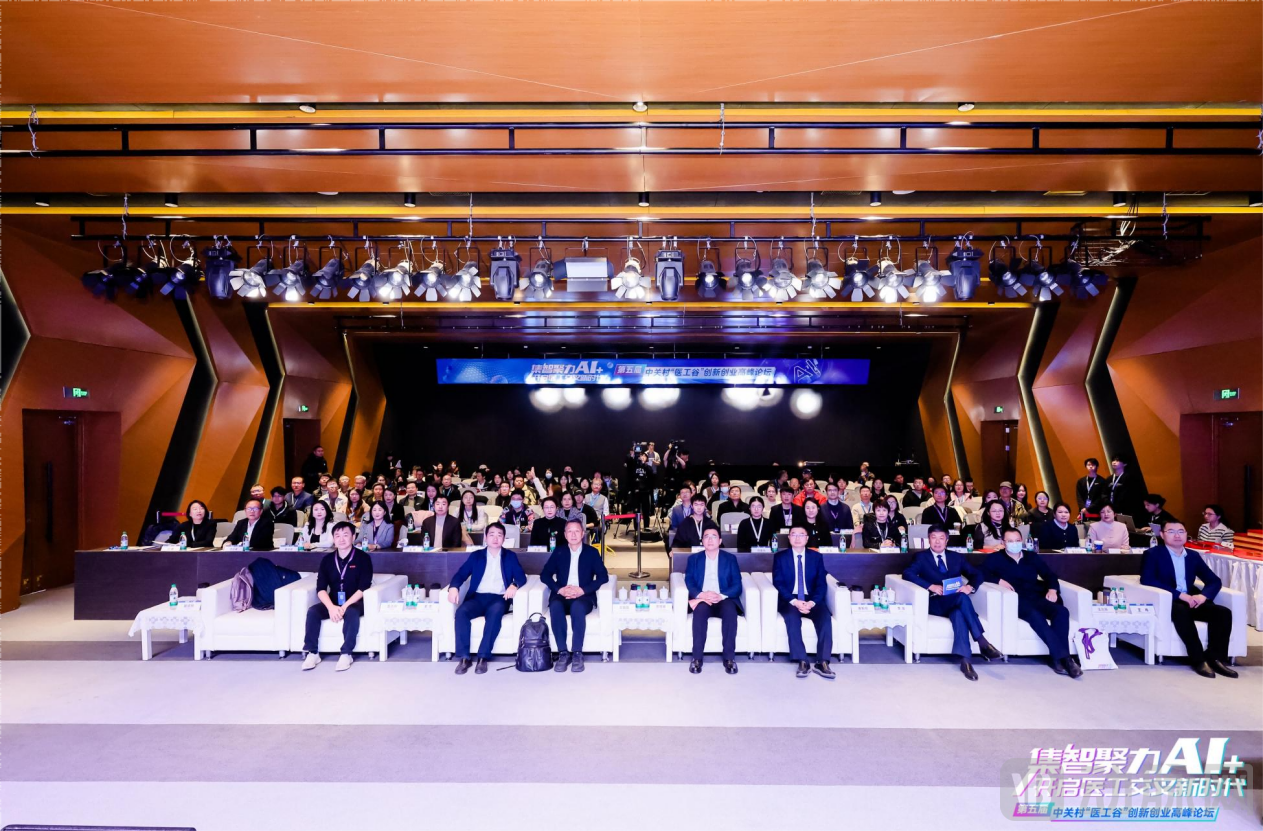
Figure Caption: Group Photo of the 5th Zhongguancun “Med-Eng Valley” Innovation and Entrepreneurship Summit
Guided by the Beijing Municipal Science & Technology Commission, the Administrative Committee of Zhongguancun Science Park, and the Administrative Committee of Zhongguancun Science Park Chaoyang Park (Beijing Chaoyang District Bureau of Science, Technology and Informatization), this forum is jointly hosted by five organizations: Zhongguancun Zhiyou Research Institute, Beijing Advanced Innovation Center for Biomedical Engineering (Beihang University), the Innovation and Translation Center of Peking University Third Hospital, Beijing High-Tech Entrepreneurship Service Center Co., Ltd., and Beihang Tianhui Incubator.
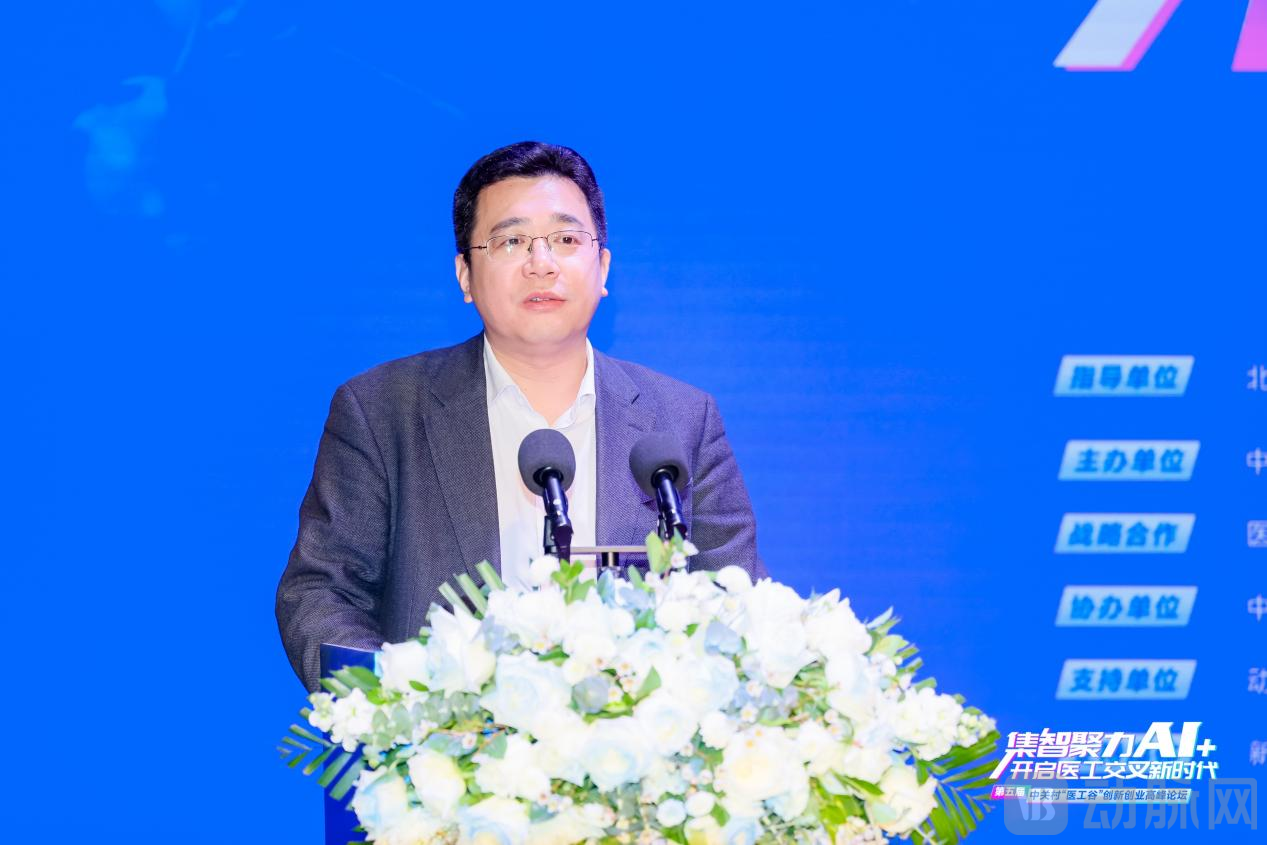
Figure Caption: Gong Weimi, Party Group Member and Deputy Director of the Beijing Municipal Science & Technology Commission and Zhongguancun Administrative Committee
Gong Weimi, Member of the Party Leadership Group and Deputy Director of the Beijing Municipal Science & Technology Commission and Zhongguancun Administrative Committee, delivered a speech stating that the integrated development of medicine and engineering is a crucial source for fostering new quality productive forces in the pharmaceutical and health industry. As the lead department for the development of Beijing’s pharmaceutical and health industry, the Beijing Municipal Science & Technology Commission and Zhongguancun Administrative Committee have been committed to promoting the integrated development of medical practice, education, research, and application. First, guided by specific tasks, they encourage hospitals and universities to jointly carry out early-stage development of clinically oriented, med-engineering cross-disciplinary innovative medical devices. Second, they accelerate the translation of medical scientific and technological achievements, promote pilot reforms in medical innovation and achievement translation, explore the “hospital + incubator + hosting zone” model, and facilitate the large-scale implementation of translated achievements. Third, they strengthen the synergy between innovation and the “three-medical linkage” (medical care, health insurance, and pharmaceutical supply). Relying on a list of key varieties, relevant municipal departments assume divided responsibilities and engage in “handover relay” cooperation to provide full-process services for the development of innovative drugs and medical devices; they also deploy regulatory science innovations in emerging fields such as digital healthcare to accelerate product market entry. He stated that the Beijing Municipal Science & Technology Commission and Zhongguancun Administrative Committee will focus on building a high-quality, open industrial innovation ecosystem, driving med-engineering integration and digital healthcare to become new engines for industrial innovation and development.
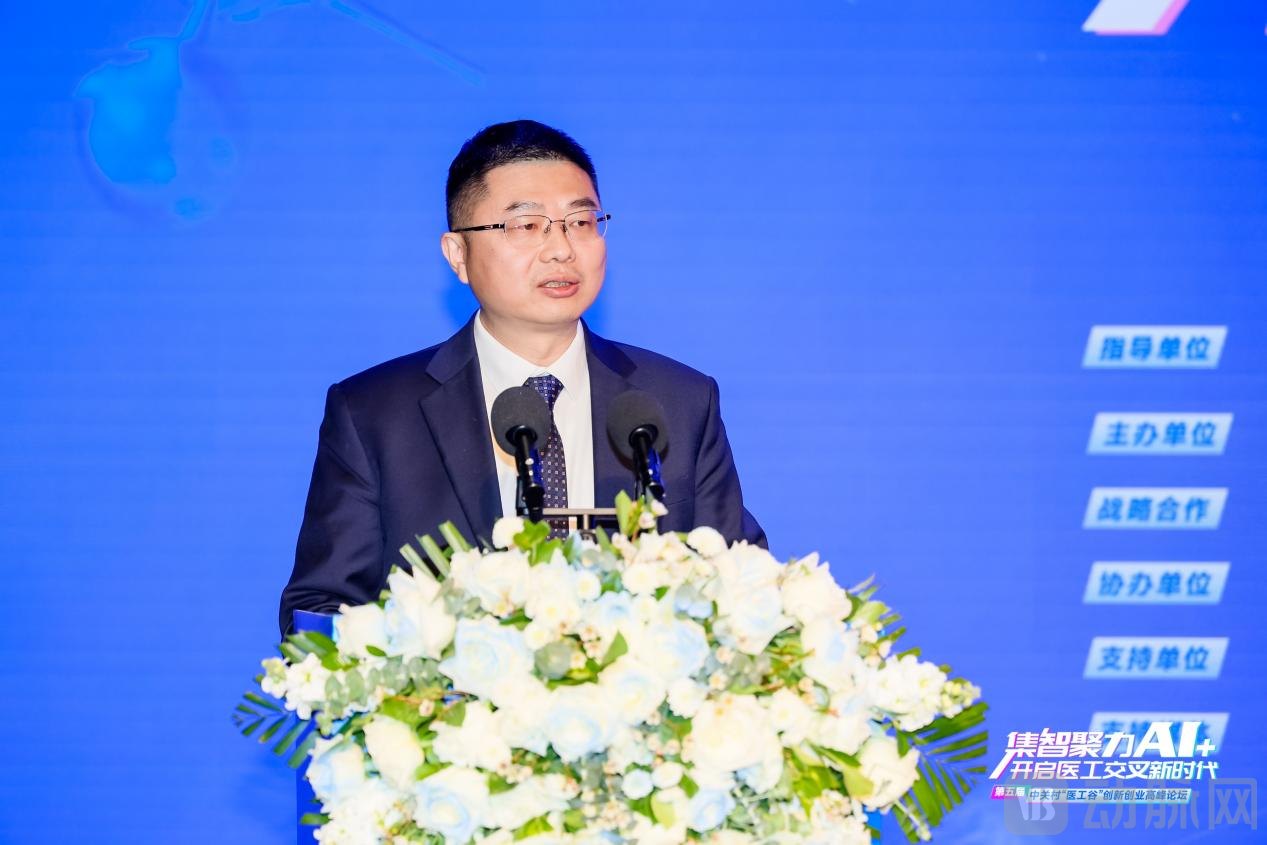
Figure caption: Lou Yixiang, Deputy Secretary of the Party Working Committee and Director of the Administrative Committee of Zhongguancun Science Park Chaoyang Park
Lou Yixiang, Deputy Secretary of the Party Working Committee and Director of the Management Committee of Zhongguancun Science Park Chaoyang Park, stated in his address, “As a key direction for technological innovation in the new era, the intersection of medicine and engineering is reshaping the future of the healthcare industry. Re-innovation and further development are not only urgent needs for the upgrading of traditional healthcare sectors but also critical pathways to achieving the Healthy China strategy and enhancing the nation’s overall scientific and technological innovation capabilities. As a hub with concentrated medical resources, Chaoyang District boasts unique resource advantages and has implemented multiple measures to promote the development of industries at the intersection of medicine and engineering. Looking ahead, Chaoyang District will continue to deepen the construction of its industrial ecosystem, striving to build a comprehensive, multi-level digital healthcare industrial ecosystem. We look forward to collaborating with all parties to drive technological innovation, stimulate entrepreneurial vitality, and contribute greater strength to the innovative development of the global healthcare industry.”
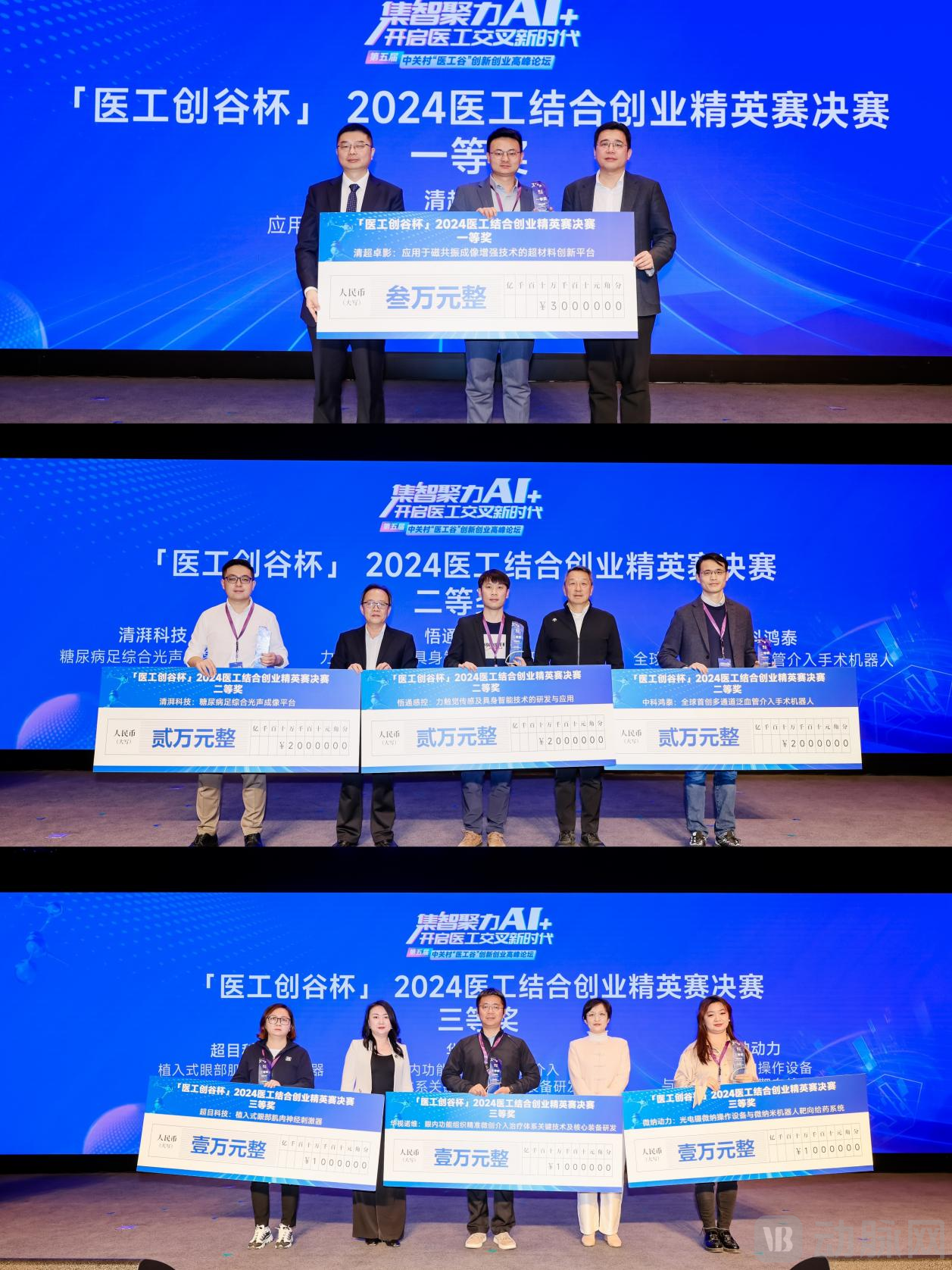
Figure Caption: Group Photo of Award-Winning Projects from the “2024 Medical-Engineering Integration Entrepreneurship Elite Competition”
During the forum, the award ceremony for the “2024 Medical-Engineering Integration Entrepreneurship Elite Competition” was successfully held, with seven emerging projects receiving accolades. These projects spanned multiple subfields, including medical device research and development and intelligent healthcare solutions, setting a benchmark for innovation and entrepreneurship in the interdisciplinary field of medicine and engineering.
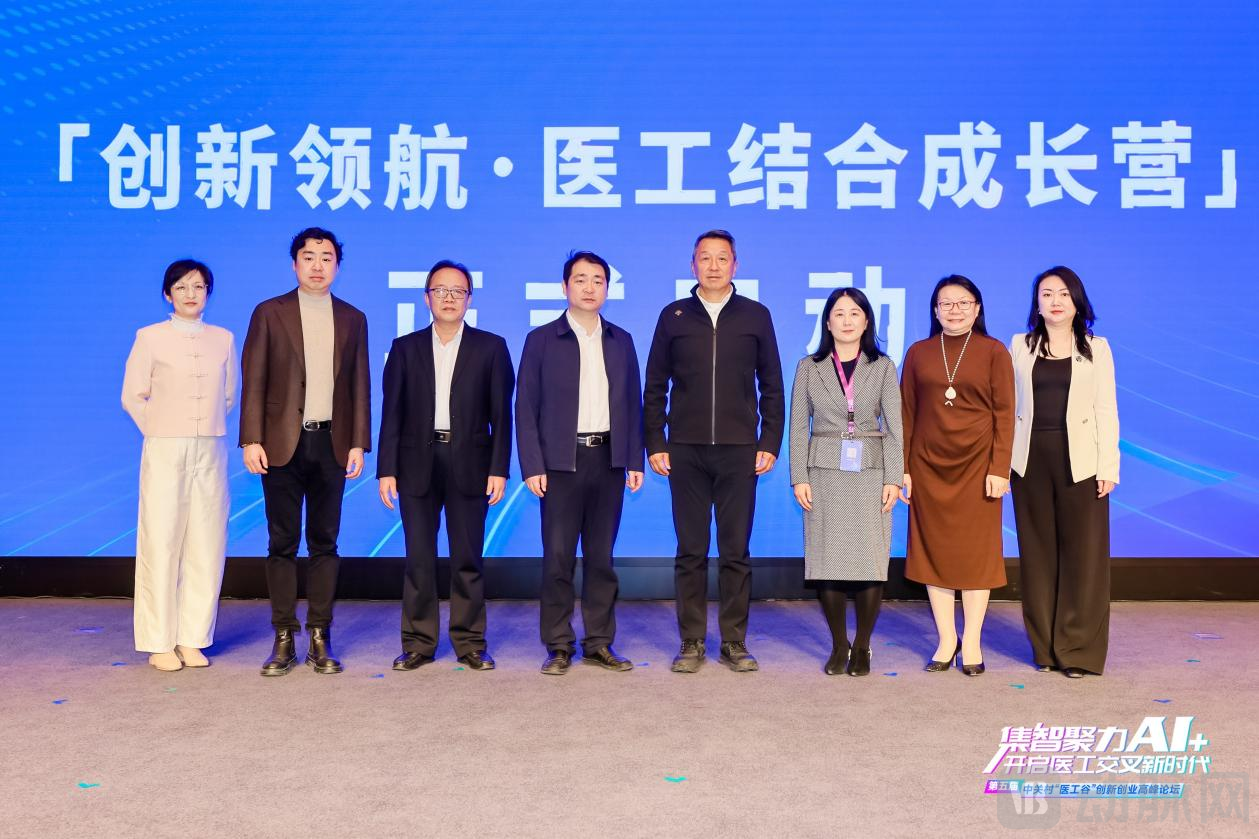
Figure Caption: Launch Ceremony of the “Medical-Engineering Integration Growth Camp”
Building on the substantial achievements of the competition, we are paving the way for the growth of emerging stars in medical-engineering entrepreneurship. The “Medical-Engineering Integration Growth Camp” was officially launched during the forum. This camp deeply understands the practical pain points and needs of startups and innovative teams, committing to building a comprehensive, multi-level growth platform to support the robust development of rising talents in medical-engineering ventures.
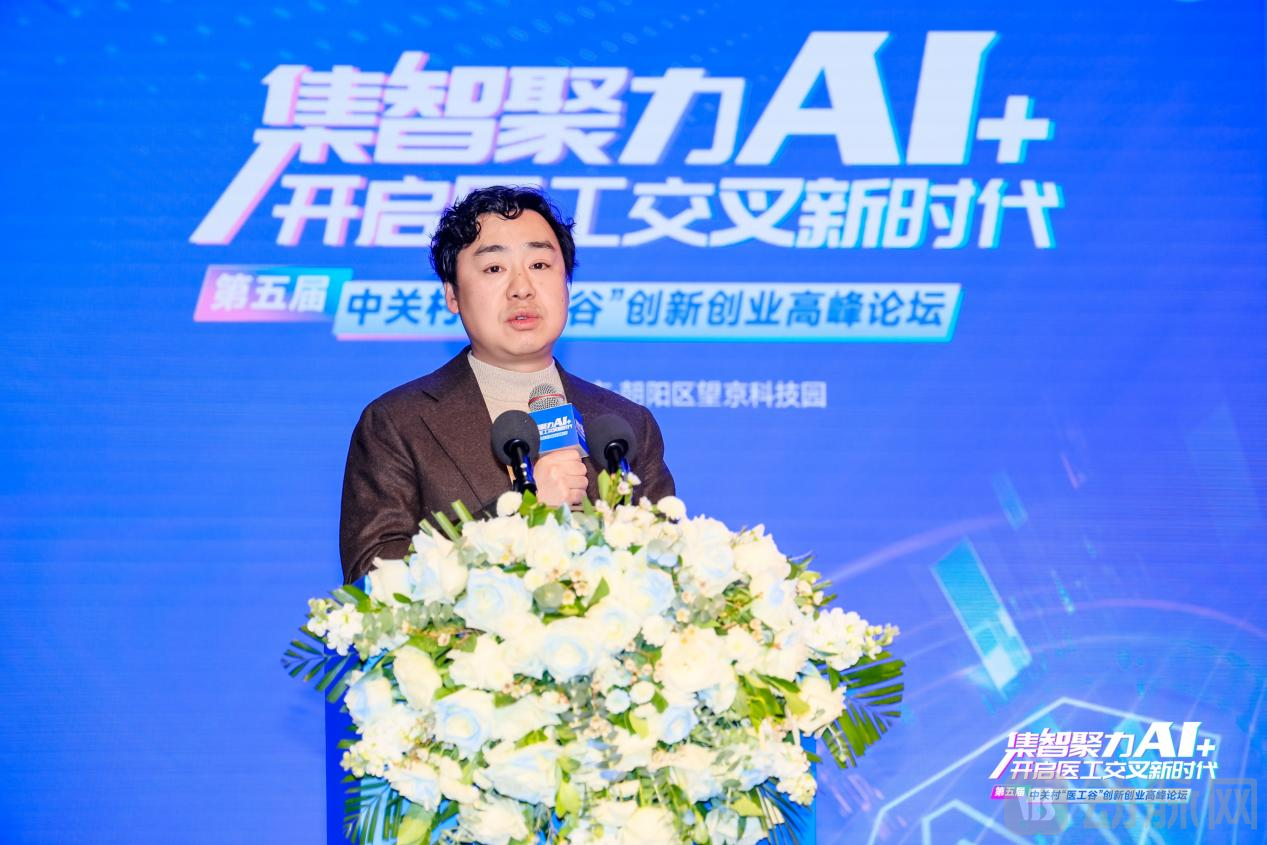
Figure caption: Wang Yu, Associate Professor at the School of Biological Science and Medical Engineering, Beihang University, and Chairman of Rosenbot, released on behalf of the Special Committee.
At the conference, the “Top Ten Hotspots in Medical-Engineering Interdisciplinary Technological Innovation for 2024” was officially released, providing guidance on emerging trends in the development of the medical-engineering industry. Wang Yu, Associate Professor at the School of Biological Science and Medical Engineering of Beihang University and Chairman of Rosenbot, unveiled the ten key directions of technological innovation on behalf of the special committee. These hotspots cover numerous cutting-edge and critical fields, including biomedical large language models, invasive brain-computer interfaces, medical robots, innovative biomedical imaging, automated laboratories, digital therapeutics, AI-assisted drug discovery, bio-3D printing and regenerative biomaterials, gene editing, and the modernization of traditional Chinese medicine.
In the “Frontier Trends” session of the forum, experts and industry pioneers—including Hong Jing, Director of the Department of Ophthalmology, Professor, and Chief Physician at Peking University Third Hospital; Wang Tianmiao, Honorary Director of the Robotics Institute at Beihang University and Dean of Zhongguancun Zhiyou Research Institute; and Wang Xiaochuan, Founder and CEO of Baichuan Intelligence—delivered a feast of ideas. They addressed topics such as “Innovative Exploration and Practice in the Integration of Ophthalmology and Engineering,” “Reflections on the ‘First Mile’ of Translating Medical-Engineering Cross-Disciplinary Achievements,” “AI-Driven Healthcare Transformation in the Era of Large Language Models,” and “Reshaping: How to Remove Bottlenecks in the Translation of ‘Medical-Engineering Plus’ Scientific and Technological Achievements?”
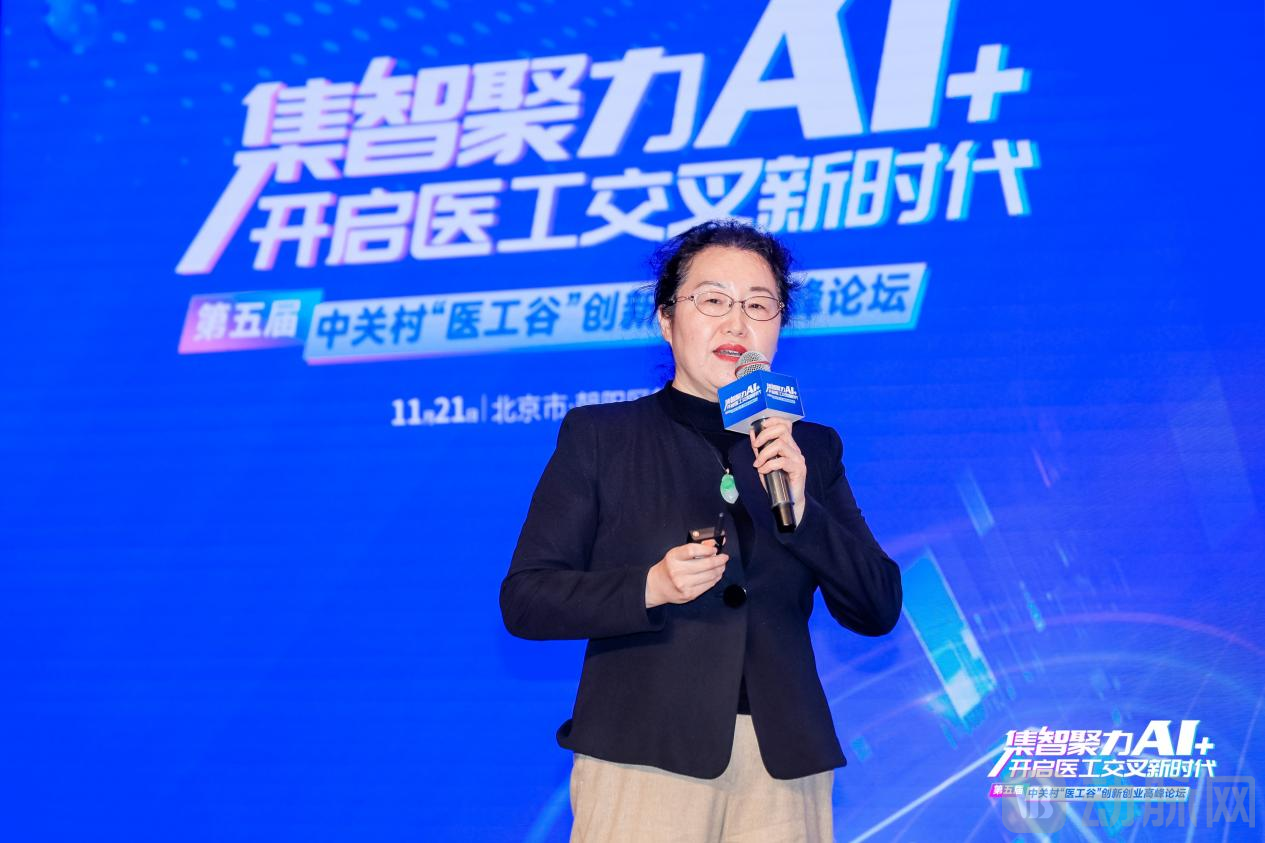
Figure caption: Hong Jing, Director of the Department of Ophthalmology, Professor, and Chief Physician at Peking University Third Hospital
In his keynote address, “Innovative Exploration and Practice in the Integration of Medicine and Engineering in Ophthalmology,” Hong Jing, Director of the Department of Ophthalmology, Professor, and Chief Physician at Peking University Third Hospital, stated that the department has comprehensively established its presence in the field of medicine-engineering interdisciplinary research. Artificial intelligence has been widely applied in ophthalmology across screening, early warning, image analysis, and diagnosis, achieving breakthrough progress in the early warning and diagnosis of corneal endothelial diseases and ocular graft-versus-host disease.
In the future, the Department of Ophthalmology at Peking University Third Hospital plans to deeply explore the potential of novel in vivo microscopy imaging technologies. By leveraging advanced capabilities such as high-resolution imaging and real-time dynamic monitoring, the department aims to precisely analyze ocular microstructures and physiological-pathological changes, thereby providing critical evidence for early disease diagnosis, condition assessment, and monitoring of treatment efficacy. In the realm of wearable devices, efforts will be dedicated to developing innovative products such as smart contact lenses. These devices will continuously monitor multiple ocular health indicators—including intraocular pressure, tear composition, and extraocular muscle movements—in real time, enabling timely detection of potential risks and issuance of alerts, thus offering patients a convenient and efficient approach to ocular health management.
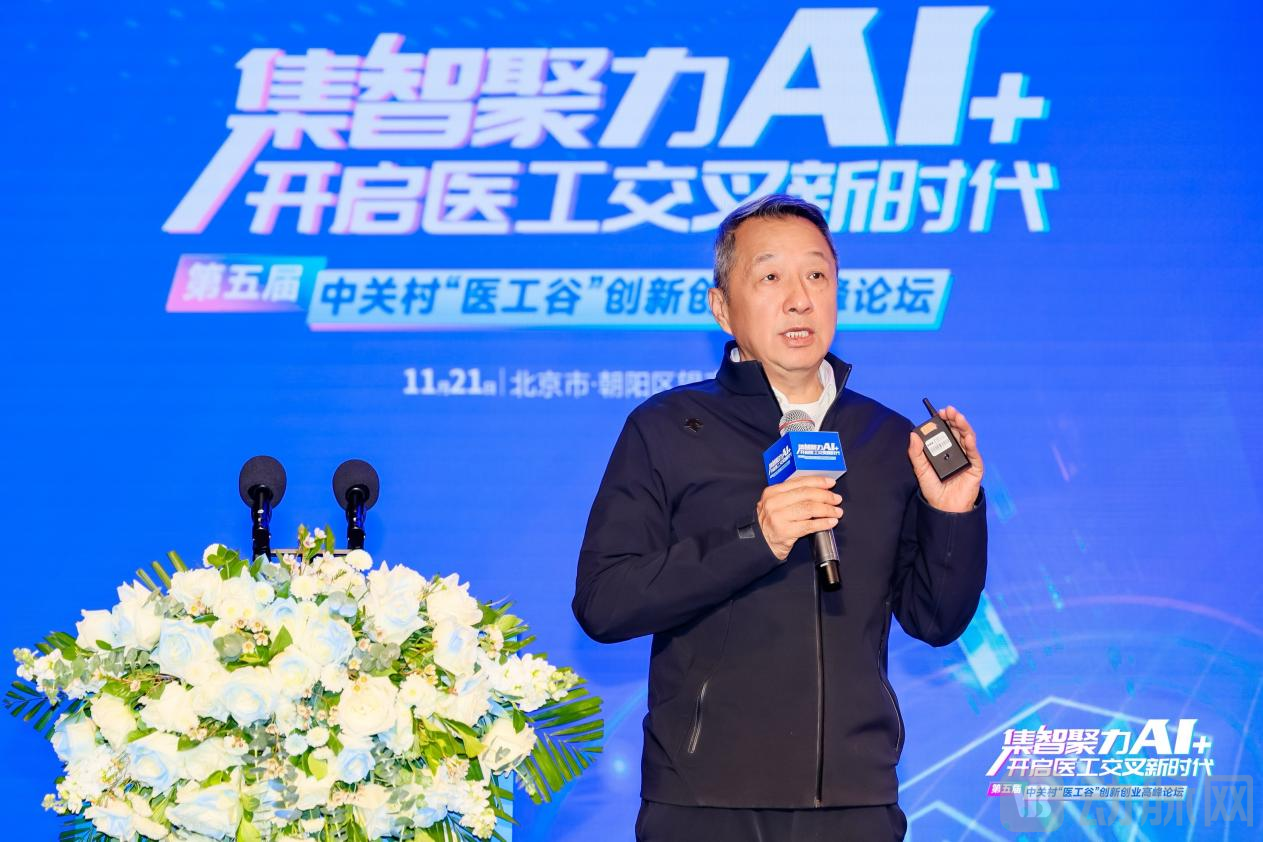
Figure caption: Wang Tianmiao, Honorary Director of the Robotics Institute at Beihang University and Dean of Zhongguancun Zhiyou Research Institute
“Med-engineering convergence is, in essence, one of the key innovation frontiers that closely integrates engineering technologies with medicine, guided by the goal of advancing public health and well-being.”
In his keynote address, “Reflections on the ‘First Mile’ of Translating Med-Engineering Cross-Disciplinary Achievements,” Wang Tianmiao, Honorary Director of the Robotics Institute at Beihang University and Dean of the Zhongguancun Zhiyou Research Institute, highlighted that innovation in high-tech medical devices still faces four major pain points: significant challenges in achieving mutual understanding and breakthroughs across medicine and engineering, substantial investment requirements, prolonged development cycles, and regulatory approval hurdles. To move beyond the laboratory and successfully translate med-engineering cross-disciplinary achievements, it is essential to engage in deep reflection on dimensions such as outcome evaluation, model innovation, and team building.
Meanwhile, to ensure the sustainable growth of future achievements in medical-engineering convergence, it is crucial to avoid homogeneous competition as much as possible. Innovation and entrepreneurship can be initiated by fostering collaborations between influential principal investigators (PIs) from engineering disciplines and clinical settings. Product competitiveness should be built upon continuous breakthroughs in foundational technologies and core components. Business model innovation can begin with scaled, high-frequency applications or consumables. Furthermore, profits and influence can be gained by exploring overseas markets along the Belt and Road Initiative. Ultimately, innovative development will be realized through active government guidance and support from all stakeholders.
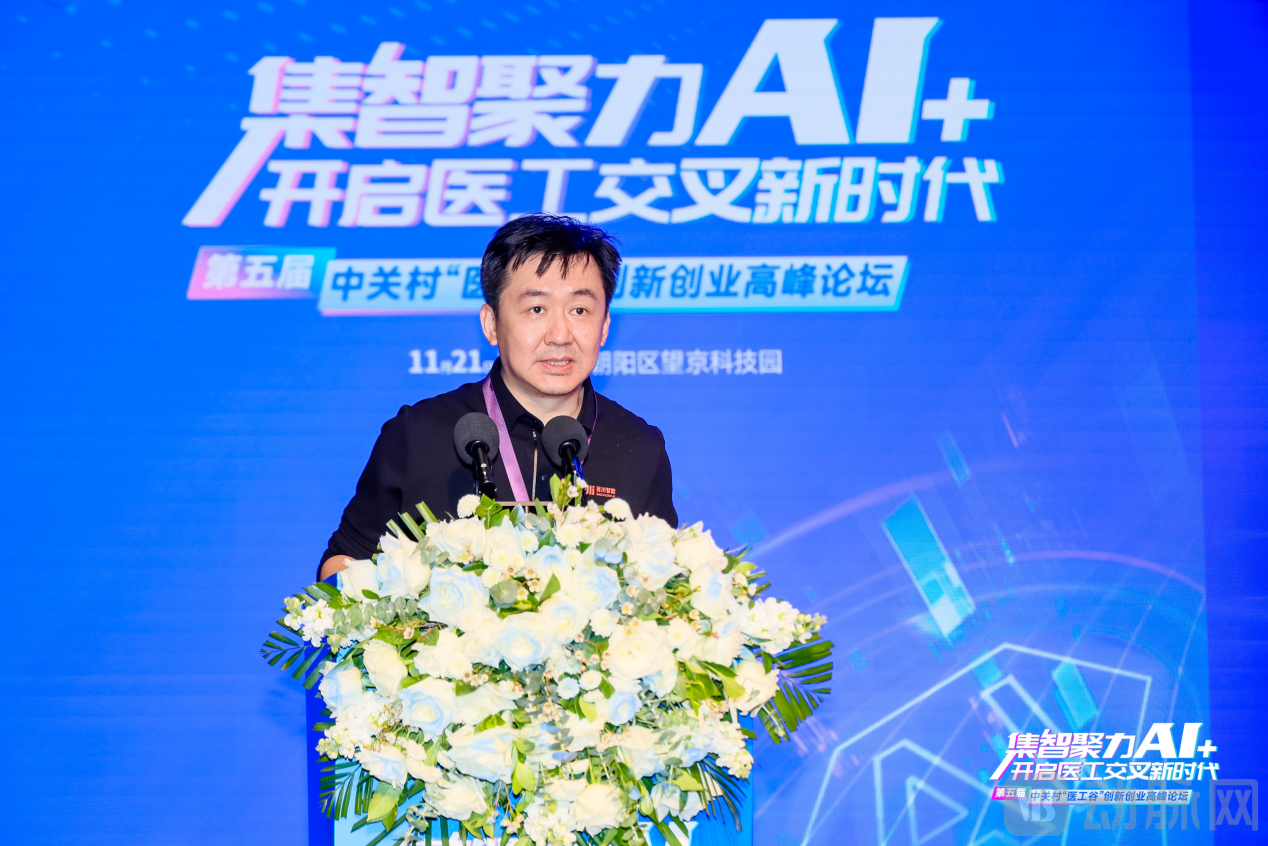
Figure caption: Wang Xiaochuan, Founder and CEO of Baichuan Intelligence
In his keynote presentation titled “AI-Driven Healthcare Transformation in the Era of Large Language Models,” Wang Xiaochuan, Founder and CEO of Baichuan Intelligence, pointed out that the core of healthcare reform lies in shifting from a hospital-centric model to a home-centric one. Advances in AI technology will provide strong support for decentralizing medical resources. For instance, digital tools can facilitate remote management; during the pandemic, the United States implemented Remote Patient Monitoring (RPM) programs that leveraged remote monitoring devices, mobile applications, and electronic health records. These technologies enabled physicians to remotely track patients’ vital signs, such as blood pressure and blood glucose levels, thereby delivering personalized and timely care while receiving appropriate reimbursement. This approach played a significant role in reducing hospital visits and lowering the risk of cross-infection. Such a model not only promotes effective chronic disease management, medication guidance, and early screening and diagnosis for prevention, but also greatly enhances convenience for patients and significantly improves healthcare efficiency.
Wang Xiaochuan believes that AI in healthcare is poised to reach a level of maturity comparable to Level 3 autonomous driving, wherein machines will play a more significant role in assisting physicians with decision-making. Specifically, AI systems can generate comprehensive diagnosis and treatment plans tailored to patients’ individual conditions and symptoms, subject to physician confirmation. Notably, the application prospects for large language models (LLMs) in medical assistance are even broader than those in autonomous driving. LLMs can effectively amplify the value of medical resources, particularly in primary care settings, by enhancing clinical decision support and improving diagnostic accuracy, thereby promising to bring about more positive transformations to the healthcare industry.
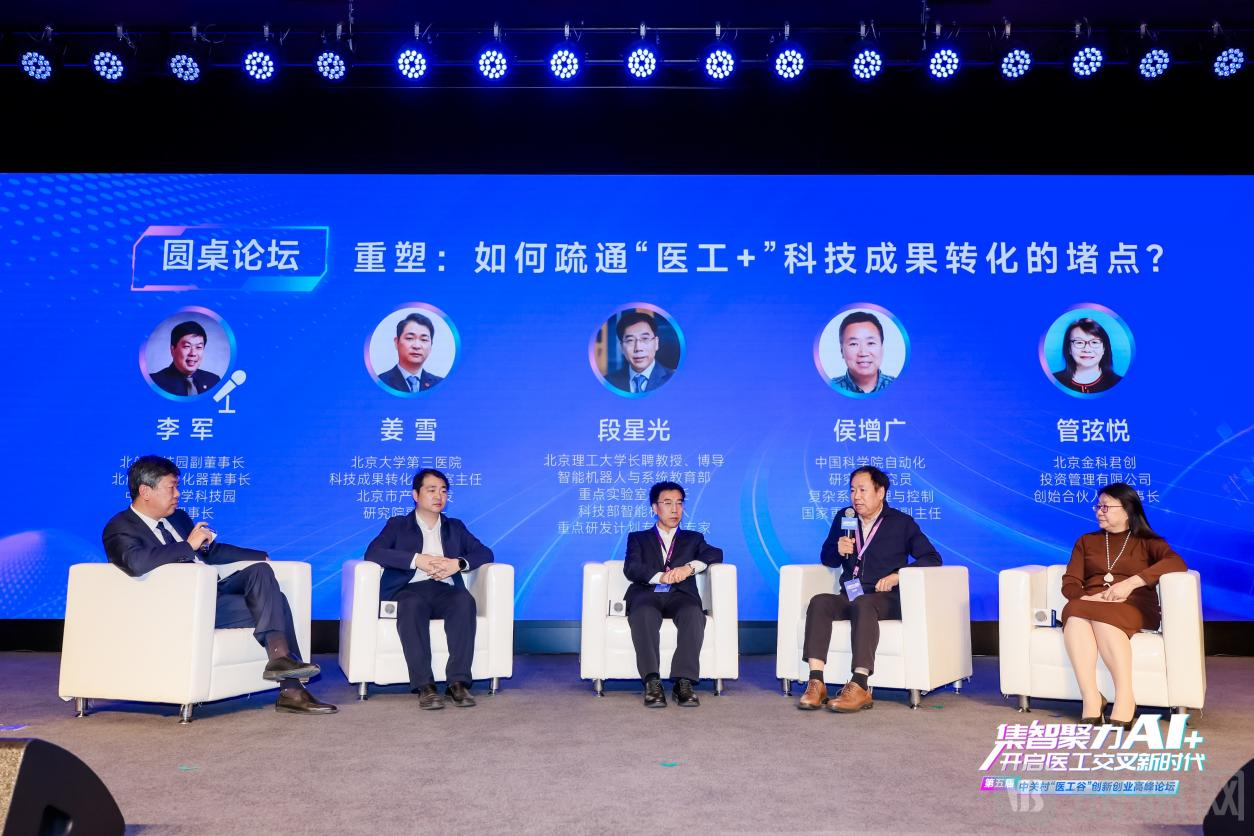
Figure caption: Roundtable scene of “Reshaping: How to Unblock the Bottlenecks in the Translation of ‘Medical-Engineering+’ Scientific and Technological Achievements?”
During the roundtable discussion of “Reshaping: How to Unblock the Bottlenecks in the Translation of ‘Medical-Engineering Plus’ Scientific and Technological Achievements?”, Li Jun, Vice Chairman of Beihang University Science Park, Chairman of Beihang Tianhui Incubator, and Chairman of the Zhongguancun University Science Park Alliance, served as the moderator. He engaged in in-depth exchanges and discussions with Jiang Xue, Director of the Office for Translation of Scientific and Technological Achievements at Peking University Third Hospital and Deputy Dean of the Beijing Industrial Development Research Institute; Duan Xingguang, Tenured Professor and Doctoral Supervisor at Beijing Institute of Technology, Deputy Director of the Key Laboratory of Intelligent Robotics and Systems under the Ministry of Education, and Expert Member of the National Key R&D Program on Intelligent Robots under the Ministry of Science and Technology; Hou Zengguang, Researcher at the Institute of Automation, Chinese Academy of Sciences, and Deputy Director of the State Key Laboratory of Management and Control for Complex Systems; and Guan Xianyue, Founding Partner and Chairman of Beijing Jinke Junchuang Investment Management Co., Ltd.
Participants engaged in in-depth discussions on numerous topics, including the pain points and bottlenecks in medical-engineering integration, the operational models of sci-tech innovation brokers, the collaborative framework among hospitals, research institutions, and enterprises, and development trends in the medical-engineering field. The guests emphasized the need to strengthen awareness of medical-engineering integration, bridge the “cognitive gap” and “time lag,” leverage the sci-tech innovation broker workforce effectively, solidify the foundation for steady innovative development, promote industrial application, and establish a virtuous cycle of “research + industry + finance” from an innovation-driven perspective, thereby addressing unmet clinical needs.
In the “AI + Medical Devices” session of the forum, Qian Zhen, Director of the Intelligent Imaging Diagnosis Institute at Beijing United Imaging Intelligence Research Institute, and Zhang Songgen, Chairman of Beijing Tinavi Medical Technologies Co., Ltd., shared key explorations in their respective specialized fields.
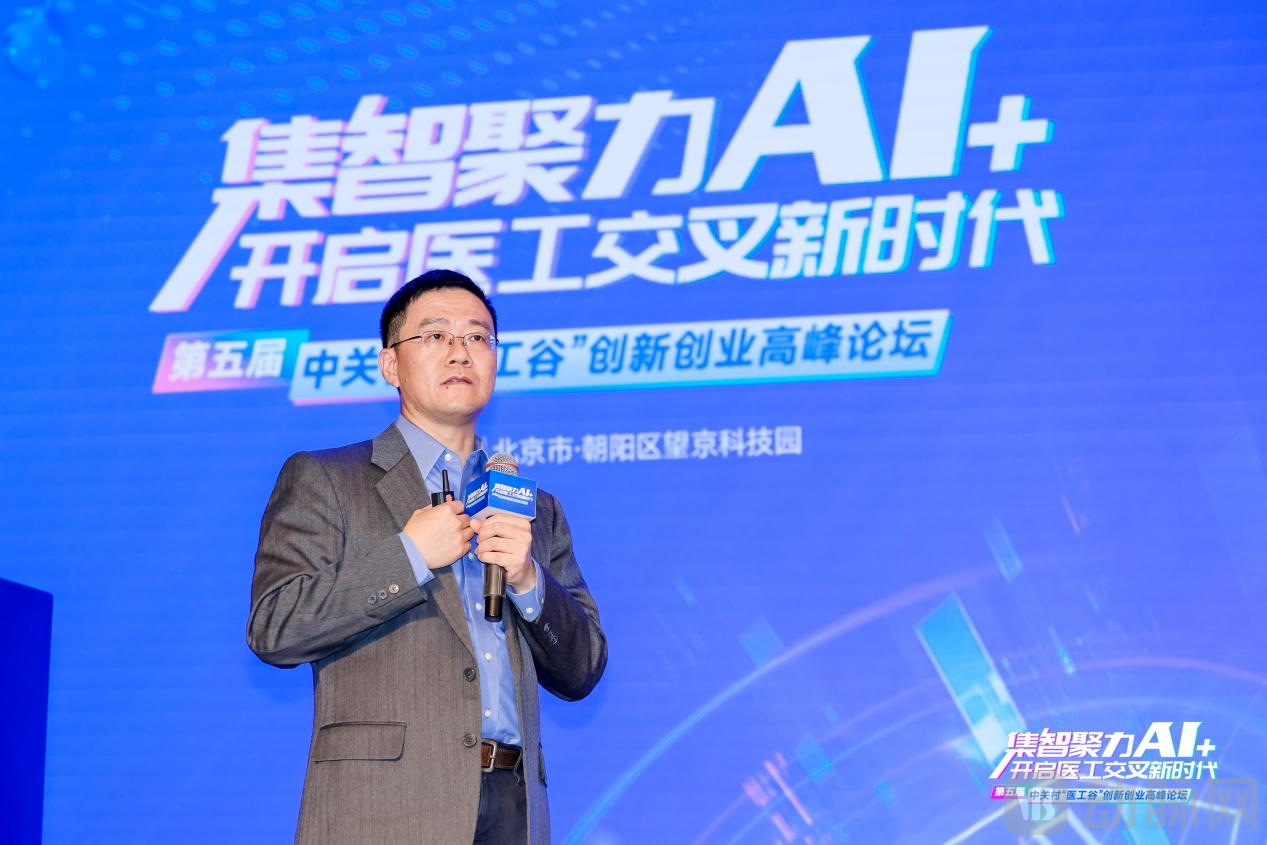
Figure caption: Qian Zhen, Director of the Institute for Intelligent Imaging Diagnosis, Beijing United Imaging Intelligence Research Institute of Medical Imaging Technology
In his keynote address titled “Empowering Intelligent Transformation, Envisioning the Future of Healthcare,” Qian Zhen, Director of the Institute for Intelligent Imaging Diagnosis at Beijing United Imaging Intelligence Research Institute, provided an in-depth analysis of the current landscape of AI in healthcare. He pointed out that, on one hand, advancements in AI technology have ushered in unprecedented opportunities for the medical industry. By efficiently integrating data resources, AI can deliver comprehensive and holistic solutions spanning multiple departments, including radiology and clinical specialties. These solutions address a wide range of conditions affecting the brain, heart, chest, and oncology, and cover diagnostic, therapeutic, follow-up, and research workflows across various imaging modalities such as CT, MRI, and DR. Currently, AI has demonstrated significant potential in numerous application scenarios and has obtained relevant certifications.
On the other hand, despite the rapid momentum of large language models (LLMs) in the vertical healthcare sector, they still face challenges related to reliability, such as insufficient precision in text understanding and a lack of adherence to core principles. To address these challenges, Director Qian Zhen proposed countermeasures including model fine-tuning and the construction of specialized knowledge bases to enhance the application capabilities of AI in the medical field.
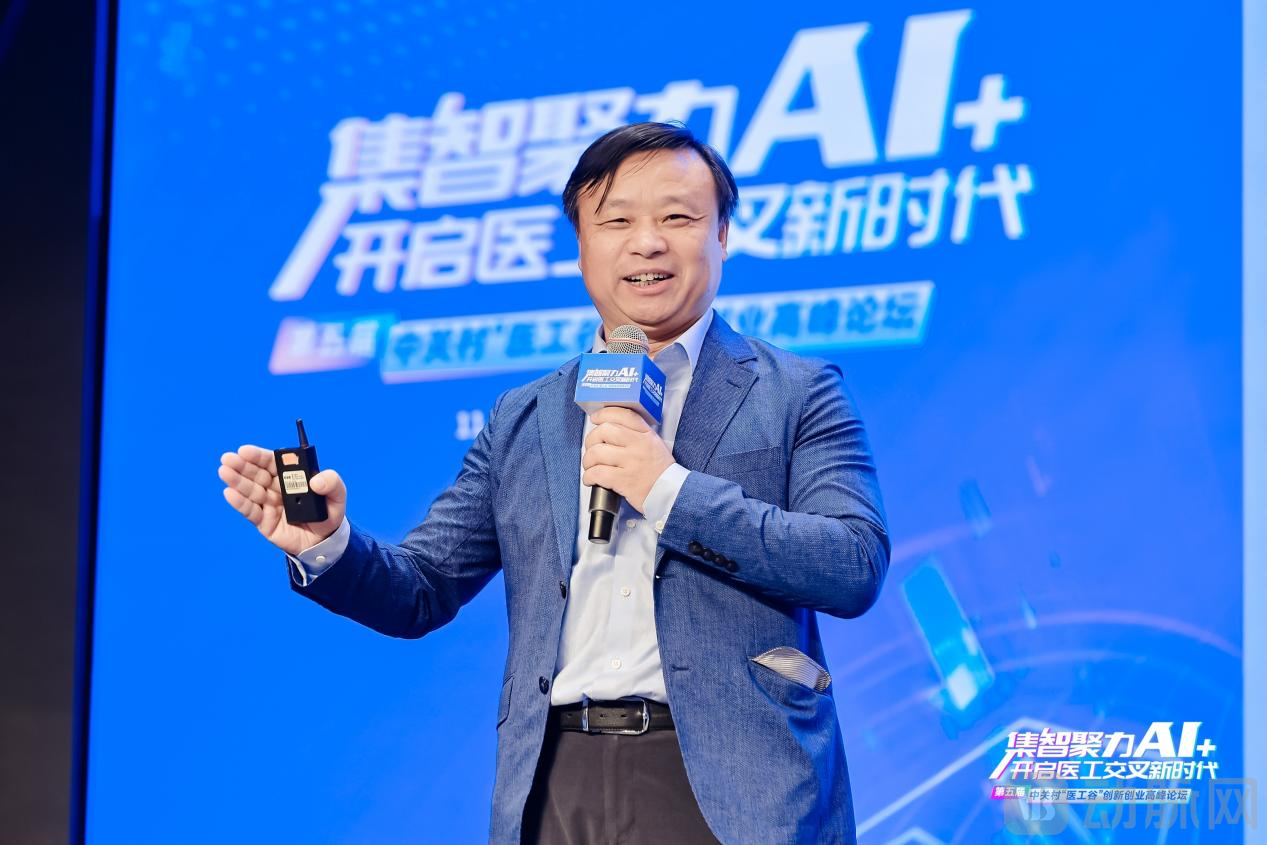
Figure caption: Zhang Songgen, Chairman of Beijing Tinavi Medical Technologies Co., Ltd.
In his keynote address titled “‘Smart’ Innovations in Domestically Produced Surgical Robots,” Zhang Songgen, Chairman of Beijing Tinavi Medical Technologies Co., Ltd., provided an in-depth analysis of development trends in the field of surgical robotics. He pointed out that surgical robots have a long history, with notable differences between China and the United States in terms of clinical application, regulatory approval, and market launch timelines. Currently, the global surgical robot market is characterized by its substantial scale and rapid growth. While the international market is dominated by mergers and acquisitions among large enterprises, the domestic market in China, though not yet mature, has already entered a highly competitive “red ocean” phase, necessitating greater attention to support its entrepreneurial ecosystem.
Nevertheless, surgical robots are profoundly transforming the healthcare industry with their significant advantages, such as reducing the learning curve for surgeons, strengthening the tiered diagnosis and treatment system, and enabling remote surgery. Looking ahead, Zhang Songgen predicts that the deep integration of AI and robotics, along with the comprehensive robotization of high-end medical equipment, will become a major trend. Meanwhile, the automated planning and autonomous operation capabilities of surgical robots will gradually become a reality.
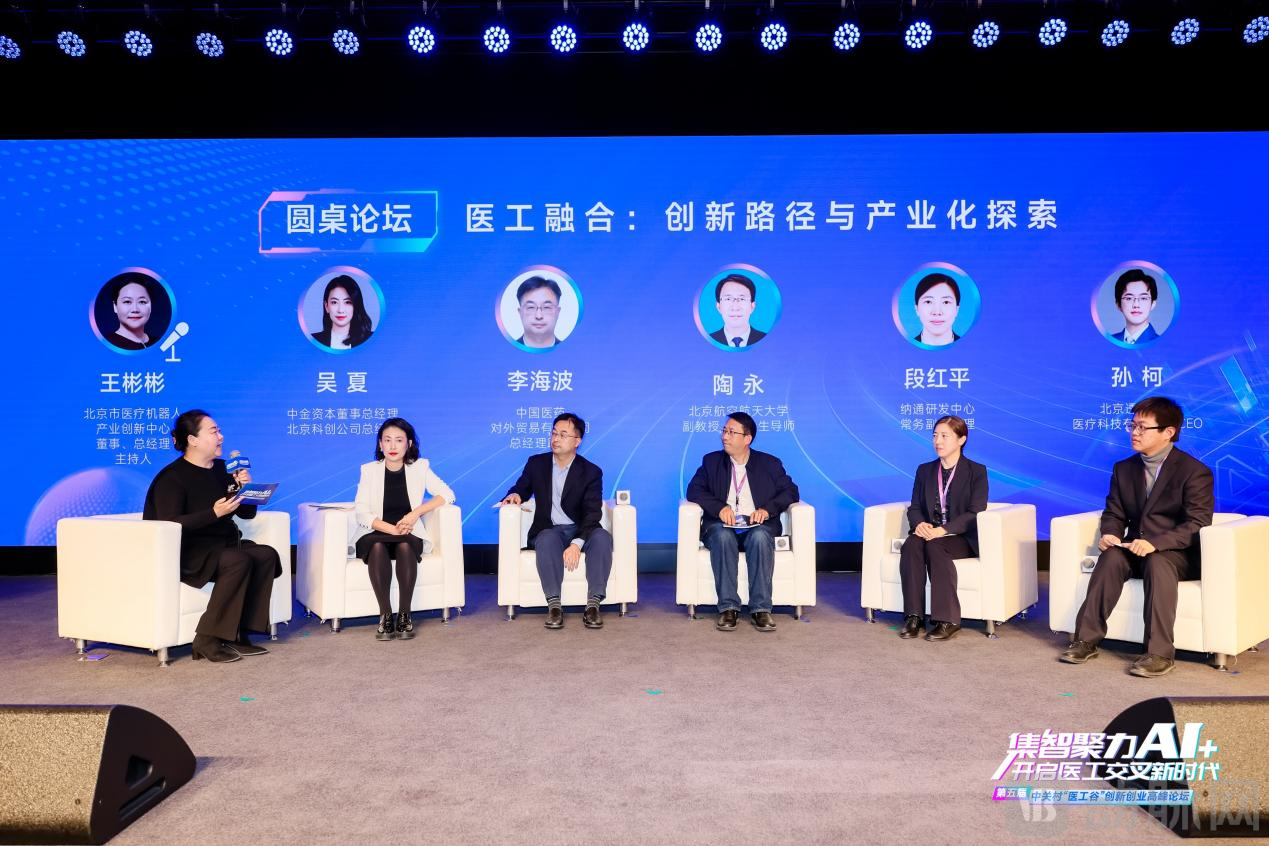
Figure Caption: “Integration of Medicine and Engineering: Innovative Pathways and Industrialization Exploration” Roundtable Scene
In the roundtable discussion session of “Integration of Medicine and Engineering: Innovative Pathways and Industrialization Exploration,” moderated by Wang Binbin, Director and General Manager of the Beijing Medical Robot Industry Innovation Center, participants including Wu Xia, Managing Director of CICC Capital and General Manager of Beijing Sci-Tech Innovation Company; Li Haibo, Assistant General Manager of China National Pharmaceutical Foreign Trade Co., Ltd.; Tao Yong, Associate Professor and Doctoral Supervisor at Beihang University; Duan Hongping, Executive Deputy General Manager of Naton R&D Center; and Sun Ke, CEO of Beijing TouChi Jihe Medical Technology Co., Ltd., jointly explored topics such as investment logic in the healthcare industry, development trends and innovative pathways for the integration of medicine and engineering, and strategies to overcome market access barriers.
Attendees emphasized that cross-disciplinary collaboration between medicine and engineering requires close synergy and communication, as well as the establishment of interdisciplinary cooperation mechanisms and teams, to continuously improve healthcare quality through technological innovation and ultimately benefit patients. Meanwhile, the participants noted that the government has introduced a series of supportive policies that have effectively promoted in-depth cooperation across the upstream and downstream segments of the industry chain, injecting strong momentum into the sustained innovation and high-quality development of the medical-engineering sector.
In the “AI + General Health” session of the forum, Wang Jing, Dean of the Beijing Research Institute of iFlytek Medical Technology Co., Ltd.; Lei Xiaochen, Director of the Wearable Products Division at Xiaomi Group; and Ding Ming, Professor and Doctoral Supervisor at Beihang University and Co-founder of Weici Technology, respectively conducted in-depth explorations and shared insights on the integration of medicine and engineering from the perspectives of “Exploration and Application of Cognitive Large Models in Healthcare,” “Safeguarding Lives: Current Status and Prospects of Active Health Intervention Technologies for Wearable Devices,” and “Quantum Precision Magnetic Field Sensing and Its Medical Applications.”
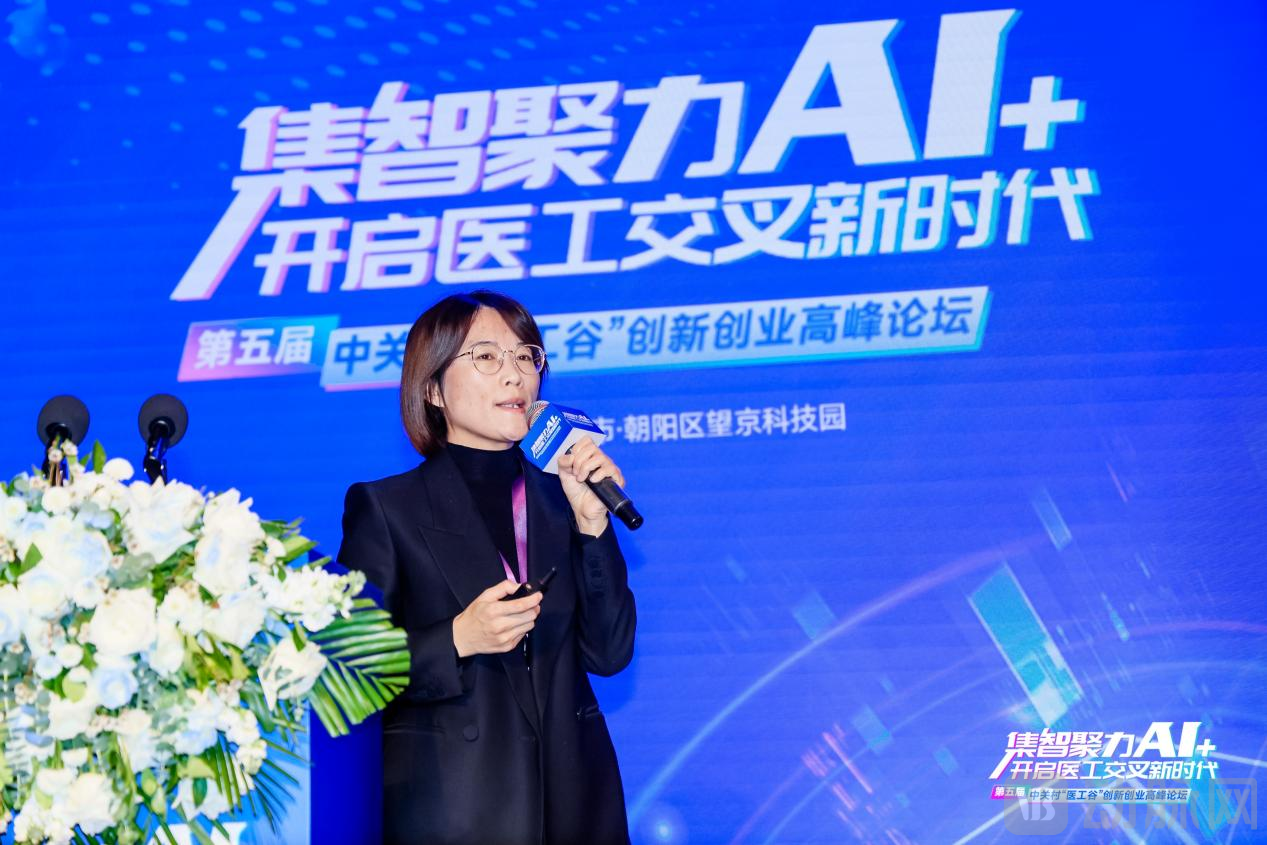
Figure caption: Wang Jing, Dean of the Beijing Research Institute of iFlytek Healthcare Technology Co., Ltd.
“Large models are leading us into a new era of toolification and widespread adoption.” Wang Jing, Dean of the Beijing Research Institute of iFlytek Healthcare Technology Co., Ltd., pointed out in her presentation, “Exploration and Application of Cognitive Large Models in the Healthcare Field,” that AI technology has ushered in a new “Nobel Prize” era. The intersection of AI with multiple disciplines has become an overarching trend, and large models are accelerating the advancement of artificial intelligence toward cognitive intelligence.
Currently, large language models (LLMs) are developing rapidly abroad with intense competition; however, numerous technical challenges remain in transitioning from academic research to practical implementation. In the pharmaceutical and healthcare sector, LLMs have opened up broad application prospects, encompassing areas such as auxiliary diagnosis and treatment at primary care levels, optimization of hospital medical record management, comprehensive patient management, and enhancement of imaging diagnostic quality.
Wang Jing believes that future large language models must also prioritize the supporting role of hardware platforms. The development of artificial intelligence and healthcare application scenarios requires collaborative efforts to foster a thriving ecosystem, thereby enabling greater advancement.
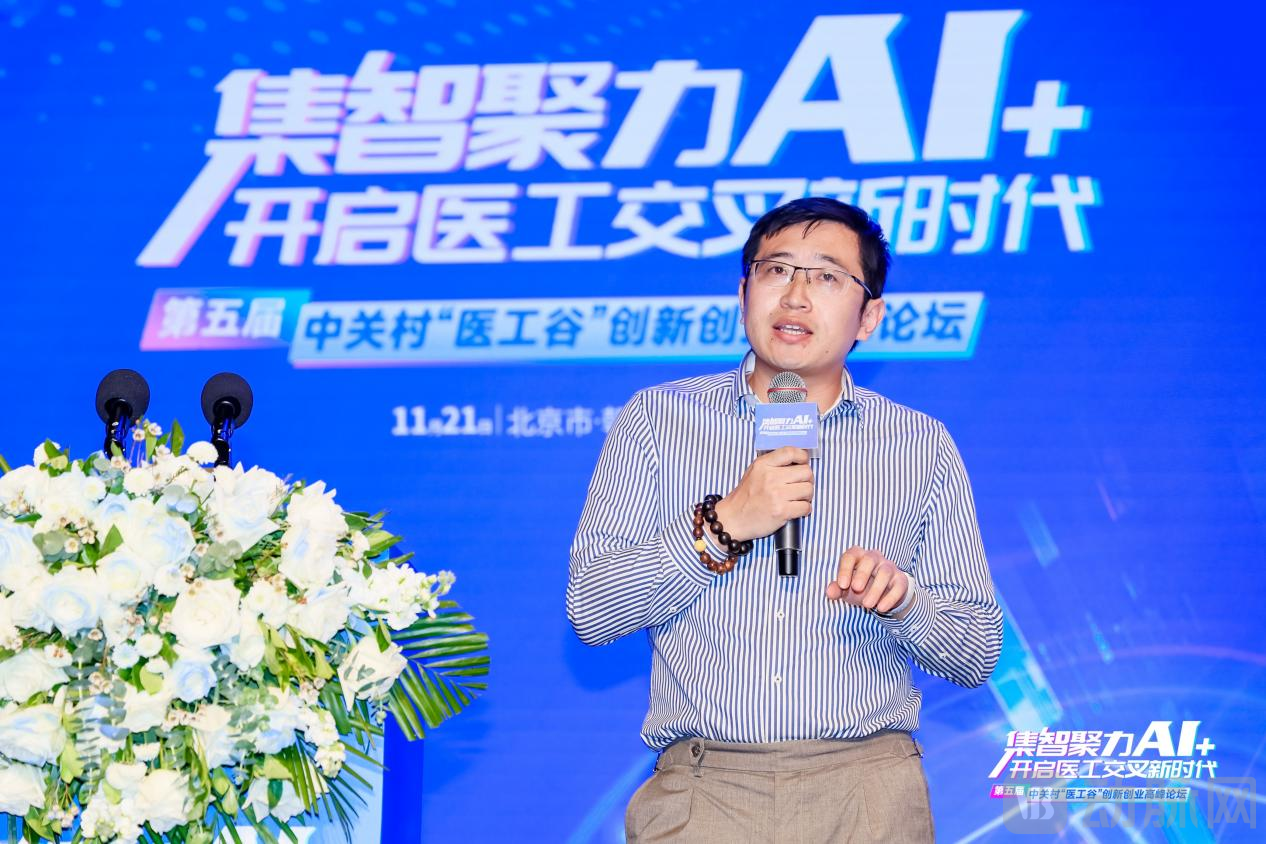
Figure Caption: Lei Xiaochen, Director of the Wearable Products Department at Xiaomi Group
In his keynote address titled “Safeguarding Lives: Current Status and Prospects of Active Health Intervention Technologies for Wearable Devices,” Lei Xiaochen, Director of the Wearable Products Division at Xiaomi Group, emphasized that wearable devices hold immense potential in the health sector, particularly in focusing on population-level health management.
On the one hand, there is a large-scale demand for public health management, with heightened attention focused on conditions exhibiting significant trends toward younger demographics, such as obesity, cardiovascular and cerebrovascular diseases, sleep disorders, and mental health issues. On the other hand, unlike medical devices, wearable devices offer the advantages of unobtrusive wearability and continuous monitoring, enabling them to provide users with real-time, long-term health monitoring, early warnings, and personalized management solutions.
In the future, wearable devices will evolve toward enhanced comprehensive analytical capabilities, facilitating the construction of proactive health management systems. This will enable a closed-loop health service model encompassing prevention, assessment, exercise guidance, intervention, and multi-party collaboration, thereby providing users with more comprehensive health protection.
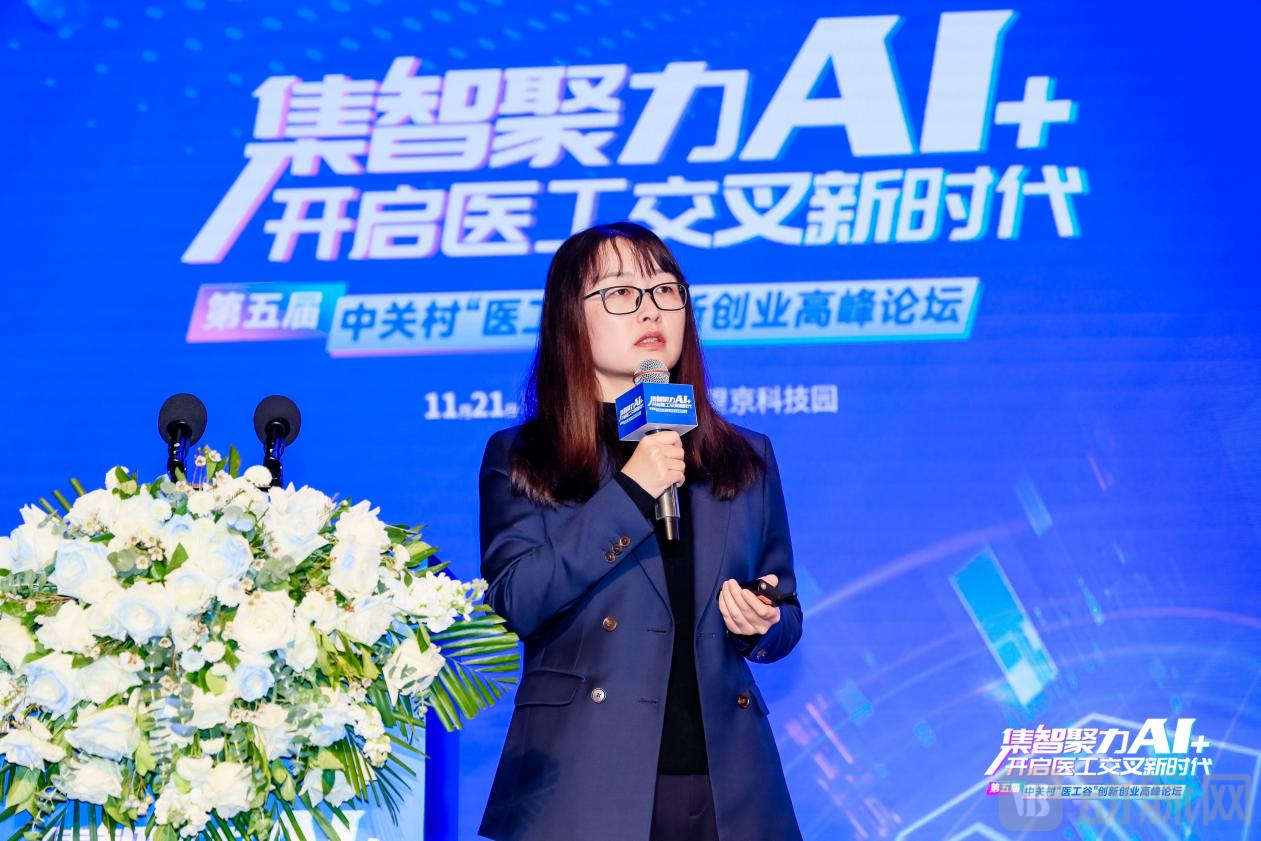
Figure caption: Ding Ming, Professor and Doctoral Supervisor at Beihang University, Co-founder of Weici Technology
In his keynote address titled “Quantum Precision Magnetic Field Sensing and Medical Applications,” Professor Ding Ming, a doctoral supervisor at Beihang University and co-founder of Weici Technology, vividly elucidated how this cutting-edge technology is closely integrated into daily life and demonstrates extensive application potential in fields such as biomedical healthcare and industrial inspection. Professor Ding emphasized that, owing to its ultra-high sensitivity, quantum magnetic field sensing technology can detect extremely subtle magnetic field variations. This characteristic has opened new avenues for biomagnetic detection techniques and brought about revolutionary advances in the field of functional medical imaging.
Currently, this technology has been successfully applied to the precise diagnosis and localization of major neurological disorders, such as epilepsy and brain tumors. It also enables early screening for cardiovascular diseases, including coronary heart disease, significantly improving diagnostic accuracy and benefiting a wide range of patients.
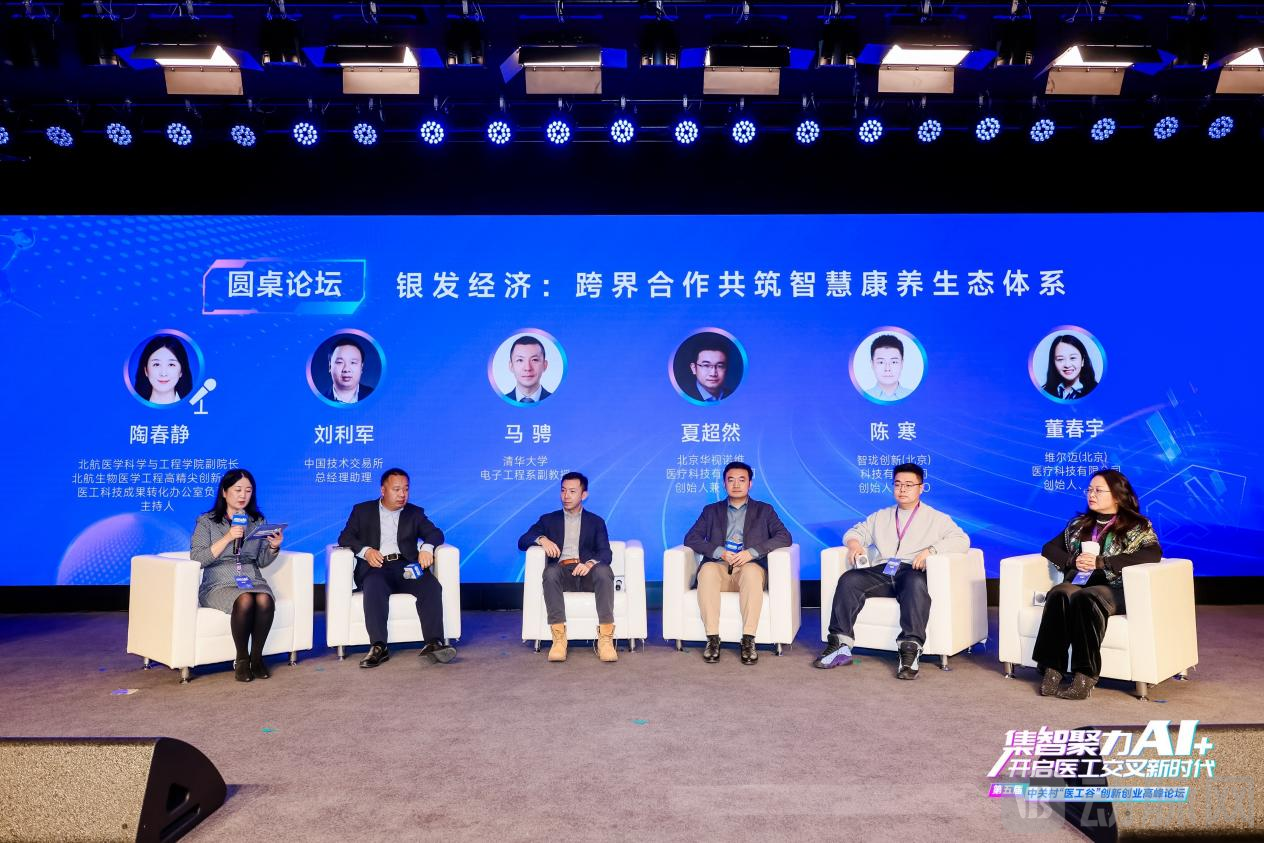
Figure caption: Roundtable discussion on “The Silver Economy: Cross-Sector Collaboration to Build a Smart Health and Elderly Care Ecosystem”
During the roundtable discussion titled “The Silver Economy: Cross-Sector Collaboration to Build a Smart Health and Elderly Care Ecosystem,” Tao Chunjing, Deputy Dean of the School of Medical Science and Engineering at Beihang University and Head of the Office for Translation of Medical-Engineering Scientific and Technological Achievements at the Beijing Advanced Innovation Center for Biomedical Engineering, served as the moderator. Together with Liu Lijun, Assistant General Manager of the China Technology Exchange; Ma Cheng, Associate Professor in the Department of Electronic Engineering at Tsinghua University; Xia Chaoran, Founder and CEO of Beijing Huashi Nuowei Medical Technology Co., Ltd.; Chen Han, Founder and CEO of Zhilong Innovation (Beijing) Technology Co., Ltd.; and Dong Chunyu, Founder and President of Weimai (Beijing) Medical Technology Co., Ltd., they explored innovative approaches to building a smart health and elderly care ecosystem within the context of the silver economy.
During discussions on the smart health and elderly care ecosystem, multiple experts jointly outlined the sector’s prospects. Although the industry still faces challenges—including the need to refine details in areas such as industry standards, insurance, and policies—as well as obstacles related to investment and financing markets, business models, application scenarios, data flow, the digital divide, and privacy protection.
However, this sector has already demonstrated a substantial market size and an annual growth rate as high as 10%. In the future, by establishing collaborative platforms involving government, industry, academia, research institutions, and healthcare providers, deepening the integration of medicine and engineering, and precisely aligning with clinical needs, smart health and elderly care products are expected to undergo continuous innovation and achieve widespread adoption. This process will facilitate the further development of the smart health and elderly care ecosystem.
Over the past five years, the Zhongguancun “Medical-Engineering Valley” Innovation and Entrepreneurship Summit has continuously played a pivotal role in leading industry development and fostering innovative exchanges. Looking ahead, we aspire to continue working hand in hand with industry partners to jointly advance innovation at the intersection of medicine and engineering, contributing indispensable medical-engineering expertise and strength to the vigorous growth of China’s new quality productive forces.