

Third Nandu River Smart Healthcare and Rehabilitation Industry Summit Successfully Concludes, Showcasing Innovations in Digital Therapeutics, Brain-Computer Interfaces, and Rehabilitation Robotics
Hainan is a name familiar to many. Located at the southernmost tip of China, this island has emerged as the country’s largest special economic zone, a forefront of opening-up, and a key hub for the development of the health industry. In 2023, its GDP grew by 9.2% year-on-year. As one of the strategic emerging industries in the Hainan Free Trade Port, the biomedical sector has also witnessed rapid growth in recent years. In 2023, the total output value of the province’s medical industry reached RMB 28.7 billion, representing a 12.4% year-on-year increase, with the growth rate of value-added standing at 10.5%, ranking among the highest nationwide.
On November 22, the “3rd Nandujiang Smart Healthcare and Rehabilitation Industry Summit” (hereinafter referred to as the “3rd Nandujiang Forum”), a high-profile conference co-hosted by VeriSilicon Microelectronics (Shanghai) Co., Ltd. (hereinafter referred to as “VeriSilicon” or “VeriSilicon Holdings”) and the Haikou Municipal Bureau of Science, Technology, Industry and Information Technology, was held in Haikou, Hainan Province.
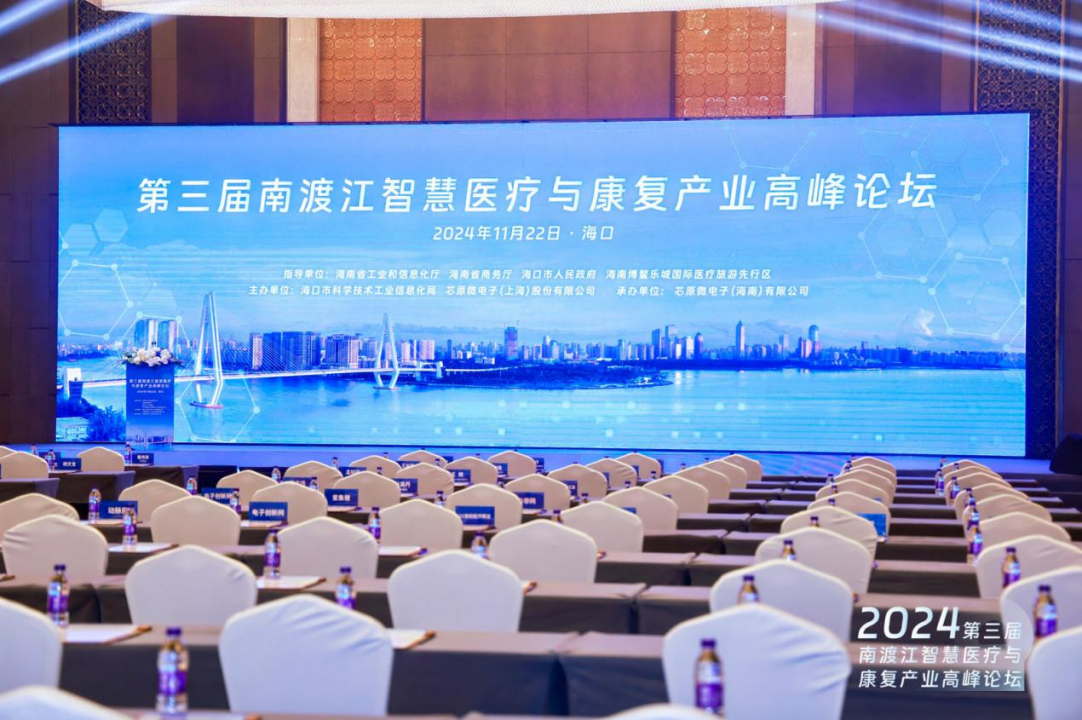
At the conference, clinical practitioner representatives from the broader health industry, corporate leaders, and invited guests gathered to engage in in-depth exchanges and discussions on three major topics—digital therapeutics, brain-computer interfaces, and rehabilitation robotics. Covering frontier technologies, popular applications, and industrial ecosystems, the dialogue has opened up new prospects for industry development.
Dai Weimin, Founder, Chairman, and President of VeriSiliconDelivering the opening address, he recounted the development journey since the inaugural forum, emphasizing the significance of brain-computer interfaces (BCIs) and digital therapeutics as cutting-edge technologies. He specifically highlighted Hainan Province’s leading position in the field of digital therapeutics, noting that VeriSilicon and the Nandu River High-Level Forum have become major engines for Haikou, cultivating a large pool of high-caliber talent and establishing a communication platform to further propel the development of Hainan’s healthcare industry. Dai Weimin pointed out that Hainan took the lead in incorporating digital therapeutics into its provincial planning, exploring pilot applications of digital therapeutics, and launching the first full-lifecycle support policy for the digital therapeutics industry. He also specially mentioned that Hainan’s unique climatic conditions provide natural advantages for rehabilitation therapy. In the future, Hainan can develop rehabilitation centers by repurposing hotel resources and promote the industrialization of rehabilitation by integrating rehabilitation robotics technology.
Dai Weimin also shared VeriSilicon’s layout and development achievements in Hainan. He stated that, as one of VeriSilicon’s seven R&D centers, VeriSilicon Hainan focuses on the smart healthcare and wellness industries, prioritizing the development of chip design platforms and IP for wearable smart devices, as well as the establishment of system platforms in the field of smart elderly care. Currently, the VeriSilicon Hainan team has expanded to 66 members, including nearly 60 R&D engineers, with half of the team consisting of local Hainan employees. VeriSilicon consistently regards talent localization as a key direction of its talent strategy in Hainan and is committed to cultivating high-quality professionals for the island’s integrated circuit (IC) industry. Among VeriSilicon’s local employees in Hainan, 73% graduated from Hainan University, while those who did not graduate from Hainan University are all natives of Hainan Province. This July, approximately 30 new campus recruits joined VeriSilicon Hainan, with 89% graduating from Project 985 or Project 211 universities and over 50% being Hainan natives. This fully demonstrates VeriSilicon’s ability to attract and continuously nurture local talent, injecting new vitality into the development of Hainan’s technology industry.
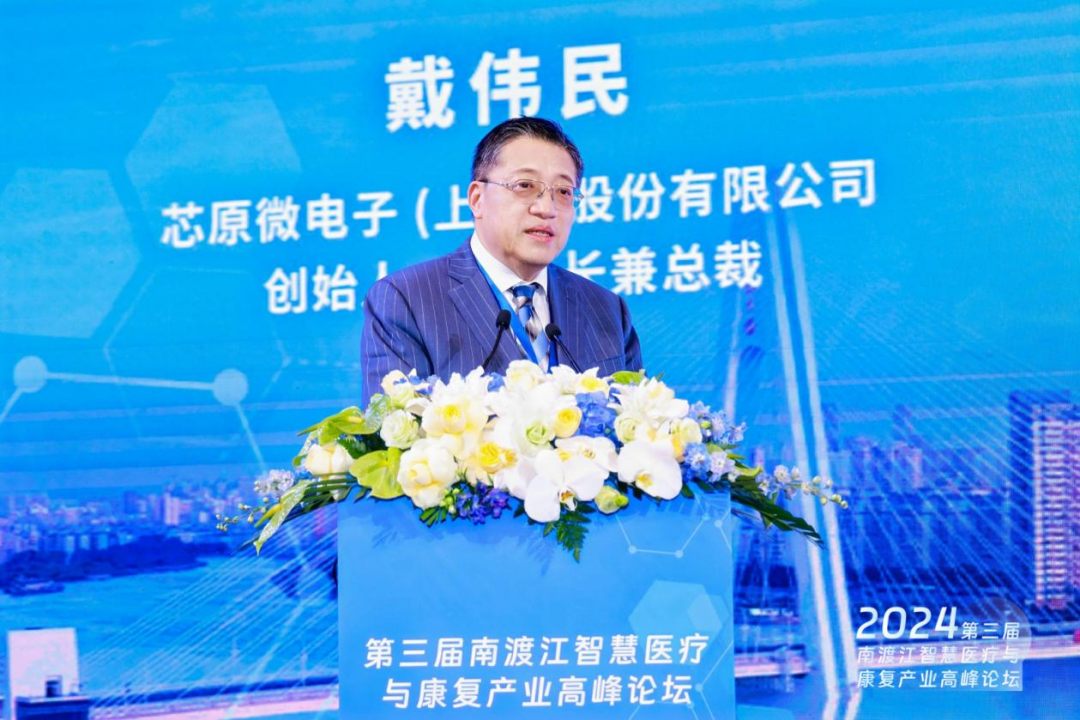
Dai Weimin, Founder, Chairman, and President of VeriSilicon
Subsequently,Huang Wencong, Party Committee Member and Deputy Director of the Hainan Provincial Department of Industry and Information Technology, emphasizedCutting-edge technologies such as digital therapeutics, brain-computer interfaces, and rehabilitation robots are significantly expanding the scope and depth of healthcare services. The 3rd Nandu River Forum closely aligns with core issues in the biomedical industry, fostering robust growth in smart healthcare and rehabilitation sectors. Meanwhile, Hainan will continue to optimize industrial policies and improve service systems to provide an optimal business environment for the smart healthcare industry, facilitating its establishment and development within the Hainan Free Trade Port.
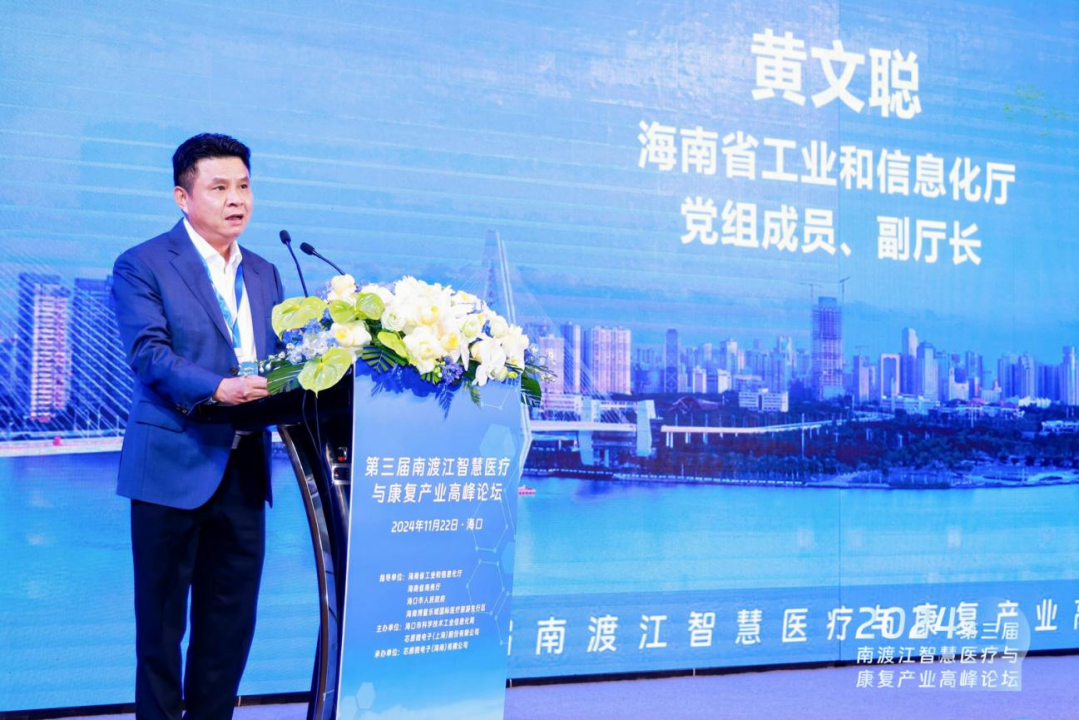
Huang Wencong, Member of the Party Leadership Group and Deputy Director-General of the Hainan Provincial Department of Industry and Information Technology
During the Opening Remarks Session,Wang Shouhui, Deputy Secretary-General of the Haikou Municipal People's GovernmentHe further highlighted Haikou’s achievements in the biopharmaceutical and integrated circuit industries. He noted that Haikou has concentrated the majority of the province’s pharmaceutical manufacturers and industrial output value, attracting numerous industry-leading enterprises to establish operations there. VeriSilicon also plays a pivotal role in the smart healthcare and rehabilitation sectors. Through this forum, he expressed his hope to facilitate intellectual exchange, explore emerging trends, technologies, and opportunities in industrial development, and promote the high-quality growth of the smart healthcare and rehabilitation industries.
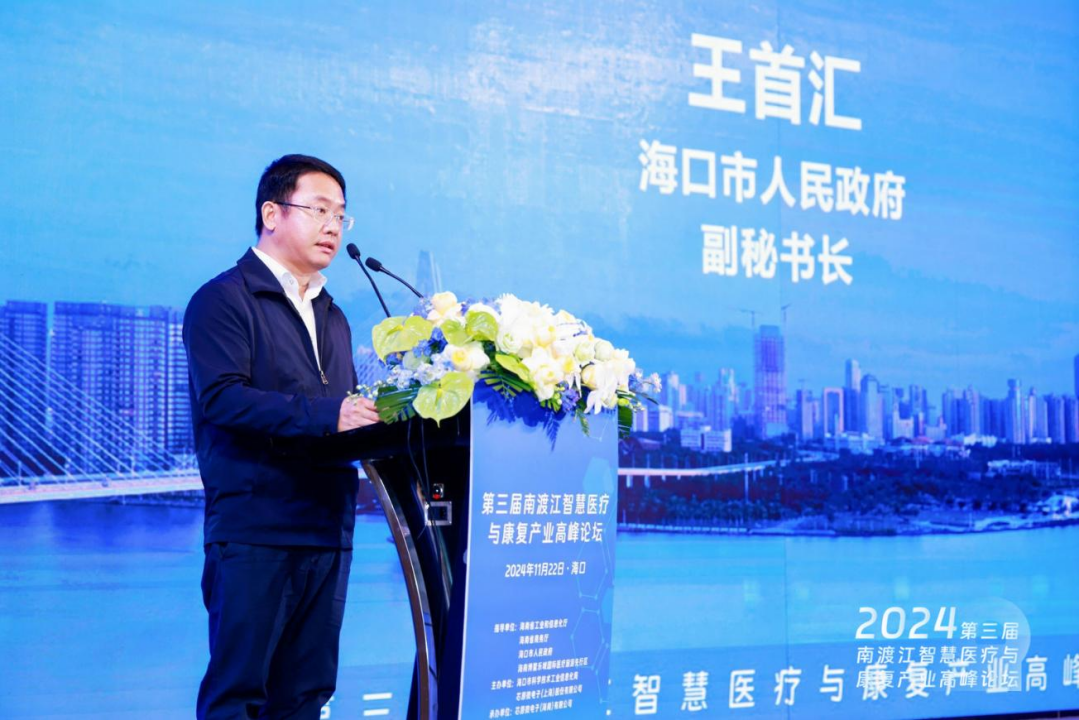
Wang Shouhui, Deputy Secretary-General of the Haikou Municipal People's Government
At the outset of the conference, Jiang Tianzi, Academician of Academia Europaea, Researcher at the Institute of Automation of the Chinese Academy of Sciences, and Dean of the Zhongke Brain Health and Smart Healthcare Research Institute, delved into the cutting-edge applications of brain-computer interface (BCI) technology in the medical field and its significance for the development of the brain health industry. He first outlined the four stages of medical device development, emphasizing the pivotal role of intelligent technologies in advancing healthcare. He then discussed the importance of brain network atlases in neuromodulation, pointing outBrain Network Atlas Is Key to Achieving Precision Neuromodulation, and holds that only by achieving technological breakthroughs based on brain network atlases can the research and development of innovative medical devices, such as brain-computer interfaces, reach new heights.
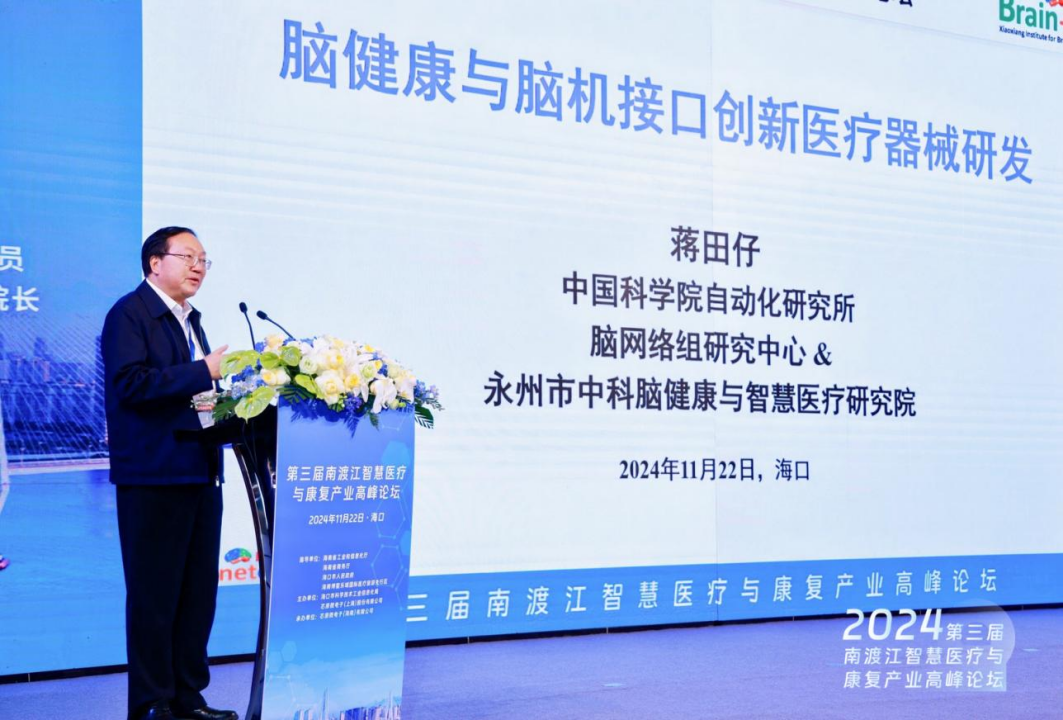
Jiang Tianzi has undoubtedly broken through the limitations of traditional brain atlases, providing a theoretical foundation from the perspective of basic research for the development of innovative medical devices in brain health and brain-computer interfaces. His work accelerates the resolution of challenges facing non-invasive neuromodulation and offers innovative insights for neuroscience research within the industry.
Following the keynote address, the conference reached a crescendo as discussions progressively unfolded around digital therapeutics, brain-computer interfaces, and rehabilitation robotics.
Currently, digital technology has become one of the key technologies in the biomedical industry. Among these, digital therapeutics (DTx), with its unique integration of software and hardware, has successfully transcended the traditional boundaries of digital technology, penetrating the core of healthcare services—the treatment phase. This progress marks a new stage in which digital health has evolved from merely providing connectivity to possessing substantial intervention capabilities. Together with the precision of pharmaceuticals and the intelligence of medical devices, it constitutes three major trends driving future innovation in the healthcare industry.
Backed by China’s digital technology infrastructure and the introduction of favorable policies across various regions, digital therapeutics (DTx) in China are now experiencing rapid development, with continuous progress in application areas and regulatory approval and registration, giving rise to numerous outstanding solutions.
Shanghai Shuyao Intelligent Technology Co., Ltd.As the first company in China to have a digital therapeutic product approved for the treatment of ADHD (Attention-Deficit/Hyperactivity Disorder), it possesses relevant experience in technological research and development, clinical trials, regulatory review and approval, and commercialization. At the conference, Feng Shang, the company’s Chief Neurobiology Expert, drew upon its corporate development experience to delve into the cutting-edge applications of digital therapeutics and brain-computer interfaces in the intervention of pediatric ADHD, and elucidated how toDesign gamified training protocols using adaptive-difficulty multitask competitive training to effectively alleviate symptoms in patients with attention-deficit/hyperactivity disorder (ADHD)。
Thereafter,Shanghai Qianqiu Intelligent Technology Co., Ltd.Shi Chunbo, Founder and General Manager, delivered a speech titled “Application of Digital Therapeutics in the Field of Autism,” sharing Qianqiu Intelligence’s experience in providing digital therapeutic rehabilitation services for children with autism using XR (Extended Reality) technology. He outlined the value of XR technology in enhancing rehabilitation efficiency by helping children with autism improve their skills in simulated real-world environments, and proposed"Stimulate patients' inherent neuroplasticity through digital human-computer interaction, thereby improving the connectivity patterns of neural networks within the brain.", thereby realizing the possibility of rehabilitative treatment for psychiatric disorders.
Associate Researcher at Xuanwu Hospital of Capital Medical University, Vice Chair of the Medical Device Group of the Brain-Computer Interface Industry Alliance under the Ministry of Industry and Information Technology,Beijing Jueming Technology Co., Ltd.Consultant Wang Changming focused on “Digital Solutions for Cognitive and Emotional Management in Patients with Epilepsy,” approaching the topic from a clinical perspective to delve into cognitive and emotional management issues among epilepsy patients and propose digital solutions. Wang Changming pointed out that,Existing studies have demonstrated that emotions have a significant impact on epileptic seizures., it is crucial to treat emotional issues as part of the symptoms of epilepsy. Currently, Beijing Jueming Technology offers a trinity digital health management solution comprising “Electronic Cognitive Function Assessment,” “Self-Help Psychotherapy,” and “Online Cognitive Training,” providing continuous follow-up and health management for patients after discharge.
After thorough discussions on specific sub-sectors, the focus returned to the broader industry, where how to best navigate the rising tide of digital therapeutics (DTx) remains a topic worthy of in-depth exchange. Therefore, during the roundtable forum, Kang Cheng, CEO of Hangzhou Xuzhishi Technology Co., Ltd.; theme speakers Feng Shang, Shi Chunbo, and Wang Changming; and Zheng Tiantian, Senior Vice President of Beijing Asuo Aba Technology Co., Ltd., engaged in deep discussions. Drawing on their own industry experience and considering the current state of DTx development in China, they explored key issues such as the feasibility of DTx in treating pediatric attention-deficit/hyperactivity disorder (ADHD), the optimal timing for DTx intervention in brain disorders, the prospects and bottlenecks of integrating AI with DTx, the application potential of mobile health and wearable devices—represented by VR/AR headsets—in DTx, and clinical trials for DTx, thereby providing direction for industry development.
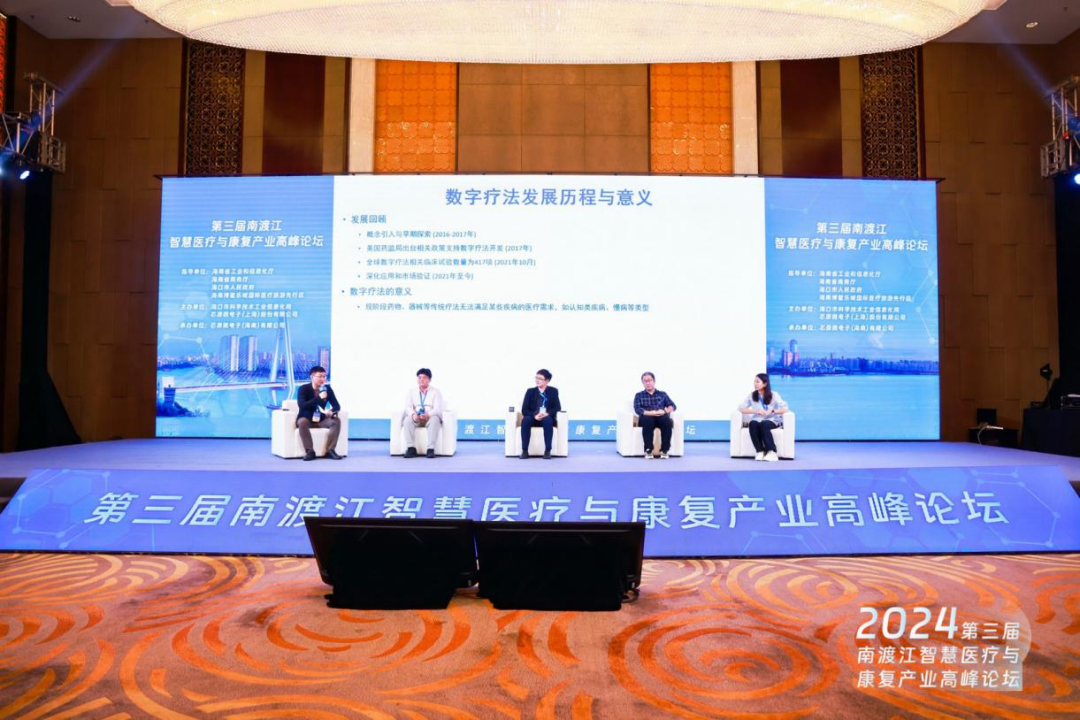
Although digital therapeutics (DTx) originated in the United States and experienced rapid development there, China’s DTx enterprises are now flourishing, leveraging the country’s robust digital technology infrastructure and the continuous introduction of favorable policies. These companies are deepening and expanding their efforts in clinical research, product formats, and indications, carving out their own unique paths rather than merely focusing on imitation or surpassing imported solutions.
Brain-Computer Interfaces: A Major Breakthrough in the Medical FieldThree years ago, it was Elon Musk’s announcement of the latest advancements in Neuralink’s brain-computer interface (BCI) technology that brought BCI into the public spotlight. Since then, China’s brain science industry and BCI technology have attracted significant attention from the sector and achieved substantial development.
However, unlocking the secrets of brain science, often referred to as humanity’s “final frontier,” is particularly challenging. The human brain comprises 100 billion neurons, 500 trillion synapses, and a myriad of complex factors, including neurotransmitters composed of amino acids, peptides, and proteins. Achieving technological breakthroughs in this field first requires decoding the human brain. Furthermore, brain-computer interface (BCI) technology, which is closely related, faces significant hurdles such as technical barriers, regulatory approvals, and market constraints. There is still a long road ahead before it can be truly commercialized.
Addressing the challenges currently facing the healthcare sector,Jingyu Medical Technology (Suzhou) Co., Ltd.Geng Dong, the Company’s Director, CFO, and Board Secretary, shared the company’s cutting-edge achievements under the theme “Exploration and Innovation of Implantable Brain-Computer Interface DBS in Treatment-Refractory Mental Disorders.” Geng Dong pointed out that as an innovative medical device enterprise that has achieved significant accomplishments in the treatment of brain functional disorders, Jingyu Medical has not only realized multiple technological breakthroughs but also successfully entered the National Special Review Procedure for Innovative Medical Devices (Green Channel) and received the “Breakthrough Device” designation from the U.S. FDA. Jingyu Medical firmly believesThe Potential of Implantable Brain-Computer Interface (DBS) Technology in the Treatment of Psychiatric Disorders, the company will also continue to pioneer new pathways for the treatment of refractory diseases.
Li Xiaojian asShenzhen Weiling Medical Technology Co., Ltd.the founder, shared “The Medical Device Path of Implantable Brain-Computer Interface Technology.” He first introduced the two main forms of brain-computer interface technology: wearable and implantable, highlighting the advantages of implantable technology in terms of signal stability and clarity. He further presented Weiling Medical’s R&D achievements in implantable brain-computer interface technology, includingKey components, including electrodes, chips, and portable data acquisition devices, have all been independently developed and manufactured in-house.Li Xiaojian believes that implantable brain-computer interface (BCI) technology holds broad prospects for widespread application in the future medical field, and the company’s independently developed platform will also play a significant role in advancing the development of implantable BCI technology in China.
Subsequently, Chen Han representedZhejiang Rouling Technology Co., Ltd.Titled “Application of Non-Invasive Brain-Computer Interface Wearable Devices in the Field of Sleep,” this article analyzes the immense potential and growth trends of the brain-computer interface market, and points outSleep health, as a key application area, holds broad prospects for development.Subsequently, Chen Han shared the company’s innovative technologies in sleep intervention and regulation, including integration with IoT devices, precise environmental control, and biological modulation. He also introduced Rouling Technology’s collaborations with multiple medical institutions, as well as the company’s business model and future development plans, highlighting key application scenarios for non-invasive brain-computer interface (BCI) devices.
As previously mentioned, most regions worldwide are vigorously promoting brain science research initiatives. Many enterprises have successfully translated scientific achievements into practical applications, accelerating the commercialization of products. The field of brain science has arguably entered a golden age; however, brain-computer interface (BCI), as a key technology within this domain, still faces numerous challenges.
During the roundtable forum, moderated by Nan Jing, Senior Director of Strategic Investment at VeriSilicon, in-depth discussions were held on the theme “Opportunities and Challenges in the Development of Brain-Computer Interfaces.” The panelists included Chen Han, Geng Dong, Li Xiaojian, Chen Han, Vice President of Jujiao Xinchuang Medical Electronics (Shanghai) Co., Ltd., and Feng Rui, General Manager of Chengdu Xinnao Technology Co., Ltd.
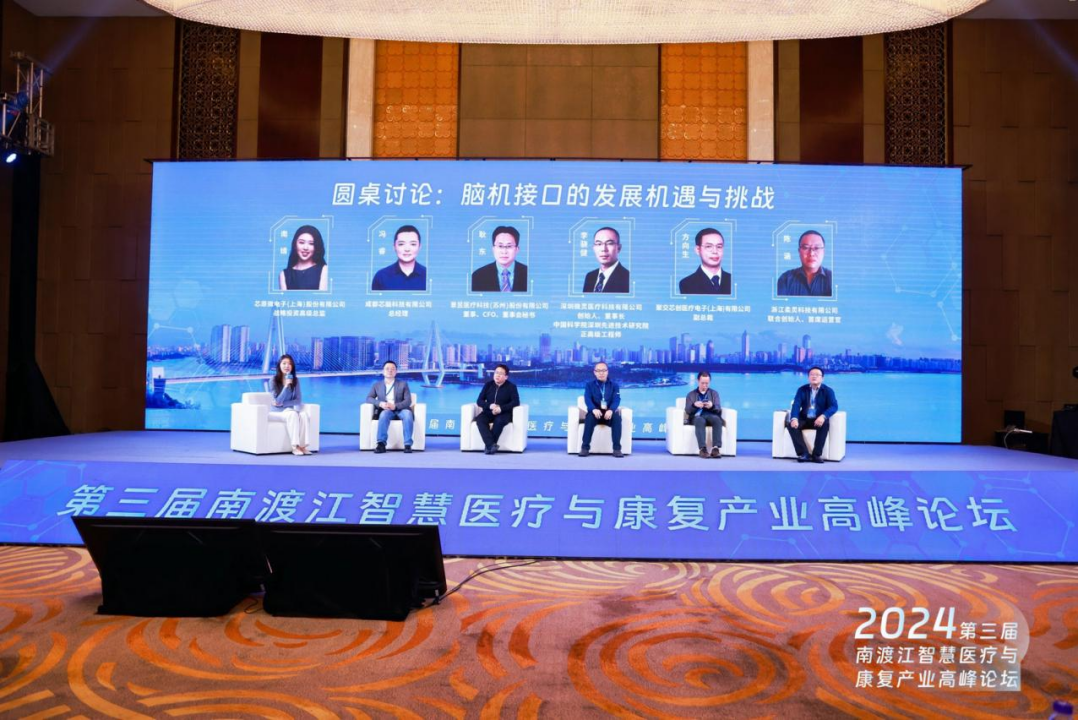
At the forum, the panelists engaged in in-depth discussions on specialized technologies and reached a consensus that this field harbors numerous highly promising application scenarios. They emphasized that the clinical value embedded in these technologies is exceptionally significant; any single scenario successfully commercialized would exert a profound impact on human history and be worthy of historical record. HoweverFactors such as technological maturity, surgical safety, and cost continue to constrain the widespread application of brain-computer interface technology.. It is inevitable that difficulties will arise in achieving breakthroughs in this field; at present,The focus will inevitably be on brain-computer interface (BCI) products that are safe, effective, affordable, and capable of rapid monetization.
With advancements in brain-computer interfaces (BCI), artificial intelligence, and chip technologies, innovation in rehabilitation robotics continues to accelerate. Examples include single-lower-limb rehabilitation robots for hemiplegia, soft robotic devices for hand rehabilitation, and the integrated application of BCIs with rehabilitation robots. Meanwhile, the indications and functional capabilities of rehabilitation robots are continuously expanding.
Shanghai Xirun Medical Device Co., Ltd.Not only has it expanded the application areas of rehabilitation robotics by focusing on the challenging task of hand function rehabilitation for stroke patients and conducting research and development on related technologies, but it has also achieved innovation in product form, developingNovel Soft RobotsMeng Mingqiang, the company’s founder and general manager, shared insights on this innovation, pointing out that soft robotics technology, based on flexible materials, offers features such as flexibility, convenience, and comfort, making it highly suitable for home- and community-based rehabilitation settings. By integrating technologies such as mechatronics, electrical stimulation, and brain-computer interfaces, these products can effectively activate patients’ cerebral neurons, promote neuroplasticity, and facilitate the rehabilitation of hand function.
Next, let us examine the integrated application of brain-computer interface (BCI) technology and rehabilitation robotics. As a bridge connecting the human brain with machines, BCI can decipher patients’ motor intentions, thereby assisting them in controlling robotic devices for rehabilitation training. Through continuous and repetitive training, effective neural connections between the brain and the affected limbs can be gradually re-established, aiming to restore normal physiological function.
Shenzhen Ruihan Medical Technology Co., Ltd.As a national high-tech enterprise integrating the R&D, production, and sales of brain-computer interface (BCI) neurorehabilitation solutions and intelligent rehabilitation robots, the company possesses profound insights into the research and application of this technology. Wan Bin, the company’s general manager, outlined the future development of rehabilitation robots, believing that,Intelligent rehabilitation robots based on multimodal human-computer interaction and AI technology will become the mainstream trend. The deep integration of brain-computer interfaces, AI, and robotics plays a crucial role in driving innovation in the era of digital healthcare.. The integration of these three technologies may usher in a new era of digital healthcare.
From the perspectives of basic research and clinical application, what types of rehabilitation robotics technologies better meet current needs?
Director, Translational Research Center, Yangzhi Rehabilitation Hospital Affiliated to Tongji UniversityProfessor Niu Wenxin, a specially appointed professor, believes that intelligent rehabilitation systems possess human-like perception, decision-making, and execution capabilities, while also surpassing humans in objective assessment, computational analysis, and information storage and transmission. However, current rehabilitation assessments mainly rely on scales and simple devices, leading to issues such as strong subjectivity and difficulties in widespread adoption. Combining research achievements from Yangzhi Rehabilitation Hospital affiliated with Tongji University, Professor Niu’s team addressed key challenges in intelligent rehabilitation from a biomechanical perspective. They implemented markerless motion assessment technology to achieve real-time, precise, and contactless evaluation of rehabilitation movements, and utilized piezoelectric electret materials for contactless monitoring of heart rate, respiration, and movement. The team also developed an integrated neural network model to accurately predict walking energy expenditure and created a non-contact walking energy expenditure monitoring system. Furthermore, they demonstratedRehabilitation exoskeletons are not only assistive devices but also therapeutic equipment., offering new insights for home-based rehabilitation.
Despite the numerous answers provided from the perspectives of industry, academia, and research, a critical question remains: where is the future path for rehabilitation robotics technology?
During the roundtable discussion, the panelists engaged in an in-depth exploration of technological innovation, clinical applications, industrialization opportunities, and future challenges surrounding the current state and future direction of rehabilitation robotics technology, and they held thatBrain-Computer Interfaces Are Particularly Crucial in Rehabilitation: Integrating Multimodal Information Enables More Precise Recovery。Artificial intelligence technology can comprehensively empower rehabilitation robots, making them more intelligent.In the future, rehabilitation robots will integrate new technologies, new concepts, and clinical needs to achieve broader and deeper applications.Enhancing perceptual acuity, creativity, execution capability, and comfort represents the direction for specialized segmentation.
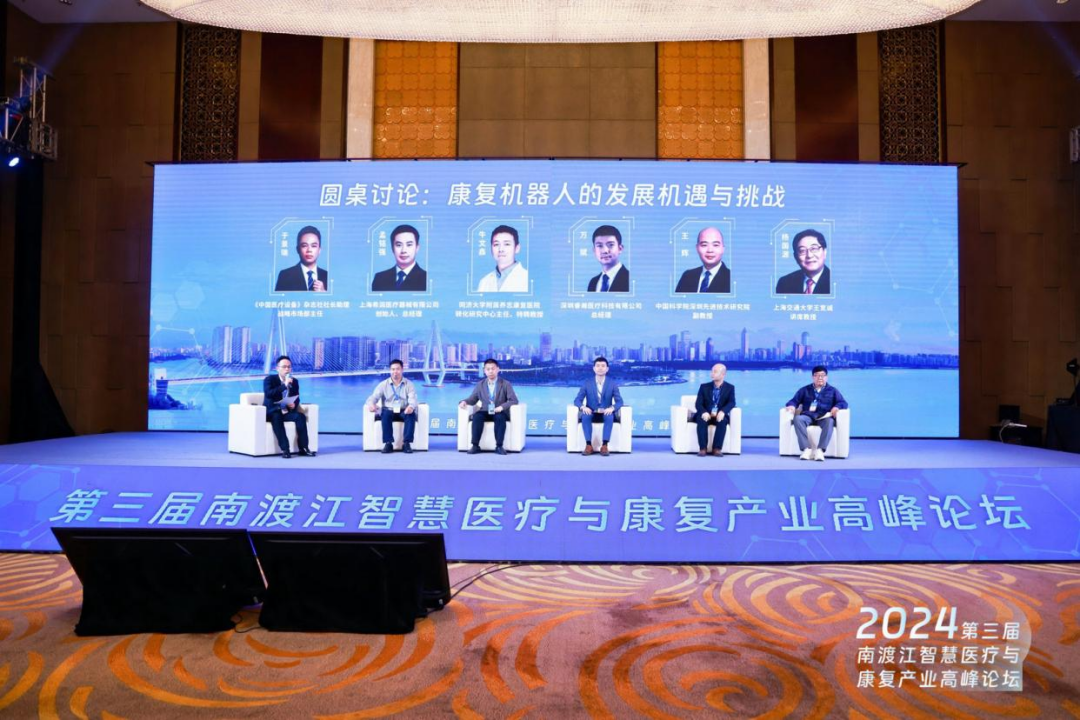
Although the digital therapeutics, brain-computer interface, and rehabilitation robotics industries all face challenges and opportunities, VeriSilicon Microelectronics plays a vital connecting role. By leveraging technological innovation, talent development, and the aggregation of distinguished researchers and research projects, VeriSilicon delivers value, builds an ecosystem supply chain, and optimizes the development of the smart healthcare and rehabilitation sectors.
This forum undoubtedly serves as the best testament to this.