

32 Industry Leaders Discuss Healthcare: Reshaping Market Growth Logic at a Critical Inflection Point
Currently, the healthcare industry stands at a historical juncture of transformation.
On one hand, challenges are intensifying. Affected by the capital winter and the continued tightening of IPO channels, survival pressure is rapidly spreading across the industry. Taking the secondary market, the most intuitive indicator, as an example, as of November 25,Nearly 100 Medical Companies Have Had Their IPOs Terminated This Year, fewer than 20 healthcare companies have successfully gone public, indicating that cash flow issues are becoming increasingly urgent, with many healthcare enterprises standing on the brink of bankruptcy.
Yet, on the flip side of these challenges, numerous market opportunities are rapidly emerging. In terms of technological innovation, frontier fields such as synthetic biology, brain-computer interfaces, and AI are unlocking greater possibilities. On the capital front, substantial state-owned investment is flowing in, increasingly aligning with market-oriented funds, thereby becoming a new source of vitality for the industry. Finally, regarding market expansion,New concepts such as global expansion, business development (BD), mergers and acquisitions (M&A), and NewCos are emerging in rapid succession, with substantial growth opportunities hidden within them.。
Thus, the era-defining challenges facing the healthcare industry are divided into two parts:One part concerns survival—namely, how to better ensure immediate viability; the other focuses on growth—specifically, how to seize opportunities and successfully establish a second growth curve.
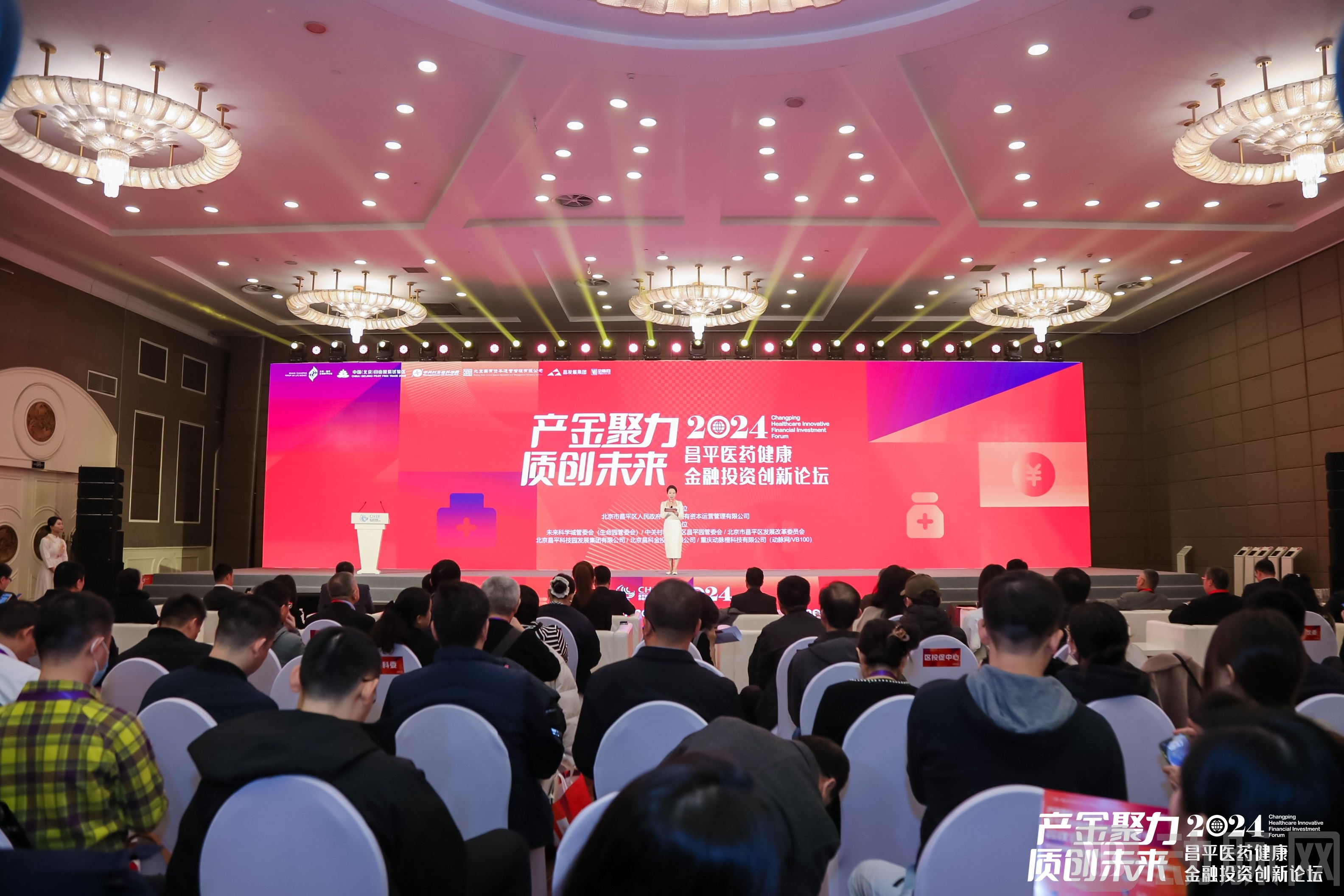
To clarify industry logic and identify key answers, the recently held“2024 Changping Pharmaceutical and Health Finance Investment Innovation Forum”It has drawn special attention from VCBeat. It is reported that the conference featured over 30 prominent guests from across the healthcare industry ecosystem, including government officials, academicians and scientists, clinical experts, top-tier investors, and corporate leaders. Through keynote speeches and roundtable discussions, they objectively analyzed subtle shifts in the current market while clearly outlining the industry’s future growth trajectory.
Pursuing Truly Valuable Medical Innovations
Co-Founder and Chief Innovation Officer, XtalPiLai LipengA case study was shared at the conference. He remarked, “In early 2023, ChatGPT suddenly surged in popularity, drawing widespread industry attention and a wave of followers. In fact, the seminal paper underlying ChatGPT’s model had already been published in 2017. I believe that those with keen insight at the time should have recognized it as a significant emerging trend.”If one merely follows, it may be difficult to keep pace with the rapid evolution of new technologies.。”
It is evident from this that original innovation is crucial in the healthcare sector and serves as the key to commanding industry influence. In fact, concepts frequently highlighted by the industry in recent years—such as domestic substitution, cost reduction and efficiency enhancement, and value-based healthcare—are all driven by original innovation.
In response, the founder and CEO of Guoke Rongzhi BiotechnologyZhang JinjuHe stated, “When we focus our application domain on healthcare, our product selection process begins with clinical needs. We then pursue innovation based on these needs, prioritizing niche areas that can truly fill market gaps and replace imported products. This is the first step.”The second step is to pursue higher-quality substitution, not merely by following but by leading., thus requiring further advancements in both diagnostic and therapeutic efficacy and cost control. These improvements necessitate technological innovation as a foundation, which also aligns with the fundamental characteristics of new quality productive forces.”
Companies are pursuing innovation, and so are investment institutions. According to the financing report by VCBeat, among the 415 financing deals completed in China’s healthcare sector in the first half of 2024, nearly 60% were at Series A or earlier stages, with most focusing on the upgrading and iteration of innovative technologies. By examining how investors characterize current investment targets, VCBeat has summarized three typical features: First, the technology, methodology, or equipment is scarce domestically or even globally. Second, the technology or product holds clinical value, meaning it can meet unmet clinical needs. Third, it can be produced at a lower cost that is covered by the existing payment system.
Nevertheless, it is crucial to recognize that while innovation is urgent, the process is by no means easy. Particularly in the medical sector, which is characterized by high capital intensity and advanced technological requirements, the challenges faced and risks undertaken are substantial. Therefore, it is of paramount importance to provide targeted empowerment for innovation.
In response, the Executive Director of the Global Health Industry Innovation Center at Tsinghua Industrial Research InstituteWang JingjingHe stated, “If we view the pathway for translating research achievements as a process of transforming an idea into a commercial product, every step along the way is arduous. For instance, assessing the value of a technology at its earliest stage requires comprehensive consideration of multiple dimensions, including clinical applicability and market potential. Furthermore, critical stages in converting technology into products face numerous bottlenecks, such as registration and regulatory approval, which often exceed the expertise of scientists or physicians. Therefore, it is essential to establish dedicated platforms to remove these barriers and accelerate the transition of medical scientific and technological achievements from the laboratory to the marketplace.”
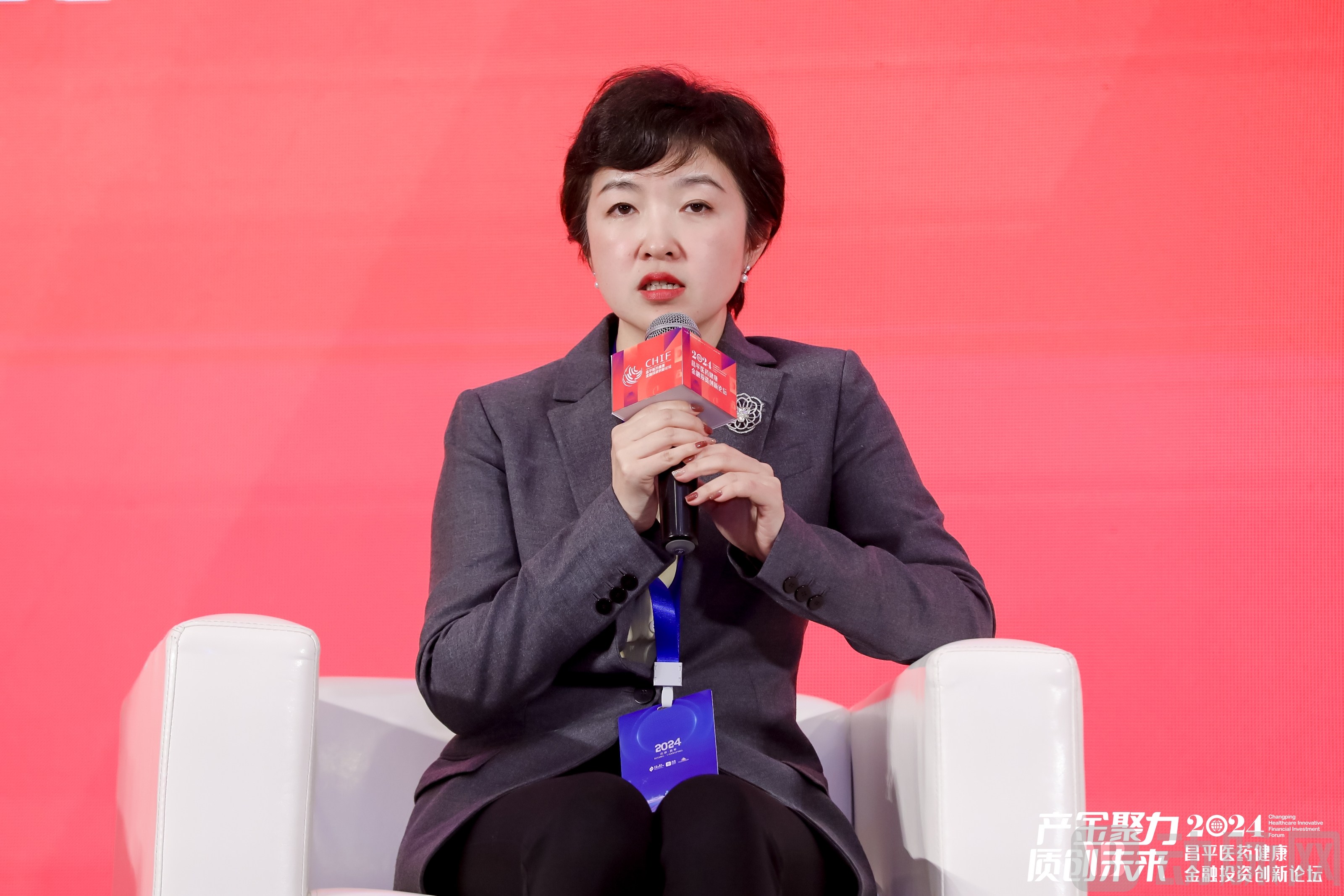
Based on this, Changfa Development Group, which has already established a mature industrial ecosystem, holds a certain degree of influence. To this end, the General Manager of Changfa Development GroupWang Ying“He noted that ‘the healthcare industry chain is indeed very long, and the technological barriers are high, posing significant challenges to companies’ capabilities at different stages of development. As a government-guided fund, our primary role is to build a platform focused on three core areas: asset management, tech finance, and industrial services. By integrating high-quality resources within our reach and delivering precise empowerment to enterprises, we aim to help them overcome developmental bottlenecks and accelerate their growth.’”
Specifically, grounded in the underlying logic of medical innovation, Changfa Development Group has established multiple specialized service platforms, including the International Center for Precision Medicine Innovation and Acceleration, the International Medical Device CMO Platform, the Shared Platform for Instrumentation, Equipment, and Testing Services, the M+ Medical & Aesthetic Innovation Center, and the Synthetic Biology Manufacturing Translation and Acceleration Center. These platforms enable the Group to provide portfolio companies with comprehensive, end-to-end services spanning the entire lifecycle from 0 to 1, 1 to 10, and 10 to 100.
When Going Global Becomes Imperative, How to Navigate Around Hidden Reefs and Unearth the Treasure?
When discussing the profiles of companies targeted for bidding, Joint Chief Investment Officer and Managing Director at Legend CapitalWang JunfengVCBeat“Does it have internationalization potential?”as an important benchmark. In this regard, he stated, “If a target fails to demonstrate internationalization potential, we may raise a question mark: is it still worth investing in? The domestic market has become extremely competitive, with overall profits declining rapidly. To identify incremental growth opportunities, we must look outward for new possibilities. To put it somewhat dramatically:“Staying domestic today is waiting for ‘death,’ while going global is seeking ‘death’—but seeking ‘death’ might just carve out a path to survival.”。”
Vice President of MGI Tech, General Manager of China RegionPeng HuanhuanAcknowledging this, she remarked, “If we aim to achieve greater market share and deliver stronger business performance in the industry in the future,Therefore, we must remain resolute in our overseas expansion efforts. Although initial resistance may be significant, there is a high probability of finding a viable path forward by tailoring strategies to local conditions and leveraging our own strengths.。”
So, how exactly should we navigate the path of global expansion?
This needs to be viewed from multiple dimensions.First, the initial step is to select a destination.Through discussion, participants reached a consensus that global expansion essentially follows two paths. The first is the conventional route, targeting the European and American markets. This market is substantial, with many companies choosing to conduct clinical trials there and establish commercial teams for direct sales. The second is the unconventional route, focusing on the countries along the “Belt and Road Initiative,” which are currently gaining prominence. Although their overall market size is smaller than that of Europe and the United States, demand in these regions is very strong.
Thus, different global expansion models dictate different target destinations. Specifically, if the strategy focuses solely on product exports, priority should be given to European and American markets due to their substantial size, which can drive rapid product growth. However, for technology-driven global expansion, while Europe and America can remain core markets, emerging markets represented by Southeast Asia also present significant opportunities, owing to the substantial technological gap and immense market potential therein.
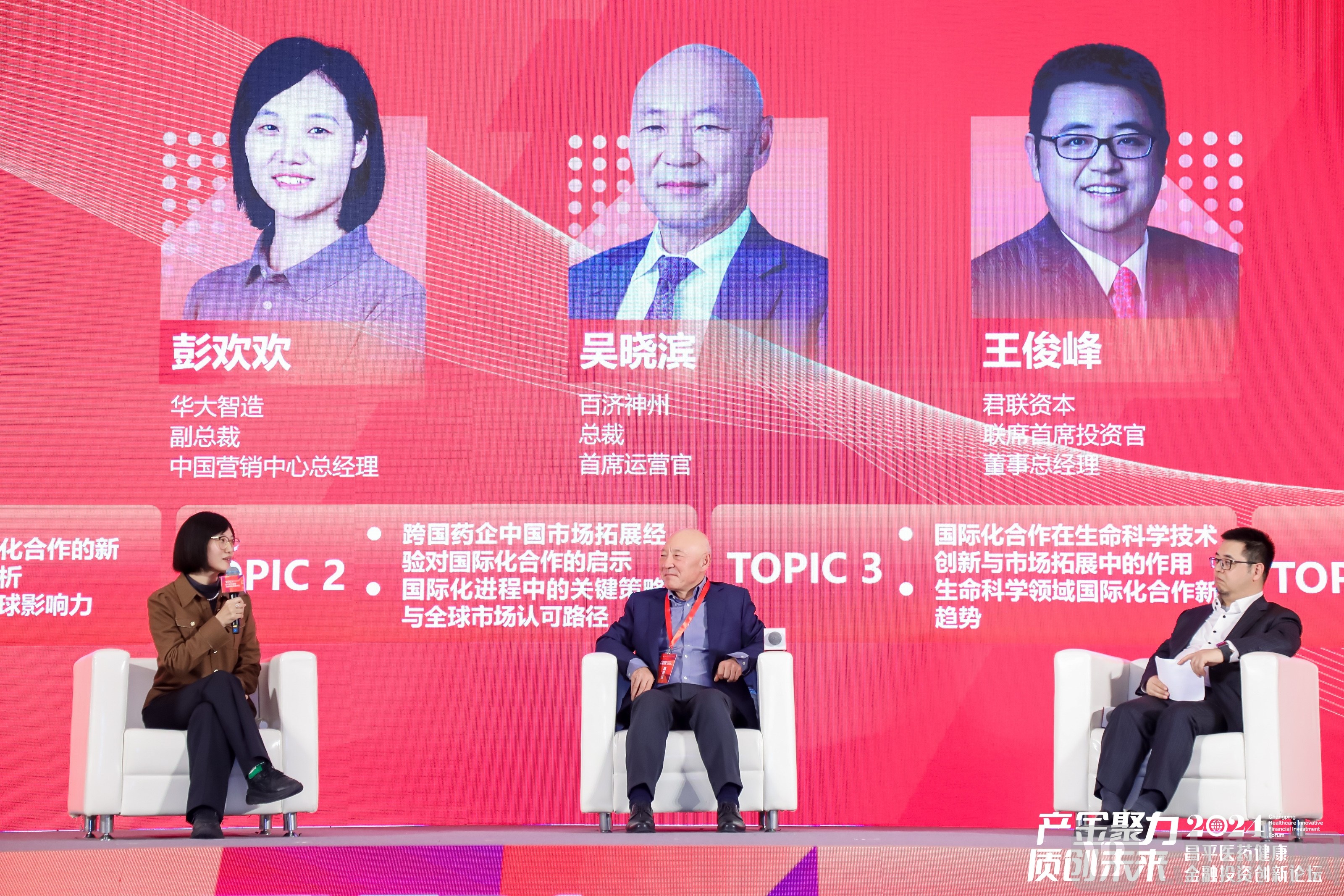
Having discussed the destination, we now turn our focus to the models and pathways for global expansion.In this regard, Legend Capital's Co-Chief Investment Officer and Managing DirectorWang JunfengHe stated, “How can a sound internationalization strategy be formulated? On one hand, thorough preparation is essential—not only in terms of technology and products, but also talent and mindset; on the other hand, it requires integrating ‘foreign’ and ‘local’ elements, where ‘foreign’ refers to China and ‘local’ refers to the host market.”This entails empowering local teams to resolve specific execution challenges, such as market access and regulatory approvals, while simultaneously leveraging core strengths by exporting technology, talent, methodologies, quality standard systems, and marketing frameworks.“Only by providing initial support and guidance can we hope to deliver a satisfactory outcome.”
Finally, we discuss balance—namely, how to reconcile short-term pressures with long-term strategic planning in global expansion.. Although there is a widespread desire to see immediate results from international expansion efforts, this is unlikely in practice, as such endeavors cannot be accomplished overnight; it typically takes two to three years of sustained effort before yielding tangible outcomes. This raises the following question:How can companies alleviate pressure on profits and cash flow amid the substantial upfront investments required for early-stage international expansion?
In response, Vice President of MGI Tech and General Manager of its China RegionPeng HuanhuanShe provided an answer, stating, “Going global is certainly the right long-term strategy, but it will inevitably exert short-term pressure on enterprises; therefore, finding a balance is crucial. In the case of MGI Tech,”We adopt a relatively aggressive stance when industry momentum is strong; however, if we encounter resistance in certain phases or regions, we will scale back our operations. Our expansion is not blind; whether regarding geographic markets or product lines, we make strategic trade-offs.“Although the long term is more important, short-term survival is also crucial.”
“Collective Warmth” Is the Key to Breaking the Deadlock
It is reported that two major collaborations were finalized at the conference. One was the “Issuance of Industry Investment Promotion Advisor Certificates for Beijing Future Science City,” under which 12 experts in fields such as healthcare and financial investment will inject new vitality into Changping District’s pharmaceutical and health industry. The other was the “Signing of Cooperation Agreement for the Life Valley Pharmaceutical and Health Industry Investment Fund,” between the Life Valley Pharmaceutical and Health Industry Investment Fund andShenwan Hongyuan, Legend Capital, Tsinghua Unigroup Venture Capital, Chende CapitalFour institutions have entered into a partnership to deepen investments in synthetic biology, innovative drugs, cutting-edge biotechnology, and medical devices.
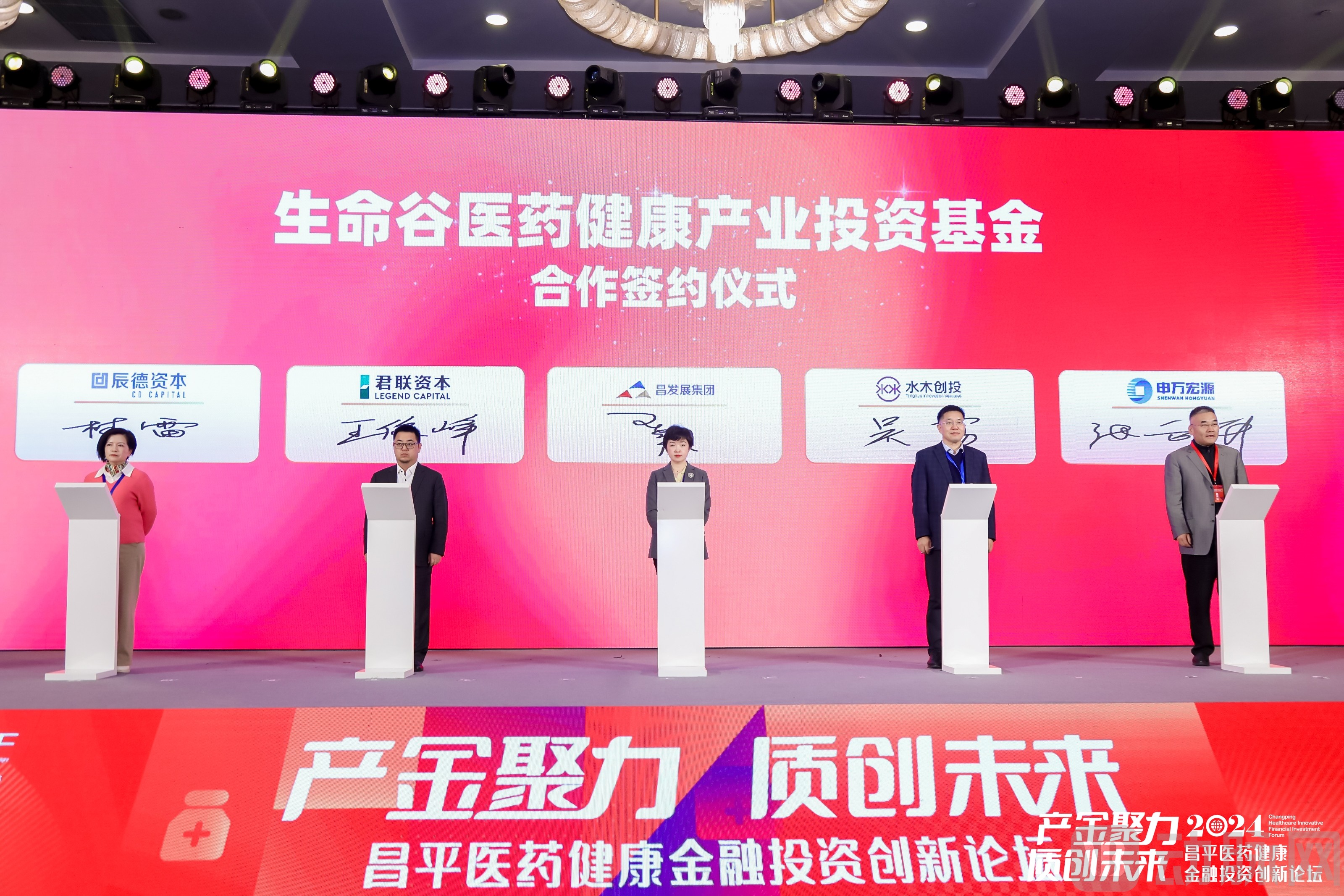
In this regard, the General Manager of Changfa Development GroupWang YingHe stated, “The greatest advantage of a fund of funds is its ability to connect us with the finest social resources, thereby attracting more partners to Changping and continuously expanding and strengthening our ‘circle of friends.’ For instance, the four subsidiary funds that signed agreements this time each have their own strengths: some are far ahead in specific technical fields, while others excel in overseas expansion or capital operations.”Therefore, for us, it is essential to foster multi-party collaboration and leverage each party’s core strengths to meet the personalized needs of enterprises at different stages of development.。”
In fact, amid the current market winter, the strategy of “banding together for warmth” is not only applicable to investment logic but also essential for global expansion. Take the recently much-discussed “NewCO” model as an example: it leverages the respective strengths of different companies to achieve a common goal, allowing each party to subsequently reap its desired benefits. Commenting on this, Li Rui, Partner at Niukou Capital, stated, “NewCO is, in essence, a transaction involving an asset and a counterparty. The primary consideration is undoubtedly the quality of the asset, followed by investors’ assessment of NewCO itself and their expectations regarding its potential acquisition by a multinational corporation (MNC).。”
So, will this type of collaboration with NewCo endure?

Founder of Yikesite PharmaceuticalsMeng QingwuHe offered insights from his own perspective, stating, “While the number of U.S. dollar funds in China is decreasing, their profit-driven nature remains unchanged. In the future, investment in the NewCo model will continue to increase, thereby enabling the acquisition of more high-quality assets. For us, participating in NewCos also allows us to accumulate more experience in global expansion, potentially evolving from ‘leveraging others’ platforms to go global’ to directly ‘building our own platforms for global expansion.’ Therefore,”NewCO is not a transient product of a specific development stage in China’s pharmaceutical industry; rather, it will persist over the long term and ultimately become a standardized model for business development (BD) transactions.”. It is therefore foreseeable that NewCo will unlock even greater potential in the future.
Ultimately, in the current healthcare landscape where challenges and opportunities coexist, synergy across the industry chain has become increasingly critical, serving as the key to navigating economic cycles and uncovering new sources of industry growth. This conference not only provides methodological guidance but also actively promotes collaboration and connectivity across various dimensions, thereby opening up additional growth curves for the entire healthcare industry.