

Saidou Medical's Founder Tang Bo Unveils China's First Magnetic-Assisted Surgical System Offering a Novel Solution for Laparoscopic Surgical Field Exposure
Magnetic Surgery (MS) technology, which originated in Japan, developed in the United States, and matured in China, is an emerging comprehensive technique that leverages the “non-contact” magnetic forces between magnetic materials to achieve functions such as tissue compression, organ anchoring, luminal navigation, space expansion, and controlled tracing. Due to its advantages—including no foreign body retention, minimal trauma, improved surgical quality, and reduced operative time—it has garnered significant attention from the scientific research and industrial communities both domestically and internationally.
Magnetic surgery can be subdivided into magnetic anchoring technology, magnetic navigation technology, magnetic compression technology, magnetic tracing technology, and magnetic levitation technology. Among these, magnetic anchoring technology is a technique that utilizes the magnetic attractive force between magnets or between a magnet and a paramagnetic material to enable non-contact spatial anchoring of a target magnet by an anchoring magnet.
Magnetic anchor traction is a technique that, building upon magnetic anchoring, further leverages the interactive forces between magnetic objects to achieve traction. Specifically, it involves the strategic placement of magnetic components and adjustment of magnetic field strength, enabling the targeted object to move in a predetermined direction and at a controlled speed under the influence of magnetic forces.
With its precise positioning and contactless traction capabilities, magnetic anchor traction enables continuous and stable tissue retraction and exposure across various laparoscopic surgical settings, thereby reducing abdominal wall injury, alleviating patient pain, improving cosmetic outcomes, and shortening hospital stays while lowering treatment costs.
On October 30, 2024, the “Magnetic Traction Surgical Field Exposure System,” jointly developed by Sideou Technology (Shenzhen) Co., Ltd. (hereinafter referred to as “Sideou”) and the Surgical Dream Factory team at Xi’an Jiaotong University, officially received registration certification for Class II medical devices (Guangdong Medical Device Registration No. 20242011437). It has become the first magnet-assisted surgical system approved for market launch in China, providing a novel solution for surgical field exposure in laparoscopic procedures.
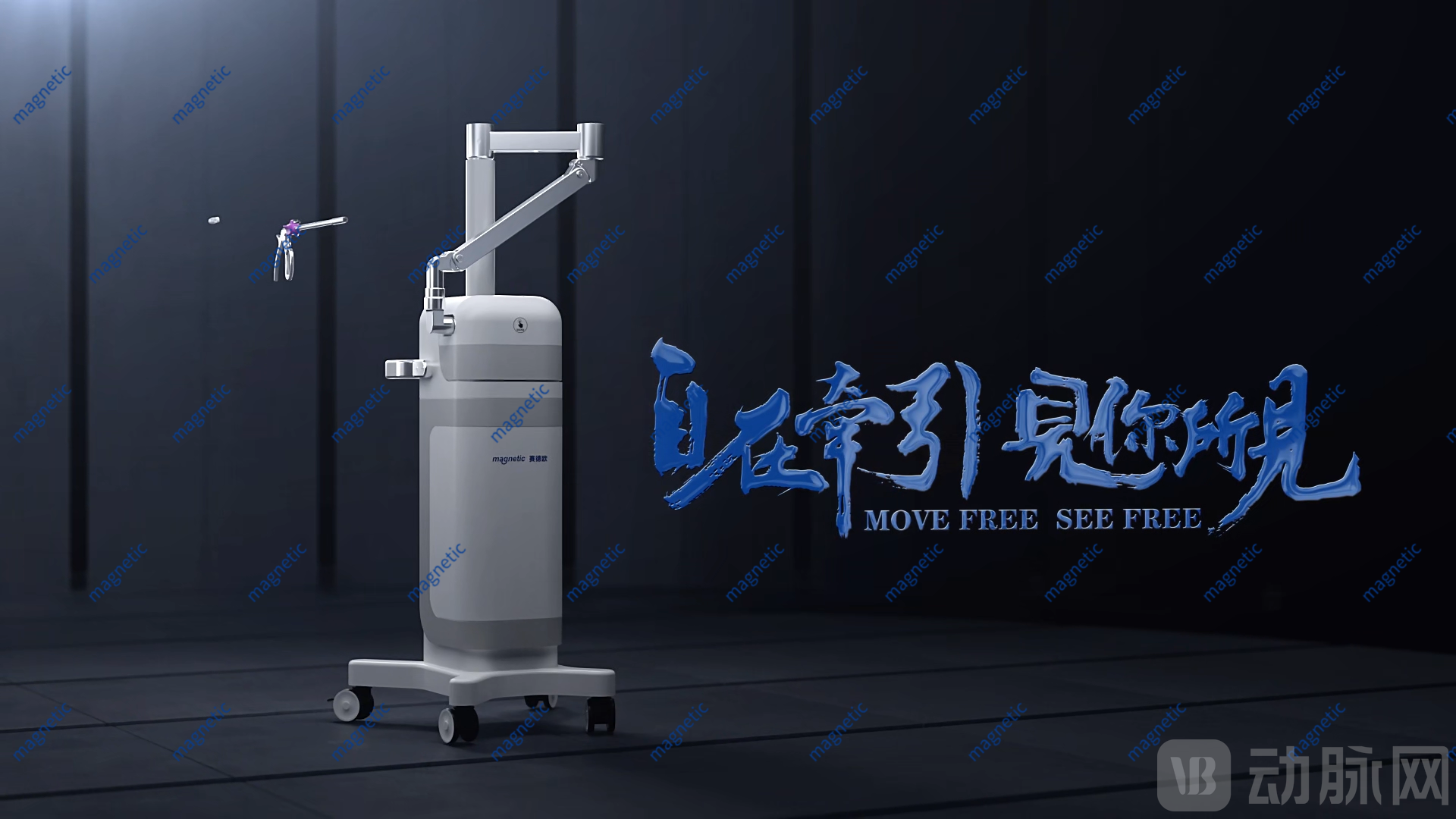
Seizing this opportunity, VCBeat conducted an exclusive interview with Tang Bo, founder of Ceedo, to unveil the mysteries behind Ceedo and China’s first approved magnetic-assisted surgical system.

Tang Bo, Founder of SideO
No additional puncture required; relies on magnetic non-contact traction.
Resolving the Conflict Between Limited Intracorporeal Space and Retraction Exposure in Laparoscopic Surgery to Avoid the “Chopstick Effect”
VCBeat:I believe many readers, like myself, are encountering the concept of “magnetic surgery” for the first time. Could you provide us with a brief overview?
Tang Bo:Magnetic Surgery is an emerging medical field that primarily leverages the properties of magnetic materials and the physical effects of magnetic fields to perform various surgery-related procedures, treatments, and the development of medical devices.
Exploration in this field began in 1978, when Japanese scholar Obora first reported animal studies using magnetic anastomosis devices with a ring-and-pin structure. Since then, numerous researchers have designed various magnetic devices or magnetic stents for the anastomotic reconstruction of luminal organs. Subsequently, Russia, Europe, South Korea, and other regions joined these efforts. Research has focused on gastrointestinal anastomosis, vascular anastomosis, and tissue traction; however, overall, the research remains fragmented and has not yet formed a systematic framework.
Since 2003, Xi’an Jiaotong University has been conducting animal experiments and scientific research using third-generation rare-earth neodymium-iron-boron (NdFeB) materials, gradually establishing a relatively comprehensive magnetic surgery system. In 2010, Professor Lü Yi’s team at Xi’an Jiaotong University pioneered the concept of “magnetic surgery” internationally, categorizing magnetic surgical techniques into five major types: magnetic anchoring, magnetic navigation, magnetic compression, magnetic tracing, and magnetic levitation.
Since then, Xi’an Jiaotong University has consecutively hosted six International Conferences on Magnetic Surgery, inviting scholars and experts from around the world to engage in collaborative discussion and research. With the deepening of scientific inquiry, magnetic surgery technology has begun its industrialization, and the clinical applications of magnetic materials have become increasingly well-defined. As an emerging leader in magnetic surgery research, China has made significant advances in theoretical innovation, landmark surgical procedures, clinical expansion, and basic research.
VCBeat:Please provide a brief introduction to Cidex and its product portfolio.
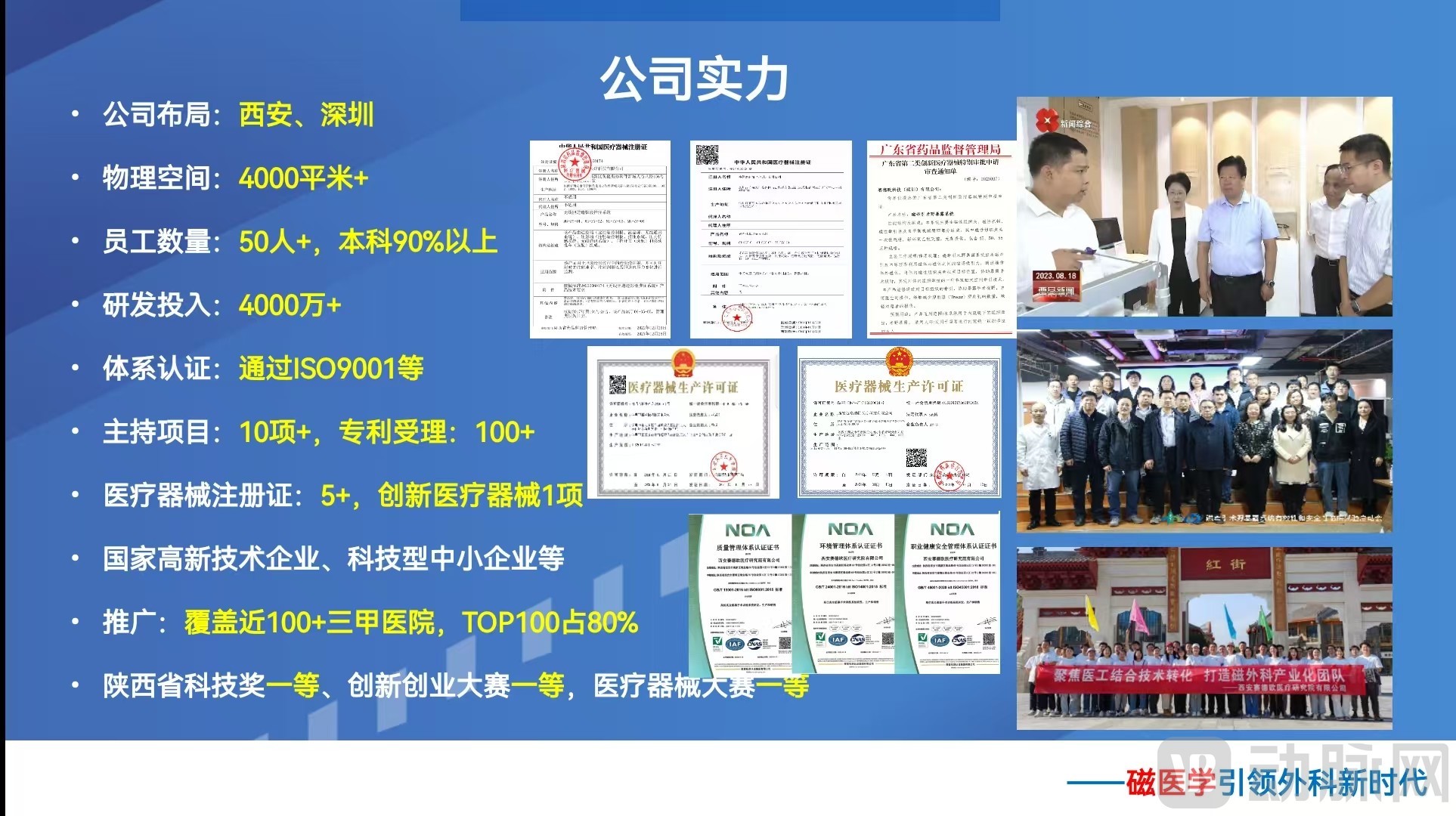
Tang Bo:Saidou, established in 2019, leverages the research platform of Xi’an Jiaotong University to focus intensively on the translational applications of magnetic medicine, continuously overcoming cutting-edge core technologies in this field.
Over the years, the company has actively participated in and successfully undertaken 14 key provincial and ministerial-level R&D programs as well as key special projects for innovation and entrepreneurship. Leveraging its outstanding R&D achievements, it has been awarded five provincial and municipal Science and Technology Progress Awards. As of the end of 2023, the company had filed more than 100 national patent applications (including two international patents), obtained over 70 granted national intellectual property rights, and formulated one local standard in Shaanxi Province. The company has successively received numerous honors, including recognition as a National High-Tech Enterprise, a National Technology-Based SME, recipient of the Shaanxi Provincial Science and Technology Award, First Prize in the Biomedical Sector of the 7th China Innovation and Entrepreneurship Competition (Shaanxi Division), “Outstanding Enterprise” in the National Biomedical Industry Finals, and “Enterprise with Outstanding Contributions” in Xi’an High-Tech Zone for 2019.
Saideou has established a presence in both Xi’an and Shenzhen, with an R&D and production base spanning over 4,000 square meters. The Shenzhen center focuses primarily on the commercialization of magnetic medicine technologies, launching innovative products such as the “Magnetic Spiderman” (for donor organ repair in transplantation), disposable magnetic gastrointestinal anastomats, and magnetic traction systems. The Xi’an center concentrates more on smart healthcare, covering high-fidelity whole-organ surgical training systems and general surgery instruments and equipment.
The company currently holds more than five medical device registration certificates, has obtained one innovative medical device designation, and its business promotion covers over 100 Grade A tertiary hospitals.
VCBeat:You previously mentioned that magnetic surgery encompasses five major technologies: magnetic anchoring, magnetic navigation, magnetic compression, magnetic tracing, and magnetic levitation. Each technological pathway can give rise to different products. Why did Sideou choose magnetic anchoring technology and the magnetic traction surgical field exposure system among the various technological pathways and products?
Tang Bo:Compared with more abstract technologies such as magnetic anastomosis and magnetic tracking, the magnetic traction surgical field exposure system based on magnetic anchoring technology can intuitively demonstrate the convenience and advantages of magnetic technology in clinical operations, making it easier for medical personnel to accept the concept of magnetic medicine. In addition, this system has a wide range of indications, covering multiple disciplines including cardiothoracic surgery, hepatobiliary and gastrointestinal surgery, obstetrics and gynecology, and urology, facilitating doctors to start with basic techniques and gradually deepen their understanding and mastery of magnetic surgery technologies.
As technical proficiency improves, we can progressively advance the application of magnetic surgery techniques in more complex areas, such as gastrointestinal anastomosis and tumor marking, thereby promoting comprehensive acceptance and in-depth practice of magnetic surgery among medical professionals.
VCBeat:What Is the Magnetic Traction Surgical Field Exposure System? What Clinical Pain Points Does It Address?
Tang Bo:It is widely acknowledged that “the endoscopization of surgical procedures and the single-port evolution of endoscopic surgery” represent significant trends in the development of minimally invasive surgery. The principle of exposure in laparoscopic surgery primarily relies on creating a space that allows for the smooth insertion of the laparoscope and surgical instruments, thereby providing clear visualization of the operative field. While conventional laparoscopic surgery typically requires 3–5 incisions, reducing trauma and alleviating pain have long been shared goals for both patients and surgeons.
However, in single-port surgery, both the laparoscope and operative instruments are introduced into the abdominal cavity through a single umbilical incision, which easily leads to mutual interference between instruments both inside and outside the abdominal cavity. This prevents adequate instrument triangulation, resulting in the “chopstick effect,” thereby posing significant inconvenience and challenges for the surgeon. Meanwhile, the loss of an optimal triangular working space significantly increases the difficulty of tissue exposure, traction, resection, and suturing during the procedure.
It is precisely in response to these clinical challenges that we have developed this magnetic traction surgical field exposure system, designed to assist with tissue retraction and surgical field visualization in all endoscopic procedures. This system empowers lead surgeons to achieve more precise dissection, more effective separation of target organs, tissues, and structures, and ultimately complete surgeries more quickly and smoothly.
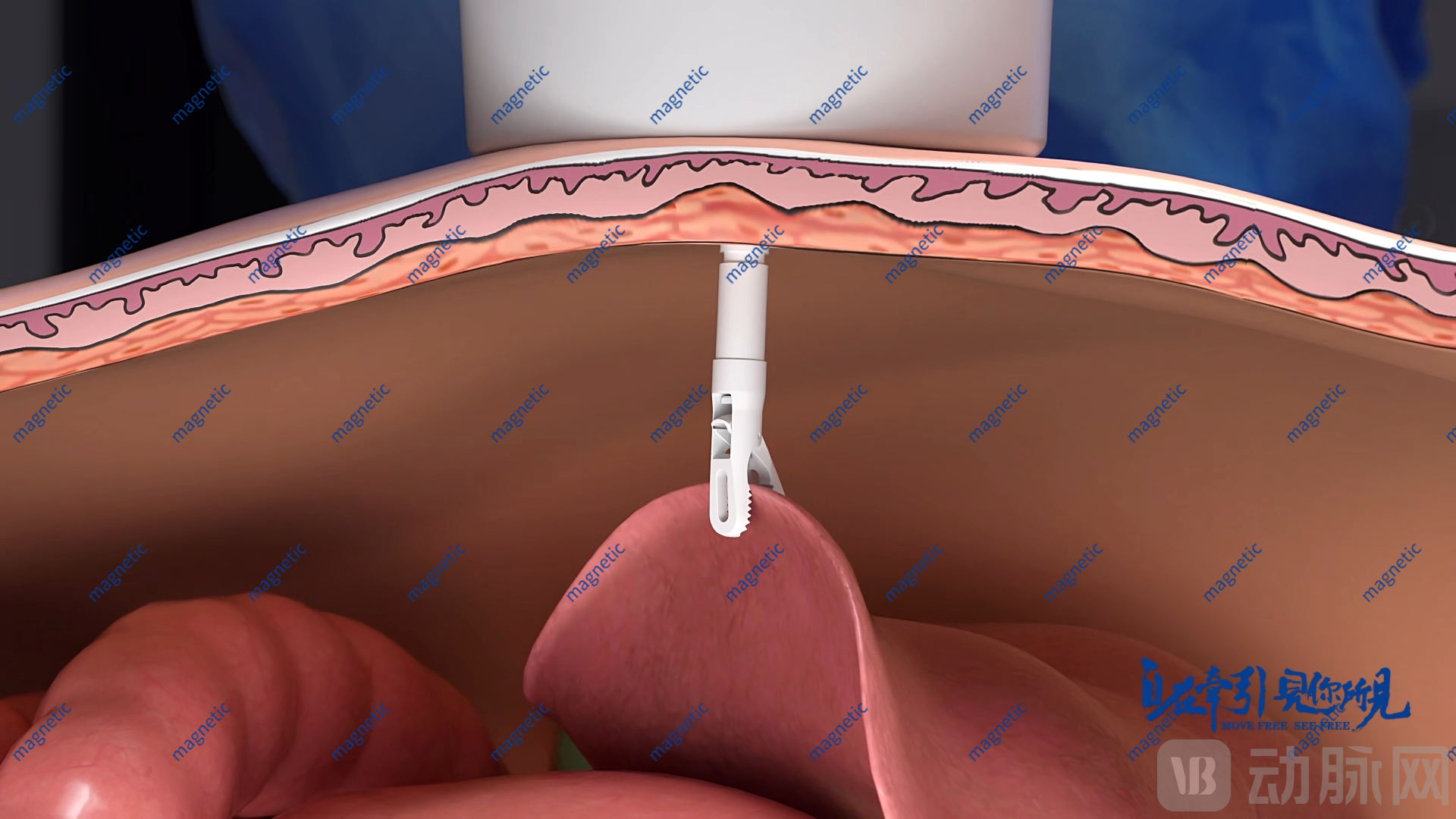
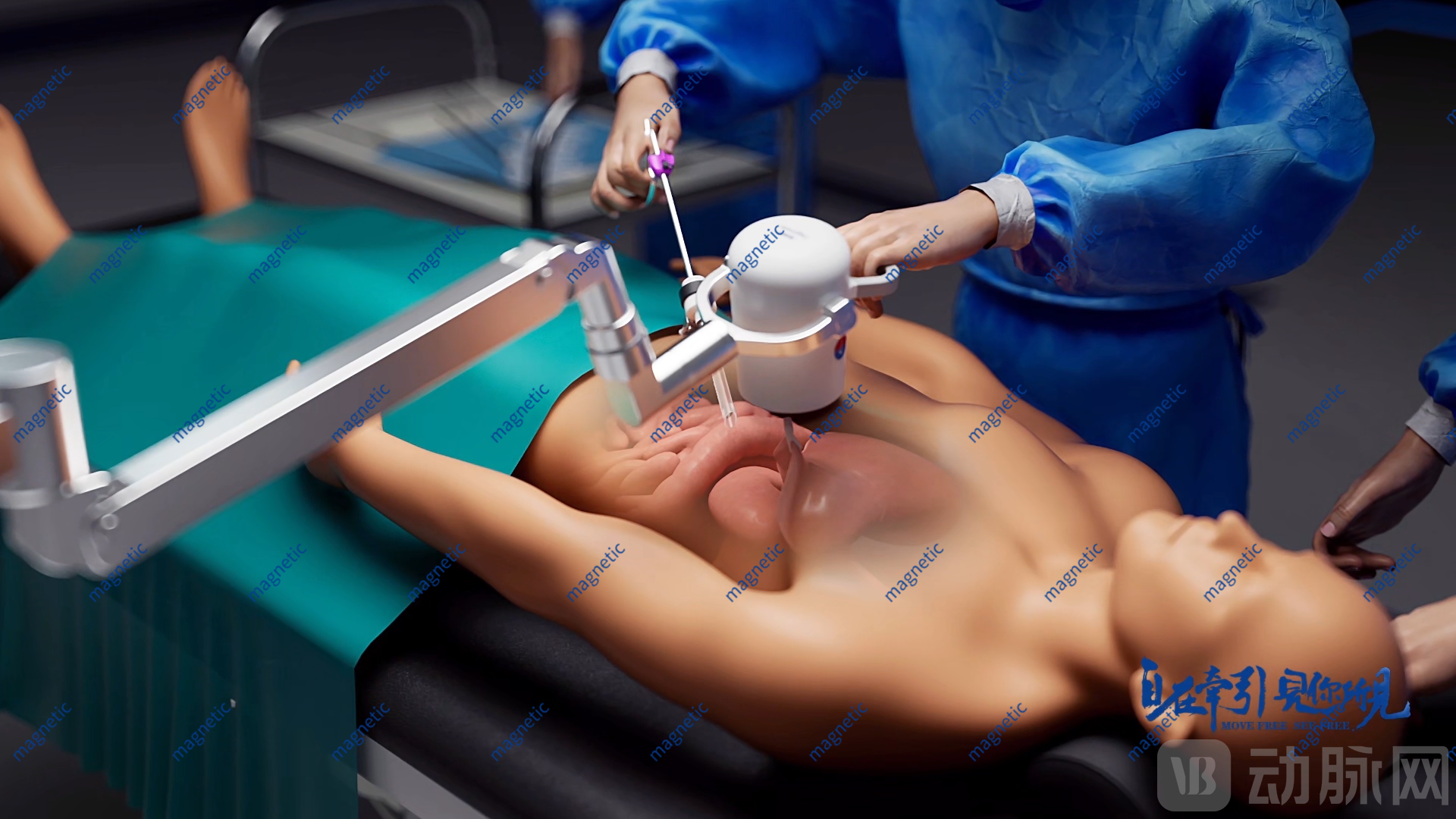
The Magnetic Traction Surgical Field Exposure System consists of three components: magnetic forceps, magnetic tissue clips, and magnetic retractors. By leveraging the magnetic attraction between magnets, the system allows operators to manipulate an external magnet to pull internal magnetic tissue clips to the target position, thereby facilitating exposure of the surgical field and providing surgeons with a broader intraoperative view.
During the procedure, the lead surgeon can adjust the clamping site of the magnetic tissue clips in real time based on surgical progress, thereby enhancing procedural flexibility. The extracorporeal magnetic retractor is equipped with a 7-degree-of-freedom universal arm, enabling dynamic traction from multiple angles and positions to optimize the surgical field of view.
To meet the diverse needs of clinical practice, magnetic tissue clips are available in multiple specifications with varying magnetization directions, accommodating the grasping requirements of different tissues and organs.
VCBeat:What solutions existed prior to the advent of magnetic traction surgical field exposure systems? Compared with these alternatives, what are the unique advantages of magnetic traction surgical field exposure systems?
Tang Bo:The key to surgical technique lies in resection and reconstruction, while the core of safe resection hinges on hemorrhage and injury control. Surgeons have made considerable efforts to optimize strategies for enhancing resection and reconstruction during operations. Currently, clinical exposure techniques include tension traction exposure, suspension exposure, and retraction-based exposure, each with its own advantages and disadvantages. For instance, in upper abdominal surgeries, obstruction caused by the left lateral lobe of the liver can pose significant challenges; therefore, surgeons commonly employ methods such as liver retractors, sutures, or adhesives to suspend the liver.
The advantages of the magnetic traction surgical field exposure system are mainly reflected in three aspects.First, no additional puncture is required,The retraction position can be flexibly adjusted at any time, exerting gentler and more uniform force on the tissues surrounding the surgical site, thereby avoiding mechanical injuries such as tissue tearing and contusion caused by excessive retraction.
Second, by reducing the likelihood of tissue damage, it correspondingly lowers the risk of local inflammatory responses and infections triggered by such damage, thereby helping patients alleviate postoperative pain and discomfort, accelerate tissue healing, achieve faster recovery, experience less pain, and develop minimal scarring.
Third, it has driven innovation in surgical techniques.Surgeons can flexibly apply this system based on the surgical approach, timing, procedural progress, patient-specific factors, and their own clinical experience. For instance, during thoracic surgeries such as pulmonary wedge resection and esophagectomy, some professors have employed a loop created with a tourniquet-like device, attaching tissue clips to this loop to facilitate easy elevation of the esophagus. This method not only simplifies surgical steps but also enhances operational flexibility and safety. In surgeries for esophageal stricture, which traditionally require the simultaneous manipulation of multiple instruments, the use of the magnetic traction surgical field exposure system allows the procedure to be completed with only two instruments, significantly reducing technical difficulty.
VCBeat:Which surgeries are suitable for the use of magnetic traction surgical field exposure systems?
Tang Bo:This system has currently been applied toThoracic Surgerylaparoscopic wedge resection of the lung, lobectomy, segmentectomy, radical esophagectomy for esophageal cancer, bullectomy, etc.;Hepatobiliary Surgerylaparoscopic cholecystectomy, laparoscopic distal pancreatectomy, and radical resection for colorectal cancer;Department of Gastrointestinal Surgerylaparoscopic radical gastrectomy for gastric cancer, sleeve gastrectomy, gastric bypass surgery, etc.;Gynecologylaparoscopic transabdominal total hysterectomy, ovarian cystectomy, etc.;Urology Departmentincluding laparoscopic partial nephrectomy, radical prostatectomy for prostate cancer, etc.
It is believed that with in-depth research, technological advancements, and widespread adoption, magnetic traction surgical field exposure systems will unlock more indications and clinical application scenarios.
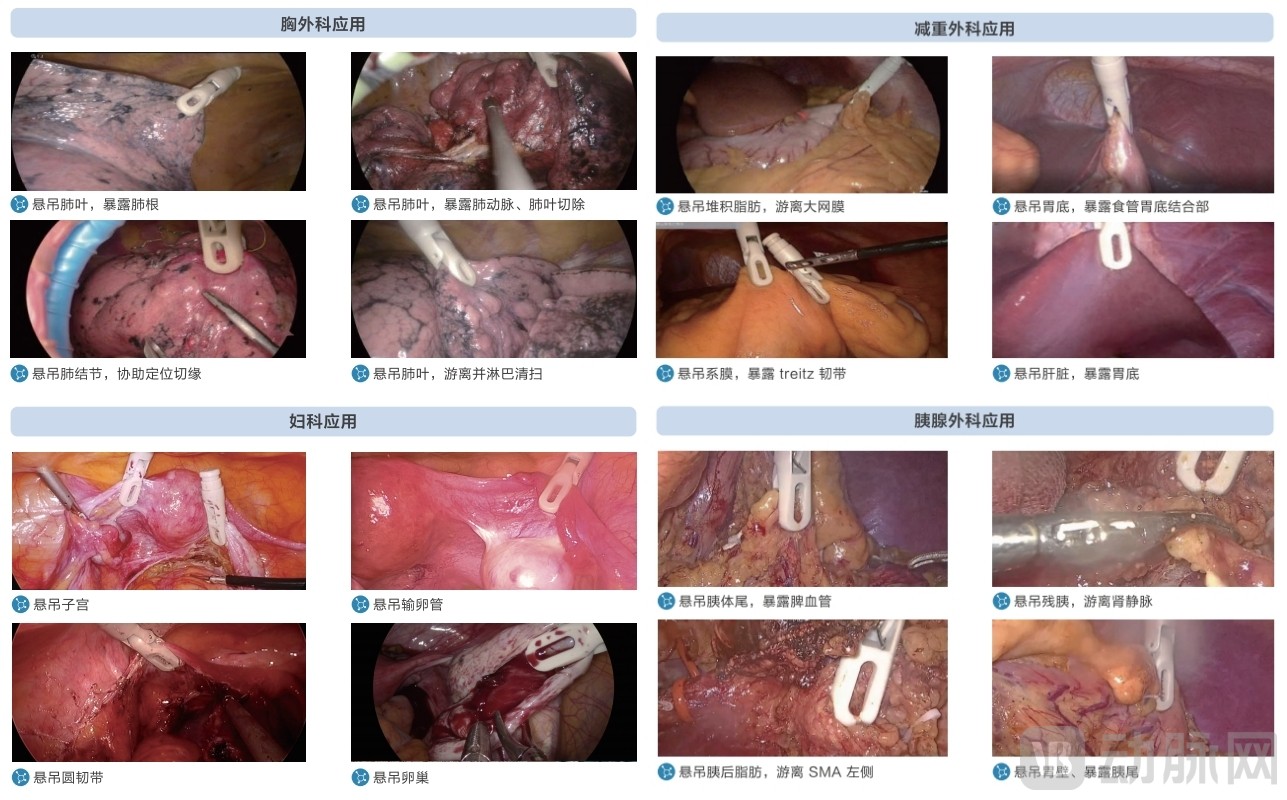
Partial Clinical Application Scenarios of the Magnetic Traction Surgical Field Exposure System
VCBeat:What Are the Core Challenges of Magnetic Traction Surgical Field Exposure Systems?
Tang Bo:The core challenge of the magnetic traction surgical field exposure system lies in magnet design. The term “magnet design” encompasses complex considerations, including rigorous selection of magnetic materials, precise control of magnetic field strength, and the size, volume, weight, and biocompatibility of the magnetic tissue clips. In terms of clinical application, the system must ensure that it can “securely adhere, effectively lift, and smoothly maneuver.”
Taking “secure grip” as an example, since the tissue grasper must enter the human body, the product is required to be compact and agile, possess sufficient traction force, and exhibit good biocompatibility. Furthermore, when operating in a magnetic field, it must avoid causing magnetic interference with or attracting other metallic instruments.
Achieving ideal traction effects imposes extremely stringent requirements on the control of magnetic field strength both in vivo and ex vivo. The magnets produced during our initial prototyping phase needed to be as large as a tea caddy to deliver the prescribed tissue traction force. Over the years, the SideO team has extensively collected abdominal wall data from thousands of patients, dedicated itself to mastering core technologies such as magnetic shielding, and conducted extensive simulation experiments and optimizations. Ultimately, we successfully developed a magnet that is both compact and flexible while delivering powerful traction. This magnet is suitable for patients weighing up to 175 kg and causes no interference with precision instruments and equipment in the operating room during surgical procedures.
We have strengthened the magnetic field on the working face while minimizing interference from the non-working areas. When powdered magnetic material is compressed into a cylindrical shape, the field strength exhibits a divergent pattern between the north and south poles. Ciduo ingeniously introduced a magnetic shoe (i.e., a small magnet) to adjust the direction of magnetic flux lines, transforming them into an emissive configuration, thereby precisely controlling the scope of the magnetic field’s influence. This process requires meticulous work and extensive debugging to ensure that the magnetic field is effectively constrained in the intended direction.
VCBeat:Will the magnetic field of the magnetic traction surgical field exposure system interfere with other precision equipment in the operating room, such as ECG monitors and defibrillators? For patients with metallic implants, such as pacemakers or metal joint prostheses, will the system’s magnetic field interact with these implants?
Tombo:To prevent this product from interfering with other instruments and equipment in the operating room during surgical procedures, Sideou has implemented dual safeguard measures: on one hand, the design virtually eliminates the field strength on non-working surfaces; on the other hand, magnetic shielding technology is introduced to further ensure the magnetic field intensity on the working surface while preventing mutual interference between non-working surfaces.
Of course, our product is contraindicated for patients in the following four scenarios: first, patients with cardiac pacemakers, neurostimulators, or artificial metallic heart valves; second, patients with aneurysm clips (excluding titanium alloy); third, patients with contraindications to laparoscopic surgery; and fourth, patients with implanted hearing aids or ferromagnetic prostheses. The above conditions are excluded from the clinical indications of this product.
VCBeat:Approximately how many tissue clips are required per procedure? If two or more tissue clips are used, will they interfere with each other? Additionally, since many instruments in the operating room are made of metal and susceptible to magnetic attraction, how can this issue be addressed?
Tang Bo:The number and models of tissue clips used during surgery depend on the specific type of procedure and the characteristics of the tissues requiring retraction.
Taking sleeve gastrectomy in bariatric and metabolic surgery as an example, for patients with comorbidities such as type 2 diabetes and fatty liver disease, if the hepatic lobes are markedly hypertrophied, surgeons may opt to use two tissue clips to better expose the gastric fundus and facilitate precise surgical manipulation.
We adjust the magnetization direction of the magnets according to the surgical practices of each department to ensure that tissue clips do not interfere with one another. Axial magnetization, in particular, effectively minimizes mutual interference and allows for a broader area of retraction and exposure. As departments and surgical techniques continue to evolve, we are continuously refining and optimizing the magnetization methods of our tissue clips to accommodate a wider range of clinical applications.
Regarding the interference of magnetic fields with suture needles and metal instruments, this is indeed a concern that warrants attention. On one hand, magnetic fields can assist the lead surgeon in locating suture needles more easily during surgery; on the other hand, if suture needles or instruments are brought close to magnetic clamps, they may be affected by magnetic attraction, a phenomenon referred to as the "magnetic domestication process." We recommend the following: 1. Needle clamping and adjustment: Clamp the needle at a point 1 cm from the needle tail; 2. Maintain distance: Keep instruments at a distance of 4 cm from magnetic clamps; 3. Use specialized instruments: Employ non-magnetic instruments (such as needle holders, curved forceps, etc.). For instance, in thoracic surgery, non-magnetic suction devices, non-magnetic needle holders, and non-magnetic dissecting forceps are available.
VCBeat:If the local traction force is excessive, it may cause overstretching injuries to the tissues, impair their normal physiological functions, and delay postoperative recovery; conversely, if the traction force is insufficient, it will fail to achieve adequate surgical field exposure, thereby hindering the smooth progression of surgical procedures. How does SideO’s magnetic traction surgical field exposure system control the strength and precision of traction?
Tang Bo:Regarding the potential for congestion or tissue injury associated with prolonged use of tissue clips during surgery, long-term clamping does not pose a concern if the clipped tissue is pathological and intended for resection. Taking sleeve gastrectomy in bariatric and metabolic surgery as an example, the surgeon uses tissue clips to grasp the patient’s liver and employs a magnetic retractor to adhere it to the inner abdominal wall mucosa, thereby facilitating subsequent cutting and stapling procedures. Although the surgery may be prolonged, no significant adverse effects occur due to the liver’s robust regenerative capacity and abundant blood sinuses.
Certainly, it also depends on the specific tissue. For structures such as blood vessels and the esophagus, which are not suitable for direct clamping, vascular slings are routinely used for suspension in clinical practice. Using tissue forceps to grasp the sling facilitates precise manipulation by the surgeon.
In terms of controlling traction force, our magnetic traction surgical field exposure system employs advanced technology and algorithms to achieve precise control over the magnitude of traction. By adjusting the strength and direction of the magnetic field, the system ensures that tissue clips grasp tissues with appropriate force, thereby preventing injury from excessive traction while achieving optimal exposure of the surgical field.
VCBeat:Which hospitals are using the magnetic traction surgical field exposure system? What is the general feedback from physicians?
Tang Bo:In March this year, we completed 80 clinical trial surgeries using the magnetic traction surgical field exposure system in the Department of Thoracic Surgery at the First Affiliated Hospital of Xi’an Jiaotong University. To date, the magnetic traction surgical field exposure system has been used in more than 500 laparoscopic surgeries.
Our system has been deployed in numerous hospitals across China, including The Third Xiangya Hospital of Central South University, Chengdu Third People’s Hospital, China-Japan Friendship Hospital, Shenzhen Hospital of Southern Medical University, Shaanxi Provincial Tumor Hospital, Shaanxi Nuclear Industry 215 Hospital, Baoji Hospital Affiliated to Xi’an Medical University, and Wuhan No. 8 Hospital, among others. It has received unanimous endorsement from experts for its adequate intraoperative exposure and convenient, straightforward operation. We are also honored that experts have aptly nicknamed it the “Agile Little Hand” and the “Third Magnetic Hand.”
VCBeat:What are Saideou’s upcoming plans in terms of technology, products, and marketing?
Tang Bo:In terms of product line layout, in addition to the Magnetic Traction Surgical Field Exposure System approved for market launch this time, we have also diversified our portfolio of magnetic surgery-related products, including single-use magnetic gastrointestinal anastomosis devices, high-fidelity whole-organ surgical training systems, and general surgical instruments and equipment.
With the successful market launch of its magnetic traction surgical field exposure system, Sideou will further intensify its marketing efforts. Meanwhile, the company will continue to strengthen its presence in the field of magnetic surgery, pursuing continuous exploration and breakthroughs. It is expected to launch a new line of magnetic anastomosis devices next year, thereby further enriching its product portfolio and enhancing its overall competitiveness.
Looking ahead, we are not only anchored in the domestic market but also harbor an ambitious blueprint for global expansion. Currently, the company has conducted in-depth research into the Southeast Asian market, with the aim of extending the benefits of innovative magnetic surgery to more doctors and patients worldwide.