

Chengdu Hi-Tech Zone Unveils a New Vision for Building a Thriving IVD Industry Ecosystem Amid Emerging Opportunities
In Vitro Diagnostics (IVD), a key subsector of medical devices, is at a historic inflection point of transformation.
On the one hand, policies such as centralized volume-based procurement and medical insurance cost containment have further squeezed profit margins from existing products. Meanwhile, the capital winter and the continued tightening of IPO channels have rapidly spread survival pressure across the industry. At the same time, the IVD industry is grappling with product homogenization and intense competition.
Yet, alongside these challenges, new opportunities are emerging. On the demand side, population aging and the sustained growth in healthcare needs ensure that the in vitro diagnostics (IVD) sector remains a sunrise industry. In terms of technological innovation, empowered by AI and digital technologies, numerous market opportunities are rapidly taking shape. At the capital level, substantial inflows of state-owned funds, increasingly aligning with market-oriented investment practices, have become a vital source of liquidity for the industry. In market expansion, activities such as global outreach, business development (BD), and mergers and acquisitions (M&A) are becoming increasingly frequent, with significant growth potential hidden within these trends.
In the current market environment, building an ecosystem for the in vitro diagnostics (IVD) industry is particularly crucial. On November 28, the 2024 Chengdu Hi-Tech Industrial Development Zone IVD Ecosystem Partners Conference and Medical Device Industry “Park Establishment and Full Occupancy” Forum, themed “Collaborative Empowerment, Joint Ecosystem Building,” successfully concluded at the Tianfu International Bio-town in Chengdu. More than 200 representatives from IVD companies and upstream and downstream supply chains across China, as well as local research institutes, medical institutions, industry associations, and investment firms, attended the event to jointly chart a new course for the development of the medical device industry in the Chengdu Hi-Tech Industrial Development Zone.
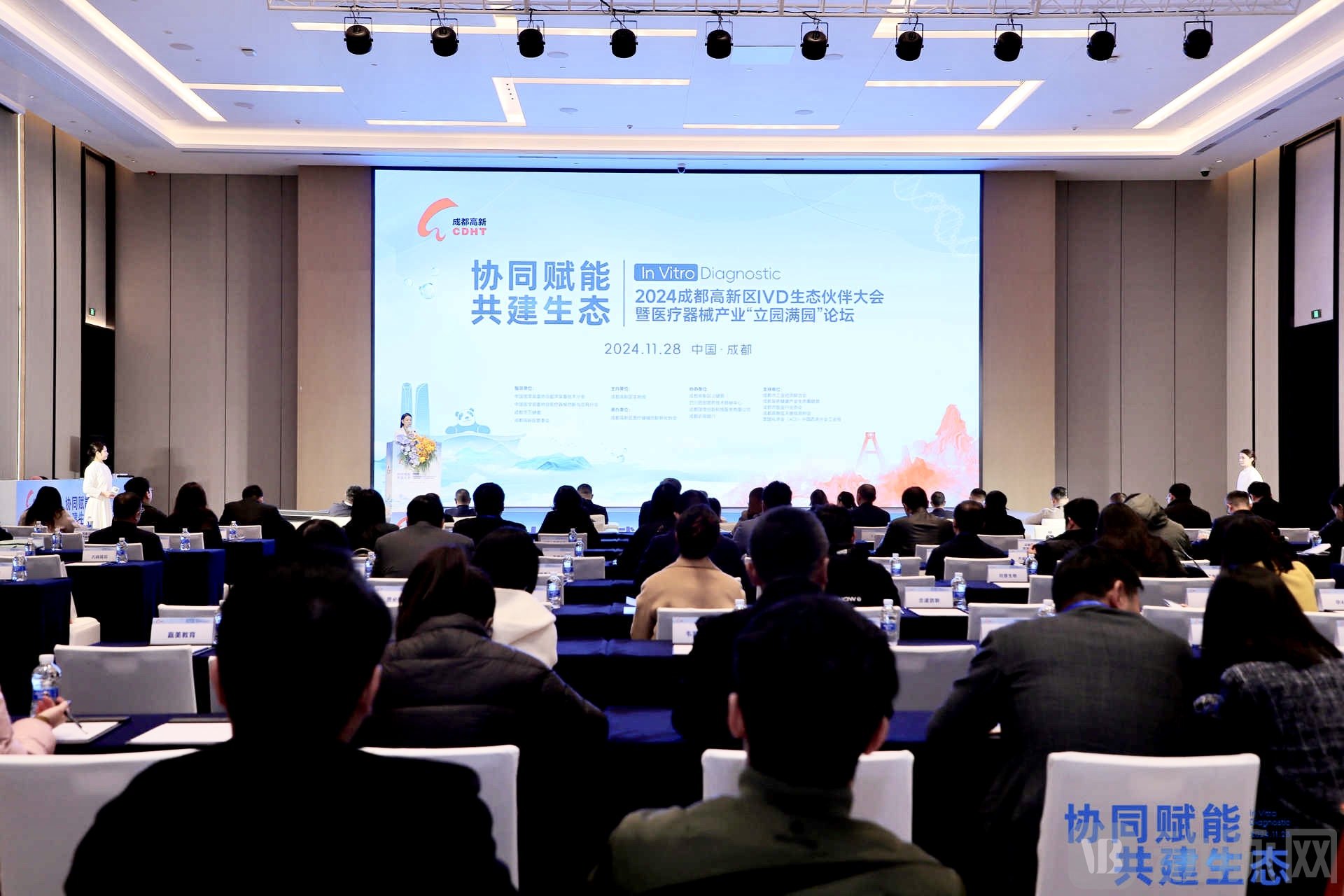
Event Venue
This event aims to leverage the “Park Establishment and Full Park Occupancy” initiative to focus on cultivating a high-quality supply chain ecosystem for the in vitro diagnostics (IVD) industry. Through activities such as list releases, policy interpretations, and discussions on opportunities, it seeks to further promote coordinated development among upstream and downstream segments of the IVD industrial chain in Chengdu High-Tech Zone, strengthen the cluster of high-quality medical device enterprises, and drive full occupancy of enterprises within the park.
Focusing on Core Elements Such as Regulation, Platforms, and Capital to Drive the Upgrading and Revitalization of the IVD Industry
The IVD industry is currently at a critical juncture in its development. The value of Chengdu High-Tech Zone hosting this event lies in bridging key stakeholders—including regulatory authorities, enterprises, and investment and financing institutions—and promoting multi-party exchange and collaboration, thereby facilitating the coordinated development of the upstream and downstream segments of the IVD industry chain.
First, regulatory registration plays a crucial role in the IVD industry chain, overseeing the efficacy, safety, and compliance of IVD products.
Jiang Deyuan, former Director of the Medical Device Registration Department of the National Medical Products Administration (NMPA), stated in his keynote presentation titled “Scientific Regulation Boosting High-Quality Development of the Medical Device Industry” that the medical device industry is a sunrise sector. China’s medical device industry is demonstrating strong growth momentum, with substantial room remaining for high-quality development. Scientific regulation not only concerns product safety and efficacy but also serves as a key driver for industrial innovation and high-quality development. Scientific regulation must keep pace with the times, continuously adapting to technological advancements and evolving market demands. Through policy support, financial investment, and platform development, Chengdu High-Tech Industrial Development Zone has created a favorable environment and conditions for the growth of the medical device industry, thereby solidifying the regulatory foundation for innovative industrial development.
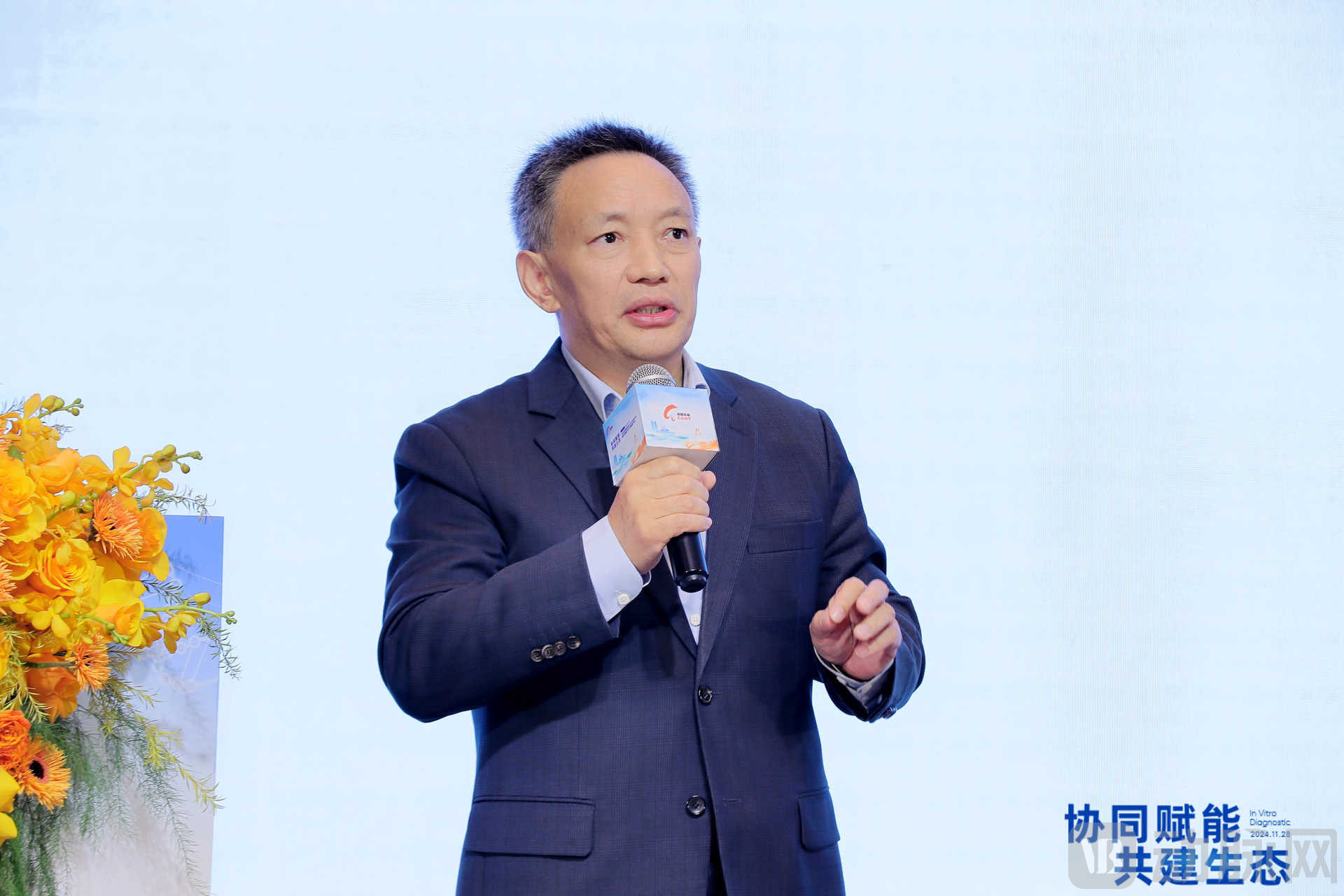 Jiang Deyuan, Former Director of the Medical Device Registration Department of the National Medical Products Administration
Secondly, the optimization and innovation of every link, from innovative R&D to lean production, and from quality control to supply chain management, are key to building a full-industry-chain service platform. In this regard, Sun Jingsheng, Chairman of Shuimu Medical, shared the company’s construction of an innovative CDMO service platform covering the entire medical device industry chain, encompassing end-to-end services from engineering R&D to registration testing, clinical CRO, CDMO, and regulatory registration. It is expected that in 2025, Shuimu Medical will establish a new R&D and production center in the Chengdu Tianfu International Bio-town.
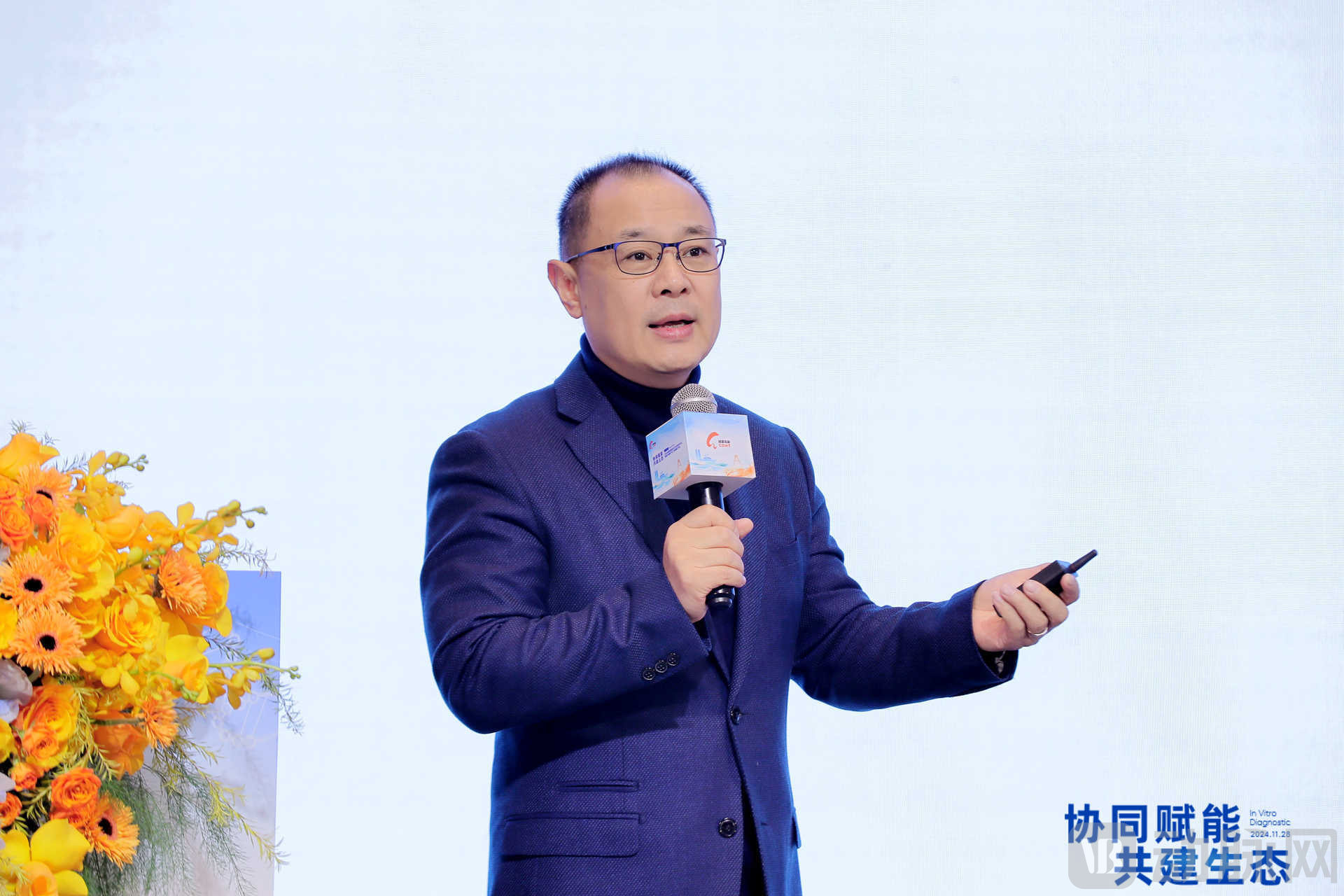 Sun Jingsheng, Chairman of Shuimu Medical
For IVD products, the quality of raw materials directly impacts their performance and stability. At this critical juncture, Huizhou Feng, Head of Thermo Fisher Scientific’s OEM Business in China, shared insights into Thermo Fisher’s high-quality IVD raw material supply solutions and its strategic presence in the Chengdu High-Tech Zone. According to Mr. Feng, Thermo Fisher has established an innovation laboratory in the Chengdu High-Tech Zone, providing a range of instruments for user access and collaborative partnerships. In the field of in vitro diagnostics, Thermo Fisher offers customizable raw material supply solutions to companies within the ecosystem.
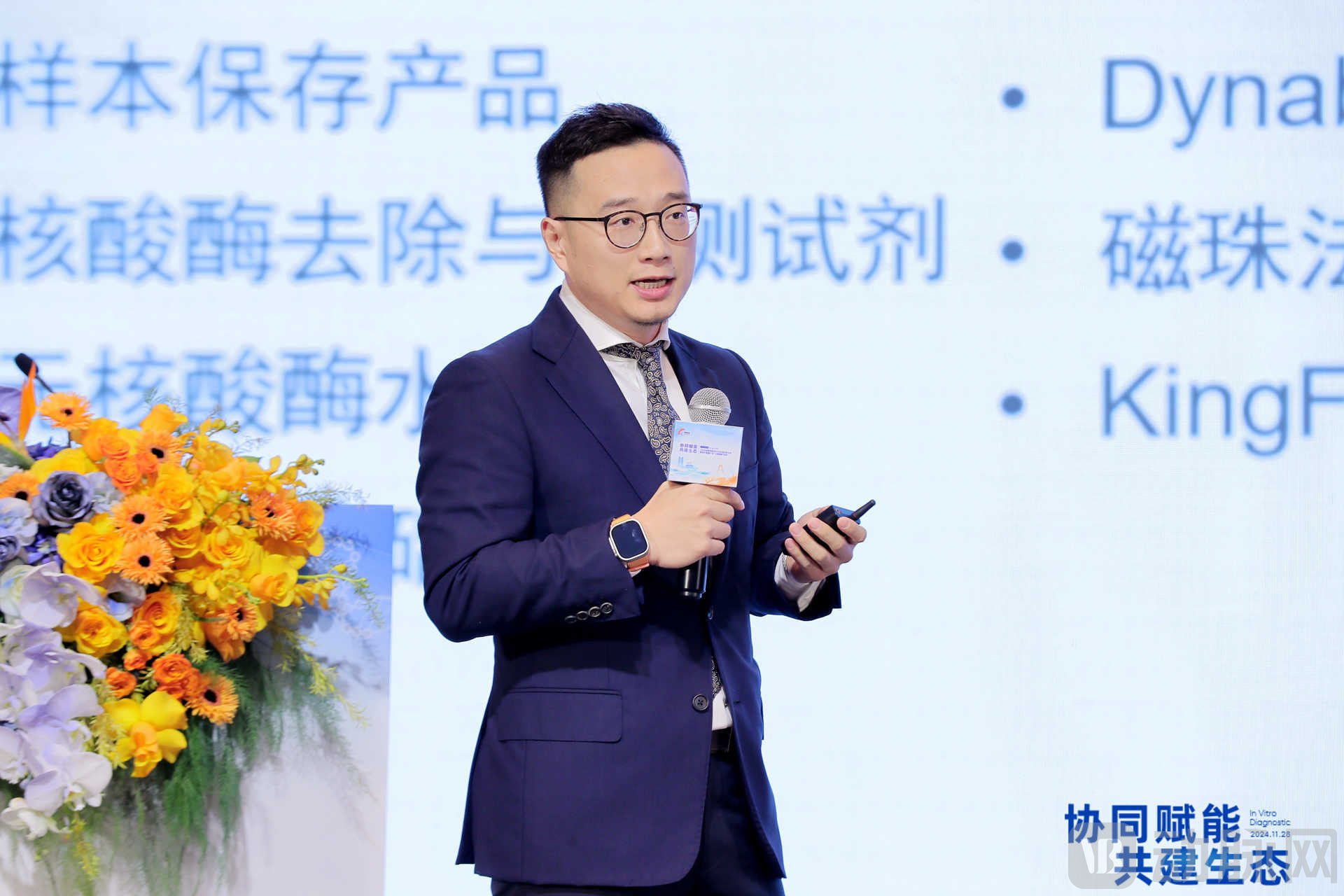
Feng Huizhou, Head of OEM Business in China at Thermo Fisher Scientific
Furthermore, Yan Jingjing, founder of Probe Capital, also believes that focusing on technological innovation and investment and financing is an important pathway to promoting the development of the IVD ecosystem. Technological innovation is the core of IVD development, while the investment and financing environment provides financial support for the IVD industry, facilitating the translation and industrialization of technological achievements.
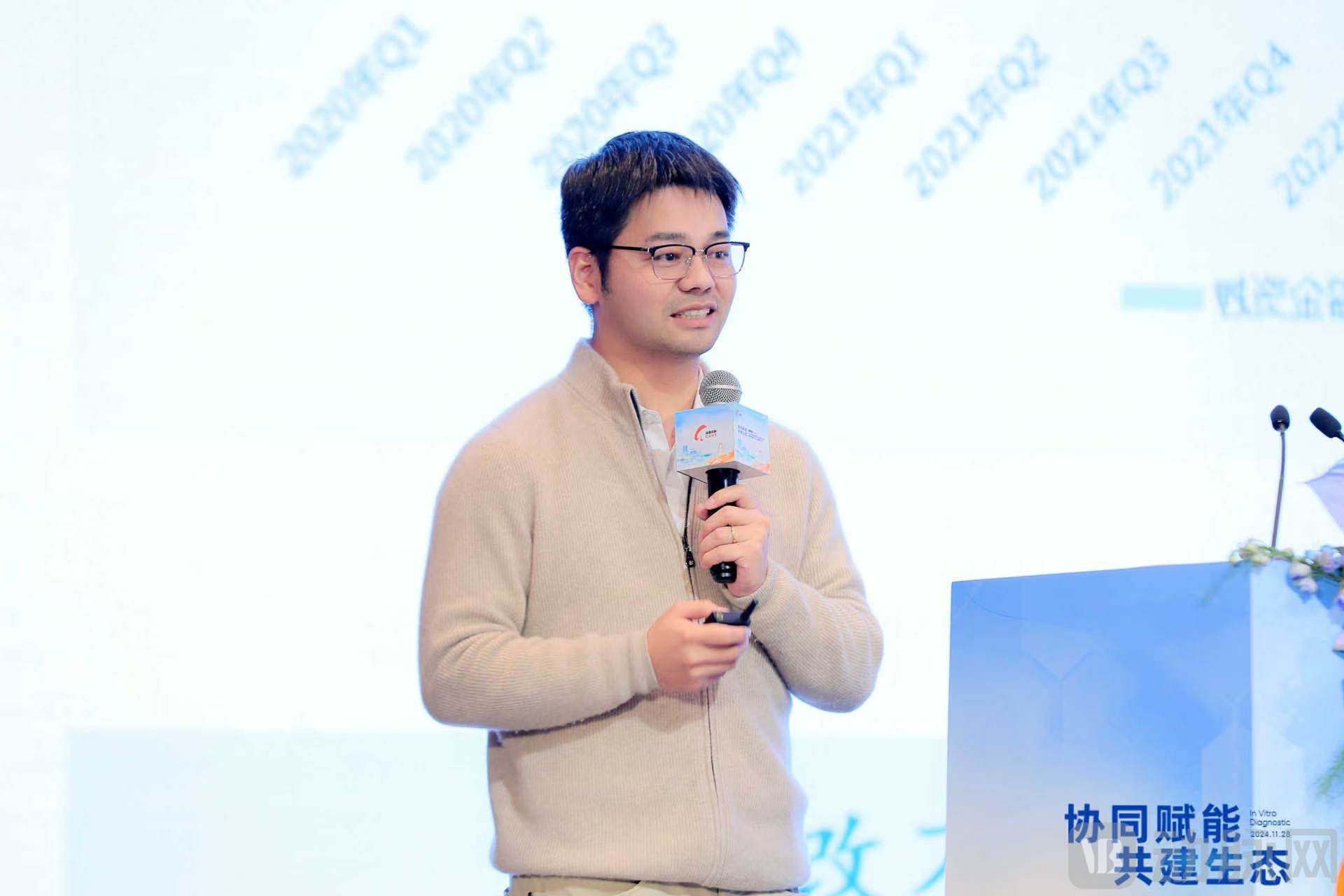 Yan Jingjing, Founder of Tan Zhen Capital
Yan Jingjing stated that the pharmaceutical and healthcare industry is reclaiming its role as a stabilizing force in the capital market, with high-quality assets regarded as prime investment targets. First, capital markets are shifting from a previous sole emphasis on technology to investment decisions guided by clinical and patient needs. Second, investment institutions will place greater emphasis on companies’ projected commercial revenue and future growth potential. In the IVD sector, molecular diagnostics, immunoassays, mass spectrometry, and omics remain key areas attracting capital. Meanwhile, domestic substitution and breakthroughs in high-performance medical devices have become the primary drivers of industry growth, particularly regarding the substitution rate of core components. Furthermore, IVD companies that engage in collaborative applications with pharmaceutical firms and other partners will receive stronger support in the capital market.
“Although the medical device industry faces challenges, it also harbors new development opportunities. The construction of the IVD industrial ecosystem requires dual drivers of technological innovation and investment/financing, which not only promotes the translation and industrialization of technological achievements but is also key to the industry’s sustained growth,” said Yan Jingjing.
Announcement of the First Batch of High-Quality Partners, Continuous Expansion of the Industrial Ecosystem
Medical devices have long been a key development track for the biopharmaceutical industry in Chengdu High-Tech Zone. To date, the zone is home to more than 30 national-level medical device clinical trial institutions and has gathered nearly 100 medical device manufacturing enterprises, including industry leaders such as GE Healthcare China, Medtronic, and Maccura Biotechnology. It holds approximately 1,800 medical device registration certificates, featuring products such as Medtronic’s world’s first portable insulin pump, Bonss’ China’s first transoral surgical robot system, and Alltech Medical Systems’ China’s first high-field superconducting MRI whole-unit system.
It is precisely on the basis of a strong industrial foundation that the Chengdu High-Tech Zone has currently gathered IVD companies represented by Maccura Biotechnology, Wovonte Biotech, New Healthway, and Xieguang Bio.
At the event, Liu Chang, Secretary-General of the Chengdu High-Tech Zone Medical Device Innovation and Transformation Association, introduced the in vitro diagnostics (IVD) industry in the Chengdu High-Tech Zone and announced the first list of high-quality partners. The list includes 18 domestic and international enterprises and institutions across the upstream and downstream IVD industry chain, such as Thermo Fisher Scientific, Kento Fluidics, the School of In Vitro Diagnostics Industry at Chengdu Medical College, and the Sichuan Western Medical Technology Transfer Center.
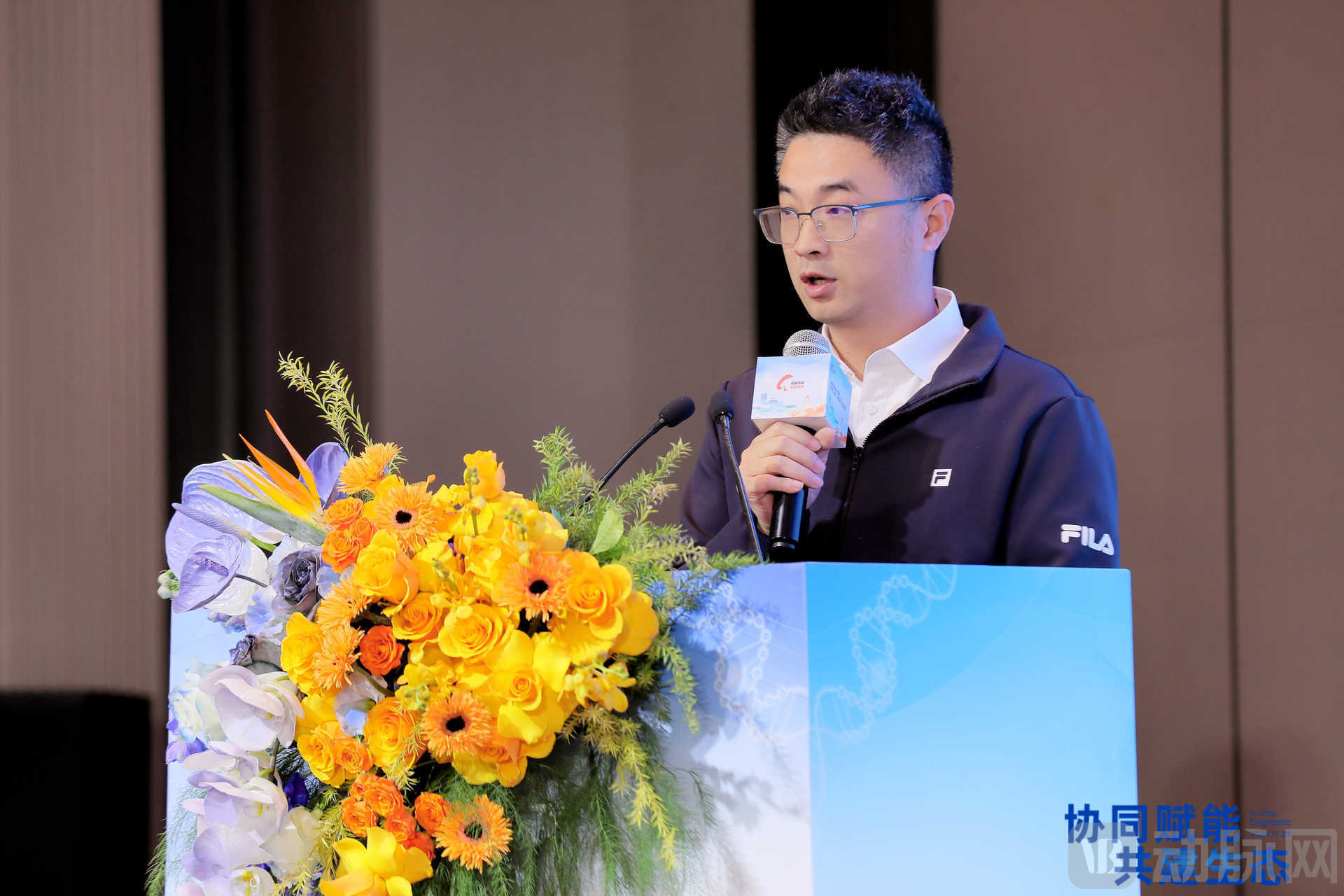
Liu Chang, Secretary-General of the Chengdu High-Tech Zone Medical Device Innovation and Translation Association
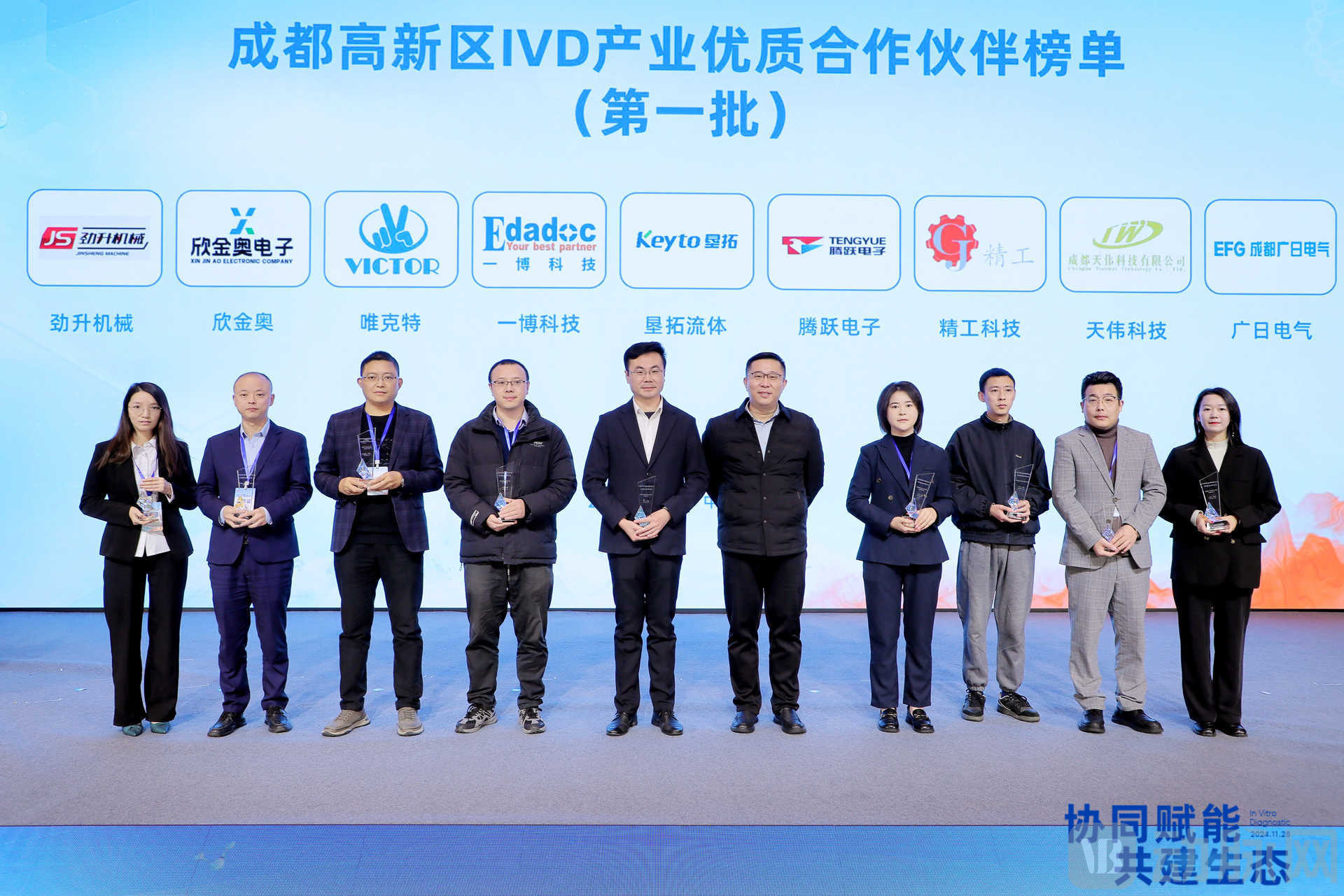
Release of the List of High-Quality Partners in the IVD Industry in Chengdu Hi-Tech Industrial Development Zone (First Batch)
Liu Chang stated that Chengdu High-Tech Industrial Development Zone has established a comprehensive, closely interconnected, and highly integrated technological chain for the R&D of innovative drugs and medical devices, as well as an industrial chain for achievement transformation. The IVD industry has initially formed a full-chain service capability and industrial ecosystem, integrating biological raw materials, equipment components, R&D incubation, inspection and testing, preclinical and clinical trials, regulatory submission, commercial-scale production, and specialized distribution.
Meanwhile, Maccura Biotechnology, Wovent, Xieguang Biotechnology, and New Health Chengdu sequentially released the “Annual Opportunity List for Leading IVD Enterprises in Chengdu High-Tech Zone,” covering demands in areas such as laboratory intelligence, technology platforms, talent acquisition, material procurement, and park development.
“By publishing lists of partners and opportunity catalogs, we aim to effectively release information on resources and demands within the IVD industry in Chengdu High-Tech Zone, further strengthen the upstream and downstream segments of the IVD industrial chain, stimulate endogenous momentum for the development of the IVD sector in Chengdu High-Tech Zone, expand specialized industrial clusters, and support Chengdu High-Tech Zone in building a world-class high-tech park and an industrial technology innovation center,” said a relevant official from Chengdu High-Tech Zone.
“The release of the Opportunity List has revealed the immense potential for deep integration with the IVD industry in Chengdu High-Tech Zone. We look forward to collaborating with our peers to enhance diagnostic efficiency, reduce costs, and improve patient experience,” said Chen Lu, Academic Director of the Department of Laboratory Medicine at West China Second University Hospital of Sichuan University, and Researcher/Doctoral Supervisor at the State Key Laboratory of Biotherapy.
Going forward, Chengdu High-Tech Zone will continue to advance the “Quality Optimization and Improvement, Distinctive Park Development, Empowerment for Efficiency Gains, and Full Enterprise Participation” initiative, and implement the “Crown Jewels of the Park” and tiered enterprise cultivation programs. Meanwhile, it will deepen multi-party cooperation, encourage specialized collaboration and resource sharing, and link individual strengths into a cohesive chain to accelerate the development of the medical device industry cluster. These efforts will provide strong support for deepening and substantiating the establishment and strengthening of the biomedical industry ecosystem in Chengdu High-Tech Zone, and for accelerating the construction of a modern industrial system.
Multi-Party Collaboration to Drive the Prosperity of the Medical Device Industry Ecosystem
In the current healthcare landscape, where challenges and opportunities coexist, supply chain collaboration has become increasingly vital, serving as the key to navigating economic cycles and unlocking new sources of industry growth.
From the research and development of innovative technologies to product commercialization, and from the optimization of the policy environment to the formulation of industry standards, every stage relies on close collaboration and coordinated development among governments, enterprises, research institutions, and financial institutions.
At the Medical Device Regulatory Services Salon, part of the concurrent “Rong Yi Jian” and “Jin Yuan Wa Bao” events for the high-end diagnosis and treatment industry chain, participants engaged in an in-depth dialogue on “Multi-Party Integration to Support the Development of the Medical Device Industry Ecosystem.”
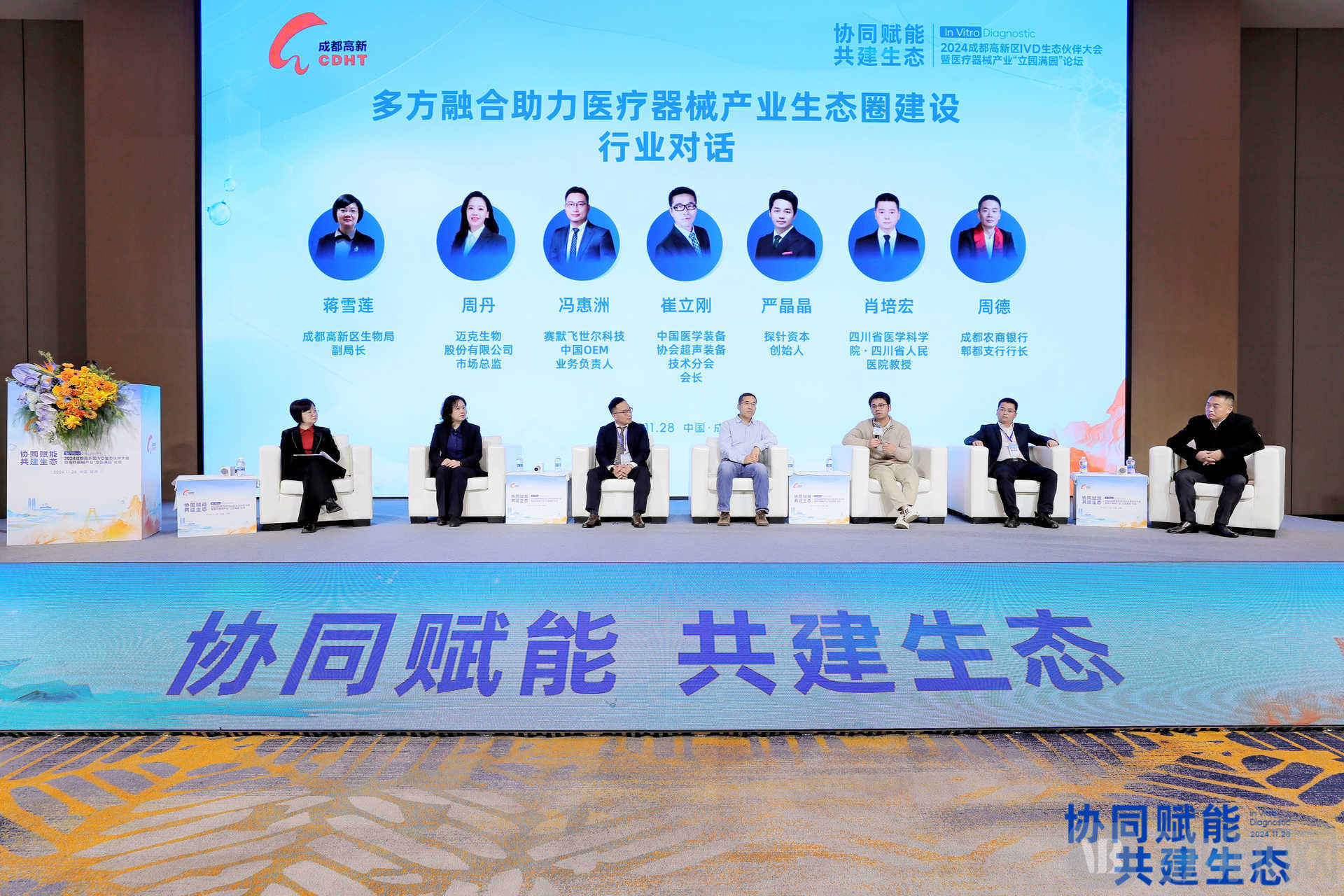
Guests Engage in In-Depth Dialogue on “Multi-Stakeholder Integration to Foster the Medical Device Industry Ecosystem”
Cui Ligang, President of the Ultrasound Equipment Technology Branch of the China Association of Medical Equipment, believes that the domestic medical device industry is ushering in a spring. “Benefiting from national policy support, Chinese medical device companies have transitioned from imitation to technological innovation. The advantage of domestic enterprises lies in their ability to rapidly respond to market feedback; for instance, in applying AI technology to ultrasound products, Chinese companies can quickly turn ideas into products.”
Yan Jingjing, founder of Probe Capital, stated that for local industrial funds to leverage government investment promotion efforts, it is necessary to resolve the “impossible trinity” conflict between limited partners (LPs) and general partners (GPs) by lowering expectations for investment returns. In the future, market-oriented industrial funds will identify more effective ways to collaborate with local governments, nurture high-quality enterprises and cultivate technical talent in line with local industrial characteristics, thereby truly unleashing the leveraging effect of industrial funds.
Zhou De, President of the Pixu Sub-branch of Chengdu Rural Commercial Bank, outlined the bank’s strategic layout in the pharmaceutical and health industries. This includes launching specialized financial products such as the “Zhuangda Loan” and “Kechuang Loan” to improve the success rate of financing for real-economy enterprises. The bank offers preferential pricing to high-quality enterprises to reduce their financing costs and provides credit or guaranteed financing solutions to companies with prominent core businesses, clear equity structures, and stable operations, thereby effectively supporting the development of high-tech industries.
Regarding the development of China’s IVD industry, Feng Huizhou, Head of OEM Business in China at Thermo Fisher Scientific, stated that the Chinese IVD market is vibrant due to its large population base. In particular, during the COVID-19 pandemic, Chinese enterprises demonstrated significant potential and rapid response capabilities. He also offered three recommendations for Chinese healthcare companies expanding overseas. First, companies should leverage differentiated regulatory approval systems and market supply-and-demand dynamics in overseas markets to explore greater opportunities. Second, going global is no longer about export trade based on traditional production capacity advantages, but rather about penetrating the global market by leveraging technological and industrial chain strengths. Finally, companies should prioritize brand building in overseas markets, moving beyond traditional distributors and trade shows by utilizing digital tools to expand their international presence.
Suggestions on Building the IVD Industry Ecosystem in Chengdu High-Tech ZoneZhou Dan, Marketing Director of Maccura Biotechnology, a company based in the Chengdu High-Tech Zone, also offered insights. She stated that, given the impact of centralized volume-based procurement on the existing scale of the IVD market, companies should increase R&D investment to enhance product competitiveness and actively expand into international markets. Secondly, a complete industrial chain is crucial for cost control. Currently, most IVD supply chains are concentrated in coastal cities. It is hoped that Chengdu can attract more suppliers of mid-to-high-end raw materials and components to build a more comprehensive industrial chain and strengthen market competitiveness. Furthermore, considering the need to cultivate user habits, the government could provide greater support in promoting the clinical application of products, enabling end-users to legally and compliantly access and evaluate new products.
Finally, Professor Xiao Peihong from the Sichuan Academy of Medical Sciences and Sichuan Provincial People’s Hospital emphasized the core role of healthcare institutions in the medical device industry ecosystem. He argued that the clinical frontline is best positioned to directly perceive clinical needs and product performance, and therefore enterprises should strengthen collaboration with clinical practitioners to develop new in vitro diagnostic (IVD) products based on these needs. He also advocated for interdisciplinary integration to foster innovative product development. For instance, although the current level of automation in microbiological testing is low, the market holds significant potential; IVD companies could partner with hospitals to address clinical challenges in this area.
From policy support to technological innovation, and from capital investment to collaboration with medical institutions, every link is an indispensable part of the ecosystem. Multi-party integration facilitates the development of the medical device industry ecosystem, with the key lying in promoting the deep integration of the policy chain, innovation chain, industrial chain, capital chain, and talent chain, thereby forming a new pattern of symbiosis, integration, and collaborative development in the medical device industry.
Building on this, the open, collaborative, and win-win industrial ecosystem cultivated by Chengdu High-Tech Zone will integrate resources from all parties, drive technological innovation, accelerate the commercialization of research achievements, and enhance industrial competitiveness, thereby fostering the rapid development of the medical device industry.