

Peking University International Hospital Launches Hematologic Oncology and Cell Therapy Center, Focusing on Innovative Diagnostic and Therapeutic Models
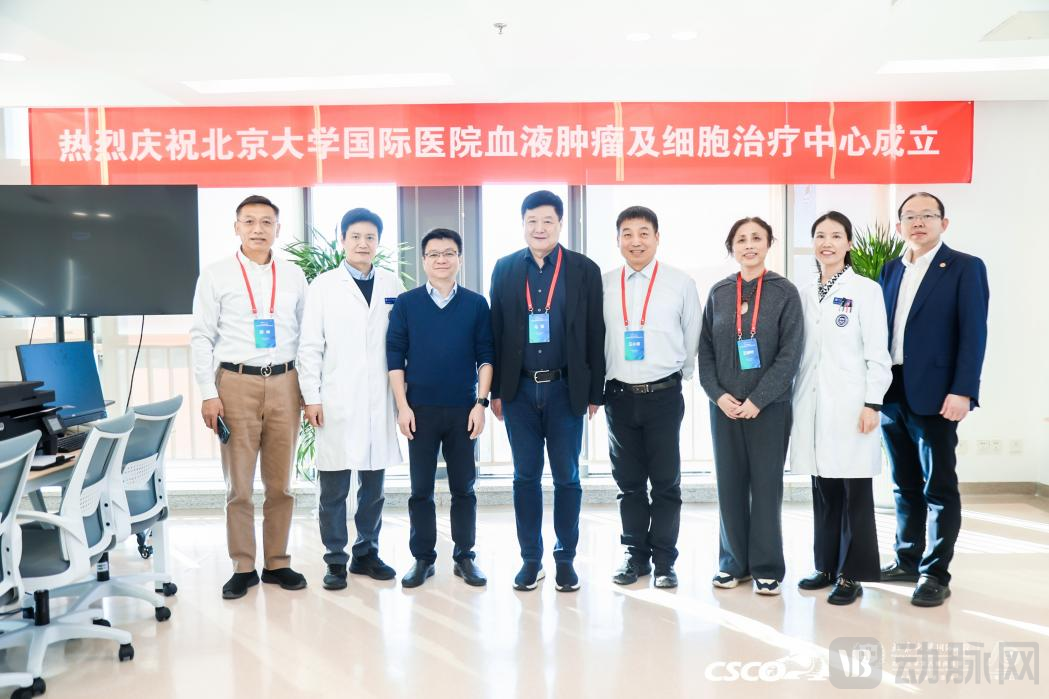
As population aging intensifies, the incidence of hematologic malignancies has been rising year by year. To fully integrate the multidisciplinary advantages and resources of comprehensive hospitals and focus on the multidisciplinary comprehensive diagnosis and treatment of malignant tumors, the “Inauguration Ceremony and Academic Conference of the Hematologic Oncology and Cell Therapy Center at Peking University International Hospital,” hosted by the Chinese Society of Clinical Oncology (CSCO) and organized by Peking University International Hospital, was successfully held in Beijing on November 29.
The establishment of the Center for Hematologic Malignancies and Cell Therapy will innovate diagnostic and treatment models, advancing the discipline construction at Peking University International Hospital through standardized, personalized, and precision medicine approaches. It is understood that patients with hematologic malignancies will receive comprehensive, high-quality, one-stop diagnostic and therapeutic services at the center in the future.
At the conference, opening remarks were delivered by Liu Yajuan, General Manager of Peking University Healthcare Group; Professor Xu Ruihua from Sun Yat-sen University Cancer Center; and Professor Yu Jinming, Academician of the Chinese Academy of Engineering and President of Shandong Cancer Hospital.
Professor Ma Jun from the Harbin Institute of Hematology and Oncology, Academician of the Chinese Academy of Sciences; Professor Fan Jia from Zhongshan Hospital Affiliated to Fudan University, Academician of the Chinese Academy of Engineering; Professor Yu Jinming, President of Shandong Cancer Hospital, Academician of the Chinese Academy of Engineering; Professor Xu Binghe, Director of the Department of Medical Oncology at the National Cancer Center/National Clinical Research Center for Cancer/Cancer Hospital, Chinese Academy of Medical Sciences, Academician of the Chinese Academy of Engineering; Professor Wang Jianxiang from the Institute of Hematology & Blood Diseases Hospital, Chinese Academy of Medical Sciences; Professor Gao Chenyan from Changping Laboratory; Professor Qin Shukui from Nanjing Tianyinshan Hospital; Professor Zhu Jun from Peking University Cancer Hospital; Professor Zhang Lei from the Institute of Hematology & Blood Diseases Hospital, Chinese Academy of Medical Sciences; Professor Han Weidong from the Chinese PLA General Hospital; and other industry experts delivered thematic presentations.
The meeting was moderated by experts including Professor Liang Jun, Party Secretary and President of Peking University International Hospital; Professor Shen Zhixiang from Ruijin Hospital, Shanghai Jiao Tong University School of Medicine; Professor Wu Depei from the First Affiliated Hospital of Soochow University; Professor Zhao Weili from Ruijin Hospital, Shanghai Jiao Tong University School of Medicine; Professor Hu Yu from Union Hospital, Tongji Medical College, Huazhong University of Science and Technology; Professor Jiang Zefei, President-Elect of the Chinese Society of Clinical Oncology (CSCO) and Deputy Director of the Medical Department of the Cancer Center, Chinese PLA General Hospital; Professor Song Yuqin from Peking University Cancer Hospital; Professor Guo Jun, Director of the Department of Melanoma and Genitourinary Medical Oncology at Peking University Cancer Hospital; Professor Wang Xiaopei from Peking University Cancer Hospital; Professor Qiu Lin from the Harbin Institute of Hematology and Oncology; and Professor Ren Hanyun from Peking University International Hospital.
The participation of dozens of academicians and renowned domestic experts and scholars has established a new platform for the diagnosis, treatment, and research of hematologic malignancies, laying a solid foundation for jointly exploring new findings and directions in this field, and significantly advancing the level of therapeutic care in hemato-oncology.
Hematologic malignancies are malignant diseases originating from hematopoietic cells, which can involve the bone marrow, blood, and various organs and tissues throughout the body. Commonly encountered hematologic malignancies in clinical practice mainly include various types of leukemia, multiple myeloma, lymphoma, myelodysplastic syndromes, and myeloproliferative neoplasms. With both incidence and mortality rates ranking among the highest, these conditions represent major diseases that pose a serious threat to human health.
Data show that in 2020, there were 206,000 new cases and 135,000 deaths from hematologic malignancies in China. The number of new cases and deaths is projected to reach 251,000 and 174,000, respectively, by 2030. Currently, therapeutic approaches for hematologic malignancies are continuously evolving, with novel drugs emerging. Hematologic oncology and cell therapy represent fields in urgent need of in-depth exploration and innovation, offering broad prospects for development.
Upholding its commitment to advancing research in hematologic oncology, Peking University International Hospital has officially established the Center for Hematologic Oncology and Cell Therapy following months of planning and preparation. According to Liu Yajuan, General Manager of Peking University Healthcare Group, Peking University International Hospital has fully integrated the multidisciplinary advantages and resources of a comprehensive hospital, innovated diagnostic and treatment models, and enhanced the overall level of comprehensive diagnosis and management of malignant tumors. The center is jointly led by renowned domestic experts in hematology and oncology—Professors Ma Jun, Liang Jun, and Zhu Jun—who have assembled a top-tier specialized team. This initiative aims to better provide patients with hematologic malignancies with standardized, personalized, and precision-based diagnosis and treatment, as well as one-stop high-quality care services, thereby significantly advancing disciplinary development at the international hospital and promoting further progress in cancer treatment across China.
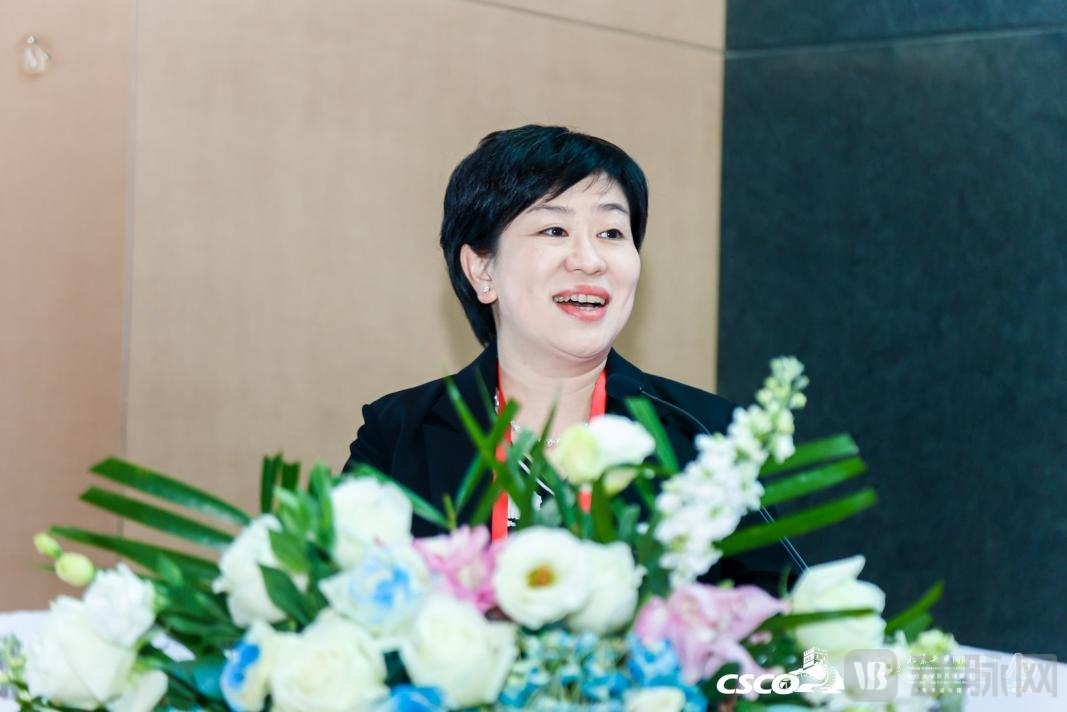
The establishment of the Hematologic Oncology and Cell Therapy Center at Peking University International Hospital is of great significance. It not only organically integrates basic research, clinical laboratory testing, cell therapy, clinical trials, and comprehensive treatment into a unified operational model, but also builds a robust comprehensive platform for oncology care. This initiative will advance the field of cancer treatment and deliver improved therapeutic outcomes and quality of life for patients with hematologic malignancies.
“Prevention and treatment of hematologic malignancies is a highly challenging yet critical task, representing a key focus and strategic priority for Peking University International Hospital.” According to Professor Liang Jun of Peking University International Hospital, the hospital boasts an excellent Department of Hematology, a specialized Lymphoma Department, and an experienced multidisciplinary team (MDT), which together form a solid foundation. The establishment of the center aims to bring together talent and integrate diverse technologies, with the goal of rationally applying innovative approaches such as cell therapy to oncology care. This initiative will strengthen the hospital’s specialty development and deliver higher-quality services to patients.
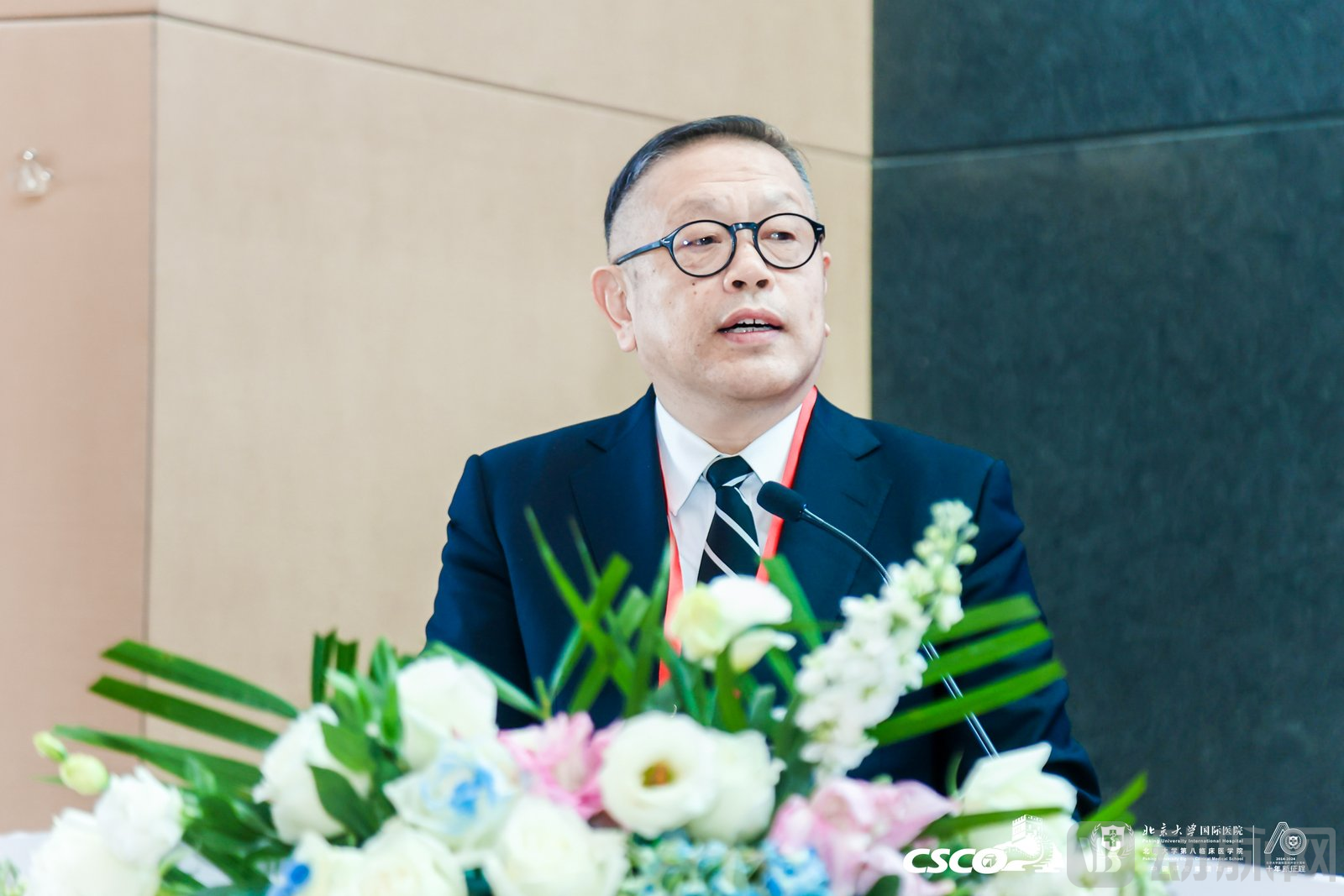
Professor Xu Ruihua from Sun Yat-sen University Cancer Center stated that Peking University International Hospital has demonstrated pioneering spirit and a courage to innovate. The Cancer Center will strengthen its alignment and collaboration with the International Hospital, enhancing support for teaching, scientific research, and disciplinary talent development at the new center. It also looks forward to the International Hospital concentrating its efforts on tackling key challenges in the diagnosis and treatment of complex and critical cases, thereby achieving comprehensive development across its discipline clusters, driving a significant leap in medical technological capabilities, and delivering satisfactory outcomes in the treatment of hematologic malignancies.
Hematologic malignancies are malignant clonal proliferative disorders resulting from impaired differentiation and development of hematopoietic stem cells, characterized by significant heterogeneity in their pathogenesis and clinical features. In addition to innovations in diagnostic and therapeutic models, the application of novel treatment technologies is crucial.
Xu Ruihua stated that the rapid advancement of molecular biology techniques has enabled researchers to gain a deeper understanding of the pathogenesis and mutational characteristics of hematologic malignancies. Through gene sequencing and detection of molecular biomarkers, personalized diagnoses can be made for patients with different types of blood cancers, thereby determining the most appropriate treatment regimens.
Currently, a series of targeted therapies have been developed against molecular targets in various hematologic malignancies, reducing damage to normal cells and improving therapeutic efficacy. Meanwhile, the emergence and successful application of cancer immunotherapies—including bispecific antibodies, antibody-drug conjugates, immune checkpoint inhibitors, and CAR-T cell therapy—have brought revolutionary advances to the treatment of hematologic malignancies.
Particularly in the field of cell therapy, remarkable achievements have been made, creating an urgent need for broader clinical application, continuous accumulation of patient treatment experience, and improved success rates in the treatment of hematologic malignancies. The establishment of the Hematologic Oncology and Cell Therapy Center at Peking University International Hospital provides a solid foundation for the development of its key specialty in hematologic oncology and cell therapy.
“With the rapid advancement of technology, the field of hematologic oncology treatment is undergoing unprecedented transformation. It is essential to deepen our understanding of the pathogenesis of hematologic malignancies, continuously identify new therapeutic targets, and accelerate the development of innovative drugs. Furthermore, drug delivery technologies must be optimized to ensure precise targeting of tumor cells, thereby minimizing side effects and enhancing therapeutic efficacy.” Professor Huang Xiaojun, Academician of the Chinese Academy of Engineering and Director of the Peking University Institute of Hematology, also emphasized the need for robust exchange, in-depth discussion, and strengthened collaboration to forge a path of innovation in oncology medicine tailored to China’s national conditions, creating a brighter and more hopeful future for patients with hematologic malignancies.
Professor Zhu Jun of Peking University Cancer Hospital also looks forward to collaborating with experts in the field of hematology across China, actively promoting the application and development of advanced therapeutic approaches such as cell therapy, immunotherapy, targeted therapy, and precision medicine, continuously accumulating treatment experience for Chinese patients, and enhancing China’s influence in this field.
On December 5, 2024, Peking University International Hospital will celebrate the milestone of its tenth anniversary since opening. The establishment of the Center for Hematology, Oncology, and Cell Therapy and the convening of its academic conference mark a new starting point, ushering in the hospital’s strategic roadmap for the next decade. Under the leadership of Ping An Group, the Health Science Center of Peking University, and PKU Healthcare Group, the hospital will continue to fulfill its new mission of “building an international hospital and pioneering new paths for reform,” steadfastly advancing toward a brighter future in international healthcare.