

Neuromodulation and AI Technologies Pave the Way for a New Era in Multidisciplinary Treatment of Geriatric Cognitive Disorders: Insights from the 2024 Summit
The Construction of Neuromodulation Centers Is Becoming a Striking Highlight.
Public and private medical institutions in China are currently accelerating the establishment of neuromodulation centers and outpatient clinics. In July this year, the Neuromodulation Telemedicine Center at the West Coast Second Hospital of Qingdao University Medical Group was officially unveiled; shortly thereafter, in August, the neuromodulation outpatient clinic, operated by Tianjin Anding Hospital (Tianjin Mental Health Center) and supported by its Neuromodulation Center, officially began receiving patients.In November, the Neuromodulation Center and the Engineering Research Center for Neuromodulation in Mental Disorders at Shenyang Jing’an Hospital were officially established.
Behind this lies the recognition that neuromodulation technology can improve symptoms of age-related diseases, including Alzheimer’s disease, depression, and Parkinson’s disease. The deeper driving force, however, resides inKaixin Medical and Shenyang Jing’an Hospital Jointly Host the 2024 & Second Frontier Exploration Summit on “Research and Multidisciplinary Treatment of Cognitive Disorders in the Elderly”presented in.
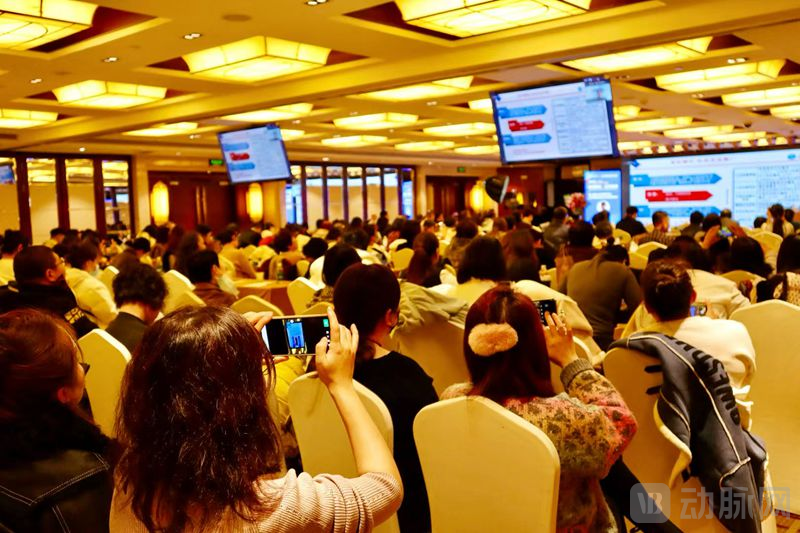
At the conference, a number of top clinical experts from disciplines including neurology, psychiatry, geriatrics, and computer science discussed the challenges and innovative solutions in the prevention, clinical management, and rehabilitative care of neuropsychiatric disorders in the elderly. The core topic, which also served as the theme of this meeting, was“Neuromodulation and AI Technology Lead a New Era of Multidisciplinary Diagnosis and Treatment for Alzheimer’s Disease in the Elderly”。
According to data from the National Bureau of Statistics, China’s total population at the end of 2023 was 1.40967 billion, including 296.97 million people aged 60 and above. As China’s elderly population approaches the 300-million mark, the burden of age-related diseases continues to rise.Among these, Alzheimer's disease, as the most common neurodegenerative disorder, has seen its prevalence and economic burden double every 20 years.
Data show that in 2020, the prevalence of mild cognitive impairment among individuals aged 60 and above in China was 15.5%, affecting approximately 38 million people, while the overall prevalence of dementia was 6%, affecting approximately 15 million people (with Alzheimer’s disease [AD] accounting for a prevalence of about 3.9%). In 2023, the annual economic burden attributable solely to AD patients in China reached RMB 1.6 trillion.
Dementia patients often present with cognitive and behavioral abnormalities, leading to a decline in their ability to perform activities of daily living.
Professor Yu Xin of Peking University Sixth Hospital pointed out that,Among the elderly population aged 60 and above, a common mental disorder is late-life depression (LLD)., patients often present with characteristics such as lack of energy, emotional apathy, somatic symptoms, and psychomotor retardation.Currently, the prevalence of LLD in patients with mild cognitive impairment is as high as 32%.. Depression may be a prodromal symptom of dementia, or the two conditions may share common etiologies. The Lancet points out that depression is a modifiable risk factor for dementia.

Professor Yu Xin, Peking University Sixth Hospital
Geriatric depression is characterized by its insidious onset, complexity, treatment resistance, high recurrence rate, and frequent comorbidities.Current primary treatment modalities for geriatric depression include pharmacotherapy and psychotherapy; however, existing therapeutic approaches have certain limitations—
Taking pharmacotherapy as an exampleOn the one hand, comorbid physical conditions and polypharmacy in the elderly population limit the selection of therapeutic agents. Antidepressants targeting neurotransmitters exhibit reduced efficacy and a higher incidence of adverse effects in elderly patients compared to younger individuals. On the other hand, due to the unclear etiology and pathogenesis of psychiatric disorders, there is a lack of targeted pharmacotherapies. Current medication regimens can only control certain symptoms in the short term. Approximately one-third of patients respond poorly to pharmacological treatment, leading to a protracted disease course and the development of refractory cases.
andPsychotherapy, due to its time-consuming nature, slow onset of efficacy, high costs, and the uneven competency levels of mental health professionals,, its progress in China remains somewhat limited.
How to better provide valuable medical services for patients with cognitive impairment has become a challenge that many healthcare institutions need to address.
Regaining Control of One’s Life by “Implanting an Emotional Switch”: In 2023, a report on patients with depression at Ruijin Hospital sparked widespread public discussion on neuromodulation.
Neuromodulation is a novel regulatory approach developed by researchers based on the electrical properties of cells, utilizing physical methods such as electricity, magnetism, light, and sound through invasive or non-invasive techniques. Currently commonly used techniques include subthreshold transcranial magnetic stimulation, direct current stimulation, alternating current stimulation, and high-intensity alternating current stimulation, as well as suprathreshold magnetic seizure therapy and electroconvulsive therapy.They can directly interfere with neuronal membrane potentials or cellular electrical conduction at adjacent or distant sites within the central and peripheral nervous systems, thereby exerting excitatory, inhibitory, or modulatory effects.
This technology is demonstrating its appeal to the outside world through clinical applications.
Professor Zhang Tianhong from the Shanghai Mental Health Center shared that a study in Denmark indicated “ECT (Electroconvulsive Therapy) Is Associated with a Reduced Incidence of Geriatric Cognitive Impairment in Patients Aged 70 Years and Older"; additionally, a real-world study involving 147 patients across different age groups (who completed at least 10 TMS sessions) showed that,"In elderly patients, somatic anxiety improved more than psychic anxiety after 2 and 4 weeks of repetitive transcranial magnetic stimulation (rTMS) treatment.”。
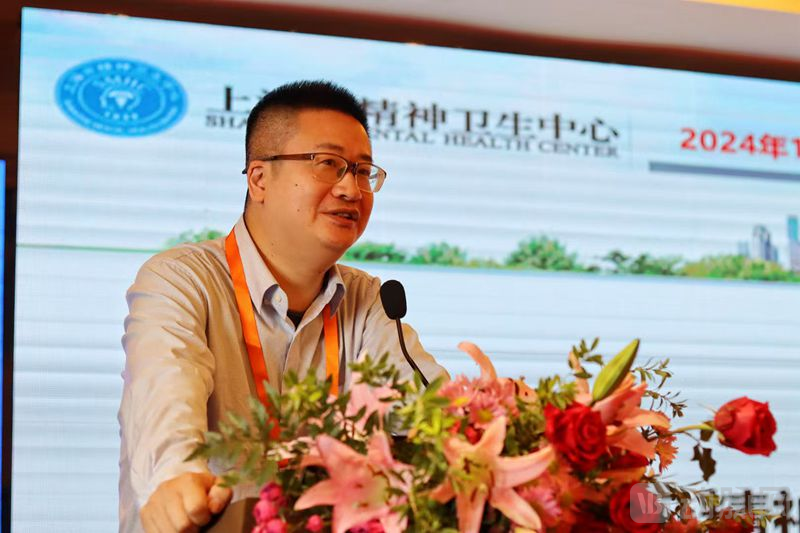
Professor Zhang Tianhong, Shanghai Mental Health Center
In the clinical treatment guidelines for r-TMS, it is also recommended as a therapeutic approach for age-related conditions, including Parkinson’s disease and Alzheimer’s disease. This has made neuromodulation techniques, including r-TMS, highly favored in clinical practice.
Grade A Recommendation: Acute Phase of Stroke, Depression, Neuropathic Pain.
Grade B Recommendation: Depressive symptoms and motor function in Parkinson's disease, post-traumatic stress disorder, and the subacute and chronic phases of stroke
Grade C recommendation: insomnia, obsessive-compulsive disorder, schizophrenia, disorders of consciousness, dystonia, Alzheimer's disease, etc.
Beyond efficacy, the safety and personalization of neuromodulation therapy have become increasingly prominent. Its combination with pharmacotherapy can significantly accelerate patient recovery and reduce medication dosage. The advantages are undoubtedly significant.On one hand, neuromodulation combined with systematic treatments such as pharmacotherapy and psychotherapy can enhance therapeutic outcomes for patients; on the other hand, it can lead to a more favorable prognosis, enabling patients to better reintegrate into society and thereby reducing the societal burden.
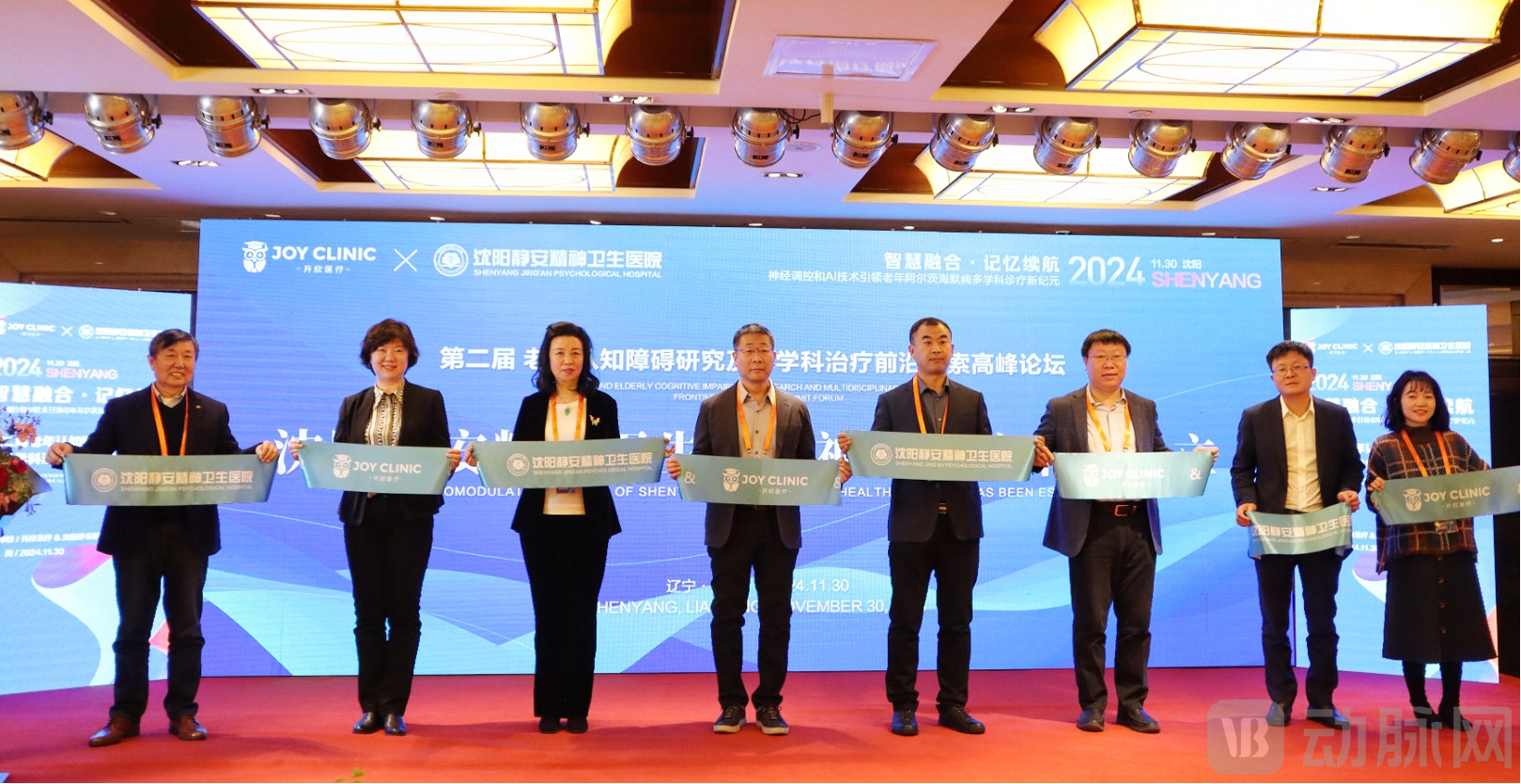
At the conference, the organizers also announced the establishment of a Neuromodulation Therapy Center, which will focus on complex and treatment-resistant psychiatric disorders and treat various types of mental health conditions to meet the needs of patients across all age groups.The hospital will leverage advanced brain function assessment and detection technologies, formulate precise neuromodulation treatment plans based on imaging and electrophysiological evaluations, and establish an integrated diagnostic model encompassing diagnosis, examination, and treatment.and conduct innovative explorations based on the newly established Engineering Research Center for Neuromodulation of Mental Disorders.
It is reported that the team at the Neuromodulation Center of Shenyang Jing’an Hospital will comprise six experts with associate senior professional titles or above, one doctoral supervisor, one holder of a Doctoral degree, and three holders of Master’s degrees. Professor Zhu Gang, the Honorary Director of the Neuromodulation Center, is from the Department of Psychiatry at the First Affiliated Hospital of China Medical University and serves as the Chair of the Department of Psychiatry and Mental Health. He possesses extensive clinical and research experience. Furthermore, the hospital is equipped with various devices for brain function assessment and monitoring, as well as neuromodulation equipment including Transcranial Magnetic Stimulation (TMS), transcranial Electrical Stimulation (tES), biofeedback therapy, and Modified Electroconvulsive Therapy (MECT). These technologies will be integrated with pharmacotherapy and psychotherapy to achieve highly effective therapeutic outcomes.
This marks a significant step forward in the fields of precision medicine and neuroscience, bringing more innovative and efficient treatment options to patients. Meanwhile, it will further advance the transition of psychiatry in China toward precision neuromodulation therapies.
Alzheimer’s disease (AD) is a continuous disorder, with its pathophysiological processes beginning 15–20 years before the onset of clinical symptoms. Early screening, prevention, diagnosis, and treatment are therefore of paramount importance.
From the perspective of disease screening and prevention—
In China, the promotion of specialized screening models is hindered by limitations in medical resources, and internationally recognized screening tools are often unsuitable for local application. The Shanghai Mental Health Center, affiliated with Shanghai Jiao Tong University School of Medicine, where Professor Li Xia is based, has launchedAge-Friendly, Gamified, and Self-Administered Intelligent Screening Tools, screening for the risk of cognitive impairment in the elderly and implementing community-based interventions, thereby establishing a stratified, tiered funnel cohort of 160,000 elderly individuals with distinct characteristics.
The establishment of high-quality large-scale cohorts is key to the early prevention and treatment of Alzheimer's disease.Current international cohorts face challenges such as being non-AD-oriented community-based samples, lacking specialized cognitive assessments, and exhibiting significant racial and ethnic disparities. Domestic cohorts in China, meanwhile, contend with issues including the absence of top-level design, inadequate mechanisms for resource sharing, and a lack of high-quality long-term follow-up systems. Professor Yu Jintai’s team at Huashan Hospital, Fudan University, has spearheaded the establishment of the Chinese Healthy Aging and Dementia Community Cohort, which has enrolled 20,000 participants with cross-scale, multimodal biomedical data. He noted that over 47% of Alzheimer’s disease (AD) cases can be prevented through active intervention. Building on this foundation, Huashan Hospital has also led the development of an evidence-based AD prevention protocol.
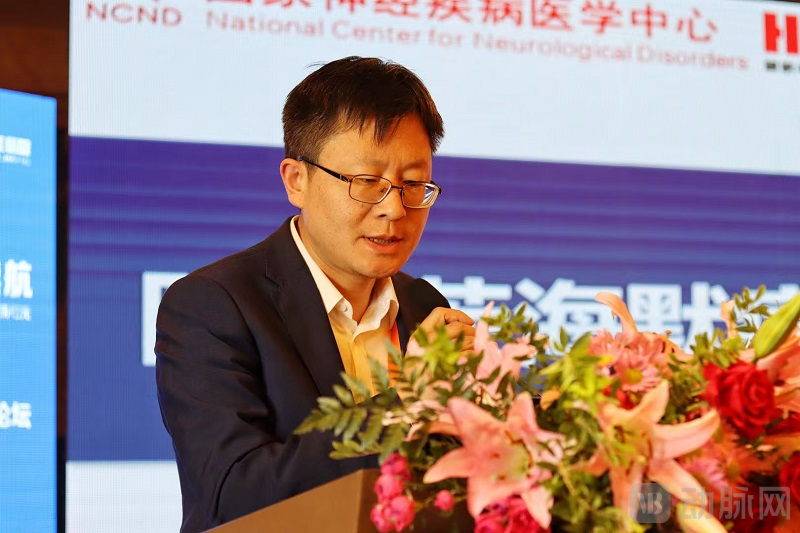
Professor Yu Jintai, Huashan Hospital Affiliated to Fudan University
From the perspective of disease diagnosis—
The experts present all highlighted the importance of biomarkers in diagnosis.Currently, the academic community has conducted new explorations focusing on the distinct characteristics of plasma, cerebrospinal fluid (CSF), and molecular imaging biomarkers for Alzheimer’s disease (AD): Positron Emission Tomography (PET) can significantly improve etiological diagnosis and clinical management in patients with cognitive impairment; the application of AI-based techniques to CSF analysis has further uncovered biomarkers for precise early diagnosis of AD, such as YWHAG, SMOC1, PIGR, and TMOD2; plasma GFAP has been identified as an early biomarker for AD; furthermore, genomic strategies have revealed novel genes and pathogenic mechanisms underlying AD onset, while systematic mapping of the human health and disease proteome has uncovered new therapeutic targets for dementia intervention.
Professor Liu Huayan, the First Hospital of China Medical University,Reminder to clinicians to avoid misdiagnosis and missed diagnosis of EOAD (early-onset Alzheimer’s disease).So-called early-onset Alzheimer’s disease (EOAD) patients refer to those with Alzheimer’s disease who develop cognitive impairment before the age of 65, accounting for approximately 5%–10% of all Alzheimer’s cases. Memory impairment is not prominent in patients with early-onset AD; however, behavioral and psychological symptoms of dementia (BPSD) are significant, making them highly susceptible to being overlooked or misdiagnosed in clinical practice. Given the younger age at onset, misdiagnosis has a more profound impact on patients’ quality of life.
From the perspective of disease treatment—
In addition to pharmacological and psychotherapeutic interventions, Professor Zhang Shouzi of Beijing Geriatric Hospital mentioned non-pharmacological interventions for cognitive impairment.Including neuromodulation, reminiscence therapy, exercise therapy, music therapy, physical activity, aromatherapy, soothing therapy, dietary therapy, validation therapy, etc.。
Professor Liu Yu from the School of Nursing at China Medical University emphasized the importance of cognitive training interventions.For instance, Shenyang Jing’an Hospital is currently providing care for elderly patients with dementia.Provide a Non-Pharmacological "4+1" Intervention ProgramCognitive intervention is achieved through cognitive stimulation, exercise training, social interaction, activities of daily living (ADL) training, and self-directed training. To better tailor interventions to individual differences, hospitals conduct comprehensive assessments of health status, cognitive function, psychological well-being, social functioning, and environmental factors for elderly patients with dementia and those receiving palliative care. The Omaha System is utilized to identify existing or potential health problems, forming the basis for personalized interventions.
Currently, home-based elderly care remains the dominant model. How to better facilitate the reintegration of patients with cognitive impairment into their families is a challenge that hospitals must address.Leveraging the HSH model, the hospital has established a healthcare delivery continuum spanning from the hospital to the community and into the home, ensuring that patients continue to receive high-quality medical care during transitions between these settings. Furthermore, upon admission, the hospital employs a multidisciplinary collaborative approach to facilitate comprehensive patient assessment and diagnosis and treatment., and provide diversified, personalized, and functional services centered on elderly individuals with cognitive impairment.
Amid the current shortage of physicians, optimizing service delivery has become particularly critical, and the application of digital technologies is undoubtedly an integral part of the solution. Cao Li, President of Kaixin Medical, pointed out, “In the course of treating mental disorders, we recognized the diagnostic and therapeutic needs for geriatric cognitive disorders, and have established our unique HSH model and multidisciplinary collaboration framework to achieve differentiated development. Currently, we operate over 300 internet-based clinics in the Liaoning-Shenyang region. With the establishment of our partnership with the Shanghai Mental Health Center, we will subsequentlyImplement an intelligent screening and assessment system to achieve the identification of potential patients within the region.; and will furtherExploring AI-Powered Personalized Cognitive Training to Deliver More Targeted Training Programs; more importantly, we furtherBuilding Smart Wards to Reduce Rehabilitation's Dependence on Manual Labor, reduce the workload of healthcare professionals, allowing them to devote more time and energy to patient diagnosis and treatment, thereby transforming diseases from being untreatable to being “diagnosable, treatable, and preventable.”