2024 Minimally Invasive Surgery Industry Report: Technological Innovation Accelerates Domestic Substitution, Competition Intensifies Across Nine Segments
Minimally invasive surgery is a significant component of the medical device market. According to statistics from VBInsight, the global minimally invasive surgery market (including rigid endoscopes, minimally invasive surgical equipment, and consumables [MISIA]) was valued at approximately $29.87 billion in 2023. This figure is projected to rise to $34.84 billion by 2025, representing a compound annual growth rate (CAGR) of 8%, making it a robustly growing segment within the global medical device market. Minimally invasive surgery is also a core business segment for global medical device giants, with revenue scales reaching tens of billions of dollars, serving as a key engine for performance growth.
The domestic minimally invasive surgical market is undergoing a period of transformation. Benefiting from policy support and breakthroughs in domestic technology, the number of participants in the minimally invasive surgery industry has increased, disrupting the original market landscape and giving rise to a new one.
Based on this, VCBeat Research Institute surveyed multiple clinical experts and leading enterprises in China to analyze the current status and future trends of minimally invasive surgery.
Core Views:
The Development of Minimally Invasive Surgery in China Has Undergone Three Major Phases: Introduction, Growth, and Maturity, Following the rapid development of laparoscopic surgery, the industry began to reflect calmly and focus on the importance of no-touch isolation techniques.
The primary drivers of change in China’s minimally invasive surgery market are concentrated in two areas: first, the implementation of volume-based procurement policies, and second, the expansion of Chinese enterprises into overseas markets.On the one hand, volume-based procurement has led to a contraction in the market size of mature products, while enhancing the market penetration of innovative products. The resulting price reductions have promoted more standardized clinical use, thereby helping to improve the quality and efficiency of medical services. On the other hand, domestic minimally invasive surgical companies have made significant progress in expanding into overseas markets, with enhancements in both breadth and depth.
Nine Subspecialties of Minimally Invasive Surgery Develop Differently Based on MaturitySurgical suture production involves three major barriers: raw materials, manufacturing processes, and quality control; Chinese enterprises are striving to catch up and fill the gap in the mid-to-high-end market. Centralized procurement has significantly increased the penetration rate of electric staplers, highlighting the importance of Class III-certified staplers with indications for vascular use after volume-based procurement. Policies promoting domestic substitution have increased the market share of Chinese rigid endoscope manufacturers, while the maturity of the CDMO supply chain further drives this substitution. Domestic companies in energy-based surgical devices are upgrading toward comprehensive solution providers. Chinese laparoscopic surgical robot companies are entering a window of opportunity for development. The market structure for absorbable hemostatic materials in China will align more closely with the global landscape due to cost-control measures. Trocars require product stability and minimal tissue damage; under volume-based procurement, single-product companies face survival pressure, leading to greater market concentration. The penetration rate of multi-fire polymer ligation clips in the ligation clip market continues to rise. The hernia repair market is dominated by foreign companies, but the proportion of minimally invasive surgical procedures is rapidly increasing.
Leading enterprises play a pivotal guiding role in driving industrial development.Over the past two decades, China’s minimally invasive surgical industry has achieved leapfrog development, evolving from nonexistence to presence and from weakness to strength. In this process, Kangji Medical, a domestic leading enterprise, has transformed from a participant in a single niche market into a provider of comprehensive solutions.
The following is an excerpt from the report:
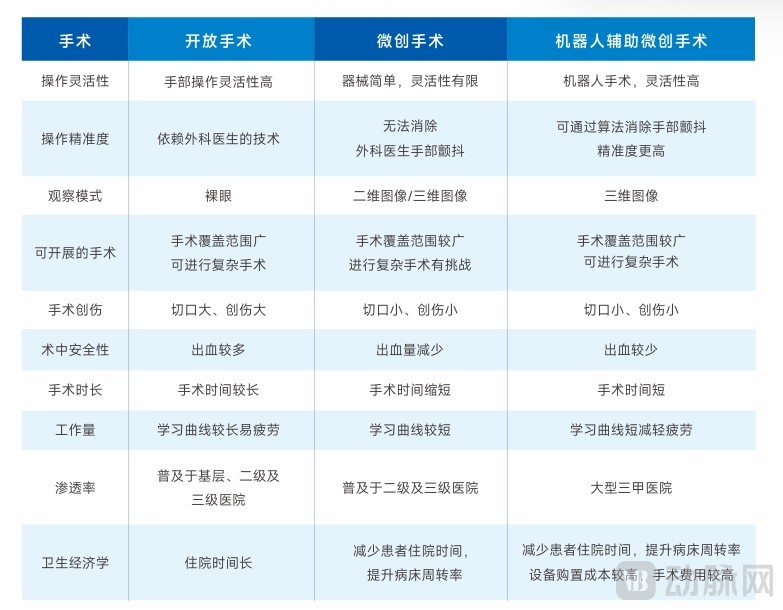
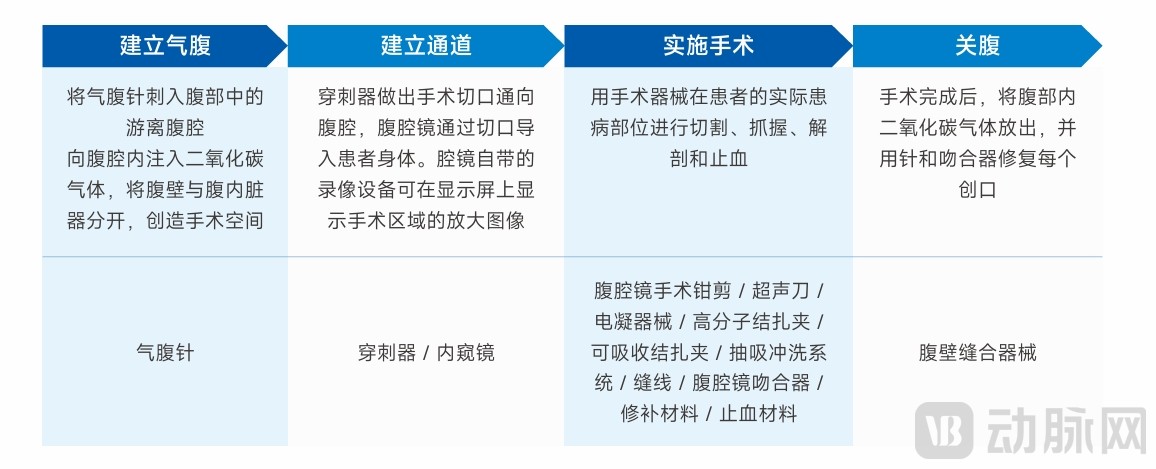
Globally, minimally invasive surgery represents the prevailing trend in surgical development. In China, minimally invasive procedures in a broad sense encompass three main categories: Minimally Invasive Surgery (MIS), Minimally Invasive Procedures (MIP), and other minimally invasive surgeries. Among these, MIS is widely recognized as a milestone in the evolution of surgery. MIS establishes surgical access through small incisions or natural body cavities, utilizing rigid medical endoscopes and surgical instruments to perform operative interventions on pathological sites. MIS includes laparoscopic, thoracoscopic, hysteroscopic, and arthroscopic surgeries, and is extensively applied across five surgical specialties: general surgery, gynecology, urology, thoracic surgery, and orthopedics.
Comparison of Surgical Procedures
Source: VBInsight
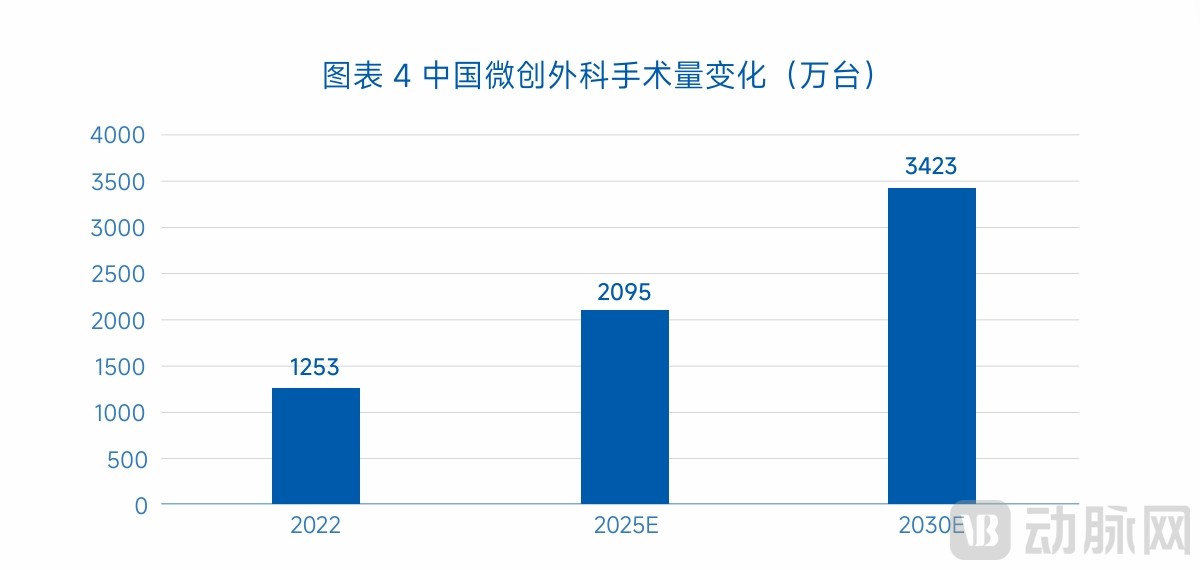
In 1987, Dr. Philippe Mouret of France pioneered the use of laparoscopy to perform cholecystectomy and appendectomy, marking the beginning of the clinical application of minimally invasive surgery (MIS), represented by laparoscopic techniques. By the end of 1988, Zheng Minhua had become one of the first Chinese physicians to perform laparoscopic MIS. Starting in 1993, he successively carried out China’s first laparoscopic radical resection for rectal cancer, the first totally laparoscopic pancreaticoduodenectomy, and the world’s first laparoscopic radical resection for multiple primary malignant tumors. He introduced the concept of minimally invasive surgery to China and promoted its adoption nationwide. Over the past three decades of development, minimally invasive surgical procedures have achieved significant accomplishments not only in terms of clinical value, health economics, and patient benefits but also in driving advances in medical technology and improving healthcare quality, forming a global industry valued at hundreds of billions of yuan. According to Frost & Sullivan data, the volume of minimally invasive surgeries in China reached 12.53 million cases in 2022, is projected to reach approximately 20.95 million cases in 2025, and will further grow to about 34.23 million cases by 2030, representing a compound annual growth rate (CAGR) of 10.3% from 2025 to 2030.
Changes in the Volume of Minimally Invasive Surgeries in China (10,000 Cases)
Source: VBInsight
According to VCBeat Research Institute’s calculations based on expert interviews and publicly available industry data, the penetration rate of minimally invasive surgery (MIS) in China exceeds 40%, while that in the United States exceeded 80% during the same period. The MIS penetration rate refers to the percentage of MIS procedures out of the total number of surgical operations performed in general surgery, gynecology and obstetrics (excluding abortions), urology, and thoracic surgery, rather than the proportion among all surgical procedures.
Minimally Invasive Surgical Procedure
Data Source: VBInsight
China's minimally invasive surgery industry is in a phase of rapid growth. According to data analysis by Frost & Sullivan, the market size of medical devices and consumables for minimally invasive surgeries in China reached RMB 26.79 billion in 2022. It is projected that this market will grow at a compound annual growth rate (CAGR) of 13.2% in the coming years, reaching RMB 38.91 billion by 2025. Looking further ahead, the market size is expected to expand to RMB 61.77 billion by 2030, with an anticipated CAGR of 9.7%.
Furthermore, the market for minimally invasive surgical equipment in China also demonstrates strong growth momentum.According to statistics from VBInsight, the rigid endoscope market was valued at approximately RMB 9.1 billion in 2023 and is projected to reach RMB 13.5 billion by 2026. Meanwhile, China’s laparoscopic surgical robot market is also significant, with its market size reaching RMB 3.24 billion in 2021 and registering a compound annual growth rate (CAGR) of 46.7% from 2017 to 2021.
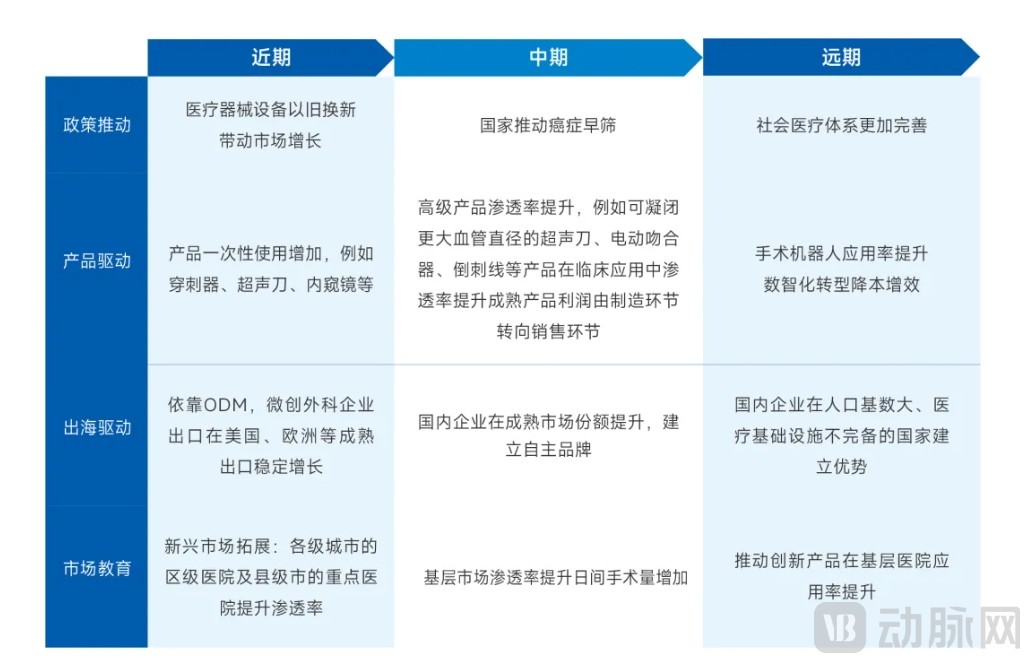
The primary drivers of change in China’s minimally invasive surgery market are concentrated in two areas: first, the implementation of volume-based procurement (VBP) policies, and second, the expansion of overseas markets by domestic enterprises. The VBP policy has had a significant impact on the minimally invasive surgery market. After multiple rounds of provincial-level volume-based procurement, prices for minimally invasive surgical instruments and consumables have dropped substantially.
Global expansion has opened a new chapter of growth, with Chinese minimally invasive surgical enterprises making significant strides in overseas markets, enhancing both the breadth and depth of their presence.According to statistics from VCBeat, in 2023, the average proportion of overseas revenue in the total revenue of domestically listed minimally invasive surgical companies exceeded 30%. These companies are also deepening their expansion models in overseas markets. They have transitioned from initial OEM production and trade exports to establishing their own brands, actively participating in academic training, and building deeper connections with high-end customer segments. Amid this wave of global expansion, domestic minimally invasive surgical enterprises are encountering unprecedented opportunities as well as a series of new challenges, necessitating continuous adjustment and optimization of their development strategies in the context of global competition.
Overview of Drivers for the Minimally Invasive Surgery Industry in China
Data Source: VBInsight
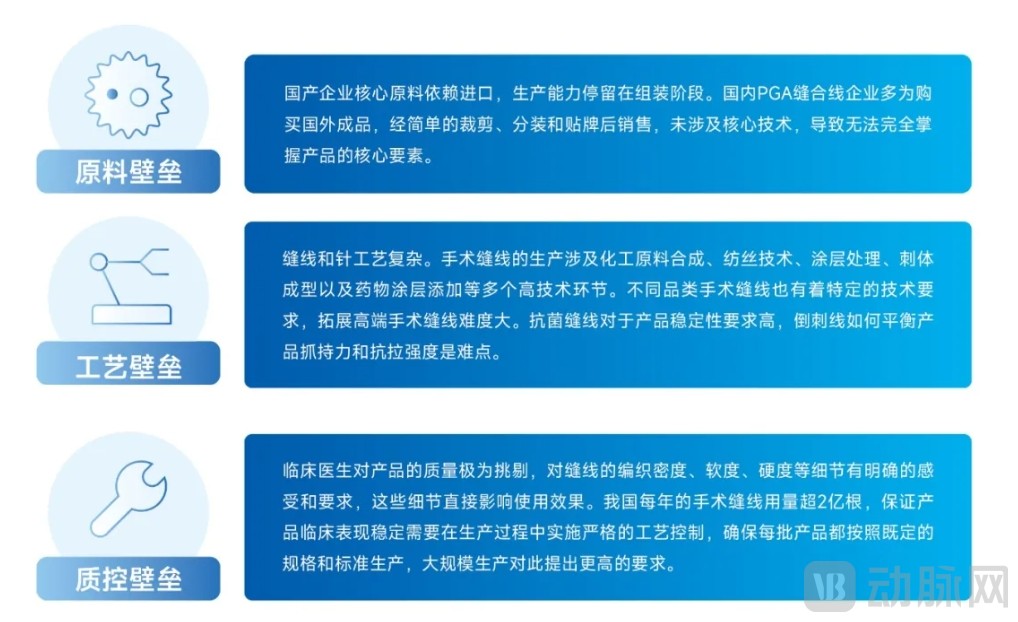
In terms of development within specific segments, domestic companies in the surgical suture market are continuously filling the gap in mid-to-high-end sutures, thereby establishing complete product portfolios.The suture market features a wide variety of products and an extensive SKU count, with the high-end domestic suture segment once being largely vacant. Barbed sutures were approved by the FDA for market launch in 2004, whereas the first domestically produced barbed suture was not approved until 2019. Based on approval timelines, there is a twenty-year gap between Chinese and foreign enterprises in the mid-to-high-end surgical suture sector. In recent years, the intensive approval of domestic barbed and antimicrobial sutures has narrowed this gap with foreign competitors. We anticipate that this trend will continue, with Chinese brands consistently launching surgical sutures made from diverse materials and featuring varied structures. In response to competitive pressures, foreign companies are accelerating the introduction of new products into the Chinese market to achieve “zero time lag” in product launches between domestic and international markets, while also promoting localized production of suture products in China.
Three Major Technical Barriers Facing Domestic Surgical Suture Manufacturers
Data Source: VBInsight
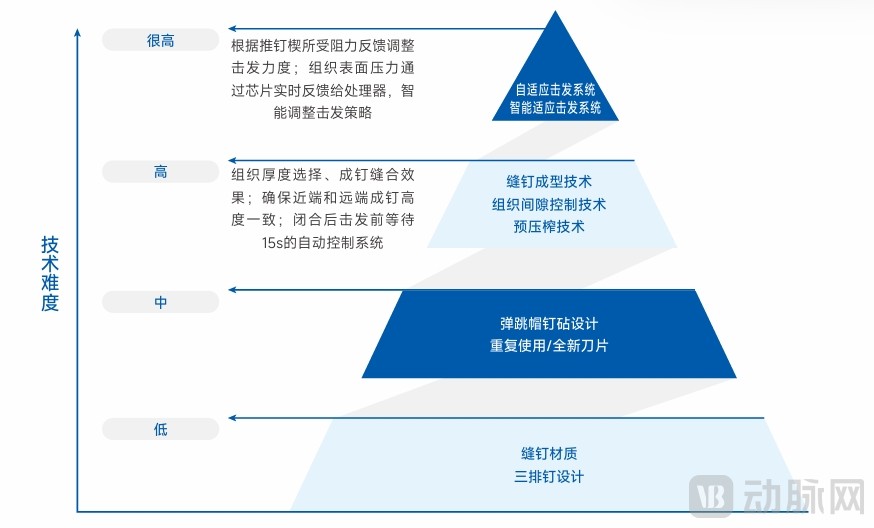
The stapler market is dominated by foreign companies, with an even higher concentration in the electric endoscopic stapler segment. Johnson & Johnson and Medtronic lead the domestic stapler market, particularly the electric endoscopic stapler market, leveraging their first-mover technological advantages and high product quality. A shared strength of Johnson & Johnson’s and Medtronic’s products is their stability and low incidence of complications. In terms of differentiation, Johnson & Johnson and Medtronic represent two distinct product design philosophies. Johnson & Johnson’s devices are regarded as representatives of convenient anastomosis, whereas Medtronic’s, often referred to as the “Medtronic Surgical Style,” are seen as representatives of safe anastomosis. Johnson & Johnson holds a larger market share in China. According to Frost & Sullivan data, Johnson & Johnson and Medtronic collectively accounted for 78% of the domestic electric endoscopic stapler market in 2022. Driven by both price reductions and the accelerated approval of domestically produced products, the penetration rate of electric endoscopic staplers in the Chinese market has risen rapidly.
Key Technologies and Their Challenges in Surgical Staplers
Data Source: VBInsight
Foreign-funded enterprises dominate the domestic rigid endoscope market by leveraging their first-mover advantage and product performance.The first tier of foreign enterprises comprises Karl Storz and Olympus, while the second tier includes Stryker and KARL STORZ Endoskope (commonly known as Wolf). Domestic enterprises include Mindray Medical, OptoMedic, Sonoscape, Shenda Endoscope, Tiansong Medical, Xinguangwei, Kangji Medical, and Tuoge Medical. In recent years, domestic hard endoscope CDMO companies have developed full-process service capabilities ranging from “concept design” to “mass production and market launch,” significantly lowering the entry barrier for hard endoscopes. Most manufacturers in the market assemble their own complete systems by purchasing external components such as endoscope bodies and light sources, while a few leading domestic companies engage in algorithm development based on integrated supply chains. Driven by the maturity of the industrial chain and national policies encouraging domestic innovation, the market share of Chinese enterprises has increased substantially. Although there are numerous domestic players, the high-end market remains dominated by foreign companies. In the mid-range market, domestic firms primarily focus on integration, with core modules largely reliant on imports. Chinese enterprises are currently strengthening their independent R&D capabilities and gradually achieving industrial breakthroughs.
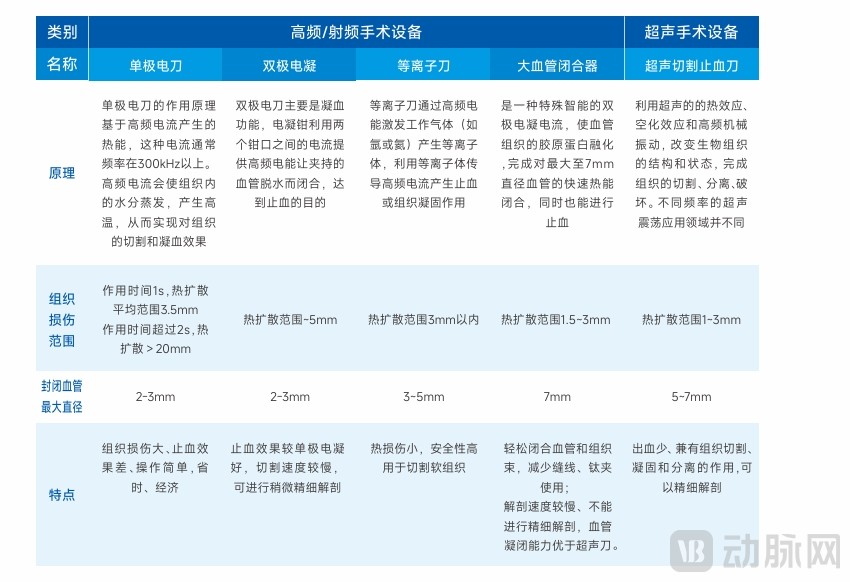
In the ultrasonic scalpel market, domestic companies need to implement tiered management of their product pipelines in the era of volume-based procurement.Driven by volume-based procurement, ultrasonic scalpels are evolving toward reducing patients’ financial burden, with clinicians’ needs becoming more prominent. This requires domestic enterprises to offer diverse product portfolios and implement tiered product management to meet varying market demands. In the 5mm ultrasonic scalpel segment, which has numerous registration certificates, stable products with higher cost-effectiveness are needed to achieve import substitution. In the markets for 7mm ultrasonic scalpels, advanced bipolar devices, and wireless ultrasonic scalpels, domestic companies must pursue differentiated innovation, invest more in R&D and regulatory registration, and provide comprehensive energy surgery solutions for clinicians.
Classification of Energy-Based Surgical Devices
Data source: VBInsight
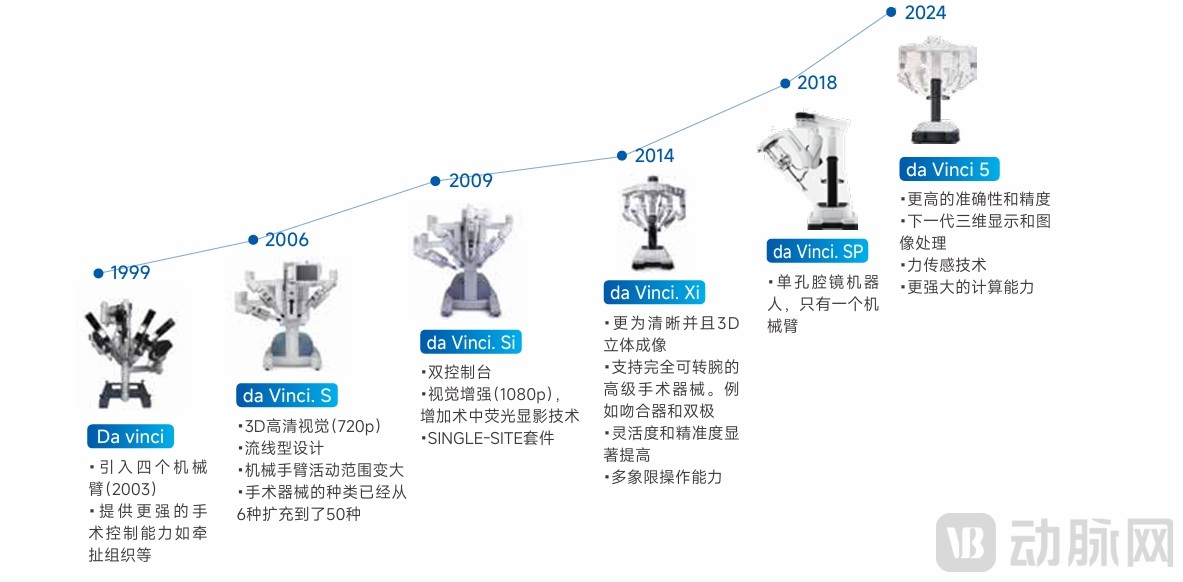
Domestic companies in the laparoscopic surgical robot market are continuously iterating their products, ushering in a window of opportunity for development.Most domestic companies’ laparoscopic surgical robots are benchmarked against the da Vinci Si system, and there remains a certain gap between Chinese endoscopic surgical robots and the da Vinci Xi system. In terms of imaging capabilities, among domestically approved endoscopic surgical robots, only the MP1000 and Toumai feature fluorescence imaging. There is also a disparity in image quality; the laparoscopic camera modules used by da Vinci, manufactured by a German company, are exclusively monopolized by Intuitive Surgical and provide superior display performance. Regarding precision and flexibility in surgical manipulation, the robotic arms of most domestic systems can only handle simple instruments such as scalpels, scissors, forceps, and tweezers. They lack capability in advanced minimally invasive surgical instrument operations, requiring assistant support for tasks such as vessel sealing and gastrointestinal anastomosis. Domestic products are iterating rapidly, and installation volumes are growing impressively. Amidst the wave of domestic substitution for high-end medical equipment, these companies are entering a favorable window period for development.
History of Technological Iterations of the da Vinci Surgical Robot
Source: VBInsight
The domestic market structure for absorbable hemostatic materials will converge with the global market landscape.The global market for absorbable hemostatic materials is relatively fragmented, with absorbable hemostatic gauze—the segment holding the largest share—accounting for only 30%. In contrast, absorbable gauze products in China capture over 66% of the market. As volume-based procurement drives down prices, the market space for traditional absorbable hemostatic gauze, powders, and sponges has been compressed, thereby creating greater opportunities for novel hemostatic materials. Meanwhile, evolving surgical techniques are significantly influencing the types and properties of hemostatic agents required. Surgical practices have shifted from open procedures to minimally invasive surgeries. With minimally invasive and precision surgeries rapidly replacing traditional open surgeries, demand for high-end hemostatic consumables is rising quickly. For highly technical and precise procedures such as minimally invasive surgery, neurosurgery, and spinal surgery, traditional bulk or pre-formed hemostatic products are entirely inadequate. Instead, there is a need for advanced, novel hemostatic agents that can be injected via endoscope, solidify and conform to shape after injection, are biodegradable and absorbable, exhibit no volume expansion upon blood absorption, and offer superior biocompatibility. Hemostatic fluids represent a prime example of such products.
Global Landscape of the Absorbable Hemostatic Materials Market
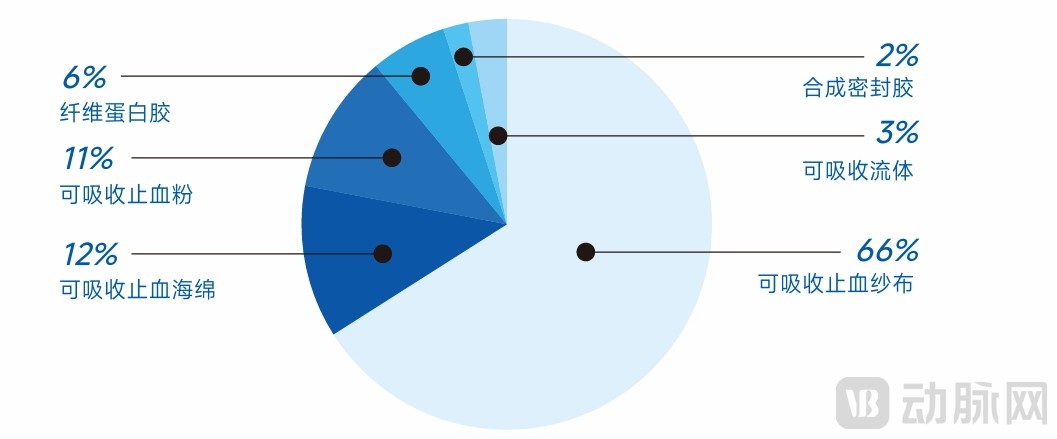
Data Source: LeadLeo Research Institute
Trend of Volume-Based Procurement in the Trocar Market: Companies with Listed Products Face Survival Pressure, the market landscape will become more concentrated. Following volume-based procurement, market share may be redistributed; companies that fail to win bids must seek new markets or adjust their product portfolios, posing a significant challenge for firms with single-product offerings. Volume-based procurement is typically accompanied by substantial price reductions, compelling companies to lower costs to maintain competitiveness. This presents a particular challenge for enterprises with limited product diversification and weak cost-control capabilities.
Core Components and Performance Requirements of Trocars
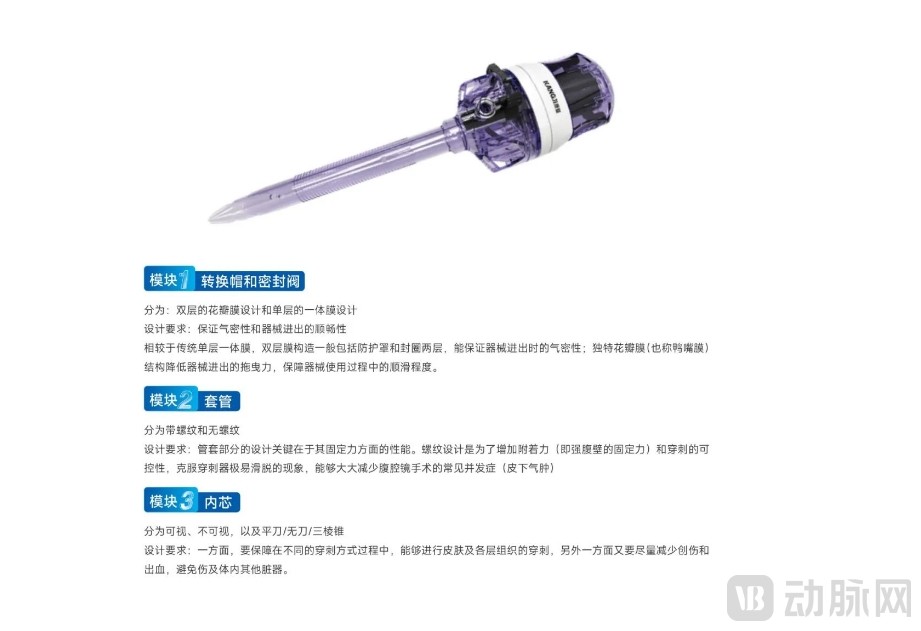
Data Source: VBInsight
Volume-Based Procurement in the Ligation Clip Market Benefits Leading Enterprises.The ligation clip market features major competitors including internationally renowned brands and leading domestic enterprises, with a relatively mature market development. In volume-based procurement, product quality and supply stability constitute the core competitiveness in long-term competition. Leading enterprises hold a competitive advantage, and volume-based procurement helps them strengthen their nationwide market layout. Market concentration is expected to further increase, while small and medium-sized enterprises can only secure a portion of the market share through pricing strategies.
Classification and Characteristics of Ligation Clips
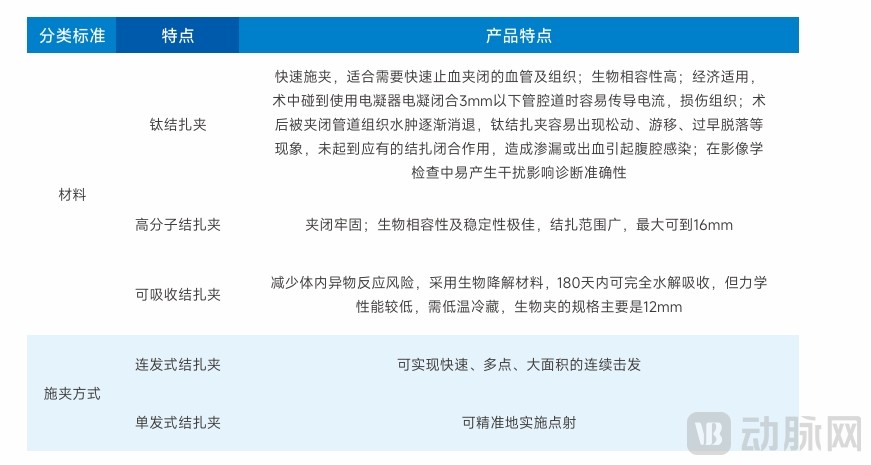
Data Source: VBInsight
Domestic Hernia Repair Companies Increase Market Share Through Volume-Based Procurement. According to the announcement on provincial alliance volume-based procurement for hernia repair products, domestic companies have implemented significant price reductions in this process. Although profit margins have been compressed, volume-based procurement has lowered hospital entry barriers, particularly for inguinal hernia mesh plugs, anti-adhesion abdominal wall hernia meshes, and fully absorbable patches—segments previously dominated by foreign enterprises. As a result, the market share of Chinese manufacturers in the high-end segment is expected to increase.
Sources and Characteristics of Patch Materials
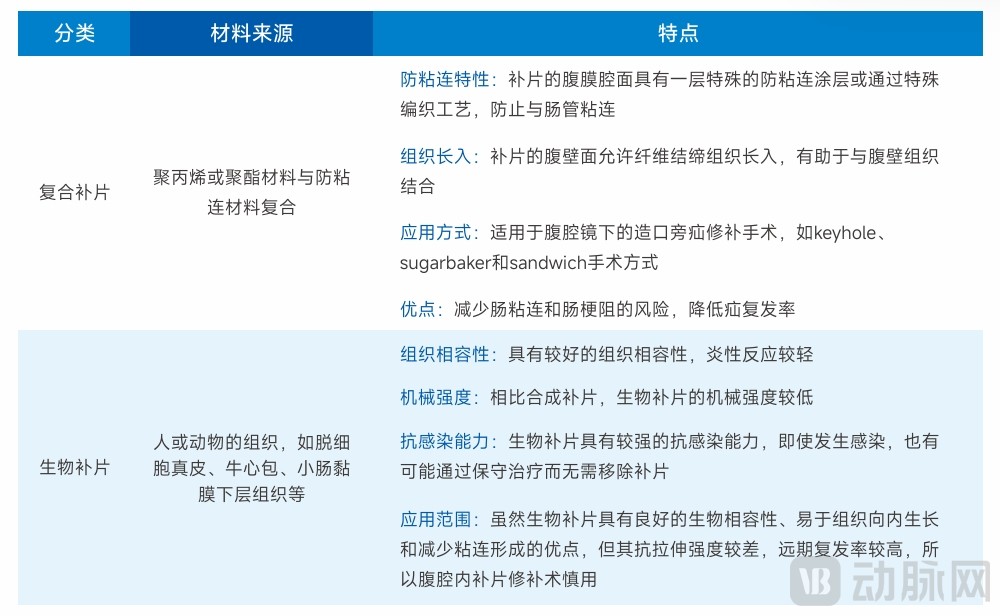
The minimally invasive surgery market continues to grow, driving demand for multidimensional innovation.Minimally invasive surgery, as a milestone in the history of medical development, is poised for stable and sustained market growth driven by strong clinical necessity and ever-increasing surgical demand. The implementation of early cancer screening policies will facilitate the detection of more cancers at an early stage, thereby creating significant market opportunities for technologies that aid in the diagnosis, treatment, and decision-making support for early-stage cancers. The evolution of minimally invasive surgery has shifted from an initial emphasis on resection to a focus on functional reconstruction, with the market eagerly anticipating innovative products that help physicians better preserve patient function. Given the differences in cancer epidemiology between China and overseas markets, developing locally tailored innovations based on China’s specific clinical needs represents a key future trend.
"During the period of market restructuring, globally influential enterprises are emerging."Currently, the market is undergoing a period of transformation, with the existing landscape being reshaped. In sectors previously dominated by foreign companies—such as laparoscopic staplers, ultrasonic scalpels, sutures, and endoscopes—domestic enterprises are rapidly increasing their market share. During this phase, Chinese companies with mature product portfolios and consistent quality stand to benefit significantly. In the next stage, enterprises with considerable influence within the global industrial chain will emerge from the competition, including CDMOs participating in global supply chain division of labor and companies that have secured a notable share in global end markets.
Mature product markets are shrinking, while new categories are poised to create a multi-billion-dollar market.The market for mature minimally invasive surgical products is highly competitive. For instance, ultrasonic scalpels and staplers have been significantly impacted by volume-based procurement in the Chinese market. Domestic companies must adapt by pursuing two key strategies. First, they need to explore entirely new growth categories, with surgical robots being the most prominent area of interest. We believe that two differentiated innovation directions, distinct from the da Vinci Surgical System, are: enhancing the degrees of freedom of surgical instruments in simple procedures at a lower cost, and reducing the complexity of intricate surgeries. Second, companies must intensify their efforts to expand into overseas markets to mitigate the risks associated with reliance on a single market.
Leading Enterprises Upgrade Integrated Solutions, Accelerating Industry Consolidation.Multiple niche champions have emerged in China’s minimally invasive surgery market, yet there is a lack of providers offering comprehensive solutions for minimally invasive surgery. This deficiency in holistic solution capabilities results in weaker risk resilience, limited scalable manufacturing capacity, insufficient overall clinical insights, and reduced bargaining power in the market. Leading domestic companies have begun upgrading toward becoming comprehensive solution providers, expanding their product portfolios through mergers and acquisitions as well as in-house R&D. Enterprises that master foundational innovations across multiple niche segments and achieve intelligent manufacturing will hold greater advantages in long-term competition.
Looking back at the development of the global minimally invasive surgery field, a series of revolutionary products emerged in the 1970s and 1980s, greatly driving the rapid growth of the entire industry. In China, after thirty years of accumulation and growth, the minimally invasive surgery industry now stands at a new turning point. A group of leading domestic enterprises is entering a critical phase in their second decade of development. These companies are continuously strengthening their industrial foundations and actively preparing to meet future challenges. Looking ahead, we have reason to expect that these Chinese enterprises will play a leading role in technological innovation and global market competition, shining even more brightly.
[1] Since the consumables and surgical instruments used in arthroscopy differ significantly from the equipment, consumables, and instruments utilized in general surgery, gynecology, urology, and thoracic surgery, this report does not include orthopedic minimally invasive surgery (MIS) in its discussion of minimally invasive surgery.
The above is an excerpt from the report. The overall framework of the report is as follows:
Chapter 1: Connotation and Development Overview of Minimally Invasive Surgery
1.1 Definition of Minimally Invasive Surgery: A Milestone in the History of Surgical Development
1.2 Overview of the Global Development of Minimally Invasive Surgery: Toward a $40 Billion Industry
1.3 Overview of the Development of Minimally Invasive Surgery in China: Thirty Years of Leapfrog Progress
Chapter 2 Current Status of the Minimally Invasive Surgery Market
2.1 Market Size: Four Key Factors Driving Rapid Market Growth
2.2 Niche Markets: Differentiated Development Across 9 Subsectors Based on Maturity
2.3 Strategic Analysis of Representative Companies in Minimally Invasive Surgery
Chapter 3 Innovation Trends in Minimally Invasive Surgery
3.1 Minimally Invasive Approach: Reducing Surgical Trauma
3.2 Precision: Achieving Precise Resection
3.3 Intelligence: Intelligent Decision Support
3.4 Integration: Simplifying Operational Complexity
3.5 Robotic Surgery: Enhancing Comprehensive Surgical Outcomes
Chapter 4 Case Analysis of Leading Enterprises in Minimally Invasive Surgery
4.1 Product Capabilities: Providing Comprehensive Solutions for Minimally Invasive Surgery
4.2 R&D Capabilities: Dual-Driven by Medical-Engineering Integration and Clinical Collaborative R&D
4.3 Production Capacity: Automation and Digitalization Upgrades, New Quality Productive Forces for Cost Reduction and Efficiency Enhancement
4.4 Operational Performance: Sustained Growth in Revenue and Profits, with Overseas Expansion Emerging as a New Growth Engine
4.5 Academic Capability: Top-down dissemination and promotion of advanced minimally invasive surgical techniques
Chapter 5: Future Prospects of Minimally Invasive Surgery
5.1 Intelligentization of Minimally Invasive Surgical Techniques
5.2 Domestic Substitution Enters Deep Waters
5.3 Price Reductions Driven by Volume-Based Procurement Drive the Healthcare Industry’s Innovation Back to Its Essence
5.4 From Product Export to Comprehensive Solution Export
Please scan the QR code to add the assistant and obtain the full report. If you have already added the assistant, please proactively request the report.