

Orthopedics at a Crossroads: Rising Emphasis on Accessible Innovation Highlighted at COA 2024

AND
Orthopedic Medical Device R&D and Supplier
Amid the broad implementation of centralized procurement, innovation and investment enthusiasm in the orthopedic device sector have not waned in the slightest.
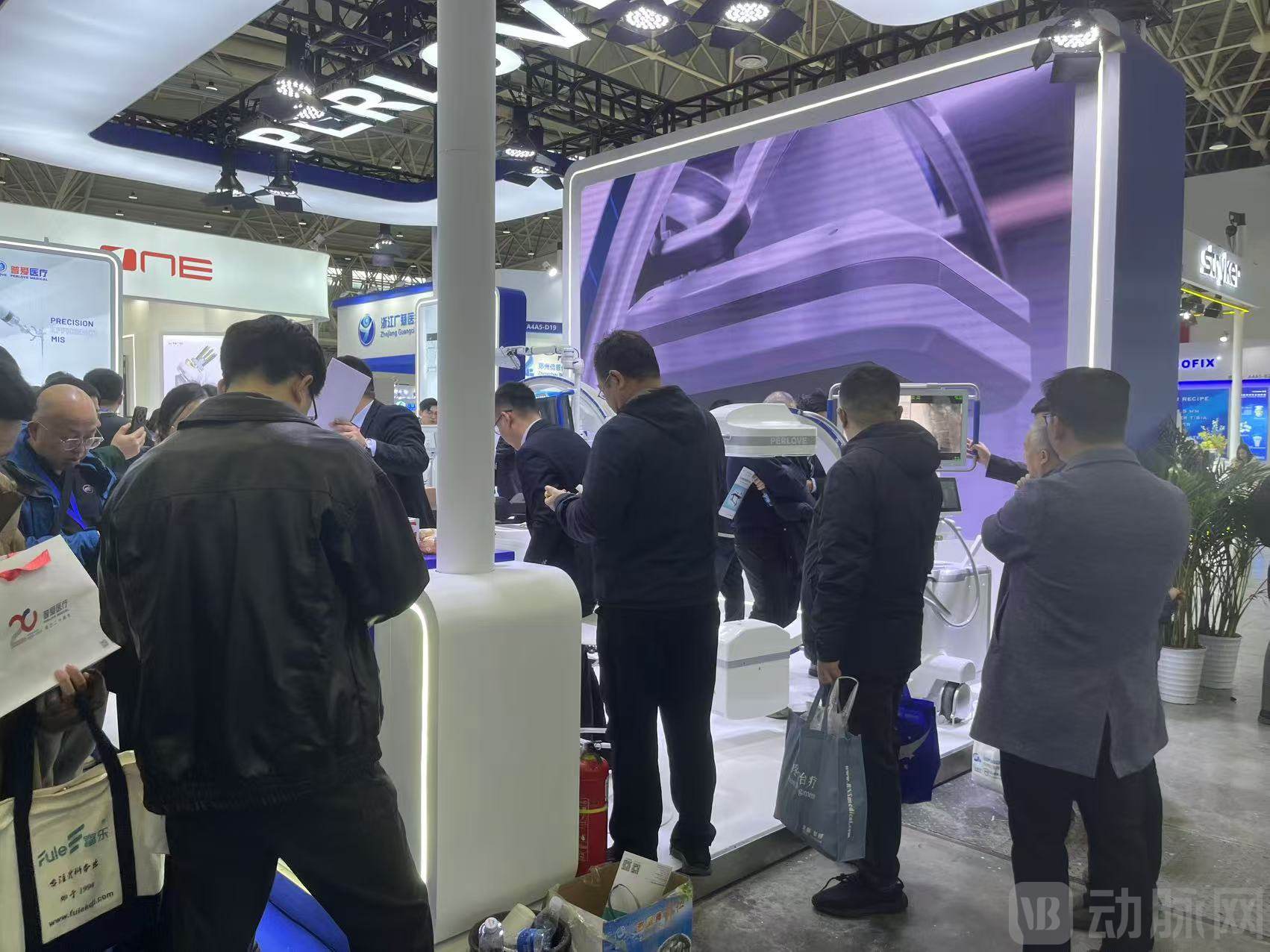
The 2024 COA Academic Conference was, in fact, busier than in previous years. On the opening day, nearly every booth was crowded with attendees, reviving a long-absent sense of vibrancy. Amidst the surging crowds, there were also many more foreign faces. In response to China’s high-end manufacturing capabilities in the field of orthopedics, the attitude of the global market has shifted.
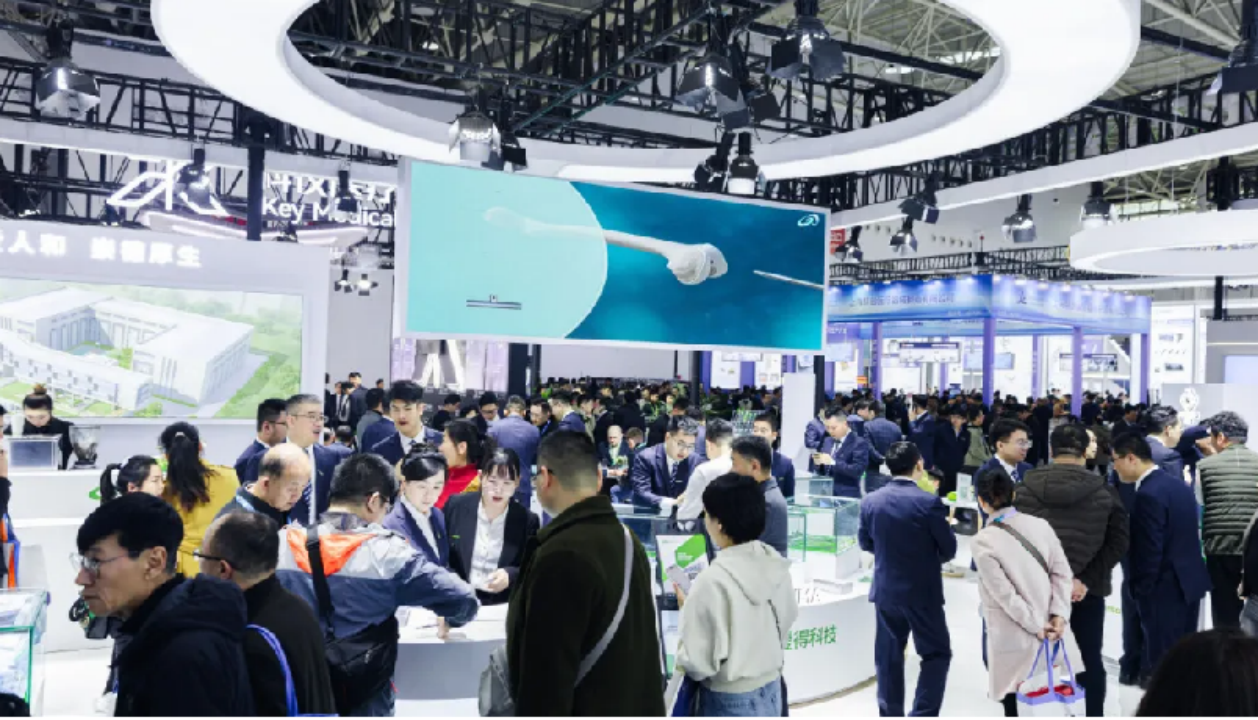
Beyond this, orthopedic device manufacturers have actively pursued innovation this year. Amidst the fierce competition and cost-control pressures brought about by centralized volume-based procurement, numerous companies still showcased their latest research findings and products at the 2024 COA Academic Conference. These innovations encompass not only advancements such as more durable and lighter implant materials, but also breakthroughs in solutions like 3D printing and surgical robots.
Beneath the myriad details, the winds of revival appear to have long swept through the field of orthopedics.
As the largest international academic annual conference in China’s orthopedic community, the COA Academic Conference virtually represents the latest development trends in the orthopedic industry.
Throughout the conference, numerous innovations were showcased, ranging from medical imaging equipment, 3D printing technology, surgical robots, orthopedic consumables, and regenerative materials to convenient visualization solutions for orthopedic joints and spine.
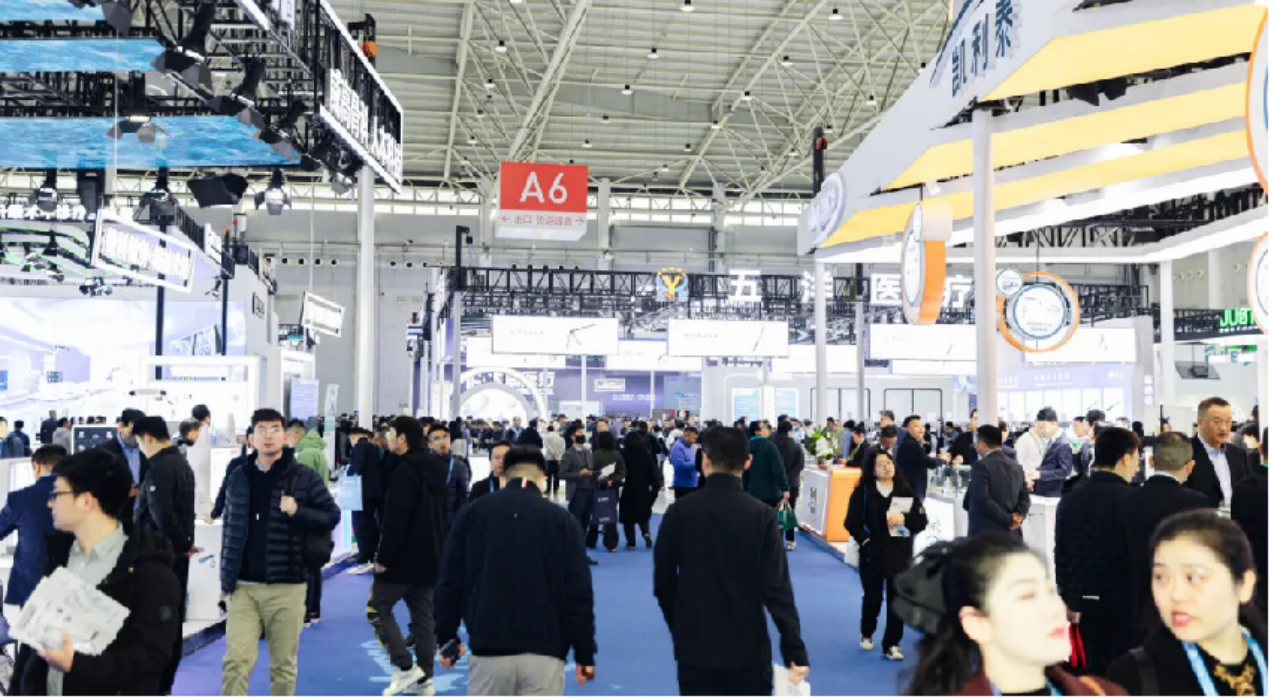
Although the medical devices exhibited by various companies are diverse, orthopedic medical devices still show a generally consistent development direction, namelyPrecision, Minimally Invasive, Visualization, Intelligence, PersonalizationFrom high-precision imaging in medical imaging equipment, to precise, personalized intelligent manufacturing of complex structures enabled by 3D printing technology; from the precise control of surgical robots, to the minimally invasive design philosophy of orthopedic consumables; and further to regenerative biomaterials and the application of disposable, convenient endoscopes in orthopedic joints and spine procedures—each step reflects this development trend.
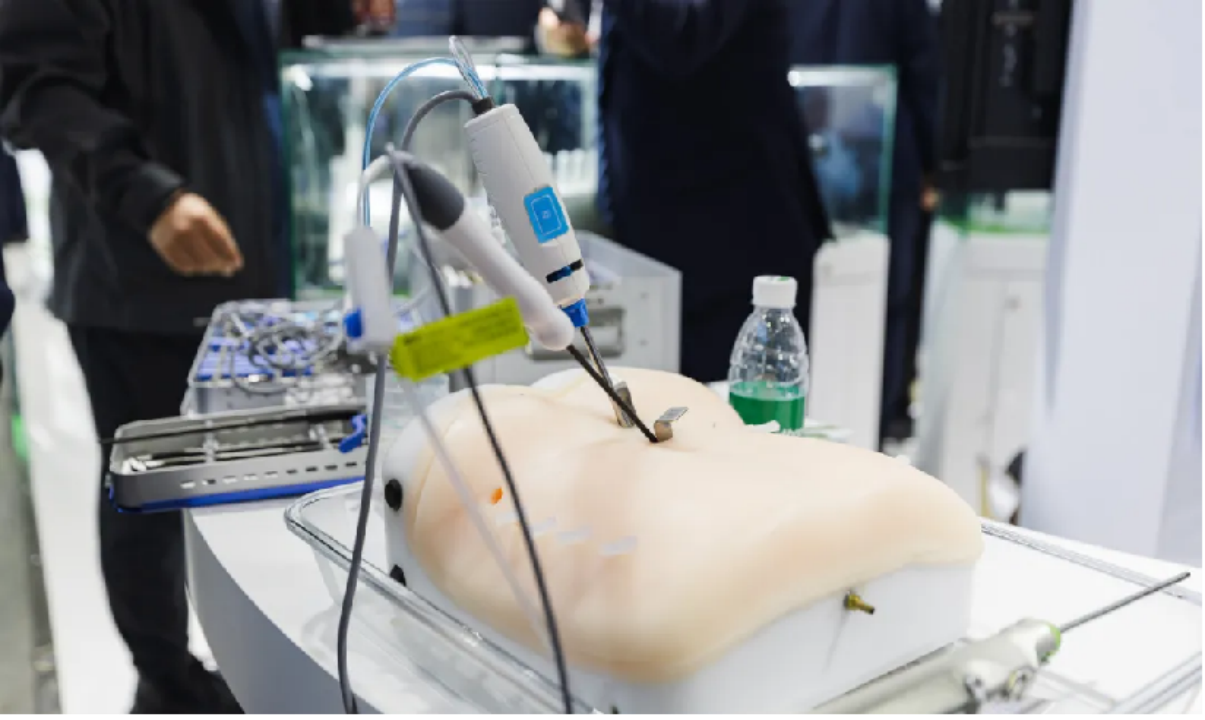
AND, a well-known domestic orthopedic enterprise with nearly two decades of history, has not only continuously innovated and iterated its products through a tiered matrix product layout but also partnered with Zhijing Medical to launch China’s first single-use endoscope for ultra-high-definition outpatient diagnosis and treatment as well as surgical procedures in operating rooms. Applicable in joint surgery, sports medicine, and spinal surgery, this device completely replaces the reusable schemes of traditional orthopedic minimally invasive surgeries using hole scopes and arthroscopes, addressing common drawbacks such as susceptibility to damage, risk of infection, low image clarity, and high procurement, maintenance, and operational costs. Meanwhile, it advances toward precision, minimal invasiveness, visualization, intelligence, and personalization, providing a convenient, low-cost, and efficient solution for even the most grassroots hospitals to perform such surgeries.
This ultra-high-definition, surgical-grade disposable endoscope is lighter, more compact, and more cost-effective. It is the first product in China to simultaneously meet the criteria for clinical substitution and reimbursability, filling a domestic market gap. Leveraging AND’s mature commercial application resources, the product has gained widespread clinical recognition and achieved the largest market share in the industry.
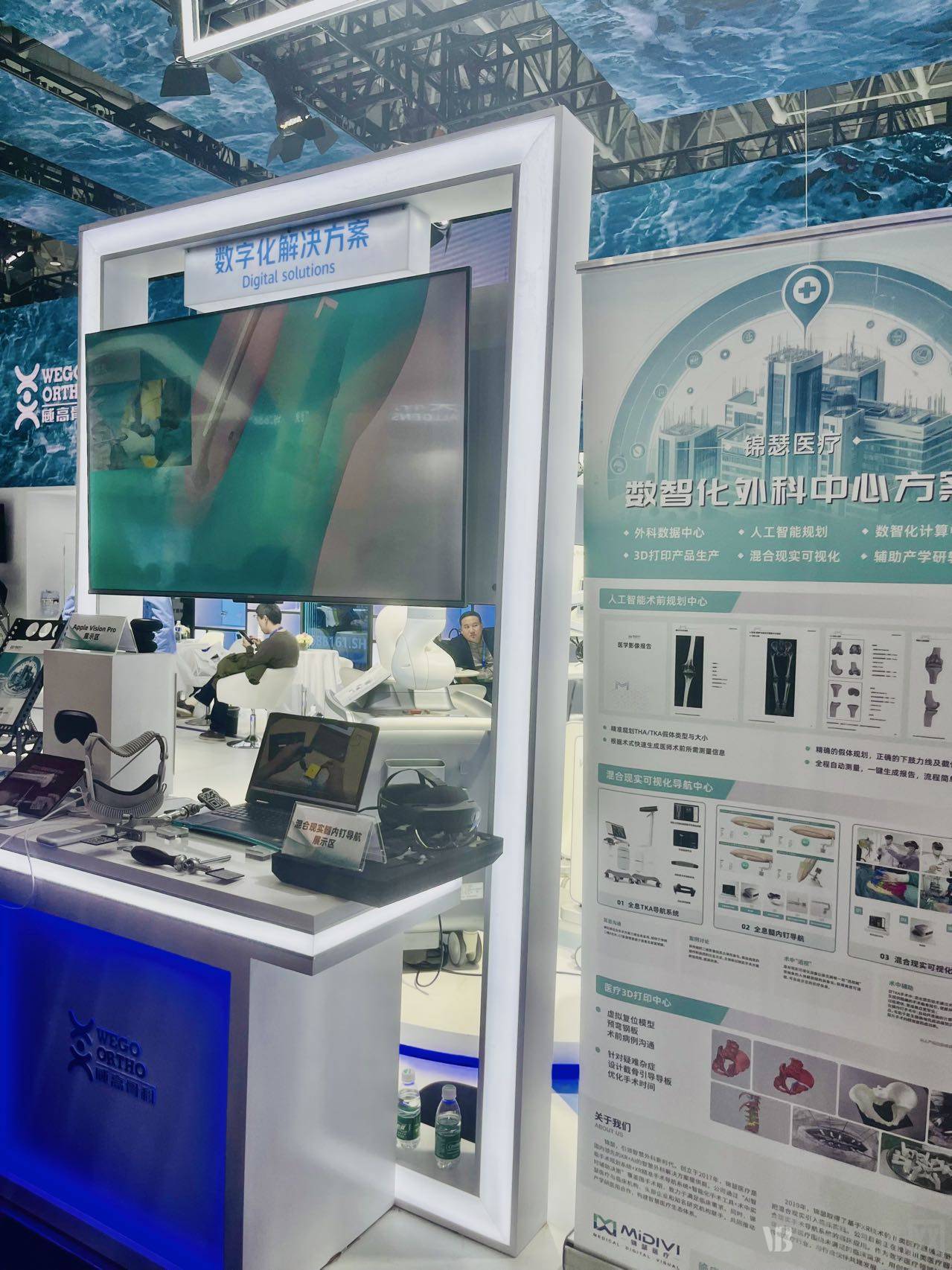
Jinse Medical’s exhibited digital-intelligent surgical center solution delivers a comprehensive suite encompassing surgical data centers, AI-based planning, digital-intelligent computing, 3D-printed product manufacturing, and mixed reality visualization, further advancing the intelligent and personalized development of orthopedics.
Siemens Healthineers has introduced the world’s first cone-beam computed tomography (CBCT) system capable of accurately capturing true three-dimensional images of the cervical spine, lumbar spine, knee joints, and ankle joints while patients are in a natural standing position. This breakthrough technology enables weight-bearing CBCT scanning, which not only faithfully reproduces the severity of deformities but also precisely localizes the source of pain. By providing an unprecedented standing-position perspective for clinical diagnosis and treatment, it opens up new diagnostic horizons.
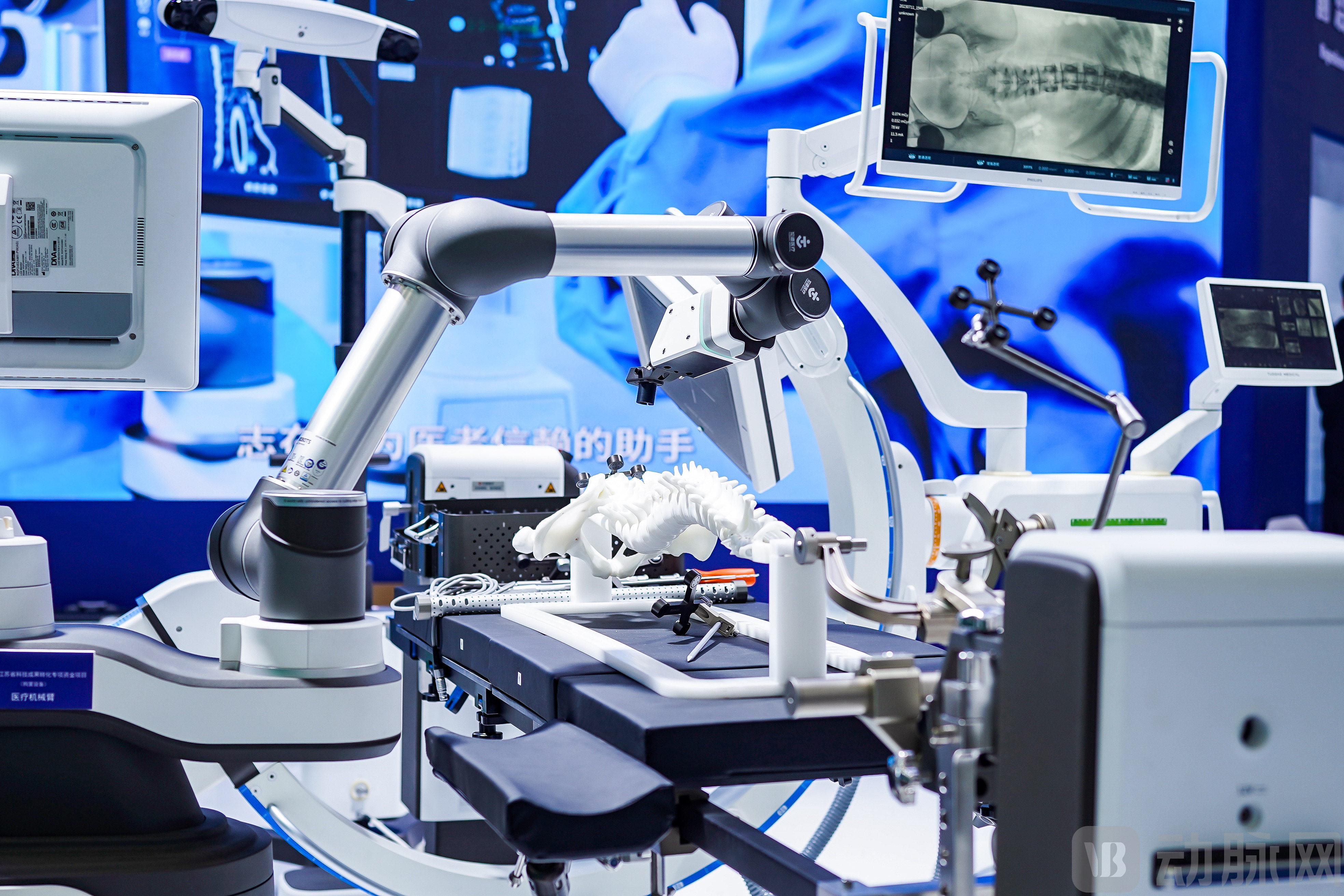
Moreover, surgical robotic systems, as one of the most closely watched areas at this exhibition, also highlight the trends toward digital intelligence, full-process integration, and minimally invasive techniques.
TuoDao Medical’s orthopedic robot has created a seamless, integrated solution that fuses robotics, imaging, and the operating table. Its applications span multiple subspecialties, including spine, trauma, and joint surgery. The company’s self-developed technologies—such as endoscopic image fusion with augmented reality, multiple registration methods, ultrasonic bone scalpel navigation, and virtual boundary extraction—meet the current demands for minimally invasive and precise orthopedic surgeries.
From the perspective of market demand, and based on feedback from some exhibiting manufacturers, it is evident that whether for clinicians or overseas visitors, the products they focus on may not necessarily feature the most cutting-edge technology, but they must beProducts that best meet the actual needs of clinical medical practice.
In other words, innovation in orthopedics has shifted from “cutting-edge breakthroughs” to “accessible, implementable solutions that truly meet clinical needs.” Rather than prioritizing technological frontier status, the market and medical device manufacturers are now more focused on product quality, pricing, and how to make advanced orthopedic technologies available to a broader patient population.
Meanwhile, orthopedic device manufacturers are becoming more "grounded," with an increasing number of companies prioritizing profitability byBuild a more diversified and comprehensive product portfolio to enhance the company’s self-sustaining revenue generation capability, thereby reinvesting in technological innovation.
As a high-tech industry characterized by multidisciplinary integration, knowledge intensity, and capital intensity, orthopedic implant medical devices impose stringent requirements on product design, selection of implant materials, and manufacturing processes. Due to the late start of China’s orthopedic medical device sector, foreign manufacturers currently maintain a technological lead. However, driven by policies such as healthcare insurance cost containment and the opportunity for “domestic substitution,” Chinese manufacturers are accelerating product innovation and iteration.
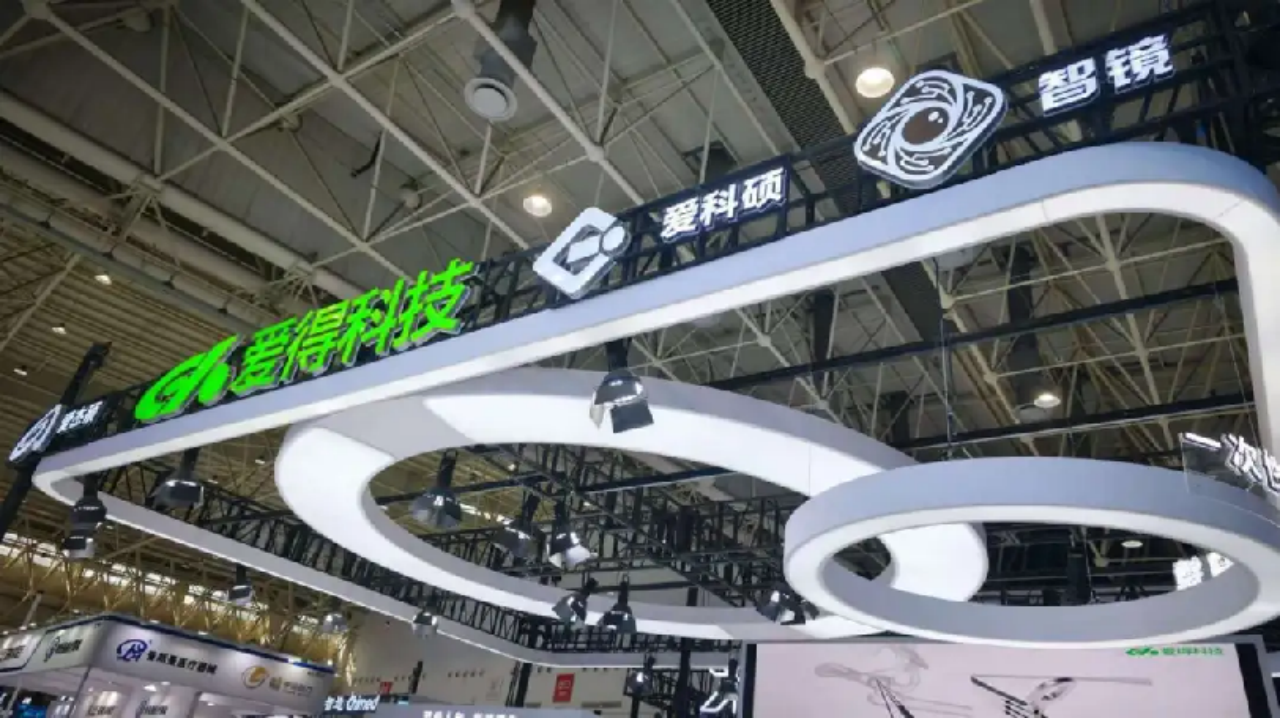
As one of the earliest companies to enter the vertebral body augmentation market in China, AND has been deeply engaged in the field of minimally invasive spinal interventions for over a decade, consistently following this development path. Building on the initial economies of scale achieved in its core business, the company has continuously enriched its product portfolio by expanding into internal implant products for trauma and spinal applications. It has now established a comprehensive product pipeline that includes trauma care products, wound repair products, orthopedic power tools, regenerative medicine products, joint-related products, and medical device trading services.
At this exhibition, AND’s group-level strategic layout was unveiled in its entirety for the first time: while AND continues to refine its original solutions for spine, trauma, and wound repair; its subsidiary Aikeshuo assumes integrated R&D, production, and sales operations for orthopedic power tools and sports medicine products; artificial joint solutions are implemented under Aijieshuo; and the recently established and enhanced trade portfolio (including imported bone cement and innovative visualization solutions) is independently operated by Dinghong Medical. Having demonstrated significant results over the past two years since its establishment, this segment is poised to become a new growth driver during the Group’s performance recovery period.
This strategy aims to precisely focus resources on core development areas within the long-term strategic framework, ensuring that each subsidiary can implement more specialized operations and management in accordance with its own business characteristics, thereby shaping unique competitive advantages and enhancing brand influence.
According to publicly disclosed information, AND (including its subsidiaries) currently holds 110 product filings or registration certificates. Its core products have all obtained ISO 13485 and EU CE certifications. After years of development and accumulation, the company’s core product, the vertebroplasty surgical system, has evolved into a comprehensive portfolio of surgical solutions, securing a leading position in the field of minimally invasive spinal treatment.
Excluding orthopedic implantable medical devices, the robotics sector is also exhibiting a similar trend.
Orthopedic surgical robots, when compared to globally leading products, are difficult to match with only two or three years of rapid development. Therefore, manufacturers of surgical robots must be mentally prepared: the first-generation products may not yield significant commercial returns, as their clinical value has not yet been fully refined and demonstrated. Only through rapid iteration, continuously identifying gaps and making improvements, can second- and third-generation products become more perfected, possessing both clinical practicality and compatibility with a wider range of applications, thereby gaining a cost-performance advantage in hospitals.
Therefore, at this exhibition, numerous surgical robot manufacturers adopted similar strategies by actively building diversified product pipelines to feed back into technological innovation. They focused not only on innovations that meet actual clinical needs but also on addressing commercialization challenges such as cost and footprint, while expanding application scenarios to enhance the cost-effectiveness of their products from multiple dimensions.
In recent years, the intensive and successive introduction of laws, regulations, and industrial policies in the medical device industry has provided strong institutional support for manufacturers while also presenting challenges. Among these, the four policies with significant impact on the industry include: volume-based procurement (VBP) of high-value orthopedic consumables, the Two-Invoice System, the inclusion of high-value medical consumables in the National Reimbursement Drug List (NRDL), and DRG-based healthcare cost containment under medical insurance.
In the post-pandemic era, amid the challenges posed by centralized procurement policies and accelerated import substitution, how can domestic orthopedic medical device manufacturers seize new opportunities and navigate the industry’s downturn? Beyond innovation-driven strategies, channel restructuring is of paramount importance.
At the exhibition, a company founder shared with VCBeat that the implementation of policies such as volume-based procurement is driving the orthopedics industryShifting from benefit-driven and relationship-driven marketing to technology- and product-driven marketing, more enterprises are beginning to reduce costs through process reengineering, ensure quality through process control, and enhance the cost-effectiveness of innovation, enabling high-reliability products to truly serve clinical practice.Solve problems for patients.
AND is a prime example of a company excelling in this field.
The company gained an in-depth understanding of market demand, as well as the procurement preferences of primary healthcare institutions and the usage habits of physicians, at an early stage. Leveraging extensive market experience, the enterprise is not only able to rapidly identify and respond to market demands and reduce product costs through independent research and development, but its early accumulation has also enabled it to establish a comprehensive sales and service network, ensuring that products reach target customers efficiently and accurately.
Meanwhile, the company’s sales model is primarily based on distribution. On one hand, this allows the company to leverage distributors’ channels and service resources to promote and sell products at a relatively lower cost, thereby rapidly expanding coverage of end customers. On the other hand, the involvement of distributors mitigates the capital tie-up caused by the extended payment terms typical of end-user hospitals under direct delivery or direct sales models, thus reducing the company’s operational risks to a certain extent.
Since its inception in 2006, the COA Academic Congress has been held annually, witnessing the transformation of China’s orthopedic sector from a follower to an innovator. Alongside the COA Academic Congress, a cohort of orthopedic enterprises has risen, with their products undergoing continuous evolution from rudimentary to streamlined and ultimately to refined, keeping pace with the times. These enterprises have gradually developed from small workshops into factories, companies, and even international groups, expanding their service coverage from local regions to the provincial and national levels, and ultimately stepping onto the global stage.
Looking back on years of development, the orthopedics industry has undoubtedly undergone one of its most arduous trials. However, as volume-based procurement initiatives are progressively implemented, the companies that have endured the industry’s ups and downs will shine even brighter in the coming year.