

BioTechLeague Advances Digital Solutions for Cell Therapy with 'Hospital-Integrated Manufacturing' and IIT Models, Driving Adoption of Traceability Standards
With the rapid development of the cell and gene therapy industry, quality control, end-to-end traceability, and compliance management of therapeutic products have become core requirements of significant focus within the sector. In 2018, BioTechLeague launched the Bio-CELL Traceability Information System for Cell and Gene Therapy Products. Through annual updates and iterations, the Bio-CELL system has evolved into a solution that meets multi-modal needs, supporting not only digital traceability requirements under the Investigational New Drug (IND) model but also covering the “front-clinic, back-factory” model and the Investigator-Initiated Trial (IIT) model.
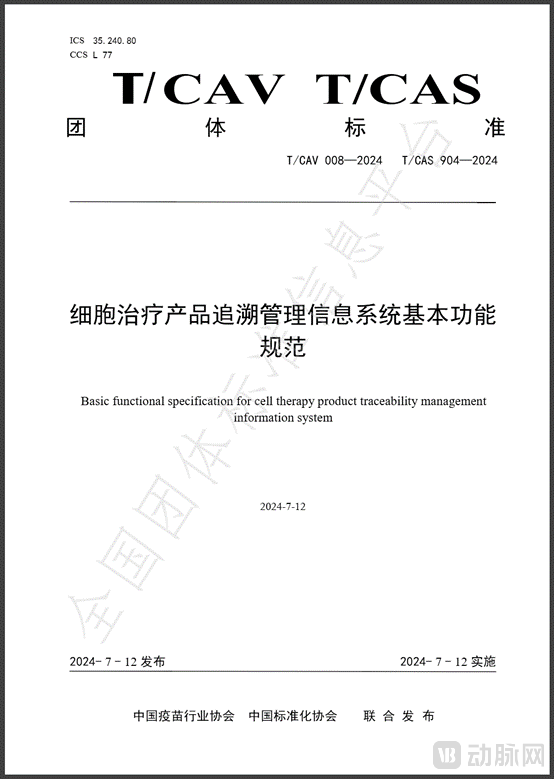
In 2024, BioTechLeague, in collaboration with Shanghai Pharmaceuticals Group Biologics Therapeutics Co., Ltd., Shanghai Pharmaceuticals Group Co., Ltd., Peking University Cancer Hospital, The First Affiliated Hospital of Xiamen University, Fudan University Shanghai Cancer Center, and multiple cell therapy enterprises, jointly developed the "Basic Functional Specifications for Traceability Management Information Systems for Cell Therapy Products." This standard provides clear technical guidance for the cell therapy industry, promotes the standardized and digital transformation of traceability management systems, and lays a solid foundation for industry development.
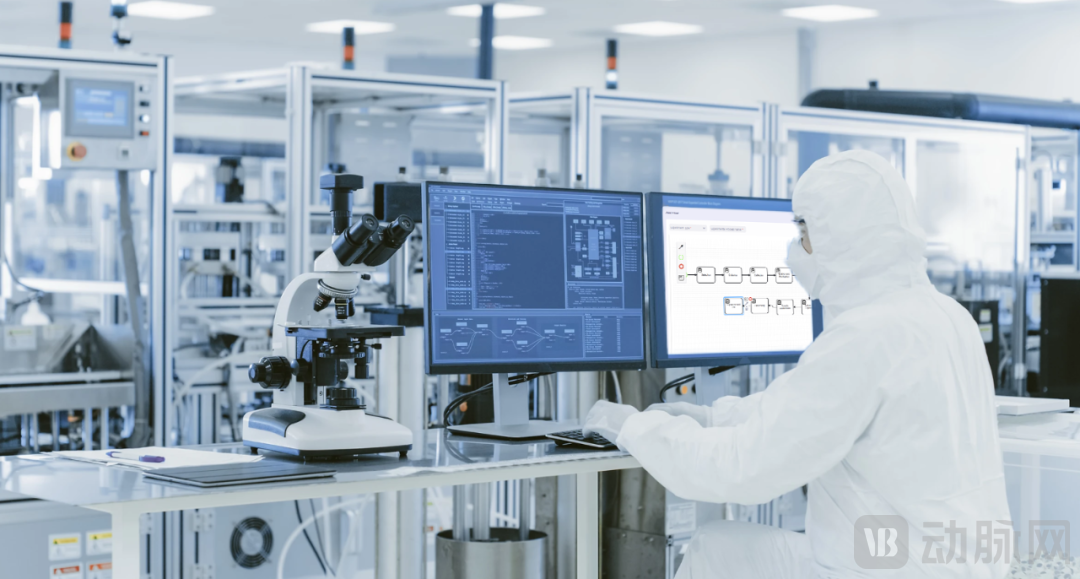
Investigator-Initiated Trials (IITs) often involve multi-center studies, complex treatment regimens, and intricate research designs, thereby imposing higher demands on data management systems. IITs provide medical institutions with ample opportunities to explore innovative therapies. The Bio-CELL system supports the personalized treatment needs inherent in IITs and optimizes clinical trial management processes.
Personalized Treatment and Flexible Clinical Trial Management
IIT protocols typically require personalized treatment plans. The Bio-CELL system provides customized data management capabilities tailored to the therapeutic needs of individual patients and specific trial designs. Treatment processes, cell processing, and quality control data for each patient can be managed independently, ensuring the personalization and flexibility of treatment regimens.
Multicenter Data Integration and Real-Time Sharing
IIT trials typically span multiple medical centers. The Bio-CELL system leverages information technology to enable data sharing and synchronization across different trial sites. It facilitates centralized management of multi-center data, allowing researchers to access trial data from each site in real time and respond promptly.
Compliance and Ethical Approval Support
Under the Investigator-Initiated Trial (IIT) model, ethical approval and compliance requirements for cell therapy are exceptionally stringent. The Bio-CELL system documents patient informed consent forms, clinical trial protocols, and ethical review processes, ensuring that the entire trial adheres to international ethical standards and regulatory requirements. Compliance is particularly critical during cell therapy procedures; therefore, the Bio-CELL system supports full-process audit traceability. It automatically records every operation, including the signing of informed consent forms, quality control of cell products, and various data points during transportation, ensuring that each step complies with international standards such as Good Manufacturing Practice (GMP) and Good Clinical Practice (GCP). Through digital documentation, the system provides comprehensive support for regulatory audits.
Efficient Data Analysis and Trial Optimization
The data analytics capabilities provided by the Bio-CELL system assist researchers in evaluating treatment efficacy, monitoring adverse reactions, and optimizing trial designs and treatment regimens based on analytical results through automated data analysis.
The “Front Clinic, Back Factory” model is an innovative approach in the field of cell therapy, integrating clinical treatment (“Front Clinic”) with cell product preparation and manufacturing (“Back Factory”) to establish an efficient, synergistic workflow. This model not only enhances treatment efficiency but also effectively ensures the quality and safety of cell therapies. In the implementation of this model, BioTechLeague’s Bio-CELL system has played a significant role. The Bio-CELL system provides the following support for this model:
1. Cross-Regional Real-Time Data Sharing
Achieve seamless data integration between clinical treatment (front-end hospital) and cell manufacturing (back-end facility), ensuring real-time information transmission across all stages.
2. Compliance and Transparency
Record operational details through end-to-end traceability to ensure that data at every stage complies with regulatory requirements.
3. Efficient Process Management and Error Reduction
The system automates the management of treatment and preparation processes, reducing the risk of operational errors caused by manual intervention.
4. Data Security and Privacy Protection
Employ advanced data encryption and access control technologies to ensure the security and privacy of patient and product information.
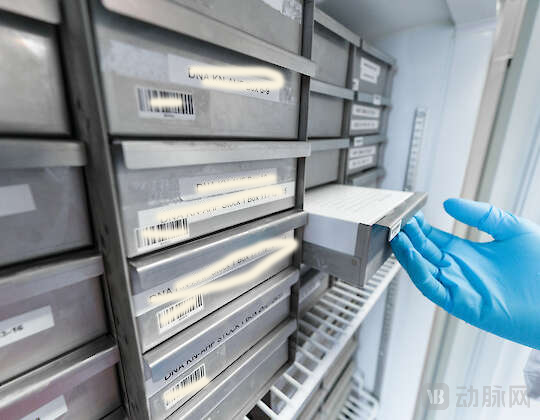
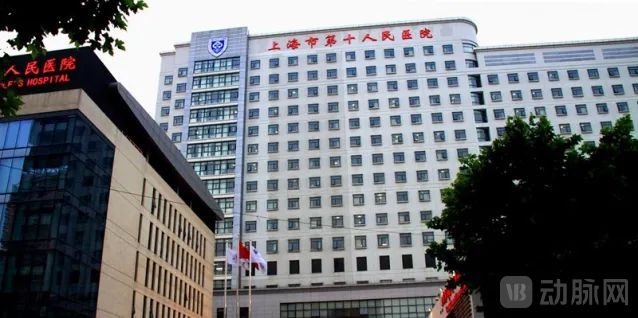
Case: Shanghai Tenth People’s Hospital and Shanghai Pharmaceuticals Group Biotherapy Technology Co., Ltd.
Shanghai Tenth People’s Hospital of Tongji University is a pioneer in exploring the “front hospital, back factory” model. In 2020, the Shanghai Innovation Center for Tumor Cell Therapy Technology was established within the hospital. The center features GMP (Good Manufacturing Practice) cell preparation rooms, quality control laboratories, and viral plasmid preparation facilities, integrating industrial-scale cell manufacturing with clinical research in the hospital setting. This integration enables the delivery of immune cell therapies to cancer patients through the most streamlined processes and at the fastest possible speed.
● Front Yard:Doctors at Shanghai Tenth People's Hospital manage patient cell collection data, monitor preparation status in real time, dynamically adjust treatment plans, and perform cell reinfusion.
● Back-end Factory:Shanghai Pharmaceuticals Biotherapy conducts cell reception, preparation, quality control, and release.
BioTechLeague participated in the digital transformation of the “Front Clinic, Back Factory” model. By deploying and implementing the BIo-CELL system, it achieved computerized system management for the entire cell production process at Shanghai Pharmaceuticals’ Biotherapeutics Company. The system records and analyzes data throughout the product’s full lifecycle, ensuring product safety, controllability, and traceability, thereby guaranteeing product quality. It establishes Chain of Custody (CoC) and Chain of Identity (CoI), enables real-time cross-regional data sharing, facilitates efficient collaboration between clinical and manufacturing facilities, and ensures compliance and transparency, ultimately enhancing the safety and traceability of the treatment process.
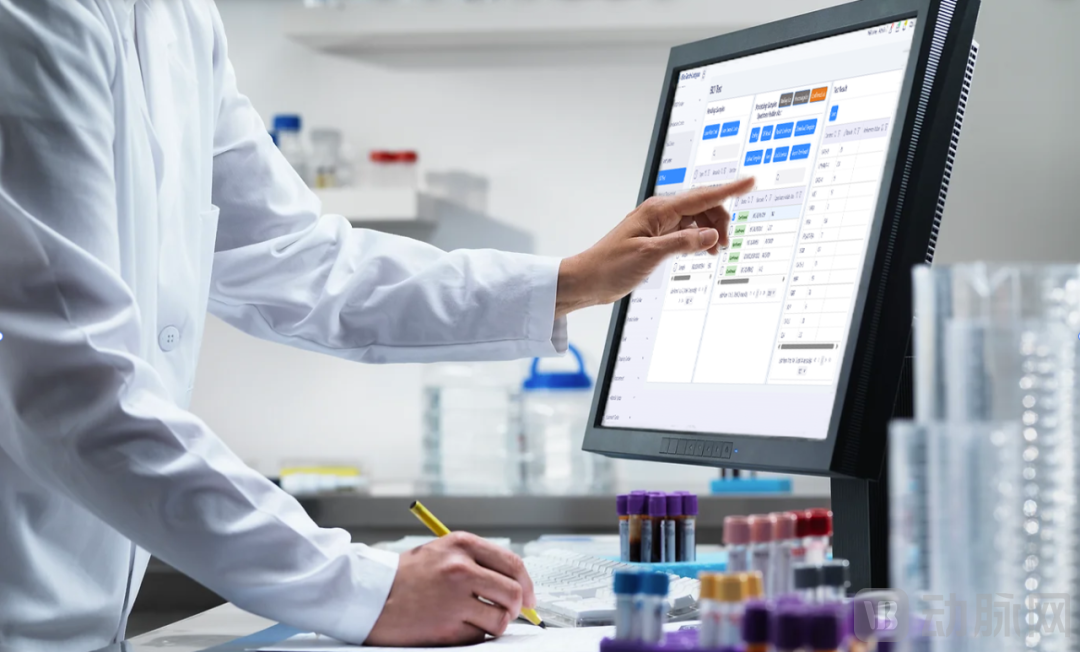
Case: The First Affiliated Hospital of Xiamen University
Recently, BioTechLeague won the bid for the “Cell Lifecycle Information Management System” project at the Cell Therapy Research Center of Xiamen University’s First Affiliated Hospital. BioTechLeague will implement the Bio-CELL system at the center to support comprehensive lifecycle management of cell therapy R&D activities.
● Dynamic Recording of Patient Information:Real-time updates on patient collection, preparation, and treatment process data;
● Support for Trial Adjustments:Rapidly modify protocols based on trial requirements and provide automated workflow management;
●Multicenter Collaboration and Data Integration:Enable real-time data sharing and analysis across participating centers;
● Ethical Review and Standardized Reporting:Automatically generate compliance reports to meet regulatory requirements.

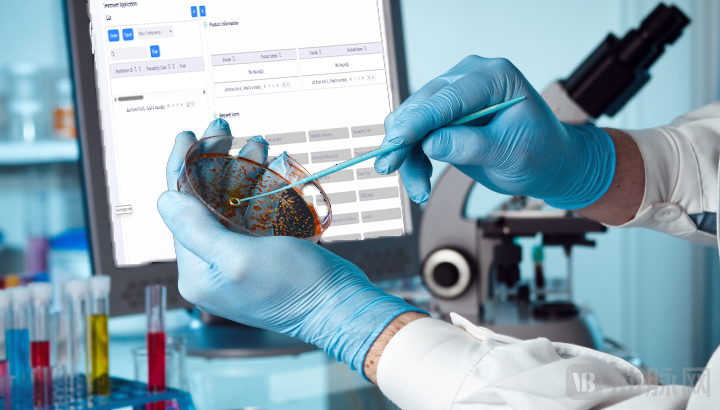
Overall, the Bio-CELL system enables digital management of the entire lifecycle of cell therapy products, ensuring data traceability and guaranteeing compliance and safety.
● Functional Requirements for the Information System:Define the functional modules required for each stage of cell therapy products, from collection, preparation, transportation, and storage to reinfusion treatment, emphasizing system monitoring and data recording at every step.
● Data Traceability and Transparency:Ensure that every operation and data point in the cell therapy process has traceable records, providing end-to-end visualized data for clinicians, manufacturing personnel, and regulatory authorities.
● Compliance and Safety:Emphasize that the system must comply with relevant regulations and standards (such as GMP, GCP, etc.) and ensure the privacy and security of patient data.
The Bio-CELL system is designed in strict compliance with the Basic Functional Specifications for Traceability Management Information Systems for Cell Therapy Products, covering end-to-end traceability requirements across the entire cell therapy workflow—from collection, preparation, transportation, and storage to reinfusion. By deeply integrating the technical standards and functional requirements outlined in the specifications into its system architecture, Bio-CELL not only achieves digital management of the full lifecycle of cell therapy but also validates the operability and practicality of these specifications in real-world applications, providing a replicable implementation template for the industry. Meanwhile, the successful deployment of the Bio-CELL system across multiple medical institutions and enterprises has facilitated the comprehensive adoption of the Basic Functional Specifications for Traceability Management Information Systems for Cell Therapy Products within the cell therapy sector, offering robust support for the industry’s digital transformation and compliant development.
The diversified development in the field of cell therapy, ranging from the IND (Investigational New Drug) model and IIT (Investigator-Initiated Trial) model to the “front-clinic, back-factory” collaborative model, promotes the implementation of standards, all aiming to provide patients with safer, more precise, and more efficient treatment options. BioTechLeague will continue to deepen the digital capabilities of its traceability system for cell and gene therapy products, constantly innovate technological applications, and facilitate industry transformation and upgrading with more comprehensive solutions, thereby injecting sustained momentum into the high-quality development of global cell therapy.