Key Operational Challenges Hindering the Successful Market Launch of Topical Transdermal Formulations
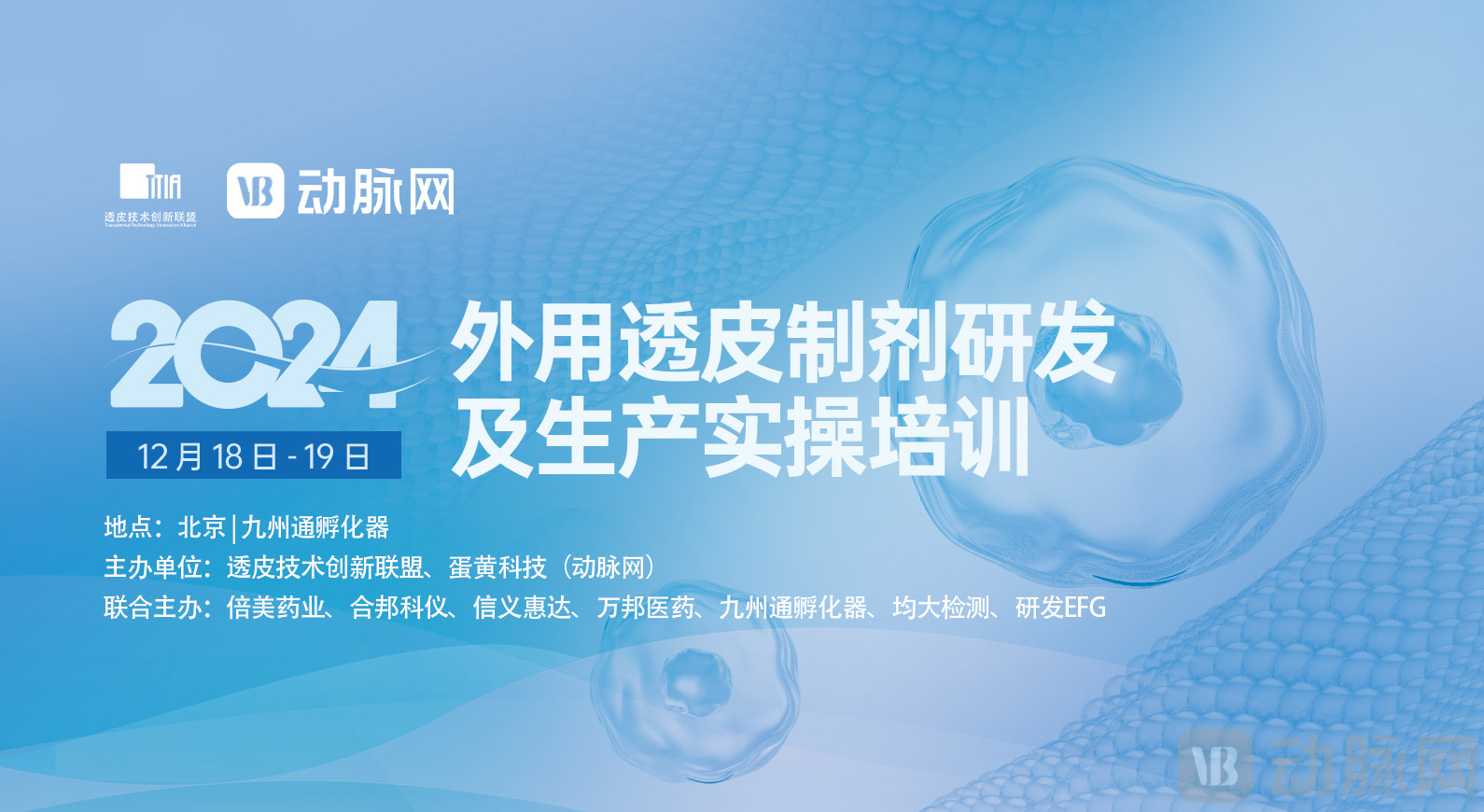
As an increasing number of pharmaceutical companies launch topical transdermal projects, the Transdermal Technology Innovation Alliance has been continuously receiving numerous practical questions from peers regarding research and development, clinical trials, and production. In response, on December 3, the Transdermal Alliance invitedMs. Li Feifei, Founder of Beimei Pharmaceutical and Member of the Expert Committee of the Transdermal Technology Innovation Alliance,Li Tianyu, Marketing Director at Hebang Keyi,Zhou Yan, Deputy General Manager of Wanbang Pharmaceutical,Lin Weihua, Manager of Xinyi Huida,Against【What Key Practical Issues Hinder the Successful Market Launch of Topical Transdermal Preparations?】Live Streaming Topic, Centered AroundPractical Application of Topical Transdermal PreparationsofQuality Research, Clinical Development, R&D, and Production TranslationEngaged in in-depth exchanges and sharing.
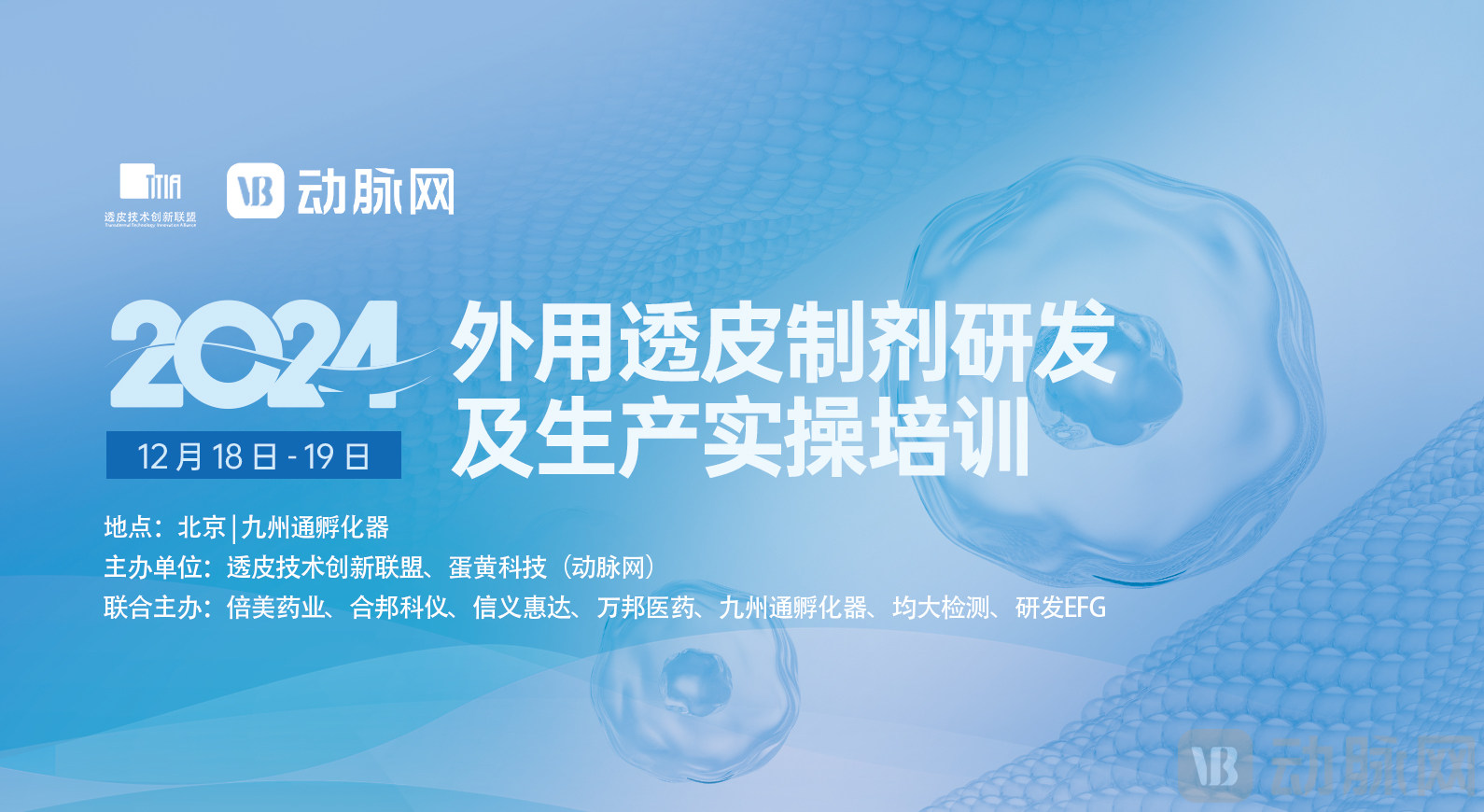
Due to the limited duration of the live broadcast, the insights shared by the four panelists represent only a small fraction of the many practical issues associated with topical transdermal formulations. To address this, the Transdermal Technology Innovation Alliance will"2024 Practical Training on R&D and Manufacturing of Topical Transdermal Preparations" to be Held on December 18-19, inviting expert instructors with extensive hands-on experience and in-depth understanding across all segments of the transdermal formulation industry chain to provide targeted training on the challenges and pain points encountered in R&D and production practices.。
Scan the QR code below to register now.

Complete the registration form to secure your limited spot.

The following are selected highlights from the live broadcast:
Teacher Feifei first mentioned pharmaceutical companies.What Key Details Should Be Addressed in the R&D Process?, in response to this issue,Li Tianyu, Marketing Director of Hebang KeyiShared insights on data statistics and medium selection in quality research of topical transdermal patches.
1
Medium Screening:
Previously, alcohols, acetonitrile, and tetrahydrofuran were commonly selected as receptor media for in vitro release testing (IVRT) studies. However, the latest guidelines explicitly specify the use of a biphasic system comprising water and alcohol, with strict control of the aqueous phase pH at 7, while also simulating the skin’s pH environment of 5–7.
2
Consistency of Experimental Methods:
In the early-stage method design for in vitro release testing (IVRT), the aqueous medium should be standardized to ensure consistency in both the manufacturing process and release profiles, prior to conducting in vitro permeation testing (IVPT) experiments, thereby reducing the complexity of the IVPT procedure.
3
Consider comprehensive factors:
Since manufacturers submit applications based on statistical data generated by SAS software, attention must be paid to data manipulation and the quality of statistical data. In addition to improvements in experimental design methods, the selection of transdermal diffusion apparatus and skin models is equally important.
In addition to these practical issues in the R&D phase, actuallyDuring research and development, clinical strategy and protocol design should be considered from the initial project initiation stage.. Regarding this topic,Ten thousandZhou Yan, Deputy General Manager of Bang PharmaceuticalClinical Strategy Development for Currently Marketed Topical Transdermal Preparations andSOPA systematic analysis was conducted.
1
Clinical Strategy Development:
Currently, the primary methods for evaluating bioequivalence of marketed transdermal products both domestically and internationally include PK-BE, PD-BE, and confirmatory clinical studies. In addition, adhesion testing and skin irritation testing are required.
2
Clinical Trial SOP:
The development of Standard Operating Procedures (SOPs) is critical to the quality and reliability of clinical trials. By standardizing procedures, clarifying responsibilities, ensuring necessary conditions, and guaranteeing quality, SOPs can effectively enhance the efficiency and quality of clinical trials, thereby ensuring reliable research outcomes. SOPs include the following content:
Subject Factors:Physiological factors of the subjects, including age, sex, lifestyle habits, and living environment, must be taken into consideration, and the integrity of the administration site must be assessed. Standard Operating Procedures (SOPs) should be established and tailored to different clinical trials to ensure the integrity of drug administration.
Medication Administration Completeness:Taking semi-solid formulations as an example, the subject’s posture affects both uniformity and adhesion. The uniformity of application, the area covered, and the consistency of application thickness all influence the transdermal permeation rate.
Environmental Factors:Season, humidity, temperature, and light exposure significantly influence blood drug concentrations. We strictly controlled environmental temperature and humidity, as well as subject conditions, to minimize bias in trial data.
Human Factors:Subject compliance and investigator proficiency significantly impact experimental outcomes. It is essential to minimize experimental bias and enhance the accuracy of clinical trials through repeated simulations and pilot tests, as well as comprehensive standard operating procedures (SOPs).
Regarding the points raised by Teacher Feifei,Is it necessary to concurrently conduct PK-BE consistency studies or safety studies upon completion of the confirmatory clinical trial?Regarding this issue, Professor Zhou Yan also shared her views: After the completion of confirmatory clinical trials, PK-BE consistency studies or safety studies should be conducted concurrently, depending on the registration category (Class 3 or Class 4). Since blood drug concentrations do not necessarily reflect pharmacodynamic concentrations, multiple methods should be employed to evaluate drug efficacy.
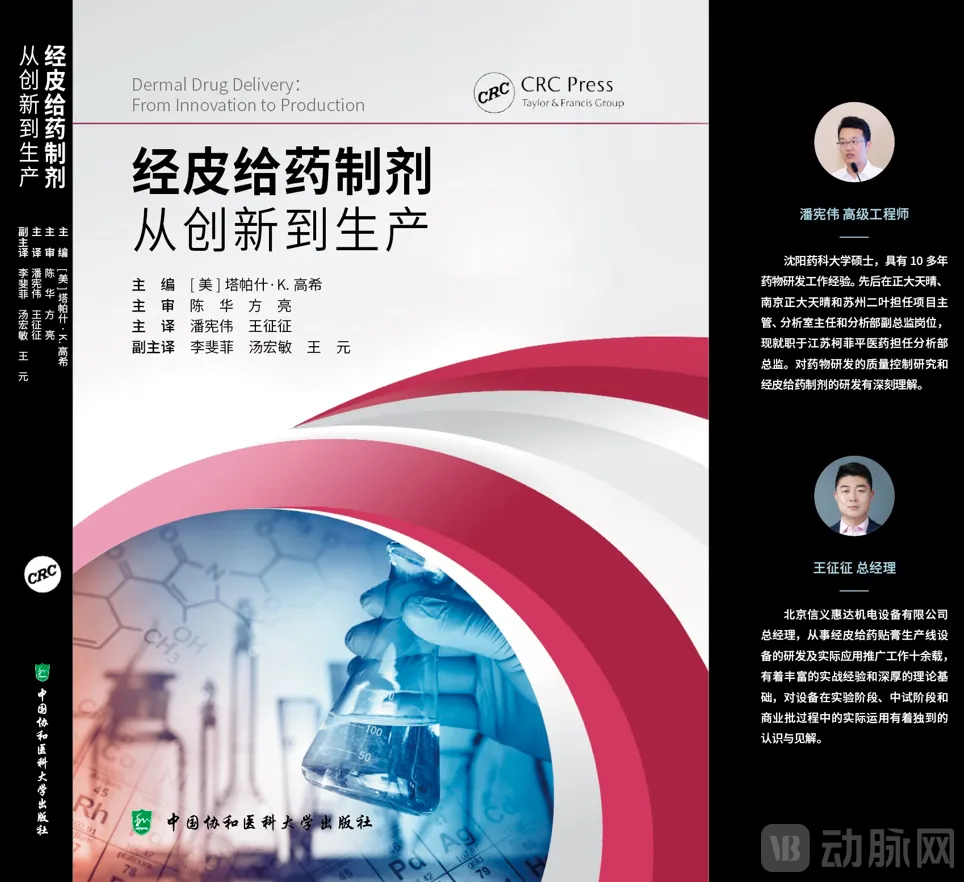
Furthermore, many practitioners encounter numerous practical challenges in the transition from patch development to production.The production of patches mainly involves four key steps: mixing, coating, cutting, and packaging. Cutting and packaging are relatively mature processes, while many practitioners face challenges in the earlier stages of mixing and coating.In response to this series of issues,Lin Weihua, Manager, Xinyi Huida XinyiRegardingEquipment Temperature Control, Mixing Uniformity, and Excipient Selection in the Experimental and Production Processes of Topical Transdermal PreparationsOffers practical insights.
1
Temperature Control:
Hot-melt adhesive formulations have stringent temperature control requirements, necessitating the use of calculus and proportional control techniques to enhance temperature accuracy and stability during the heating process. Laboratory-scale production typically involves small volumes and limited material quantities, employing bulk heating methods; although this approach results in significant temperature drift, it facilitates experimental adjustments. In contrast, large-scale production benefits from external circulation heating systems to ensure consistent and sustained thermal stability.
2
Excipient Selection:
Currently, the industry typically opts for hot-melt adhesives with high softening points to enhance heat resistance and anti-aging properties. However, the softening point alone cannot directly predict the heat resistance of hot-melt adhesives; precise temperature control is the key to achieving optimal performance.
3
Flowability Compatibility of Mixing Equipment:
Considering the differences in flowability between chemical drugs and traditional Chinese medicine formulations, mixing equipment must exhibit excellent compatibility with varying flow characteristics. Furthermore, coating equipment for large-scale production should ideally be equipped with a measurement and control system to ensure coating uniformity and rapid response.
4
Homogeneity of Mixing:
In production and experimentation, the amount of gelatin must be added proportionally according to different dosage forms, and different stirring methods and impellers should be employed to achieve a uniform mixing state. Meanwhile, appropriate feeding techniques should be selected to prevent splashing of powders and liquids, thereby ensuring mixing homogeneity.
Novel topical transdermal formulations are indeed a new development for China’s pharmaceutical industry. It is entirely normal for numerous practical challenges to arise during research and development, clinical trials, and manufacturing; stakeholders are continuously exploring, learning, and accumulating experience.
“Practical Training on R&D and Manufacturing of Topical Transdermal Preparations 2024” Held on December 18-19, will elaborate in detailClinical Development Strategies for Generic Topical Patch Products,Breakthrough New Technologies in Clinical Trials of Topical Transdermal Preparations,IVPT Data Requirements and Data Processing & SAS Software Practical Demonstration,Discussion on CDE Guidelines for IVRT & IVPT of Transdermal Drug Delivery Systems,Key Points in the Development and Manufacturing of Transdermal Patches,Laboratory Instruments & Hands-on Production Trainingand other content.
Packed with valuable insights—don’t miss it!
Scan the QR code below to register now

Fill out the registration form to secure your limited seat.

What This Training Offers
Enhance Practical Skills
The training program featured hands-on sessions focused on two key areas: laboratory and production. Participants engaged in in-depth practical operation of R&D and production-related instruments and equipment, including semi-solid IVRT and IVPT testing, patch IVRT and IVPT testing, and IVPT skinIntegrity Testing, hands-on operation of large-scale production equipment for gel patches, hands-on operation of large-scale production equipment for hot-melt adhesive patches, etc.;
First-Line Expert Teaching
Invite experts with extensive practical experience and profound insights in the field of transdermal drug delivery systems, as well as leading manufacturers of advanced instruments and equipment used in R&D and production, to address the challenges and pain points in practical R&D and manufacturing processes. This includes refining method validation, defining critical quality attributes, and evaluating key quality aspects such as the selection of active ingredients, excipients, solvents, and processing techniques during development.
Accelerate Project Implementation
Assist the R&D team in project initiation, formulation development, and process design by fully considering potential issues during the R&D and production phases, as well as specific manufacturing processes. Help R&D and quality personnel improve and optimize equipment, rationally layout production lines to achieve efficient large-scale production, further reduce production costs, and accelerate the commercialization of the pipeline.

Li Feifei,Ph.D. in Biomedicine, Founder of Beijing Beimei Pharmaceutical Co., Ltd., and Co-founder of Beijing Mingze Zhonghe Drug Research Co., Ltd.
Since graduation, I have been engaged in drug R&D, regulatory submission, and industrialization. Since 2013, I have focused on the field of transdermal drug delivery, completing regulatory submissions and industrialization for multiple products. I have actively promoted cooperation with domestic chemical enterprises and completed the filing of domestically produced excipients for transdermal drugs.

Zhou Yan,Master’s degree from Anhui University of Chinese Medicine. Currently serves as Deputy General Manager and Head of the Clinical Research Center at Anhui Wanbang Medical Technology Co., Ltd., overseeing the acquisition and execution of clinical trial service projects.
To date, has led and participated in more than 1,000 clinical studies, covering generic drugs, innovative drugs, and medical devices, with hands-on experience in over 100 clinical trials of topical transdermal formulations. Currently serves as a member of the First Committee of Clinical Trials Professional Committee of Anhui Pharmacological Society, a member of the Second Committee of Drug Clinical Trial Professional Committee of Anhui Pharmaceutical Association, and a member of the First Youth Committee on Innovative Technology Research for Drug Clinical Trials of Zhongguancun Jiutai Drug Clinical Trial Technology Innovation Alliance.

Tang Hongmin,Founder & General Manager of Beijing Hebang Xingye Scientific Instrument Co., Ltd.; Jointly-trained graduate student of Jiangxi University of Chinese Medicine and Tsinghua University, majoring in Pharmaceutical Analysis.
Published 15 papers in SCI-indexed and core journals; undertook more than ten national and industry-sponsored collaborative projects, including one project for the Chinese Pharmacopoeia standards and one for cosmetic industry standards; served as Associate Translation Editor for Transdermal Drug Delivery Systems: From Innovation to Production. Accumulated 12 years of work experience at world Fortune 500 analytical instrument companies such as Thermo Fisher Scientific and Agilent Technologies. Committee Member of the Pharmaceutical Analysis Professional Committee of the Chinese Association of Biotechnology of Medicine; proficient in various analytical instruments and methods used in the pharmaceutical industry. Co-founder of the China Transdermal Technology Alliance, with extensive experience in the field of transdermal formulations.

Feng Ruini,Jointly trained by Jiangxi University of Chinese Medicine and Beijing Jiangzhong Institute of Pharmaceutical Research.
With over a decade of experience in pharmaceutical analysis, possesses in-depth understanding and extensive project expertise in in vitro dissolution and release, in vitro permeation, in vivo pharmacokinetics, and bioanalytical testing.

Lin Weihua,Council Member of the China Ethnic Medicine Association; Council Member of the Transdermal Drug Delivery Professional Committee of the World Federation of Chinese Medicine Societies.
Has been engaged in the field of hot-melt adhesive coating since 1996; participated in the development of China’s first hydrogel coating machine in 2001, and has accumulated extensive experience from laboratory research to mass production of solvent-based, hot-melt, and gel-type transdermal drug delivery systems. Possesses unique insights into equipment selection and application for transdermal patch manufacturing.
December 18, Host: Li Feifei, Founder of Beimei Pharmaceutical
9:00-09:05
Opening Remarks
09:05-11:05
Clinical Development Strategies for Generic Topical Patch Products
Zhou Yan, Deputy General Manager, Anhui Wanbang
11:05-11:15
Tea Break
11:15-12:15
Breakthrough New Technology for Clinical Trials of Topical Transdermal Preparations—OFM Microdialysis
Tang Hongmin, General Manager, Hebang Keyi
12:30-13:30
Lunch
13:30-15:00
Discussion on the CDE Guidelines for In Vitro Release Testing (IVRT) of Transdermal Drug Delivery Systems and Overview of Experimental Procedures
Feng Ruini, Hebang Keyi
15:00-15:15
Tea Break
15:15-16:45
Overview of IVPT for Transdermal Drug Delivery Systems: Discussion of CDE Guidelines and Experimental Procedures
Feng Ruini, Hebang Keyi
17:00-18:30
Group Practical Session 1
Laboratory Instrument Practical Operation Training
Part 1: IVRT and IVPT Instrument Operation (Semi-solids/Patches)
Part 2: IVPT Skin Integrity Testing
Practical Production Training
Part 1: Demonstration of Large-Scale Production Equipment for Gel Patches
Part 2: Demonstration of Large-Scale Production Equipment for Hot-Melt Adhesive Patches
18:30-21:00
Dinner Networking & Q&A Session
December 19, Host: Li Feifei, Founder of Beimei Pharmaceutical
9:00-10:30
IVPT Data Requirements and Processing & SAS Software Practical Demonstration
Feng Ruini, SAS China & Hebang Keyi
10:30-10:45
Tea Break
10:45-12:15
Key Points in the Development and Production of Transdermal Patches
Lin Weihua, Xinyi Huida, Manager
12:30-13:30
Lunch
13:30-15:30
Group Practical Session 2
Laboratory Instrument Practical Training
Part 1: IVRT and IVPT Instrument Operation (Semi-solids/Patches)
Part 2: IVPT Skin Integrity Testing
Production Practical Training
Part 1: Demonstration of Large-Scale Production Equipment for Gel Patches
Part 2: Demonstration of Large-Scale Production Equipment for Hot-Melt Adhesive Patches
15:30-16:00
Q&A



Transdermal Technology Innovation Alliance (TTIA)
”
Since 2023, the Transdermal Technology Innovation Alliance (TTIA) hasOnline Live Streaming, Offline Salons, Offline Resource Matchmaking Eventsin the form of, providing colleagues in China's transdermal industry with global intelligence and networking resources covering the entire industrial chain and full lifecycle of transdermal drug delivery systems, to assist professionals in the field of transdermal formulationsMinimize pitfalls and avoid detours, anticipate the future competitive landscape, accelerate R&D progress rationally, align with sales resources in advance, and capture more cutting-edge business opportunities。
For more information about the Transdermal Technology Innovation Alliance, please feel free to contact us: