

Expert Consensus on Antibody-Drug Conjugates (ADCs) in Gynecologic Oncology Released at the 7th Liangjiang Conference on Clinical Advances in Gynecologic Oncology
On December 7, the launch event for the “2024 Expert Consensus on the Clinical Application of Antibody-Drug Conjugates (ADCs) in Gynecologic Oncology” (hereinafter referred to as the “Consensus”), jointly compiled by the Uterine Corpus Tumor Professional Committee of the China Anti-Cancer Association and the Gynecologic Oncology Branch of the Chinese Medical Association, was successfully held in Chongqing Guangyang Convention Center during the 7th Liangjiang Conference on Advances in Clinical Diagnosis and Treatment of Gynecologic Tumors and the Annual Academic Conference of the Chinese Gynecologic Oncology Multidisciplinary Team (MTB).
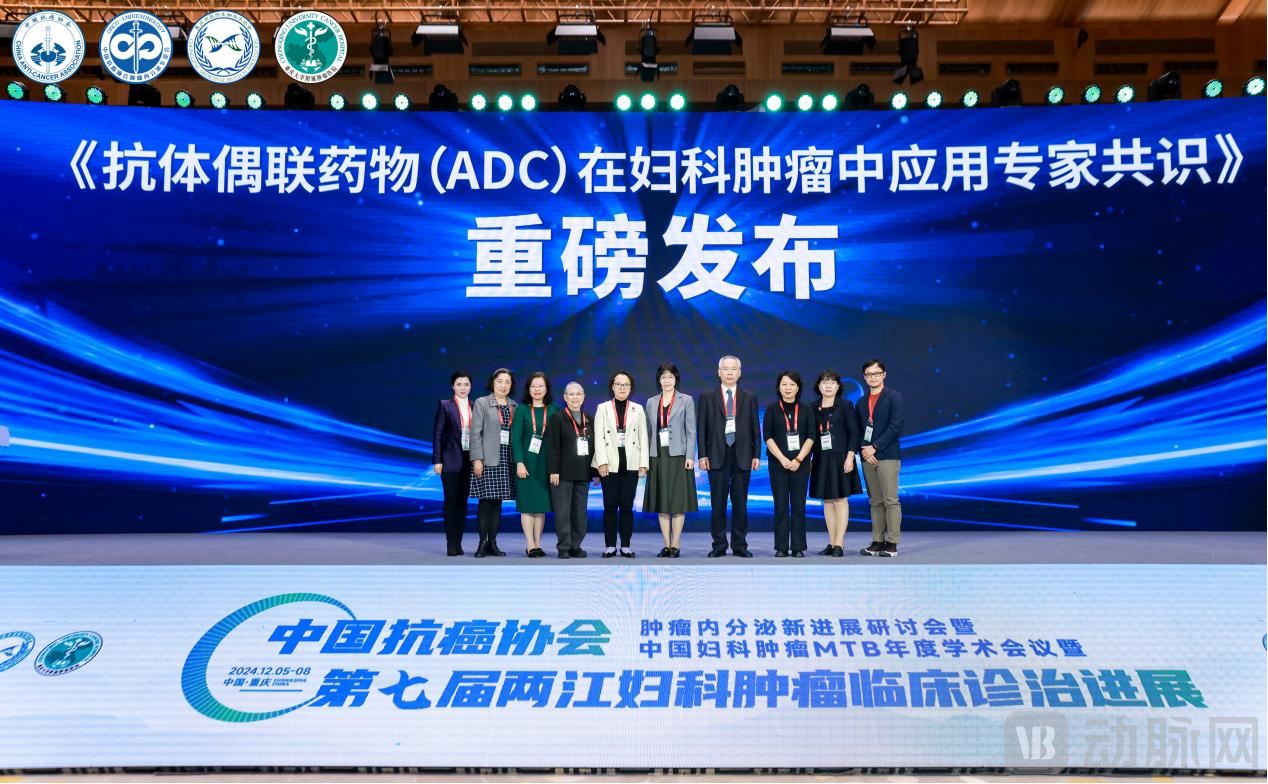
Photo provided by the organizer at the conference venue
At the conference,Professor Kong Beihua, Chairman of the Gynecologic Oncology Committee, Chinese Medical AssociationHe shared the background behind the development of this consensus and its clinical value in the treatment of gynecologic oncology. He noted that conventional therapies—such as surgery, radiotherapy, and chemotherapy—remain the mainstay of treatment for malignant gynecologic tumors, with chemotherapy playing a particularly important role in patients with advanced or recurrent disease. However, a major drawback of chemotherapy is that traditional chemotherapeutic agents damage not only tumor cells but also healthy cells, leading to various adverse effects and organ toxicity. This underscores the growing emphasis on antibody–drug conjugates (ADCs), which offer targeted delivery and the significant advantage of “high efficacy with low toxicity,” enabling precise and potent killing of malignant gynecologic tumor cells.
Currently, the application of antibody-drug conjugates (ADCs) in gynecologic oncology is limited. There are few ADCs approved for marketing in China, and gynecologic oncologists lack extensive clinical experience with these agents. To optimize the use of this promising class of drugs for patients with gynecologic tumors, thereby improving therapeutic outcomes while mitigating adverse reactions, it is crucial to establish relevant Consensus Guidelines. These guidelines help standardize the use of ADCs, ensuring both efficacy and safe clinical application, thus holding significant clinical value. This constitutes the background and clinical guidance significance of the Consensus development.
According toProfessor Liu Jihong, Chair of the Committee on Uterine Corpus Tumors, China Anti-Cancer Association, Sun Yat-sen University Cancer CenterIntroduction: This “Consensus” was jointly compiled by the Committee on Uterine Corpus Tumors of the China Anti-Cancer Association and the Gynecologic Oncology Branch of the Chinese Medical Association. A working group comprising authoritative experts from relevant fields across China was convened, and internationally recognized methodologies for grading, developing, and evaluating evidence and recommendations were employed to formulate a consensus with practical clinical value.
Professor Liu Jihong further explained that antibody-drug conjugates (ADCs) are essentially a form of targeted therapy. They utilize specific antibodies as carriers to deliver highly potent small-molecule cytotoxic payloads directly into target tumor cells, thereby killing the tumor cells while minimizing toxic side effects on normal cells. Currently, 15 ADCs have been approved worldwide, targeting antigens such as TROP2, HER2, and NECTIN4. However, there are few ADCs indicated for gynecologic malignancies. Notably, mirvetuximab soravtansine, a representative agent in this class, was approved by the National Medical Products Administration (NMPA) this November for patients with FRα-positive, platinum-resistant recurrent ovarian cancer. Nevertheless, clinicians currently lack sufficient experience regarding patient selection for specific ADCs, optimal timing of administration, and management of adverse events. To optimize the treatment of gynecologic tumors with ADCs, it is essential to develop a consensus statement on the application of ADCs in gynecologic oncology to guide clinical practice and improve patient outcomes.
Professor Zhou Qi, Former Chair of the Gynecologic Oncology Committee of the China Anti-Cancer AssociationHe highlighted the advantages of antibody-drug conjugates (ADCs) in clinical treatment, noting that traditional chemotherapy lacks tumor specificity and is dose-dependent. Cytotoxic agents not only kill tumor cells but also cause severe damage to normal tissues with high metabolic activity, leading to adverse effects such as gastrointestinal reactions and myelosuppression, while also being prone to drug resistance. Meanwhile, traditional targeted therapies require specific molecular targets and lack the potent tumor-killing efficacy of highly cytotoxic drugs, thus presenting therapeutic limitations. In contrast, ADCs combine the features of both targeted therapies and chemotherapy through a tripartite structure comprising a monoclonal antibody, a linker, and a payload. This design enhances targeting precision, reduces the toxicity of small-molecule cytotoxins to normal tissues, and improves therapeutic efficacy against tumors, thereby achieving precise cancer treatment. ADCs can efficiently kill tumor cells with fewer side effects than conventional chemotherapy and demonstrate superior efficacy compared to traditional antibody-based anticancer drugs, earning them the title of “biological missiles” in the field of oncology.
Professor Zhou Qi further elaborated that currently, there are limited drugs approved for gynecologic malignancies, although several are undergoing clinical investigation. Taking mirvetuximab soravtansine as an example, it is an antibody-drug conjugate (ADC) targeting folate receptor alpha (FRα). While Phase III clinical trial results for this drug are available internationally, Chinese regulatory registration requirements necessitate demonstrating ethnic differences and establishing efficacy in the Chinese population. Accordingly, a Phase I pharmacokinetic (PK) bridging study was conducted concurrently, confirming that the pharmacokinetic profile in the Chinese population is consistent with that of foreign populations, with no racial differences in the safe dosage or safety concerns. A Phase III study has also been carried out in China. Patient selection is critical for mirvetuximab soravtansine therapy. Professor Zhou noted that clinicians can use Roche Diagnostics’ VENTANA FOLR1 Antibody Assay (immunohistochemistry method) to screen for patients whose tumors exhibit positive receptor expression, thereby identifying those suitable for treatment with mirvetuximab soravtansine.
This “Consensus” recommends clinical application regimens for antibody-drug conjugates (ADCs), either as monotherapy or in combination, for the common gynecologic malignancies—ovarian cancer, cervical cancer, and endometrial cancer. It summarizes relevant research and applications of ADCs in gynecologic cancers and outlines a promising vision for the future of precision therapy in this field, underscoring its significant importance. The expert panel behind the Consensus hopes that these guidelines on the use of ADCs in gynecologic oncology will help more gynecologic oncologists understand current ADC-based monotherapy and combination strategies, standardize clinical practice, and ultimately prolong survival and improve quality of life for more patients with gynecologic malignancies in China.