

Tuodao Medical's Breakthrough Strategy: High-Growth Insights from the 'Boundaryless Integration' Solution

Tuodao Medical
Surgical Robot Developer
Driven by multiple factors, the field of orthopedic surgical robots is accelerating into a period of robust growth.
On the one hand, there is a genuine and urgent demand for orthopedic surgical robots among both physicians and patients. With the optimization of orthopedic surgical robot performance and several years of prior market promotion and user education, hospitals, physicians, and patients have rapidly increased their awareness and demand for orthopedic robotic surgeries. On the other hand, as fee schedules for orthopedic robotic surgeries are progressively established across China, the industry is moving toward large-scale practical application. Not only are orthopedic surgical robot manufacturers gradually achieving financial self-sufficiency, but their products are also becoming more aligned with clinical needs in terms of variety, quality, and innovation. As market demand matures, enhancing accessibility to this technology in the vast market may serve as the breakthrough point for an industry-wide boom.
As the largest international academic annual conference in China’s orthopedic community, this trend was particularly evident at this year’s COA Academic Conference. Companies are making concerted efforts to enhance the clinical value and accessibility of their products through technological innovation,Orthopedic surgical robots are shifting toward comprehensive “multi-purpose” solutions and continuously lowering the acquisition threshold for hospitals.Amidst the sweeping tides of this era, a surgical robotics manufacturer, distinguished by its remarkable pace of commercialization and iterative innovation, is drawing large crowds to its booth with its continuous stream of groundbreaking highlights.
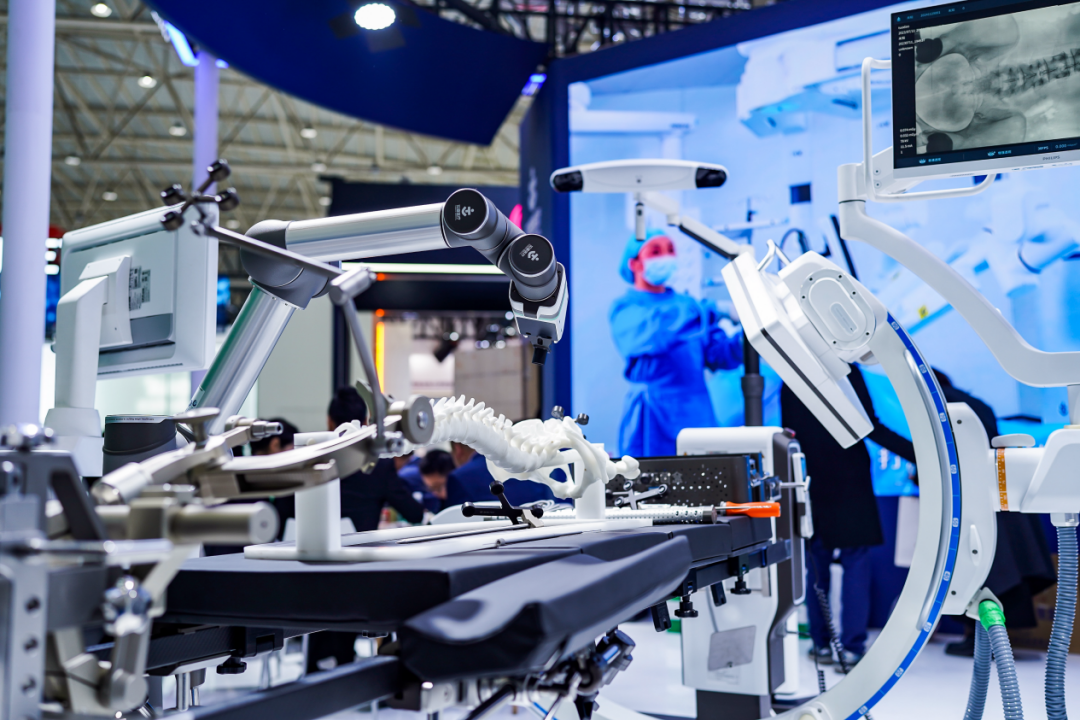
As one of the pioneers in the field of orthopedic surgical robots, Tuodao Medical has been accumulating technology and making strategic layouts in this direction for many years. ItsChina’s First Self-Developed Hyper-Converged Product Portfolio of “Orthopedic Surgical Robot + 3D C-Arm”Addressing issues such as the low compatibility between surgical robots and third-party C-arms, as well as inefficient integrated operations, the product received positive market feedback upon its launch. In its second year on the market, it achieved rapid sales growth and secured a leading position in market share.
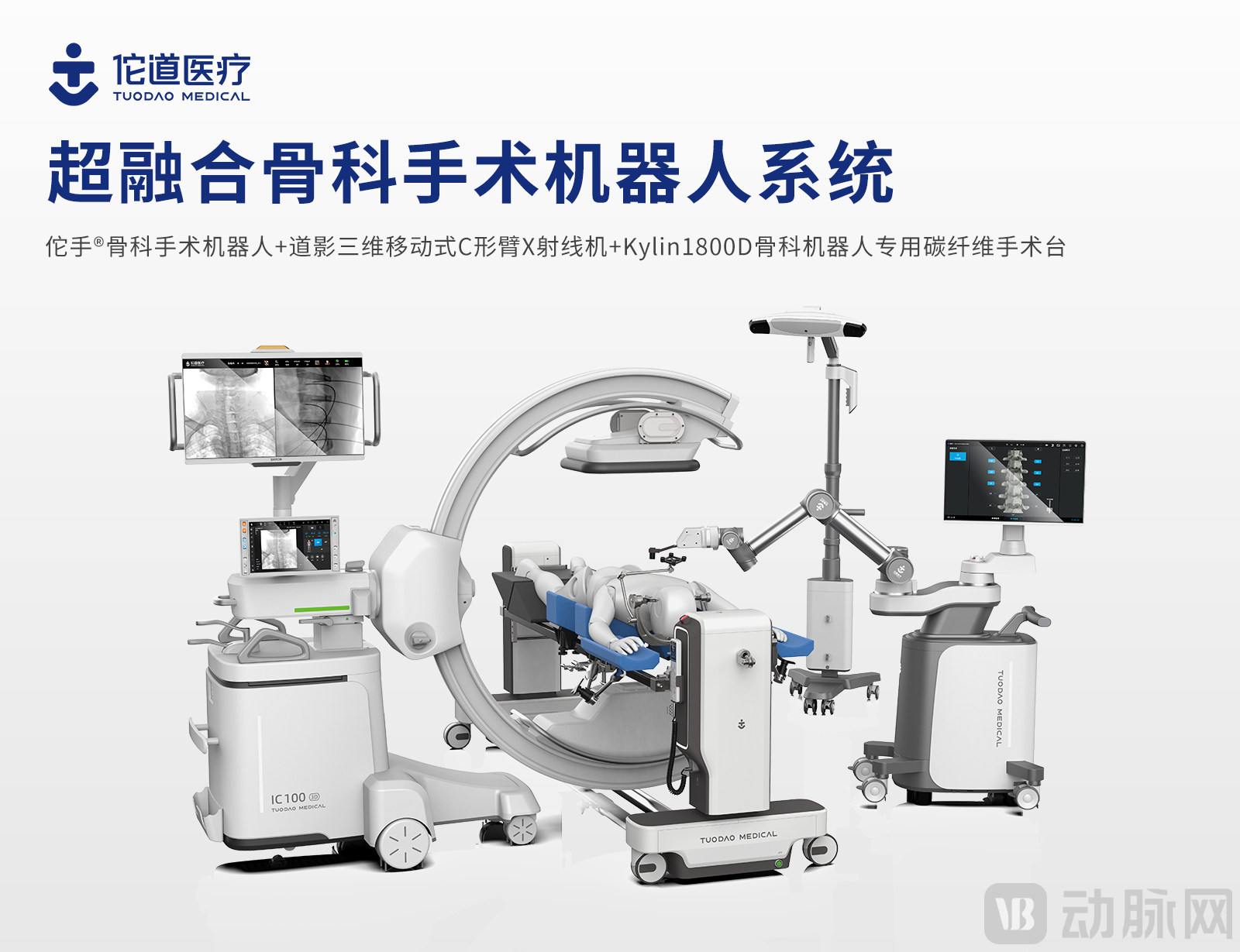
In 2024, Tuodao Medical capitalized on its momentum at this COA“Boundless Fusion” Solution Featured ProminentlyThis solution not only expands the indications for orthopedic surgical robots, integrating procedures from the three major subspecialties—spine, trauma, and joints—into a single platform, but also enriches the robot-assisted surgical workflow by extending from traditional internal fixation to full-process visualized operation of open reduction and screw placement. Furthermore, it incorporates compatible devices such as robot-specific surgical tables and 2D C-arm machines into its hyper-converged product portfolio. Through technological innovation, this approach enhances the comprehensive integrated surgical solution for all orthopedic disciplines while lowering the procurement threshold for hospitals.
Registration time reduced by 67%, radiation dose decreased by 98%,
Tuodao Medical Pioneers Hyper-Converged Technology Integrating Robotics, 3D C-arm, and Operating Table
Innovation has always been the most defining characteristic of medical robots. However, the core challenge facing domestic surgical robot manufacturers lies in how to innovate by accurately addressing actual clinical needs.
In terms of clinical application, orthopedic surgical robots are currently concentrated mainly in Grade A tertiary hospitals in first-tier cities; however, their utilization rates remain low, resulting in a situation where experts lack access while grassroots institutions cannot afford them. Furthermore, hospitals are required to renovate operating rooms and establish specialized teams for these systems, which runs counter to the original intent of surgical robots—namely, to enhance healthcare capabilities at the grassroots level and alleviate the surgical burden on Grade A tertiary hospitals. Therefore, manufacturers of orthopedic surgical robots urgently need to identify a genuine path toward innovation.
At this exhibition, Tuodao Medical addressed this question through its Boundaryless Fusion Solution—Only innovations that can be implemented and truly address clinical needs are genuine innovations that complement the development of medical robots.Based on this understanding, Tuodao Medical targets current clinical pain points by providing a seamless, integrated solution for orthopedics that combines robotics, imaging, and operating tables.
This solution not onlyCovers multiple subspecialties, including spine, trauma, and joints, achieving multi-indication coverage with a single device., and is also capable of integrating with Tuodao Medical's proprietaryAutomatic Registration of 3D and 2D Multimodal Images. In addition, the system is also equipped withBed-Mounted Non-Invasive Tracker. In the future, intelligent bed-mounted accessories for other surgical procedures will further leverage the synergistic effects of the operating table in robotic surgery, bringing about a precise and intelligent revolution in orthopedic surgery while providing users with a new experience characterized by comprehensive efficiency, flexibility, and minimally invasive capabilities.
“Spinal surgical robots can provide functions such as surgical planning simulation and precise positioning, but clinical practice still faces some challenges, such as limited functionality restricted to channel positioning, image drift caused by the high mobility of the cervical spine, easy slippage of guide wires on steep bony surfaces, and poor accessibility for certain surgical procedures,” Tuodao Medical told VCBeat.
Based on an understanding of clinical needs, Tuodao Medical’s upcoming all-in-one orthopedic system is poised to deliver spinal care capabilities that balance precision, efficiency, and safety.
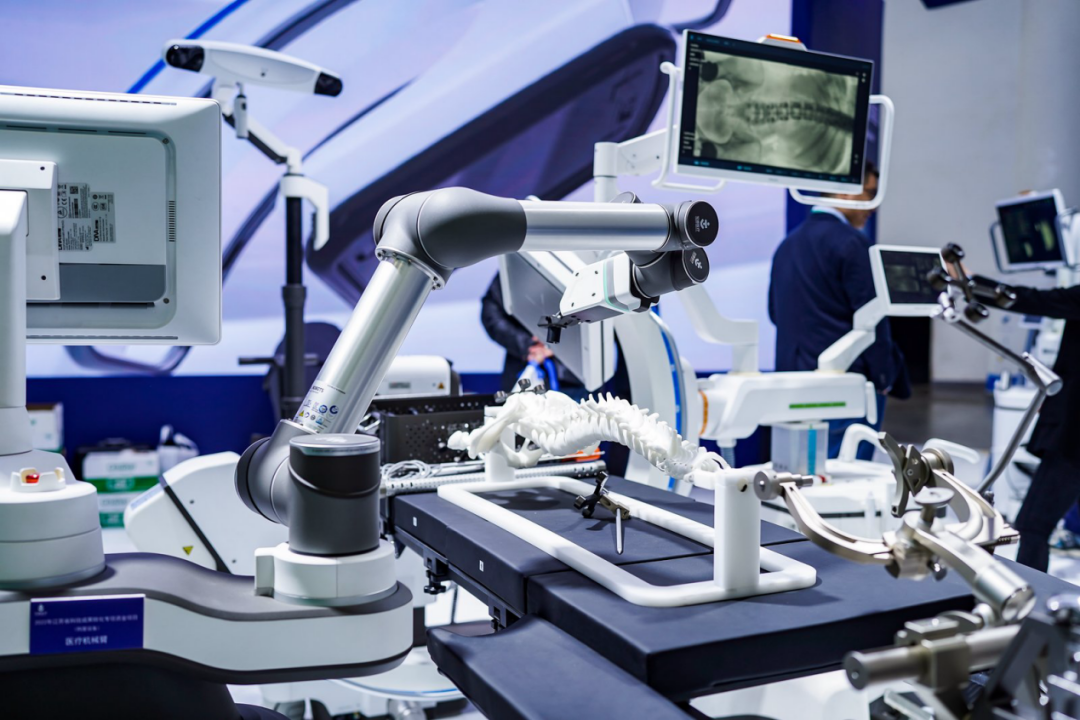
In this solution, Tuodao MedicalVisual navigation tools have been integrated to enable precise pedicle screw placement. In particular, the application of high-speed burr visualization allows for low-thrust drilling, which prevents vertebral displacement-induced image drift and bone surface slippage while significantly improving drilling efficiency. Furthermore, Tuodao Medical offers a variety of drill bits to meet the requirements of different surgical procedures for the cervical and thoracolumbar spine. The robotic end-effector features multi-faceted active omnidirectional tracking with adaptive switching capabilities, thereby enhancing positioning execution efficiency.
Furthermore, to address clinical pain points in robot-assisted joint replacement, such as prolonged preoperative CT planning and lengthy intraoperative registration and alignment, Tuodao Medical’s upcoming all-in-one orthopedic system leverages its unique technological advantages in combination withThe self-developed intraoperative CT-CBCT system enables automatic registration, reducing the robot-assisted surgical registration time from 30 minutes to just 50 seconds. This advancement improves the success rate of first-attempt registration, enhances efficiency, and lowers the technical proficiency required for surgeons in operating surgical robots, thereby unprecedentedly optimizing the efficiency and experience of robot-assisted joint replacement surgery.
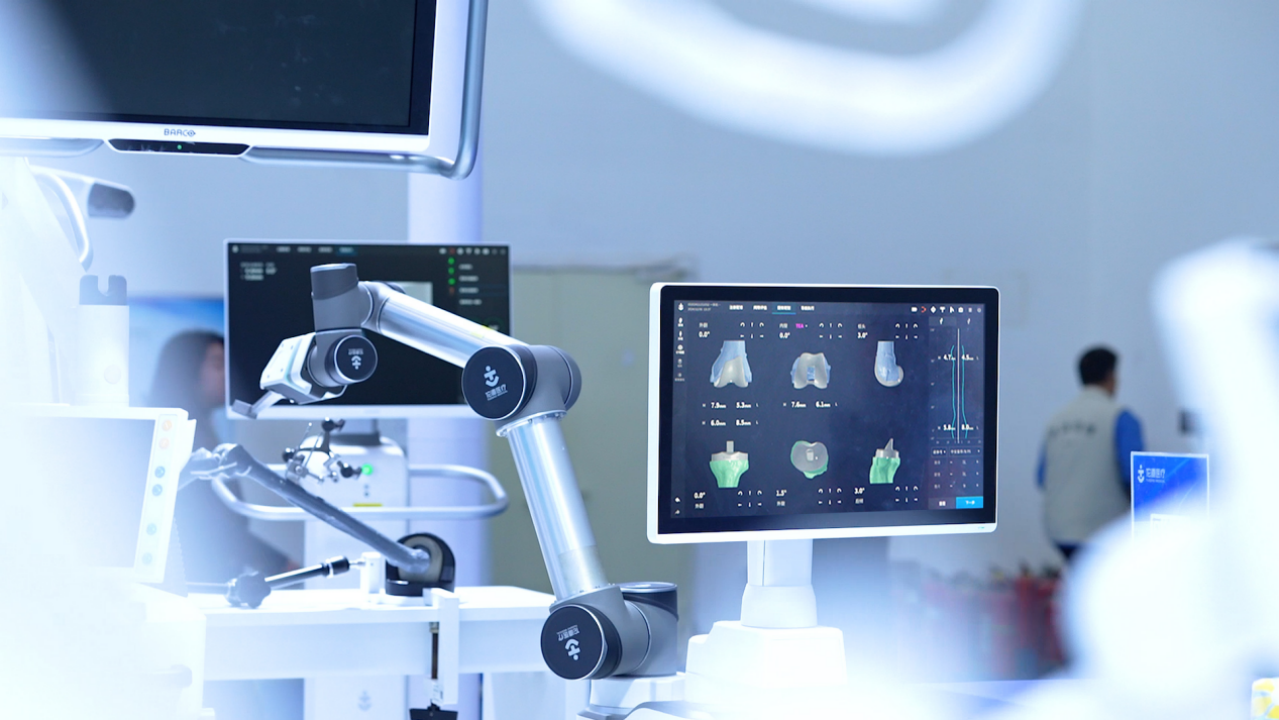
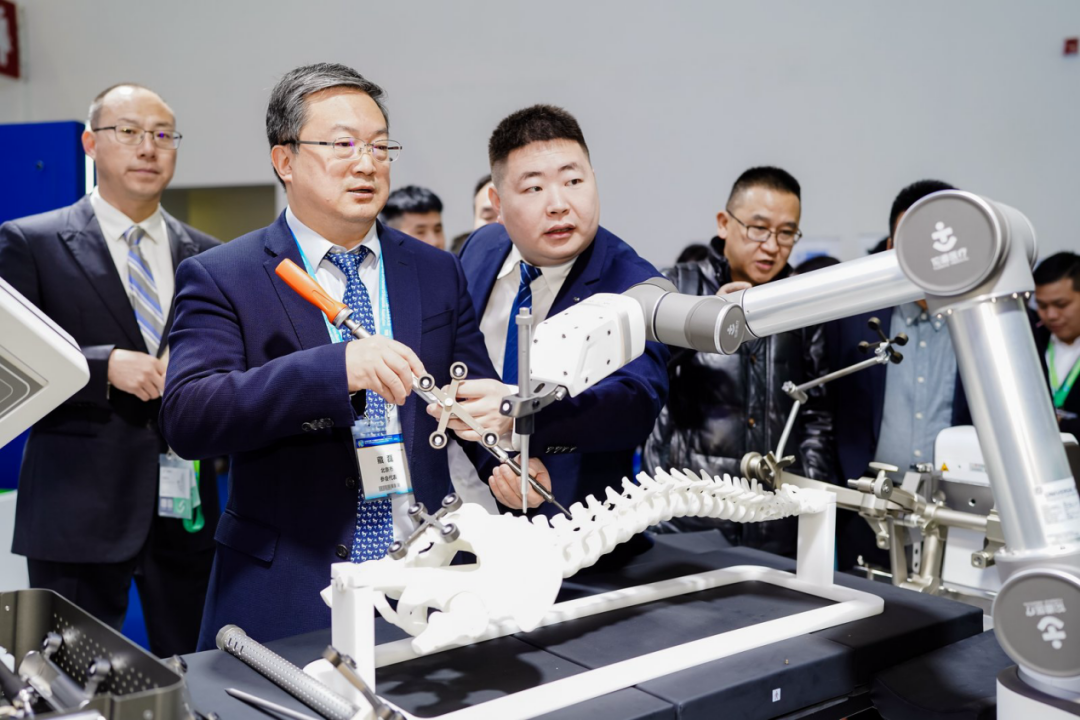
Considering the selection of different clinical scenarios, such as avoiding unnecessary preoperative patient imaging examinations, Tuodao Medical has also independently developed image-free registration technology.These flexible and diverse registration techniques significantly reduce the intraoperative time for joint robots and shorten the learning curve for physicians, breaking away from the traditional reliance on point cloud registration technology and providing more suitable solutions for both doctors and patients.
To further enhance the precision and safety of surgical procedures, Tuodao Medical has independently developedKylin Hybrid Operating Table, providing a fully carbon fiber, metal-free artifact interference fluoroscopy environment and portable operation for intraoperative position flipping. With its innovative dual-column double-layer carbon bed design, the Kylin operating table achievesEfficient Registration and Non-Invasive Tracing.
Meanwhile, Tuodao Medical is also on the verge of achievingHyper-Converged Solution Integrating 2D C-Arm with Surgical Robots: Reduces Registration Time by 67%, Lowers Radiation Dose by 98%, Expands Indications, and Lowers Entry Barriers.Currently, Tuodao Medical’s CT-2D registration mode under development has enabled the integration of the orthopedic 2D C-arm RC ONE into its hyper-converged ecosystem. In the future, clinical users will be able to achieve intraoperative 3D visualization of imaging under 2D image guidance, facilitating faster, more convenient, and precise surgical procedures, while effectively controlling radiation dosage to safeguard the health of both patients and medical staff.
Tuodao Medical achieves coverage across multiple application scenarios through the modular addition of application modules. Compared with purchasing multiple single-function devices, this solution significantly reduces hospitals’ equipment procurement costs while meeting personalized clinical needs. Leveraging its mature supply chain and production management systems, along with self-developed core components, the company enjoys certain advantages in product quality control, delivery lead times, and pricing. This not only provides hospitals with cost-effective comprehensive solutions but also precisely aligns with broad market demands and industry development trends.
In the future, Tuodao Medical will further enrich its portfolio of instruments and accessories in the trauma and joint sectors, building a versatile support platform with comprehensive functionality and high flexibility.
Innovative Products from Medical-Engineering Integration Achieve In-Depth Development of Individual Items,
Five Major Horizontal Tracks Empowering Technological Innovation
Tuodao Medical’s ability to precisely target clinical needs for technological innovation stems from two core advantages:The MedTech R&D team’s deep empowerment of innovative products, and the enhancement of technical capabilities under the strategic blueprint for horizontal expansion across five major tracks.
First, Tuodao Medical established a dedicated Robot X Laboratory. This laboratory brings together a diverse team of clinical technology experts, R&D engineers, intellectual property specialists, and product managers. Through close collaboration, the team translates physicians’ clinical needs and innovative product concepts into tangible products. As a key liaison, the product manager engages in in-depth communication with medical experts to ensure that the product closely aligns with clinical realities from design to implementation. This deep integration of medicine and engineering forms the foundation of Tuodao Medical’s technological innovation.
Secondly, Tuodao Medical’s product team is composed of clinicians from various medical specialties. They are not only well-versed in the clinical application scenarios of the products but also possess an international perspective on robotics, keeping abreast of cutting-edge industry trends. By participating throughout the entire R&D process—from conceptualization to final product validation—they ensure that the products remain closely aligned with clinical needs, thereby endowing Tuodao Medical’s product development with both clinical value and forward-looking vision.
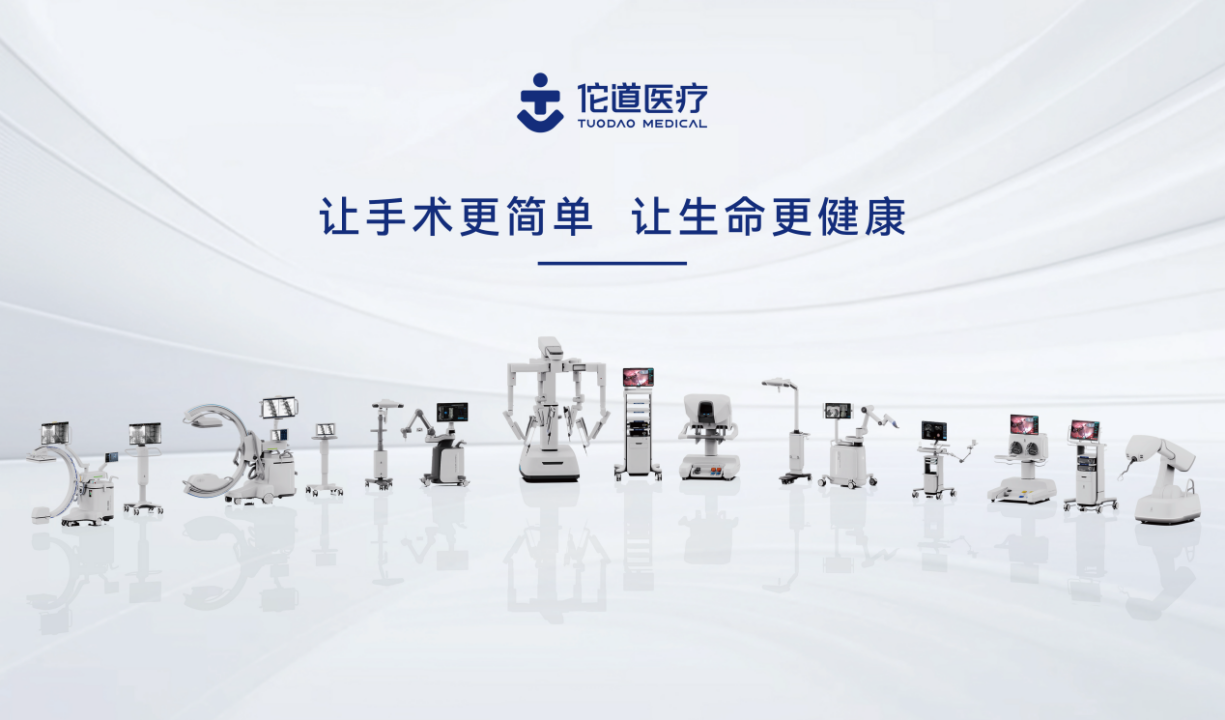
Finally, guided by insights into clinical surgical needs, Tuodao Medical has strategically positioned itself across five key domains: orthopedic surgical robots, laparoscopic surgical robots, puncture surgical robots, natural orifice transluminal endoscopic surgery (NOTES) robots, and medical imaging equipment, outlining a comprehensive strategic development blueprint. This matrix-style R&D model, featuring both vertical product-line architecture and horizontal functional structure, not only fosters cross-functional collaboration and empowerment but also strengthens platform-based development and overall technical capabilities, thereby facilitating breakthroughs in critical challenges, resource sharing, technological exchange, and innovation.
The integration of medical and engineering expertise, along with a horizontally diversified development model, has enabled Tuodao Medical to achieve continuous breakthroughs and innovation in the field of medical robotics. By leveraging technological advantages to strengthen its product portfolio barriers, the company delivers surgical robot solutions that are more efficient, safer, and more accessible.
In the field of orthopedic robotics, Tuodao Medical was not the earliest entrant. Many companies launched their products three to five years earlier, but they are currently facing challenges such as sluggish growth and commercialization outcomes that fall short of expectations.
In the increasingly competitive orthopedic surgical robotics industry, since its market launch two years ago,Tuodao Medical’s “hyper-converged” solution has seen significant growth.According to publicly available bid award data from Qianlima, corporate financial reports, and internal company bid award data,In its second year on the market, the system ranked among the top two in the orthopedic surgical robot market, jointly accounting for approximately 50% of the domestic market share with Tinavi.What is thought-provoking is why Tuodao Medical, as a latecomer, has demonstrated such strong vitality?
Through the 2024 COA Congress, it is evident that its key lies in continuous iterative innovation.
Surgical robotics is an industry that demands substantial technological accumulation and clinical refinement. Internationally renowned brands have undergone a decade or more of product iteration to achieve widely recognized clinical value and usability. Companies should avoid the optimistic assumption that commercial success can be easily attained with the launch of a first-generation product; technological accumulation and continuous iteration are indispensable elements in the current surgical robotics landscape. Therefore, surgical robot manufacturers must be mentally prepared: only through rapid, continuous iteration, constant product refinement centered on clinical value and user needs, and the identification and remediation of gaps, can second- and third-generation products become more robust. This approach ensures both clinical practicality and compatibility with a broader range of applications, thereby securing a cost-effectiveness advantage in hospitals.
Tuodao Medical has established an in-house product team with clinical backgrounds, adopting a forward-looking strategy to formulate product roadmaps and conduct preliminary technical research based on international frontiers. By identifying and resolving potential issues at the early stages of product development, and leveraging methods such as operational simulations, animal studies, and clinical trials, the company ensures that each product undergoes comprehensive testing and refinement prior to market launch. This R&D model, deeply integrated with clinical practice, enables Tuodao Medical’s products to precisely address actual medical needs, thereby providing sustained late-mover competitive advantage in the market.
Note:
1. Data from Tuodao Medical’s X-Navi Laboratory show that, when performing the same surgical workflow using the RC ONE Hyper-Converged System and the IC100 3D Hyper-Converged Surgical System, the RC ONE Hyper-Converged System reduced the average registration time by 67%.
2. Data from Tuodao Medical's X-Navi Laboratory show that, when performing the same surgical procedures, the RC ONE hyper-converged system reduces radiation dose by an average of 98% compared to the IC100 3D hyper-converged surgical system.