

Peking University Health Science Center Successfully Hosts the 2nd Forum on Innovation and Development of Integrated Traditional Chinese and Western Medicine
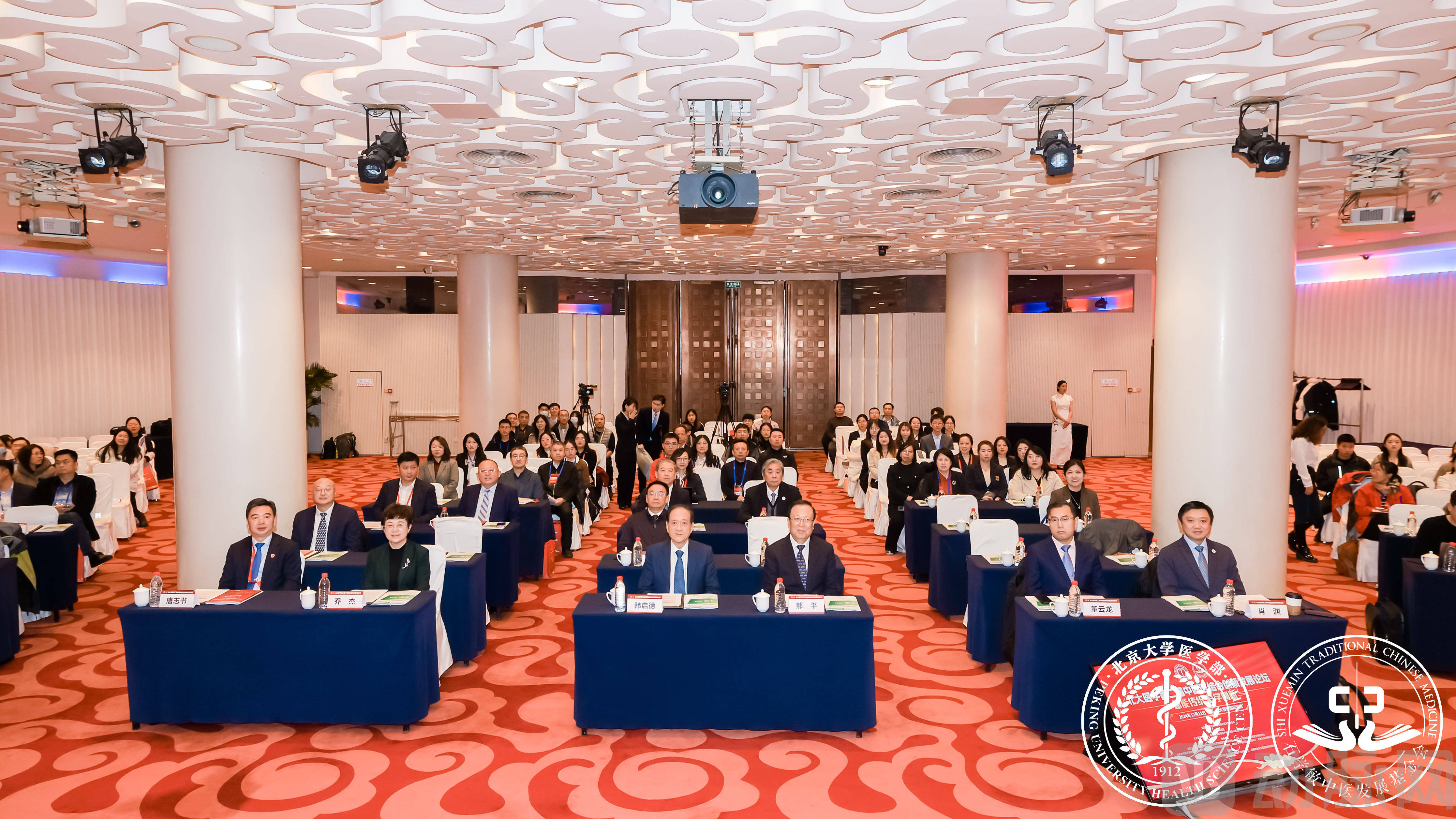
On December 11, the 2nd Peking University Health Science Center Forum on Innovative Development of Integrated Traditional Chinese and Western Medicine, co-hosted by Peking University Health Science Center and the Shi Xuemin Traditional Chinese Medicine Development Foundation, was successfully held. Themed “Empowering Tradition, Innovating with Science,” the forum attracted more than 500 experts, scholars, industry practitioners, faculty members, students, and colleagues from all sectors of society to attend in person, while the online live stream garnered over 2 million views.
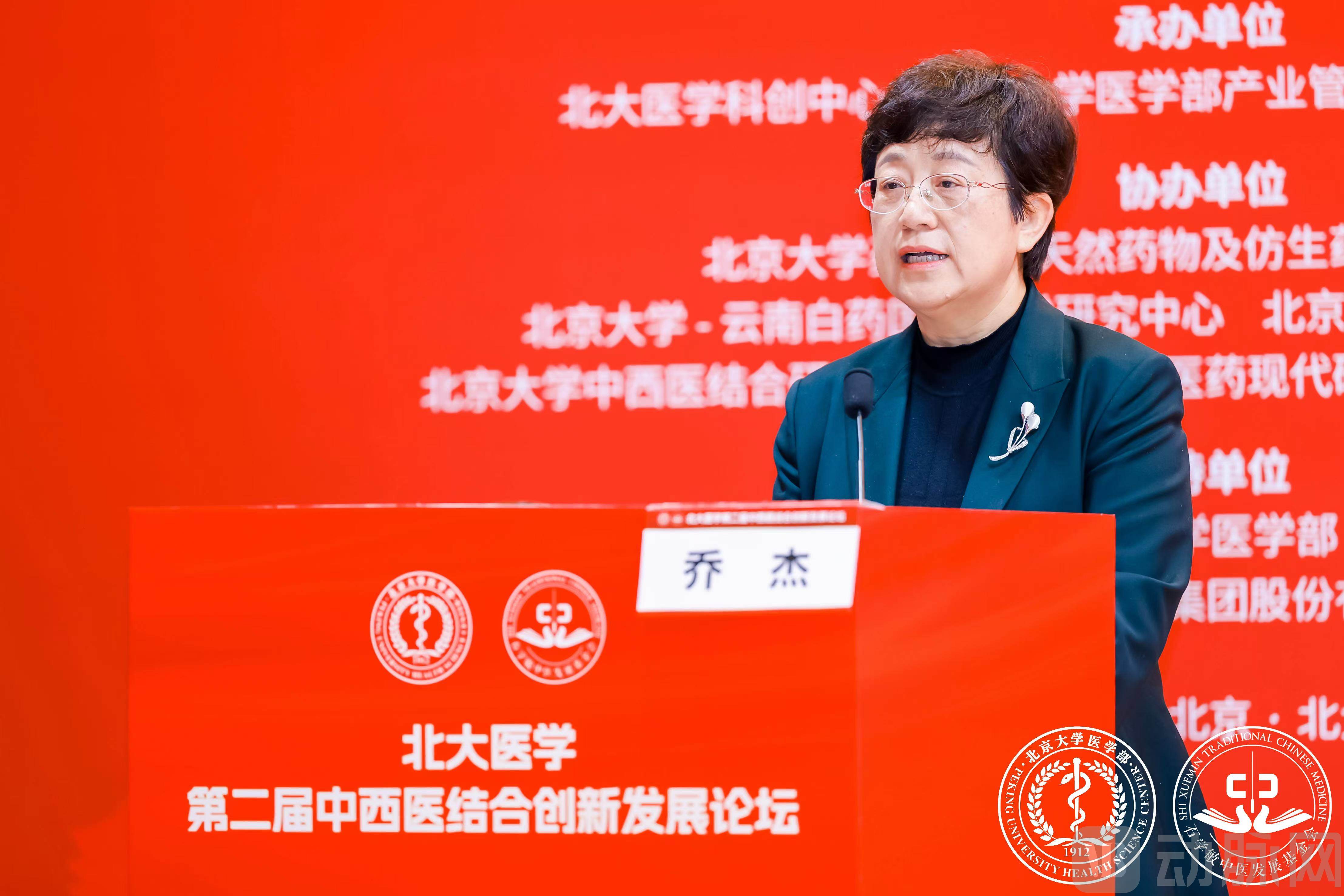
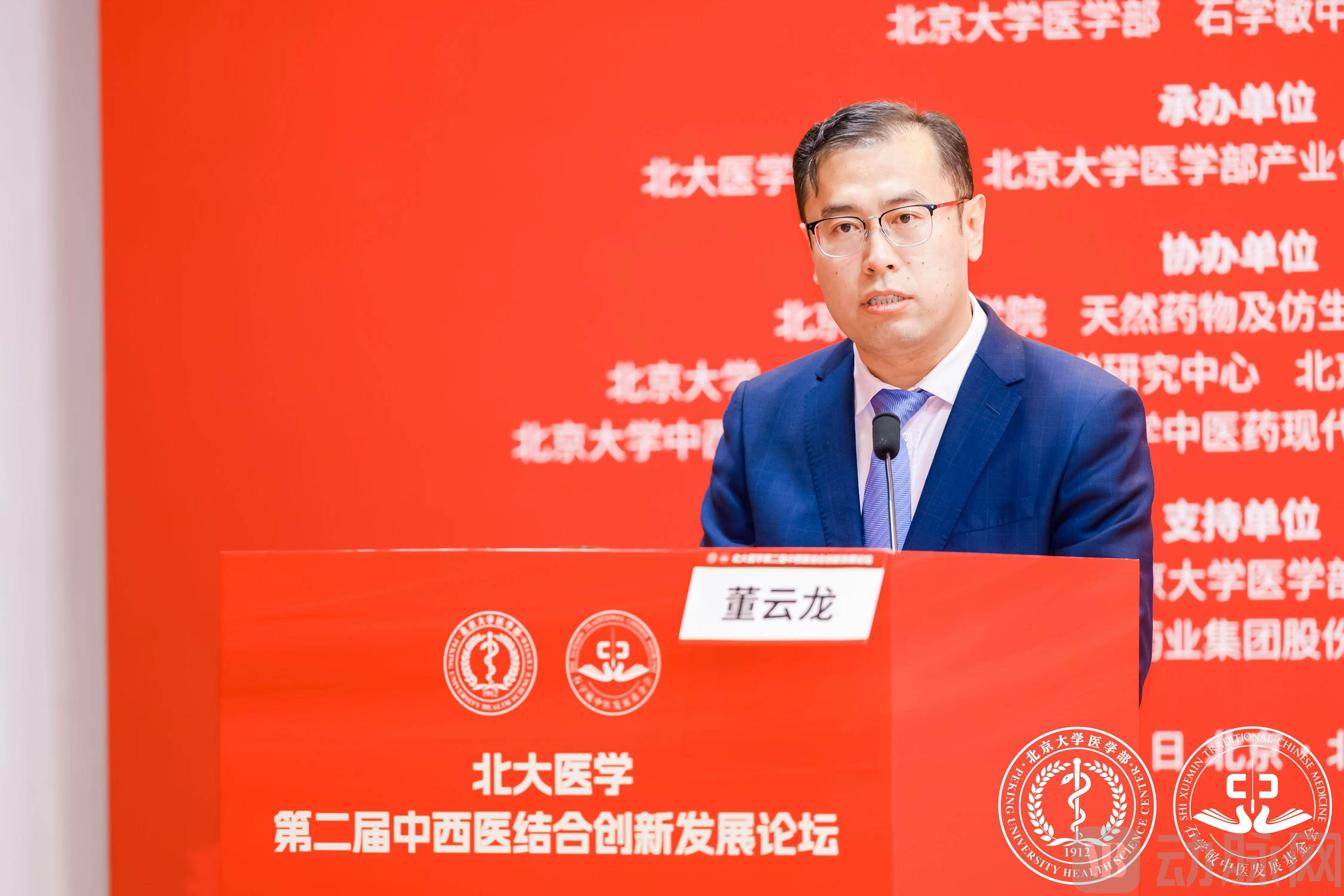
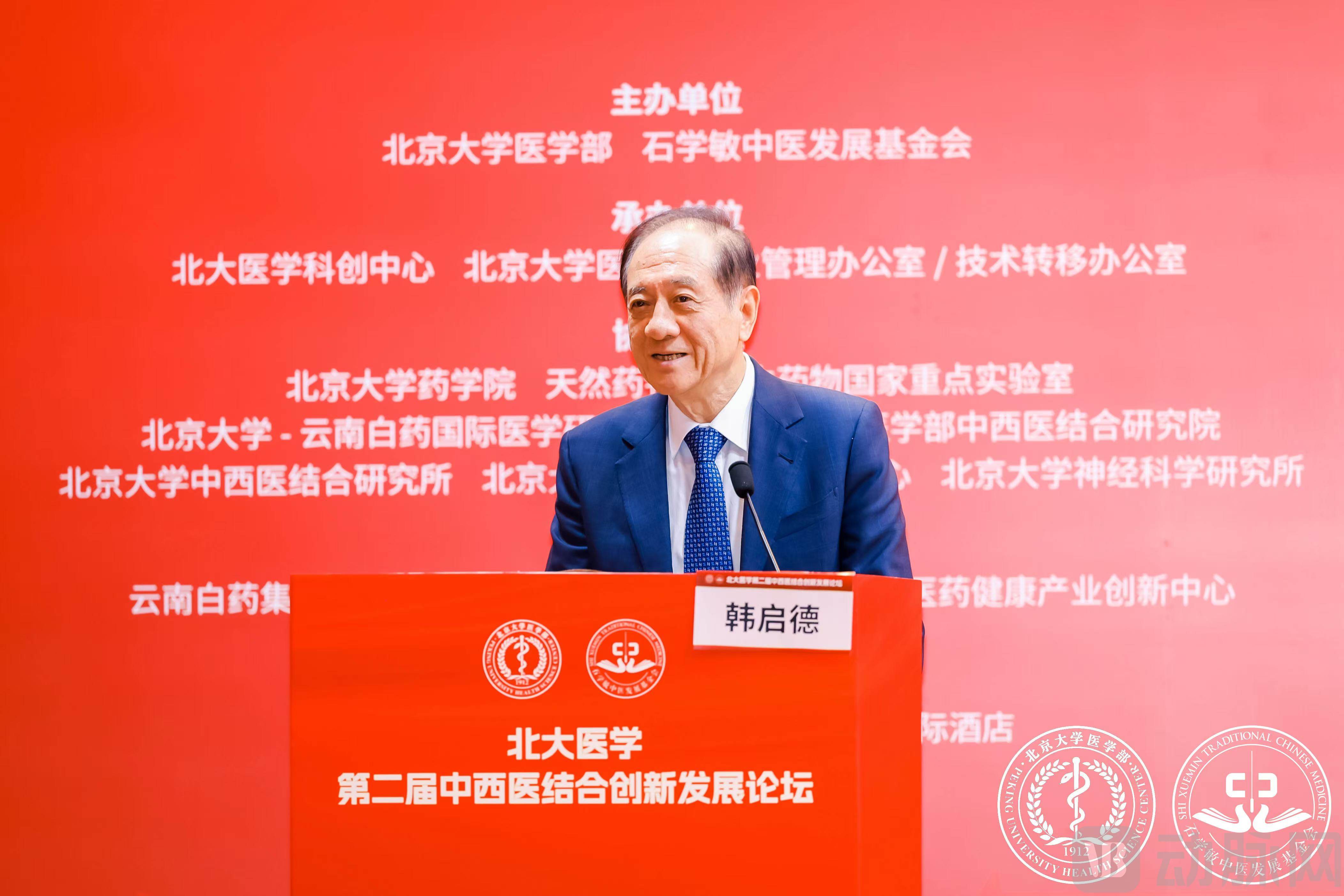
Hao Ping, Secretary of the Party Committee of Peking University, attended the forum. Qiao Jie, Member of the Standing Committee of the Party Committee of Peking University, Executive Vice President, Director of the Health Science Center, and Academician of the Chinese Academy of Engineering; Dong Yunlong, Deputy Director of the Department of Integrated Traditional Chinese and Western Medicine and Ethnic Minority Medicine under the National Administration of Traditional Chinese Medicine; and Han Qide, Academician of the Chinese Academy of Sciences and Honorary Chairman of the China Association for Science and Technology, delivered speeches at the forum in succession. The main forum was moderated by Xiao Yuan, Deputy Director of the Health Science Center of Peking University.
Academician Qiao Jie stated that Peking University has always attached great importance to the development of integrated traditional Chinese and Western medicine. In 2023, Peking University First Hospital and Peking University Third Hospital were selected as pilot units for national-level “flagship” hospitals promoting the integration of traditional Chinese and Western medicine. In the same year, multiple departments in these two hospitals, as well as in Peking University People’s Hospital, were successfully approved as Beijing municipal-level construction units for “flagship” departments integrating traditional Chinese and Western medicine, thereby effectively advancing collaborative efforts between the two medical systems. This year marks a critical juncture for achieving the objectives and tasks outlined in the 14th Five-Year Plan. Recently, President Xi Jinping sent a congratulatory letter to the 2024 World Traditional Medicine Conference, providing clear direction for Peking University Health Science Center to inherit, develop, and utilize traditional medicine effectively. Peking University Health Science Center will continue to engage in theoretical research and practical exploration of integrated traditional Chinese and Western medicine, offering insights and support to advance its development. By doing so, it aims to lay a solid foundation for cultural confidence, comprehensively promote the Healthy China initiative, and contribute to better safeguarding the health of the people.
Deputy Director-General Dong Yunlong stated that in recent years, the National Administration of Traditional Chinese Medicine (NATCM), in collaboration with relevant departments, has thoroughly studied and implemented the important instructions of General Secretary Xi Jinping, promoting the Integrated Traditional Chinese and Western Medicine (TCM-WM) Advancement Project. Jointly with the National Health Commission and other agencies, the NATCM has established the National Center for Integrated TCM and Western Medicine, and developed “flagship” hospitals and departments specializing in integrated TCM-WM care. It has organized and implemented the key special project on “Modernization of Traditional Chinese Medicine” under the National Key R&D Program, and launched high-level training initiatives such as the Research Program for Outstanding Western Medicine Professionals Learning TCM in the New Era. As a century-old medical institution, Peking University Health Science Center has played a demonstrative and leading role in advancing the coordinated development of TCM and Western medicine, accelerating innovation in medical science and technology, and cultivating outstanding medical talent. Moving forward, the NATCM will work with relevant departments to explore new pathways for the innovative development of integrated TCM-WM practice. It also encourages Peking University Health Science Center and the experts participating in this forum to strengthen collaboration and make greater contributions to building a Healthy China.
Academician Han Qide stated that modern medicine has always relied on traditional medicine throughout its development. In recent years, China has made significant progress and achievements in the integration of traditional Chinese and Western medicine; however, gaps still remain, primarily due to the need for a deeper understanding of this integrative approach. Peking University Health Science Center has achieved notable results in the field of integrating traditional Chinese and Western medicine over the years, yet there is still room for further improvement. Looking ahead, it is hoped that Peking University Health Science Center will continue to exert greater influence, leverage its strengths, and collaborate with experts and scholars across China to make more significant contributions to the integration of traditional Chinese and Western medicine, thereby driving this endeavor to new heights.
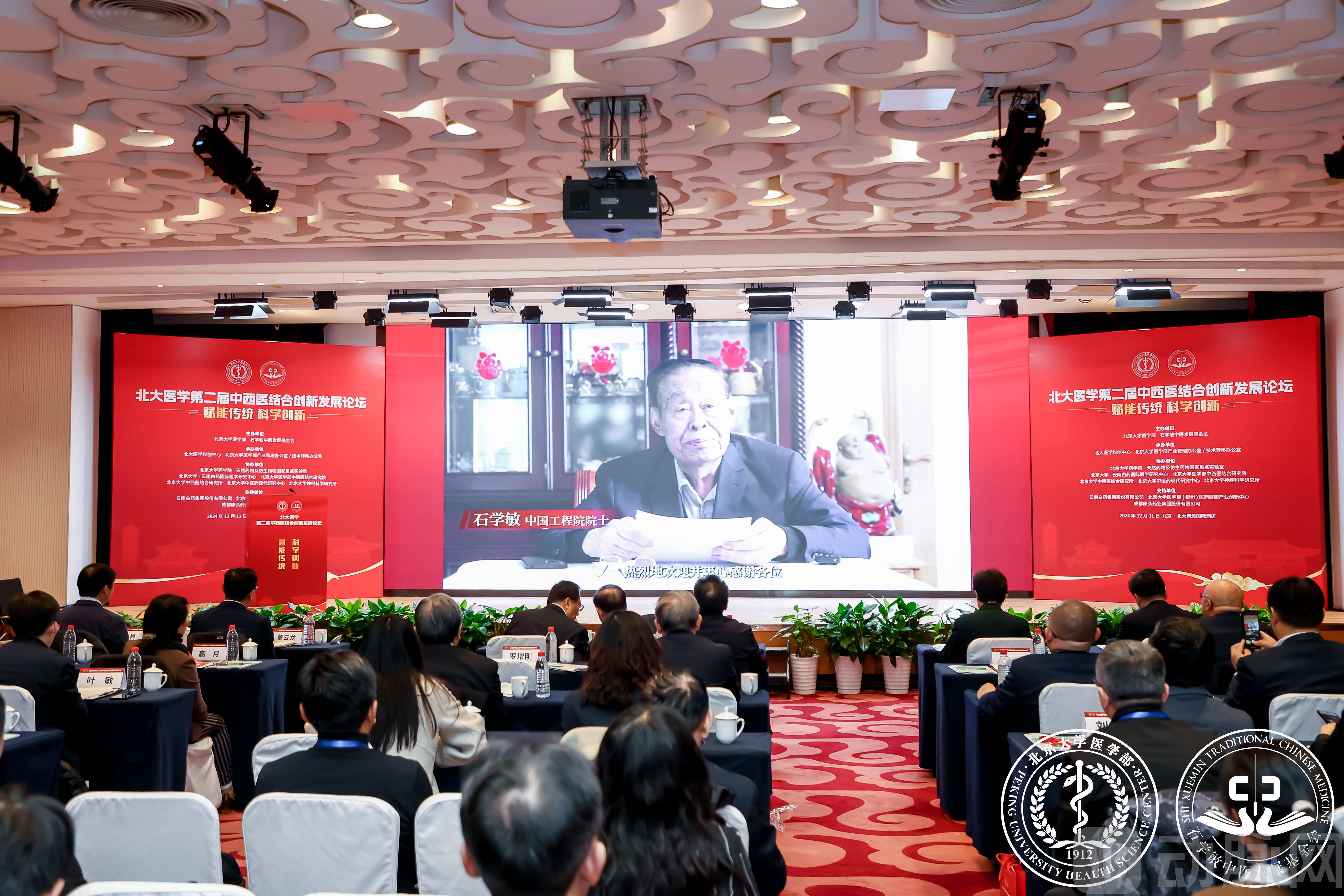
Shi Xuemin, Academician of the Chinese Academy of Engineering, National Medical Master, and Honorary President of the First Teaching Hospital of Tianjin University of Traditional Chinese Medicine; Chen Keji, Academician of the Chinese Academy of Sciences, National Medical Master, and Chief Researcher at the China Academy of Chinese Medical Sciences; and Han Jisheng, Academician of the Chinese Academy of Sciences and Honorary Director of the Neuroscience Research Institute of Peking University, extended their congratulations to the conference via video messages. The three academicians shared their respective experiences and achievements in the field of integrated traditional Chinese and Western medicine, expressing profound expectations for its advancement. They expressed their hope to join hands with medical colleagues worldwide to promote the inheritance and innovation of traditional Chinese medicine, address challenges in integrating traditional Chinese and Western medicine, explore and refine methodologies and techniques for such integration, cultivate more innovative talents with an integrated perspective, and translate more research findings into clinical applications to better serve public health.
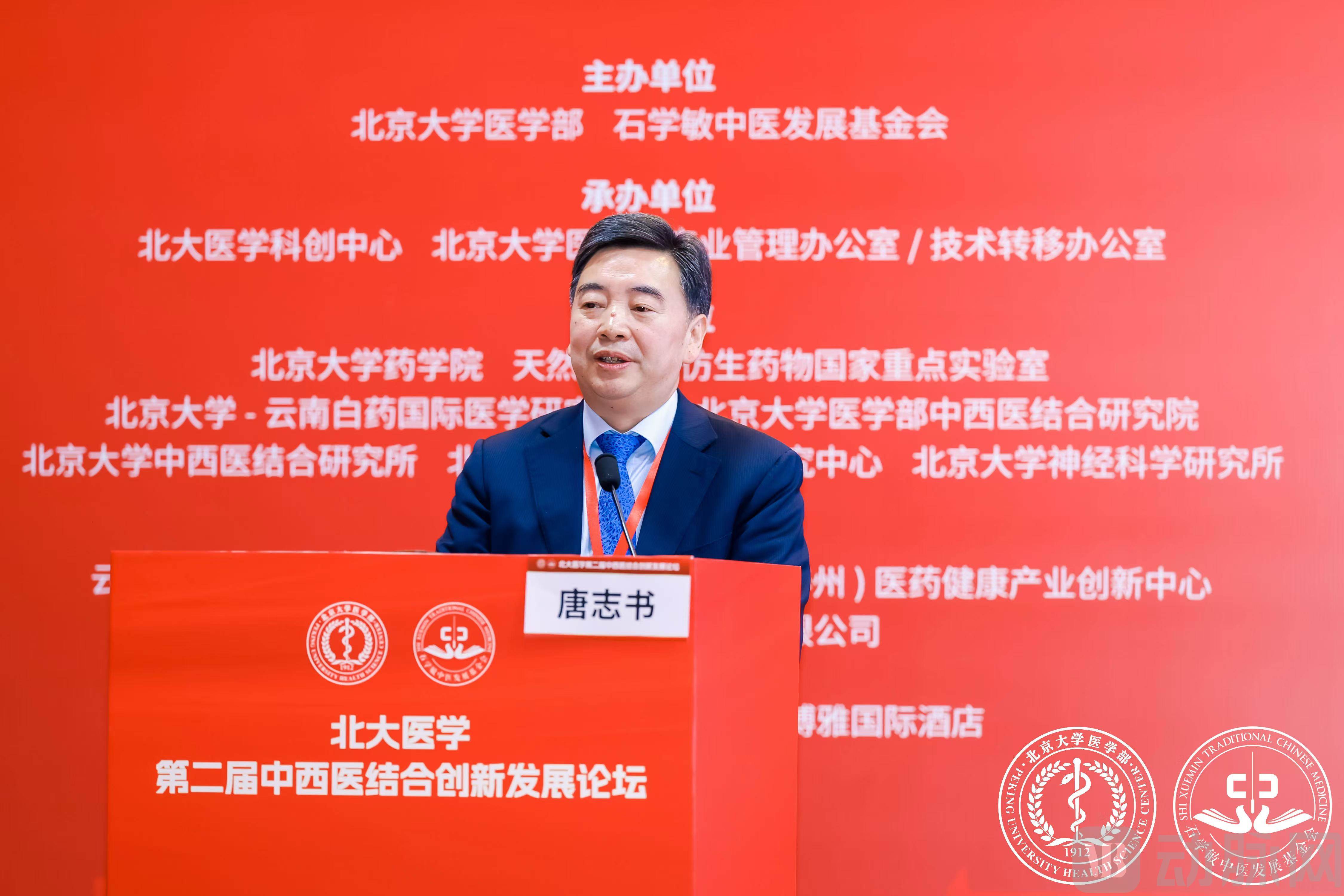
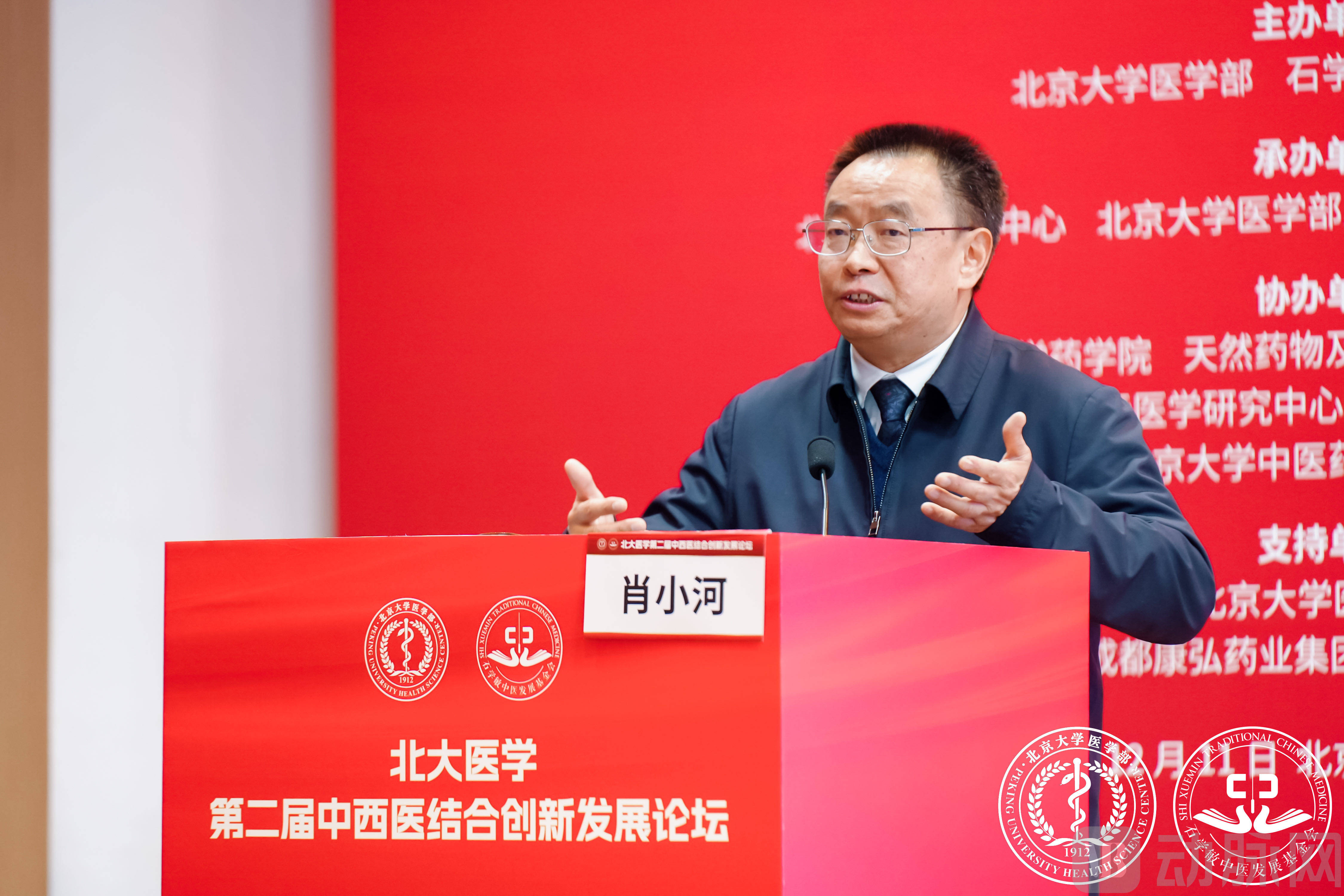
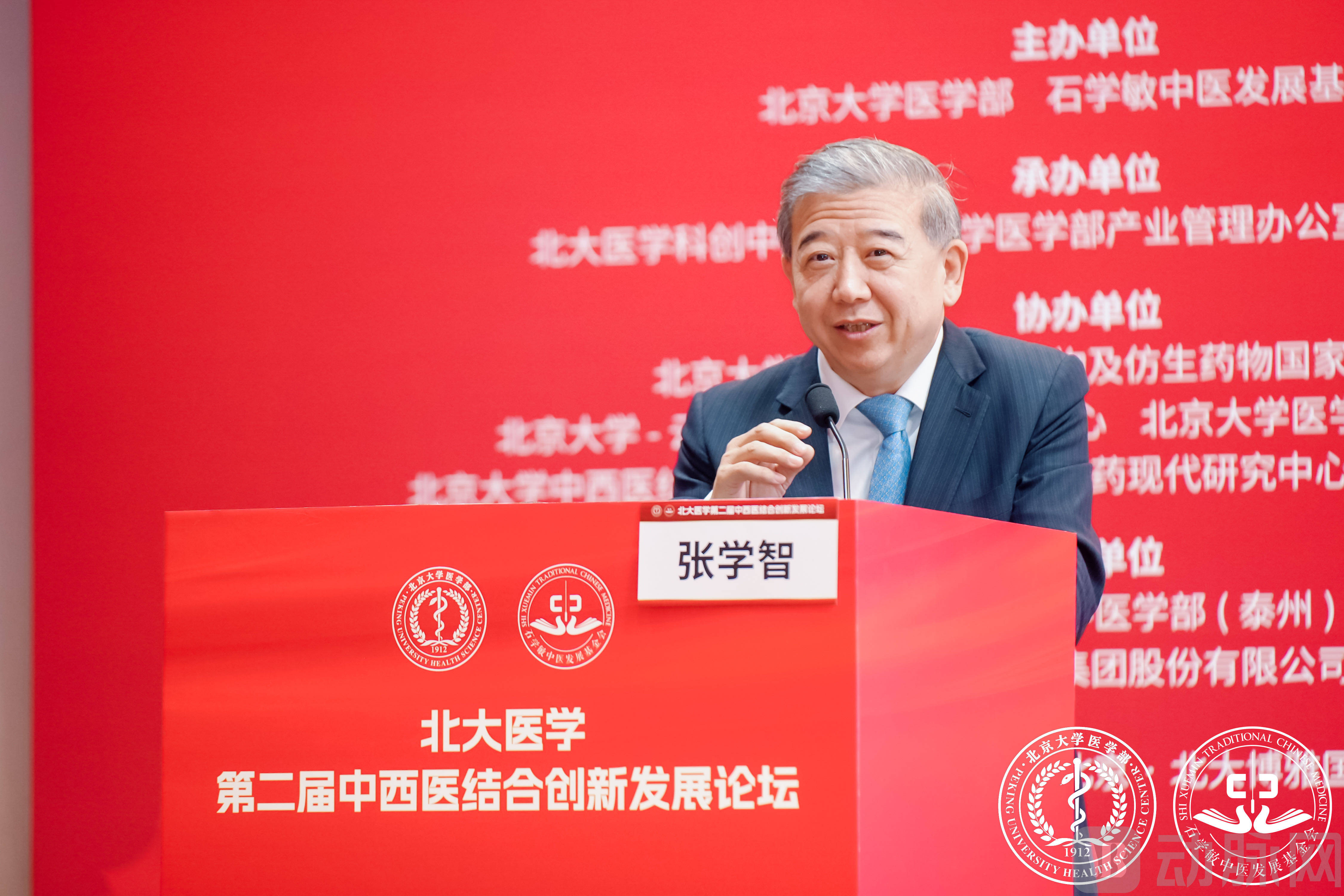
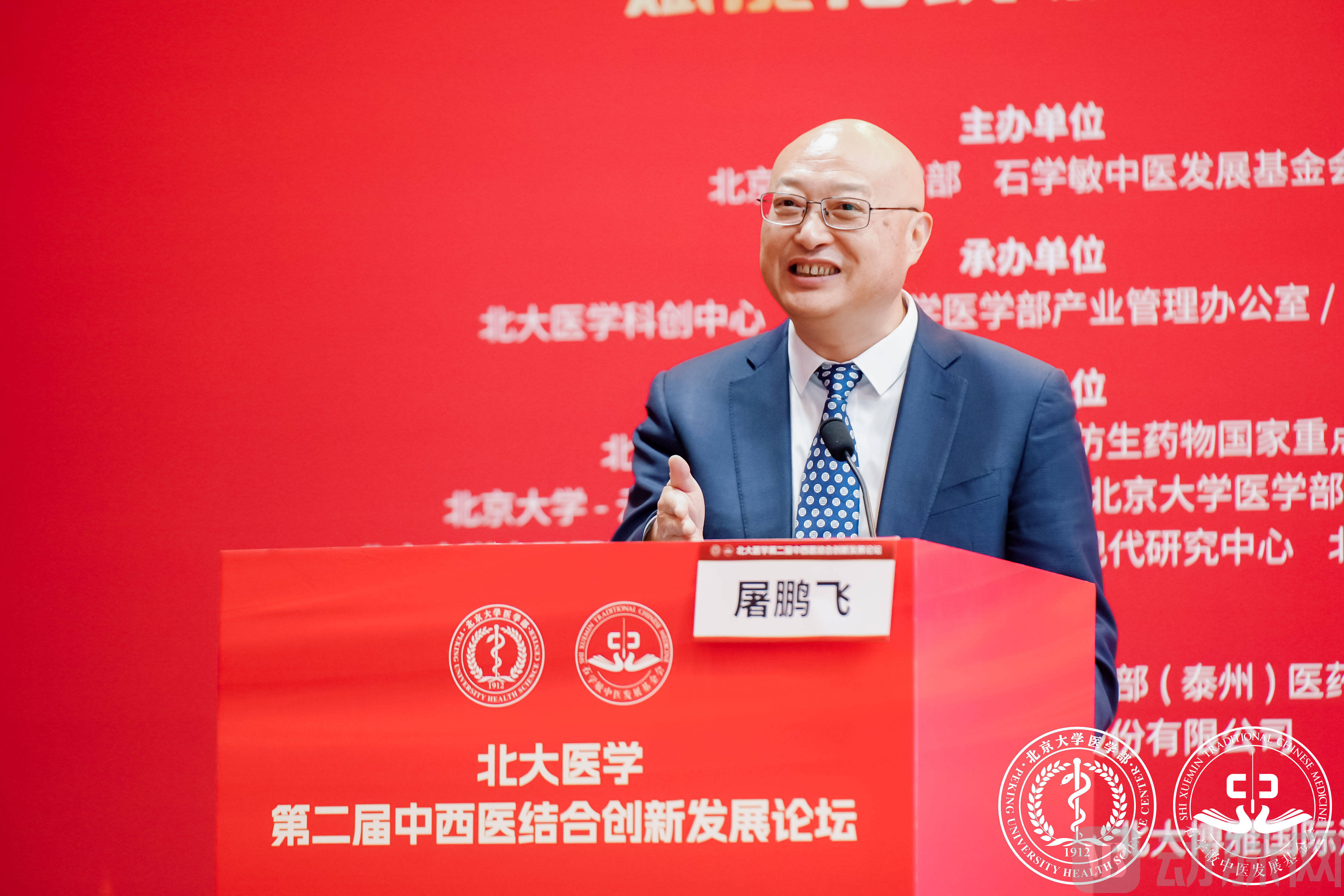
Subsequently, Tang Zhishu, a Qihuang Scholar and President of Beijing University of Chinese Medicine, delivered an insightful report titled “Research on the Application of AI-Based Online In Vitro Activity Screening in the Quality Evaluation of Traditional Chinese Medicine.” Xiao Xiaohe, a National Distinguished Young Scholar, Qihuang Scholar, Chairman of the Academic Committee of the Department of Hepatology at the Chinese PLA General Hospital, and Director of the Institute of Traditional Chinese Medicine of the People’s Liberation Army, presented on “Safety Evaluation and Precision Medication of Traditional Chinese Medicine Based on Underlying Logical Cognition.” Zhang Xuezhi, a Qihuang Scholar, Director of the Department of Integrated Traditional Chinese and Western Medicine at Peking University Health Science Center, and Director of the Department of Traditional Chinese Medicine and Integrated Traditional Chinese and Western Medicine at Peking University First Hospital, discussed “Construction and Scientific Connotation of an Integrated Traditional Chinese and Western Medicine Diagnosis and Treatment Protocol for Helicobacter pylori-Associated Gastritis Based on Real-World Evidence.” Tu Pengfei, a National Distinguished Young Scholar, Qihuang Scholar, and Director of the Modern Research Center for Traditional Chinese Medicine at Peking University, gave a presentation titled “Cistanche: From an Endangered Plant to a Major Traditional Chinese Medicinal Product.” Drawing on their extensive research and clinical experience in integrated traditional Chinese and Western medicine, these four experts provided profound insights into its development. Their reports not only highlighted the latest achievements in this field but also fully demonstrated the broad prospects and limitless possibilities for the future development of integrated traditional Chinese and Western medicine.
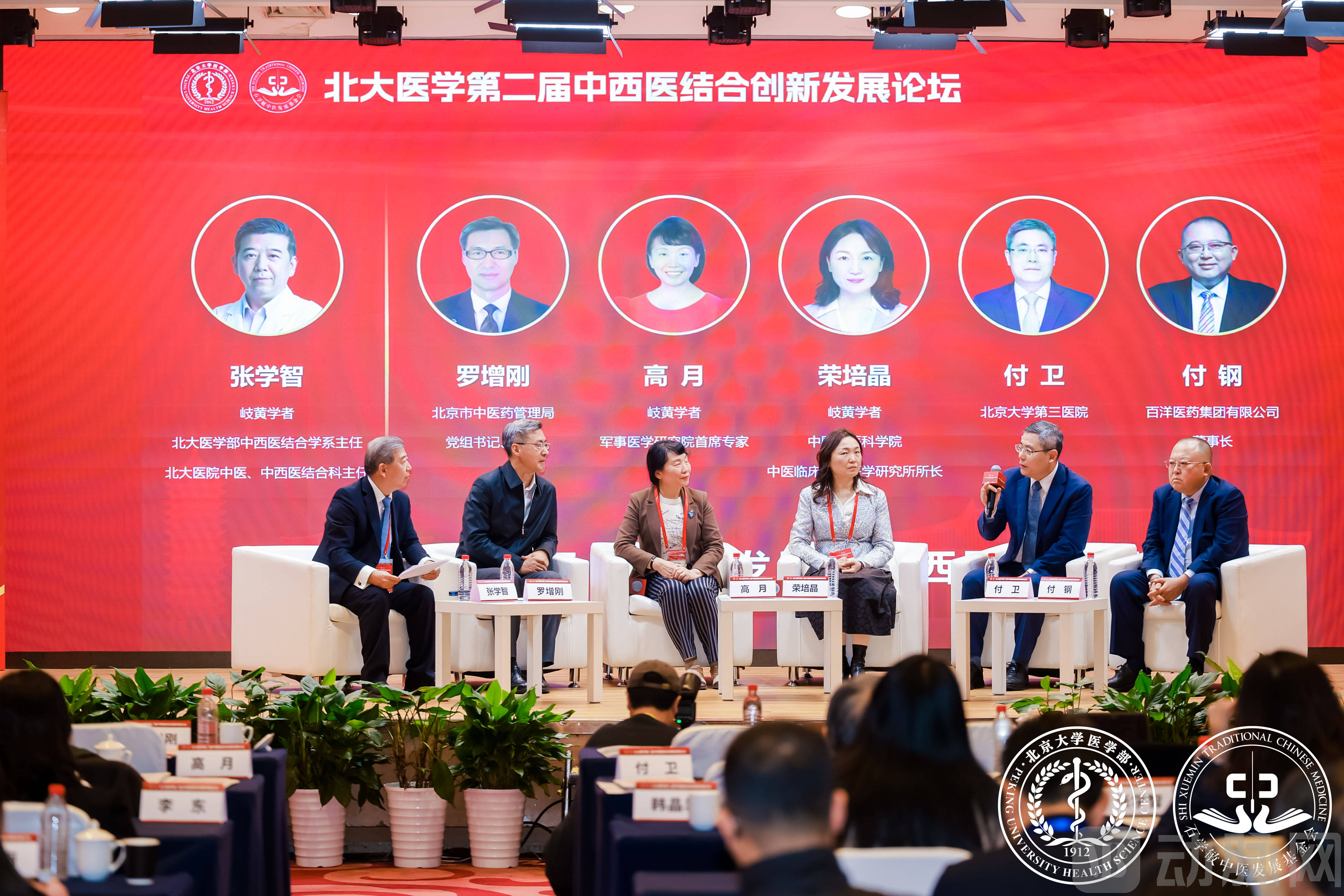
During the roundtable discussion, Luo Zenggang, Party Secretary and Director of the Beijing Municipal Administration of Traditional Chinese Medicine; Gao Yue, Qihuang Scholar, Chief Expert at the Academy of Military Medical Sciences, and Director of the Military Laboratory for Intelligent Research on Traditional Chinese Medicine in Special Environments; Rong Peijing, Qihuang Scholar and Director of the Institute of Clinical Basic Medicine of China Academy of Chinese Medical Sciences; Fu Wei, President of Peking University Third Hospital; and Fu Gang, Chairman of Baiyang Pharmaceutical Group Co., Ltd., jointly participated in the roundtable. Zhang Xuezhi, Qihuang Scholar, Chair of the Department of Integrated Traditional Chinese and Western Medicine at Peking University Health Science Center, and Director of the Department of Traditional Chinese Medicine and Integrated Traditional Chinese and Western Medicine at Peking University First Hospital, served as the moderator for this session. The guests engaged in an in-depth discussion on the inheritance, innovation, and development of integrated traditional Chinese and Western medicine from their respective perspectives.
Following the conclusion of the main forum in the morning, four parallel sub-forums were held in the afternoon: the Drug Research Forum, the Diagnosis and Treatment Innovation Forum, the Collaborative Development Forum, and the Achievement Transformation Forum. The sub-forums were chaired by four session chairs: Ye Min, Dean of the School of Pharmaceutical Sciences at Peking University and Deputy Director of the State Key Laboratory of Natural and Biomimetic Drugs; Zhang Xuezhi, a Qihuang Scholar, Director of the Department of Integrated Traditional Chinese and Western Medicine at Peking University Health Science Center, and Director of the Department of Traditional Chinese Medicine and Integrated Traditional Chinese and Western Medicine at Peking University First Hospital; Han Jingyan, Dean of the Institute of Integrated Traditional Chinese and Western Medicine at Peking University Health Science Center; and Shen Juan, Deputy Director of the Industry Management Office and Director of the Technology Transfer Office at Peking University Health Science Center.
The atmosphere at each forum was vibrant, with attendees actively engaging in exchanges and interactions. Participants remarked that the forums provided an excellent platform for communication, facilitating timely access to the latest research and developments in the field of integrated traditional Chinese and Western medicine, while also broadening their academic horizons.
This forum comprehensively addressed core topics, including drug development integrating traditional Chinese medicine (TCM) and Western medicine, innovation in diagnostic and therapeutic technologies, interdisciplinary collaborative development strategies, and efficient pathways for translating scientific achievements. Leveraging the disciplinary strengths of Peking University Health Science Center, it showcased multidimensional perspectives on the integration of TCM and Western medicine. The forum aimed to promote the long-term development of integrated TCM and Western medicine and the revitalization of TCM, highlight the distinctive advantages of TCM in health services, lay a solid foundation for cultural confidence, and provide strong support for comprehensively advancing the Healthy China initiative and better safeguarding public health.