

Pheno.AI Files IPO Prospectus for GluFormer: A Generative AI Platform Predicting Glucose Levels and Diabetes Risk Up to Four Years in Advance
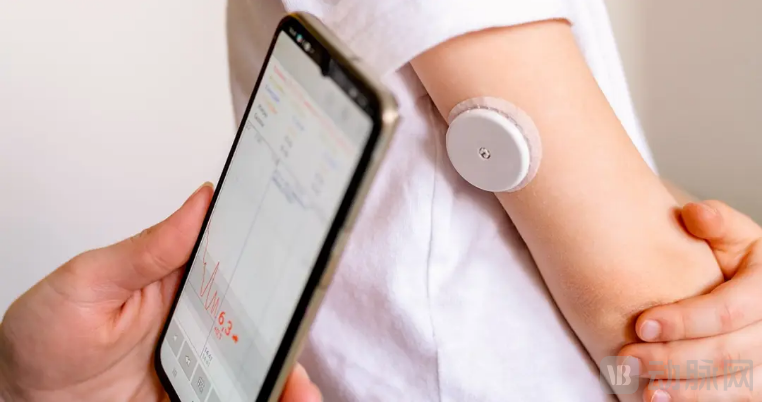
When patients with diabetes or others monitoring their sugar intake are faced with a cookie, they may wonder, “What impact will eating this have on my blood glucose levels?” Today, generative AI models can predict the outcome.
AI Model Co-led by Researchers from the Weizmann Institute of Science, Startup Pheno.AI, and NVIDIAGluFormer, capable of predicting an individual's future blood glucose levels and other health indicators based on historical blood glucose monitoring data.
Harvard Health Publishing and NYU Langone Health state that continuous glucose monitoring data facilitates more rapid diagnosis of prediabetes or diabetes. GluFormer’s AI capabilities further leverage this data to help clinicians and patients identify anomalies, predict clinical trial outcomes, and forecast health status up to four years in advance.
Researchers stated that after incorporating dietary intake data into the model, GluFormer can also predict an individual’s glycemic response to specific foods and dietary changes, thereby enabling precision nutrition management.
By predicting blood glucose levels in individuals at high risk for diabetes, physicians and patients can implement preventive care measures at an early stage to improve patient outcomes and mitigate the economic burden of diabetes. By 2030, the global economic impact of diabetes is projected to reach $2.5 trillion.
AI tools such as GluFormer will help hundreds of millions of adult patients with diabetes. Currently, approximately 10% of adults worldwide have diabetes. By 2050, this figure is projected to double, affecting more than 1.3 billion people. Diabetes is one of the top ten causes of death globally and can lead to complications such as kidney damage, vision loss, and heart disease.
GluFormer is a Transformer model, a neural network architecture capable of tracking relationships in sequential data. Its architecture is identical to that of OpenAI’s GPT model, except that it generates glucose levels rather than text.
Gal Chechik, Senior Director of AI Research at NVIDIA, stated, “Medical data, particularly continuous glucose monitoring data, can be viewed as a sequence of diagnostic tests that track biological processes in living organisms. We have found that the Transformer architecture, originally developed for long text sequences, can process medical test sequences and predict the outcomes of subsequent tests. In doing so, it learns how diagnostic measurements evolve over time.”
The model was trained on 14-day continuous glucose monitoring data from over 10,000 non-diabetic study participants. These data were collected as part of the Human Phenotype Project initiated by Pheno.AI, with measurements recorded every 15 minutes via wearable monitoring devices. Pheno.AI is a startup dedicated to improving human health through data collection and analysis.
Guy Lutsker, the paper’s first author, is a researcher at NVIDIA and a Ph.D. candidate at the Weizmann Institute of Science. He stated, “Two key factors enabling this research were NVIDIA-powered mature generative AI technologies and the large-scale health data collected by the Weizmann Institute. Thanks to these resources, we were able to extract valuable medical insights from the data.”
The research team validated GluFormer on 15 additional datasets and found that it accurately predicted health outcomes in other populations, including prediabetes, type 1 and type 2 diabetes, gestational diabetes, and obesity.
They usedNVIDIA Tensor Core GPUClusters accelerate model training and inference speeds.
In addition to blood glucose levels, GluFormer can also predict medical metrics such as visceral adipose tissue (a measure of body fat around organs like the liver and pancreas), systolic blood pressure (associated with diabetes risk), and the apnea-hypopnea index (a measure of sleep apnea, which is linked to type 2 diabetes).
Read the GluFormer research paper on Arxiv:
https://arxiv.org/abs/2408.11876