

Three Critical Insights from AI-Driven Drug Discovery: Eglin Pharmaceuticals Files IPO Prospectus
"Reflecting on the past and summarizing the present is the key to the future."
At the start of 2025,VCBeat was honored to invite Dr. Li Changqing, Co-founder and Chief Medical Officer of Aeglea Pharma, for an in-depth dialogue. This discussion aims to summarize the challenges and opportunities facing the AI-driven drug discovery industry, while distilling three key factors for the steady progress of AI pharmaceutical companies in a complex and dynamic market environment by examining Aeglea Pharma’s development, core technological advantages, and future strategic planning.

The year 2024, which has just passed, was a year for AI drug discovery and a key turning point in the development of the AI drug discovery industry.
Among the three major Nobel Prizes in science awarded in 2024, two were related to artificial intelligence (AI). The Nobel Prize in Physics was first awarded to two AI pioneers—John Hopfield and Geoffrey Hinton—in recognition of their “foundational discoveries and inventions that enable machine learning with artificial neural networks.” Subsequently, the Nobel Prize in Chemistry was half awarded to David Baker for his contributions to computational protein design, and the other half jointly to Demis Hassabis and John Jumper for their outstanding achievements in using artificial intelligence for protein structure prediction.
In the industrial sector, AI-driven drug discovery has likewise demonstrated robust vitality and immense potential. According to incomplete statistics from VCBeat, as of December 16, there were a total of 35 strategic collaborations and pipeline transactions related to AI-driven drug discovery involving domestic and international entities in 2024, among which 12 transactions involved Chinese enterprises.
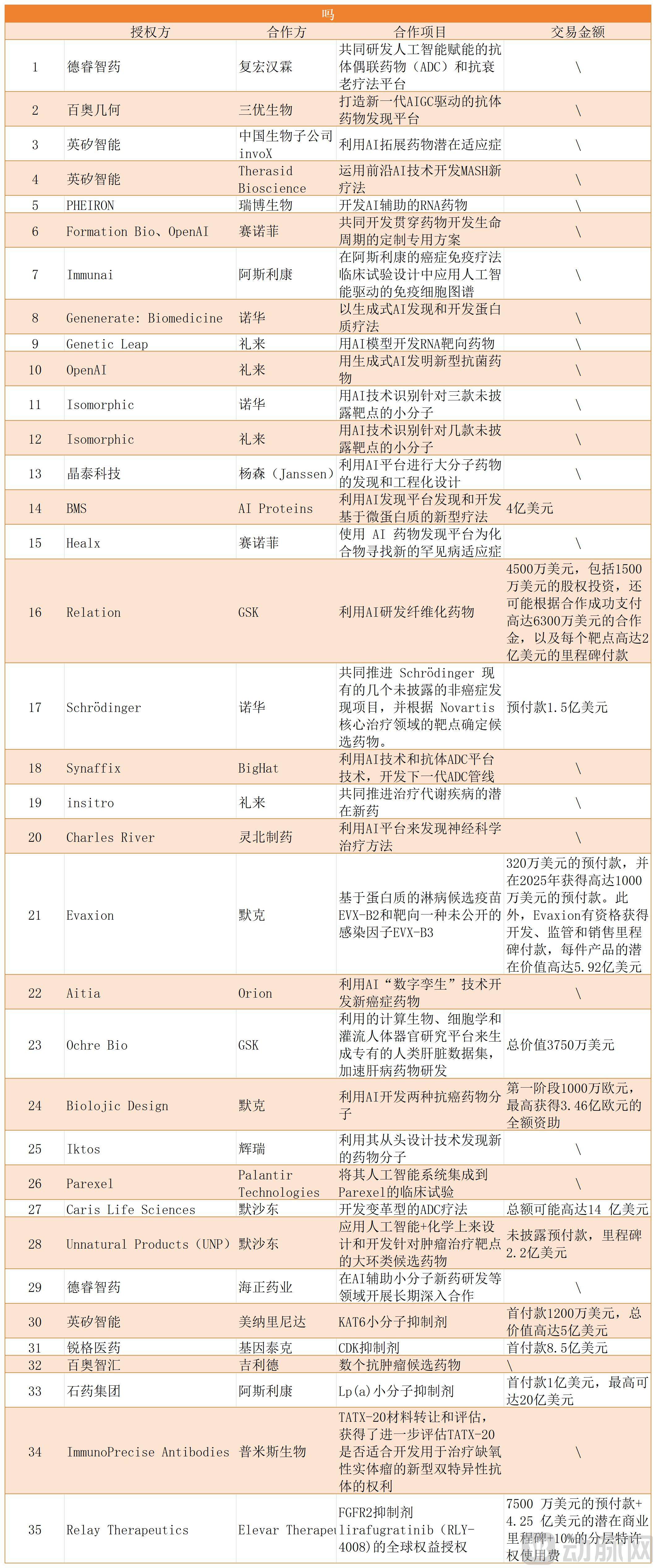 Figure 1. AI Drug Discovery Collaborations in China and Overseas in 2024, Graphic by VCBeat
(Manually compiled; please contact VCBeat if any omissions are found)
Among these, six deals were directly related to asset transactions, with Chinese enterprises directly participating in as many as five of them. This data fully demonstrates the vitality and competitiveness of China’s AI-driven drug discovery sector.
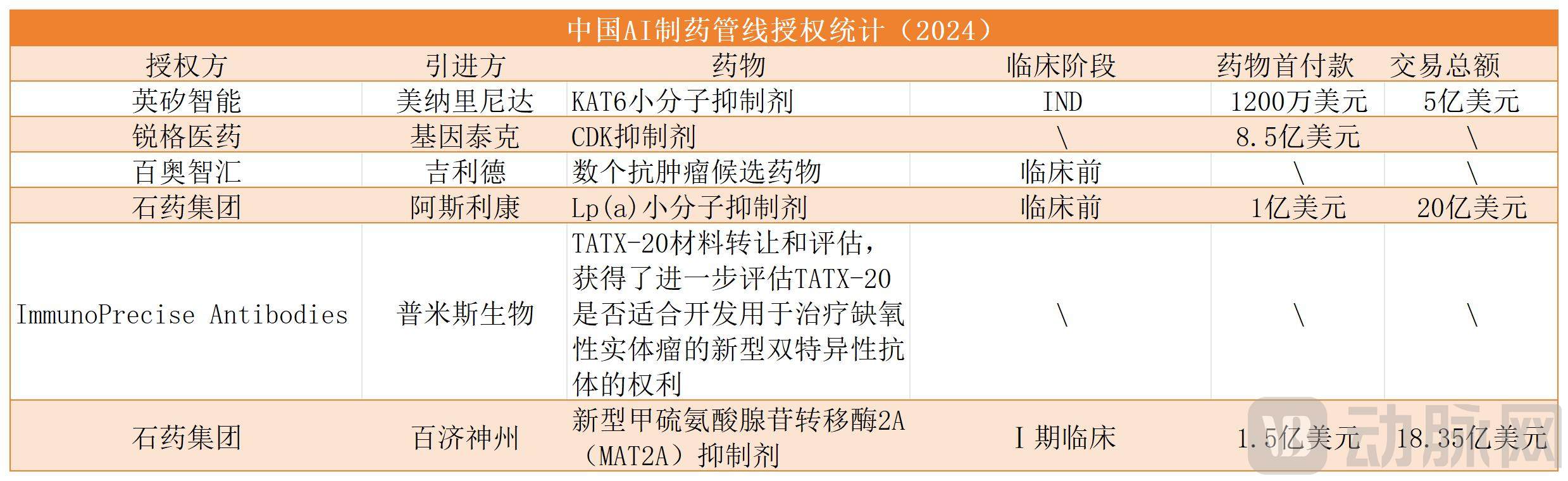 Figure 2. AI Drug Discovery Pipeline Deals in China, 2024 | Chart by VCBeat
(Manual statistics; please contact VCBeat if any omissions are found)
However, much like the trajectory of many emerging industries, the AI-driven drug discovery sector has inevitably followed a path characterized by an initial surge of hype, followed by a cooldown, and gradually moving toward more rational development. Currently, the global AI drug discovery industry, including Chinese enterprises, is seeking a healthier model for industry growth.
The global innovative drug R&D ecosystem no longer regards AI/ML (Artificial Intelligence/Machine Learning) merely as a peripheral tool; instead, AI has become the core driving force propelling new drugs from the laboratory to clinical application, bringing unprecedented breakthroughs and possibilities to basic research. “AI is accelerating a paradigm shift in drug development at an exponential rate, revolutionizing every stage from early discovery to clinical validation,” said Dr. Li Changqing, with evident confidence and anticipation when discussing the application of AI/ML technologies in drug R&D.
“AI technology has sent a clear signal: it can empower basic scientific research, broaden researchers’ exploratory perspectives and methodological approaches, and significantly accelerate and deepen the progress of fundamental research.“He further explained, ‘By leveraging AI’s powerful data processing and intelligent learning capabilities, we can identify research directions, uncover potential mechanisms, and screen for promising targets at unprecedented speeds. It is fair to say that AI’s empowerment of basic research is driving a profound transformation in research paradigms.’”
Preceding the validation of AI technology applications was the market’s acceptance of this technology-enabled model. In 2023, AI-driven pharmaceutical company Neumora Therapeutics went public on the NASDAQ with a total fundraising amount of $250 million. Its valuation was driven not by mature, marketed products, but by its neuroscience data platforms—Data Biopsy Signatures and Precision Phenotypes. These platforms integrate multi-source data from genomics, proteomics, electroencephalography (EEG), imaging, digital metrics, and clinical measurements, leveraging analytical methods such as artificial intelligence, machine learning, and bioinformatics. With these two AI-powered platforms, Neumora can deeply explore the underlying mechanisms of neurological disorders, precisely identify drug development targets, and provide more precise, safe, and effective medications and comprehensive solutions for patients with brain diseases. Currently, its development pipeline covers multiple areas, including neuropsychiatric disorders and neurodegenerative diseases.
In the realm of basic research, the accelerating impact of AI on scientists has begun to show tangible results: structural elucidation, which previously required months or even years to complete, can now be achieved with comparable accuracy in just days or weeks. This not only enables scientists to conduct functional validation and subsequent drug development more rapidly, but also brings about a revolutionary shift in thinking for basic life sciences research. As Dr. Li Changqing stated, “During the implementation of a project at Eglin, we generated therapeutic hypotheses in just three days that would typically require experts one month of literature review to derive, with both the quantity and comprehensiveness of the hypotheses surpassing those achieved through traditional methods.“The high efficiency and accuracy brought by AI are reshaping the way basic research is conducted.”
The essence of innovative drug development lies in translating ideas and discoveries from basic research into concrete therapeutic interventions. The biopharmaceutical industry can rightly be termed a “creative industry,” as it integrates high levels of creativity, interdisciplinary convergence, and iterative R&D, continuously giving rise to novel therapies that disrupt traditional paradigms. Conventional R&D logic typically begins with elucidating disease pathogenesis, identifying corresponding targets, developing targeted drugs based on target characteristics, and finally proceeding to clinical trials. This process is not only time-consuming and costly but also entails a certain degree of uncertainty.
The concept of “reverse translational science” offers a more creative pathway to enhance R&D efficiency: starting from patients and clinical phenotypes, and integrating genomics and biomarker research, it elucidates the disease mechanisms underlying clinical manifestations, thereby providing more precise direction for subsequent drug development. However, to harness reverse translational science, R&D teams must possess extensive clinical and medical expertise while also leveraging AI technologies to synthesize and analyze multidimensional data, thus bridging the gap between innovation and scientific rigor.
Eglin Pharmaceuticals operates under this model, integrating AI-driven identification of multi-targets and pathological networks to align research more closely with real-world disease states. Its dynamic, non-linear research workflow enables researchers to adjust directions in real time based on data, preserving the standardized processes of traditional models while leveraging the multidimensional data analysis advantages of reverse-engineering models to creatively establish more flexible and efficient research pathways.
In practice, Eglin has also comprehensively upgraded the three-tier model of foundational tools for disease research—comprising polygenic mechanism analysis, clinical phenotypes and disease subtypes, and precision medicine—using AI-driven PheWAS (Phenome-Wide Association Studies). This AI-powered analysis not only focuses on drugs and specific targets but also establishes a scalable research framework oriented toward overall disease mechanisms. This approach brings greater creativity and possibilities to new drug development, drug repurposing (such as ASM inhibitors), and prodrug design, thereby enhancing drug safety and clinical applicability while continuously injecting innovative momentum into biomedical R&D.
According to Dr. Li Changqing,Leveraging a three-tier disease model built on AI/ML and dynamically integrated with reverse translation science, Aegle has currently developed 10 proprietary pipelines, covering indications with no existing treatments worldwide, such as lupus-related cognitive impairment, dry age-related macular degeneration, and preeclampsia in women.AI-empowered biopharmaceutical R&D not only accelerates and disrupts basic research, but also continuously generates novel therapeutic concepts and strategies, delivering truly breakthrough benefits to patients—fully demonstrating the charm and potential of biomedicine as a “creative industry.”
Not long ago, U.S.-listed AI drug discovery company Relay Therapeutics licensed its FGFR2 inhibitor, lirafugratinib (RLY-4008), to a South Korean pharmaceutical firm for an upfront payment of $75 million. RLY-4008 is considered an “NDA-ready” asset. Given the comprehensive clinical needs, demand for this drug in the Asian market may far exceed that in Europe and the United States, thereby enhancing the likelihood of the transaction’s success.
Compared with most AI-driven pharmaceutical companies, Relay’s R&D strategy is more “grounded”: it selects targets with well-established and substantial clinical needs and focuses on drug candidates that can rapidly advance into clinical trials and even reach the New Drug Application (NDA) stage. This approach has been key to the company’s ability to swiftly propel its candidate pipeline to the NDA stage and successfully execute transactions. In April 2021, Relay Therapeutics acquired ZebiAI, a company that leverages machine learning to analyze massive DNA-encoded libraries and construct high-quality experimental datasets.
“The disruptive transformation led by AI technology will inevitably reshape the traditional collaborative model of pharmaceutical R&D, gradually shifting the focus toward data-driven global collaboration.“Dr. Li Changqing pointed out. By integrating massive, diverse data accumulated across different regions and institutions, AI-driven drug discovery can establish a more robust and comprehensive information foundation. Both drug molecule data and real-world clinical patient data possess irreplaceable value, with the latter being even more critical and scarce.”
Currently, some leading pharmaceutical companies in China have keenly recognized the importance of enhancing quality and efficiency during the clinical development stage. Represented by Hengrui Medicine and Fosun Pharma, these enterprises are continuously increasing their investments in AI-assisted clinical trial design and data processing, aiming to leverage AI technology to achieve breakthroughs in efficiency within this most time-consuming and costly phase of drug development.
In addition to Hengrui and Fosun, Egret Therapeutics is also actively exploring the application of AI in clinical research. Egret focuses its R&D efforts on disease areas with significant unmet clinical needs, such as immune system disorders and ophthalmic diseases, to effectively enhance the success rate of drug development. By analyzing and mining vast amounts of clinical data, Egret precisely matches indications and optimizes clinical trial designs, enabling its two pipelines, EG-501 and EG-301, to rapidly advance to Phase II clinical trials within 18 months.
“Clinical trials are the most time-consuming, labor-intensive, and costly phase in the drug development process,” said Dr. Li Changqing. “From early screening to final market approval, drugs must undergo multiple phases of clinical trials, each with its own clear objectives and challenges.”In Aeglea’s R&D strategy, the clinical stage has always been the primary focus for AI technology. This approach not only creates a differentiated advantage over other companies in early-stage molecular and target positioning but also genuinely enhances efficiency in the most costly segment of the pharmaceutical industry.
However, the rise of AI in the pharmaceutical industry is accompanied by various risks and challenges. The lack of high-quality data hinders model accuracy, while data privacy and security have become critical factors that companies must carefully consider in global collaborations. The “black box” nature of AI also limits its depth of application in critical scenarios. In fields such as drug development, healthcare, and scientific research, where reliability and transparency are paramount, the impact of “AI hallucinations” is particularly significant. If AI models cannot explain the logic behind their decisions or output unfounded conclusions at critical moments, it becomes difficult for both doctors and patients to trust the results. This is especially true for new drug approval, which requires traceability of decisions and clear allocation of responsibility. If AI-assisted decision-making fails to clearly explain its reasoning process, it may lead to unjust outcomes and make it impossible to assign corresponding accountability.
Furthermore, as AI technology continues to advance in 2024, particularly with the increasingly widespread application of Large Language Models (LLMs), the demand for massive amounts of high-quality text and structured data has become more urgent. However, high-quality textual resources on the internet are limited, with a substantial presence of redundant and noisy data. High-value incremental data is difficult to obtain and comes at a high cost, creating a significant data bottleneck. In the pharmaceutical sector, high-quality resources such as clinical data, real-world evidence, and professional literature are even scarcer, directly impacting the training quality of AI models. Only with sufficient and high-quality data can artificial intelligence maximize its effectiveness in key areas such as drug screening, target validation, clinical trial design, and personalized treatment planning.
Overall, AI’s application in the pharmaceutical industry remains in a continuously evolving stage, having already delivered dual gains in efficiency and innovation for many companies. However, in scenarios demanding high precision, low tolerance for error, and stringent transparency and traceability, critical issues such as the “black box” nature of artificial intelligence, data bottlenecks, and potential algorithmic biases still require thorough attention and resolution.
For the future of the biopharmaceutical industry, AI will continue to serve as a highly potent driving force. However, to achieve greater breakthroughs in translation, implementation, and widespread adoption, the industry and regulatory authorities must collaborate to refine data governance, regulatory policies, and technical standards. Only by ensuring safety, transparency, and fairness can AI technology enable leapfrog development in new drug discovery and clinical research, delivering higher-quality, more affordable innovative therapies to patients.
As previously noted, the internationalization of Chinese pharmaceutical companies is accelerating, ranging from license-out deals and mergers and acquisitions to the NewCo model, as they actively seek collaborative synergies with global partners. For both domestic and overseas pharmaceutical enterprises, engaging in this wave of globalization through various forms has become an imperative path toward deeper development. “It can be said that seizing the opportunities of internationalization means securing the past, present, and future,” emphasized Dr. Li Changqing.
For AI-driven drug discovery, “grasping the past, present, and future” means fully absorbing global experience and technologies to draw on successful practices and lessons learned from failures worldwide, thereby avoiding redundant R&D efforts and enhancing overall efficiency. Meanwhile, actively embracing globalization and strengthening collaborations with leading global institutions are essential to maintaining technological and product leadership. By continuously integrating the latest scientific achievements, AI-driven pharmaceutical companies can more rapidly inject strong momentum into drug development.
Eglin Pharma is a quintessential example of a company that deeply integrates internationalization with artificial intelligence. “Since its inception, Eglin Pharma has been anchored in globalization, clearly defining its ‘Four Globalizations’—global collaborative R&D, cross-border product portfolio layout, international market expansion, and global talent recruitment,” introduced Dr. Li Changqing.
Global R&D CollaborationEglin collaborates with leading global research institutions and universities, continuously enhancing its R&D capabilities through resource and technology sharing. The company has established branches in Shenzhen and Yantai, China, as well as in Maryland, the United States, forming a global R&D network spanning both China and the U.S., and gradually integrating local R&D processes through AI technology.
Product Global Layout: Eglin regards obtaining international regulatory approval as a critical cornerstone for accessing global markets. It has filed over 50 patents worldwide, covering major pharmaceutical markets in China, the United States, Europe, and Japan. This not only safeguards its core intellectual property but also lays a solid foundation for future commercialization.
International Market Expansion: Aegle conducts in-depth research into drug approval processes and market characteristics across different countries and regions, thereby formulating targeted marketing strategies. The company has already established a presence in the United States, Europe, Australia, Hong Kong, Southeast Asia, and other markets. Its AI-powered marketing and data management platform further enhances the company’s penetration and adaptability in overseas markets.
Global Talent Recruitment: The company has assembled a team with both international vision and professional expertise, including AI technology experts, drug R&D personnel, and former FDA reviewers. This diversified talent structure not only ensures efficient synergy between China and the United States in R&D and compliance but also provides strategic depth for Aegle’s future global operations.
In terms of products and financing, Eglin is also accelerating its globalization process:
Product Focus: Continuously refine product quality and engage in in-depth collaborations with renowned international enterprises, leveraging strategic partnerships to enhance the product’s influence in the global market.
Internationalization of Financing: Actively seek overseas investment opportunities and plan for an overseas listing, diversify financing channels from multiple angles, and provide more stable financial support for the company's continuous innovation and development.
Eglin’s practice demonstrates that AI can not only enhance the clinical development efficiency of innovative drugs but also help companies better adapt to the international regulatory environment.
However, the application of AI in the pharmaceutical industry is no longer confined to the technical level; it is profoundly transforming corporate operations, business models, and even the entire industrial ecosystem. As transactions and interactions between Chinese and international innovative enterprises have significantly increased, clinical trial data has become a crucial bargaining chip for fostering collaboration. In the face of the disparities and complexities of drug regulatory regulations across different countries, how Chinese pharmaceutical companies can efficiently adapt to international standards while strictly adhering to domestic regulatory requirements is a key issue that urgently needs to be addressed. As Dr. Li Changqing stated, “As Chinese pharmaceutical companies accelerate their expansion onto the global stage, accurately understanding and adapting to international regulatory standards while ensuring the integrity and reliability of clinical trial data represents both a significant challenge and a critical breakthrough point.”
It is understood that Aiglin is also developing AI guidelines for global regulatory science to help more domestic pharmaceutical companies align with international standards, thereby driving compliance and innovation across the entire industry.
During this process,AI Is Becoming the Core Driver for Enterprises to Reshape Their Business Models.Unlike in the past, when AI was viewed merely as a technological tool, an increasing number of pharmaceutical companies are choosing to fully embrace AI across R&D, marketing, operations, and other domains, thereby driving the following key transformations:
Business Model Transformation: AI is prompting enterprises to rethink how value is created, delivered, and captured. By integrating global R&D, clinical resources, and digital platforms, companies can complete the entire process—from drug target discovery to clinical trial design—in a shorter timeframe, making the value chain more efficient and scalable.
Policy Support: Governments worldwide are increasing their support for digitalization and intelligent transformation, encouraging the pharmaceutical industry to actively adopt AI technologies while continuously refining relevant regulations and approval processes. In this context, Chinese pharmaceutical companies are poised to receive greater resource and financial support, showcasing their innovation capabilities on the global stage.
Return to the Essence of Business: Amid intense international competition and favorable policy conditions, corporate strategy must ultimately focus on core objectives such as enhancing efficiency, reducing costs, and creating new business opportunities. AI provides efficient data analytics and scenario-based application capabilities, enabling enterprises to more accurately identify market demands and respond rapidly.
The Emergence of AI Agents: The application of AI agents in business scenarios such as customer service, marketing, and production management is continuously deepening, enabling enterprises to transition from traditional, labor-driven models to highly automated and intelligent operational modes. For R&D-focused pharmaceutical companies, AI agents can be utilized for molecular design and screening, as well as to assist in real-time analysis and decision-making for clinical trial data.
Platform-based Operations: Enterprises are increasingly relying on integrated digital business platforms to achieve end-to-end digitization and intelligence, spanning R&D management, regulatory submission, and market expansion. Particularly when targeting international markets, platform-based operations enable more effective management of clinical trial data and approval progress across multiple countries and regions, helping enterprises reduce costs and enhance efficiency.
Skill Transformation: In the face of new opportunities and challenges brought by AI, enterprises must accelerate skill transformation and talent development, with a particular need for professionals who possess both an international perspective and AI expertise. By recruiting team members with interdisciplinary backgrounds and innovative mindsets, companies can better achieve a balance among R&D, data analysis, and regulatory compliance.
For the entire biopharmaceutical industry, AI will serve not merely as a foundational tool for technological change, but will continuously drive the reshaping of industrial structures and value chains in the future. Amidst this profound transformation, only enterprises that can discern trends, precisely leverage the advantages of AI, and align with the wave of globalization will truly possess the capability to navigate the “past, present, and future.”
Finally, Dr. Li Changqing provided a concluding overview: The international expansion of pharmaceutical companies and the AI-driven transformation of business models are mutually reinforcing and deeply integrated. For pharmaceutical enterprises both domestically and internationally, it is crucial to chart differentiated development paths within an AI framework. By ensuring global compliance and adhering to regulatory science requirements, and by leveraging AI technology as the core driver to continuously innovate business models, optimize operational processes, and cultivate new types of talent, companies can secure an invincible position in the increasingly fierce international competition.